Your go-to space for fun DIY projects, parenting tips, and creative ideas to enjoy with your kids.


Space in art is something the eye picks up before the mind even names it.
Painting usually begins with curiosity, but quickly turns into confusion when the first attempt does
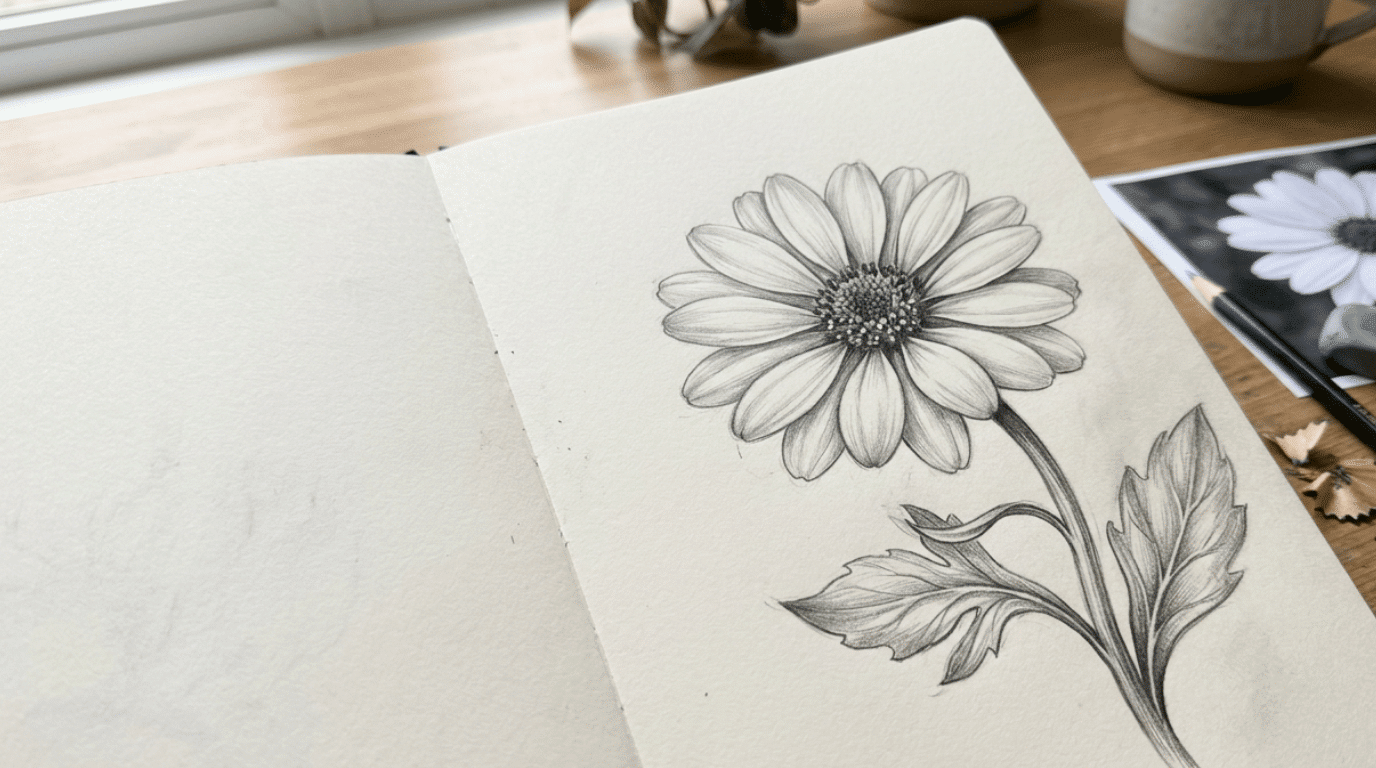
Ever looked at a drawing and thought, “How does that look so real?” The secret
Buying fresh flowers and watching them droop by day three is something I have dealt
Ever picked up a piece of wood and pondered, “I could make something out of
A DIY blanket ladder is one of those weekend projects that looks impressive but takes
When your kids come home with an untouched lunchbox four times in a week, that’s
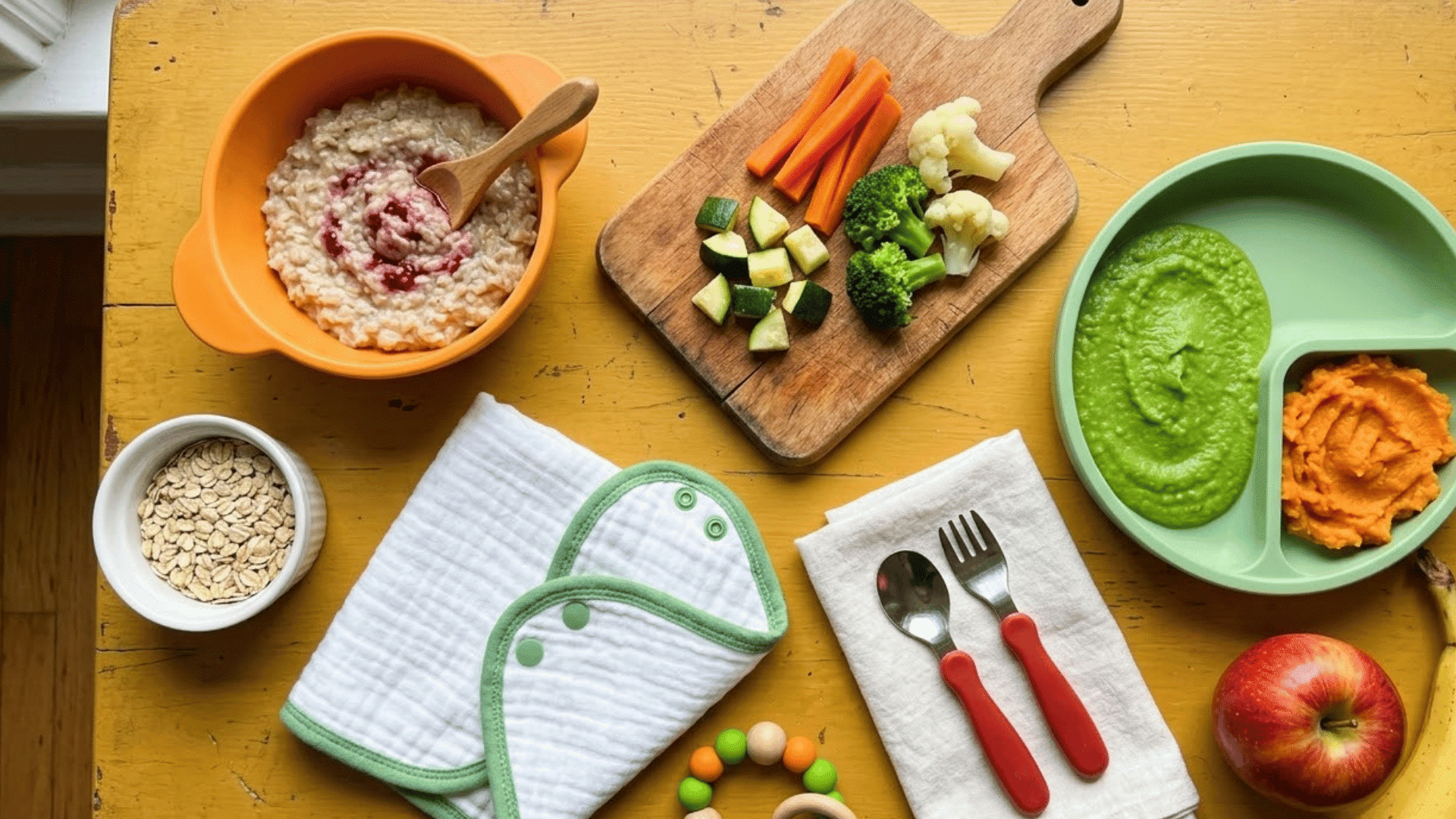
Baby-led weaning recipes can turn a clean kitchen into a mess within minutes. One day
The dinner rush hits at 5 p.m., and nobody has energy left to cook. You’re
A haircut can look perfect when walking out of the salon. Then it falls apart
Some hairstyles feel natural at first glance, blending movement, length, and personality without looking overdone.
Farmhouse kitchens often feel familiar, yet the style can be difficult to define without relying
Sometimes all you need is a pen, a piece of paper, and a few minutes
Summer break is a great time to do some science experiments for kids that are
My youngest nephew once sat at the kitchen table with a brand-new box of markers,
Ready for a fresh new look but not sure where to start? Picking a haircut
Co-parenting with a narcissist is a common concern among separated parents. However, the term is
Choosing a hairstyle for a kid or teen can be fun, but it can also
Staring at a blank card while the rest of the baby shower gift sits wrapped
The middle part haircut has become one of those styles that keeps showing up again
If your baby puts every toy straight into their mouth, you already know how fast
Advent calendars make the countdown to Christmas more exciting by adding a small surprise to
One day, my child was looking at me. Then they said “mama.” Suddenly, I was
When I work with blended families, one of the first things I notice is how
If you’re looking for a simple way to enjoy the season, a fall scavenger hunt is one of the easiest
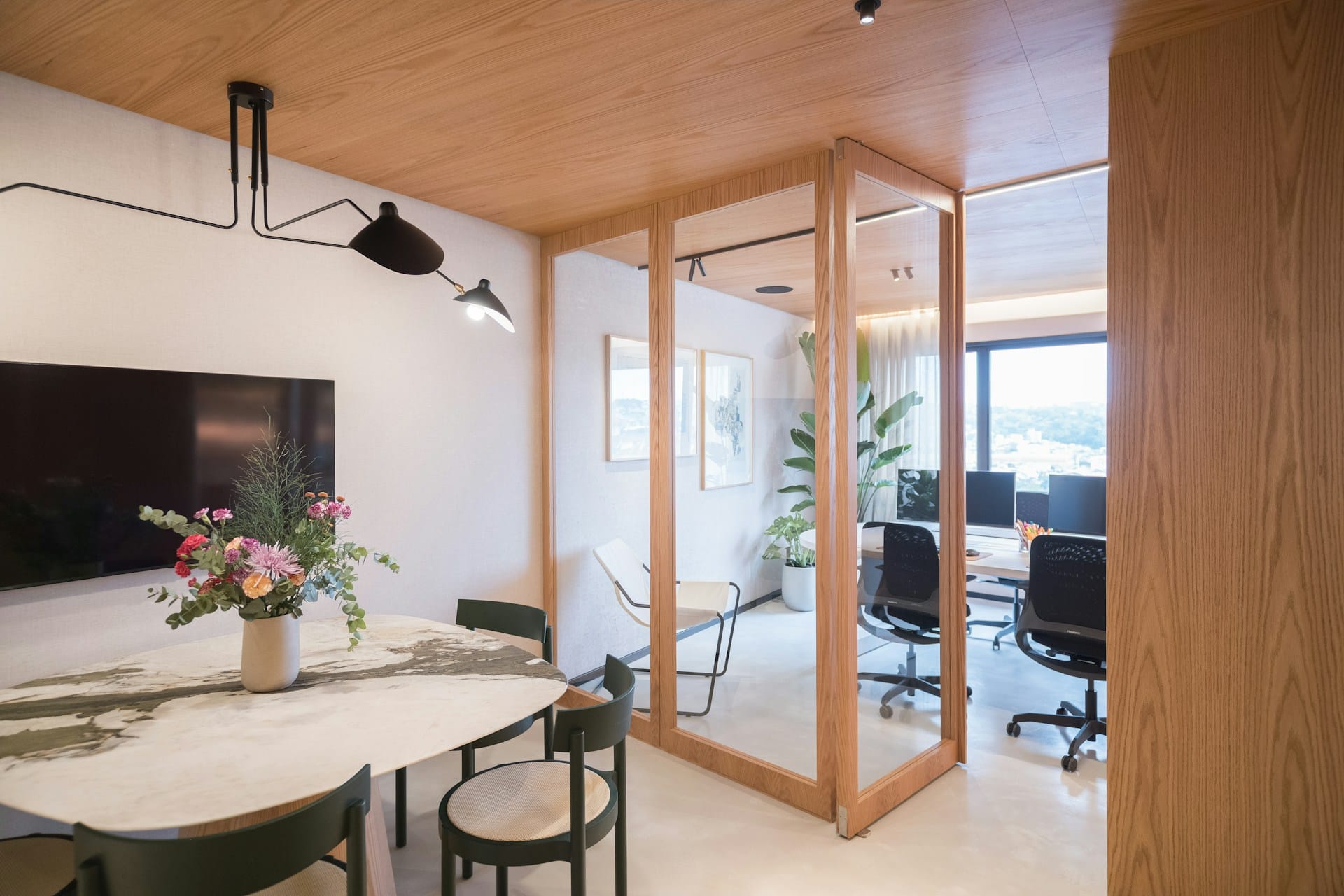
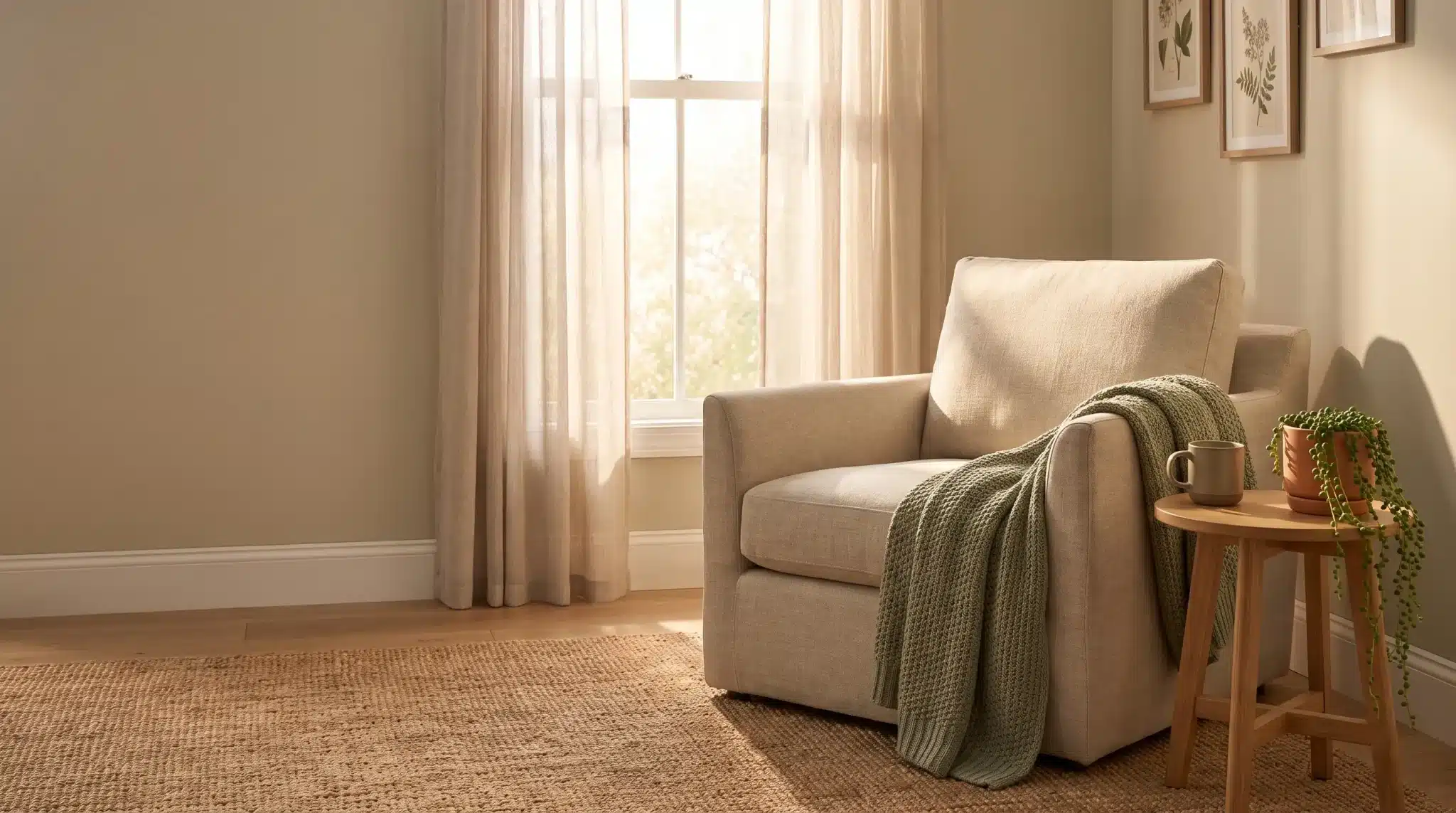
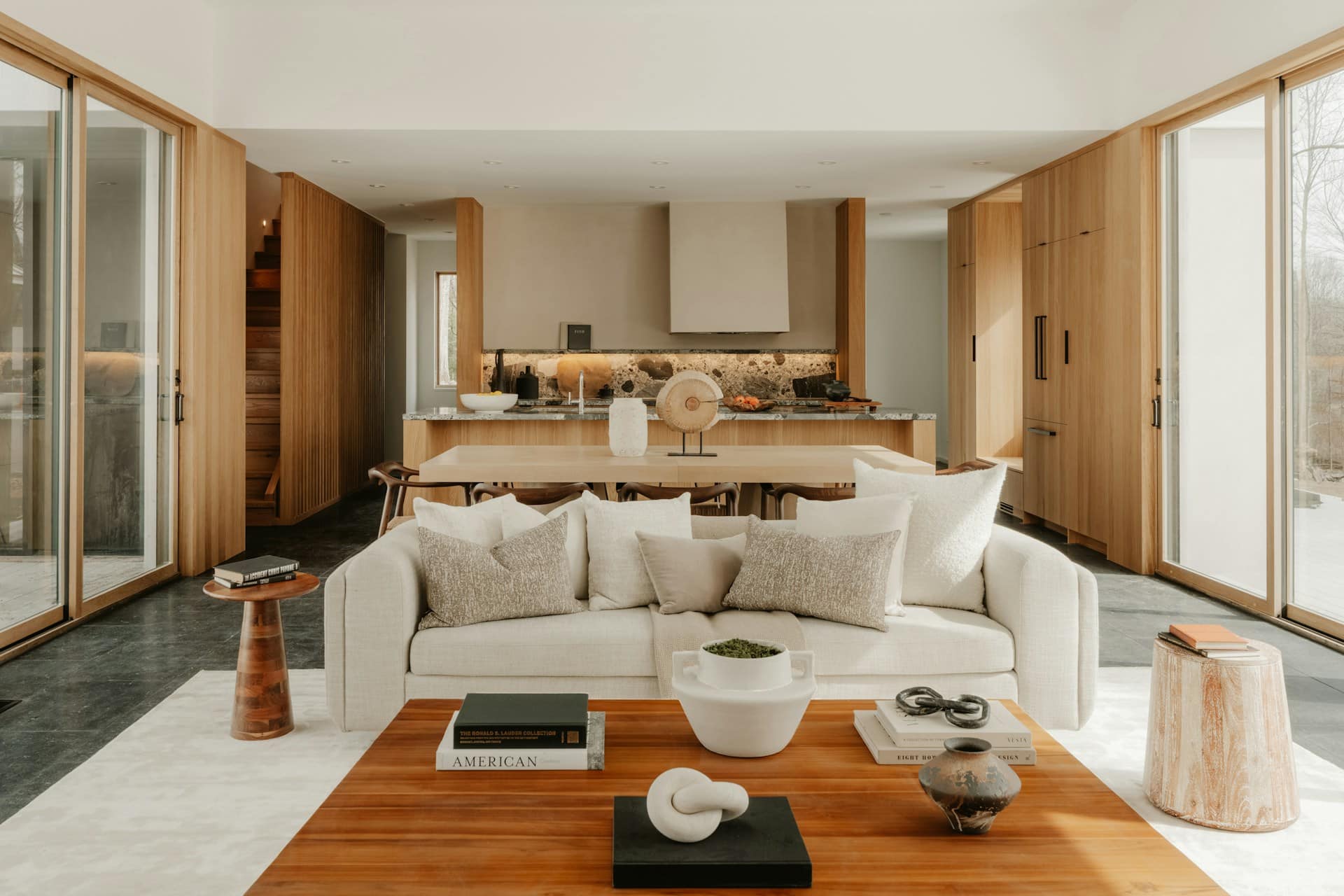
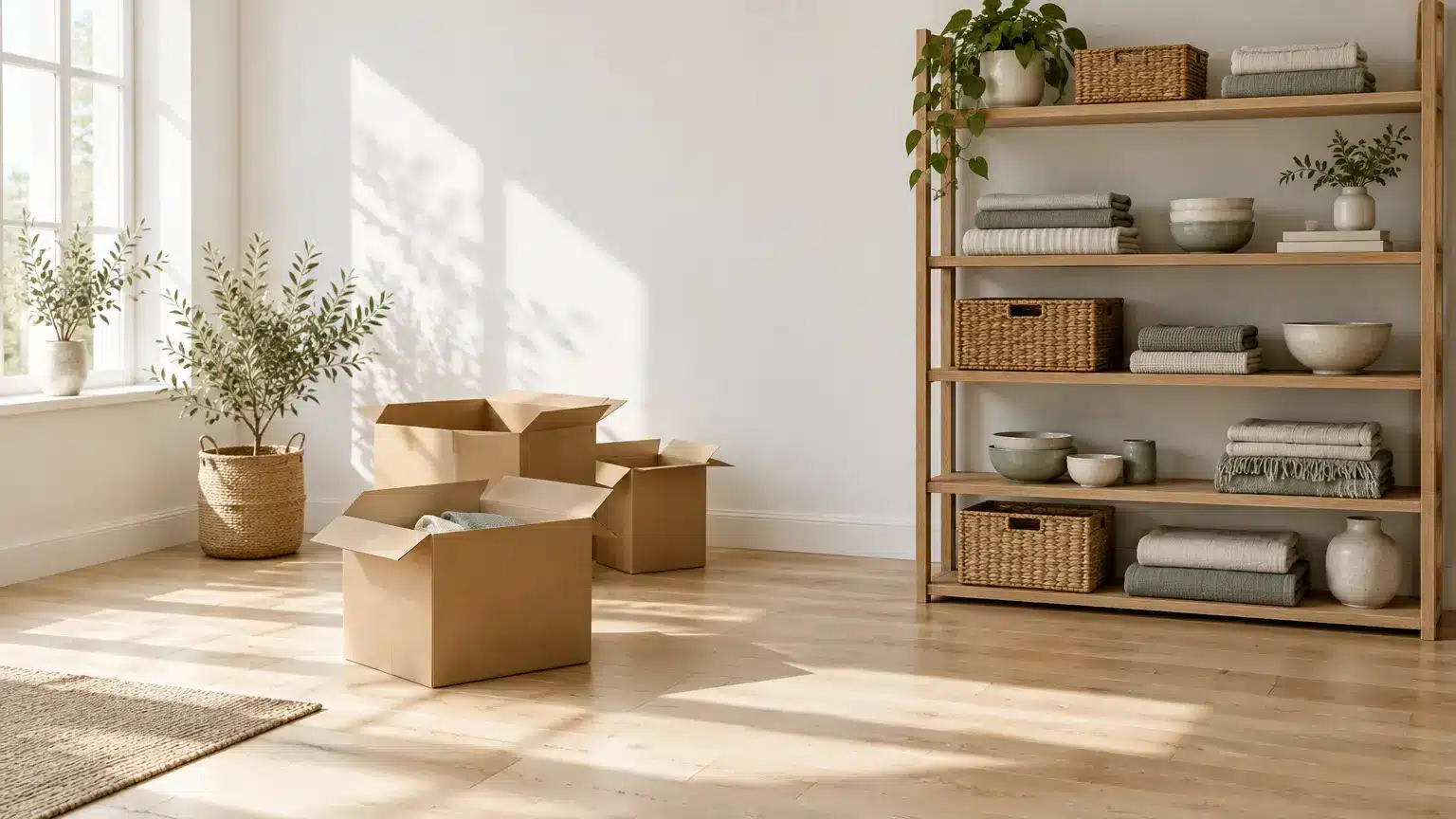
Interior design can feel confusing when every room seems to come with its own rules, trends, and expensive furniture recommendations. It begins with understanding how a room needs to function, measuring what you have, and making choices that work together. This blog on interior design for beginners explains how to plan a room, choose colors, arrange furniture, select lighting, and add decorative details without making the space feel crowded. You will also learn useful interior design basics, common mistakes to avoid, and ways to control your spending. Start with one room, make thoughtful decisions, and remember that owning a tape measure already puts you ahead of anyone ordering a couch based solely on a product photo. What is Interior Design? Interior design is the process of planning and improving indoor spaces to make them functional, comfortable, and visually consistent. It includes decisions about room layouts, furniture, lighting, colors, materials, storage, and decorative elements. Interior design looks at the full space, including how people move through it, where furniture should sit, how lighting affects daily activities, and whether each item suits the size of the room. For example, a living room may look attractive in a photo but still be poorly designed if the sofa blocks a doorway, the lighting is too dim for reading, or the coffee table is difficult to reach. Learning the basics of interior design helps you avoid impulse purchases and create rooms that feel connected. Figuring Your Personal Interior Design Style Your design style is not a strict label that forces every room to look the same. It is a useful reference you choosing colors, furniture, materials, and decorative pieces that work well together. Before selecting a style, pay attention to the rooms, furniture, and images you already like. Look for repeated details rather than choosing […]

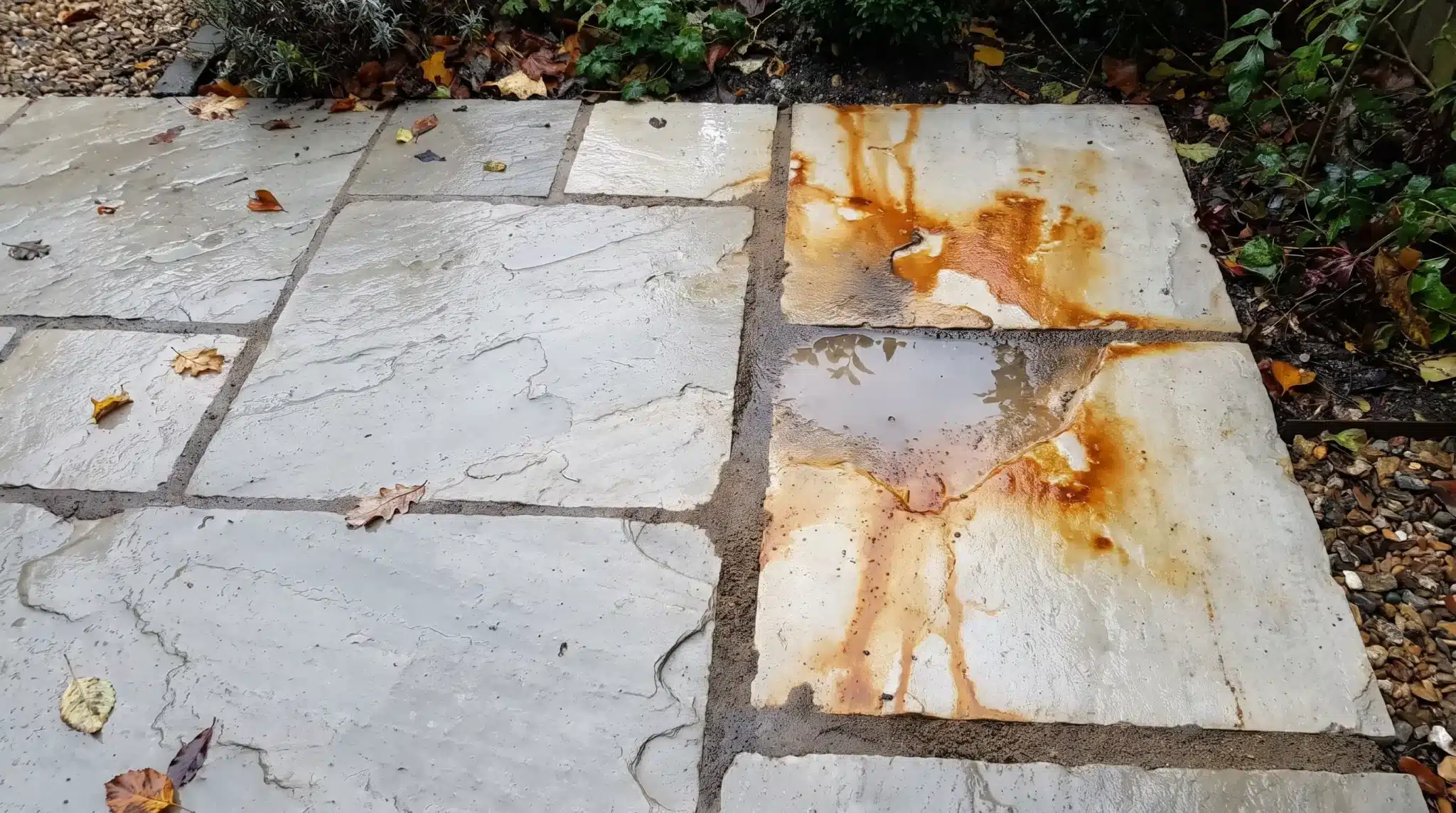
Painting over stained wood sounds simple enough, right up until the paint starts peeling a few weeks later or the old stain quietly bleeds through your new color. Stained surfaces are trickier than plain wood because the underlying finish can