

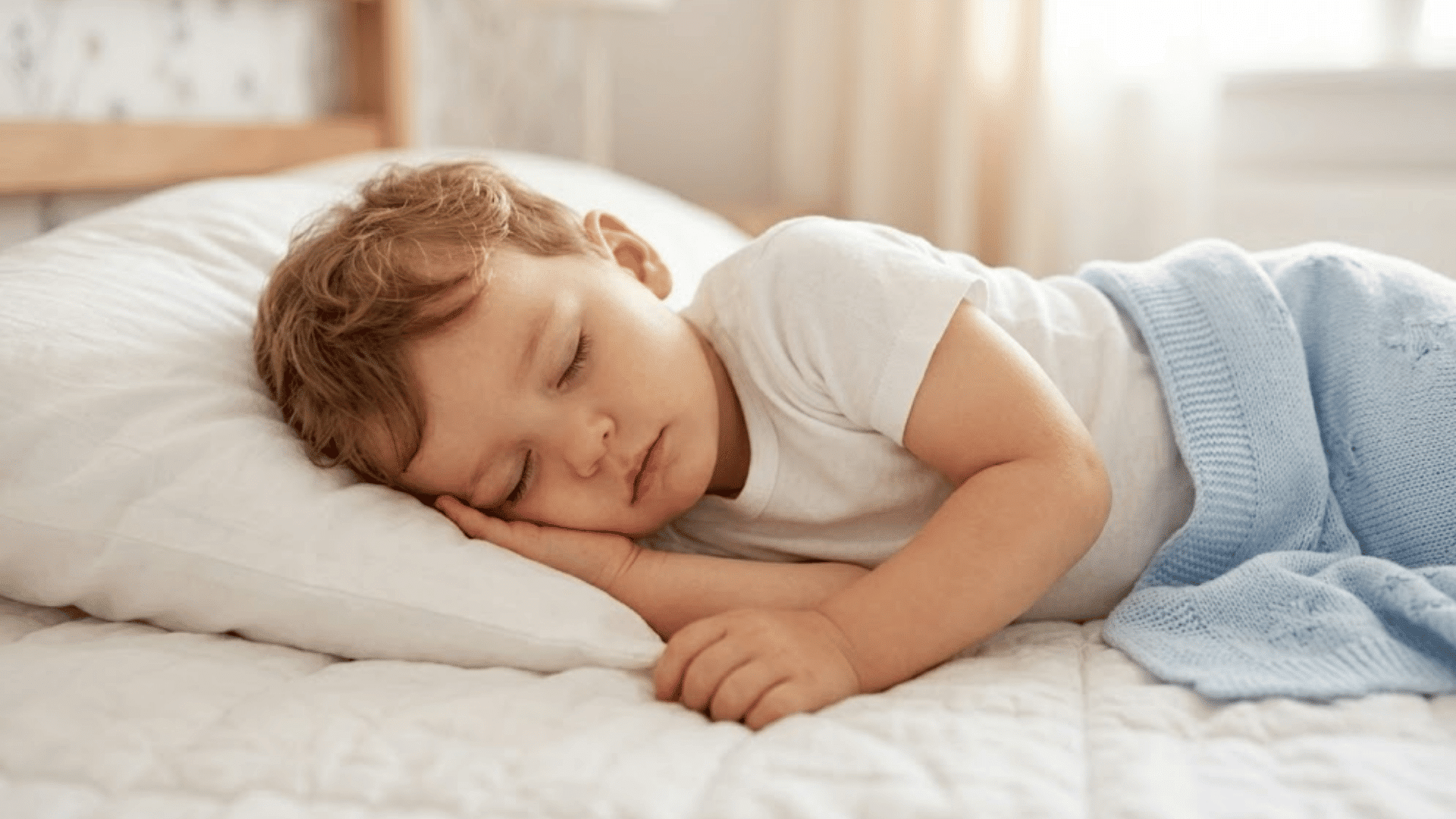
A small change in your toddler’s sleep routine can bring up a lot of questions, especially when it comes to adding new items to their bed.
I get asked often when a pillow becomes safe and suitable for a little one. What I’ve found is that the answer depends on more than just age; a child’s development, sleeping habits, and comfort all matter too.
Knowing when a toddler can have a pillow helps you make a safer choice without rushing the transition.
In this blog, I’ll take you through the signs of readiness, safe pillow choices, tips for introducing one, and answers to common questions about toddler sleep.
When Can a Toddler Have a Pillow?
Toddlers can typically have a pillow starting at 2 years old, once the SIDS risk period has passed and they have the strength and mobility to move their head and body freely during sleep.
But toddlers don’t exactly need a pillow the same way they need food or sleep.
A baby’s crib should be bare, with no pillows or blankets, since soft bedding has been linked to a higher risk of suffocation and SIDS in babies.
Babies can’t control rolling or moving their heads when they’re in an uncomfortable position, but as they grow, they move more at night and shift positions more often.
Their necks and bodies are more developed by now, and they’re much better at adjusting themselves if something feels off. This is usually when a pillow starts to make real sense.
Is a Pillow Safe for a 1-Year-Old Toddler?
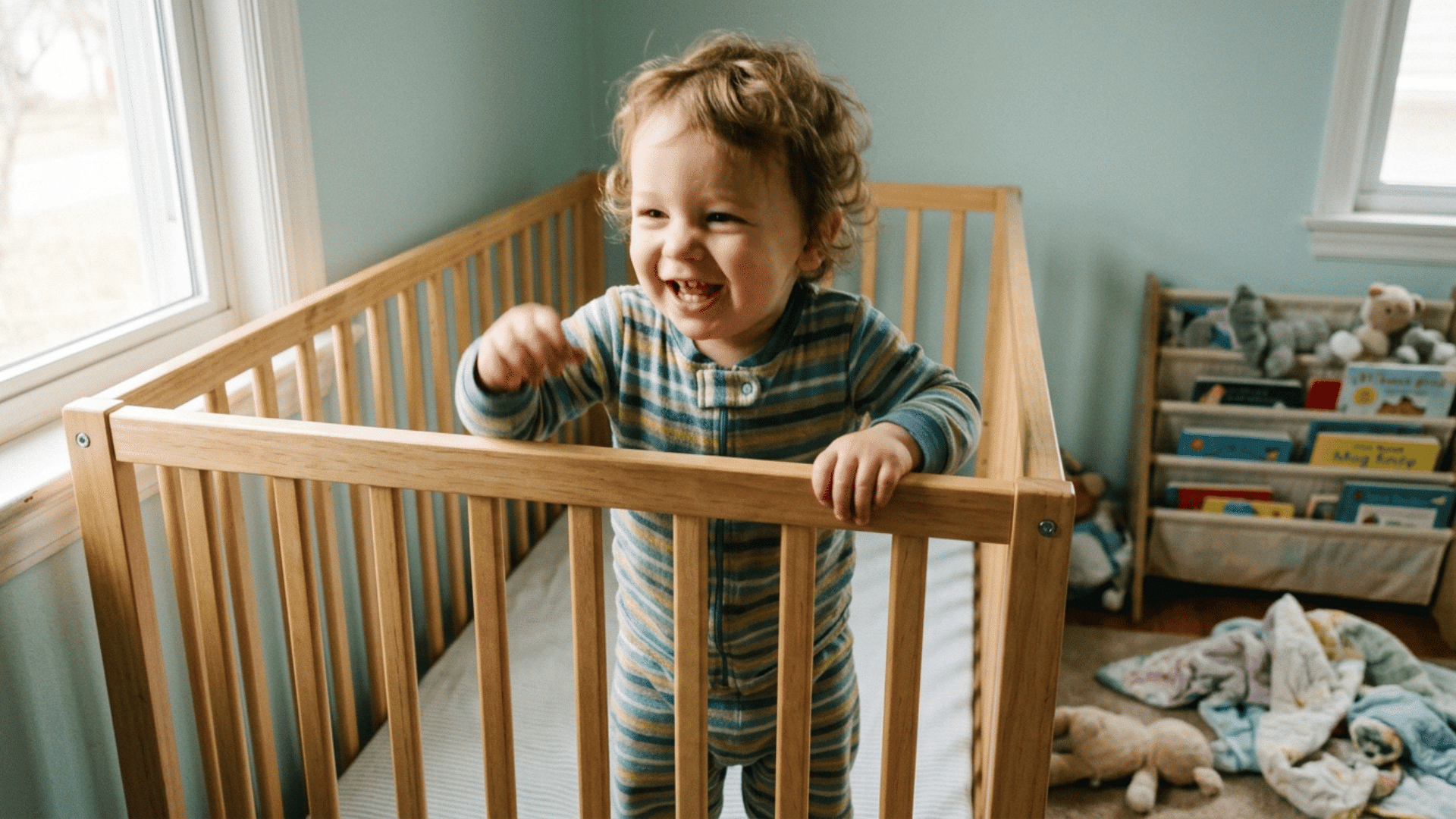
A pillow for a 1-year-old toddler is usually not recommended because they are still developing their sleep habits and body control.
Soft bedding can sometimes make it harder for young children to move away from an uncomfortable position.
As toddlers grow, they gain better head, neck, and body control, which can make using a pillow more suitable later.
Parents should focus on safety recommendations instead of introducing a pillow too early. Waiting until the child shows signs of readiness can help create a more comfortable and safer sleep environment.
If your little one is only just past the swaddle-to-sleep-sack stage, they’re almost certainly still too young.
Signs Your Toddler May Be Ready for a Pillow
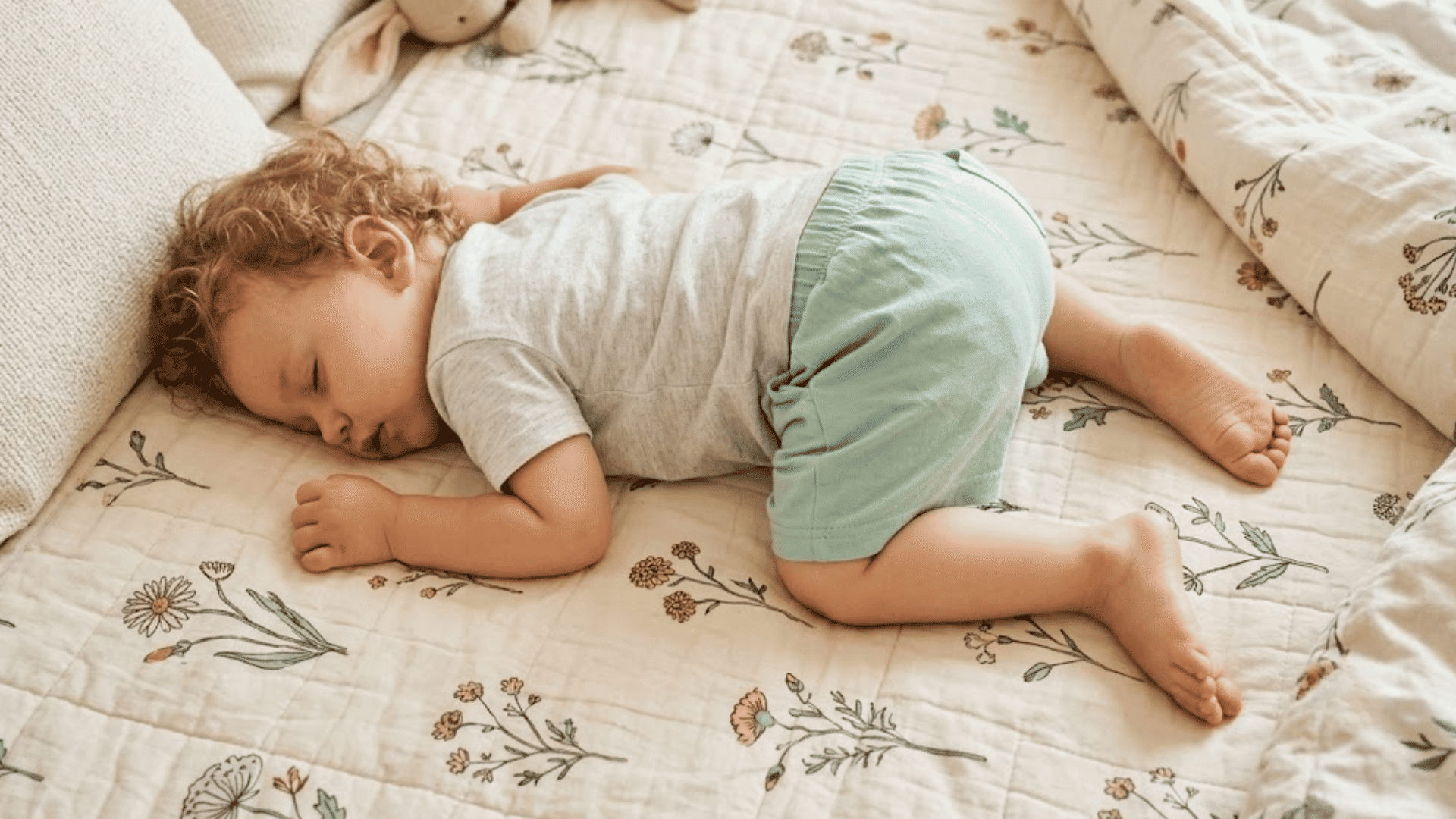
Age alone does not decide when a pillow is suitable. Your toddler’s comfort, movement, and sleep habits can show if they are ready.
1. Moves Freely During Sleep
A toddler who can move around easily during sleep may be better prepared for a pillow. They should be able to change positions, move their head, and adjust their body without difficulty.
This natural movement helps them stay comfortable and manage their sleeping space better.
2. Sleeps in a Toddler Bed or Larger Sleep Space
Moving from a crib to a toddler bed is often when parents start thinking about adding a pillow.
A larger sleeping area gives toddlers more room to move and settle comfortably.
This transition can be a sign that they are becoming ready for a different sleep setup.
3. Adjusts Their Position Comfortably
A toddler who can shift their head and body while resting may handle a small pillow more easily.
They should be able to move away from an uncomfortable position on their own. This ability shows that they have better body control during sleep.
4. Shows Consistent Interest in Using a Pillow
Some toddlers may ask for a pillow or try to use one during bedtime. Occasional curiosity is common, but repeated interest over time may show that they are ready for the change.
Parents can introduce a suitable pillow gradually while observing their comfort.
5. No Longer Needs an Infant Sleep Setup
When a toddler has moved beyond the infant stage, their sleep needs begin to change. They may no longer need the same simple crib setup used during early months.
A safe transition can include adding age-appropriate items while keeping the sleep space free from unnecessary soft bedding.
Suggested Pillows for Toddler
Once your toddler is ready for a pillow, choosing the right size, material, and support can make the transition more comfortable.
| Product | Best For | Key Features |
|---|---|---|
| KeaBabies Toddler Pillow with Pillowcase | Best overall toddler pillow | Features a small, toddler-friendly size, a breathable cotton cover, a washable design, and comfortable support for young children. |
| Little Sleepy Head Toddler Pillow | Sensitive skin and everyday use | Made with hypoallergenic materials, a soft cotton cover, and a child-sized design for comfortable daily use. |
| My Little North Star Toddler Pillow | Allergy-friendly option | Designed with hypoallergenic materials and an easy-to-clean cover, making it a suitable choice for children with sensitivities. |
| Avocado Organic Toddler Pillow | Organic material preference | Made with organic materials and offers a breathable design for parents looking for a more natural pillow option. |
| Naturepedic Organic Toddler Pillow | Non-toxic materials | Uses organic cotton materials and focuses on a breathable, child-friendly design with a lower profile. |
Toddler Pillow Buying Checklist
Once you’ve decided it’s time, choosing the right pillow matters just as much as the timing. Use this checklist before buying one.
☐ Size: Choose a small, toddler-sized pillow rather than an adult pillow.
☐ Thickness: Pick a low, flat pillow that supports the neck without lifting the head too high.
☐ Material: Look for breathable, hypoallergenic filling to reduce allergies and overheating.
☐ Firmness: Choose medium-firm support to help keep the head and neck properly aligned.
☐ Safety certification: Check for labels such as CertiPUR-US or OEKO-TEX, which indicate tested materials.
☐ Washable cover: A removable, machine-washable cover makes cleaning easier and more hygienic.
☐ Durability: The pillow should keep its shape after repeated washing without becoming flat too quickly.
If your child is already prone to frequent sneezing, this checklist matters even more.
Tips for Introducing a Pillow to Your Toddler’s Bed
A slow and simple transition can help your toddler feel comfortable while adjusting to having a pillow in their sleep space.
- Start with Naps First: Introduce the pillow during daytime naps before using it overnight. This gives your toddler time to get used to the new feeling in a shorter sleep period.
- Help Them Become Familiar: Let your toddler touch, hold, and use the pillow before bedtime. Familiarity can make the change feel more natural and less unfamiliar.
- Keep the Sleep Space Simple: Avoid adding extra soft items like large blankets or multiple pillows. A simple sleep area can help your toddler stay comfortable and settled.
- Observe Their Sleep Habits: Pay attention to how your toddler sleeps with the pillow. Notice if they move it away, avoid it, or seem more comfortable using it.
- Remove It if Needed: If the pillow seems to disturb your toddler’s sleep or causes discomfort, take it away and try again later when they seem more ready.
Wrapping it Up
Adding a pillow to your toddler’s sleep space is a small change that doesn’t need to happen quickly. Every child develops at their own pace, so I’ve learned that readiness matters just as much as age.
Knowing when your toddler can have a pillow can help you choose more safely based on your child’s sleep habits and comfort.
I’d suggest choosing a small, suitable pillow and keeping the sleep area simple and safe. Paying attention to your toddler’s needs can make the transition smoother.
Has your toddler started showing signs of being ready for a pillow? Share your experience or tips in the comments below.
Frequently Asked Questions
Can Toddlers Sleep with a Blanket and Pillow at the Same Time?
Toddlers do not need to start using blankets and pillows at the same time. Each item should be introduced when your child shows signs of readiness and can use them comfortably.
Can a Toddler Use a Pillow in a Crib?
A pillow is generally not recommended while a toddler is still sleeping in a crib. Many parents wait until the child moves to a toddler bed before adding one.
What Type of Pillow is Best for a Toddler?
A toddler pillow should be small, flat, and designed for young children. Look for breathable materials, a washable cover, and a comfortable level of support.