




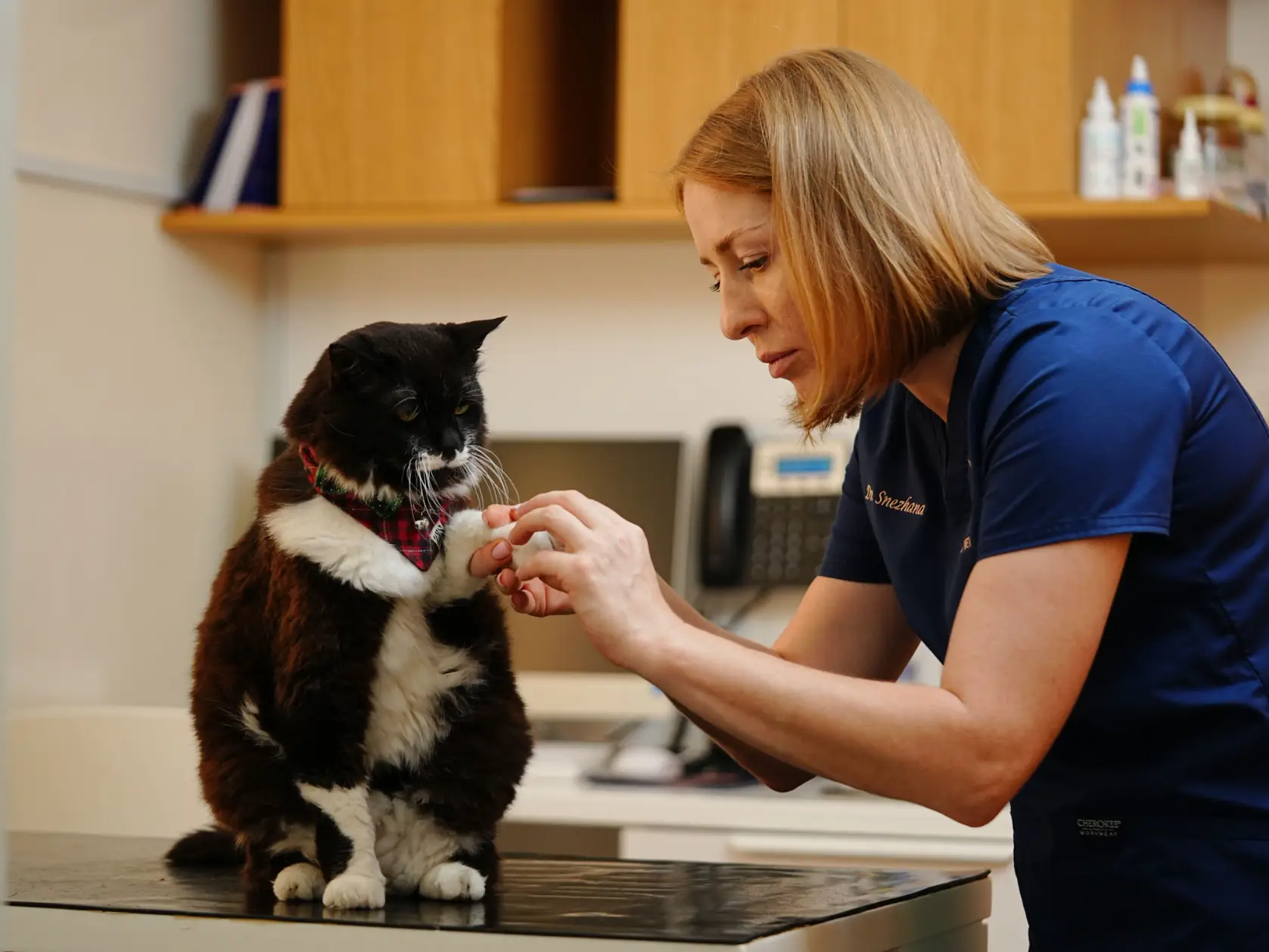
When selecting a cat for a household with children, there is more to choosing an attractive, “friendly” looking breed. Ideally, a family cat should accept common household noises, gently handle children, but also allow itself time alone.
There are considerable differences among cat temperaments even within the same breeds. While some cats love to participate in family events, other cats will become anxious due to excessive noise levels, rapid movement, or because they have been frequently handled. Therefore, for many households, age (of the cat); the level of socialization received during its development; prior interactions with humans; and individual temperament may be at least as important as breed.
Therefore, for a household, the ultimate goal would be finding a cat whose temperament matches that of their home versus attempting to teach their new pet to tolerate limitless contact with them.
What Makes a Cat Good with Children?
Cats that cope well with family activity often have relatively calm, confident, and social temperaments. In addition, they may also be accustomed to the sounds common in most households and therefore less likely to be easily startled when children move around them.
It is important to note that a cat’s ability to tolerate your children does not necessarily indicate the cat accepts all of their behavior. Even a friendly, or “gentle,” cat requires some degree of privacy. Children should never attempt to pull a cat’s tail, chase after it, pick it up against the cat’s wishes, or bother it at mealtimes or sleep time.
Ragdoll
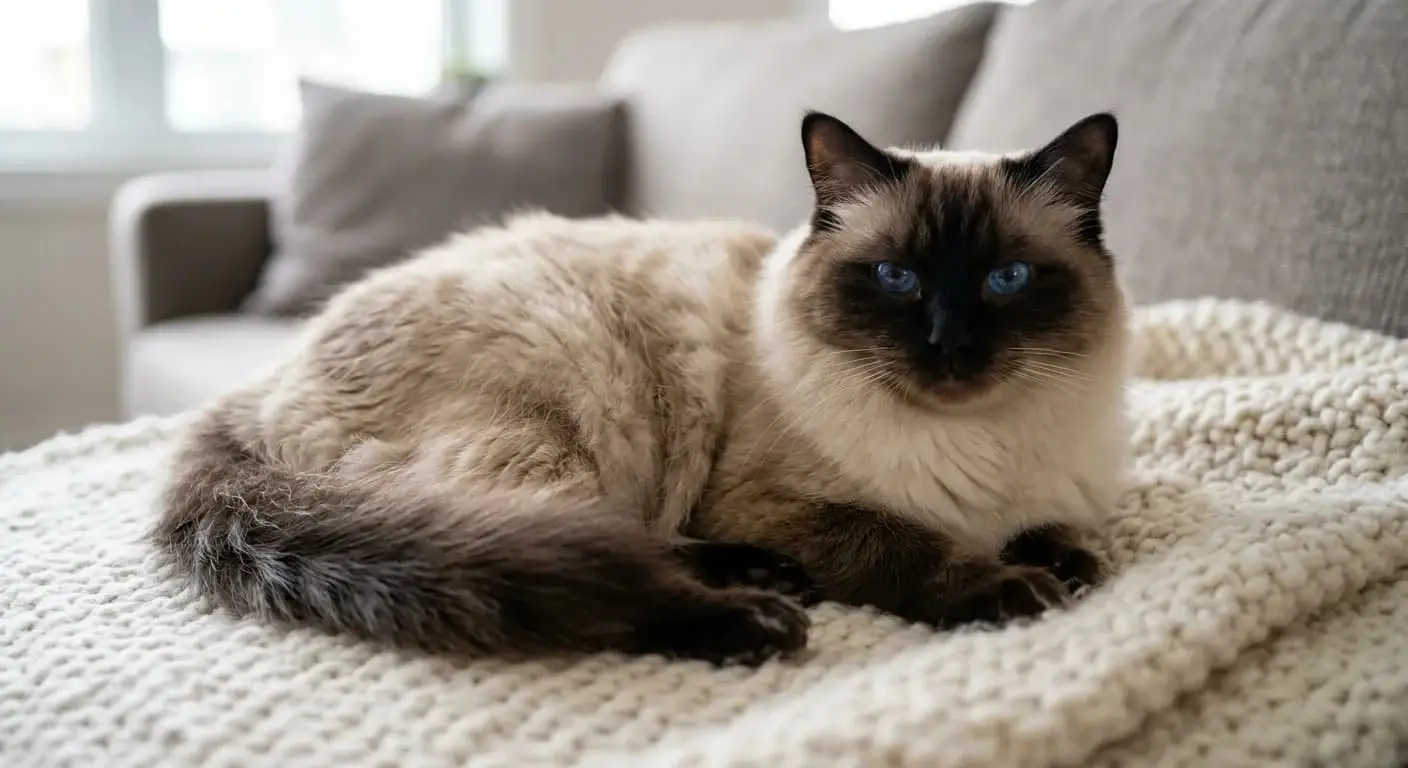
Many Ragdoll owners describe them as very friendly, laid-back pets that like to be near people. They also will usually follow family members around the home. This makes them a good fit in many families with young children, especially if those children learn how to pet them carefully. One of the big responsibilities of owning a Ragdoll is brushing its long coat regularly. Because of their larger size, it’s recommended that parents watch over small children who play with a Ragdoll. That way, both child and cat are safe.
Maine Coon
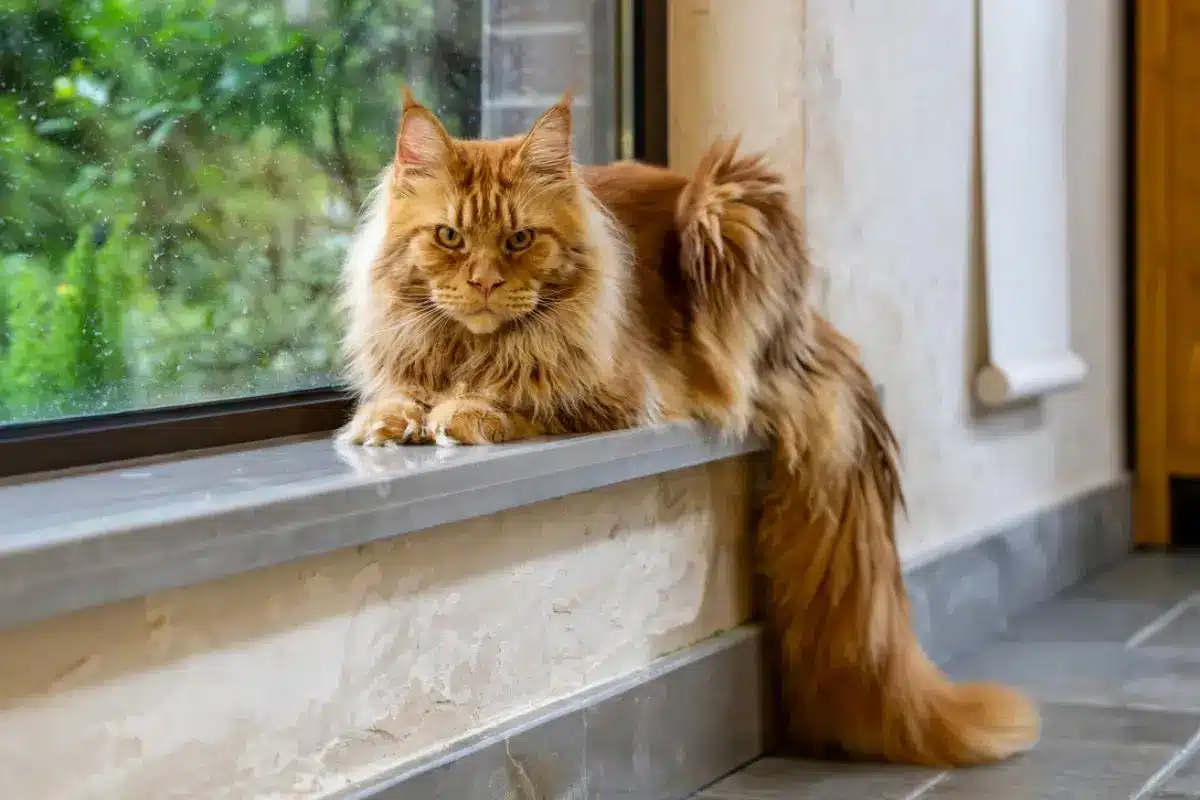
Large in stature, Maine Coon cats typically have a very social and extremely adaptable personality. They can be playful but not overly demanding. As well as having an attachment to their family, they may fit into households where there are older children who know how to handle pets gently. However, due to their larger size, young children should be able to safely pet them. Because of their long coat, they will require regular brushing.
British Shorthair
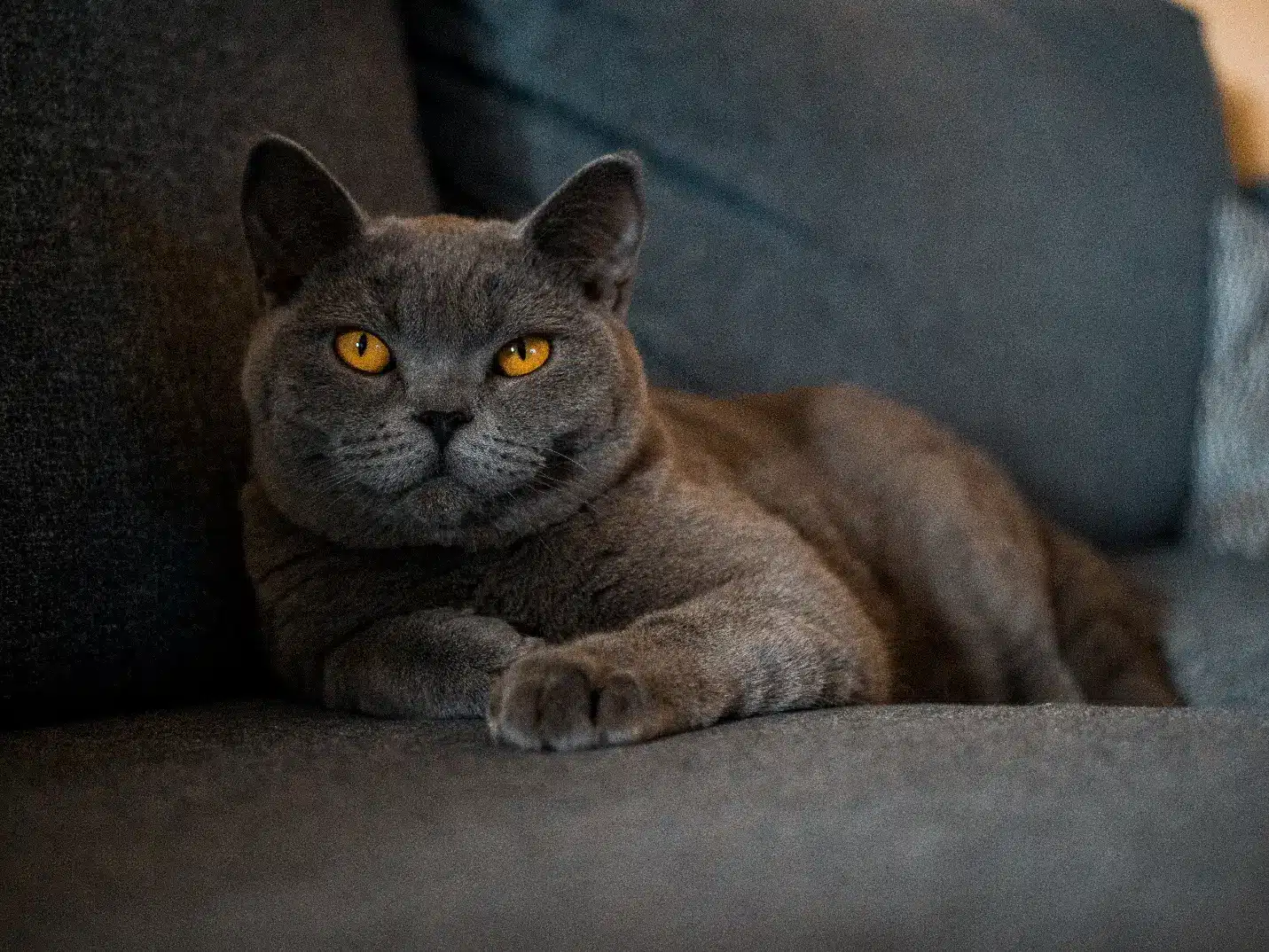
British Shorthairs are typically laid-back and self-sufficient. They like to be close to the family but do not require constant touch. British Shorthairs may do well in families with children, but they should also have access to a quiet area where they can retreat from loud or highly active play.
The most important thing about British Shorthairs is that many cats have their own way of wanting to interact. If you want your kid to sit down next to your cat (not pick it up), then get the cat used to sitting next to your kid.
With that said, British Shorthairs’ tendency to find peace on their own can be an advantage when you have a household that respects feline boundaries.
American Shorthair
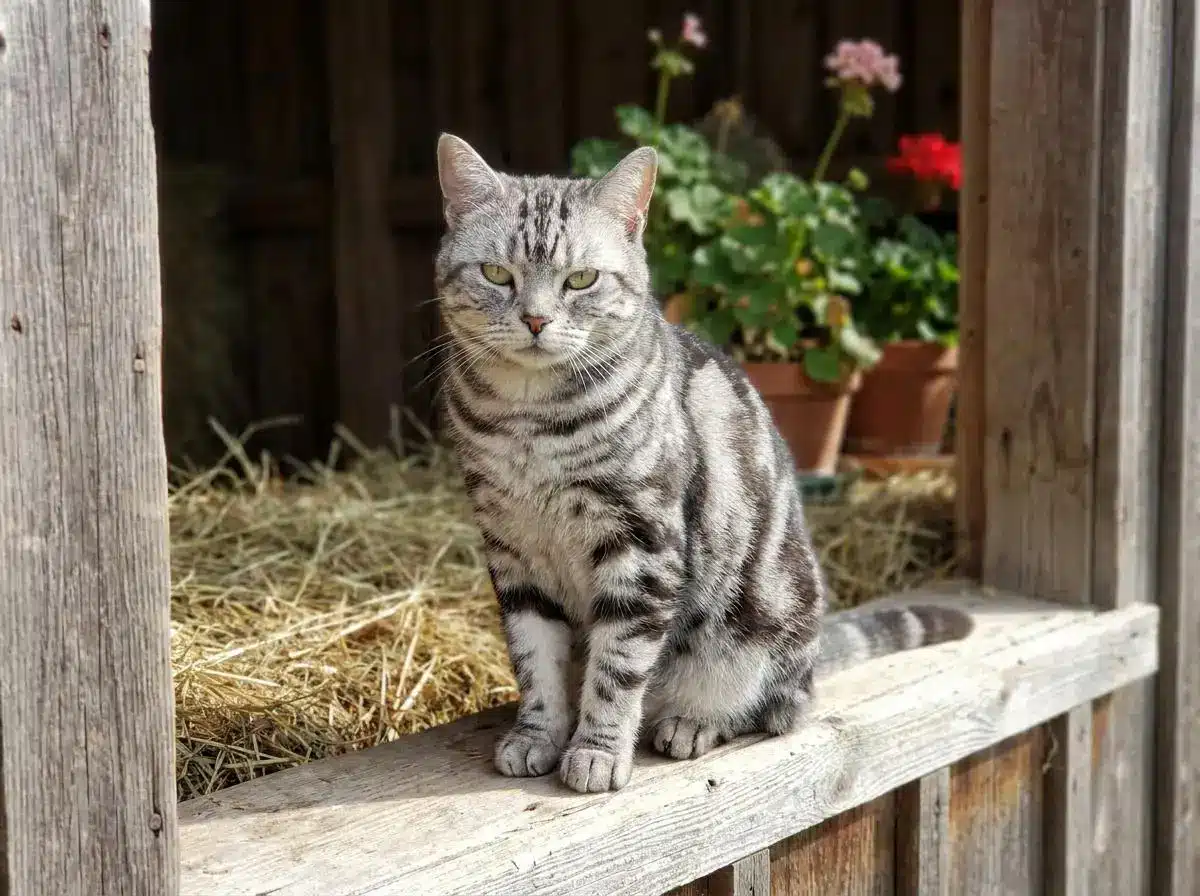
American Shorthair temperament is typically even-tempered and adaptable. They love to interact and play, but they will also sit quietly by themselves as needed.
This versatility could make them a great fit for families that have young kids who would like an interactive pet but still want to teach their children how to properly handle pets.
The American Shorthair has a very low-maintenance coat due to its short length; this makes it easier to groom on an everyday basis compared to most other long-coated breeds.
Birman
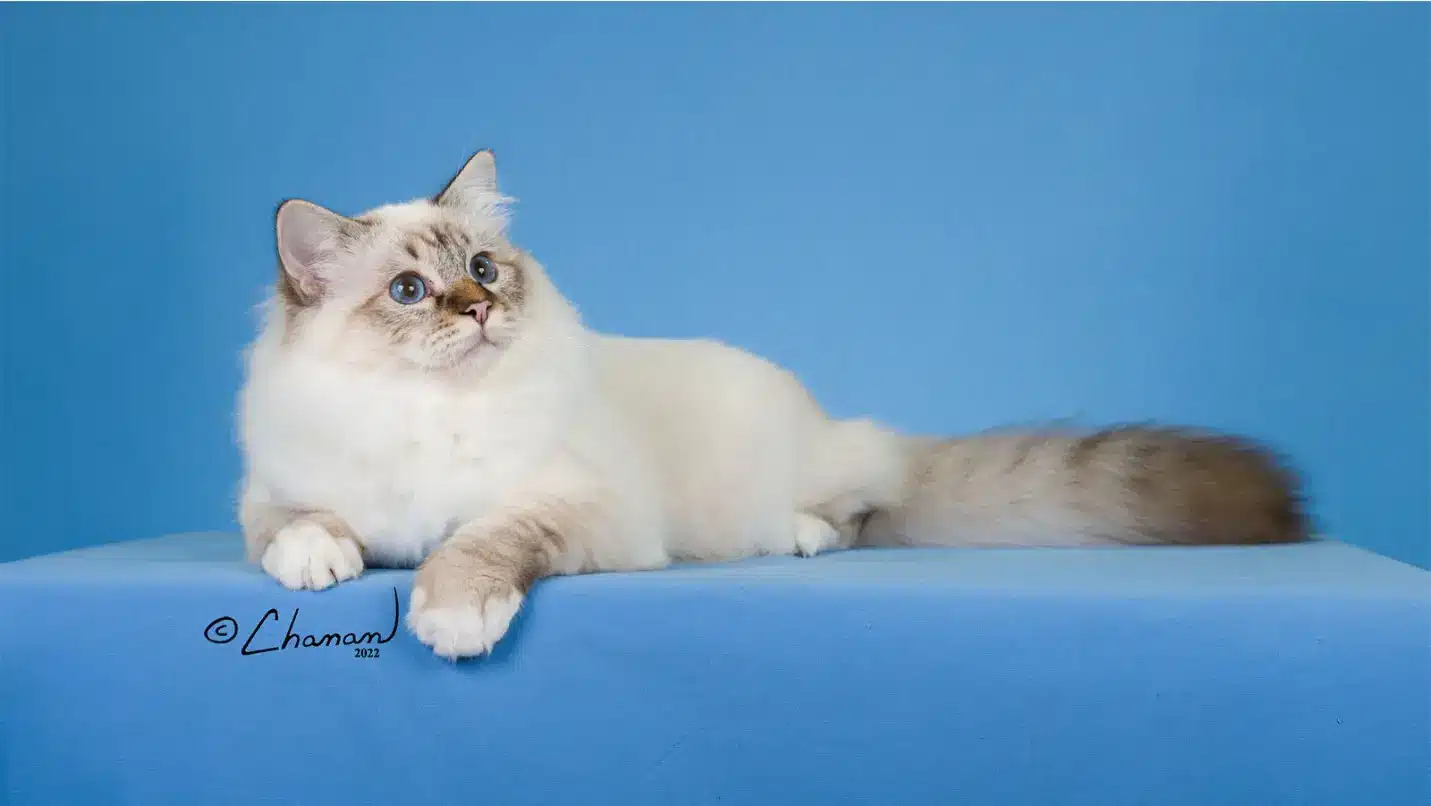
Birmans tend to be very people-orientated yet not overly demanding. Many will enjoy playing with you or your family, and generally love being around their owners. Because of this social nature of theirs, they may do well in a home that has young children who would like to engage in low-key play or gentle interaction.
Due to the fact that many Birman cats form strong bonds with people, it is best to give your cat a separate room in which she/he can retreat from all the commotion if needed.
Burmese
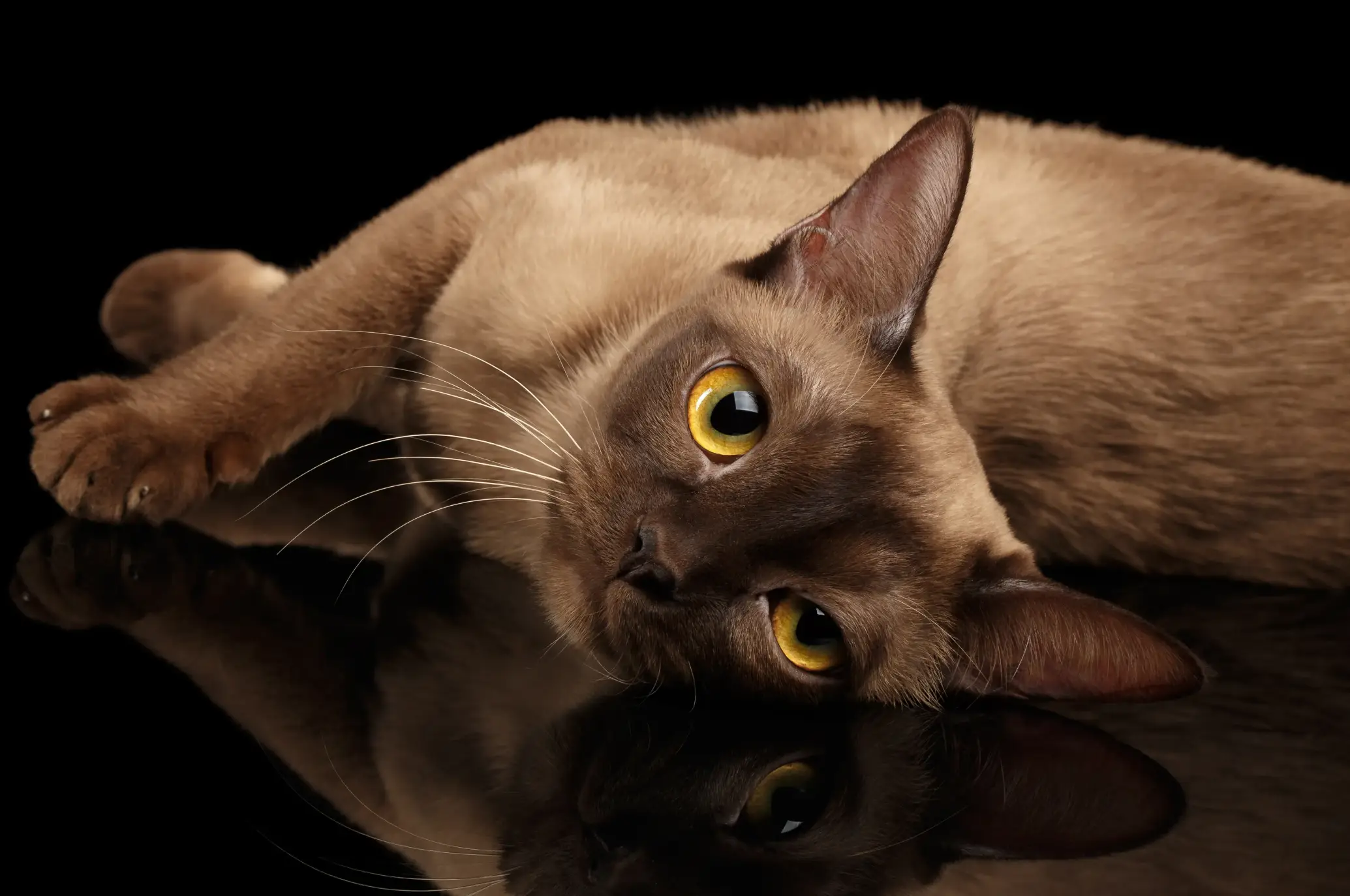
Burmese cats are usually very active and love to play. They enjoy being around people. They would be a great choice of pet for most families with young kids that have time to spend playing with a pet. The potential downside is they need a lot of social interaction in order to prevent boredom and they do not take well to being left home by themselves for hours on end at a time.
Choosing an Adult Cat Can Have Advantages
Sometimes families focus completely on kittens as a matter of course, thinking that kittens will automatically fit into their lives with children. The relationship between kittens and children can be very strong; however, kittens are fragile, and social development continues after birth. Adult cats can sometimes be easier to match with a family because their personalities and behavioral tendencies are more established.
Families living in hot climates should also consider how well a cat may adapt to high temperatures, especially breeds with dense or long coats. In places such as Dubai, access to air-conditioned indoor spaces, fresh water, regular grooming, and routine preventive care can all play an important role in keeping a cat comfortable. A trusted vet clinic in Dubai can also help families understand which health and lifestyle factors to consider before choosing a cat.
Teaching Children to Respect the Cat
Selecting a breed will never substitute for good supervision and training.
Teach your kids how to recognize the times that your cat may want to be alone. There are several signs of discomfort, including flattened ears, tail swishing/flicking, crouch position, hiding, hissing, growling, or attempts to walk away from the interaction.
The child needs to end their interaction with the cat as soon as they see one of those behaviors occur.
There need to be areas in the house where the cats do not get disturbed by the children. Examples would be a quiet room, a high elevation resting place, or an enclosed bed. This gives the cat an escape route if the household is too much to handle.
Avoiding Stress During Family Life
A cat, regardless of its social nature, will eventually develop stress from continuous noise or unpredictable treatment.
In addition, big life events like moving, adding a new pet, and especially a baby may have some temporary effects on how your cat behaves.
Temporary changes in behavior are common after stressful events, but persistent hiding, reduced appetite, aggression, changes in litter box habits, or unusually low activity can sometimes indicate more than simple stress. If these changes continue, a consultation with a cat vet can help rule out underlying medical problems and determine whether the behavior is related to health, stress, or both.
Consistency in feeding, litter cleaning, sleeping areas, and times for activities (play) are all ways you can help give your cat a feeling of stability in their world.
Conclusion
Many breeds, including Ragdolls, Maine Coon, British Shorthairs, American Shorthairs, Birman & Burmese cats, make excellent pets for families. However, there are many other factors besides a cat being a certain breed when selecting a pet. Temperament (as an individual), socialization as a kitten, age, and your family’s willingness to allow your cat to have personal space are just as or even more important than the breed you choose. A suitable family cat should have opportunities to move away from children when it wants to, rest undisturbed and access safe areas where it can retreat.