
Looking for simple things to paint but not sure where to begin? You don’t need artistic experience or expensive supplies to create something you’ll be proud of.
Many beginner-friendly paintings are built from basic shapes, bold colors, and easy brushstrokes that can be completed in under an hour.
This collection of simple things to paint includes nature scenes, food, everyday objects, abstract designs, and animals, making it easy to find a project that matches your skill level.
What Makes a Painting Easy for a Beginner?
A painting is beginner-friendly when it forgives shaky hands and uneven brushstrokes. Four things make that happen:
- Simple Shapes: Paintings built from basic circles, squares, or outlines are easier to recreate accurately.
- Limited Color Palette: Using just a few colors keeps mixing simple and reduces the chance of mistakes.
- Minimal Fine Details: Subjects with fewer small features are quicker to paint and less frustrating to finish.
- Forgiving Design: Abstract art, silhouettes, and loose brushstrokes hide small mistakes and still look great.
- Clear Step-by-Step Process: Projects with straightforward layers or sections are easier to follow from start to finish.
| Suggested: Our beginner painting steps walk through the basics if you want a refresher before jumping in! |
What Supplies Do You Need to Start?
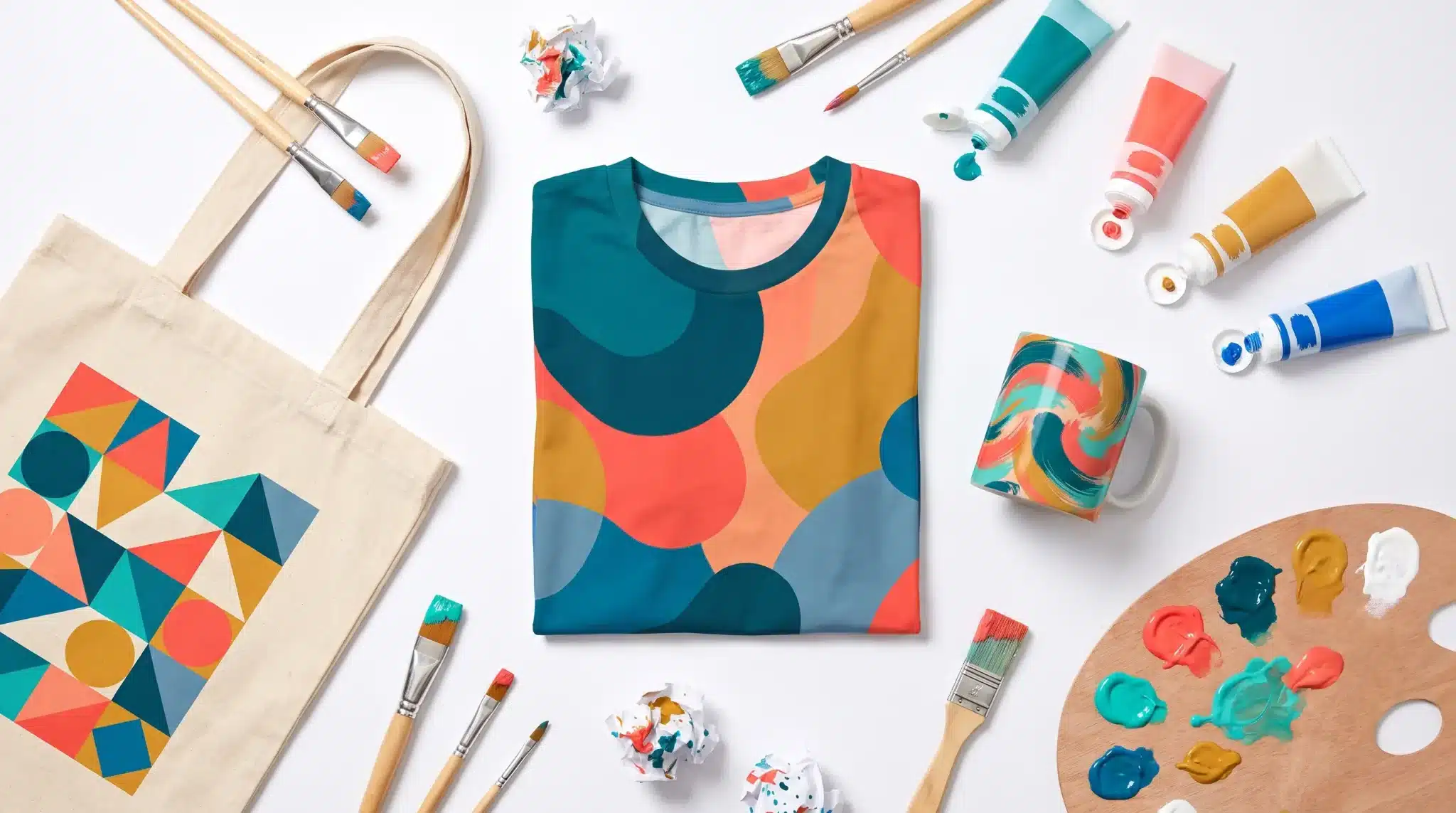
A student-grade acrylic set, two brushes, and a $6 canvas panel will get you through every idea on this list. Skip the specialty stuff until you know what you actually use.
| Supply | Why You Need It |
|---|---|
| Paint | Use acrylic, watercolor, or gouache based on what you already have. |
| Paintbrushes | A small round brush and a medium flat brush cover most beginner projects. |
| Painting Surface | Choose a canvas, canvas pad, watercolor paper, or mixed media paper. |
| Palette | Mix colors on a plastic palette, paper plate, or reusable tray. |
| Water Container | Rinse brushes between colors and keep them clean while painting. |
| Paper Towels or Cloth | Wipe excess paint, dry brushes, and clean up small spills. |
| Pencil and Eraser | Sketch simple outlines before applying paint if needed. |
| Apron or Protective Cover | Protect your clothes and work surface from paint splatters. |
Creative and Simple Things to Paint
Here’s a mix of landscapes, flowers, and outdoor scenes that don’t require any drawing skill to look intentional.
1. Sunset Over Water
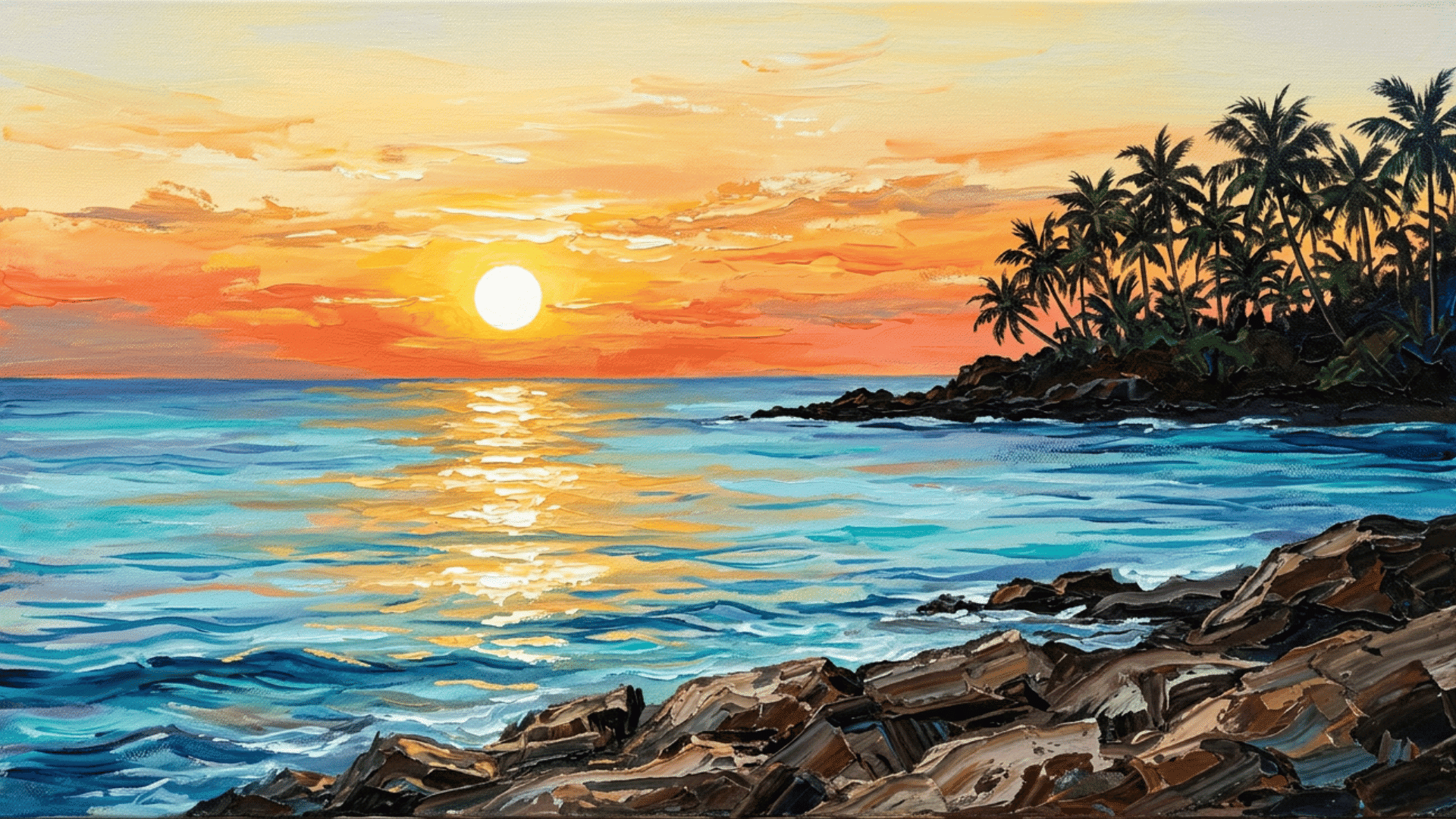
- What You’ll Paint: A peaceful sunset with warm colors reflecting across calm water.
- Best Colors: Orange, pink, purple, dark blue, and white.
- What Makes this Easy: Broad horizontal strokes create a beautiful scene without detailed drawing or blending.
Pro Tip: Repeat the sky colors in the water to create an easy reflection effect.
2. A Single Sunflower
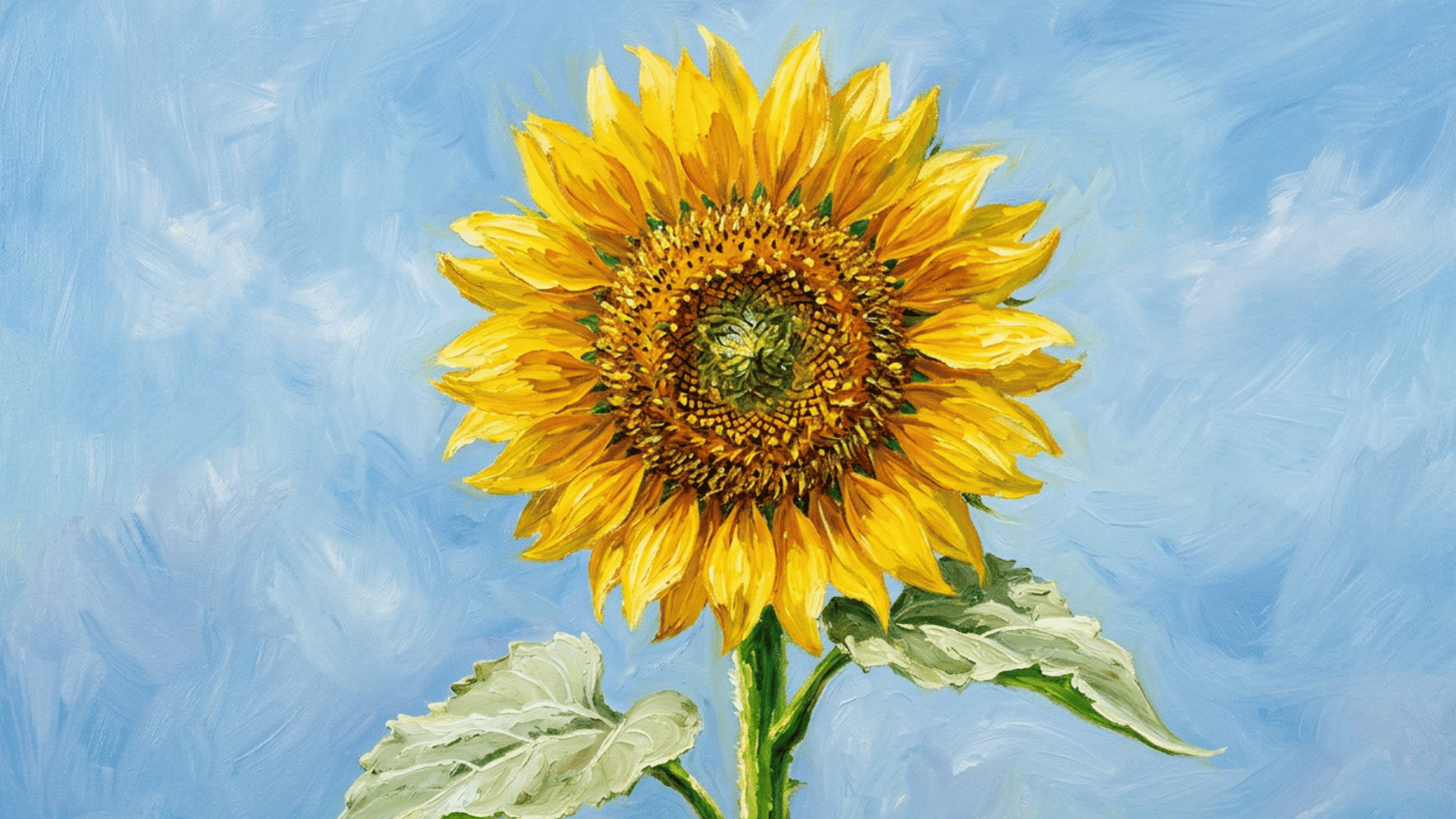
- What You’ll Paint: One large sunflower that fills the canvas with bold petals and a simple center.
- Best Colors: Yellow, brown, green, and a touch of orange.
- What Makes this Easy: The flower uses basic shapes and doesn’t require perfect symmetry.
Pro Tip: Keep the background plain so the sunflower becomes the main focus.
3. Rolling Hills
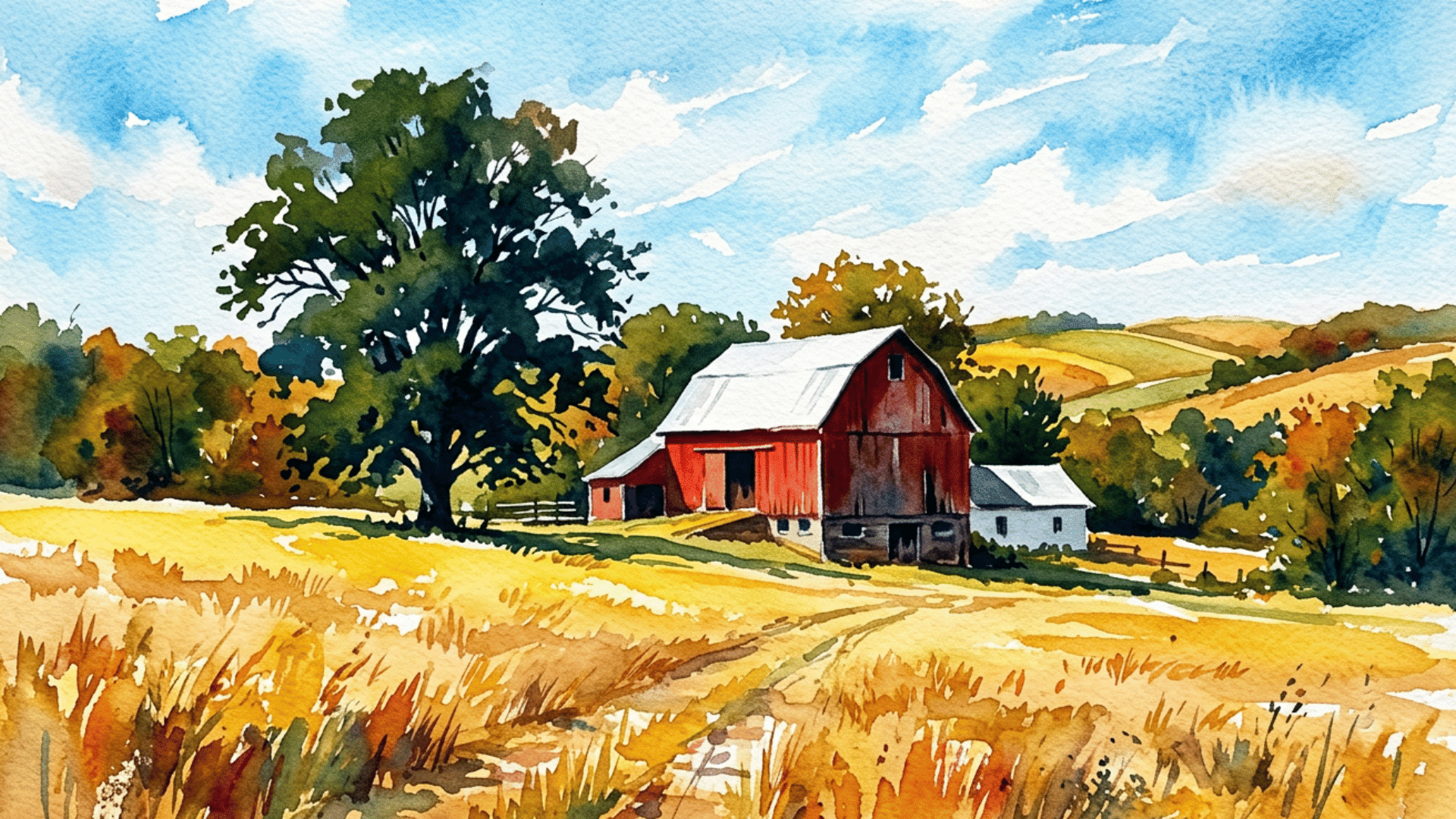
- What You’ll Paint: Soft green hills layered across the landscape to create depth.
- Best Colors: Light green, olive, dark green, and pale blue.
- What Makes this Easy: Curved shapes are easy to paint and naturally build perspective.
Pro Tip: Paint the farthest hills first, then layer darker ones in front.
4. One Fallen Leaf
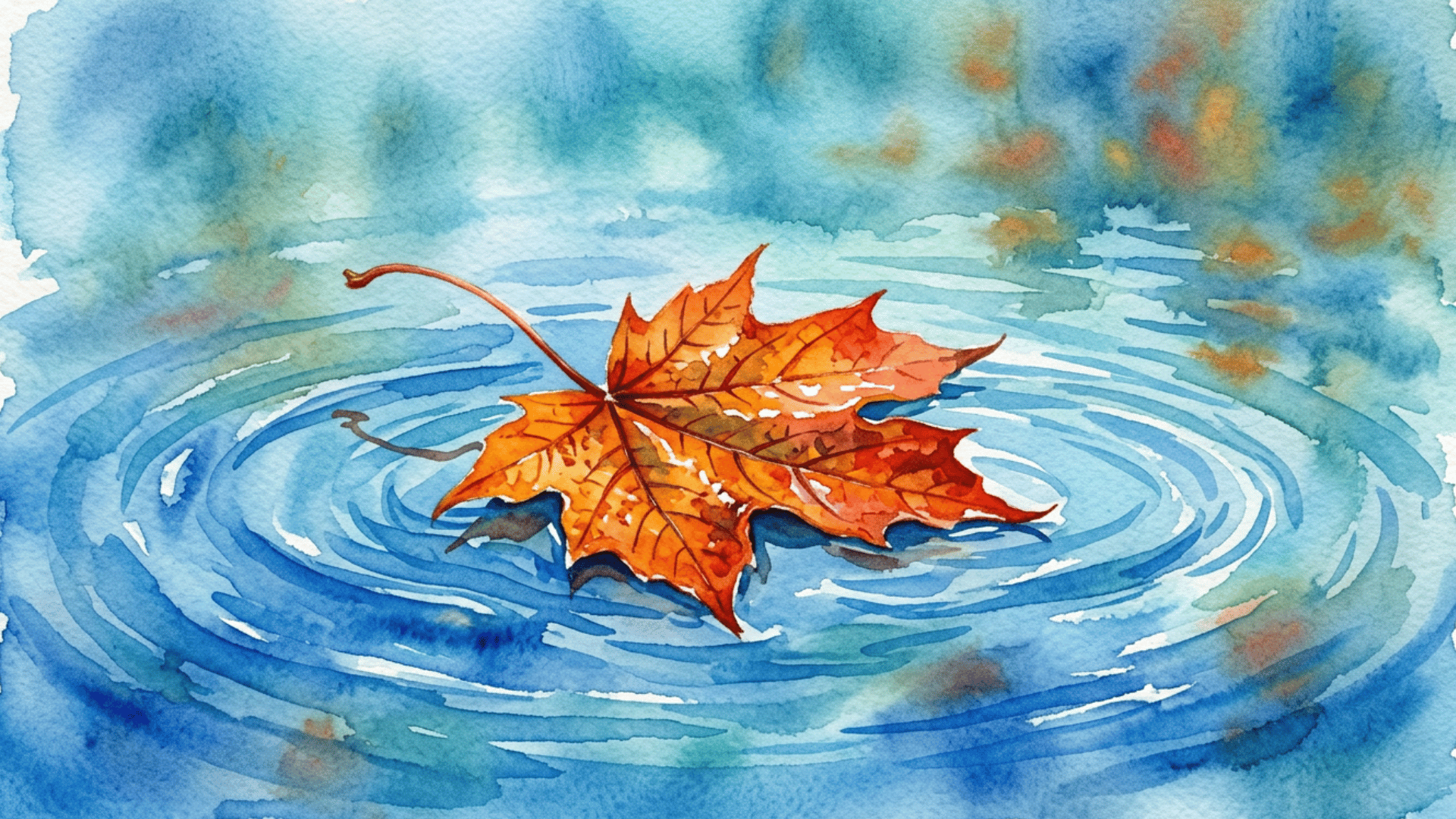
- What You’ll Paint: A colorful autumn leaf placed against a simple background.
- Best Colors: Red, orange, yellow, brown, and gold.
- What Makes this Easy: One subject keeps the composition simple and easy to finish.
Pro Tip: Use a real leaf as a reference for a more natural shape.
5. Mountain Silhouette
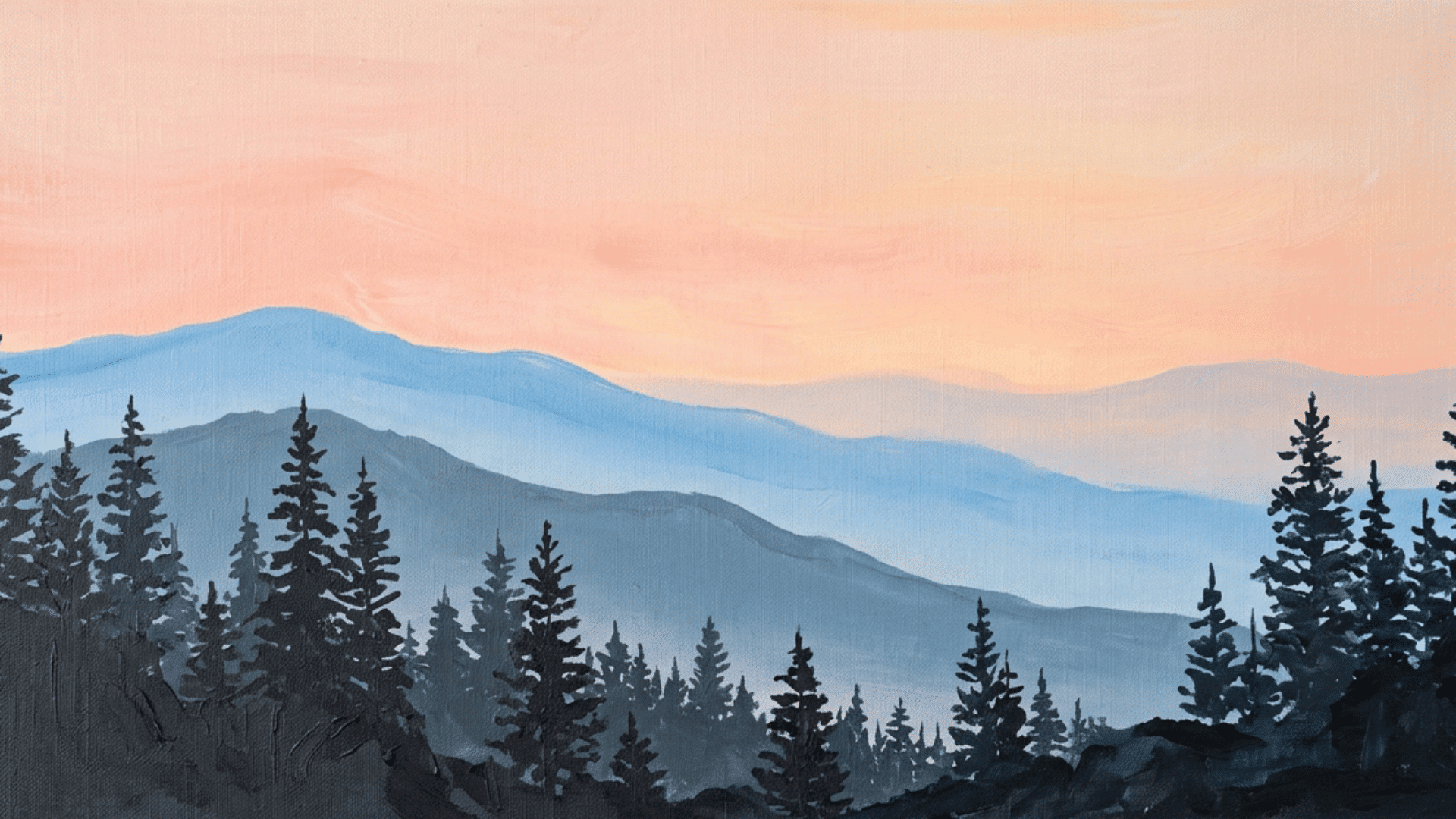
- What You’ll Paint: Layered mountain peaks beneath a clear or colorful sky.
- Best Colors: Gray, blue, navy, and white.
- What Makes this Easy: Flat mountain shapes look impressive without requiring fine details.
Pro Tip: Use different shades for each mountain layer to create a sense of distance.
6. A Cloudy Sky
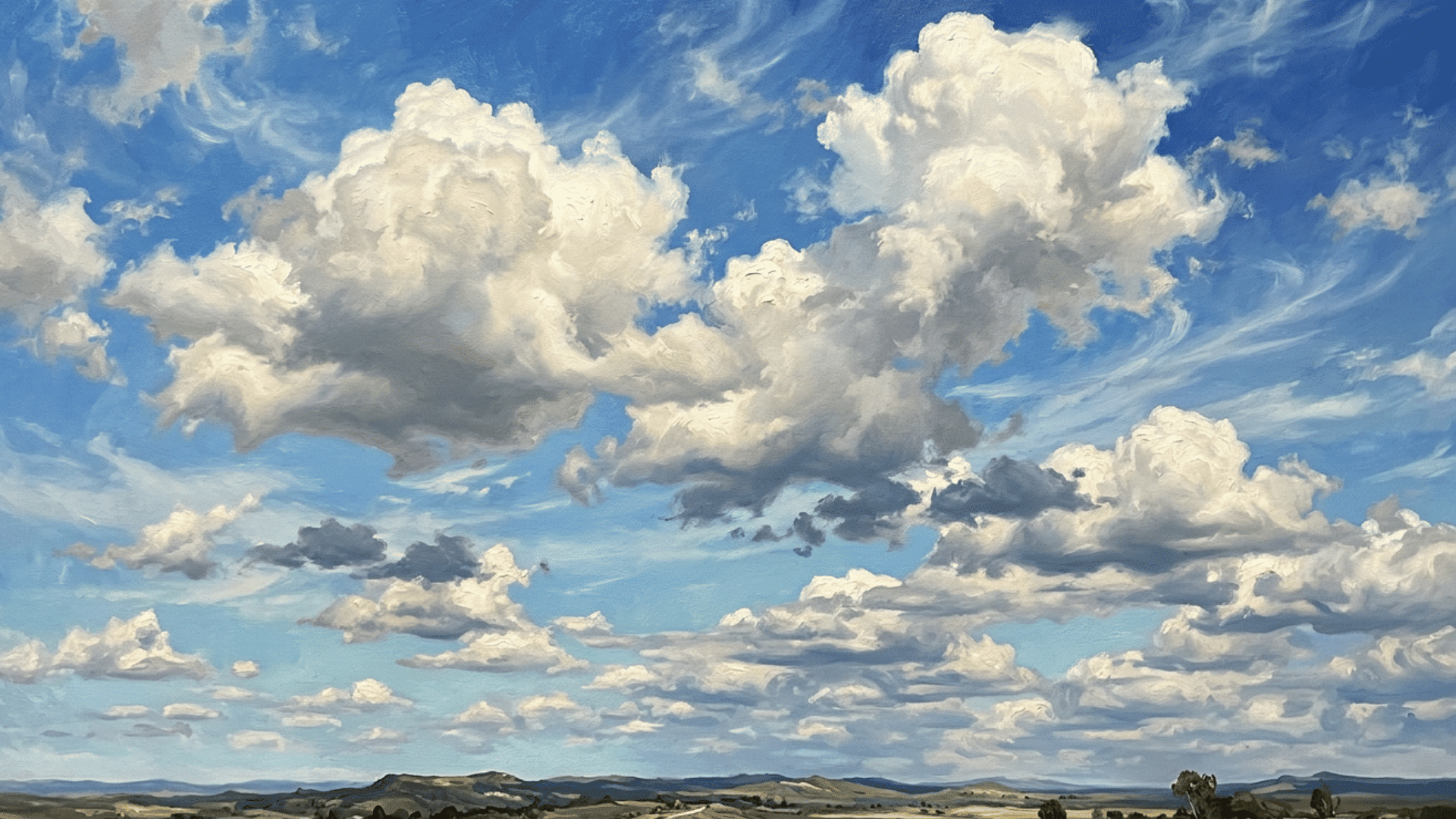
- What You’ll Paint: Soft clouds drifting across an open blue sky.
- Best Colors: White, sky blue, and light gray.
- What Makes this Easy: Loose brushwork creates realistic clouds without the need for precise painting.
Pro Tip: Dab the paint gently to keep the clouds soft and fluffy.
7. Field of Grass
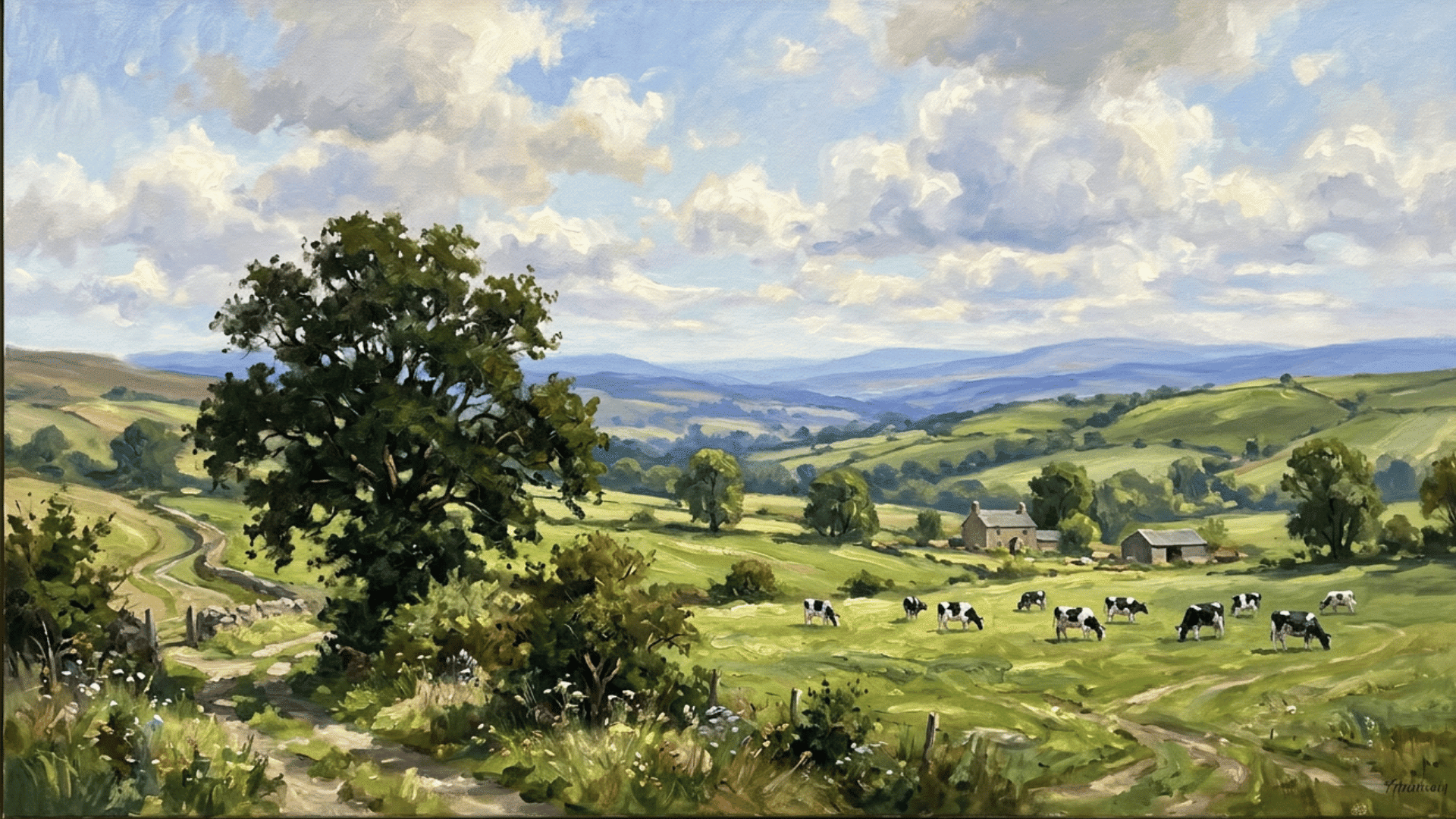
- What You’ll Paint: A grassy field beneath a simple sky using quick brushstrokes.
- Best Colors: Bright green, dark green, yellow-green, and blue.
- What Makes this Easy: Repeated strokes quickly create texture without complex techniques.
Pro Tip: Vary the height and direction of the grass for a more natural look.
8. A Single Pinecone
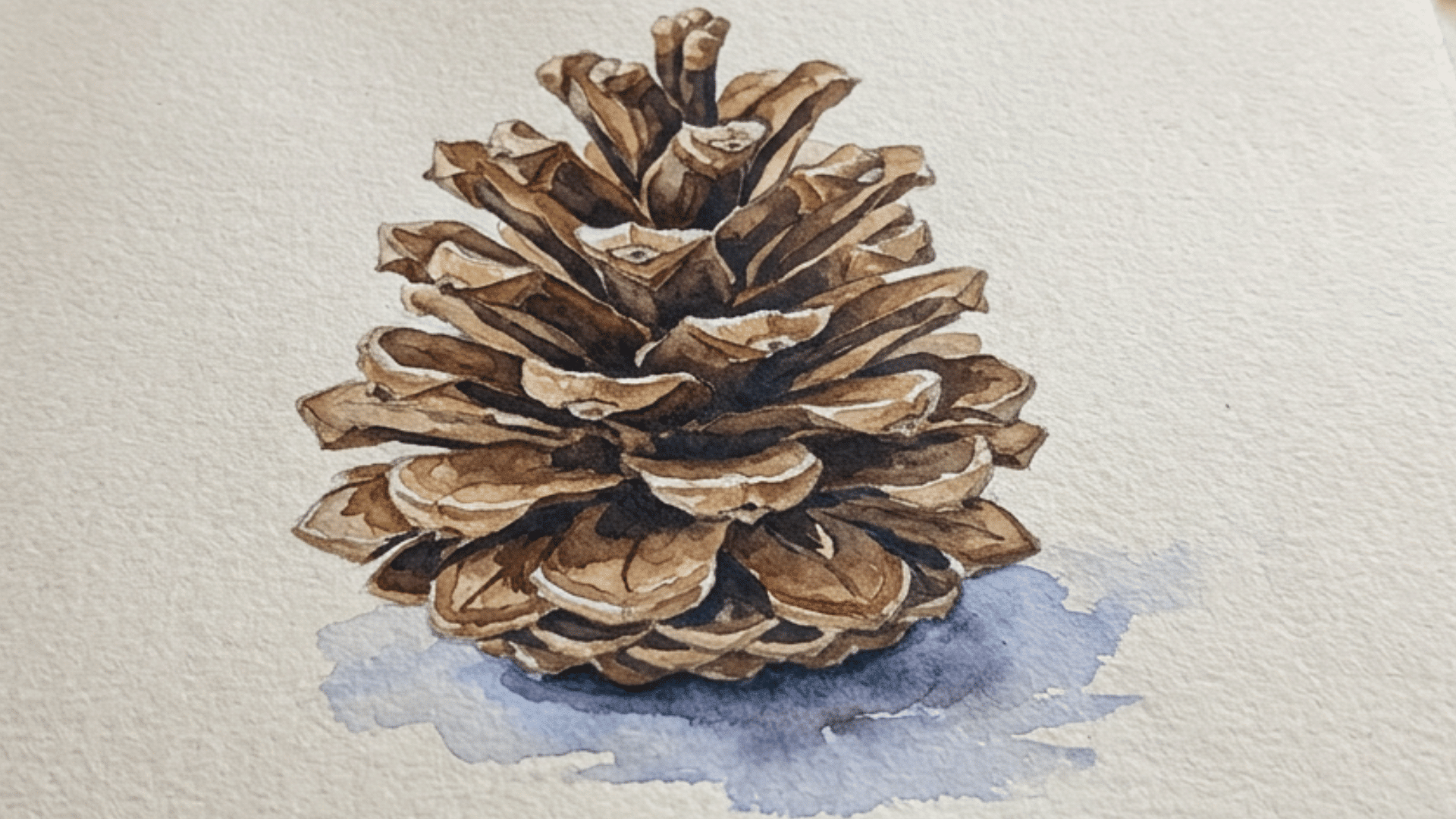
- What You’ll Paint: A pinecone with simple overlapping scales and earthy tones.
- Best Colors: Brown, tan, beige, and dark brown.
- What Makes this Easy: Organic shapes make small imperfections look natural.
Pro Tip: Paint the overall shape first before adding the scale pattern.
9. Rain on a Window
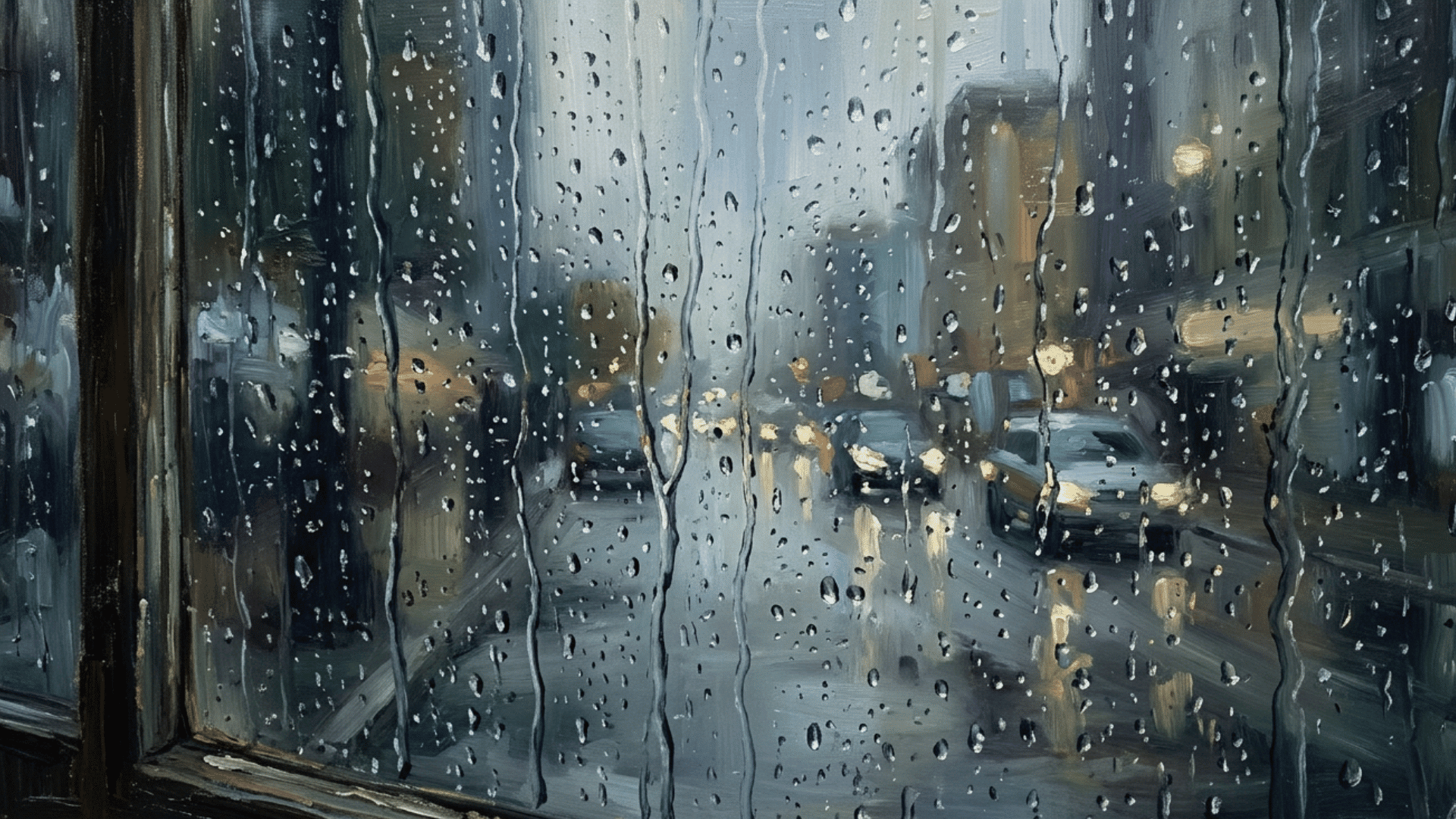
- What You’ll Paint: A rainy window effect with soft backgrounds and flowing streaks.
- Best Colors: Gray, blue-gray, white, and light blue.
- What Makes this Easy: The focus is on simple lines and atmosphere rather than detailed objects.
Pro Tip: Keep the background blurred so the rain streaks stand out.
10. A Sliced Orange
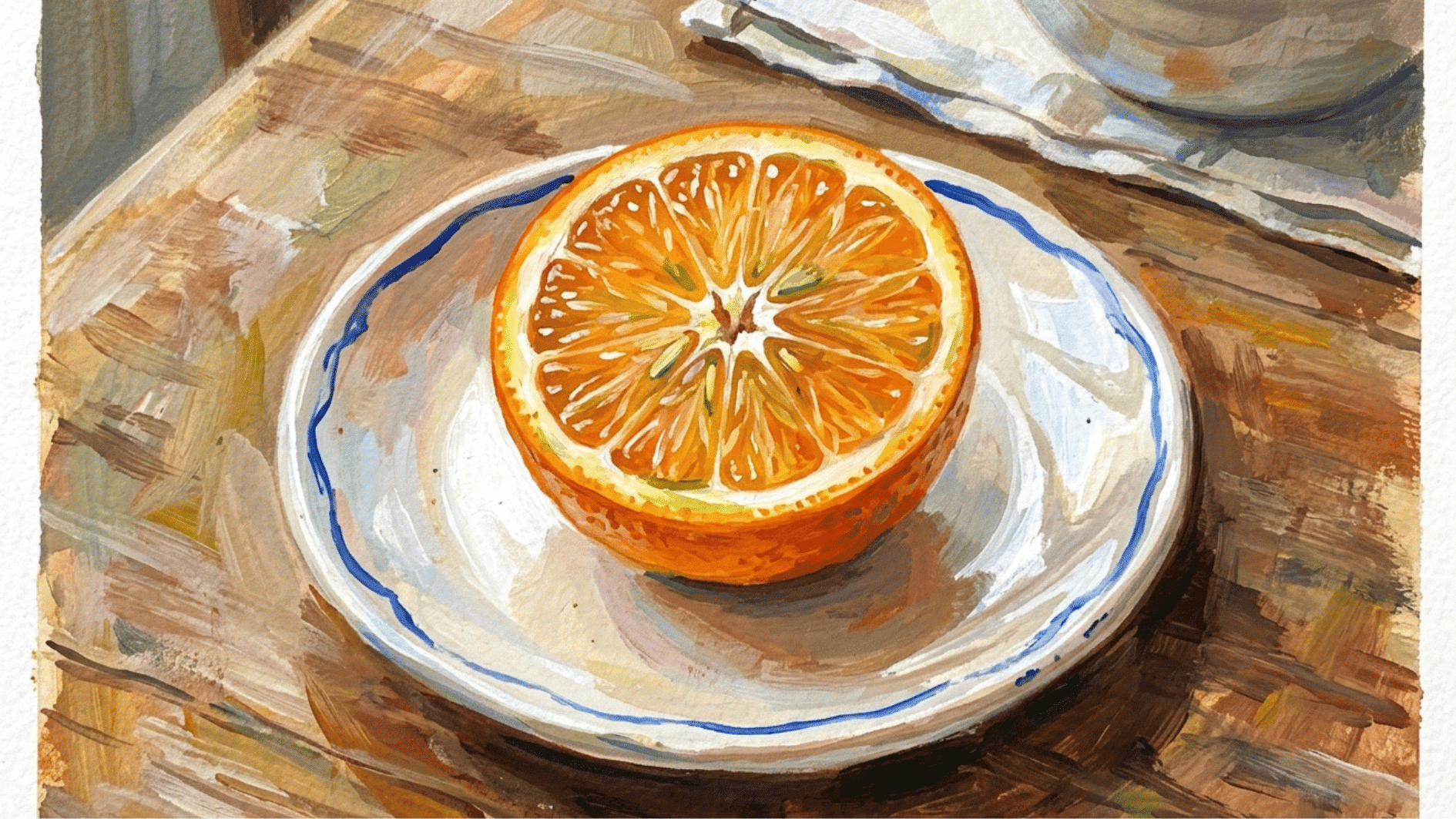
- What You’ll Paint: A round orange slice with simple wedge sections radiating from the center.
- Best Colors: Orange, yellow-orange, white, and a touch of brown.
- What Makes this Easy: Most of the painting uses large color blocks with only a few dividing lines.
Pro Tip: Outline the wedges lightly with a pencil before adding color for even spacing.
11. Coffee in a Little Mug
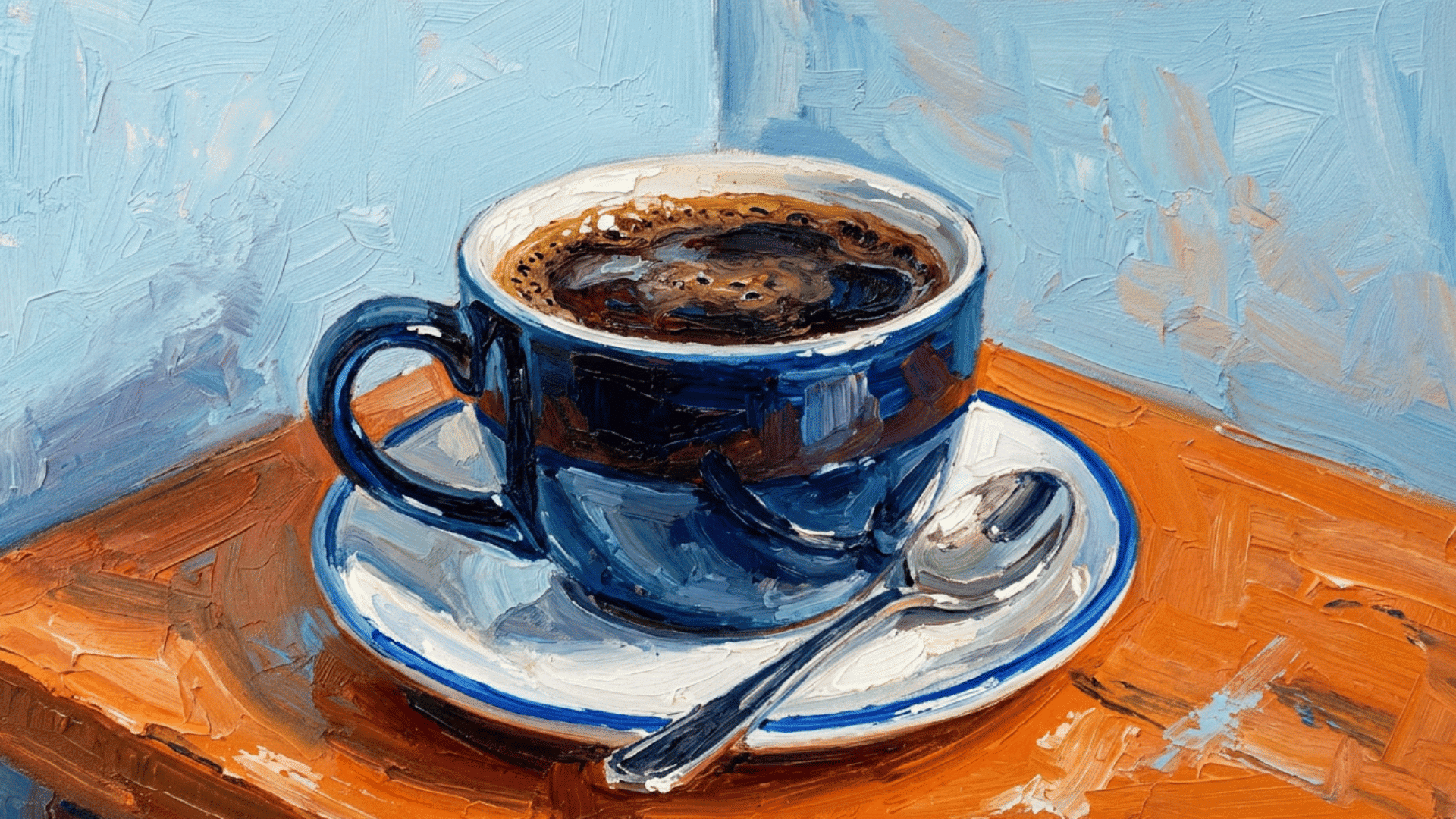
- What You’ll Paint: A simple mug filled with coffee and an optional curl of rising steam.
- Best Colors: White, brown, cream, black, and gray.
- What Makes this Easy: The design relies on basic shapes and minimal detailing.
Pro Tip: Add a small curved steam line to make the cup feel warm and inviting.
12. An Ice Cream Cone
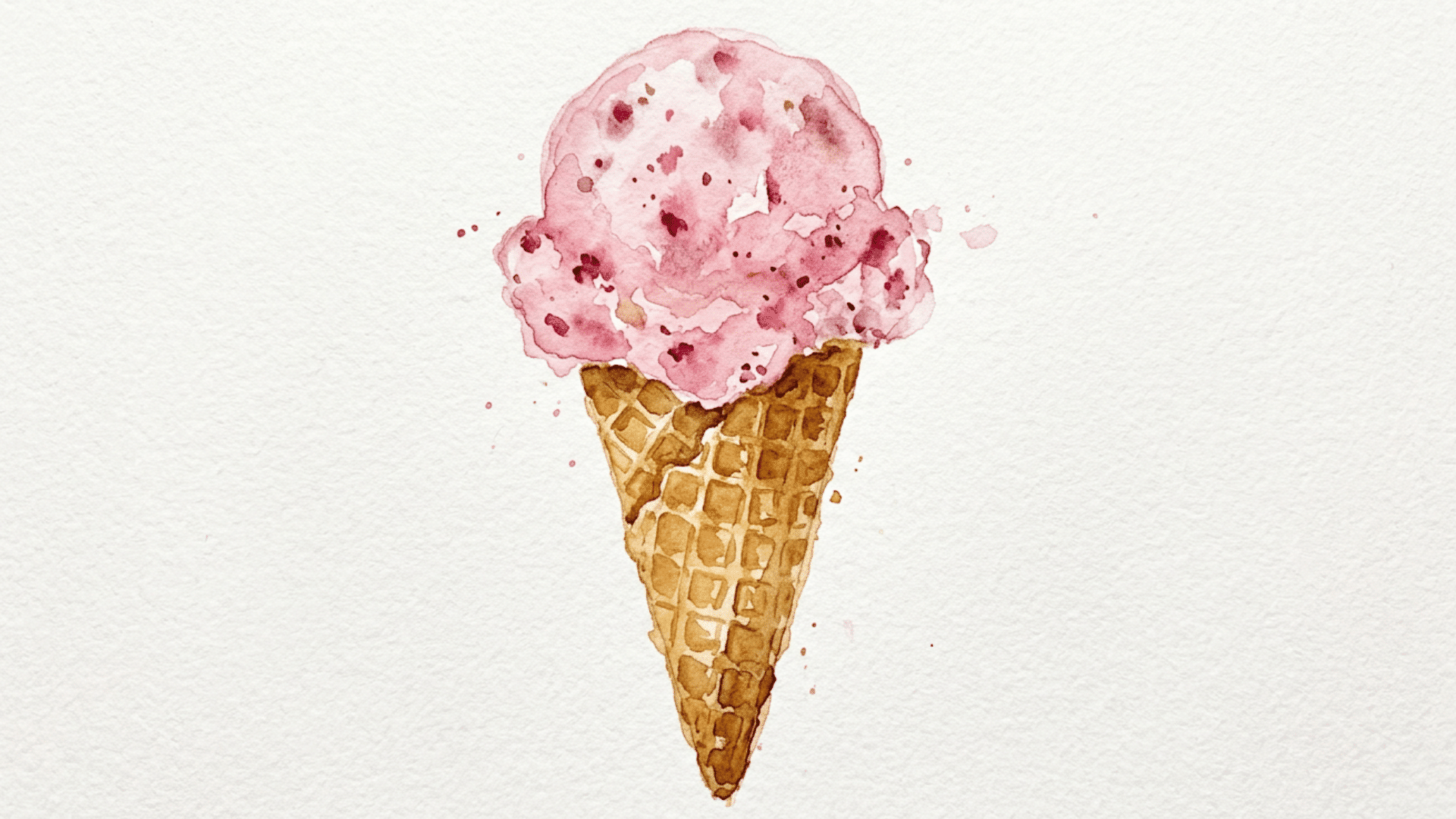
- What You’ll Paint: A waffle cone topped with one rounded scoop of your favorite flavor.
- Best Colors: Beige, brown, pink, mint green, chocolate, or pastel shades.
- What Makes this Easy: The cone and scoop are made from two simple shapes.
Pro Tip: Add tiny sprinkles or a cherry only after the main painting has dried.
13. A Wine Glass
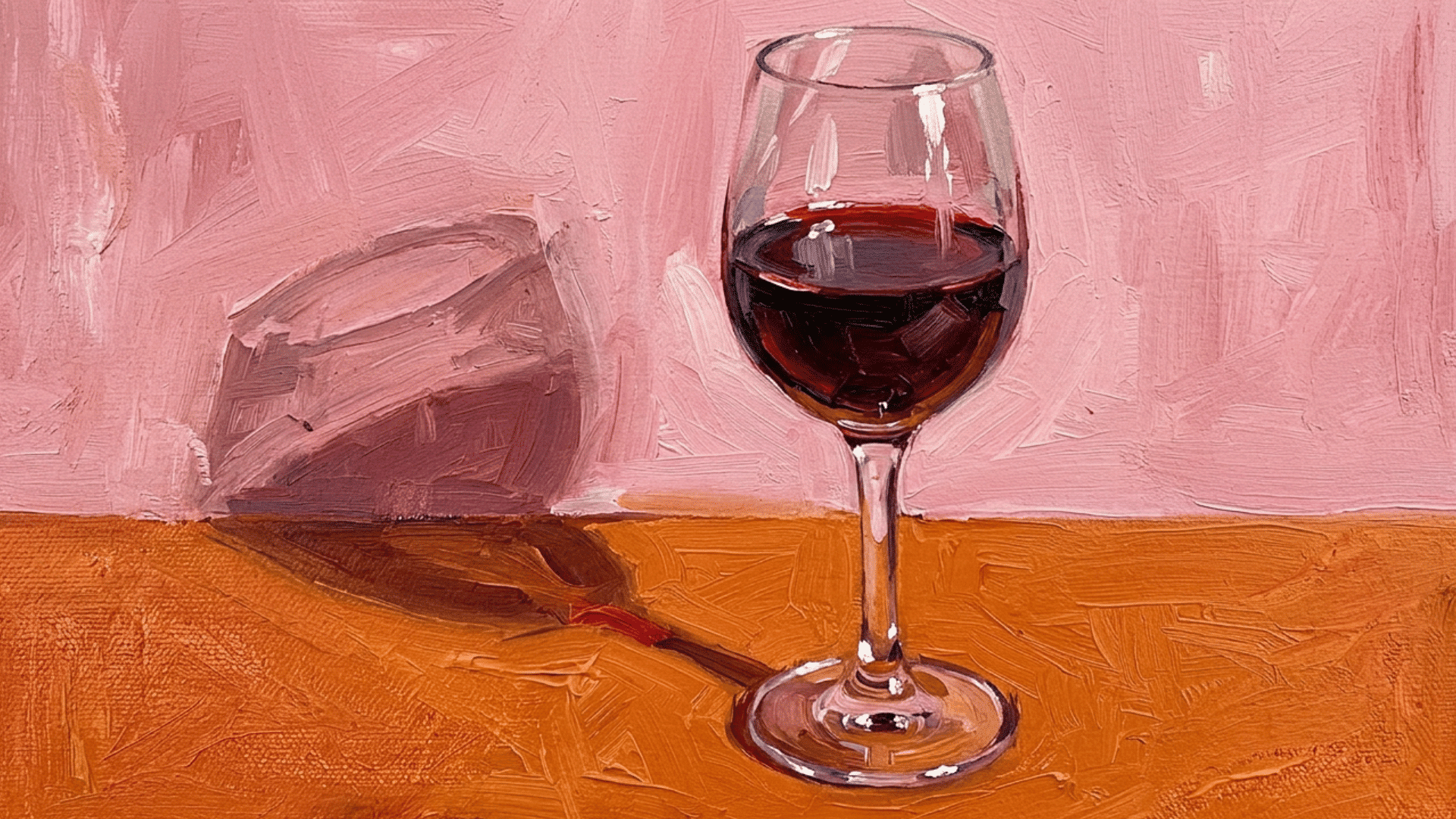
- What You’ll Paint: A classic wine glass partially filled with red or white wine.
- Best Colors: Burgundy, deep red, amber, light gold, and white.
- What Makes this Easy: Leaving the glass unpainted creates a realistic effect with very little effort.
Pro Tip: Keep the outline thin so the transparent glass remains the focal point.
14. Watermelon Slice
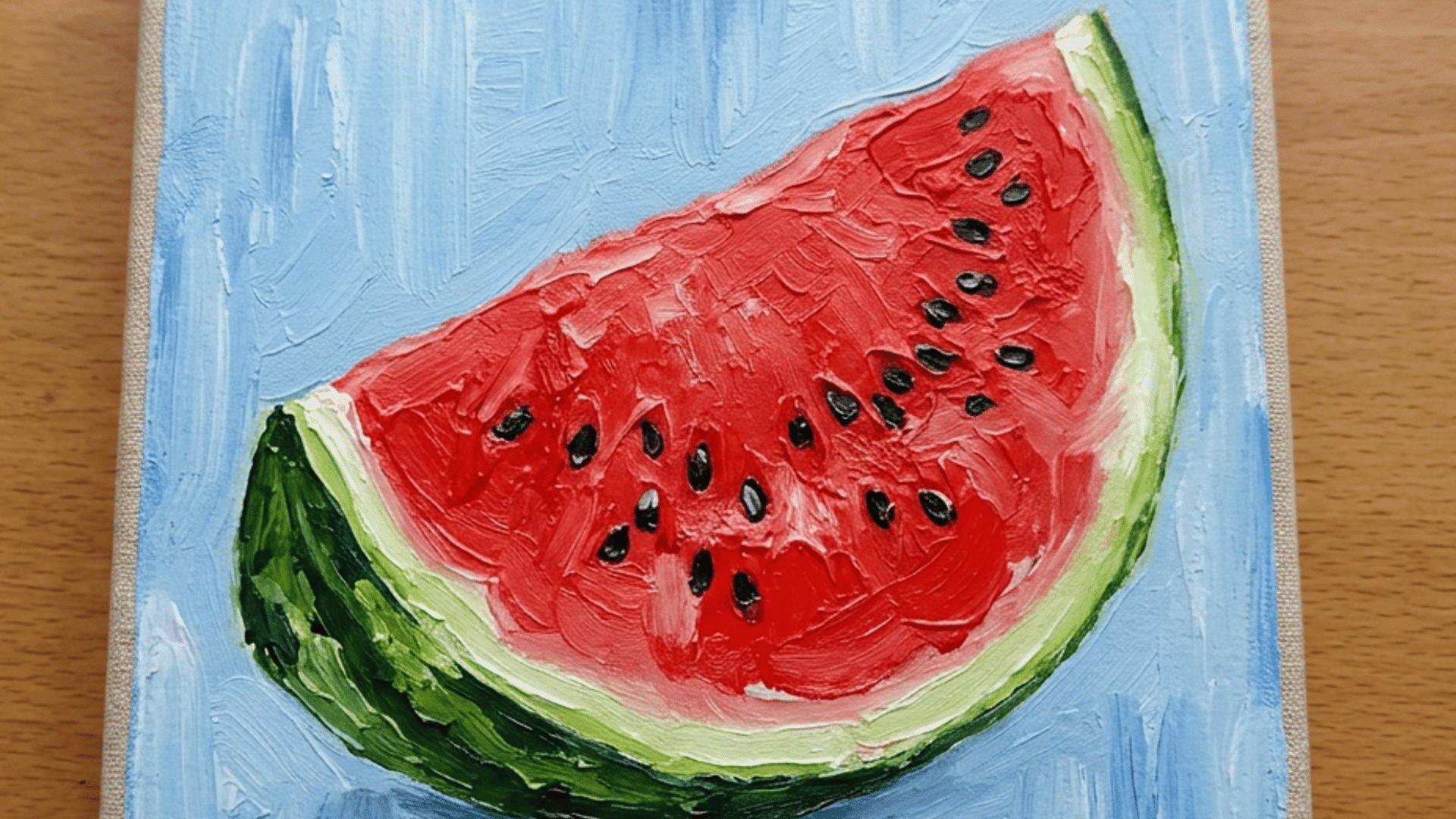
- What You’ll Paint: A juicy watermelon wedge with a green rind and scattered seeds.
- Best Colors: Red, green, white, black, and pink.
- What Makes this Easy: Large color sections make the painting easy before adding the seed dots.
Pro Tip: Space the seeds unevenly to give the slice a more natural appearance.
15. A Bowl of Cherries
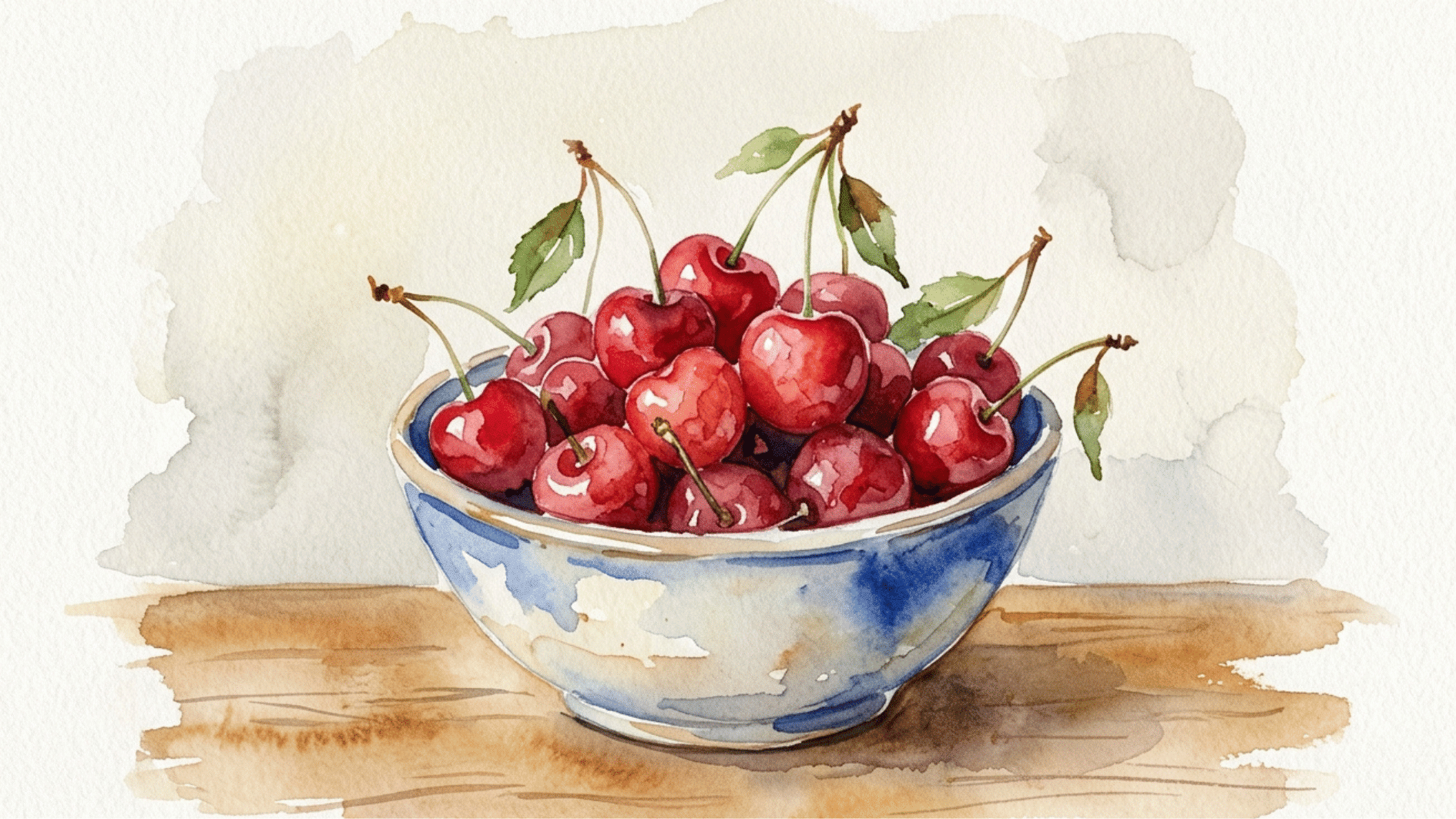
- What You’ll Paint: A small bowl filled with bright cherries and thin green stems.
- Best Colors: Red, green, brown, and white.
- What Makes this Easy: Repeating the same shape keeps the painting simple and consistent.
Pro Tip: Overlap a few cherries to make the bowl look fuller without extra work.
16. Sliced Lemon
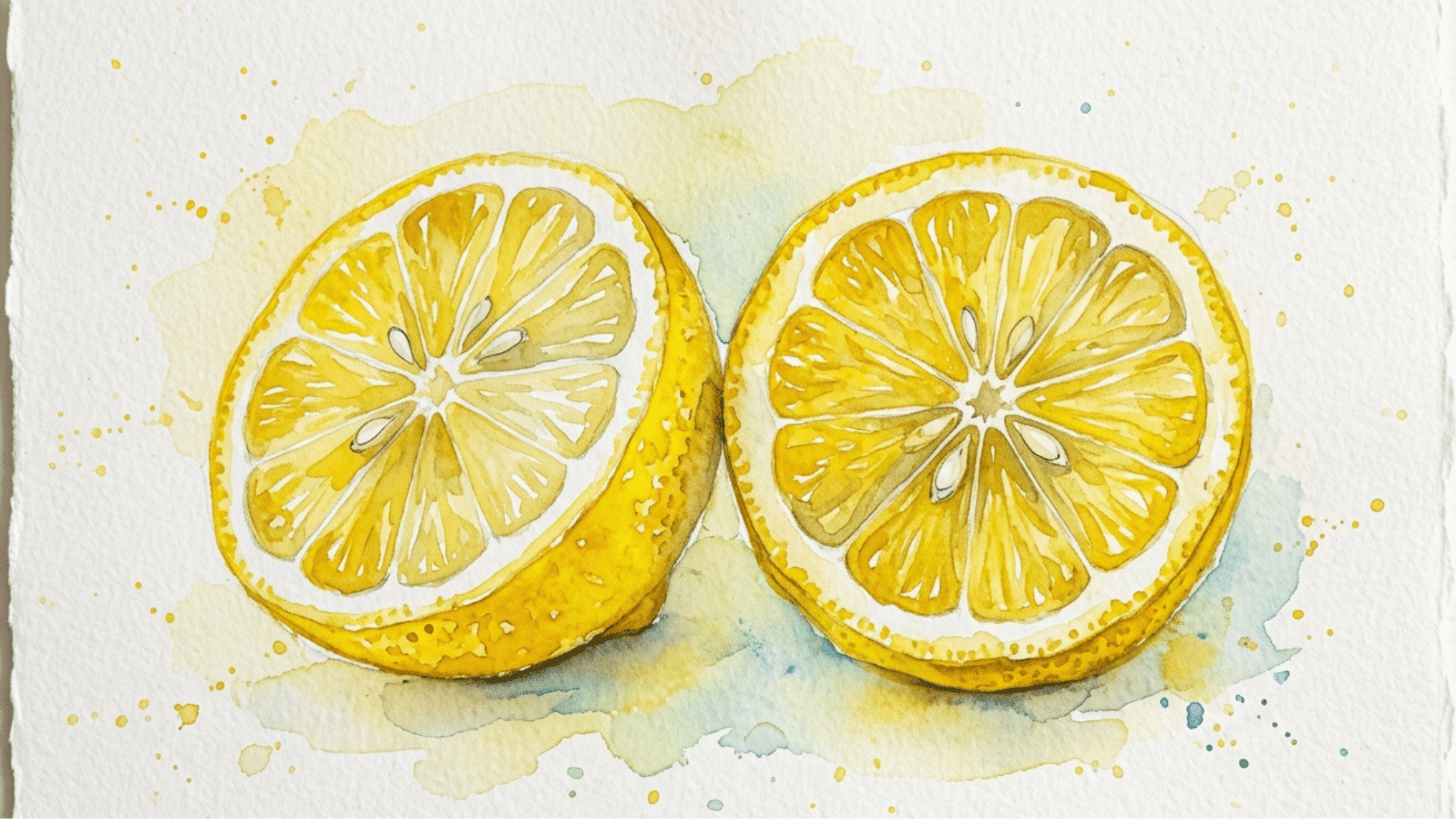
- What You’ll Paint: Two sliced lemons showing their simple wedge pattern.
- Best Colors: Yellow, light yellow, white, and a touch of green.
- What Makes this Easy: The design uses circles and straight dividing lines that are easy to paint.
Pro Tip: Leave thin white lines between the wedges to make the fruit look fresh.
17. Cute Cup of Tea
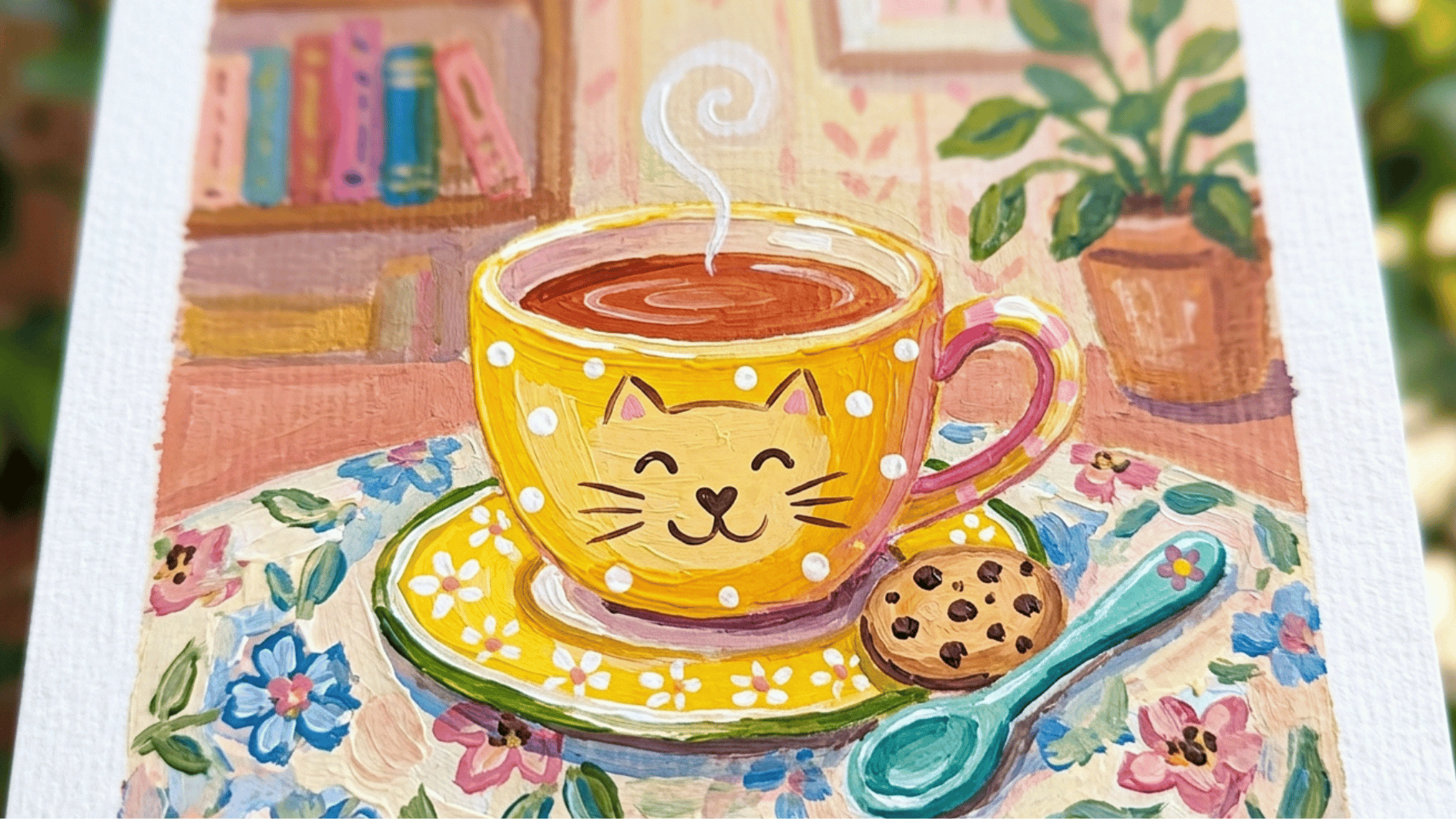
- What You’ll Paint: A teacup and saucer filled with warm tea and an optional tea bag tag.
- Best Colors: White, amber, brown, gray, and soft blue.
- What Makes this Easy: The scene uses clean outlines with only one or two focal details.
Pro Tip: Let the tea bag string curve naturally to add movement to the painting.
18. A Row of Mason Jars
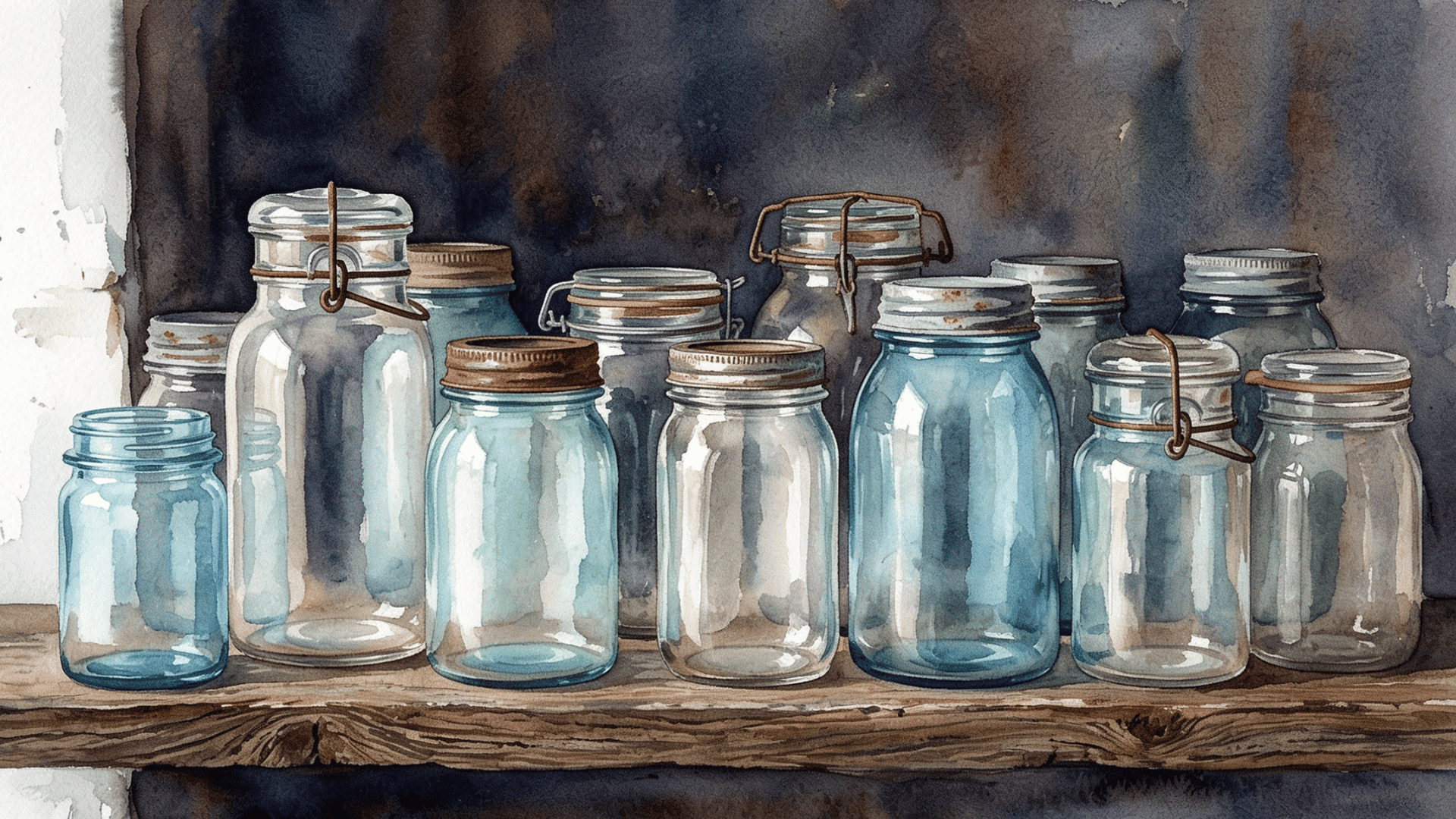
- What You’ll Paint: Two or three mason jars filled with simple elements like water, flowers, or herbs.
- Best Colors: Clear blue, green, brown, white, and pastel shades.
- What Makes this Easy: Repeating the same jar shape builds confidence without adding complexity.
- Pro Tip: Give each jar a different fill color to make the arrangement more interesting.
A finished canvas paired with a personal touch is hard to beat. Handmade gift ideas are worth browsing if you want to turn a painting session into a present worth giving.
19. A Pair of Shoes
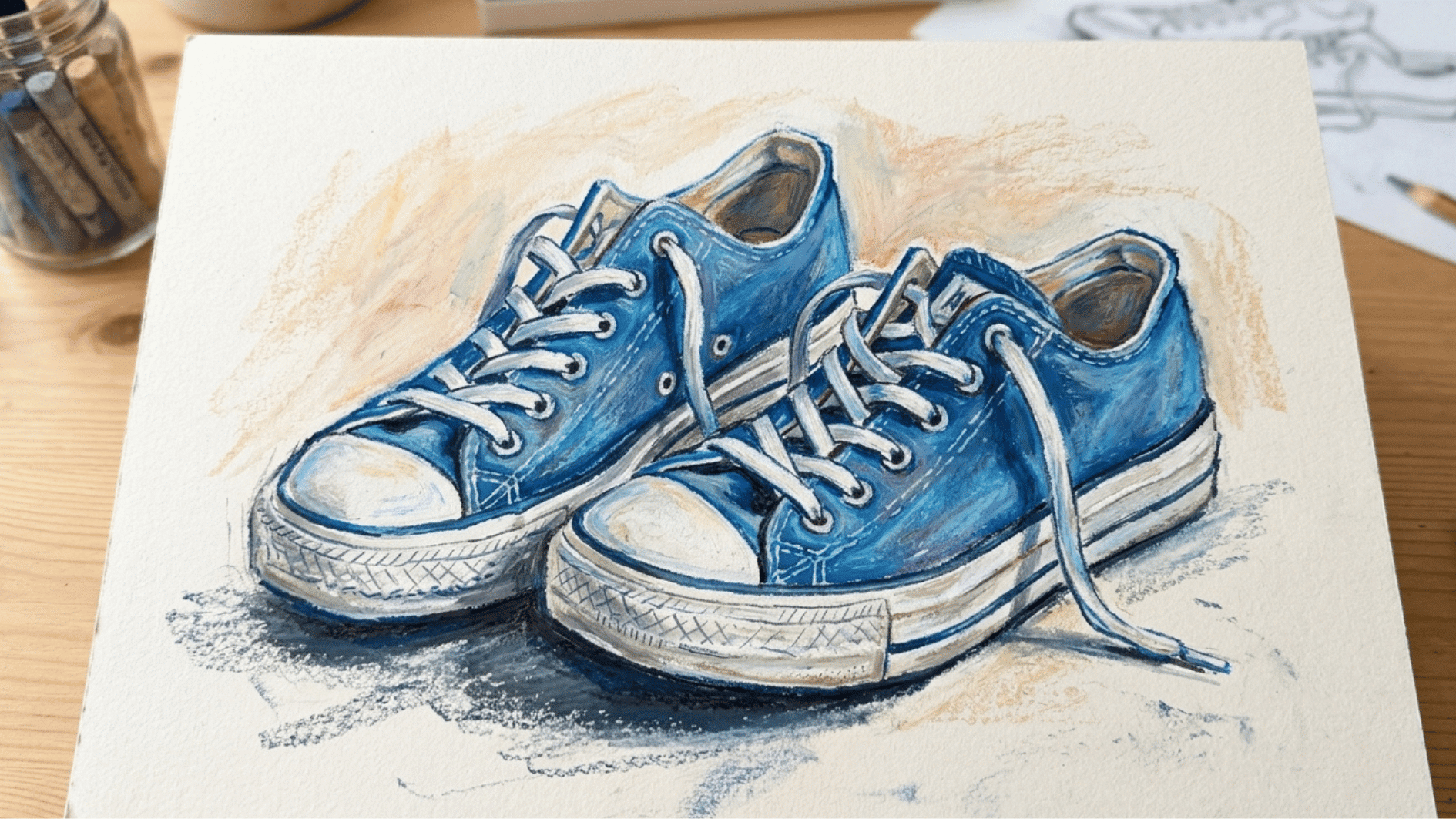
- What You’ll Paint: Basic sneakers or boots viewed from the side or at a slight angle.
- Best Colors: White, black, blue, gray, or any two contrasting shades.
- What Makes this Easy: The overall shape is more important than small details like laces or stitching.
Pro Tip: Fill the shoes with solid colors first and leave the fine details for later projects.
20. A Pair of Glasses
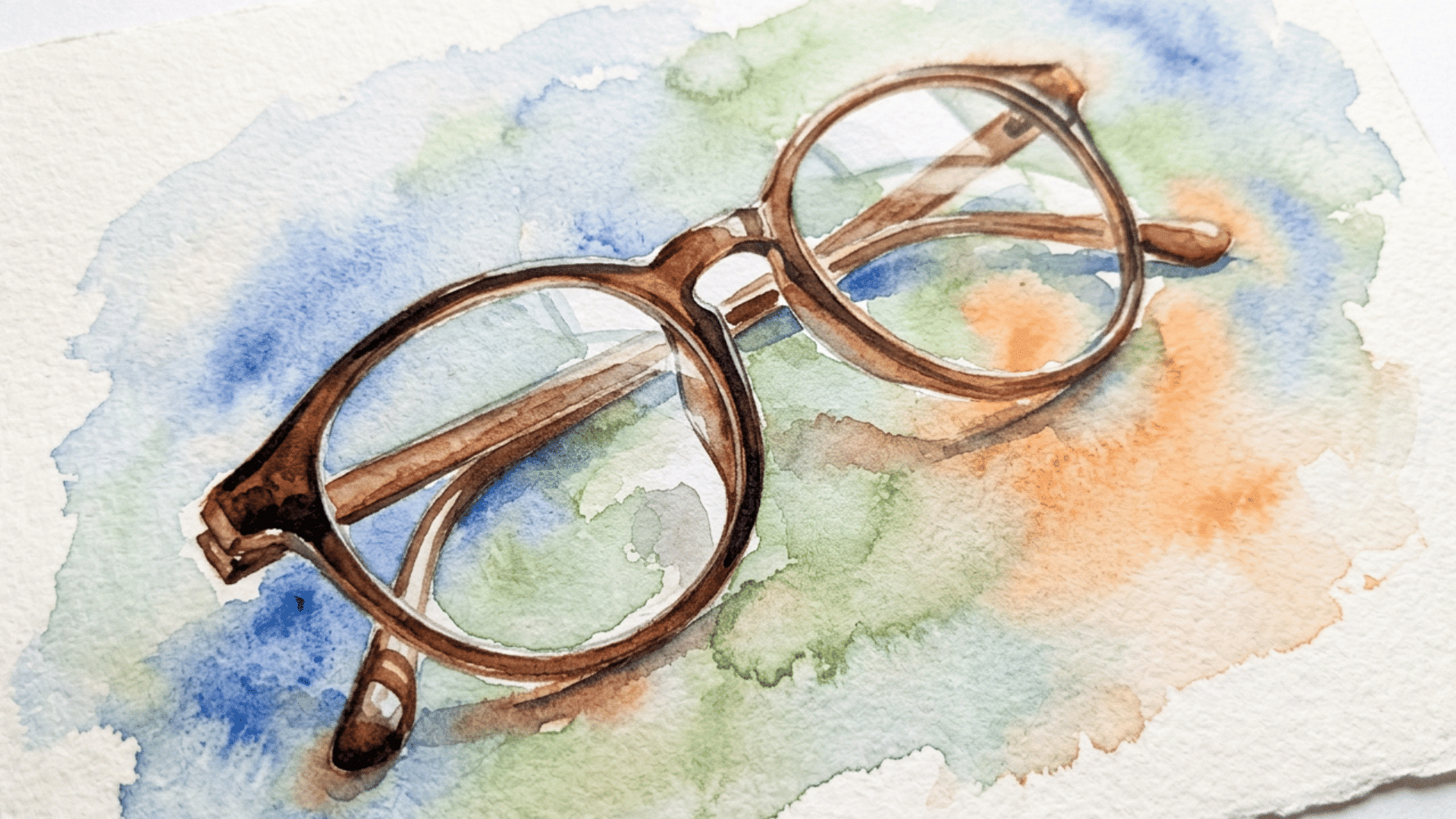
- What You’ll Paint: Round or oval glasses resting on a flat surface.
- Best Colors: Black, gray, light blue, and white.
- What Makes this Easy: The design uses only a handful of connected shapes.
Pro Tip: Add a light tint to the lenses without covering the entire surface.
21. A Ceramic Teapot
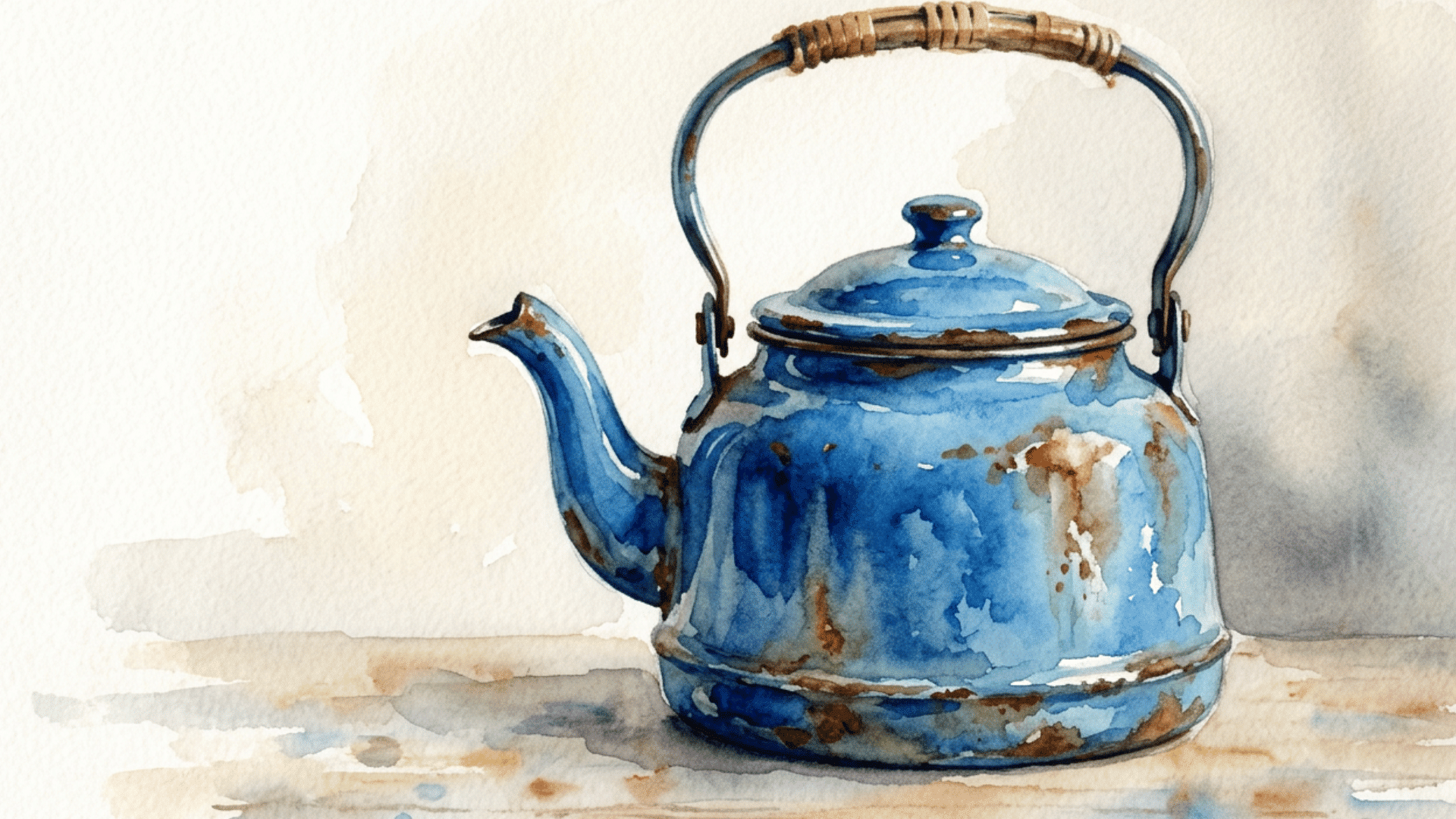
- What You’ll Paint: A rounded teapot with a lid, handle, and curved spout.
- Best Colors: White, cream, light blue, mint green, or soft pink.
- What Makes this Easy: The object is built from large, simple shapes with very little detail.
Pro Tip: Paint the entire teapot one color before adding small finishing touches.
22. A Hanging Light Bulb
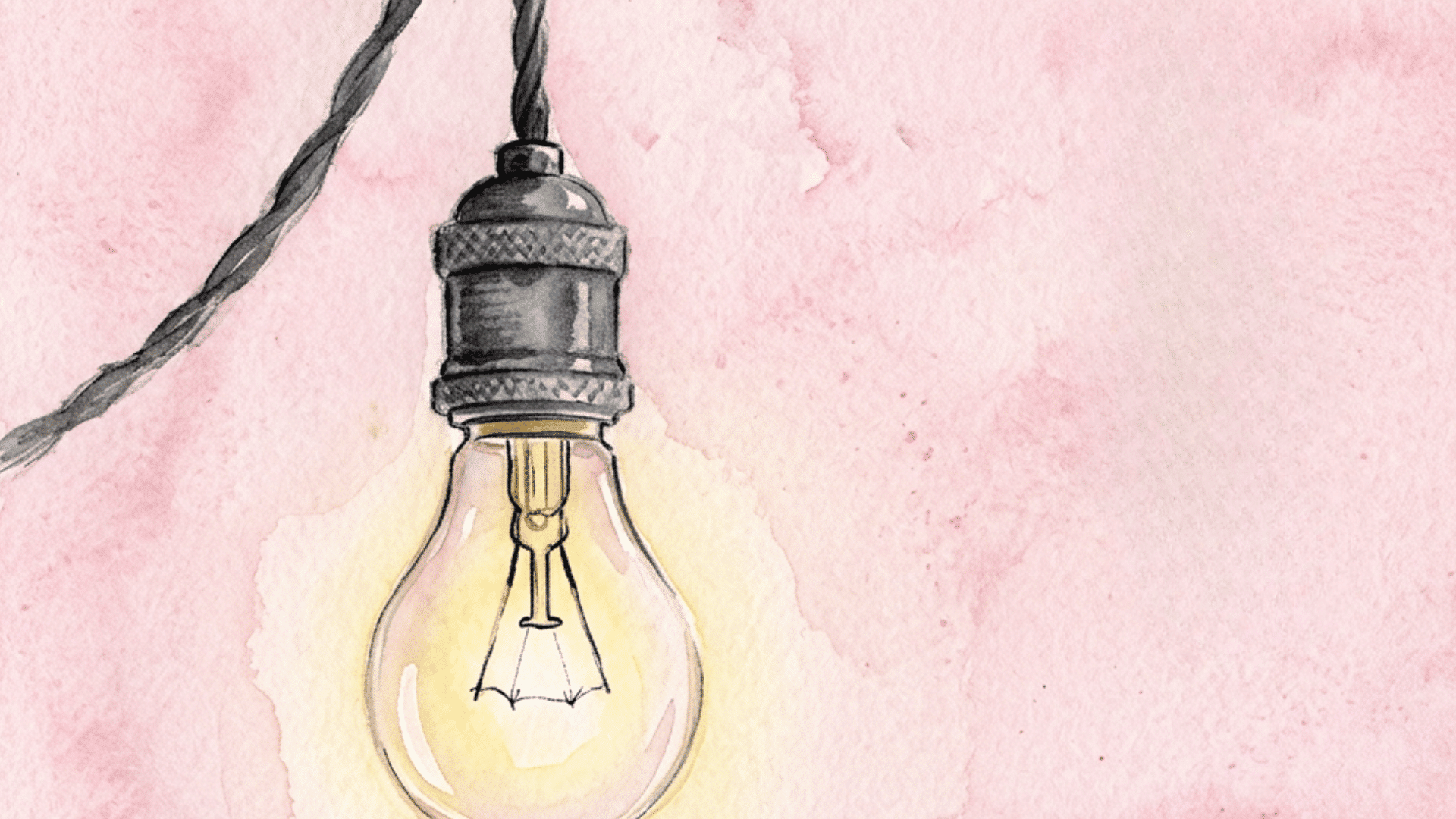
- What You’ll Paint: A single hanging light bulb suspended from a thin wire.
- Best Colors: White, yellow, black, dark blue, and gray.
- What Makes this Easy: The bold contrast makes the painting look detailed with minimal effort.
Pro Tip: Leave a small white highlight on the bulb to create the illusion of glass.
23. Color-Block Grid
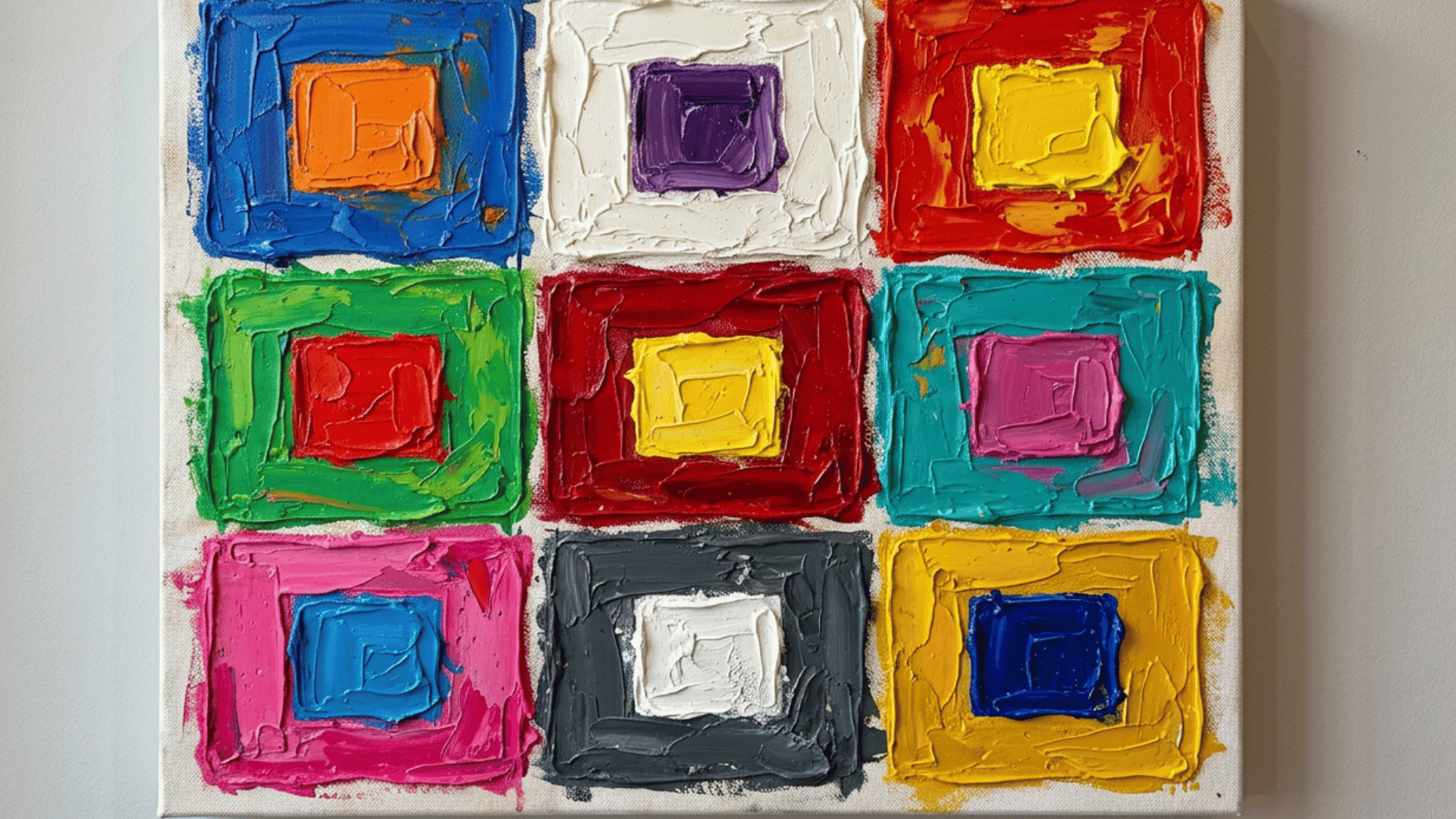
- What You’ll Paint: A canvas divided into four or six blocks, each painted a different color.
- Best Colors: Red, blue, yellow, green, pink, and orange.
- What Makes this Easy: There is no sketching or blending, just clean sections of color.
Pro Tip: Use painter’s tape to keep the edges crisp and evenly spaced.
24. Geometric Triangles
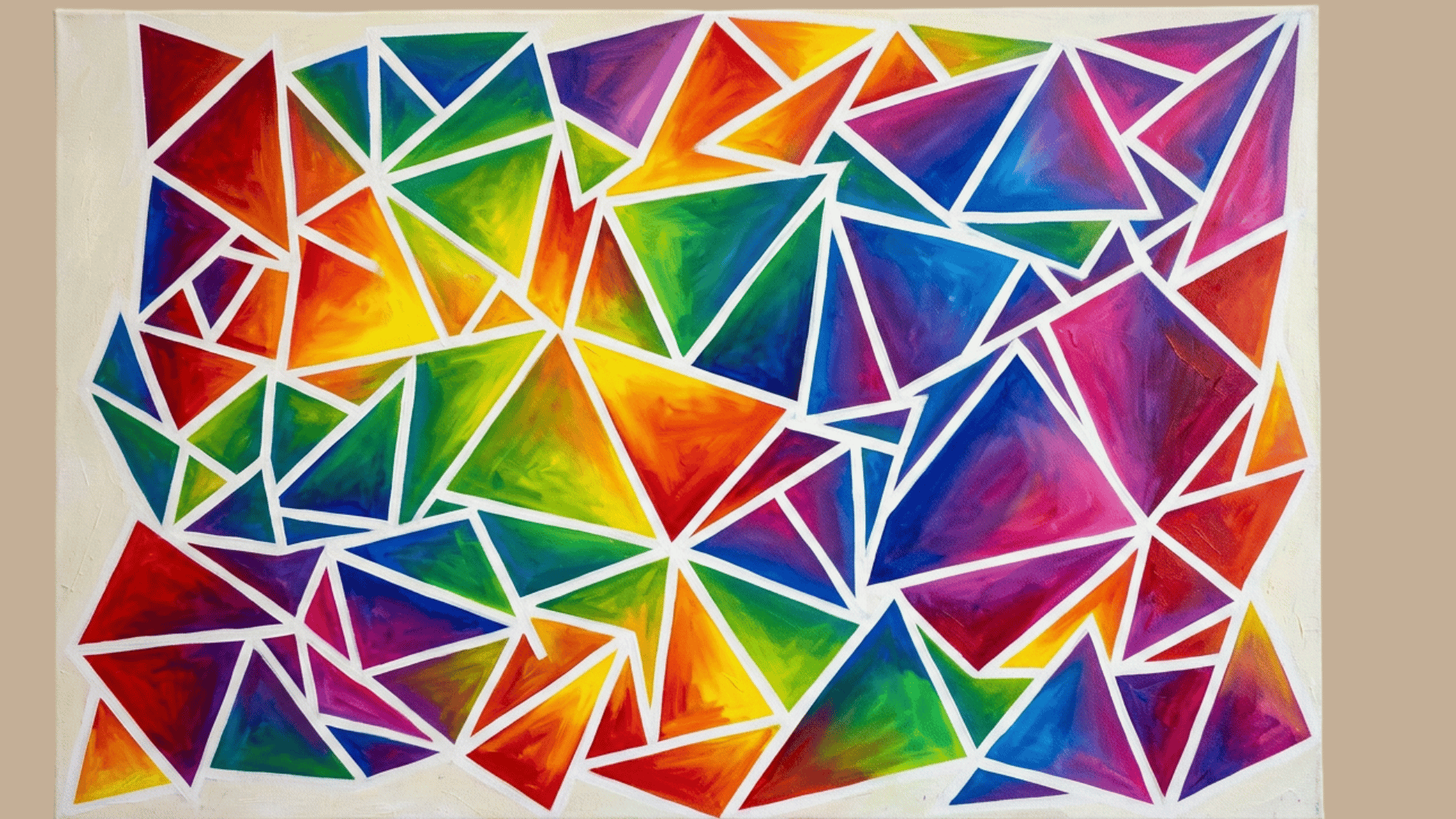
- What You’ll Paint: Overlapping triangles filled with bold, flat colors.
- Best Colors: Yellow, blue, coral, green, black, and white.
- What Makes this Easy: Straight edges and solid colors make the composition easy to control.
Pro Tip: Sketch the triangle layout lightly before filling each section with paint.
25. Rainbow Stripes
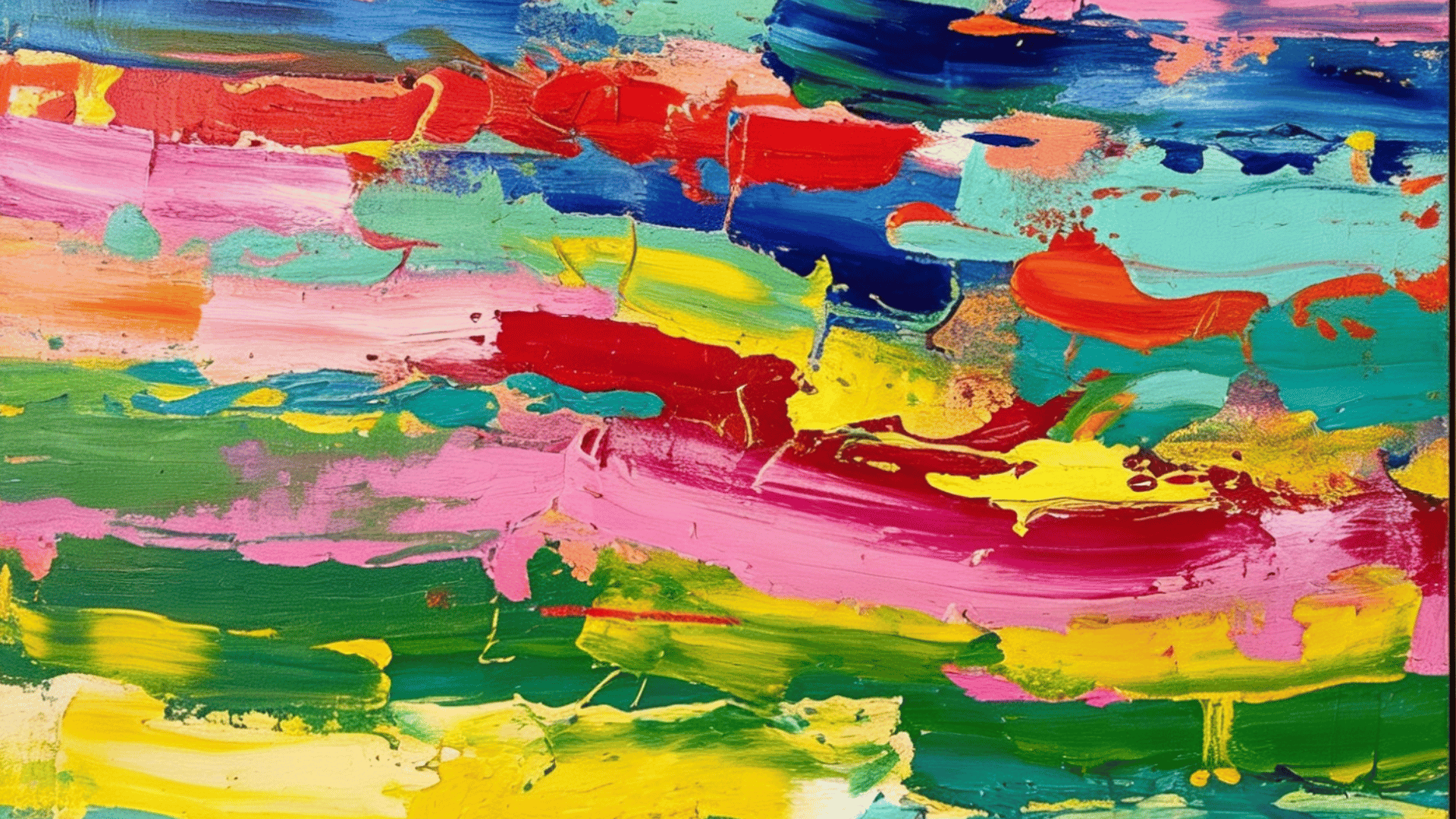
- What You’ll Paint: Even stripes arranged in rainbow order or your own favorite color palette.
- Best Colors: Red, orange, yellow, green, blue, indigo, and violet.
- What Makes this Easy: The design uses only straight lines and flat color application.
Pro Tip: Apply painter’s tape before painting if you want perfectly straight stripes.
26. Marbled Swirl
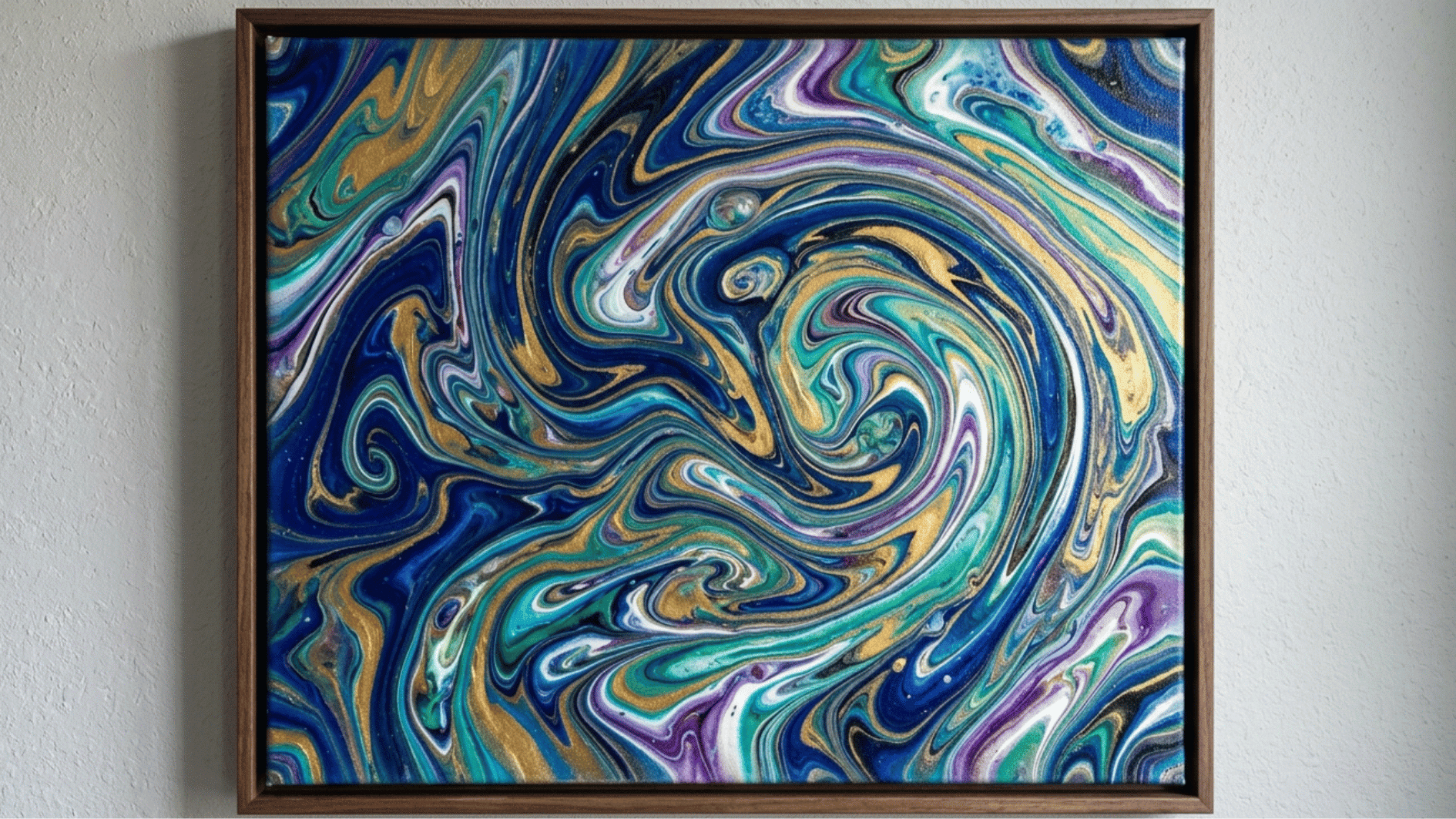
- What You’ll Paint: A flowing abstract design made from gently swirled wet paint.
- Best Colors: Blue, purple, pink, white, and teal.
- What Makes this Easy: The natural blending creates beautiful effects without precise brushwork.
Abstract and textured effects like this one become even more interesting when you start mixing materials. Mixed media art ideas shows how combining paint with paper, ink, or fabric pushes these kinds of experiments further without needing any extra skill.
27. Concentric Circles
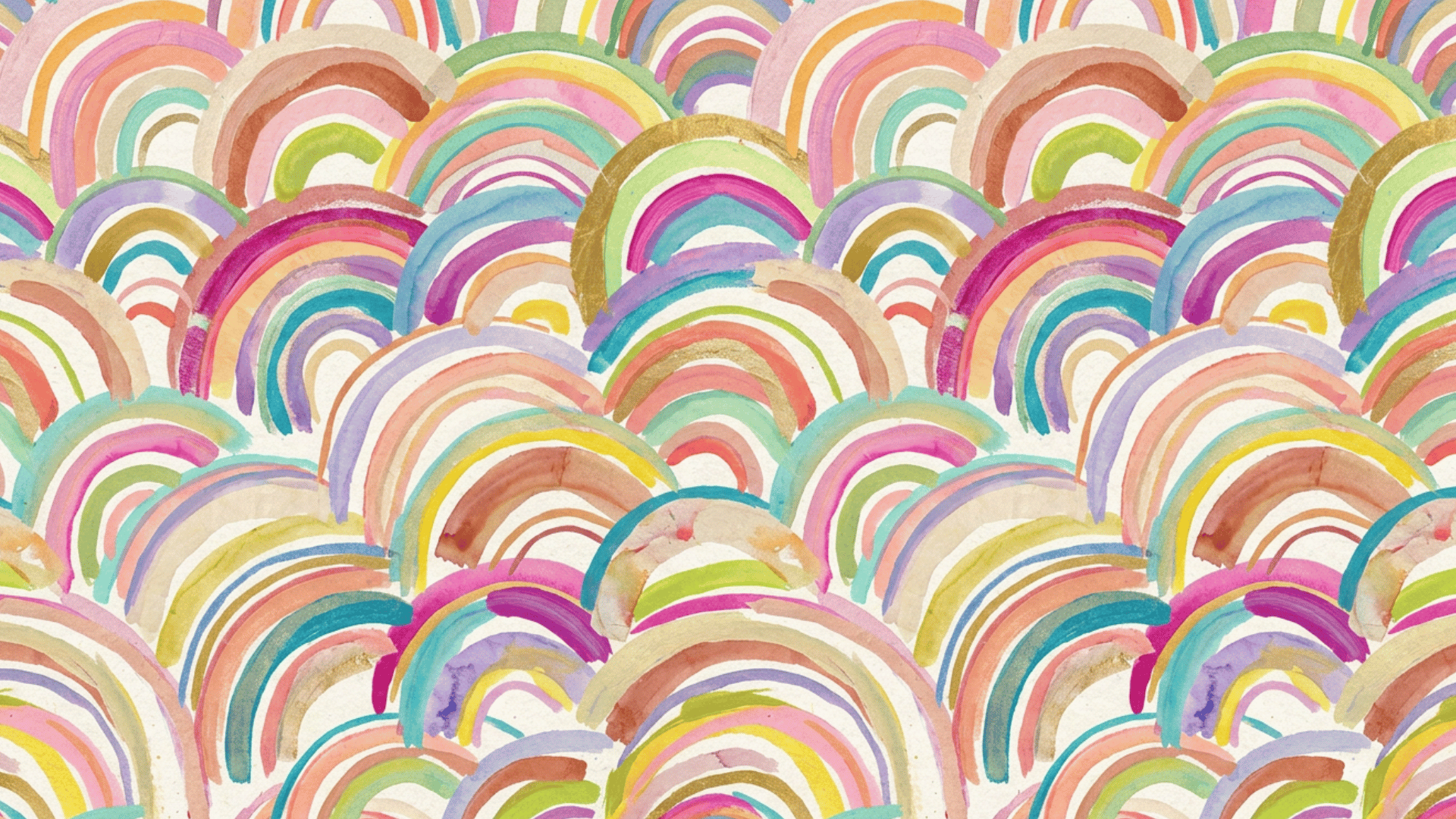
- What You’ll Paint: Circles layered inside one another using alternating colors.
- Best Colors: Yellow, orange, blue, green, purple, and white.
- What Makes this Easy: Repeating the same shape makes the design easy to build.
Pro Tip: Start with the smallest center circle and work outward one ring at a time.
28. Splatter Art
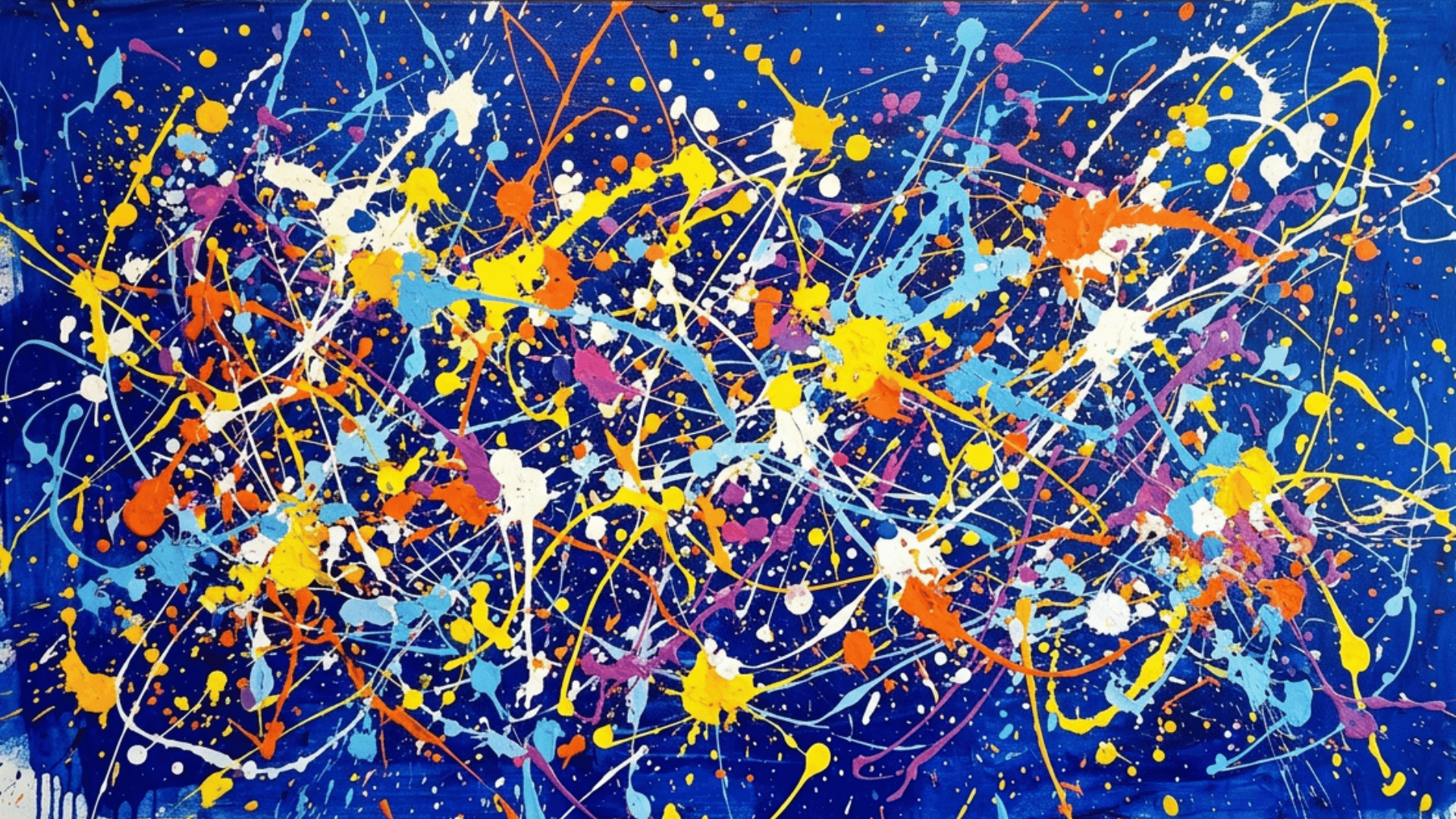
- What You’ll Paint: Random paint splatters layered over a plain or colorful background.
- Best Colors: Black, white, yellow, blue, red, and metallic shades.
- What Makes this Easy: There are no rules, making every canvas unique and stress-free.
Pro Tip: Thin the paint slightly so the splatters spread evenly across the surface.
29. A Simple Owl
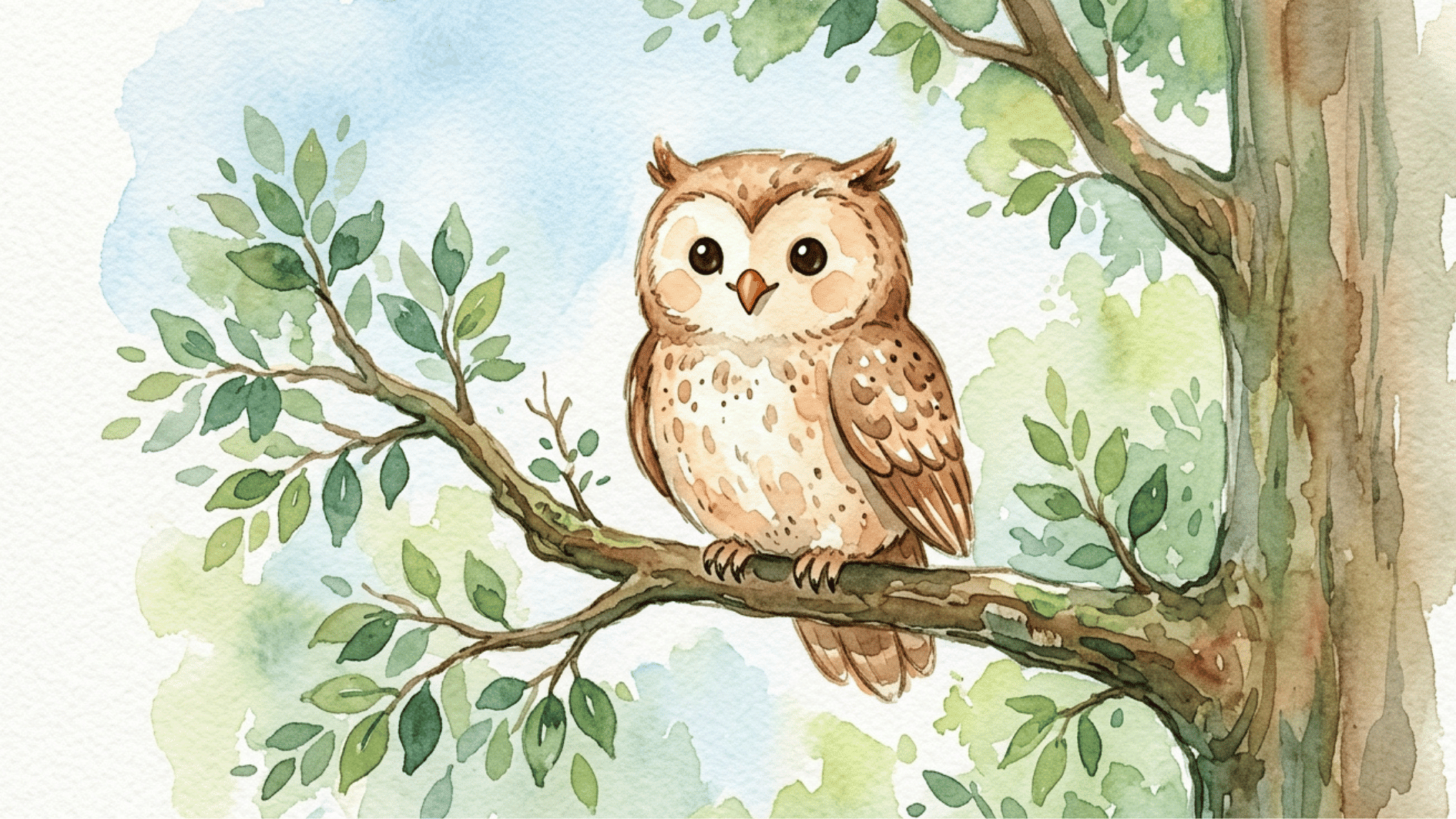
- What You’ll Paint: A round owl with large eyes, a small beak, and simple curved wings.
- Best Colors: Brown, tan, white, yellow, and black.
- What Makes this Easy: The owl is built from basic circles and ovals instead of detailed feathers.
Pro Tip: Make the eyes slightly oversized to give the owl a cute, expressive look.
30. Cat Silhouette
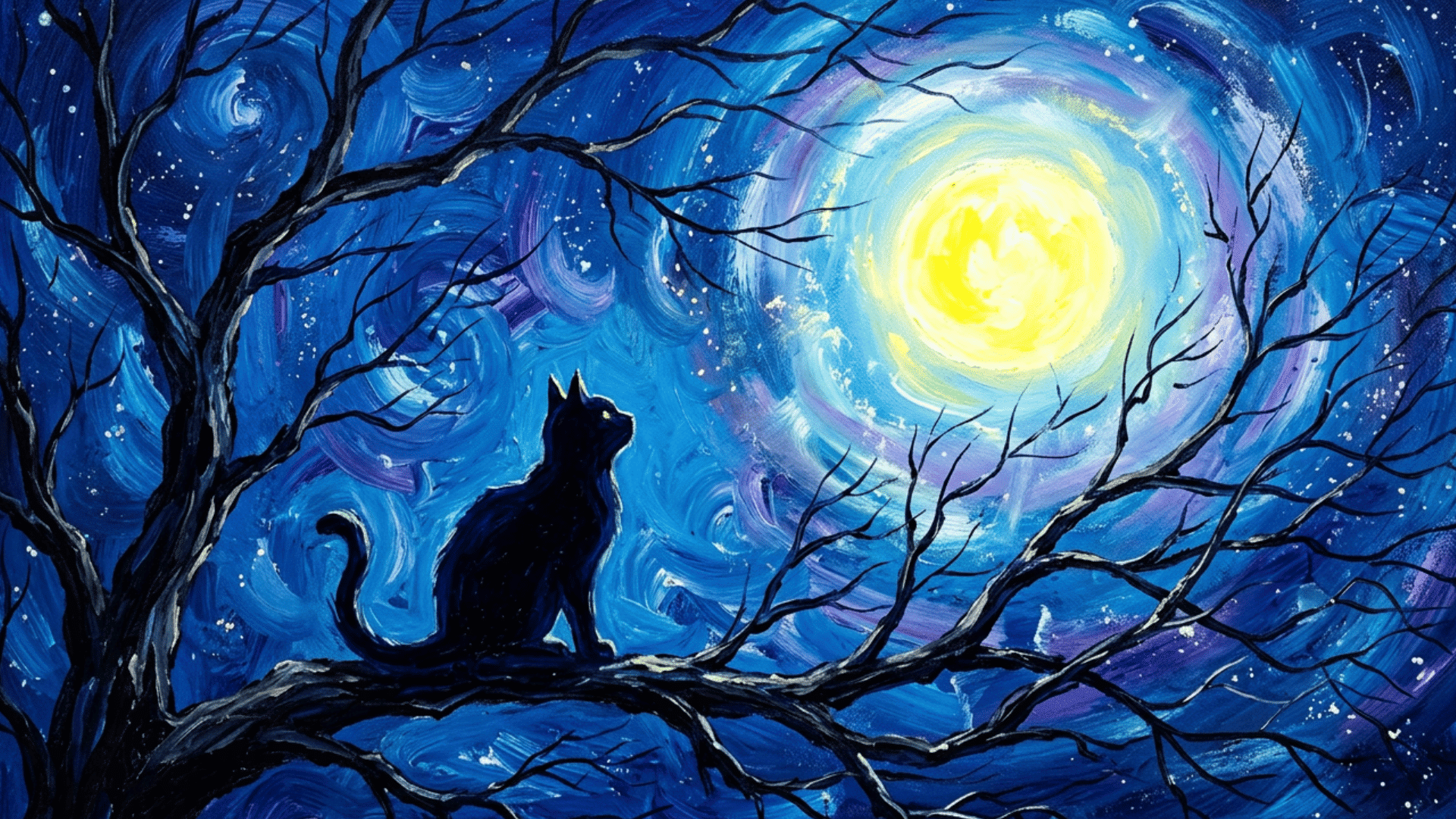
- What You’ll Paint: A solid black cat sitting or standing in front of a plain background.
- Best Colors: Black, white, yellow, navy, and purple.
- What Makes this Easy: The outline alone creates a recognizable subject without extra texture.
Pro Tip: Keep the background bright so the silhouette stands out clearly.
31. A Goldfish
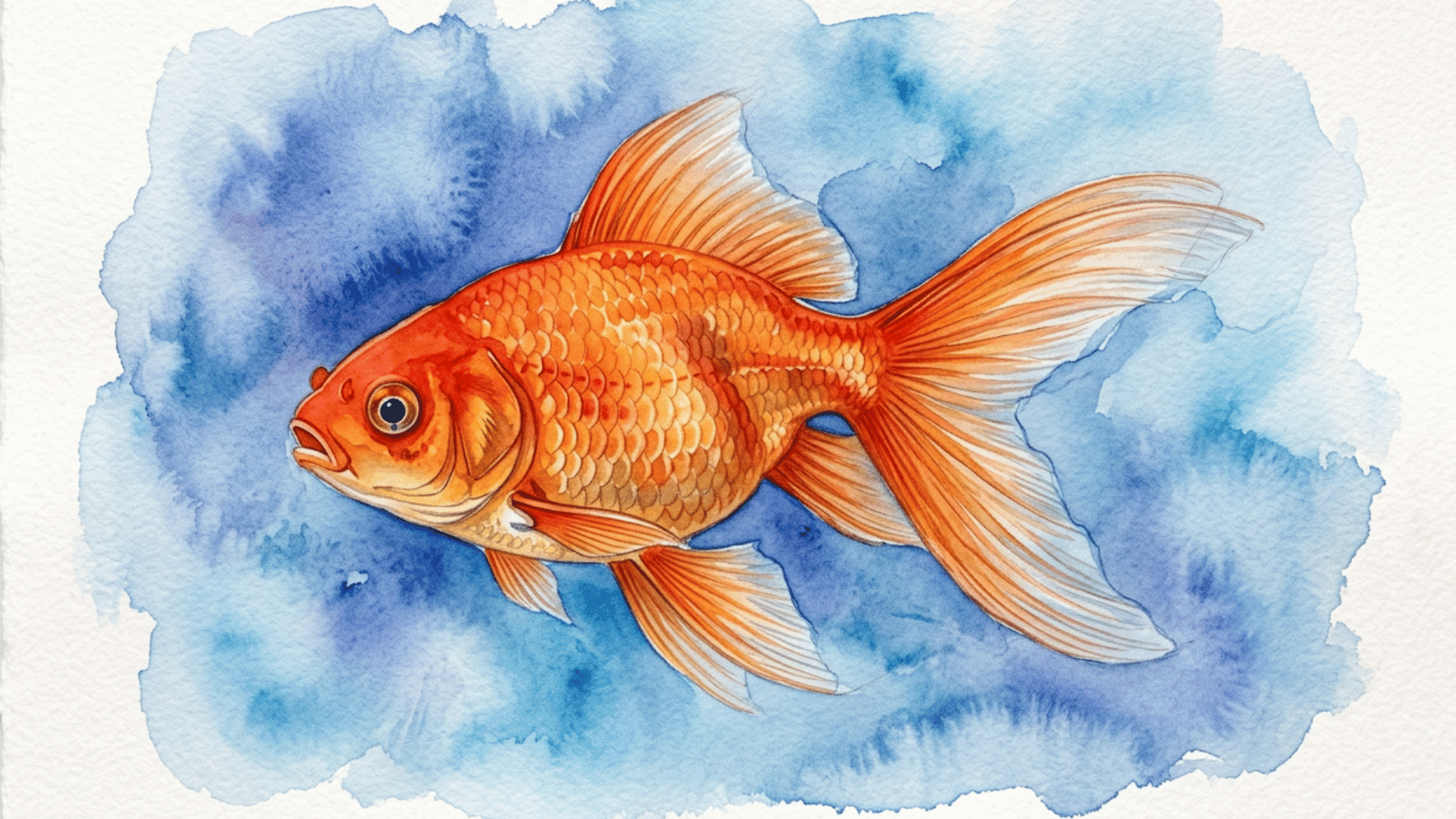
- What You’ll Paint: A bright orange fish with a flowing tail and a pair of simple fins.
- Best Colors: Orange, gold, blue, white, and black.
- What Makes this Easy: Smooth curves and minimal features keep the painting easy to complete.
Pro Tip: Add a few light bubbles around the fish for extra movement.
32. Birds on a Wire
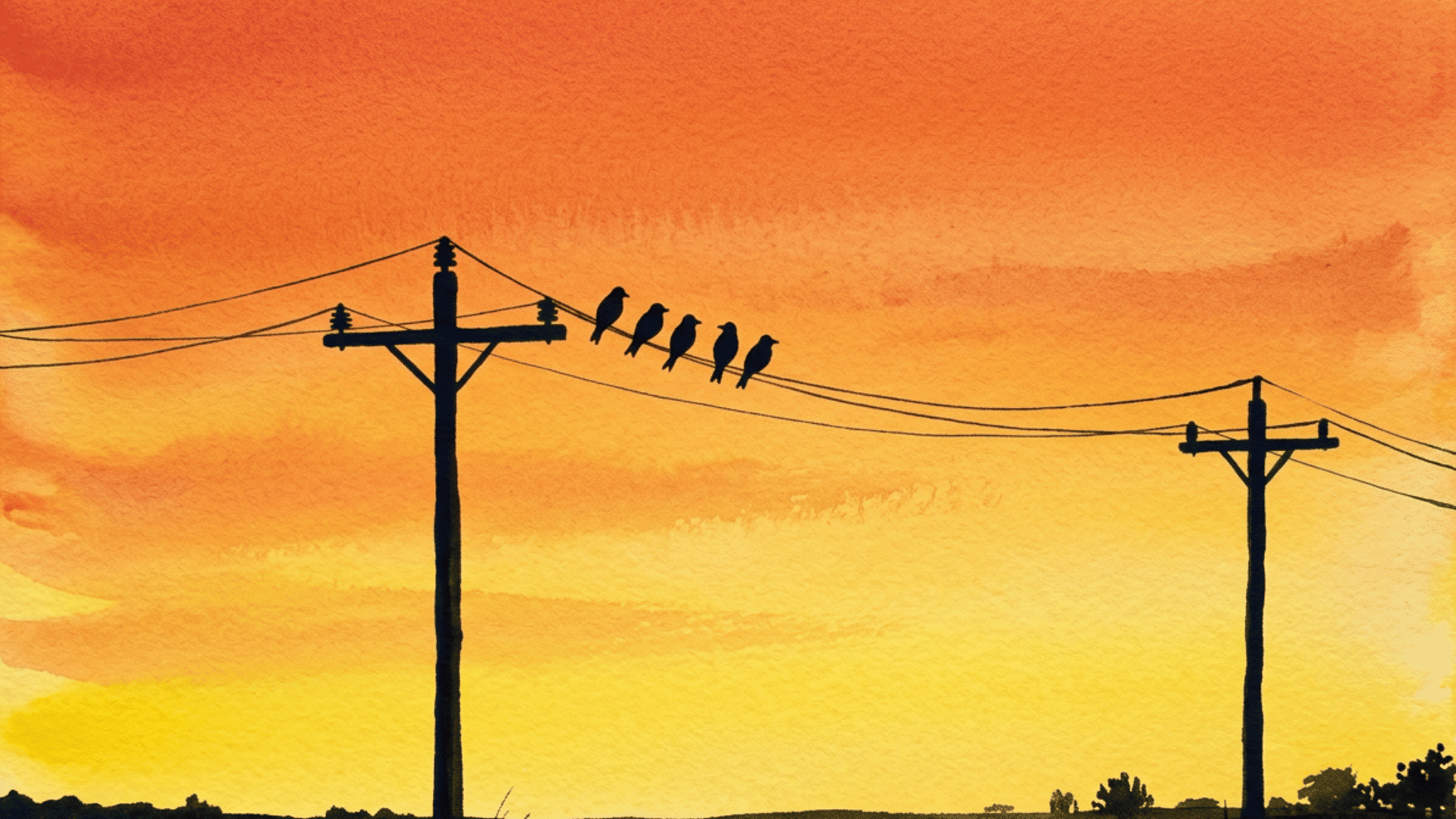
- What You’ll Paint: Three or four small birds perched along a straight wire.
- Best Colors: Black, gray, blue, and white.
- What Makes this Easy: Each bird is only a simple silhouette with no detailed features.
These cute animal subjects also translate beautifully into drawings. If painting leads to an interest in sketching, cute drawing ideas has a wide range of adorable characters and simple subjects.
33. A Ladybug
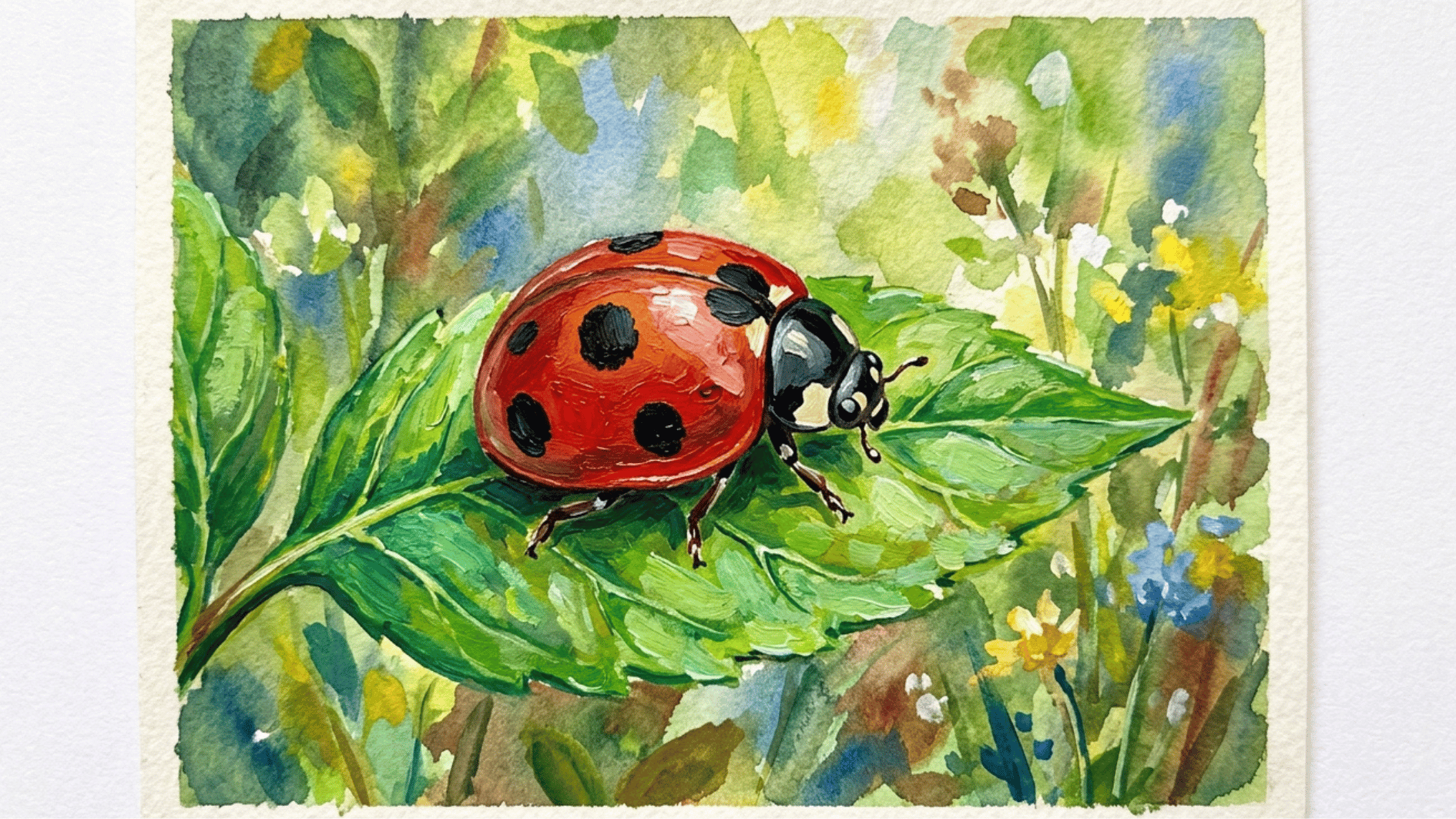
- What You’ll Paint: A red ladybug with black spots and a small, rounded head.
- Best Colors: Red, black, and white.
- What Makes this Easy: Most of the design is made from circles and dots that are easy to paint.
Pro Tip: Keep the spots different sizes for a more realistic appearance.
34. A Whale’s Tail
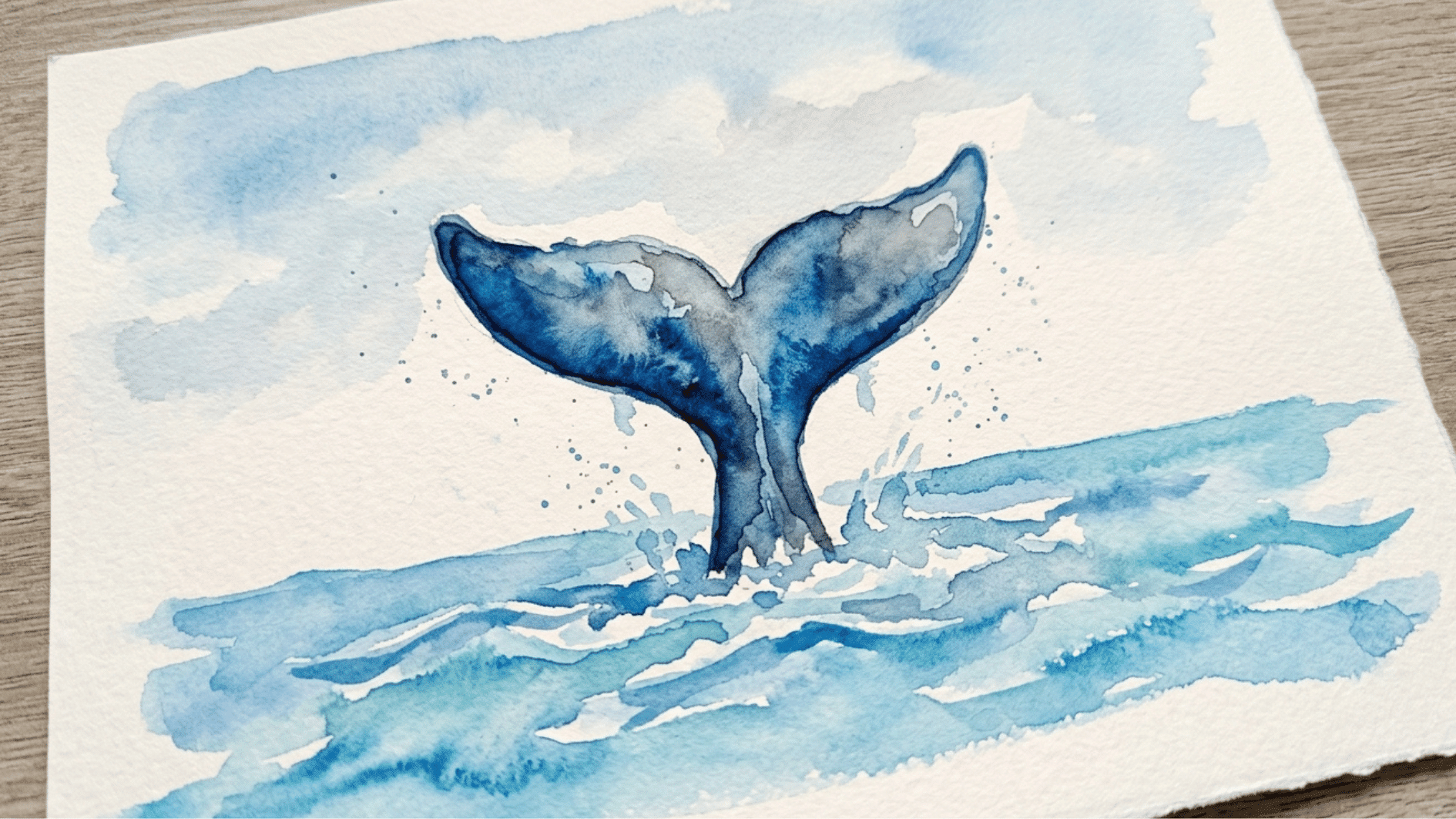
- What You’ll Paint: A curved whale tail emerging from the surface of the sea.
- Best Colors: Dark blue, navy, turquoise, and white.
- What Makes this Easy: One bold shape creates the entire focal point without complicated details.
Pro Tip: Add a few white wave lines around the tail to suggest movement.
35. A Butterfly
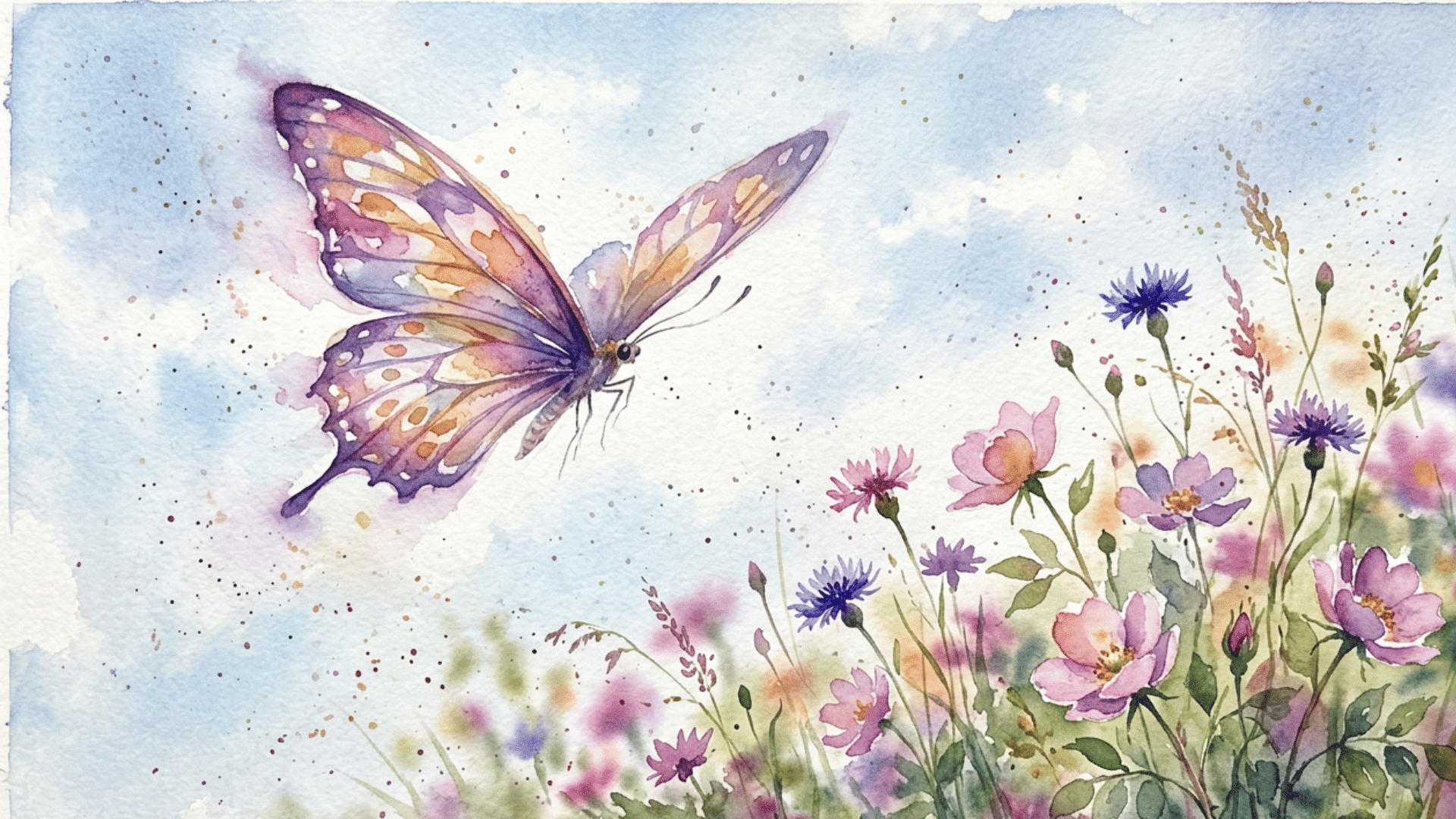
- What You’ll Paint: A butterfly with matching wings connected by a slim body.
- Best Colors: Blue, orange, yellow, purple, pink, and black.
- What Makes this Easy: Simple symmetry makes the butterfly easier to paint than it appears.
Pro Tip: Paint one wing first, then mirror the same pattern on the other side.
36. A Snail
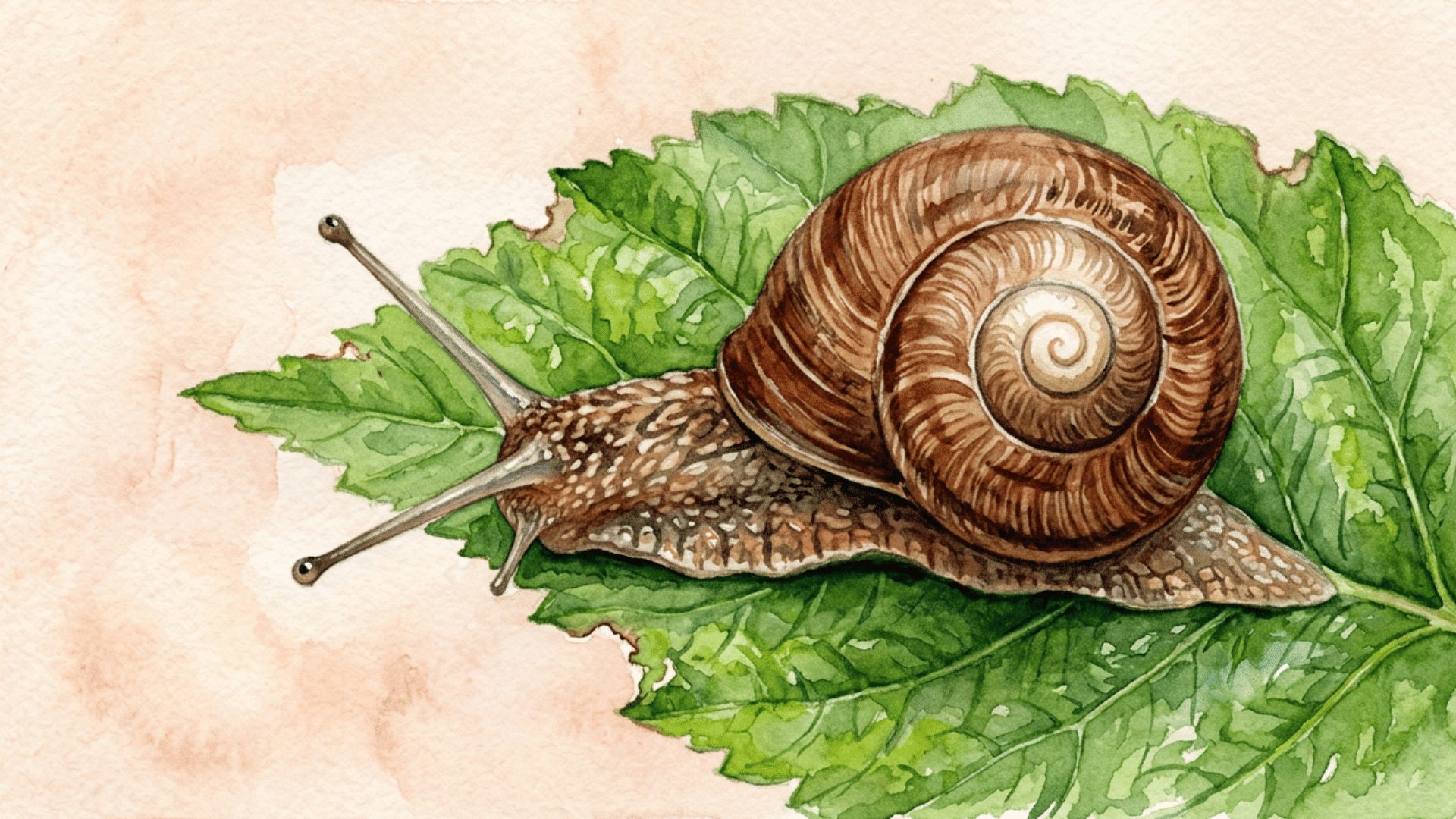
- What You’ll Paint: A small snail with a spiral shell, rounded body, and short antennae.
- Best Colors: Brown, beige, gray, green, and black.
- What Makes this Easy: The design combines only a handful of simple shapes and curves.
Pro Tip: Draw the spiral lightly before painting to keep the shell evenly balanced.
How Do You Pick Which Idea to Start With?
Pick the idea you keep looking at. If you scrolled past the watermelon slice twice, start there; you’ll actually finish something you’re excited about.
Next, evaluate which idea is the most feasible given your current resources, skills, and time constraints. You can also look at the potential impact or value of each idea, prioritizing those that could produce meaningful results.
Then check it against what you actually have on hand. Only four colors in your set? Skip the sunset for now and start with the color-block grid or a single sunflower.
If an idea still feels a bit big, break it down: paint the mug before you add the steam, the cone before the scoop, and if you’re stuck between two, just pick the simpler one.
Momentum matters more than the “right” first project.
Conclusion
You get better at painting by trying, not by just watching more tutorials. None of these ideas need a sketch pad full of practice runs; just pick one and start.
Start with the ideas that feel the easiest, finish one project at a time, and gradually try more challenging subjects as your confidence grows.
Before long, these simple things to paint will become the foundation for developing your own creative style.
Which idea are you excited to paint first? Let us know in the comments!
Frequently Asked Questions
What is the 80/20 Rule in Painting?
The 80/20 rule means that about 80% of a painting’s impact comes from 20% of the artist’s effort. Artists should focus first on composition, color balance, lighting, and large shapes before adding small details.
What Art Does Gen Z Like?
Gen Z often prefers art that feels personal, original, and connected to digital culture. Popular styles include DIY crafts, surreal or moody art, early-2000s internet visuals, pixel art, and work by independent or diverse artists.
What are the Coolest Art Styles?
The coolest art style depends on personal taste. Cyberpunk uses neon lights and futuristic settings, while vaporwave combines pastel colors with retro internet imagery. Surrealism creates dreamlike scenes, and brutalism uses bold shapes, rough textures, and industrial designs.