




Once your child turns four, you might think if ‘toddler’ still fits.
Is a 4-year-old still a toddler, or have they moved into something new? Pediatricians actually mark toddlerhood by specific milestones, not age alone, which is why the answer isn’t as simple as a birthday.
In this post, you’ll learn where a 4-year-old actually fits, what changes at this stage, and what it means for their daily behavior and needs.
Is a 4-Year-Old a Toddler?
No, by age 4, most kids have moved out of the toddler stage and into the preschooler stage. The shift looks small on paper, but it brings real changes.
Four-year-olds tend to get more independent. They talk more clearly, enjoy make-believe play, and handle emotions better than they did a year before.
Development doesn’t flip a switch on a 4th birthday. Some 4-year-olds still have toddler-like tantrums.
Others already act like a “big kid.” That overlap is normal, and it’s why this stage feels blurry for so many parents.
According to the American Academy of Pediatrics and most pediatric guidelines, the toddler stage generally covers ages 1 to 3.
Toddler vs Preschooler: What’s the Real Difference
The line between “toddler” and “preschooler” isn’t just about age; it’s about a real change in how kids think, talk, move, and handle their emotions.
| Development Area | Toddler (1–3 Years) | Preschooler (4–5 Years) |
|---|---|---|
| Movement | Learning to run, climb, and balance | Hops, catches a ball, and moves with better control |
| Speech | Uses short phrases and simple sentences | Speaks clearly and tells short stories |
| Emotions | Has frequent tantrums and needs help calming down | Uses words to express feelings more often |
| Independence | Needs help with most daily tasks | Can dress, wash hands, and use the toilet with little help |
| Play | Often plays alone or beside others | Enjoys group play and imaginative games, like the kind of sensory activities preschoolers tend to love at this stage |
One thing worth keeping in mind: if your child was born prematurely, pediatricians often recommend using their adjusted age, not their birth date, when comparing them to these stages (at least through the first couple of years)
4-Year-Old Developmental Milestones and Growth Stages
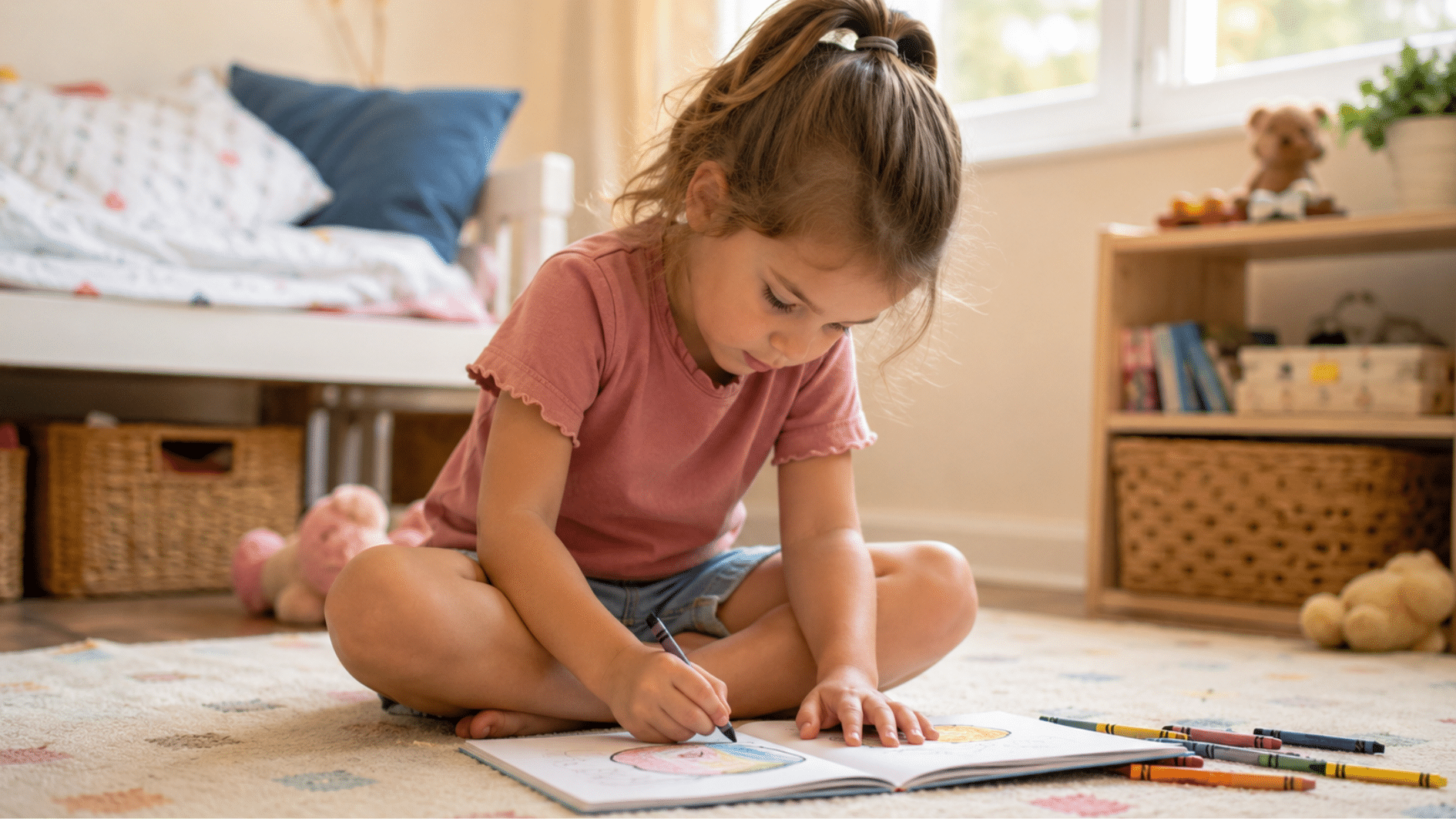
Every child grows at their own pace, but many 4-year-olds start developing similar skills in movement, thinking, communication, and social behavior. These milestones show common areas of growth during the preschool years.
Physical
At age 4, children usually become more confident with their body movements and everyday tasks. They continue improving balance, coordination, and hand control.
- Hops on one foot and balances briefly
- Walks up stairs using alternating feet
- Throws and catches a ball with better control
- Uses scissors and draws simple shapes
Cognitive and Language
Four-year-olds are curious learners who enjoy asking questions and voicing their thoughts. Vocabulary grows fast at this age; many 4-year-olds use around 1,500 words or more, up from a few hundred at age 2.
- Speaks in longer, clearer sentences
- Tells simple stories about daily experiences
- Counts and sorts objects by color, size, or shape
- Asks many “why” and “how” questions
Social and Emotional
Children at this age start becoming more aware of others and their own feelings. They learn through friendships, pretend play, and routine interactions.
- Plays with others and takes turns
- Names and expresses different emotions
- Enjoys pretend games and role-play
- Begins understanding rules and consequences.
What to Expect Day-To-Day at This Age
A day with a 4-year-old is often full of questions, creativity, and growing independence. Their day usually includes play, learning, social time, meals, and rest.
Morning Routines
Many 4-year-olds can dress themselves, brush their teeth, wash their hands, and follow simple daily routines with fewer reminders. Some parents keep breakfast easy with a rotation of go-to toddler breakfast ideas that still work well at this age.
Talking and Storytelling
They ask lots of questions, share ideas, tell stories, and learn to express themselves more clearly. They also begin having longer conversations, explaining their thoughts, and using words to describe their feelings and experiences.
Friendships and Social Skills
They enjoy playing with others, taking turns, following rules, and learning to share. They also start building friendships, understanding others’ feelings, and practicing cooperation during group activities.
Emotions and Behavior
They can name feelings better but may still need help handling frustration, disappointment, or big emotions. With support, they begin learning ways to calm themselves, communicate their needs, and manage strong emotions.
Learning Through Play
Drawing, puzzles, pretend games, and outdoor play build creativity, coordination, problem-solving, and confidence. A dedicated space, even a small corner set up, can make this kind of independent play easier to encourage at home.
Self-Care Skills
Many children can use the toilet, eat independently, help with small chores, and make simple choices.
Rest and Bedtime
A regular routine with active play, quiet time, and bedtime helps them feel comfortable, confident, and ready for the next day.
Signs Your 4-Year-Old May Need Extra Support

Children develop at different speeds, but some signs may be worth discussing with a pediatrician.
These can include speech concerns, such as rarely using full sentences or being difficult to understand.
Limited interest in playing or interacting with others, or challenges with movements like running, jumping, climbing stairs, or holding crayons.
It may also help to seek advice if a child struggles to follow simple instructions, manage daily tasks like dressing, eating, washing hands, or toilet routines, or loses words or skills they had already learned.
The Centers for Disease Control and Prevention (CDC) recommends acting early and speaking with a medical expert about developmental concerns.
You can also contact your state’s early intervention program directly for a free developmental evaluation; you don’t need a referral to get started, and earlier evaluations tend to lead to better outcomes.
How to Support Your 4-Year-Old’s Development?
Kids this age learn most through everyday activities, play, and support at home. A few simple habits can build confidence, independence, and key life skills.
- Curiosity: Answer their questions, keep conversations going, and let them safely try new things.
- Language: Read together, tell stories, and talk about their day.
- Independence: Let them choose clothes, help with small chores, or try new tasks on their own. Small jobs help them feel capable.
- Play: Make time for drawing, puzzles, pretend games, and outdoor play
- Emotions: Help your child name their feelings and work through frustration with patience.
- Routine: Keep meals, sleep, and quiet time steady so they feel secure
Suggested: A rotating list of kids’ indoor activities is handy for rainy days when outdoor play isn't an option.
Final Thoughts
So, is a 4-year-old a toddler? Not usually. By age 4, most children are considered preschoolers and are moving into a stage filled with more independence, stronger language skills, imaginative play, and growing social confidence,
Even so, every child matures at their own pace. Some may reach certain milestones earlier, while others may need more time.
The most effective way is to watch overall progress, support everyday learning through play and routines, and speak with a pediatrician if something appears concerning. A little guidance at the right time can make a huge difference.
Frequently Asked Questions
How Much Sleep Does a 4-Year-Old Need?
Most 4-year-olds need about 10 to 13 hours of sleep in 24 hours, including any daytime nap.
How Active Should a 4-Year-Old Be?
Health experts recommend that preschoolers get plenty of active play throughout the day to support healthy growth, coordination, and overall development.
Is It Normal for a 4-Year-Old to Have Tantrums?
Yes. Tantrums can still happen at age 4, especially when a child is tired, frustrated, or overwhelmed. They usually become less frequent as emotional skills improve.