

Buying fresh flowers and watching them droop by day three is something I have dealt with more times than I care to count.
That changed the moment I tried making DIY flower food at home. No special packets, no store run, just three pantry staples mixed in two minutes flat.
The difference was noticeable by the next morning. Petals stayed firm, color held, and the whole bouquet looked like it had been picked that day.
If you have been settling for plain water and hoping for the best, this is the recipe that is going to change that for you.
Does Flower Food Really Help Them Last Longer?
Yes, it can make a noticeable difference in how fresh your bouquet looks over time. After being cut, flowers face new challenges that can affect their appearance.
Flower food is designed to create a better environment inside the vase, helping cut stems perform at their best.
A simple homemade mix can also support healthier-looking blooms and reduce common issues that cause bouquets to fade too soon.
While it won’t keep flowers fresh forever, it can help maintain their color, shape, and overall appearance for longer.
How to Make Flower Food DIY without Bleach?
Store-bought flower food packets work, but they run out fast. Making your own takes less than two minutes and uses things already in your kitchen.
Here’s a simple, effective recipe you can mix up anytime your blooms need a boost:
| Ingredients You’ll Need: 1 quart warm water, 1 tbsp white sugar,1 tbsp lemon juice or white vinegar,1 clean vase or pitcher |
Step 1: Start With Warm Water

Cold temperature slows how quickly stems drink, making warmth the only sensible starting point for making your DIY solution. Get this base right, and everything that follows works better.
- Tap water is perfectly fine to use
- Fill at least halfway before adding anything
- Use a clean pitcher for bigger batches
- Never reuse water that has been sitting out
Step 2: Dissolve Sugar in the Water
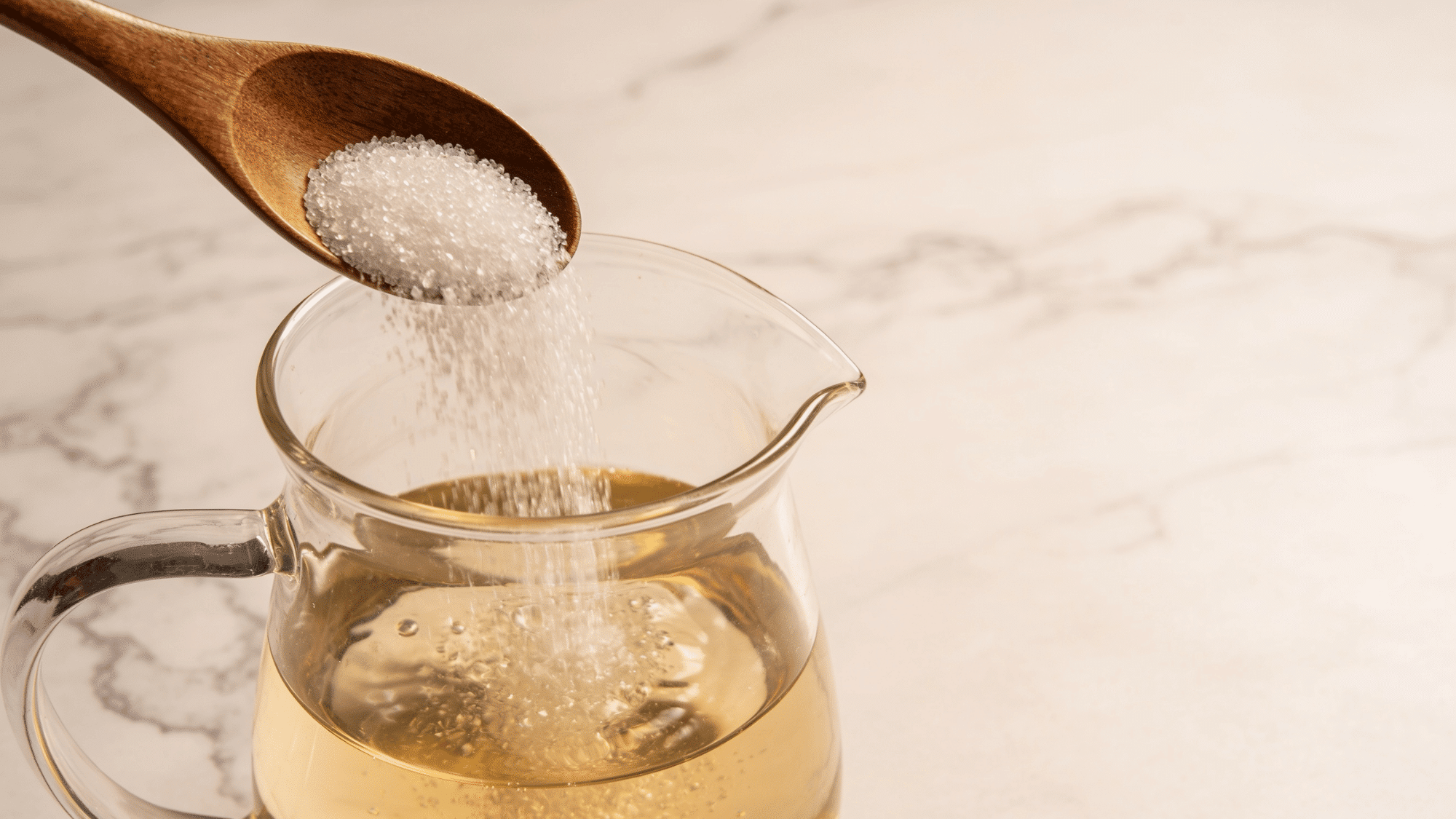
Sugar replaces glucose that stems lose the moment they are cut from the plant. Stir slowly and give it time to fully incorporate before moving ahead.
- One tablespoon per quart is the right ratio
- Keep stirring until no granules remain
- Undissolved crystals encourage harmful bacterial activity
- Honey and brown sugar are not suitable here
Step 3: Mix in Lemon Juice or White Vinegar
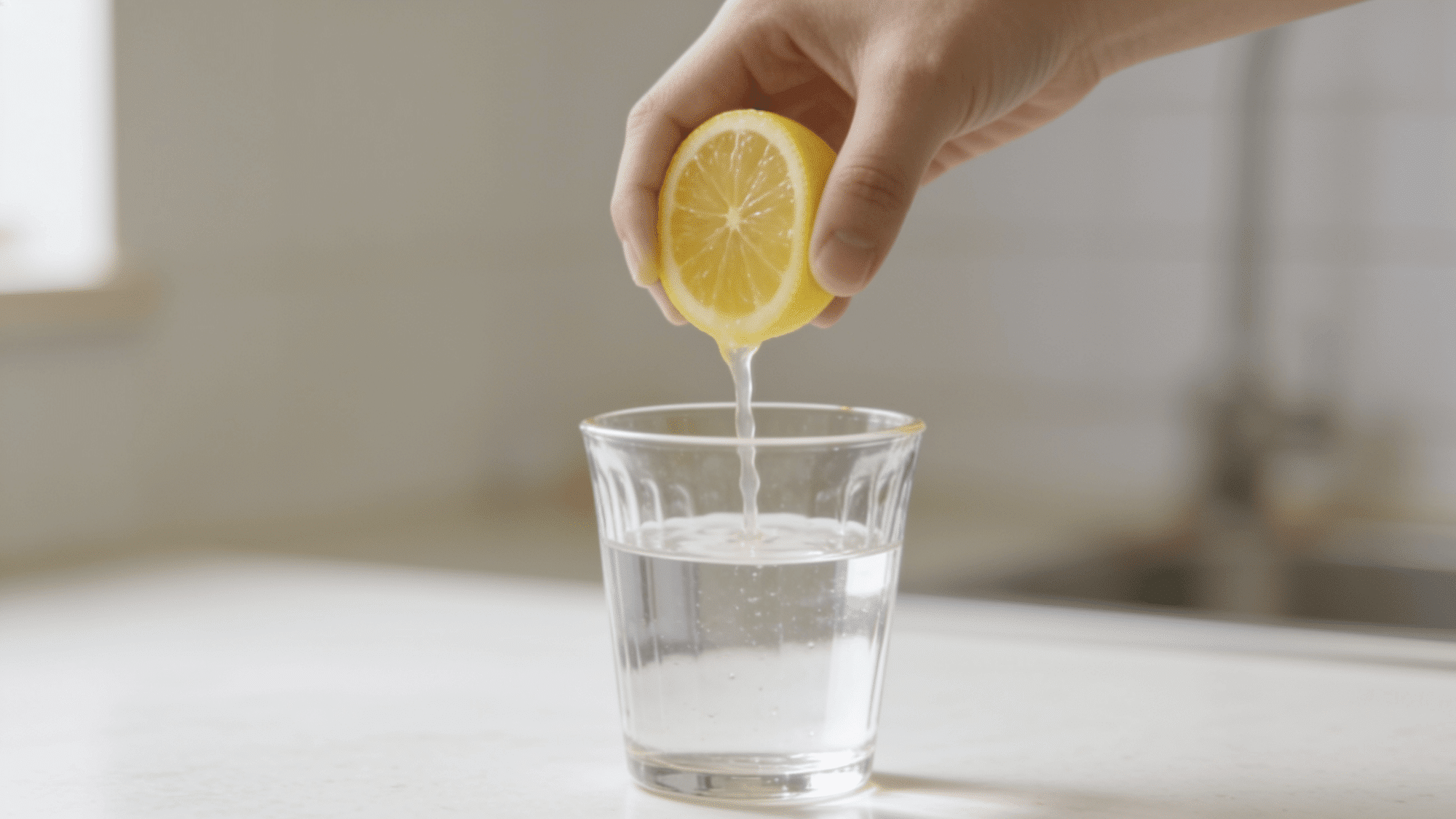
This single addition completes the flower food DIY without bleach approach; acid neutralizes bacteria just as effectively, with nothing harsh involved. Pour directly into your prepared sugar solution.
- One tablespoon per quart is sufficient
- Vinegar carries a slightly stronger acidity than citrus
- Both varieties suit roses, lilies, and tulips equally
- Stir until the liquid looks fully clear and combined
Step 4: Pour Into a Clean Vase
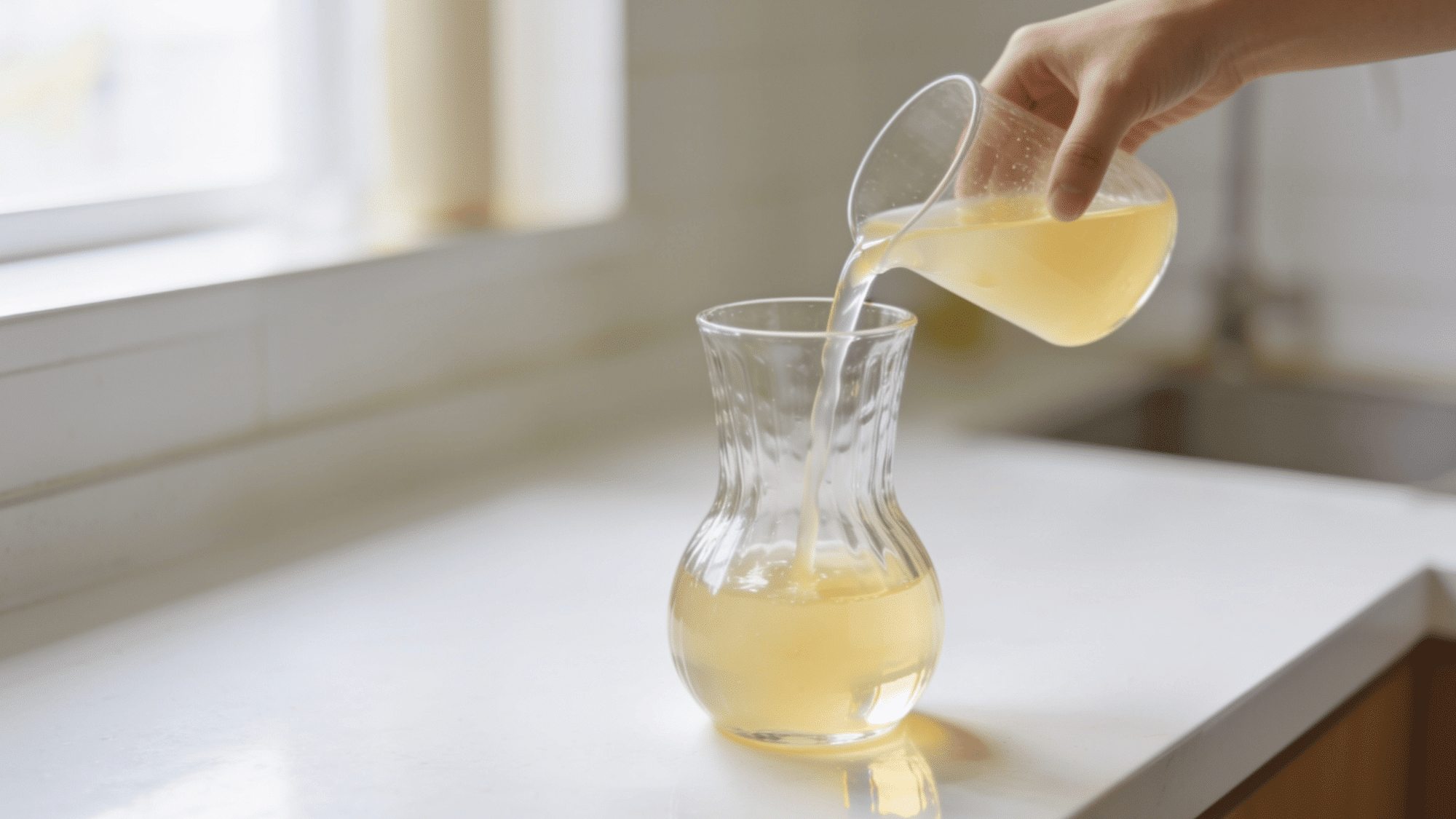
Residue and grime inside a vase introduce bacteria before your solution even gets a chance to work. Wash thoroughly, rinse completely, and dry before anything goes in.
- Scrub using hot, soapy water first
- Eliminate all traces of detergent smell
- Wipe dry with a fresh cloth afterward
- Solution goes in before stems do
Step 5: Trim Stems and Place Flowers
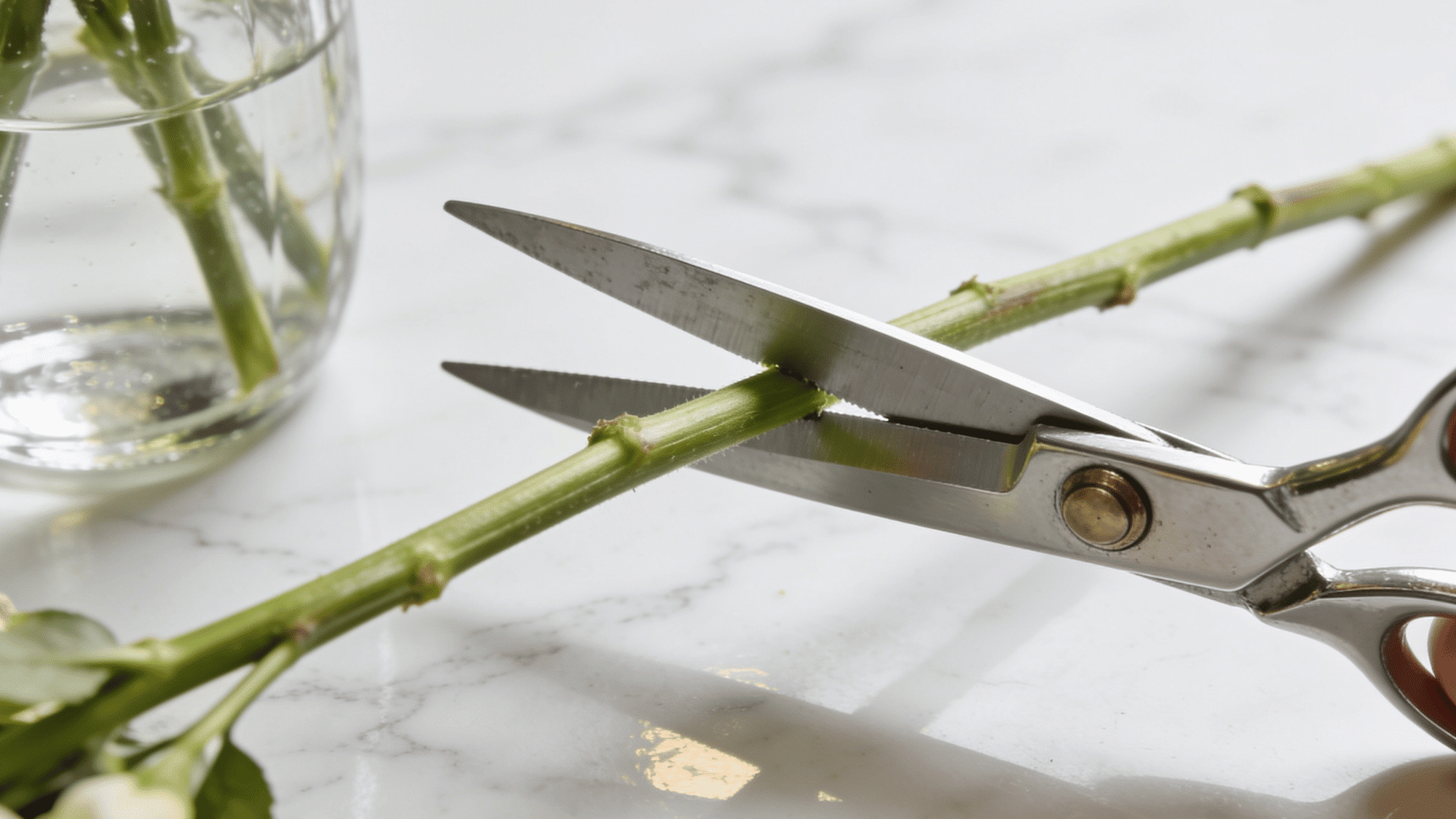
Stems seal themselves within seconds of being cut, which blocks uptake entirely. Work fast so the flower food DIY without bleach solution reaches the bloom right away.
- A 45-degree angle maximizes surface area
- Sharp scissors give a cleaner cut than blunt ones
- Strip off foliage sitting below the solution line
- Move into the vase within five seconds of cutting
Step 6: Refresh the Solution Every Two Days
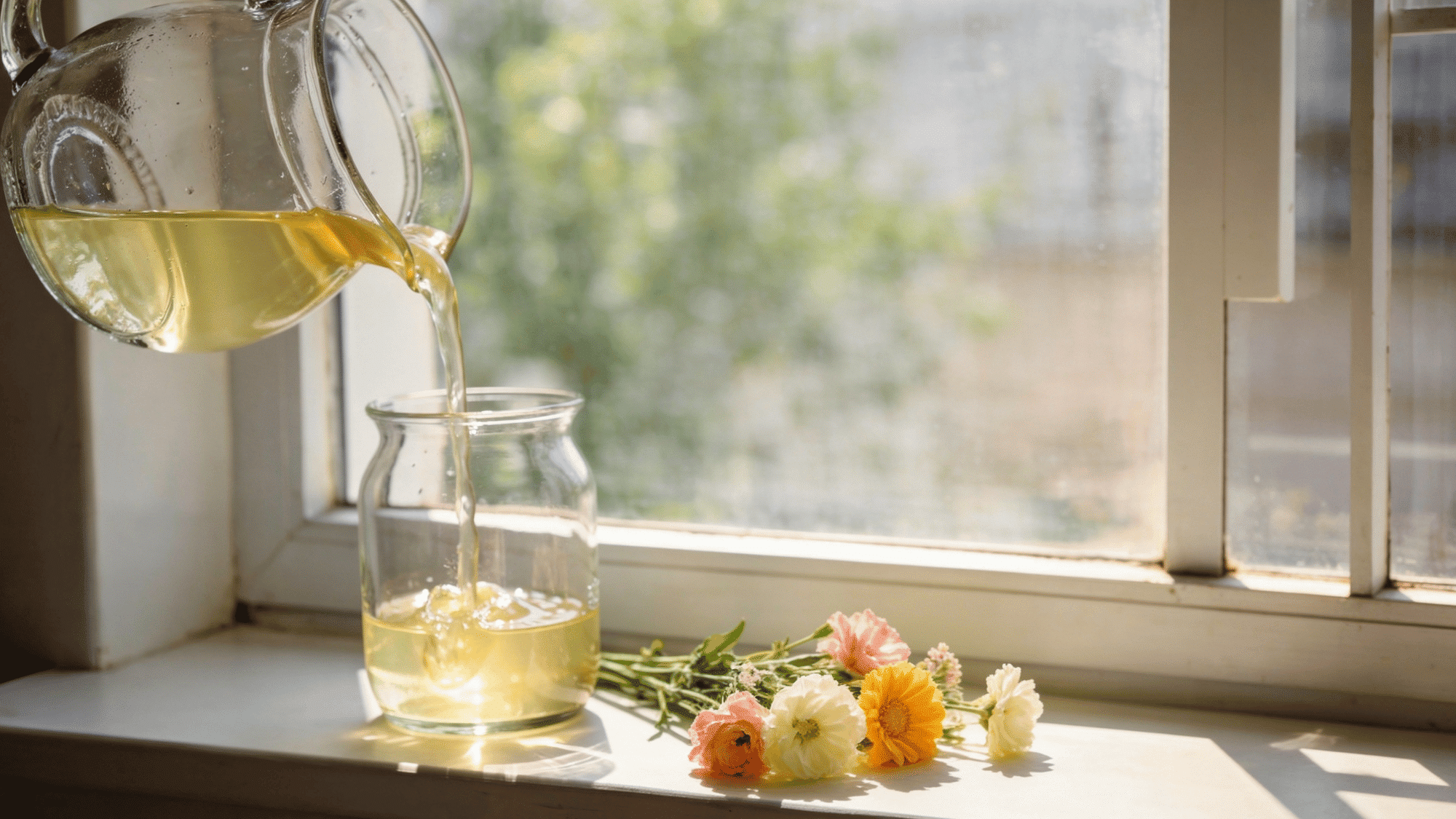
As water ages, the formula loses potency, and harmful microbes multiply quickly. A complete replacement, not just a top-off, is what genuinely prolongs your bouquet.
- Discard everything in the vase each time
- Briefly rinse between each full refill
- Prepare a brand new batch rather than reusing old liquid
- Snip a few millimeters off each stem during every change
- Leftover mix keeps in the fridge for 48 hours
Let’s Solve Some Myths About Flower Food
A lot of people follow flower care tips passed down without ever questioning whether they actually work. Some of these so-called tricks do nothing, and a few can actually shorten your bouquet’s life.
Here are the most common myths worth setting straight:
Bleach is the Only Way to Kill Bacteria in Vase Water
Many people assume bleach is a must-have, but a good flower food DIY without bleach works just as well. White vinegar or lemon juice naturally neutralizes bacteria without harsh chemicals.
Plain Water Is Enough to Keep Flowers Fresh
Water alone keeps stems hydrated but starves them of the nutrients they need to stay perky. A proper DIY mix adds sugar and acid, which plain water simply cannot provide.
More Sugar Means Longer Lasting Flowers
Too much sugar actually feeds bacteria faster than it feeds the flower. The right ratio in any flower-food DIY recipe is 1 tablespoon per quart; going beyond that does more harm than good.
You Only Need to Change the Water Once a Week
Waiting a full week lets bacteria multiply to levels no flower food can fight. Refreshing your DIY flower food solution every two days keeps the water clean and the stems drinking properly.
Copper Coins Keep Flowers Fresh Longer
This one gets repeated a lot, but there is no reliable evidence that it works in a home vase setup. A proper flower food DIY without a bleach formula, sugar plus acid, is far more effective than dropping in loose change.
Flower Food Only Works for Store-Bought Flowers
Homemade flower food works just as well for garden-cut flowers as it does for florist bouquets. Any freshly cut stem benefits from the right balance of nutrients and pH control in the water.
DIY Flower Food Vs Store-Bought Flower Food
Choosing between DIY and a store-bought packet often comes down to what matters most to you. Each option has its own advantages depending on your budget, routine, and how often you buy fresh flowers:
| Factor | DIY Flower Food | Store-Bought Flower Food |
|---|---|---|
| Cost | Uses inexpensive pantry ingredients. | Usually requires a separate purchase. |
| Preparation | Needs to be mixed before use. | Ready to use straight from the packet. |
| Ingredients | Made from common household items. | Created with a specialized formula. |
| Availability | Can be prepared on short notice. | Must be bought or included with flowers. |
| Flexibility | Recipes can be adjusted as desired. | Comes with a fixed formula. |
| Convenience | Requires a few extra steps. | Fast and easy to use. |
| Best For | Everyday flower care at home. | Special occasions and gift bouquets. |
| Long-Term Value | Budget-friendly for regular use. | May cost more over time. |
| Consistency | Results depend on the recipe used. | Designed to deliver predictable results. |
Tips to Keep Your Blooms Looking Their Best as Per Their Type
A DIY recipe can help most cut flowers, but different blooms often need slightly different care. Small adjustments can make a noticeable difference. Let’s have a look at them:
- Roses: Recut stems every 2–3 days. Standard DIY flower food works well.
- Tulips: Use cool water and keep arrangements away from direct heat. A simple recipe without bleach is often preferred.
- Sunflowers: Refresh vase water frequently and replace homemade flower food regularly.
- Carnations: Remove fading blooms as soon as they appear. Most DIY flower food recipes are effective.
- Daisies: Keep leaves above the waterline and use a freshly mixed solution.
- Lilies: Remove pollen as the flowers open and keep the vase water clean.
- Hydrangeas: Mist petals when they begin to droop and change the solution every few days.
- Mixed Bouquets: Prioritize the needs of the most delicate flowers. A simple DIY flower food recipe is usually the best choice.
Wrapping it Up
Nobody tells you that when you buy fresh flowers, the vase is just the beginning. What goes in that vase is what actually decides how long your bouquet survives.
And now you know exactly what to put in it. DIY flower food is one of those tiny kitchen tricks that feels almost unfair once you start using it, and honestly, I wish someone had told me sooner.
A few pantry staples, two minutes, and your blooms suddenly have a real fighting chance. So go ahead, mix up a batch, and watch your flowers prove everyone wrong.
I can tell you from experience, keeping them alive was never that hard. You just needed the right recipe.
Frequently Asked Questions
How Long Does Homemade Flower Food Actually Last in The Vase?
A fresh batch stays effective for about two days before bacteria start winning.
Can I Use Apple Cider Vinegar Instead of White Vinegar?
White vinegar works best; apple cider vinegar can discolor the water and affect stem health.
Does the Type of Vase Material Affect How Well Flower Food Works?
Glass vases are easiest to clean fully, which gives your solution the cleanest environment to work in.