

Enter any gallery or open an art book, and one thing quietly shapes what you notice first. It is not just the colors or the subject, but the composition in art.
This idea focuses on how an artist arranges lines, shapes, light, and space to guide the viewer’s eye.
In this blog, you will understand the meaning of composition in art, why it matters, and how simple placement choices can change the overall feel of a piece.
What is Composition in Art?
This art refers to the arrangement of visual elements within an artwork.
The main goal is to create balance, guide the viewer’s attention, and keep the artwork visually pleasing.
Good composition also shapes how people view a piece, often leading their eyes to the main subject while creating a mood or feeling.
Key Elements that Make Up a Composition
- Line, shape, and form help define structure and direction
- Color and value add contrast, depth, and visual interest
- Space (positive and negative) helps balance the composition
- Creates a sense of movement or flow across the artwork
- Helps organize elements within the space
- Draws attention to key areas through contrast
- Uses positive space (main subject) and negative space (empty areas) effectively
- Adds depth and highlights the focal point
You can see composition at work in many places, from the way a photographer frames a shot to how posters organize text and images.
Even classic paintings like the Mona Lisa show how the thoughtful placement of elements can guide attention and strengthen the artwork’s message.
Understanding the Principles of Composition
To create a strong and balanced image, artists use principles that organize visual elements and guide how viewers experience the artwork.
- Balance: Refers to how visual weight is distributed, using symmetry for a stable feel or asymmetry for a more dynamic look.
- Contrast: Uses differences in color, light, shape, or texture to create visual interest and draw attention.
- Emphasis (Focal Point): Highlights the main area that stands out first and guides the viewer’s gaze.
- Movement: Leads the viewer’s eye through the artwork using lines, shapes, or placement.
- Unity and Harmony: Ensures all elements feel connected and work well together as a whole.
- Proportion and Scale: Focuses on size relationships to make the composition look natural and balanced.
Popular Techniques Composition Artists Use
Artists often rely on certain techniques to organize elements and guide the viewer’s attention. These methods help structure composition in art, making a piece easier to follow and more visually balanced.
1. Rule of Thirds
The rule divides an artwork into nine equal sections using two horizontal and two vertical lines. Artists place key subjects along these lines or at their intersections so the main focus stands out naturally.
This approach also keeps the subject from sitting directly in the center, which can make the layout feel more balanced and engaging.
Because of its simplicity, the rule of thirds is widely used in painting, photography, and design.
2. Leading Lines
Lines use visible or implied lines to guide the viewer’s eye toward the main subject. These lines can be straight, curved, diagonal, or even suggested through shapes and objects.
Elements such as roads, rivers, fences, or shadows often act as natural guides within a scene. This technique adds direction and flow to the artwork while connecting different parts of the composition.
3. Framing
The main subject is placed within the surrounding elements. Objects such as windows, tree branches, doorways, or arches can form a natural frame around the subject.
This approach draws attention to the focal point, adds depth to the scene, and makes the subject stand out more clearly against the background.
4. Golden Ratio
The golden ratio is based on a mathematical proportion often used in classical art and architecture. Artists arrange elements along a spiral or balanced grid that naturally guides the viewer’s eye toward the focal point.
This structure helps create a layout that feels balanced and visually pleasing.
5. Symmetry and Patterns
Symmetry and patterns use repeating shapes, colors, or objects to create order in an artwork. Symmetry provides a balanced and steady appearance, while patterns introduce rhythm and visual interest.
These repeating elements can guide attention across the composition and help maintain structure throughout the piece.
Examples of Famous Artworks
Many well-known paintings clearly show how artists use composition in art to draw attention and create a strong visual impact
1. Leonardo da Vinci: The Last Supper
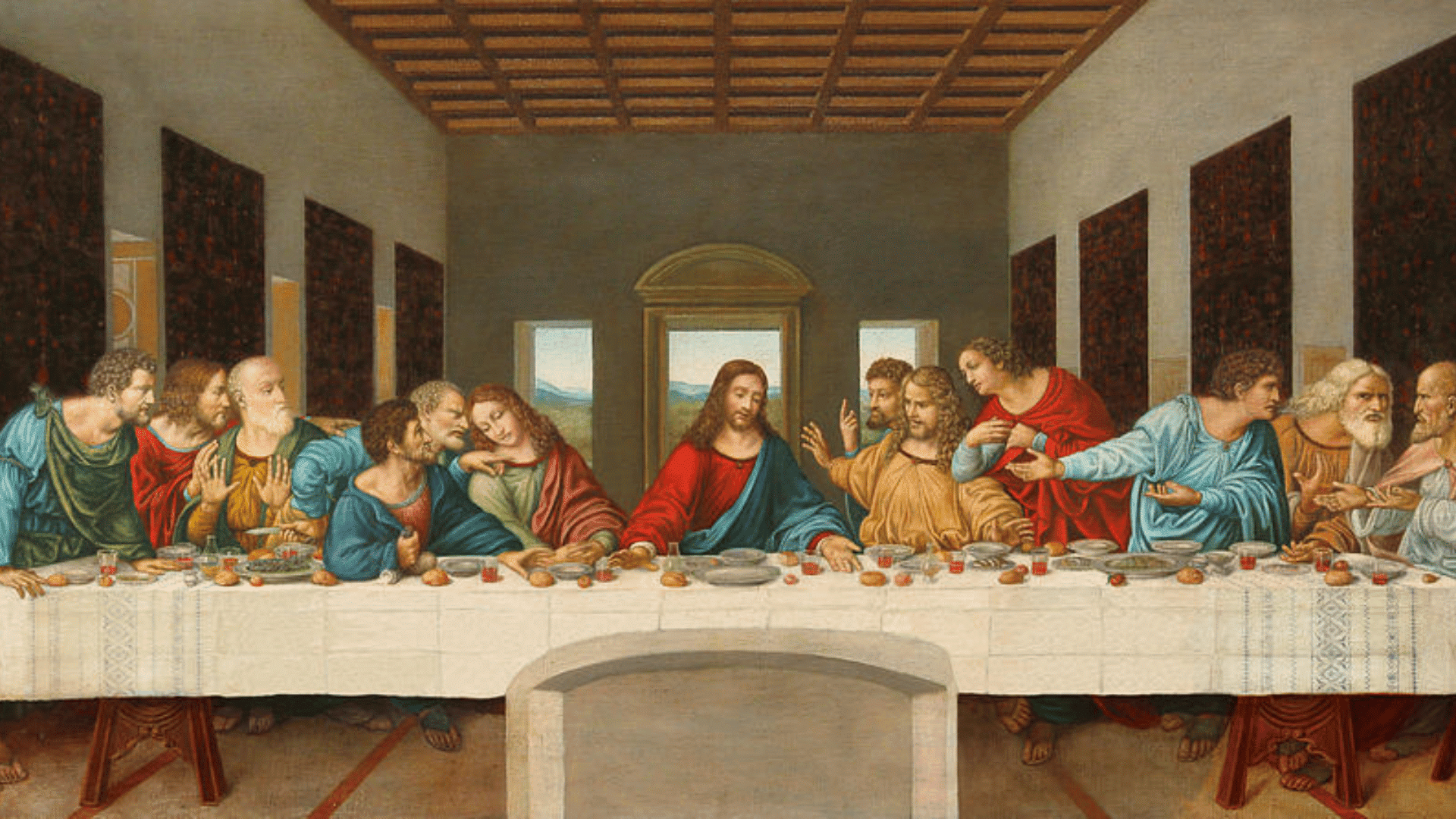
Source: Free Christ Images
In The Last Supper, Leonardo da Vinci uses strong perspective lines to guide the viewer’s eye toward the central figure.
The lines of the walls and ceiling move inward and meet near the middle of the painting, naturally drawing attention to the main subject. This careful placement creates clear focus and balance within the scene.
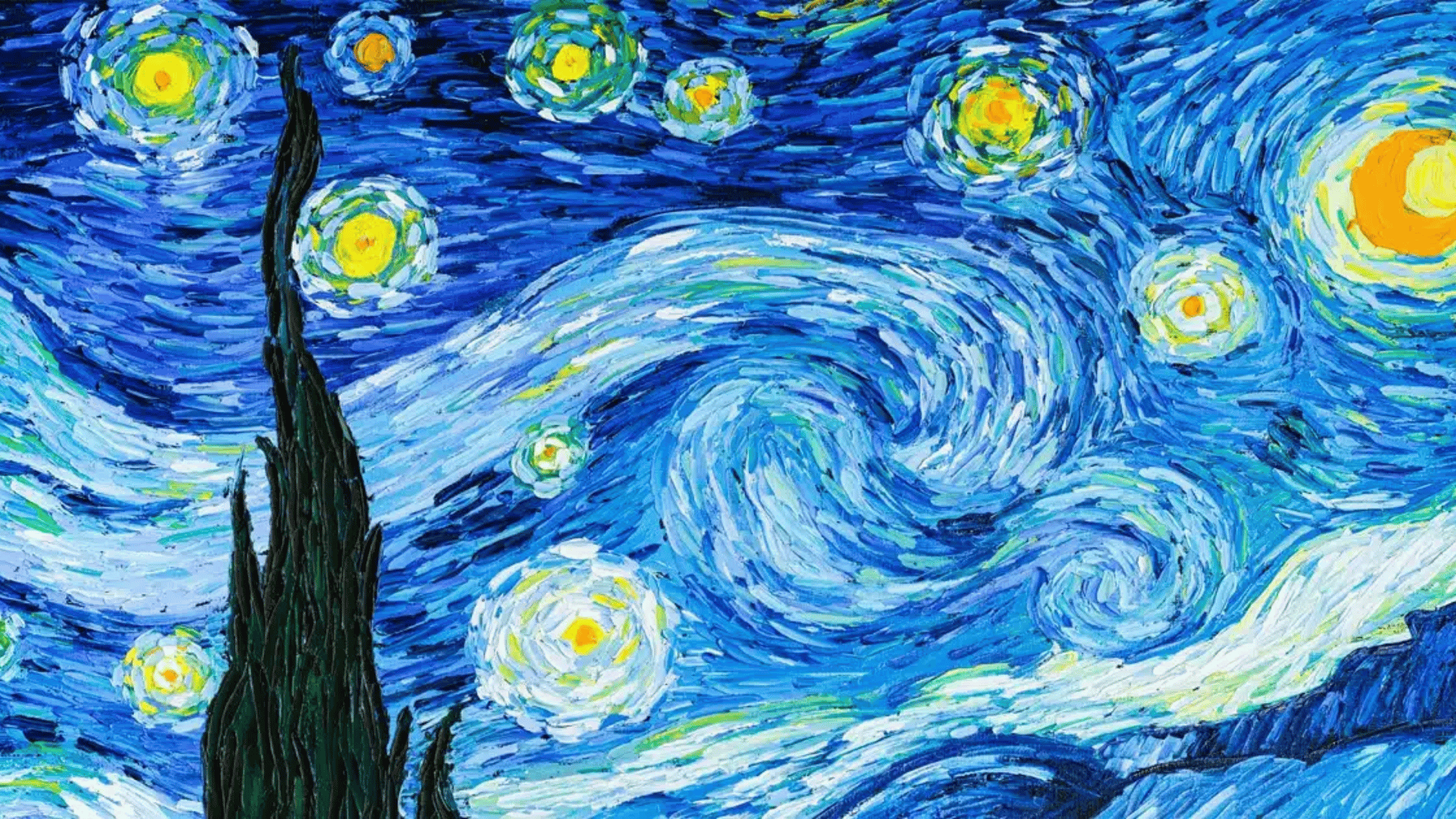
2. Vincent Van Gogh: Starry Night
Source: Sanctuary Mental Health
In Starry Night, Vincent van Gogh uses curved lines and swirling shapes to create a strong sense of movement.
The flowing patterns in the sky lead the viewer’s eye across the painting, while the village and trees provide structure and contrast, keeping the composition balanced.
3. Katsushika Hokusai: The Great Wave

Source: Mcraftsmanship
In The Great Wave, Katsushika Hokusai arranges the large wave and the small boats to create a strong sense of balance and contrast.
The sweeping curve of the wave draws attention to the center of the scene, while the placement of Mount Fuji in the distance helps maintain stability in the composition.
Composition in Different Types of Art
The idea of composition in art appears in many creative fields. While the tools and mediums may change, artists and designers still arrange elements carefully so the viewer’s eye moves smoothly and the main subject stands out clearly.
1. Composition in Painting

In painting, composition focuses on how subjects, colors, light, and background elements are arranged on the canvas.
Artists decide where to place the main subject, how to balance objects, and how to use light and shadow to guide attention. Careful placement helps create focus while keeping the painting visually balanced.
Good composition also considers spacing, perspective, and movement within the artwork.
By organizing elements thoughtfully, artists can lead the viewer’s eye across the canvas, highlight important details, and create harmony between the subject and the surrounding background.
2. Composition in Photography

In photography, composition depends on how the scene is framed through the camera lens. Photographers position the subject, background, and surrounding elements so the image feels clear and engaging.
Techniques such as the rule of thirds, leading lines, and framing often guide the viewer’s attention.
They also consider lighting, depth, angles, and timing to capture a balanced and visually appealing shot.
By adjusting perspective and positioning, photographers can emphasize the main subject, reduce distractions, and create images that naturally draw the viewer’s eye.
3. Composition in Graphic Design
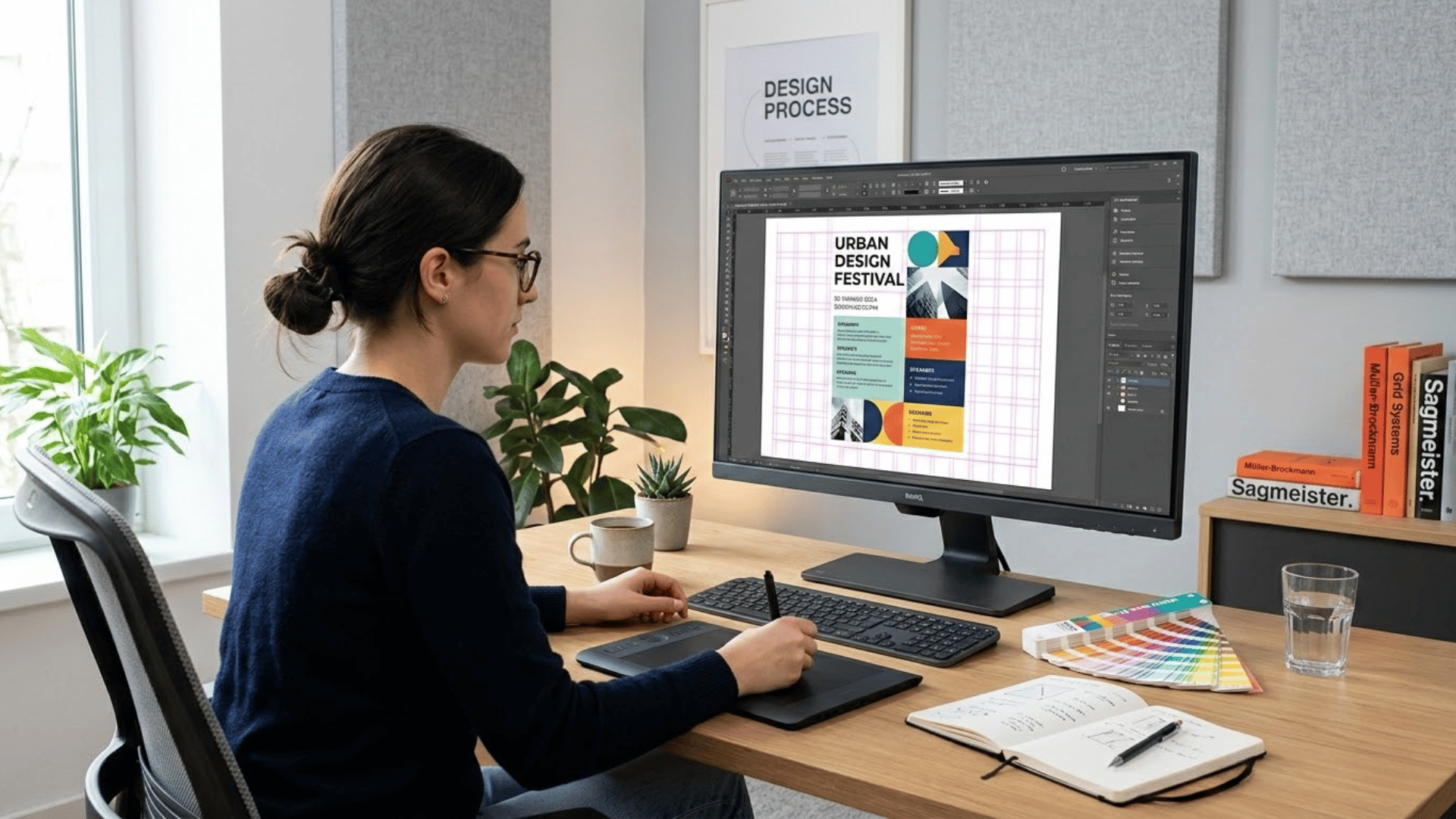
Graphic design uses composition to organize text, images, shapes, and colors within a layout. Designers arrange these elements to make information easy to read and visually appealing.
Proper spacing, alignment, and balance help create a design that clearly communicates the message. Designers also use hierarchy, contrast, and visual flow to guide the viewer’s eye from one element to another.
By carefully placing headlines, images, and supporting details, they ensure the design feels organized and effective while maintaining clarity and visual interest.
4. Composition in Digital Art
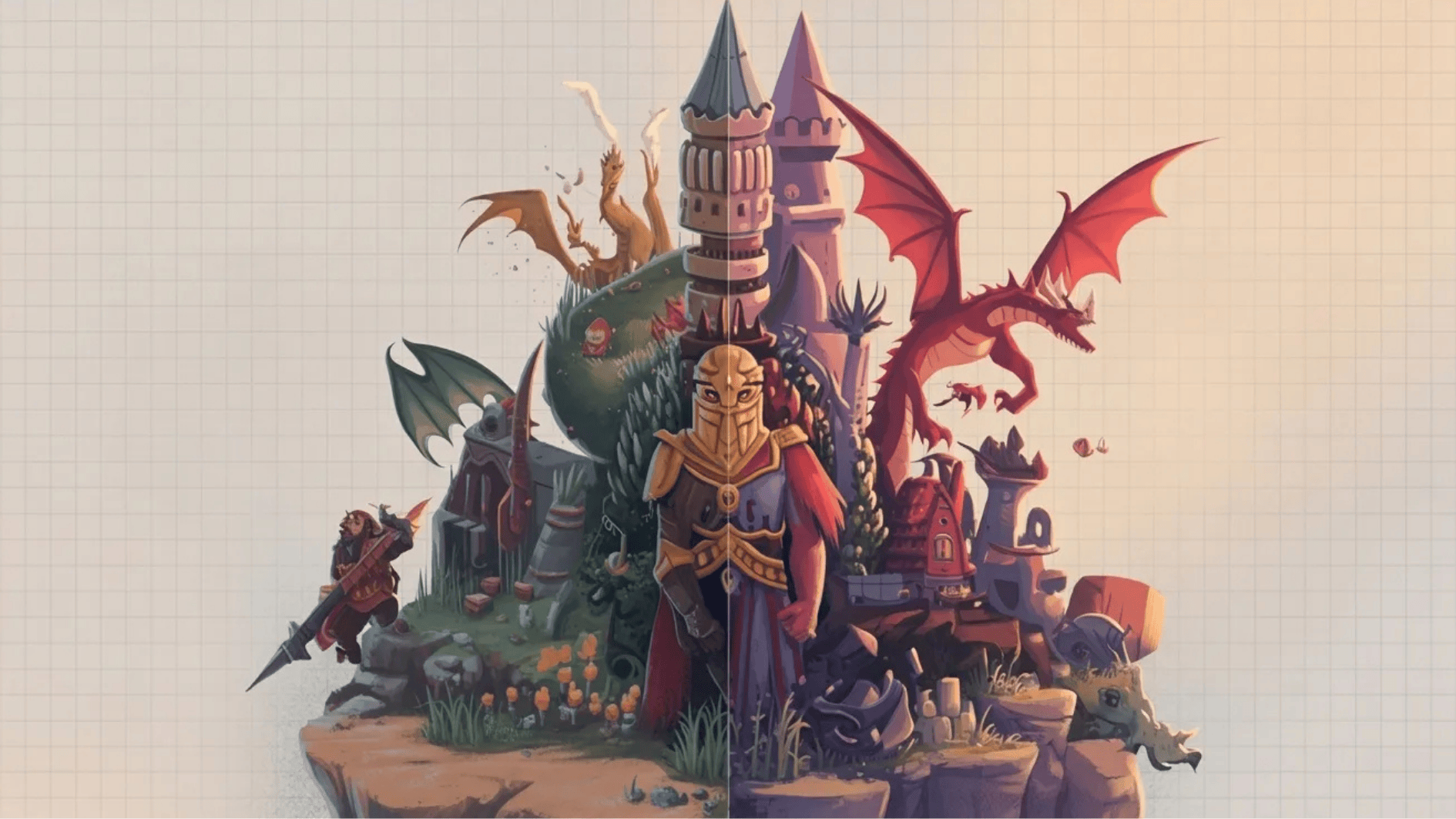
In digital art, artists use composition to arrange characters, environments, lighting, and visual effects inside a digital workspace.
The placement of elements helps create depth, focus, and structure within the artwork. Good composition ensures the viewer’s attention moves naturally through the scene.
Artists also adjust perspective, scale, and color contrast to strengthen the visual impact of the artwork.
By carefully organizing foreground, middle ground, and background elements, digital artists can build a sense of space and guide the viewer’s eye toward the most important parts of the composition.
Common Mistakes Beginners Make
When learning composition in art, beginners often repeat a few common mistakes that can affect the clarity and balance of their work.
- Placing the subject in the exact center: Keeping the main subject directly in the middle can make the layout feel flat. Shifting the subject slightly often creates a more engaging arrangement.
- Ignoring negative space: When empty areas around the subject are not considered, the artwork can feel crowded. Using negative space helps the main subject stand out.
- Too many competing focal points: When several areas demand attention at once, the viewer may not know where to look first. A clear main focus keeps the composition easier to follow.
- Lack of contrast: If colors, tones, or shapes look too similar, the artwork may appear dull. Strong contrast helps highlight the main subject.
- Overcrowding the scene: Adding too many objects or details can make the composition confusing. Keeping only important elements helps maintain clarity.
- Poor placement of elements: Random placement of objects can break the flow of the artwork. Careful positioning helps guide the viewer’s eye.
Final Thoughts
Understanding composition in art helps you see artwork in a completely new way. It is not only about what is shown in a piece, but how every element is arranged to guide the viewer’s attention and create meaning.
By noticing balance, contrast, space, and focal points, you begin to understand why certain artworks feel clear and engaging.
Over time, this awareness improves how you plan and arrange elements in your own work. If you want to build these skills faster, check out how to improve your art faster for practical ways to stay consistent.
Keep practicing, try different techniques, and adjust your layouts. With steady practice, composition becomes a natural part of the creative process.
Frequently Asked Questions
How Can I Practice Composition in Art at Home?
Start by sketching simple objects and changing their placement. Try multiple layouts to see how each one affects balance and focus.
Can Composition Rules Be Broken?
Yes, once you understand the basics, breaking rules can create unique and interesting results.
How Does Viewing Distance Affect Composition?
An artwork may look different up close versus far away, so it’s important to check both views.