
You don’t need a fine arts degree, a Pinterest-perfect studio, or even a plan. Salt, a cotton swab, maybe a straw, that’s basically it.
Half an hour of not caring if it turns out “right,” and you’ve got yourself an easy art idea, no talent required, no judgment allowed.
This list has 33 of them: painting hacks that skip the brush, drawing tricks that skip the talent test, paper crafts that skip the shopping trip. Pick one. Make a glorious mess.
Common Supplies Needed for Easy Art Ideas
You only need a few basic supplies to enjoy most easy art projects. Many of the materials are probably already in your home, making it easy to start creating without spending much money.
| Supply Type | What You Can Use | Why It’s Helpful |
|---|---|---|
| Basic Essentials | Paper, pencil, scissors, glue, paint, or markers | Covers nearly every drawing, painting, and paper craft project. |
| Household Items | Coffee, salt, aluminum foil, old magazines, cotton swabs, cardboard | Adds texture, color, and creative effects using materials you already have. |
| Optional Extras | Painter’s tape, sponges, string, stickers | Makes it easy to try different techniques and decorative finishes. |
Easy Art Ideas to Try Today
These painting techniques don’t require any drawing ability, just a brush, some water, and a few minutes of patience.
If you want a walk-through of the fundamentals first, these beginner painting basics cover the setup and mindset before you touch a brush.
1. Salt and Watercolor Painting
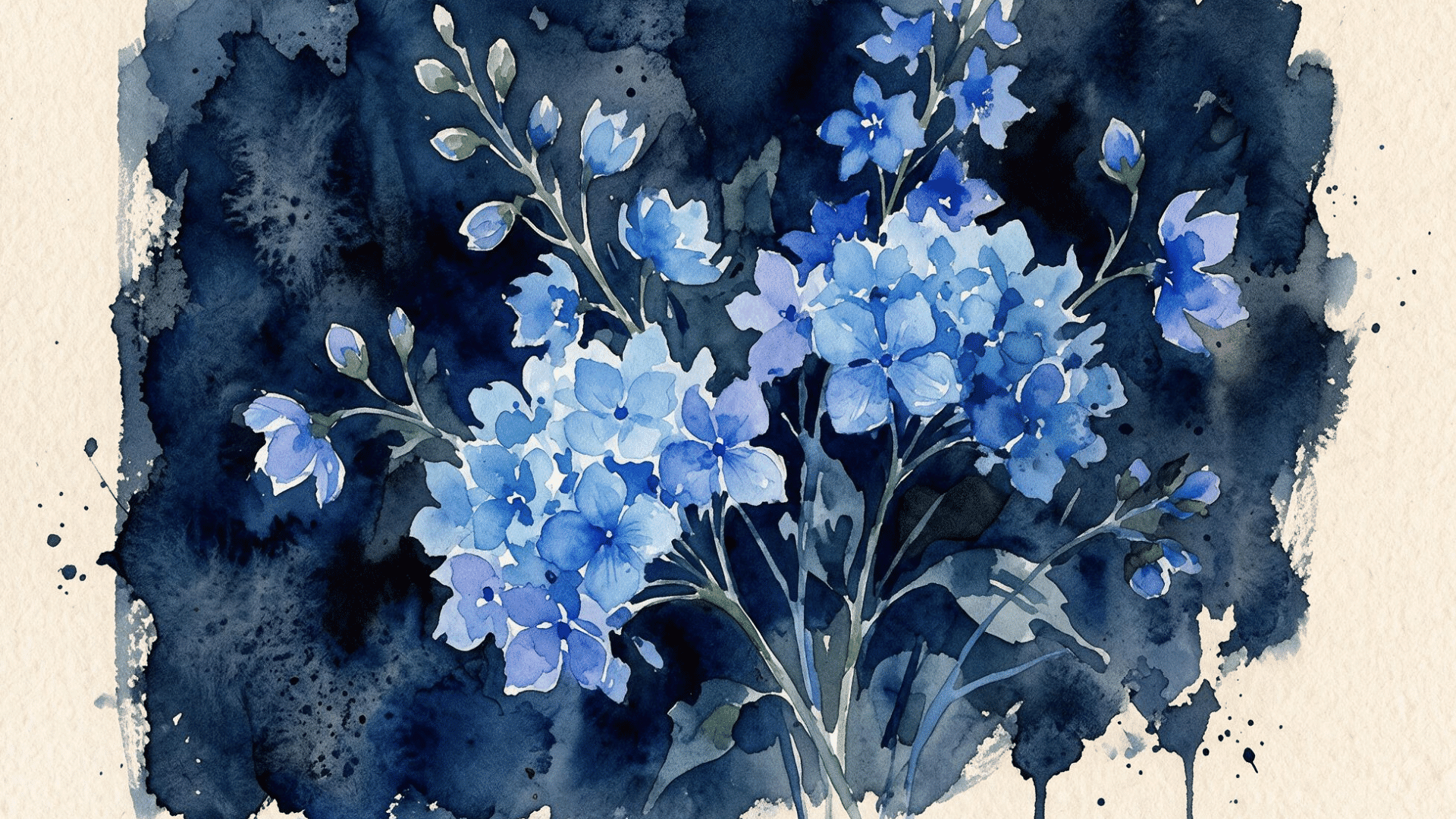
Create beautiful crystal-like textures with one of the easiest watercolor techniques to learn. A little salt can completely change the look of your painting without adding extra effort.
- What it is: A watercolor technique that creates textured patterns using table salt.
- How to do it: Paint with wet watercolor, sprinkle salt, then brush it away after drying.
- Best for: Skies, galaxies, and snowy landscapes.
Add salt while the paint is still wet for the strongest effect
2. String Pull Painting
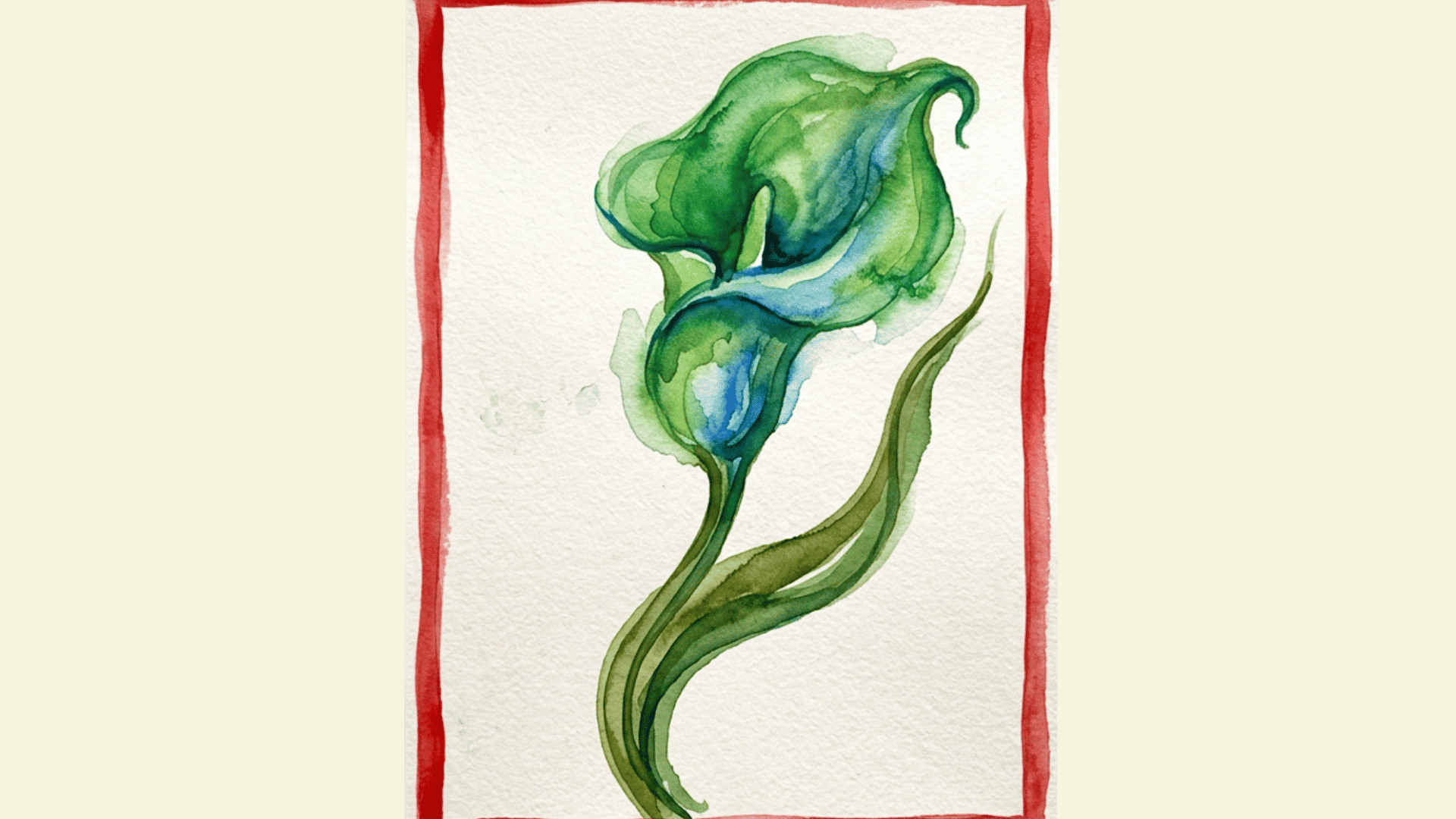
Turn a simple piece of string into colorful artwork filled with unexpected shapes and patterns. Every pull creates a slightly different result, making each design feel original.
- What it is: A painting method that forms mirrored shapes with paint-covered string.
- How to do it: Place painted string inside folded paper and pull it out gently.
- Best for: Flowers, butterflies, and abstract designs.
Try different string positions to create unique patterns
3. Coffee Painting
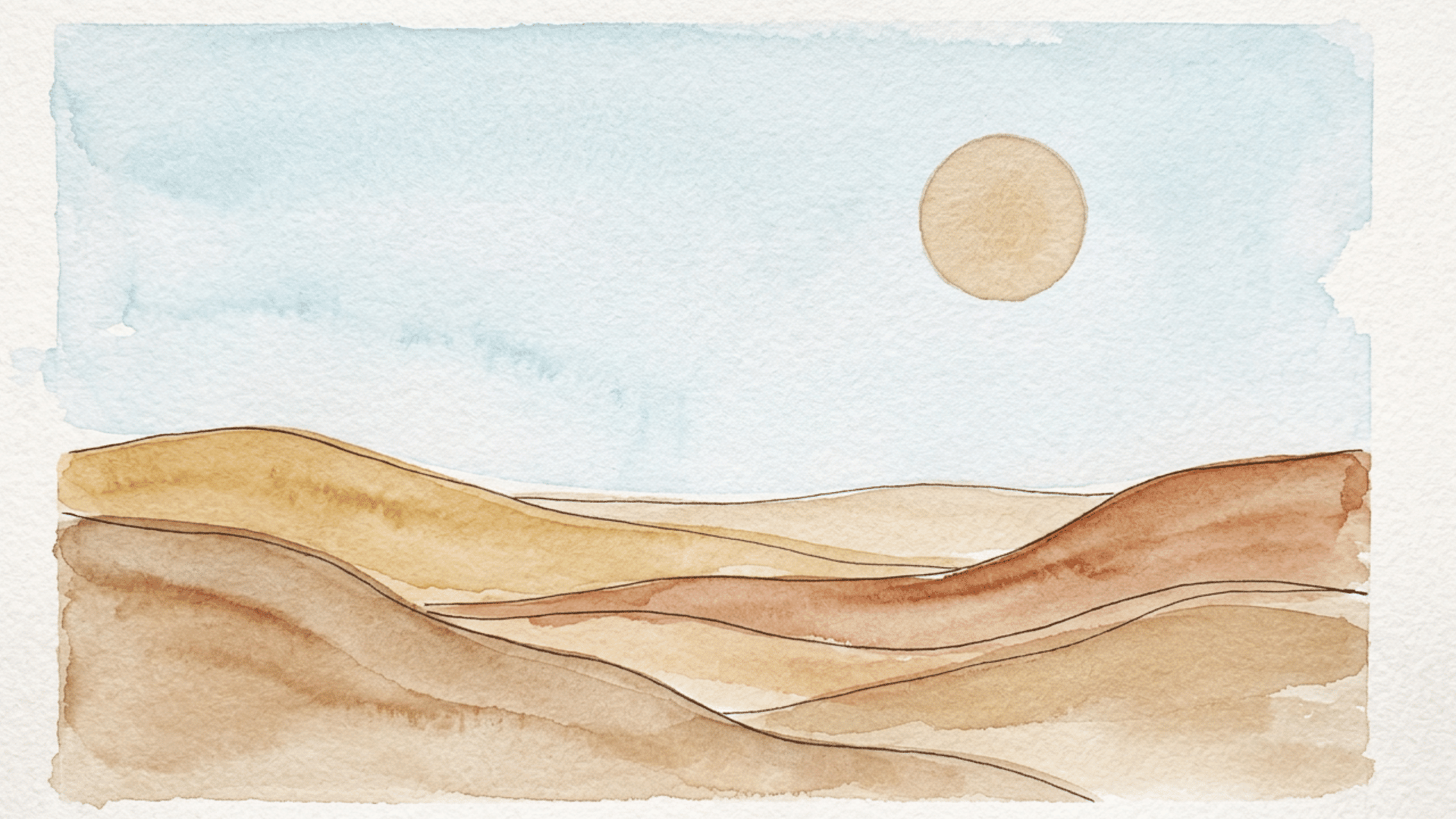
Experiment with natural shades to create artwork that has a warm, evergreen appearance. Layering different coffee strengths adds depth without using traditional paint colors.
- What it is: A natural painting technique that uses coffee as the coloring medium.
- How to do it: Mix different coffee strengths and paint from light to dark.
- Best for: Vintage art, landscapes, and simple portraits.
Let each layer dry before adding darker shades
4. Bubble Wrap Prints
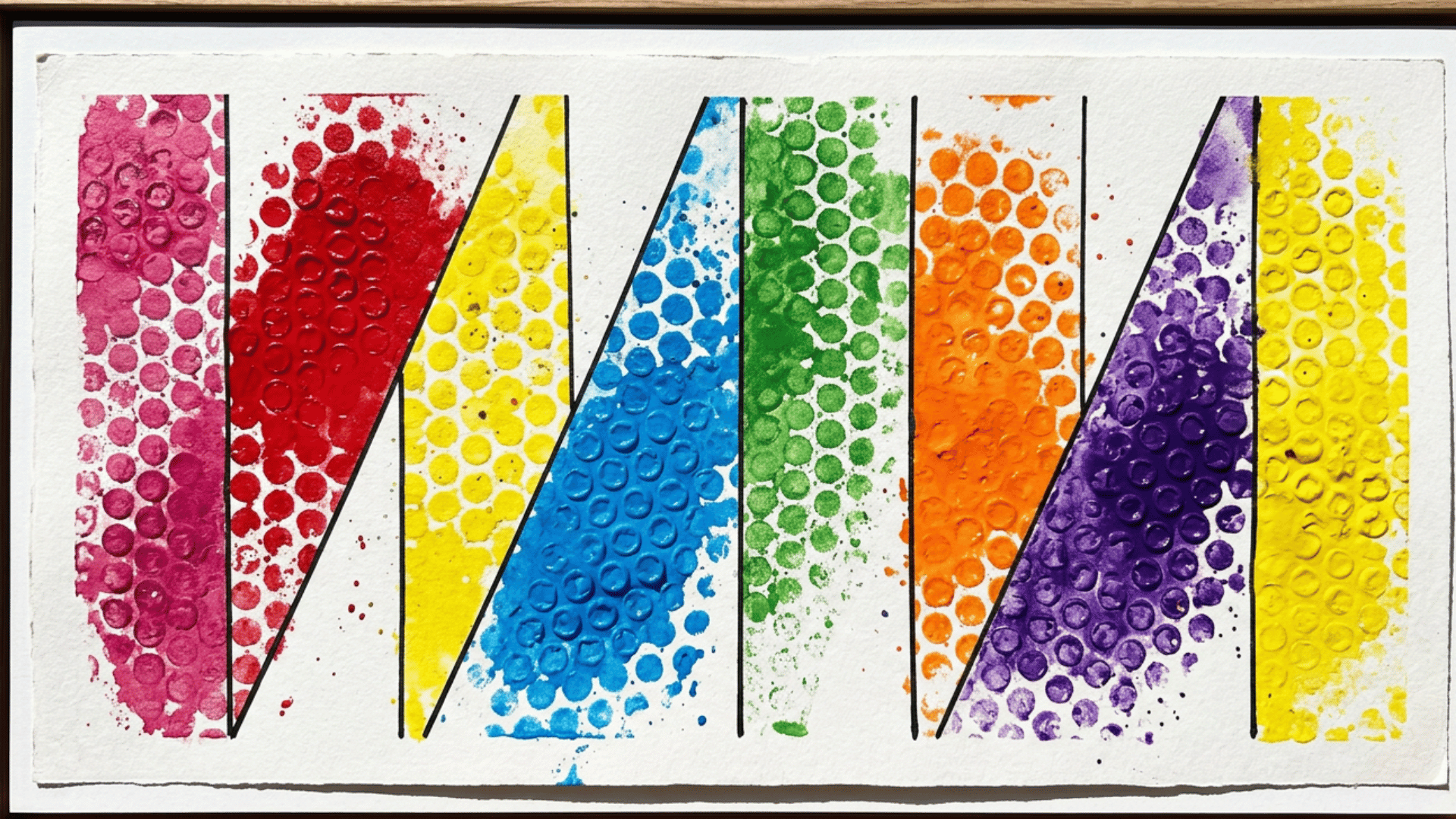
Give ordinary bubble wrap a creative purpose by turning it into a simple printing tool. The repeating texture instantly adds interest to cards, posters, and handmade artwork.
- What it is: A printmaking activity that uses bubble wrap to create repeating textures.
- How to do it: Paint bubble wrap, press it onto paper, then lift carefully.
- Best for: Backgrounds, flowers, fish scales, and patterns.
Use multiple colors for a more detailed print.
5. Tape-Resist Watercolor
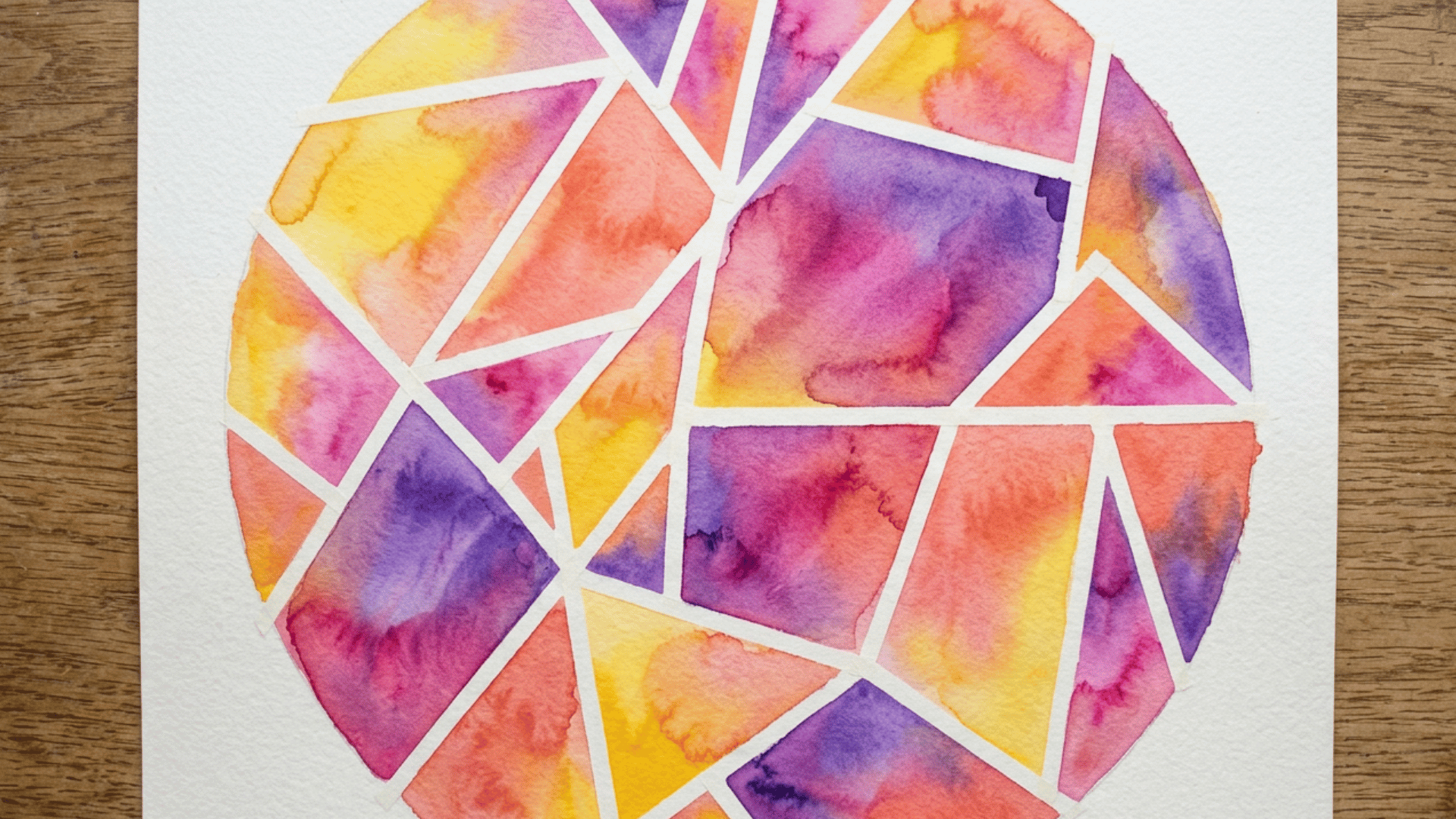
Create crisp designs with clean edges using a technique that’s simple yet impressive. Even beginners can achieve polished results with just a few strips of masking tape.
- What it is: A watercolor technique that leaves clean white lines beneath paint.
- How to do it: Apply masking tape, paint over it, then peel it away.
- Best for: Geometric designs, borders, and simple landscapes.
Remove the tape only after the paint has dried completely
6. Sponge Texture Painting
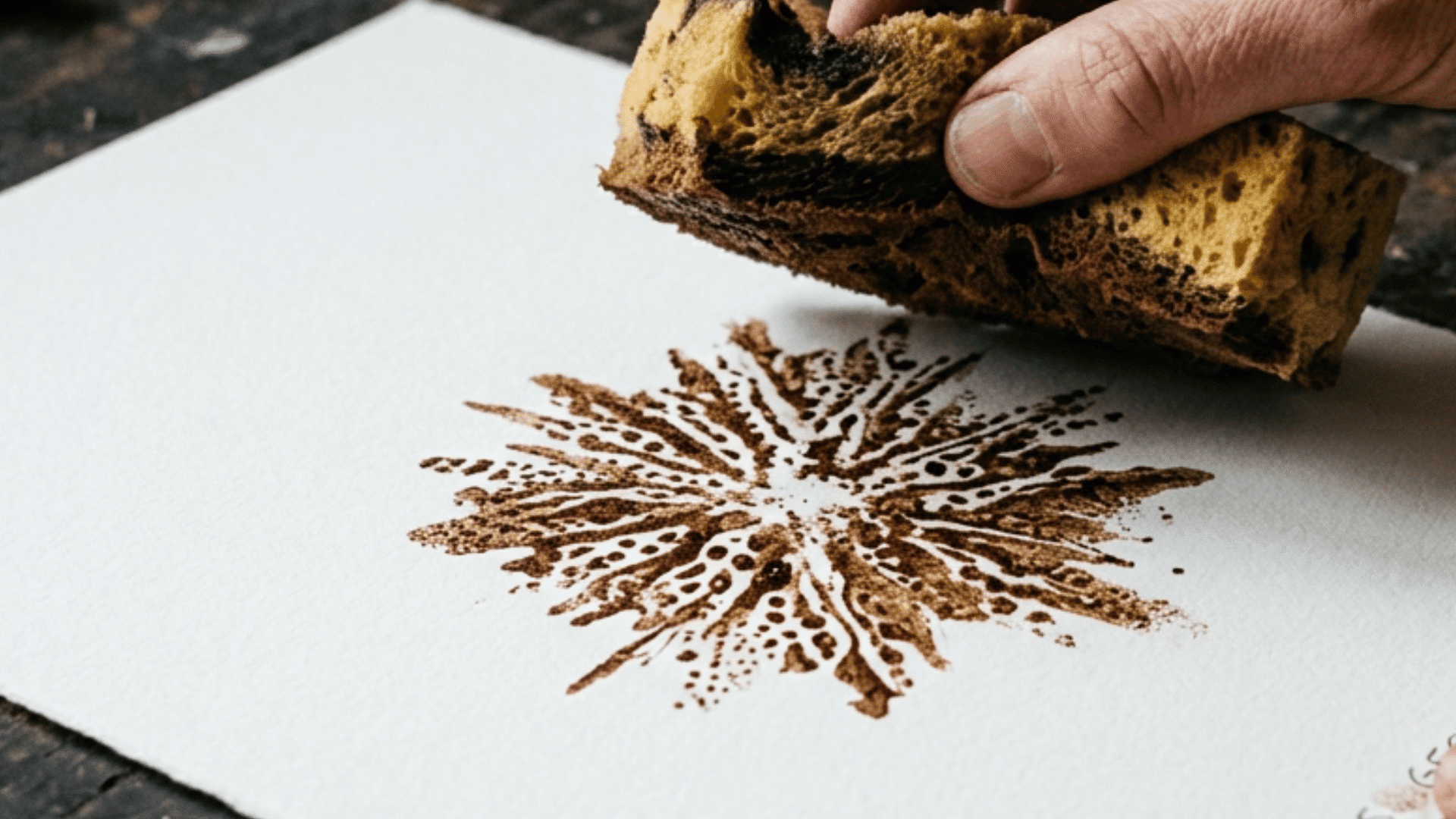
Build natural-looking textures quickly without relying on detailed brushwork. A basic kitchen sponge can create effects that are difficult to achieve with a paintbrush alone.
- What it is: A painting method that builds texture using a household sponge.
- How to do it: Dab paint gently instead of brushing smooth strokes.
- Best for: Trees, clouds, rocks, and textured backgrounds.
Begin with lighter colors before adding darker layers.
Some Basic Structure Drawing Ideas
These ideas only need a pencil and paper; no eraser required, since the point isn’t to get it perfect. If you want more simple sketching ideas once you’ve warmed up, there’s a full list to work through.
7. One-Line Drawings
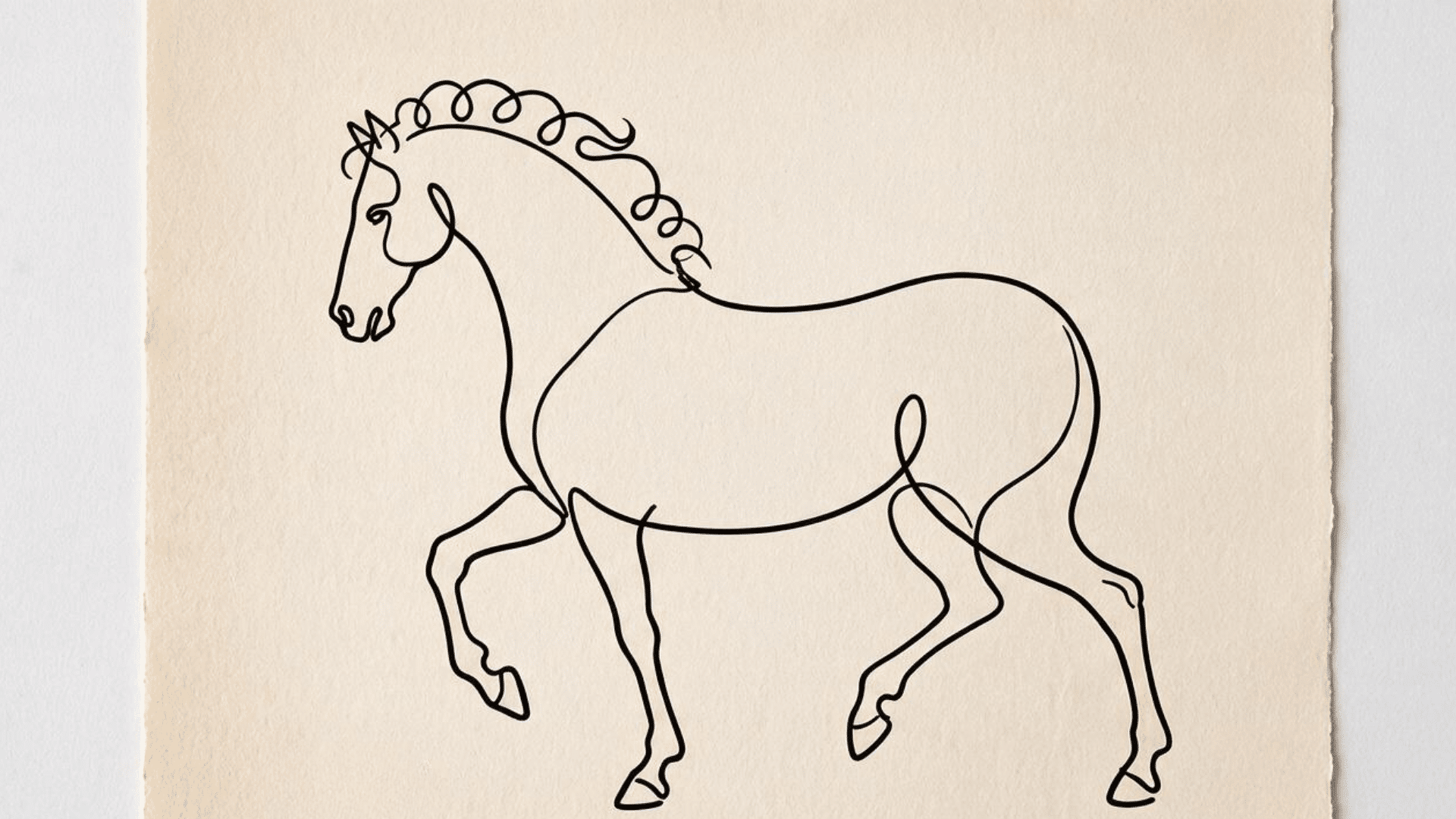
Train your hand to move freely while creating surprisingly expressive sketches. This exercise helps you focus on movement and observation instead of perfection.
- What it is: A drawing exercise completed without lifting the pencil.
- How to do it: Draw the entire subject using one continuous line.
- Best for: Faces, animals, and simple objects.
8. Zentangle Doodles
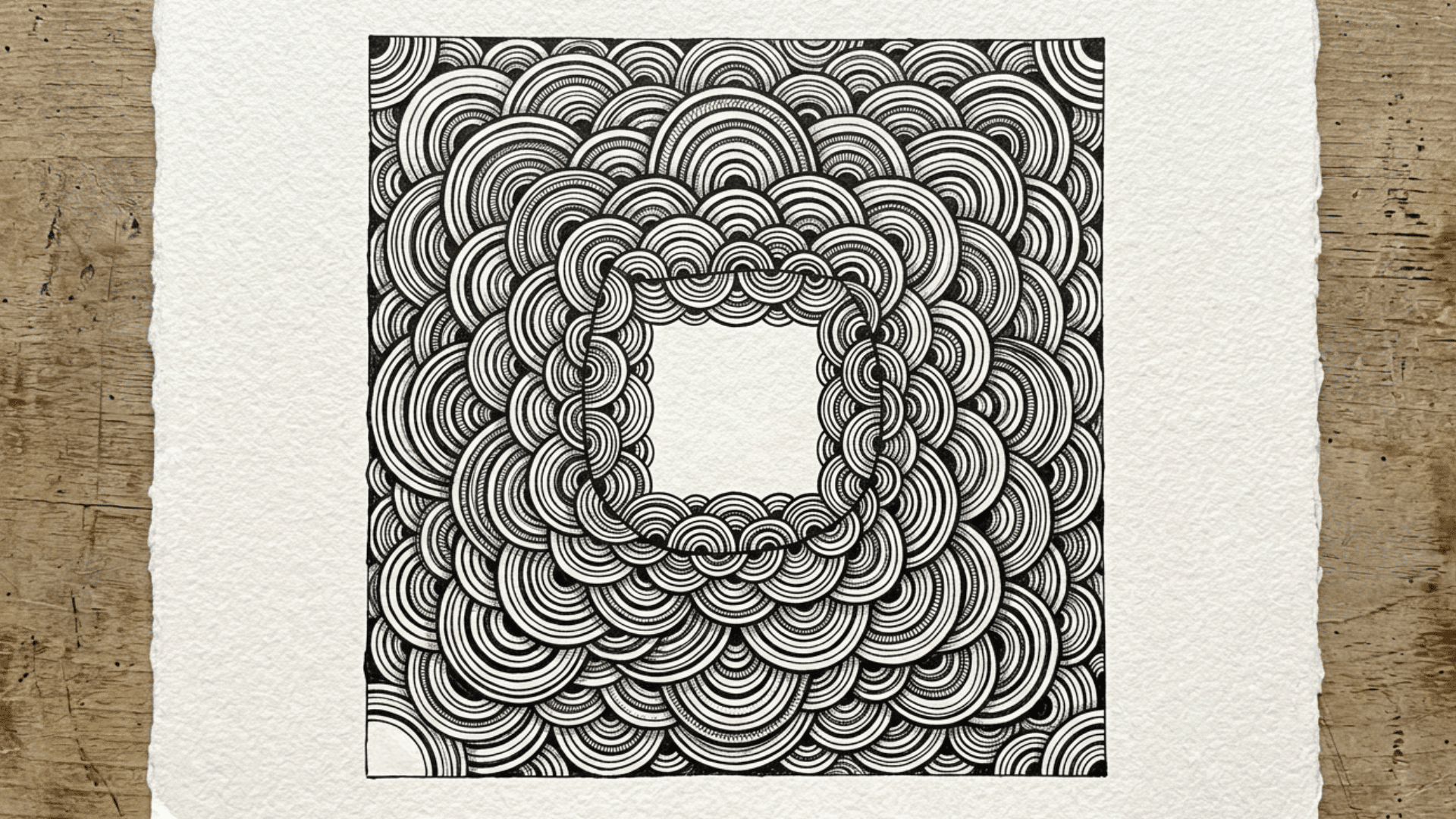
Fill a page with relaxing patterns that gradually come together into detailed artwork. The repeated shapes make it easy to keep drawing without worrying about mistakes.
- What it is: A structured doodling style made from repeated patterns.
- How to do it: Divide the page into sections and fill each with patterns.
- Best for: Relaxation, mindfulness, and creative practice.
9. Mini Doodles
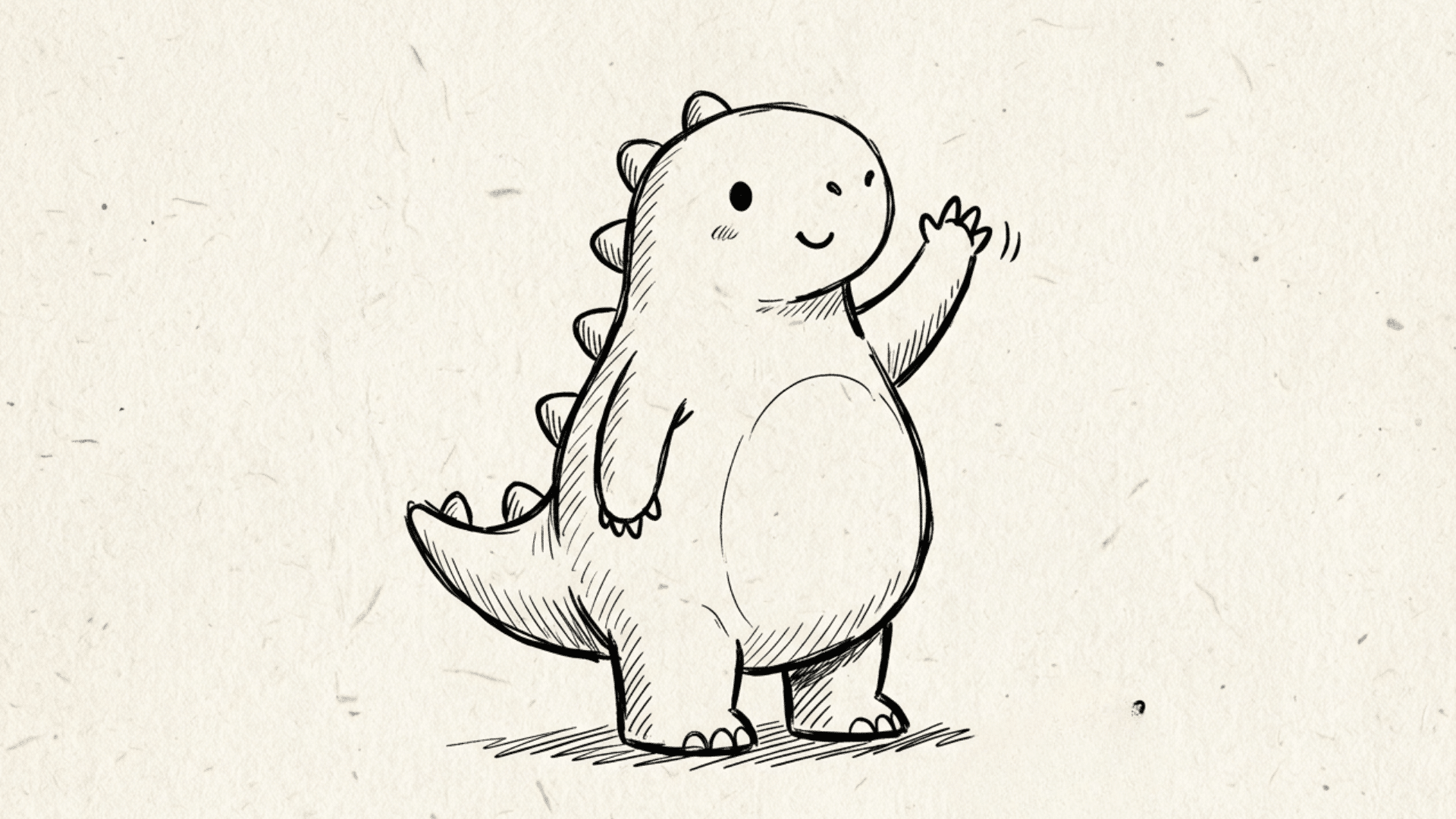
Small sketches are perfect for building confidence without spending much time. A few minutes of doodling each day can quickly improve your drawing habits.
- What it is: Small, simple drawings that take only a few minutes.
- How to do it: Sketch tiny objects using basic shapes and bold outlines.
- Best for: Sketchbooks, journals, and greeting cards.
10. Blind Contour Portraits
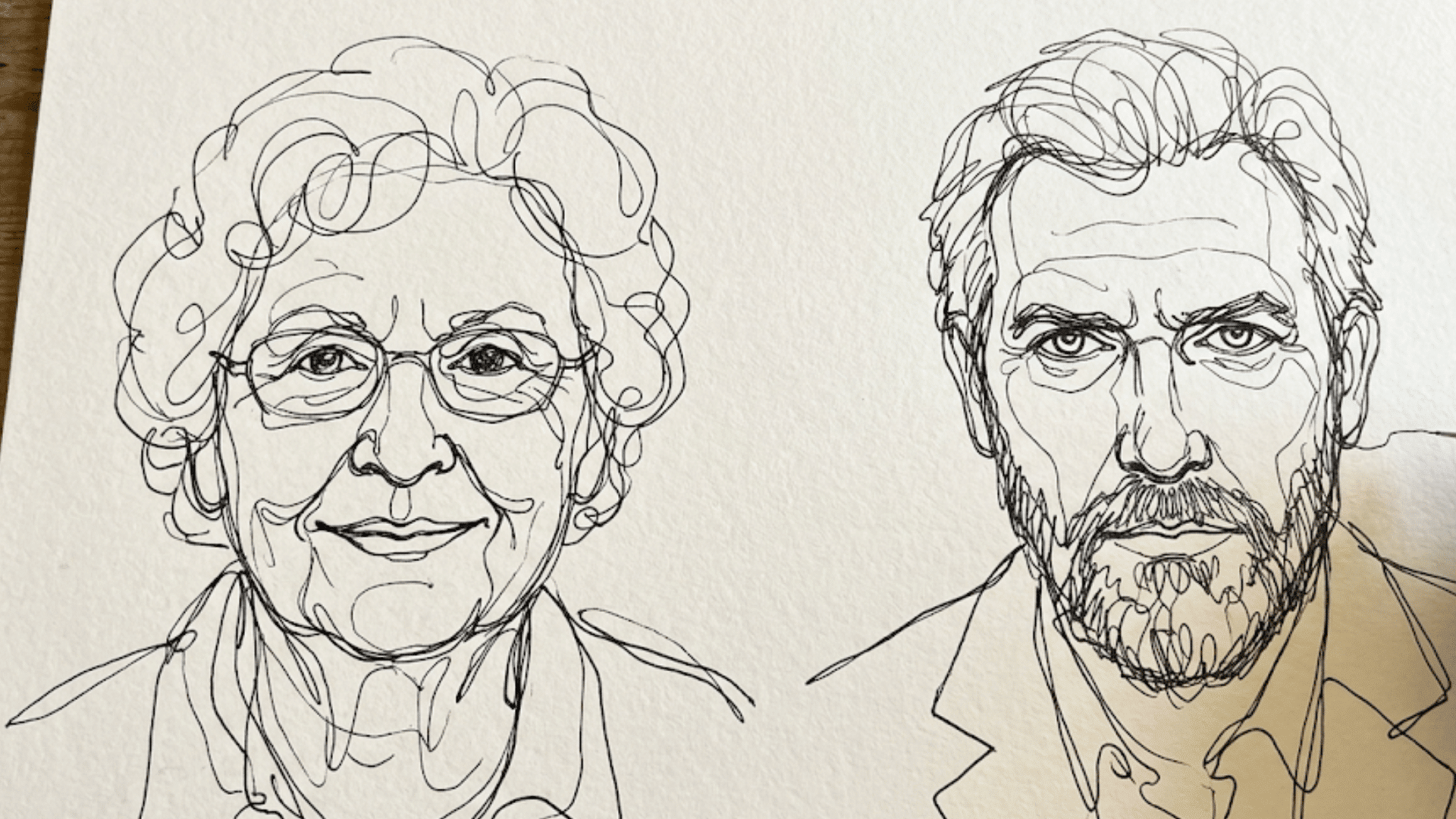
See how careful observation can improve your drawing more than constant erasing. Paying attention to every contour helps strengthen hand-eye coordination over time.
- What it is: An observation exercise drawn without looking at the paper.
- How to do it: Watch the subject while slowly tracing every outline.
- Best for: Improving hand-eye coordination and observation.
Paper and Collage Craft Ideas
Junk mail and old magazines turn into five different projects here, no new supplies needed.
11. Magazine Collage
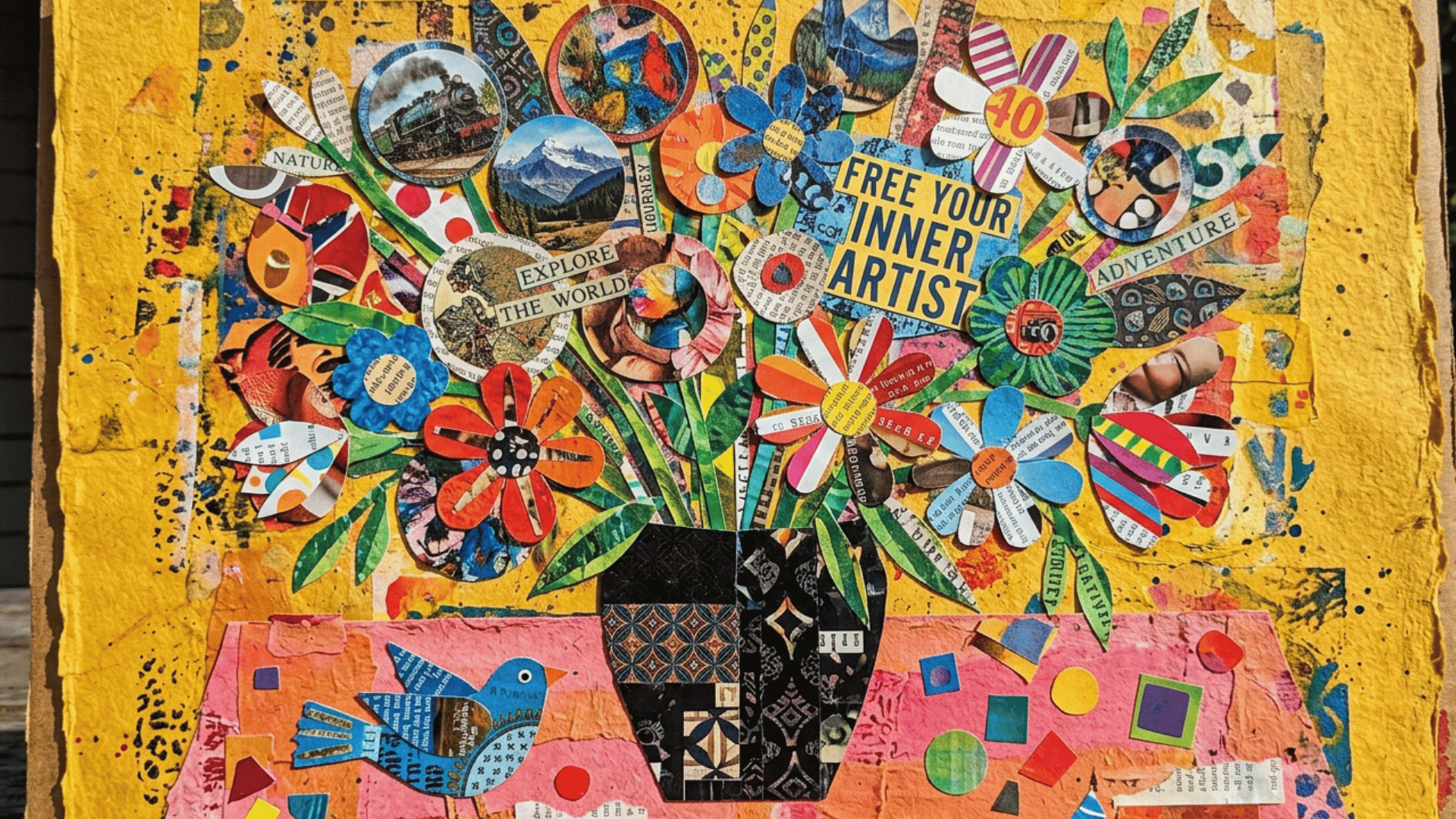
Give old magazines a second life by turning colorful pages into creative artwork. Mixing different colors, textures, and images makes every collage feel unique.
- What it is: Artwork made by arranging torn magazine pieces.
- How to do it: Tear colorful pages and glue them into a picture.
- Best for: Portraits, landscapes, and abstract scenes.
12. Paper Weaving
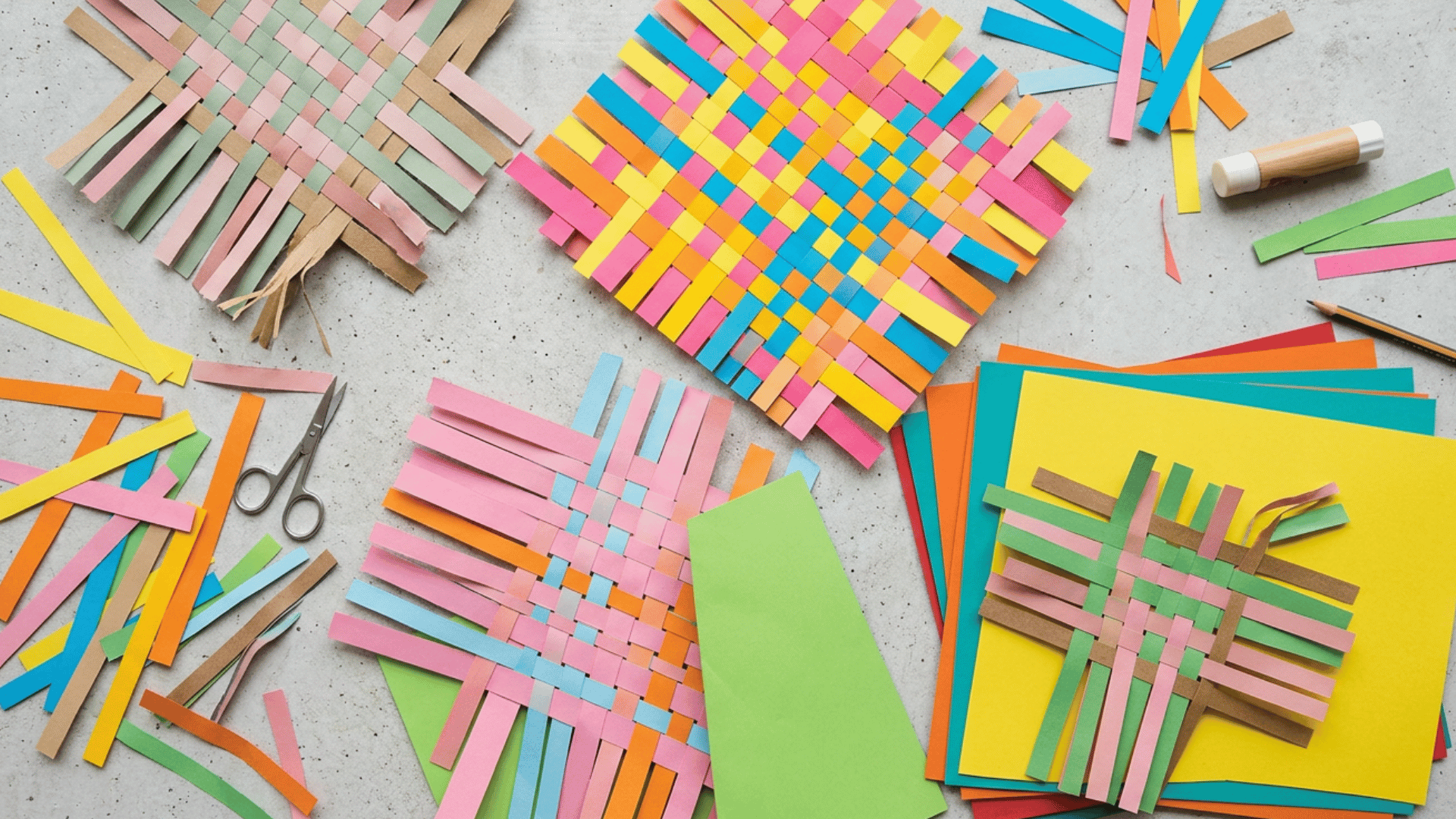
Create eye-catching patterns with a classic paper craft that’s simple to master. The woven design adds texture and dimension without needing advanced crafting skills.
- What it is: A craft created by weaving paper strips together.
- How to do it: Cut slits in one sheet and weave strips through.
- Best for: Decorative patterns and classroom projects.
13. Torn-Paper Landscape
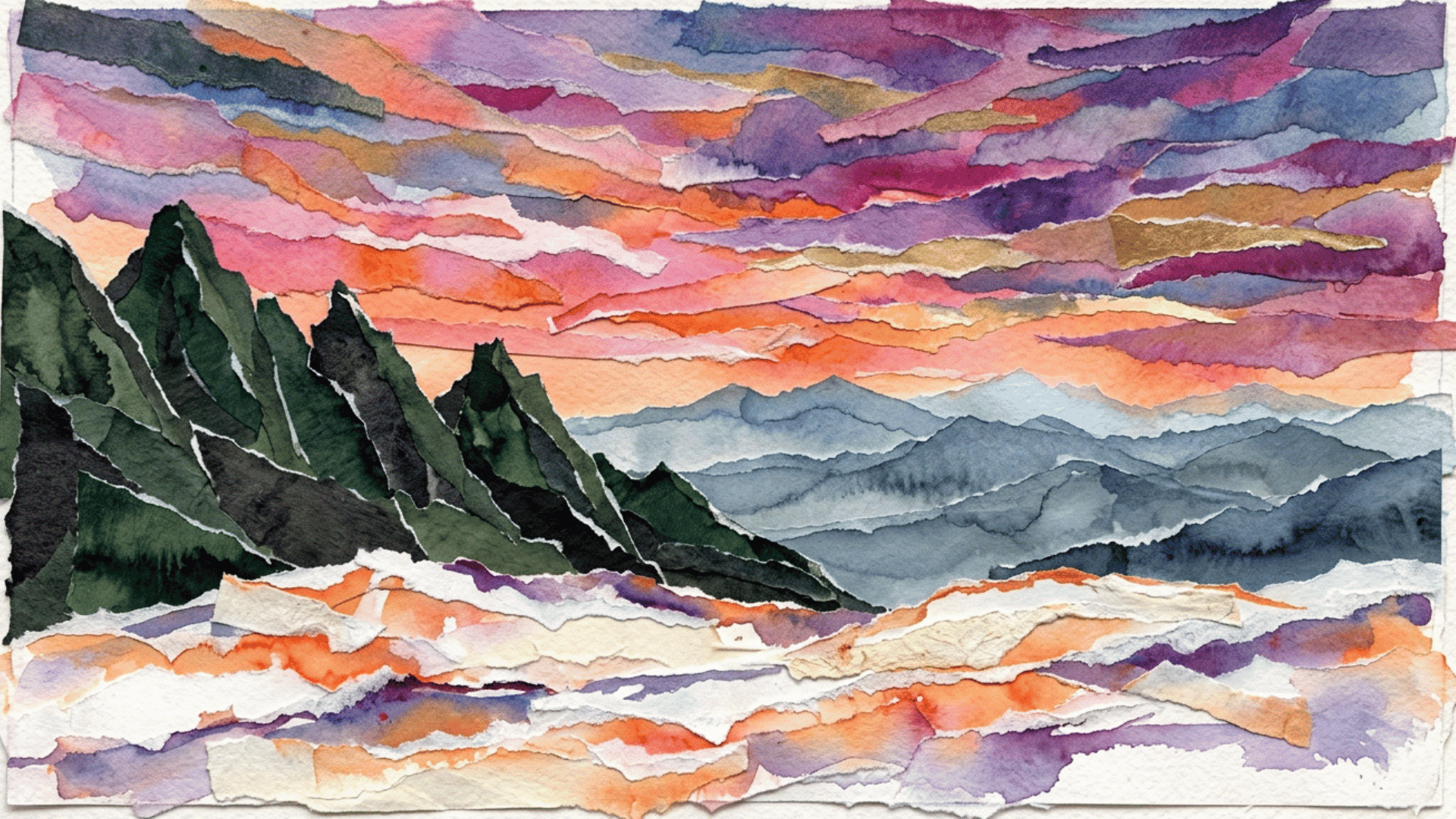
Layer torn paper pieces to create scenes filled with texture and dimension. The uneven edges give mountains, hills, and water a softer, more natural appearance.
- What it is: A layered landscape made from ripped paper pieces.
- How to do it: Tear colored paper and glue layers from back to front.
- Best for: Mountains, hills, rivers, and sunsets.
14. Simple Quilling
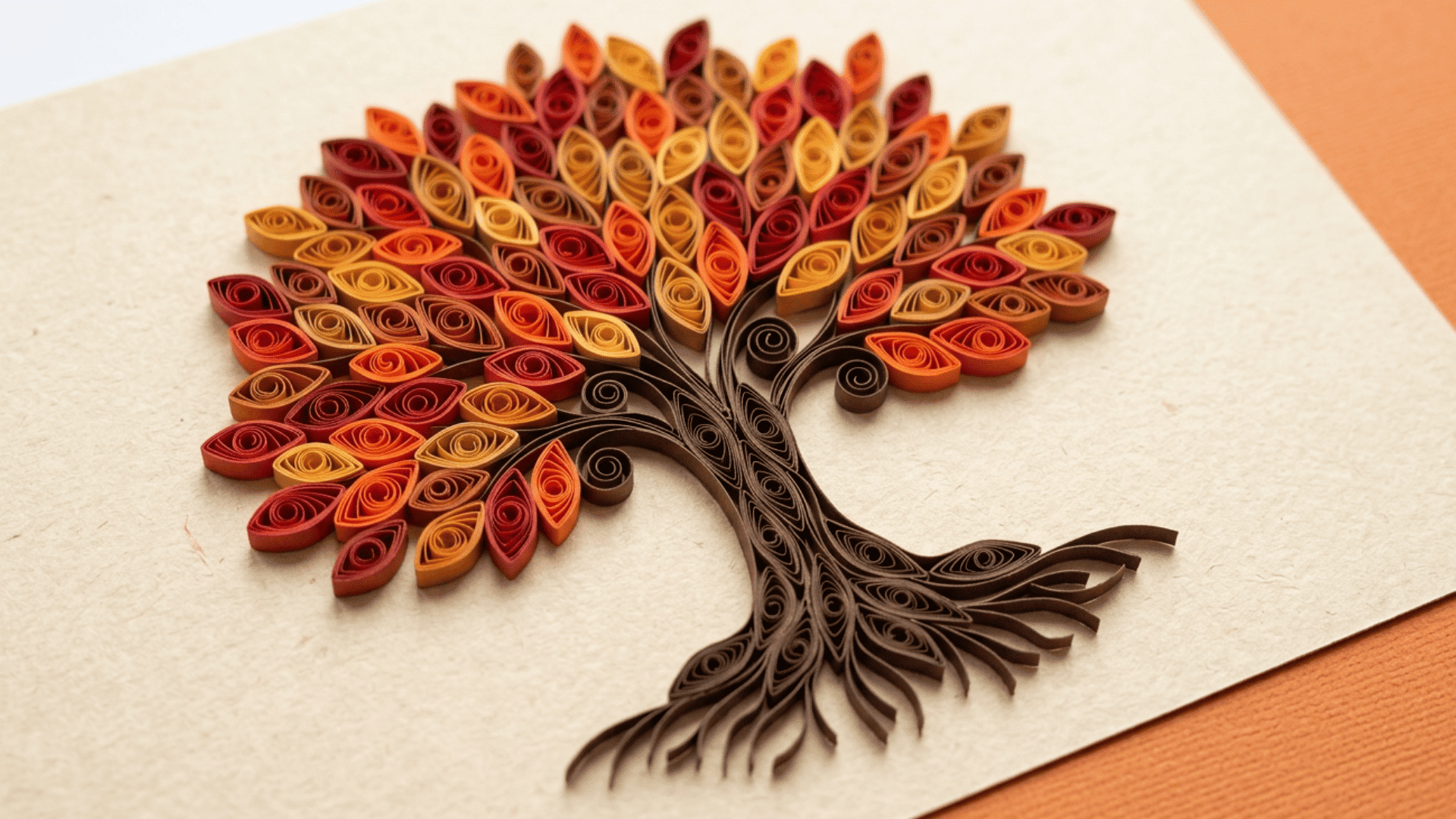
Roll narrow paper strips into decorative shapes that look more detailed than they are. Starting with basic coils makes it easy to learn this evergreen paper craft.
- What it is: Paper art made from tightly rolled paper strips.
- How to do it: Roll narrow strips into coils and glue them into shapes.
- Best for: Flowers, greeting cards, and decorations.
15. Paper Silhouette
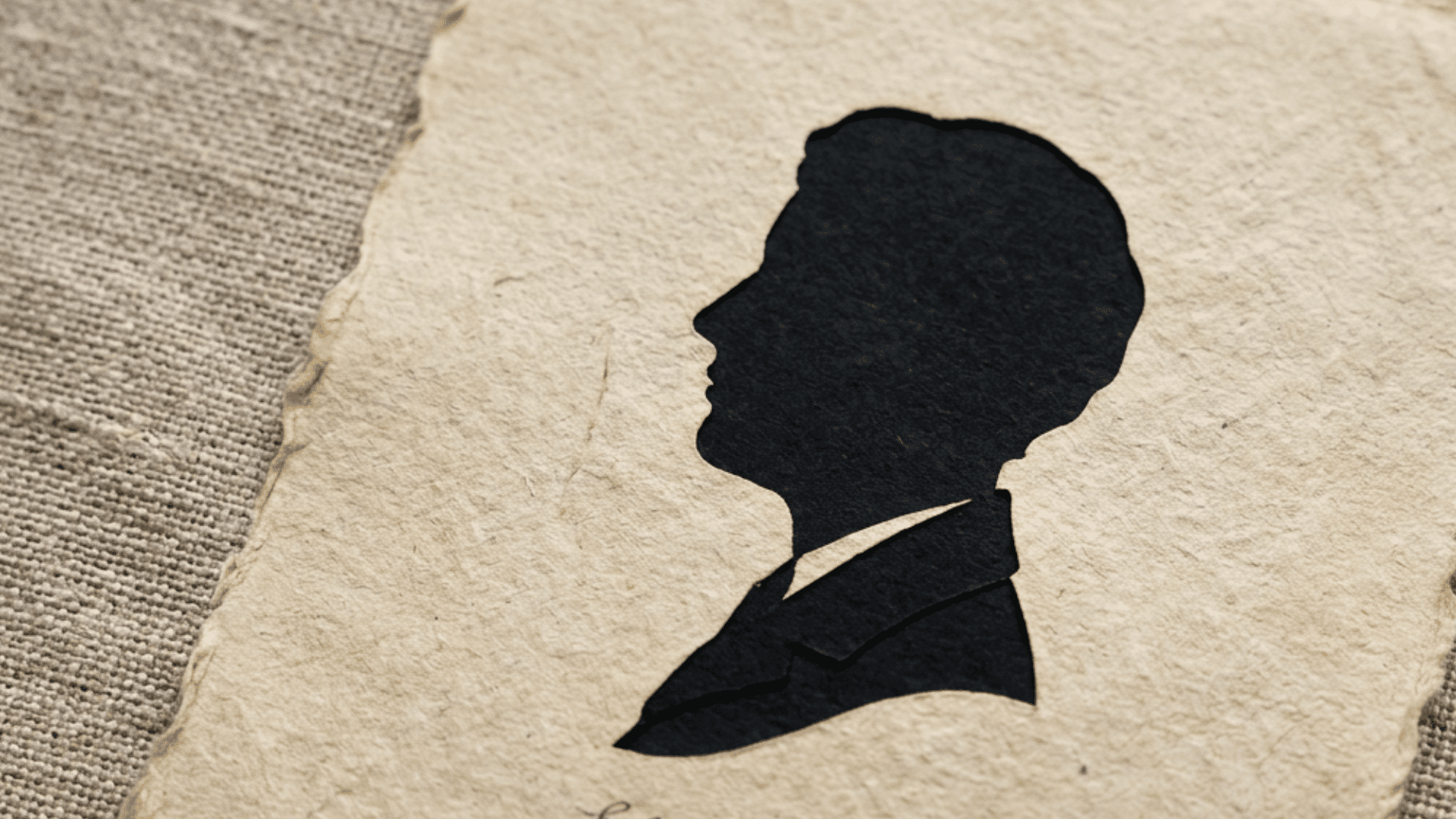
Bold shapes and strong contrast make this project stand out with very little effort. A colorful background helps the dark silhouette become the center of attention.
- What it is: Artwork featuring solid black shapes against colorful backgrounds.
- How to do it: Cut a simple silhouette and glue it onto painted paper.
- Best for: Trees, animals, and skyline scenes.
No-Mess Art Ideas
These no-mess art ideas are perfect for quick breaks, travel, classrooms, or anyone who doesn’t want to explain a paint stain on the carpet again.
16. Washi Tape Art
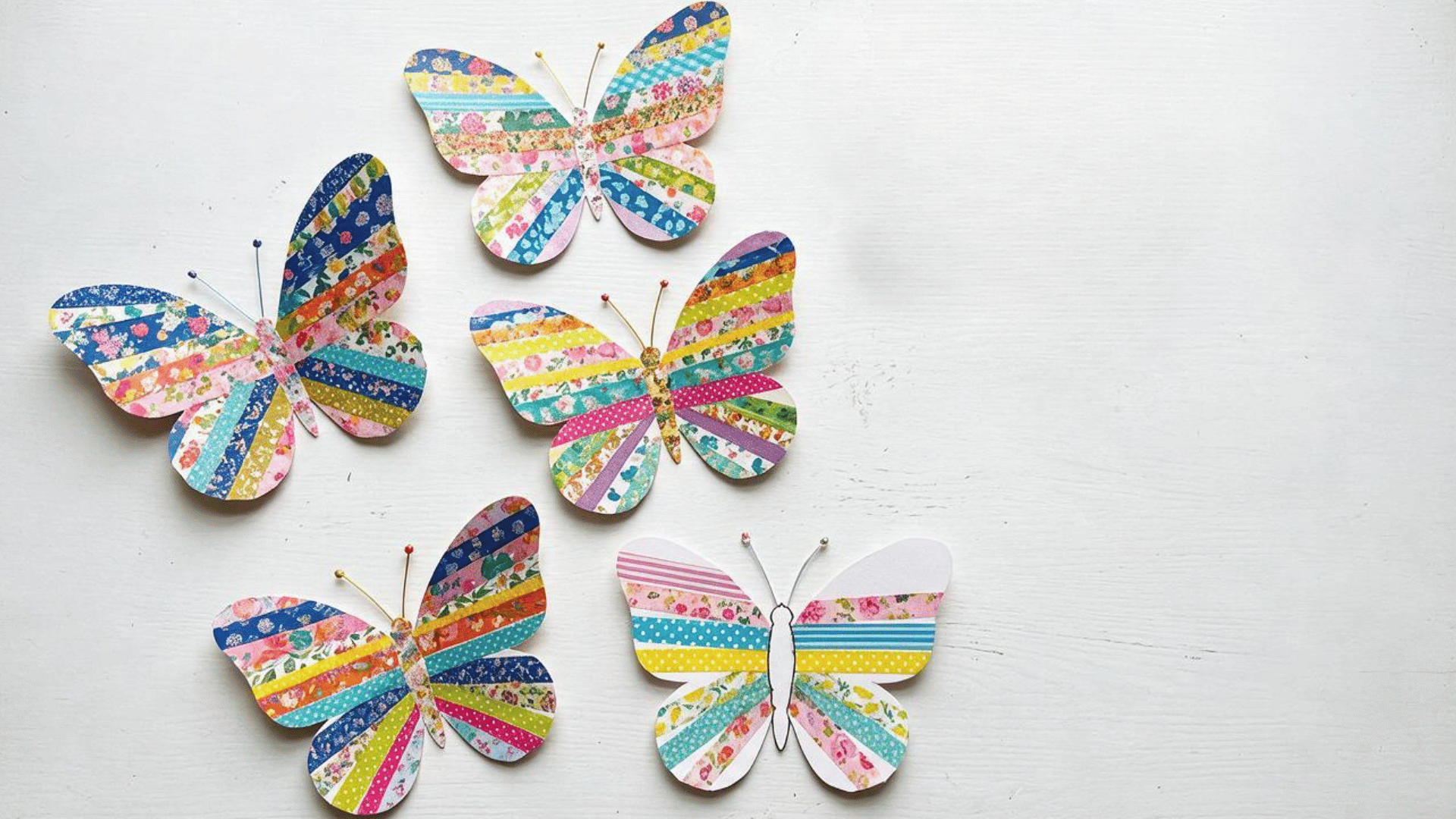
Enjoy a colorful craft that skips paint while still producing striking designs. The removable tape makes it easy to adjust your layout until you’re happy with it.
- What it is: Artwork created using decorative adhesive tape instead of paint.
- How to do it: Arrange tape strips into patterns or simple pictures.
- Best for: Geometric art and colorful decorations.
17. Sticker Mosaics
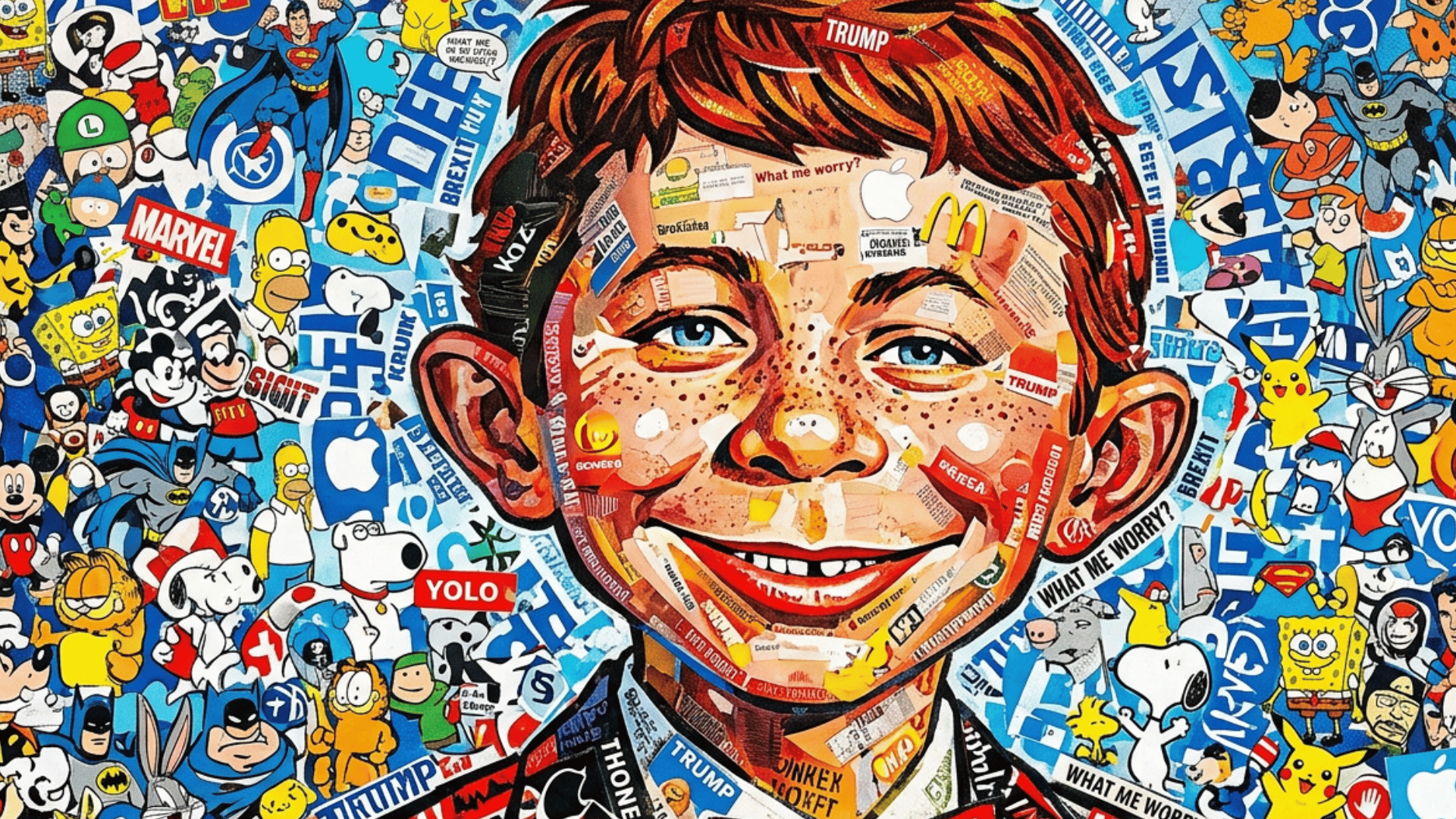
Build colorful images one small sticker at a time with almost no cleanup. The repeated shapes gradually come together to form eye-catching pictures.
- What it is: Pictures built from many small stickers.
- How to do it: Fill a simple outline with colorful sticker dots.
- Best for: Hearts, animals, and simple shapes.
18. Digital Doodling

Draw wherever you are using simple digital tools that encourage experimentation. Features like layers and undo make it easier to practice without worrying about mistakes.
- What it is: Drawing on a phone or tablet using an art app.
- How to do it: Sketch with your finger or a basic stylus.
- Best for: Quick practice and portable creativity.
19. Scratch Art
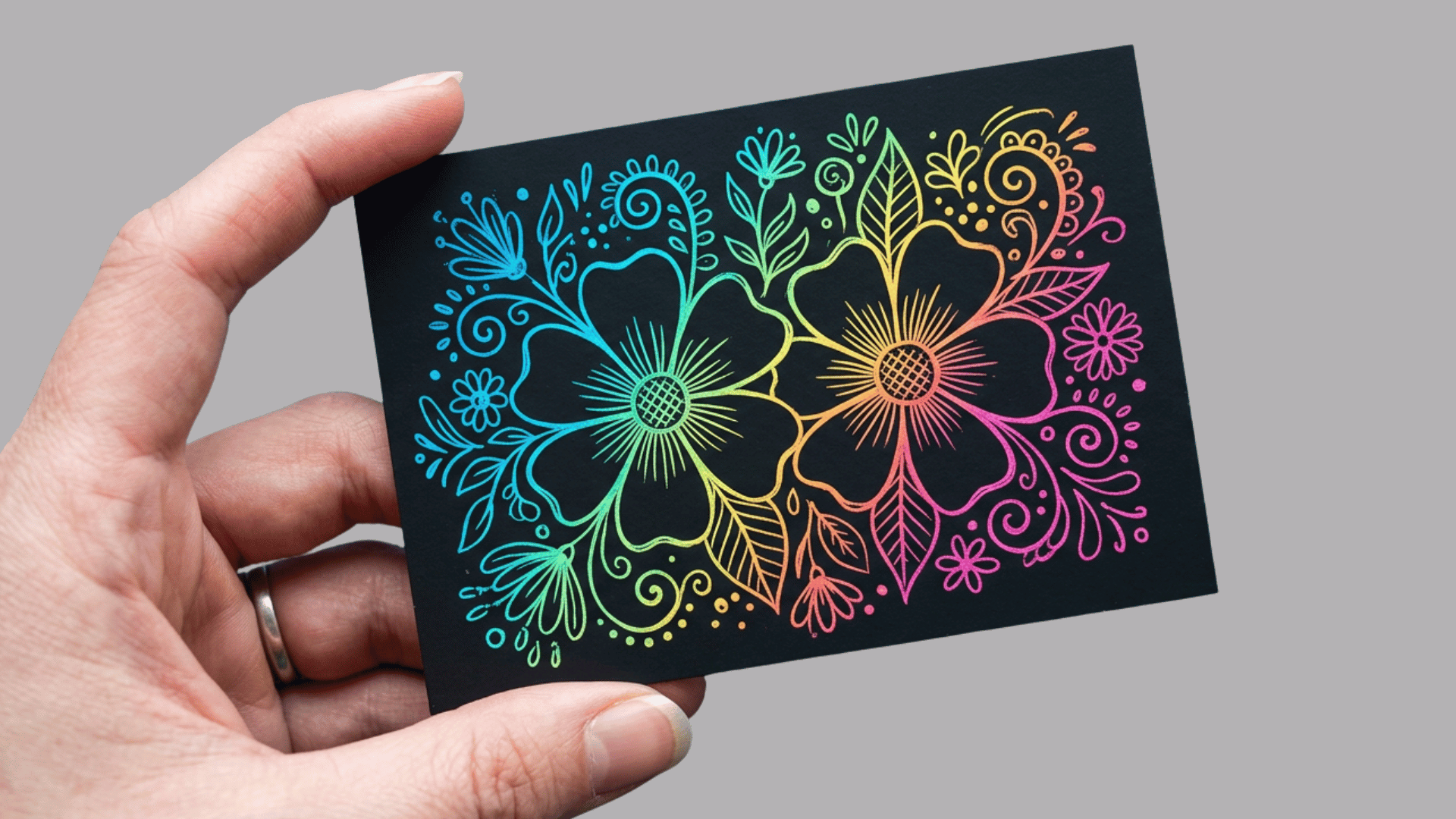
Reveal lively colors hidden beneath the surface with every scratch you make. The contrast between the dark layer and bright colors creates bold, dramatic artwork.
- What it is: Artwork revealed by scratching through a dark surface.
- How to do it: Scratch lines to uncover bright colors underneath.
- Best for: Bold patterns and decorative illustrations.
20. Window Marker Art
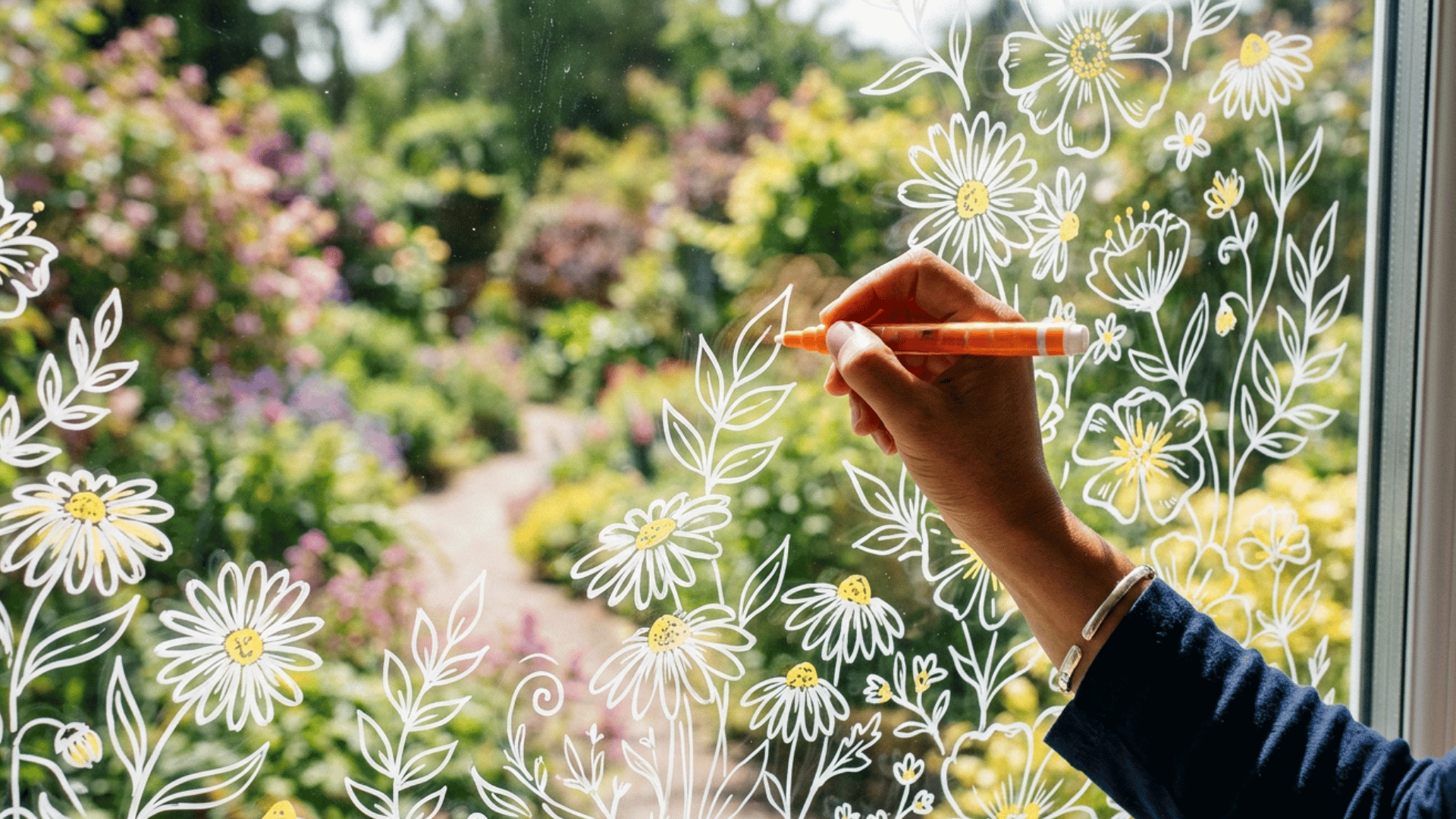
Turn ordinary glass into a temporary canvas for creative drawings and messages. It’s a fun way to decorate for holidays, birthdays, or everyday creativity without making a permanent mess.
- What it is: Temporary artwork drawn directly on glass surfaces.
- How to do it: Draw with washable window or dry-erase markers.
- Best for: Seasonal decorations and family activities.
Easy Art Ideas for Kids
Three projects here keep kids busy longer than the usual five-minute craft, and every one washes off skin and clothes without a fight. For more once these run out, these kids’ activity ideas go well beyond art.
21. Q-Tip Painting
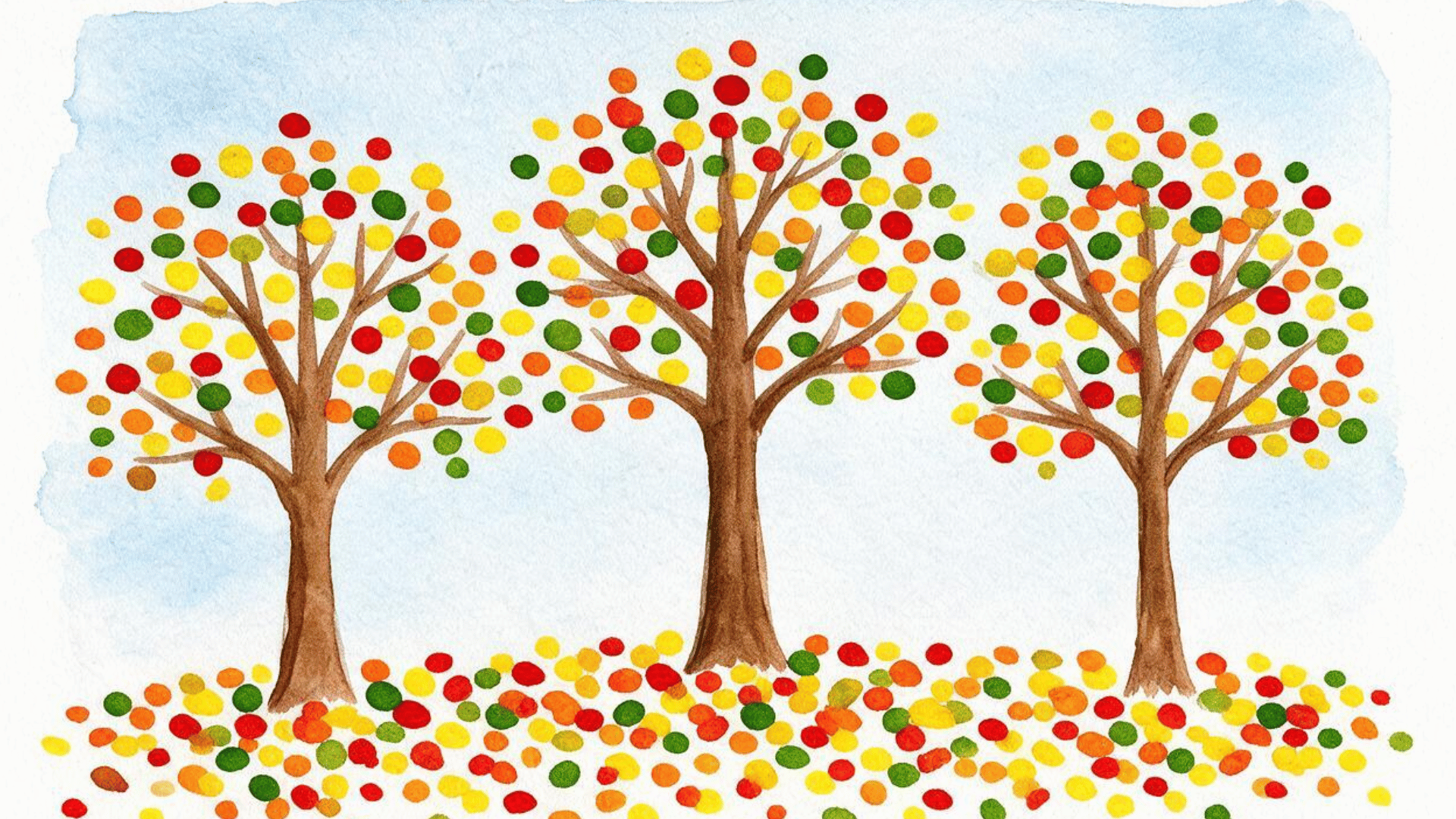
Little hands can create colorful artwork with a simple tool found in most homes. The dot-by-dot technique is easy to control and helps children build confidence while painting.
- What it is: Dot painting created with cotton swabs instead of brushes.
- How to do it: Dip each swab into paint and stamp colorful dots.
- Best for: Flowers, fireworks, and simple animals.
22. Shaving Cream Marbling
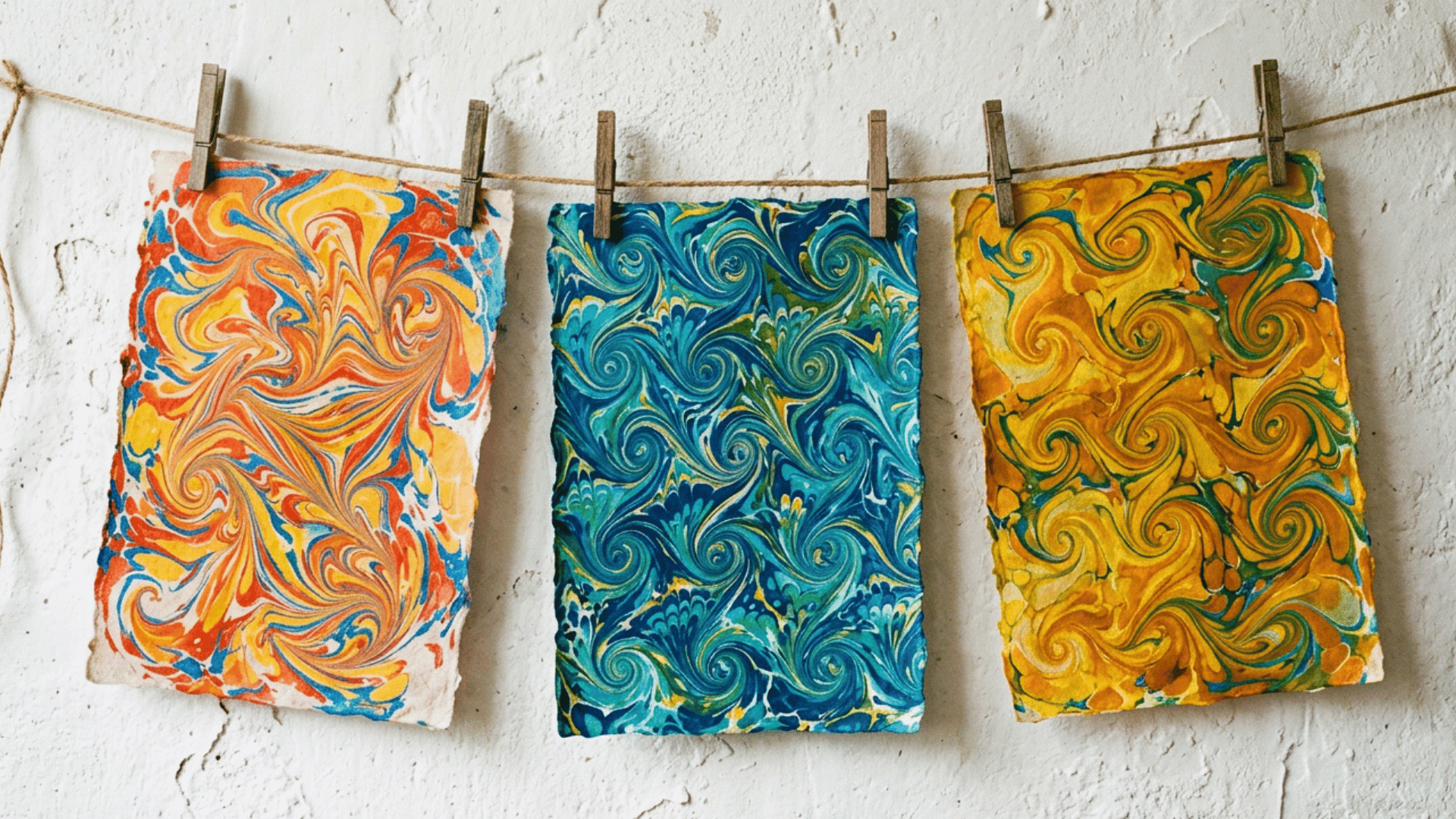
Mix colors into swirling designs that make every sheet of paper look unique. Each print comes out differently, making the activity exciting from start to finish.
- What it is: A marbling technique that creates swirling color patterns.
- How to do it: Swirl food coloring into shaving cream and press paper.
- Best for: Decorative paper and handmade cards.
23. Rock Painting
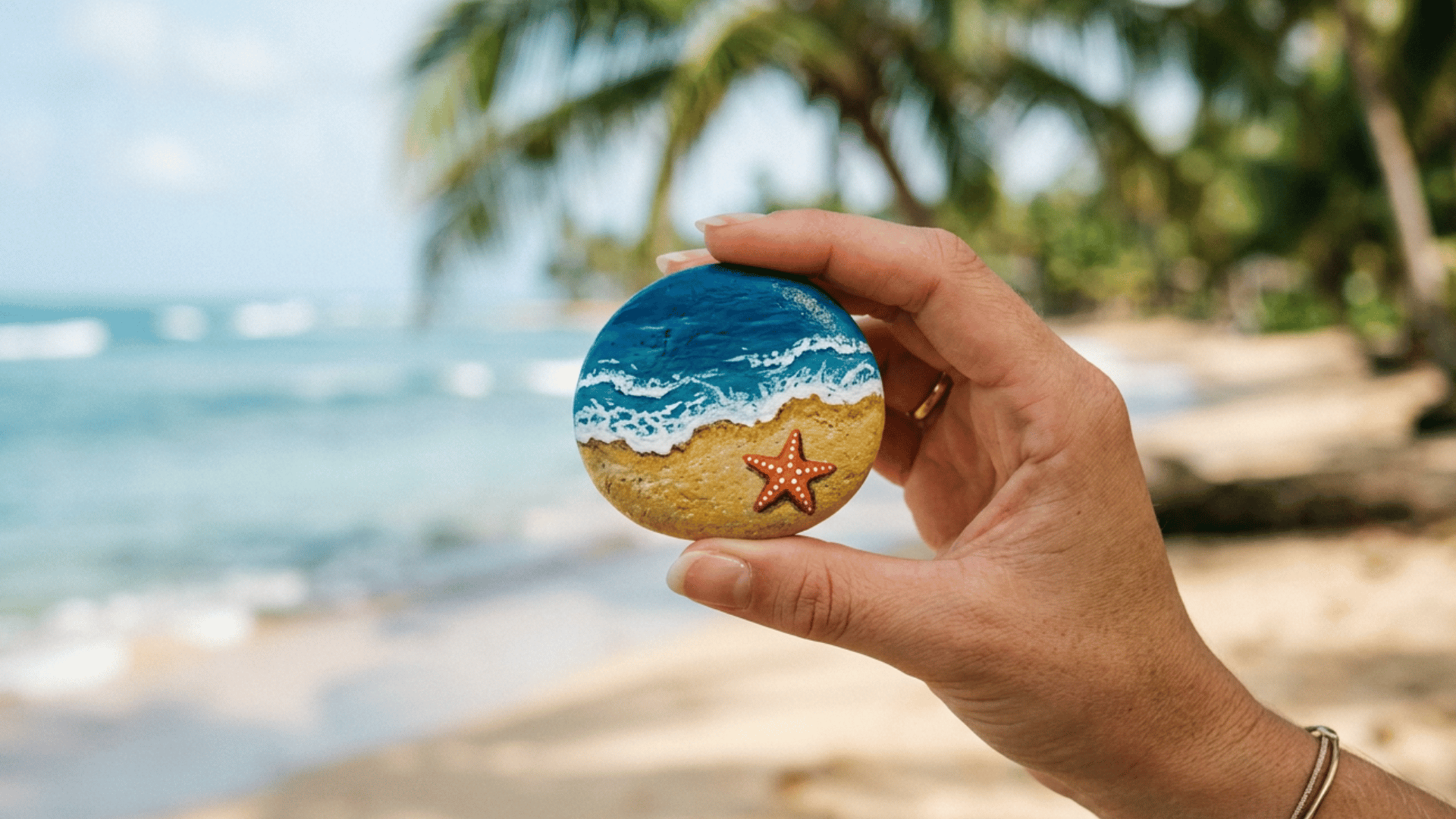
Collect smooth stones and turn them into colorful decorations or thoughtful gifts. Finished rocks can brighten gardens, desks, or flower pots with very little effort.
- What it is: Decorating smooth stones with colorful paint.
- How to do it: Paint simple pictures or patterns onto clean rocks.
- Best for: Garden decorations and handmade gifts.
Nature-Inspired Art From Recycled Materials
Leaves, flowers, foil, and cardboard from the backyard and the recycling bin double as an art supply store for these projects.
For something similar you can take outside with just sidewalk chalk, these chalk art projects belong on this list too.
24. Leaf Printing
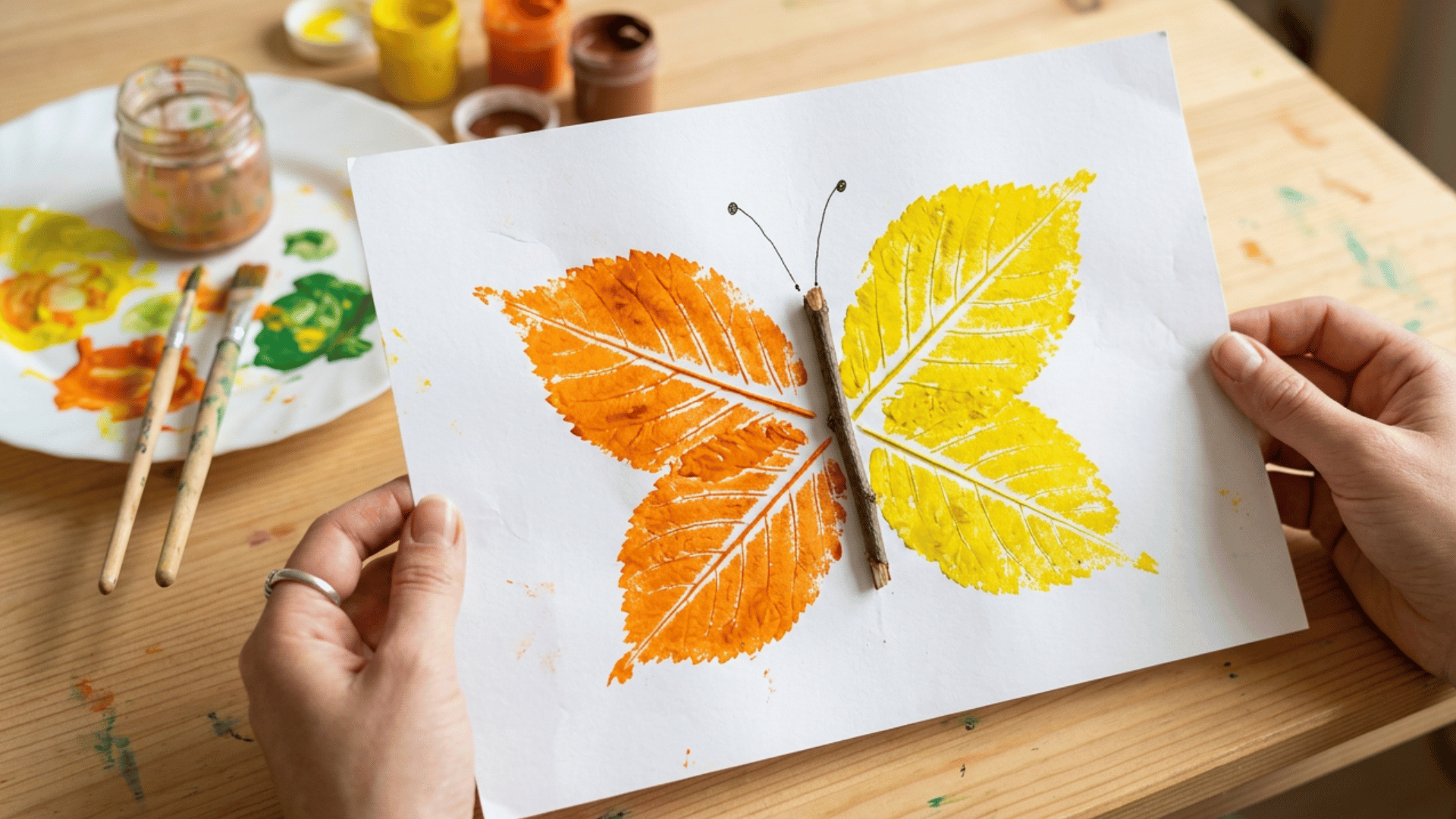
Bring natural textures into your artwork using leaves collected from outdoors. Every leaf creates a different pattern, making each print one of a kind.
- What it is: Prints made by transferring paint from real leaves.
- How to do it: Paint the leaf, press it down, and lift carefully.
- Best for: Nature journals and botanical artwork.
25. Pressed Flowers
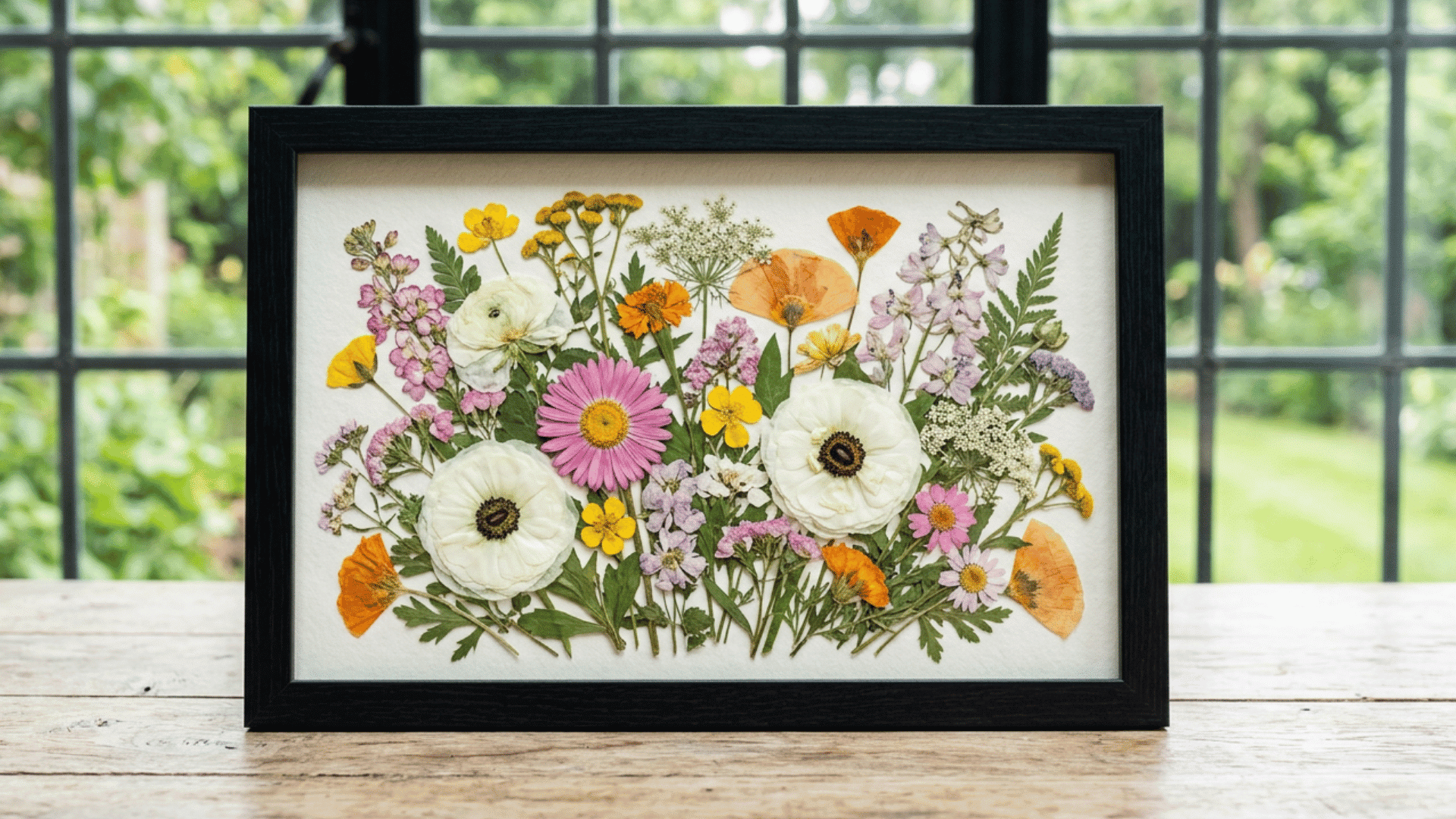
Preserve the beauty of flowers by turning them into long-lasting handmade art. The finished pieces add a delicate touch to cards, bookmarks, and home décor.
- What it is: Dried flower art made with flattened plants.
- How to do it: Press flowers inside a book before arranging them.
- Best for: Cards, bookmarks, and framed artwork.
26. Foil Embossing
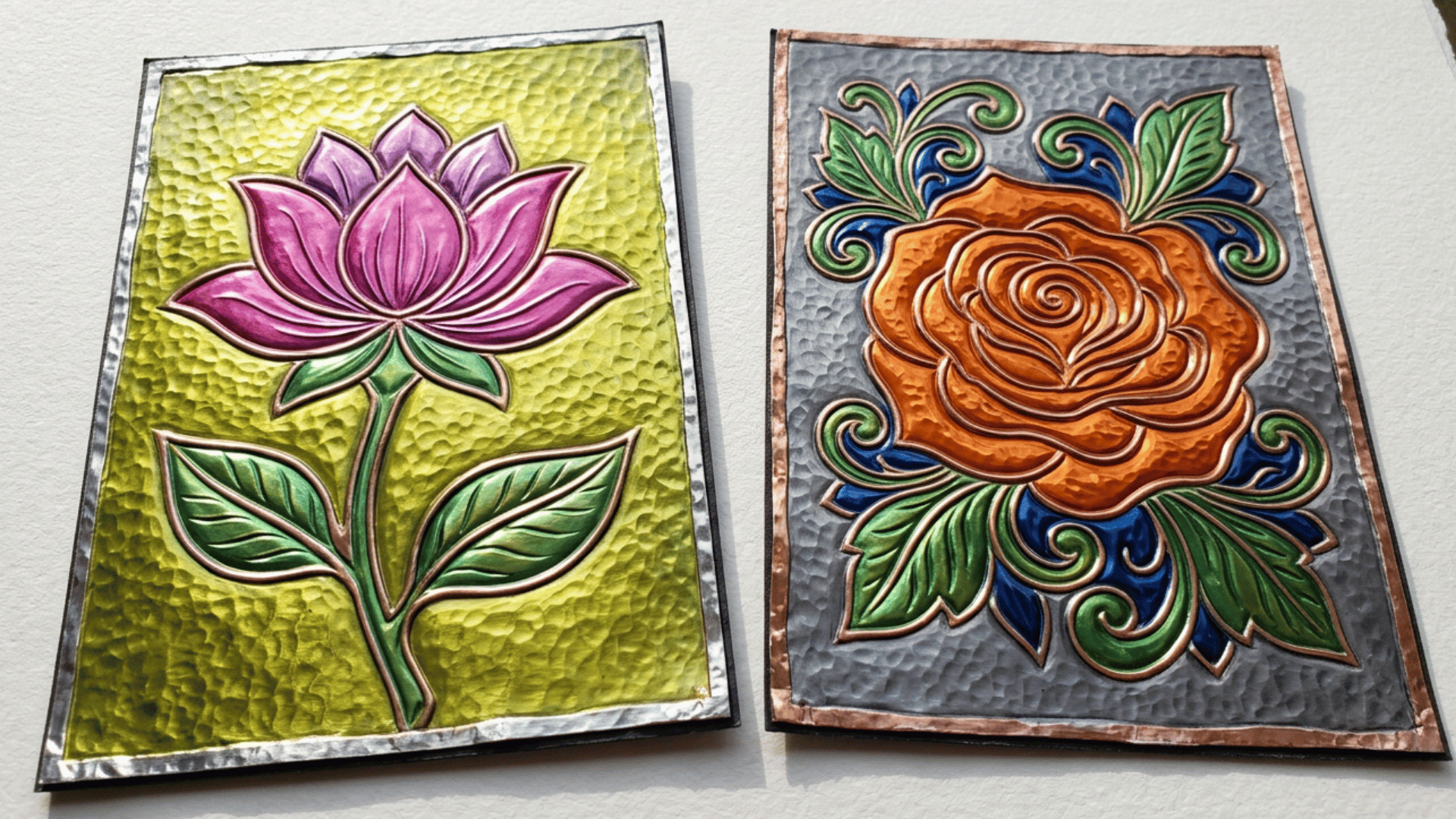
Create raised metallic designs that look decorative without using expensive materials. Simple household foil can produce artwork with a stylish, textured finish.
- What it is: Raised artwork covered with aluminum foil.
- How to do it: Wrap foil over textured cardboard and rub gently.
- Best for: Decorative panels and metallic effects.
27. Cardboard Sculpture
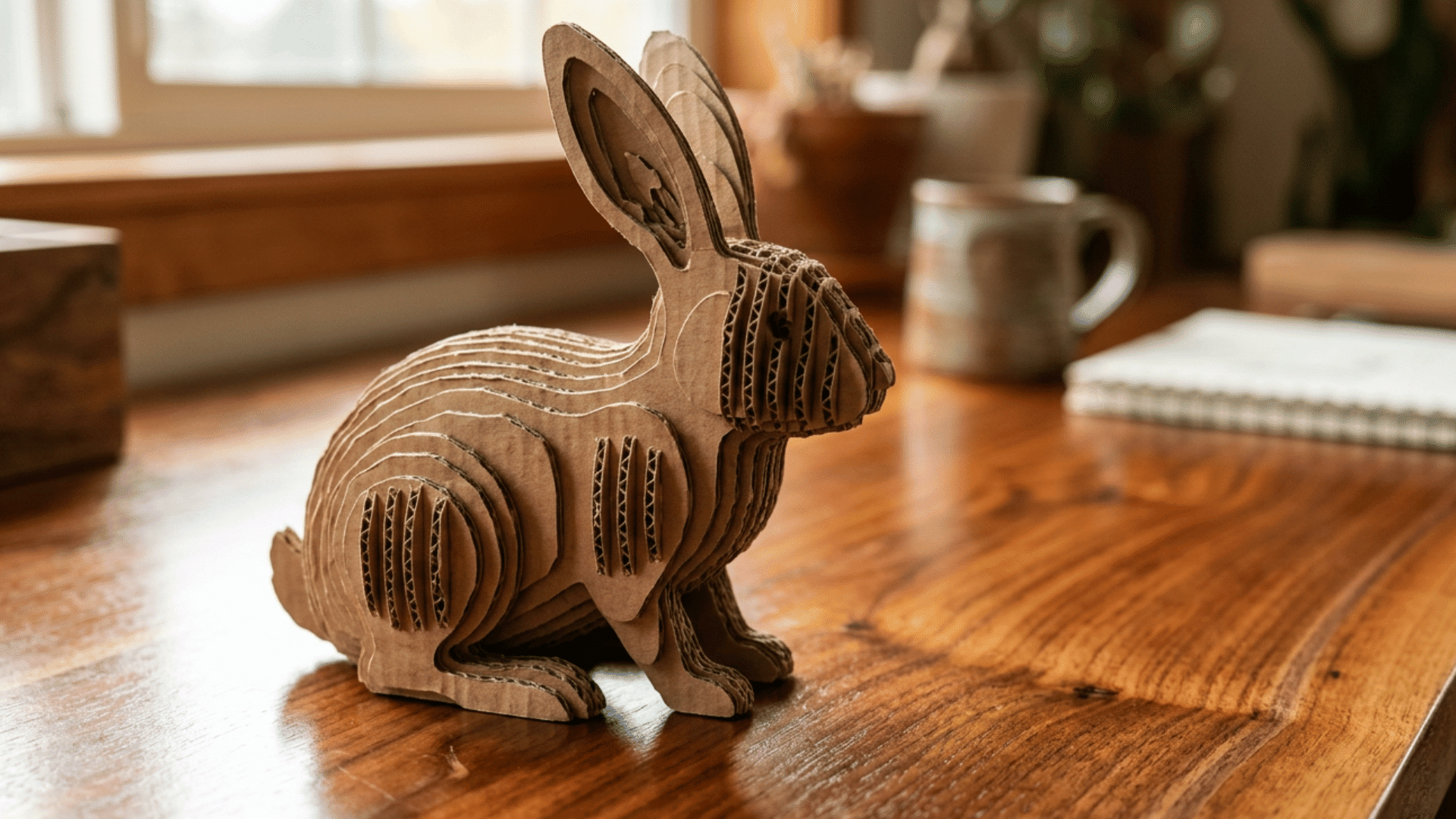
Transform leftover cardboard into creative models that stand on their own. This project encourages problem-solving while giving recycled materials a new purpose.
- What it is: Three-dimensional artwork built from cardboard pieces.
- How to do it: Cut slots into shapes and fit them together.
- Best for: Buildings, animals, and creative models.
28. Splatter Painting
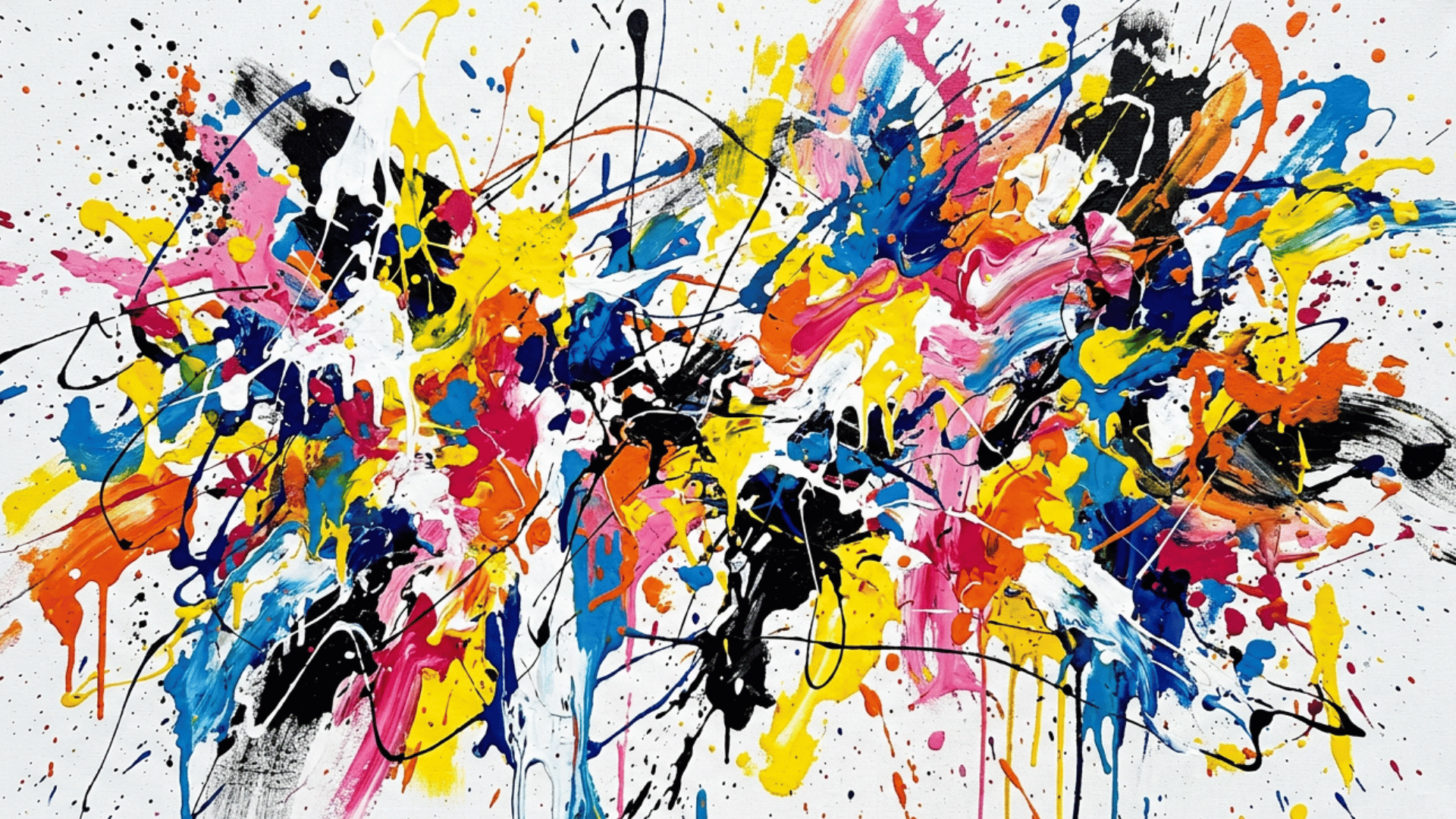
Fill your artwork with bold movement using playful paint splashes and flicks. Every layer adds energy, making abstract backgrounds quick and exciting to create.
- What it is: An expressive painting style made by flicking paint.
- How to do it: Load a brush with paint and flick it onto paper.
- Best for: Abstract art and colorful backgrounds.
29. Mandala Drawing
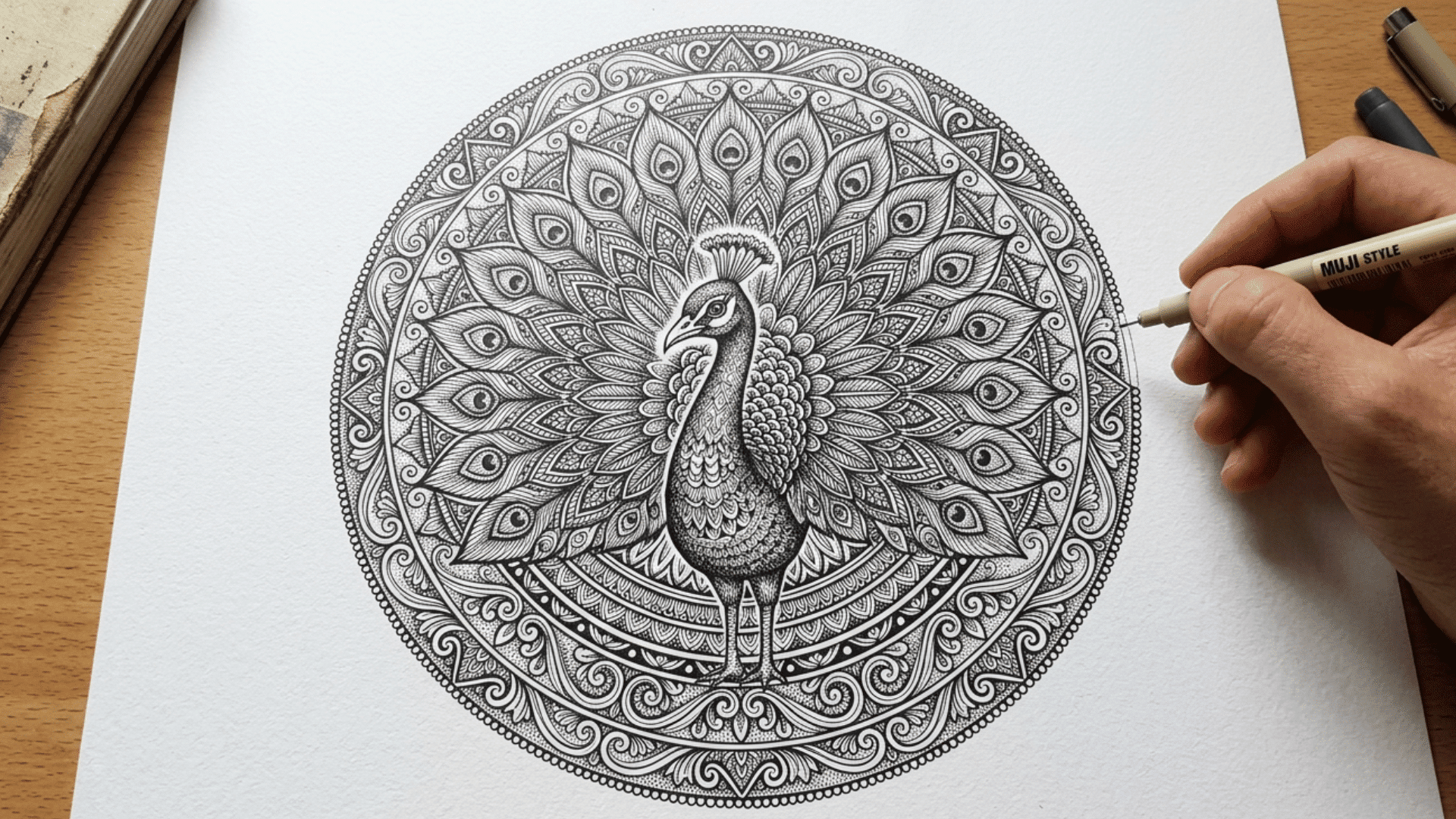
Build balanced designs one section at a time through repeated shapes and patterns. The slow, steady process makes it an enjoyable activity for quiet creative sessions.
- What it is: Circular artwork built from repeating patterns.
- How to do it: Begin at the center and work outward evenly.
- Best for: Relaxation and detailed pen drawings.
30. Wax-Resist Watercolor
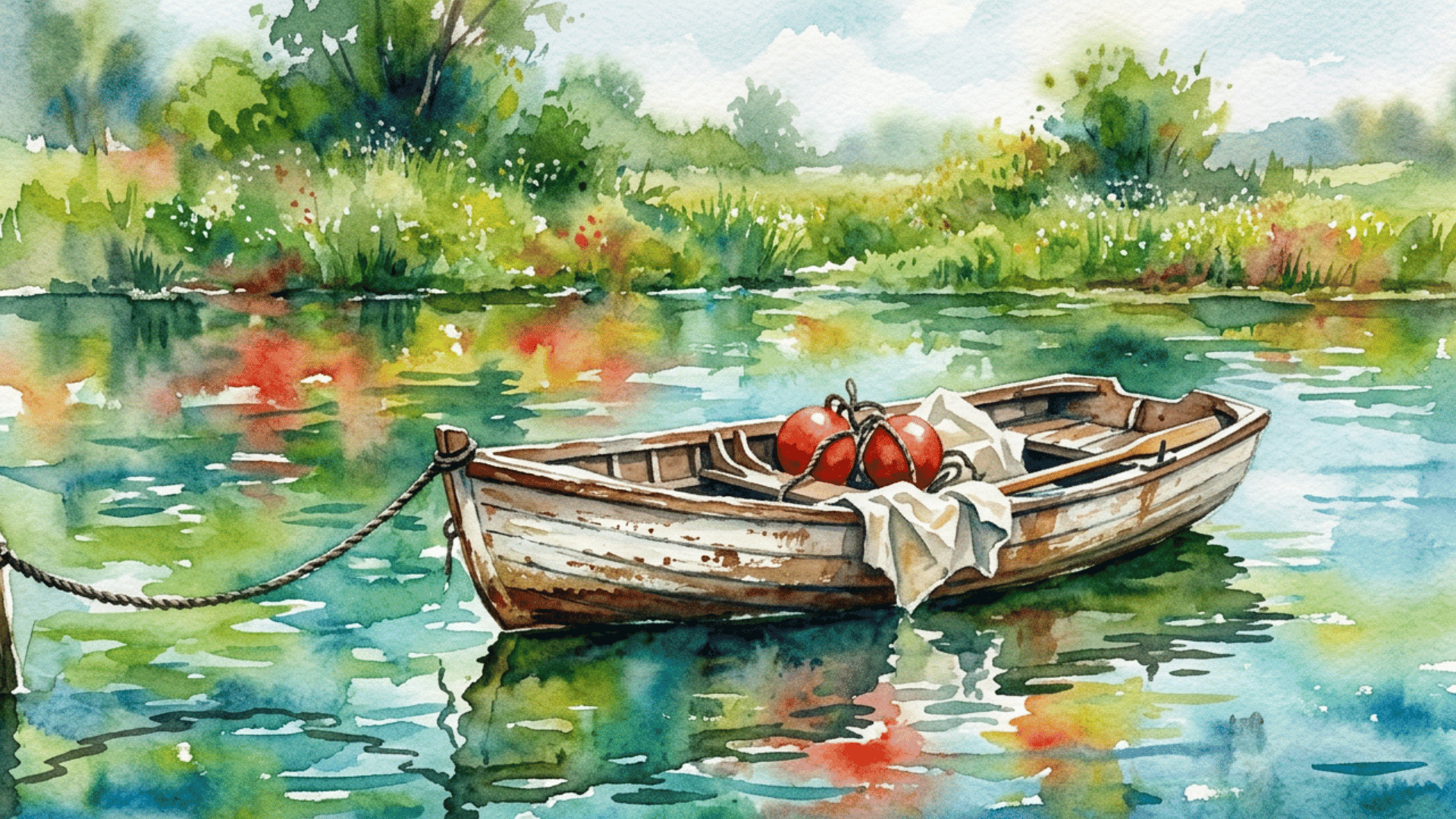
Watch hidden designs appear as watercolor flows across the surface. The surprise effect makes this technique especially enjoyable for beginners and children.
- What it is: A watercolor technique that reveals hidden wax drawings.
- How to do it: Draw with white wax before painting over it.
- Best for: Secret messages and simple illustrations.
31. Straw-Blown Ink
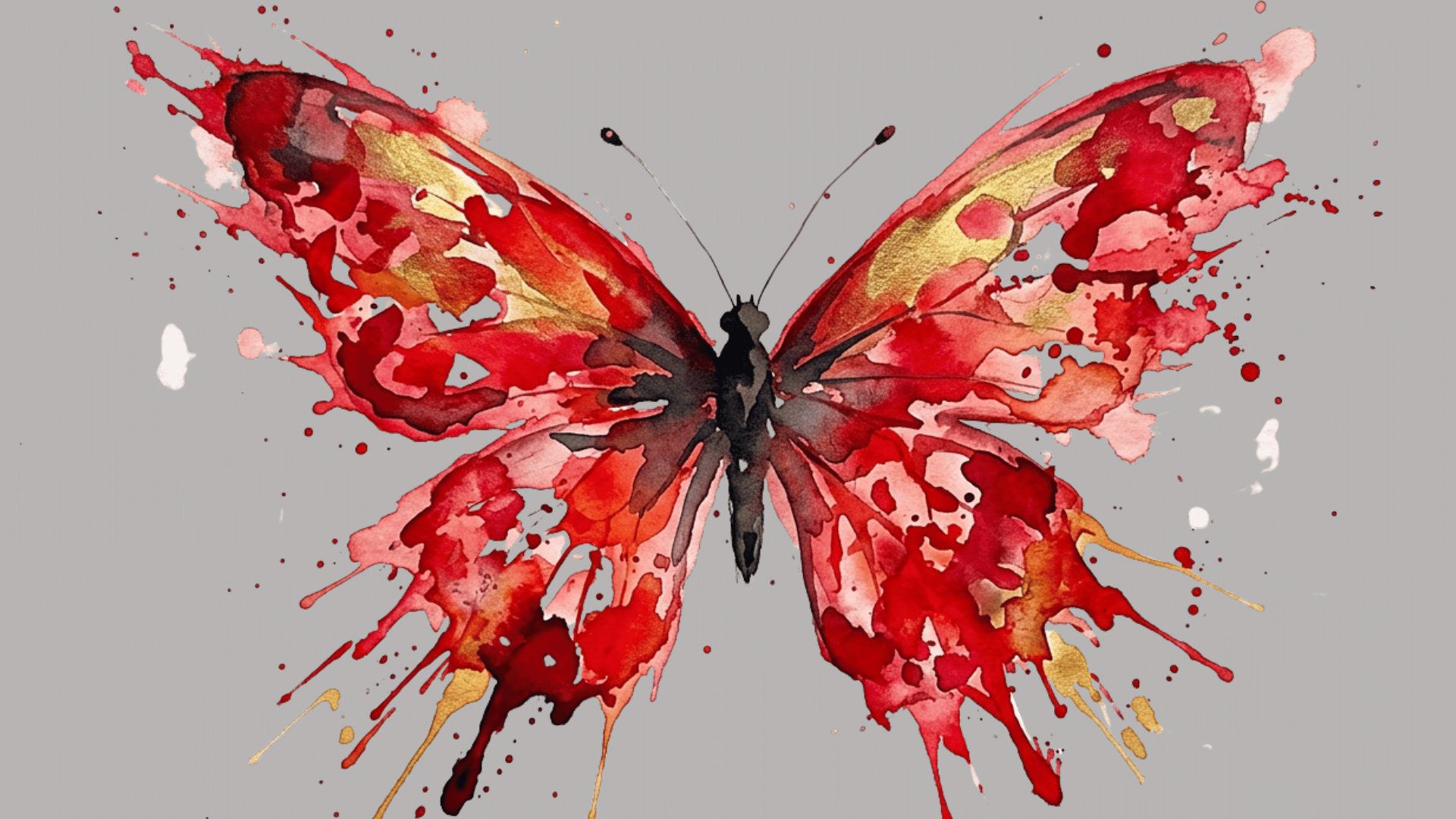
Guide flowing ink into natural shapes using a simple straw and gentle airflow. Changing the direction of your breath creates different branching effects every time.
- What it is: Artwork formed by blowing ink across paper.
- How to do it: Blow through a straw to spread wet ink.
- Best for: Trees, insects, lightning, and coral shapes.
32. Notan Paper Cutting
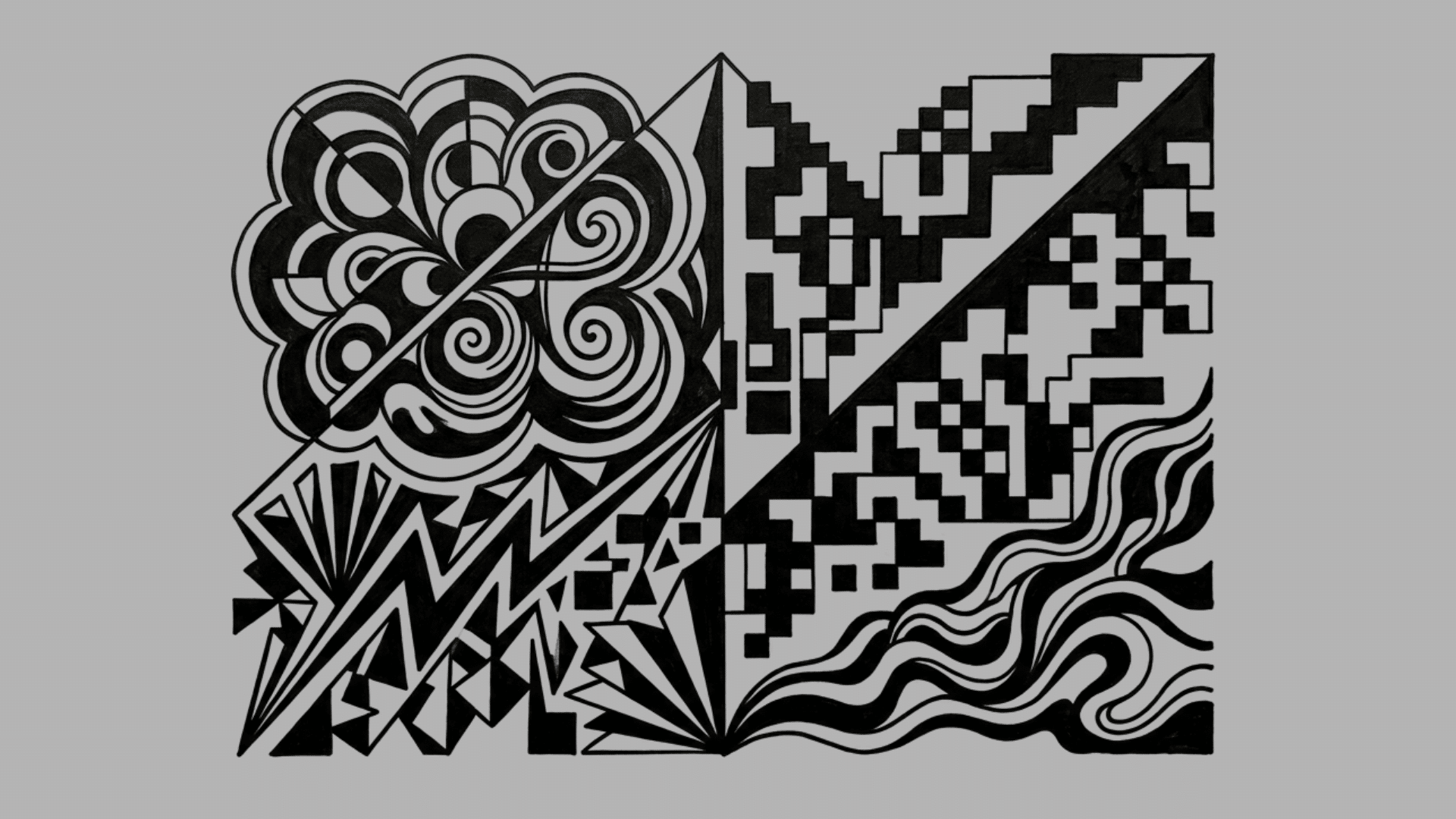
Notan is a Japanese design idea about balancing light and dark. Small changes in each cut can completely transform the finished composition.
- What it is: A paper craft that balances light and dark shapes.
- How to do it: Cut edge shapes and flip them outward symmetrically.
- Best for: Simple geometric and abstract designs.
33. Stippling Ink Art
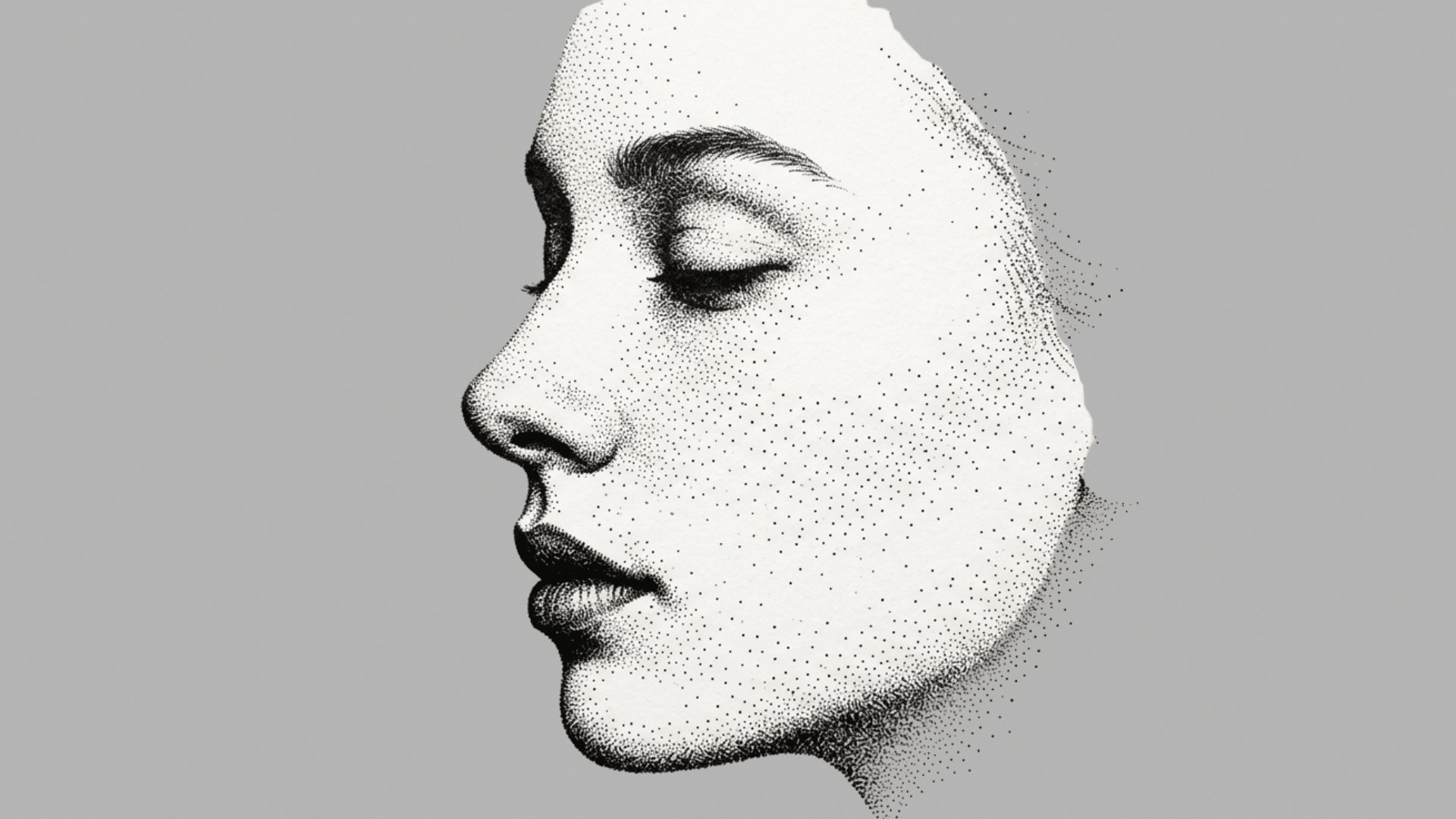
Create detailed shading one dot at a time while building patience and precision. The gradual process rewards careful work and produces impressive depth without using lines.
- What it is: Shading created entirely with tiny ink dots.
- How to do it: Place dots closer together to create darker areas.
- Best for: Portraits, still life, and detailed illustrations.
- Helpful tip: Start with small subjects to build confidence.
How Do You Pick the Right Art Idea?
Choose an art idea based on your time, cleanup, and available supplies. Quick doodles suit 10 minutes, while painting or marbling works best if you have more time.
| Idea Type | Time Needed | Mess Level |
|---|---|---|
| Mini doodles, grid doodles | 10–15 min | None |
| Washi tape, sticker mosaics | 15–30 min | None |
| Salt painting, leaf prints | 20–30 min | Low |
| Collage, paper weaving | 30–45 min | Low |
| String pull, marbling | 30–45 min | High |
| Cardboard sculpture | 45 min and up | Medium |
The Bottom Line
These easy art ideas work because they remove every excuse: no cost, no travel, no skill test. The projects above all run on supplies already in the house, and most finish in under half an hour.
Starting matters more than choosing well, since a finished salt painting today teaches more than a perfect plan for next weekend.
Pick one idea from the list, gather the supplies tonight, and make one piece before the weekend ends. Share your favorite in the comments, or tell us about your finished project.
Frequently Asked Questions
What is the Easiest Type of Art for Beginners?
Printing and pouring techniques are easiest because they don’t rely on drawing skill. Bubble wrap prints, sponge painting, and salt watercolor all produce strong results on the first try, making them the best place to start.
What Art Can I Make with Only a Pencil and Paper?
One-line drawings, grid doodles, blind contours, shading studies, and Zentangle patterns all need just those two supplies. That covers weeks of practice.
Which Easy Art Ideas are Best for Reducing Stress?
Repetitive, low-pressure projects work best. Zentangle doodles, mandala drawing, and stippling use simple repeated patterns that calm the mind, since there’s no “wrong” result to worry about.
Can I Make Art if I Can’t Draw?
Yes. Collage, marbling, tape-resist painting, leaf printing, and sticker mosaics require no drawing skills. Half the projects in this list skip drawing completely.