


Some days with your two-year-old feel like pure magic, and others feel like a marathon before breakfast. One minute you’re getting kisses, the next you’re chasing tiny feet across the room.
I get it, keeping a toddler happy without turning into a full-time entertainer isn’t easy. But you don’t need a playroom full of toys or a packed calendar to make it work.
A little creativity, a few household items, and you’re set for hours of fun. So if you’re hunting for fresh, easy activities for 2-year-olds, you’ll find plenty below.
Can 2-Year-Olds Do Physical Activities?
Yes, 2-year-olds can and should take part in age-appropriate physical activity as part of their daily routine. At this age, movement helps support healthy growth, coordination, balance, and confidence.
The focus should be on active play rather than structured exercise programs. Children between 1 and 2 years are encouraged to stay physically active in different ways throughout the day. (NIH)
Parents should choose safe options that match their child’s abilities and always supervise movement-based play.
Fun Activities for 2-Year-Olds
Simple creative activities at home using everyday items can keep them engaged while supporting early development. Trust me, these activities fit easily into a regular day at home:
Educational Activities for 2-Year-Olds at Home
Learning at age two can happen naturally through everyday play. These educational activities for 2-year-olds at home use simple items while building useful early skills:
1. Match Pairs of Socks
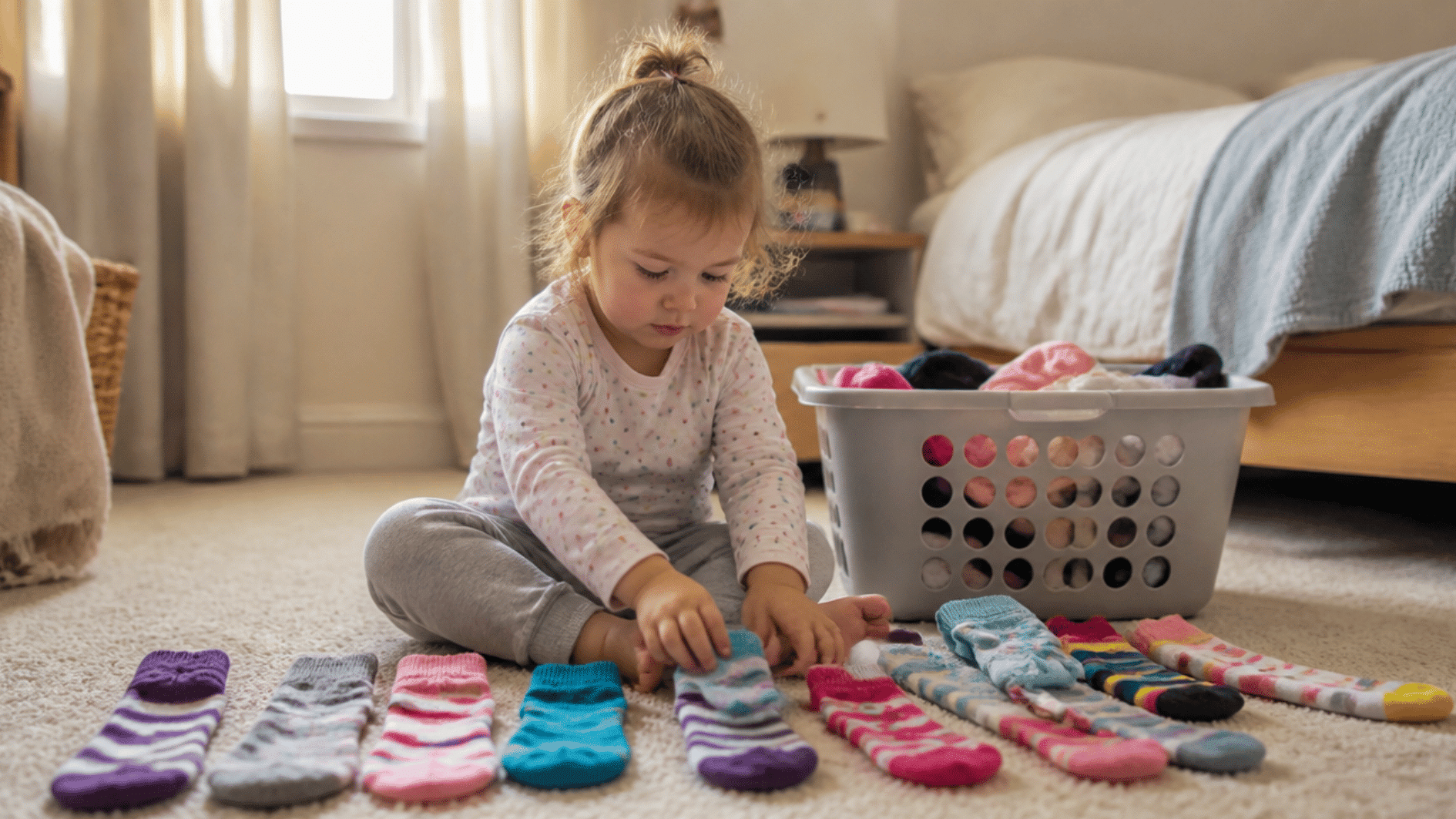
A laundry pile can double as a quick lesson in comparison and observation. Toddlers enjoy hunting through ordinary household items for a pair that goes together.
No extra supplies are needed to get this game going:
- Mix clean socks together and let your toddler find matching pairs.
- Start with socks that have clear color or pattern differences.
- Use words like big, small, striped, and plain during play.
- Encourage your child to place matched socks into a basket.
- Focus on matching rather than teaching folding skills.
Tip: I’d focus on finding matches rather than teaching them how to fold socks.
2. Name and Find Body Parts
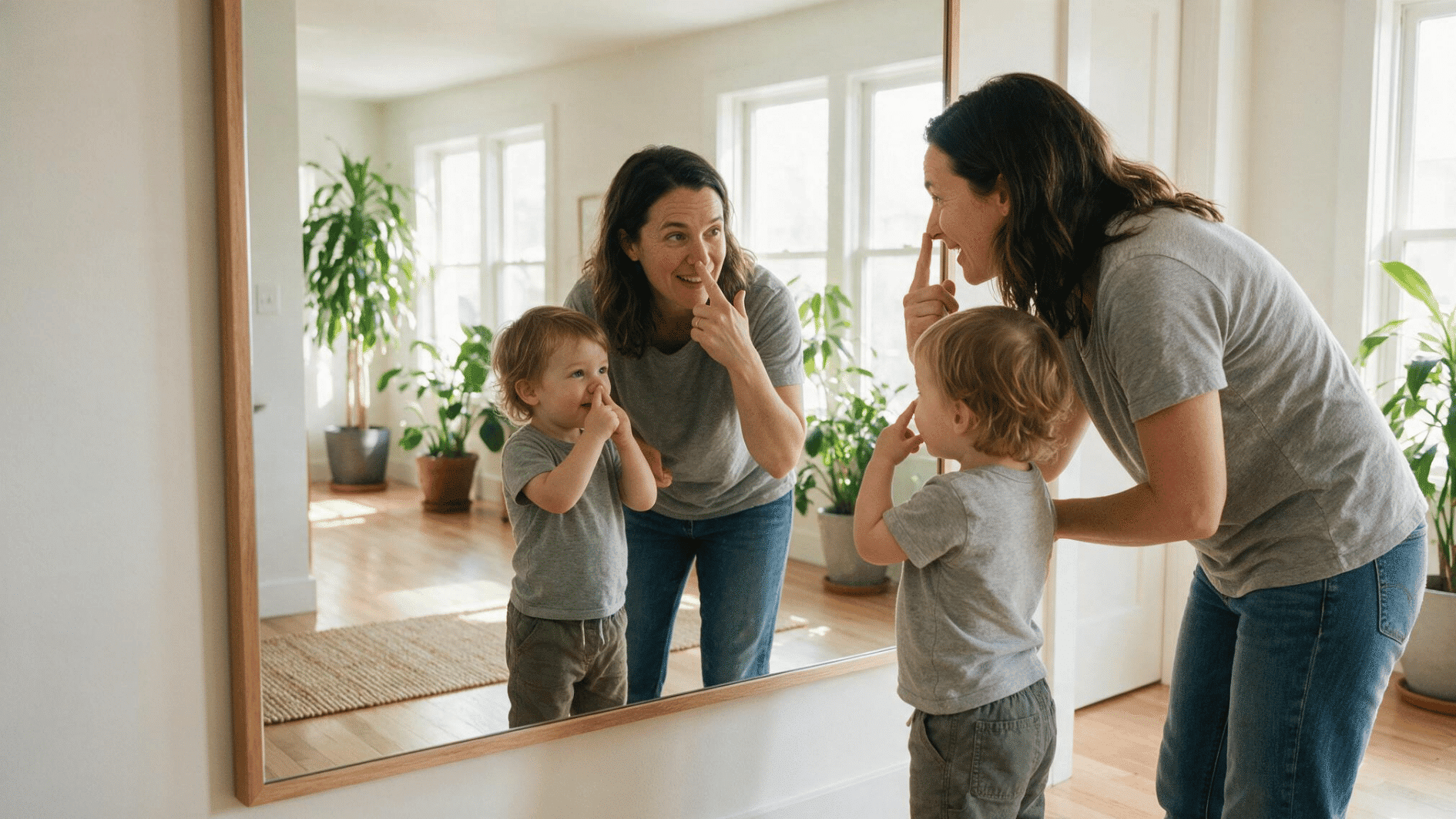
Little ones love pointing at things, and their own body offers an endless target. This game builds vocabulary while strengthening the bond between parent and child through eye contact and touch.
A few playful prompts are all it takes.
- Ask simple questions like “Where is your nose?” during play.
- Point to your own body to help your toddler understand.
- Begin with familiar parts like hands, feet, eyes, and ears.
- Add actions like clapping, stomping, or wiggling fingers.
- Use a mirror or doll to make the activity more interactive.
Tip: I prefer to use a mirror or a favorite doll to practice naming body parts in a different and playful way.
3. Sort Toys by Color
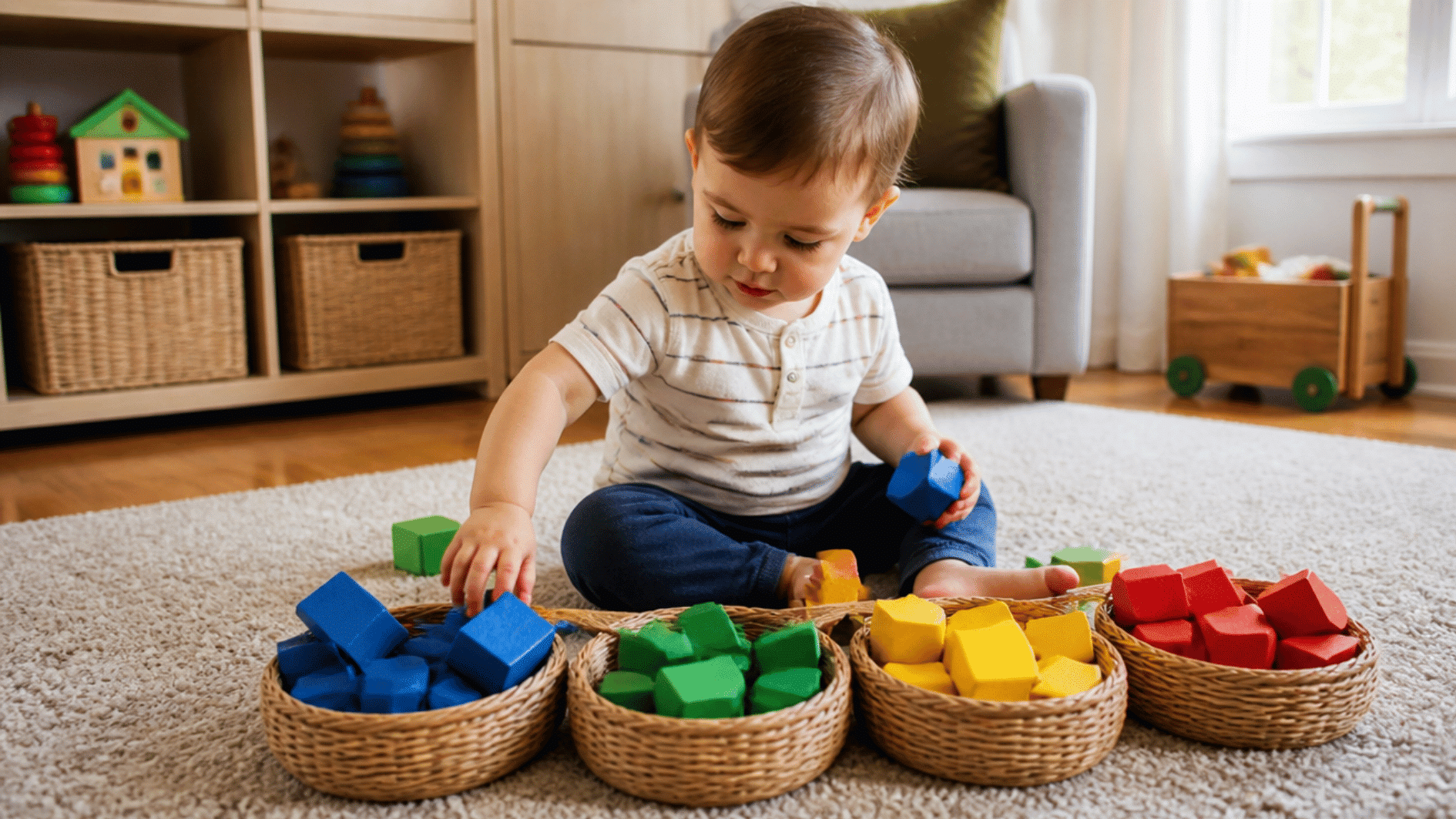
Grouping objects by a shared trait is one of the earliest thinking skills toddlers develop. Everyday playthings work just as well as flashcards for practicing this. The setup takes only a minute.
- Gather blocks or toys with different colors for sorting.
- Start with only two colors to keep the activity simple.
- Use bowls or baskets for separate color groups.
- Say each color name while your toddler sorts.
- Add more colors once your child understands the activity.
Tip: I’d introduce more colors once your toddler understands the basic idea.
4. Find Objects in Picture Books
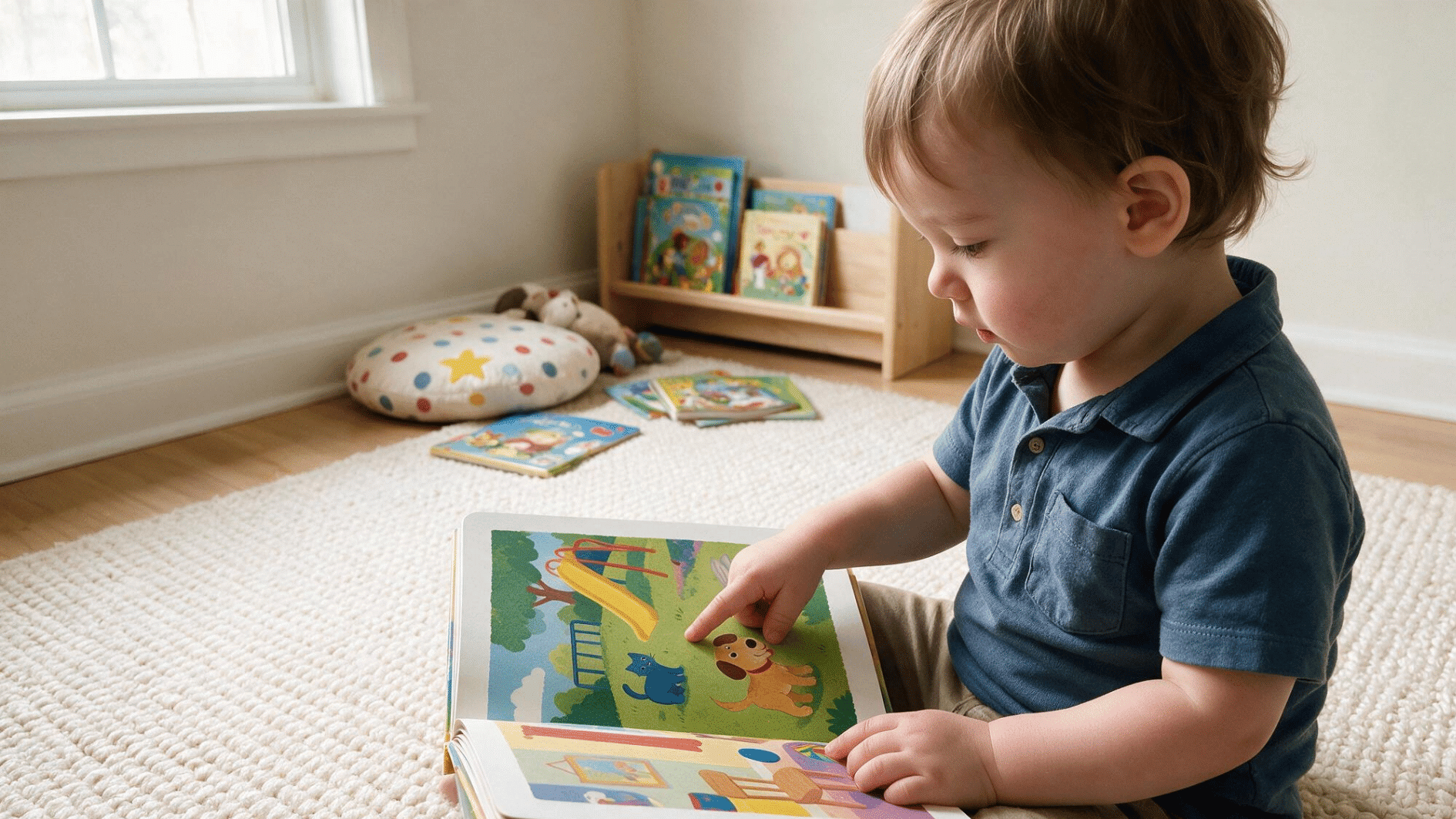
Storytime becomes an interactive search when you ask a child to spot something on the page. This turns passive listening into active looking and naming. Grab any favorite title from the shelf to try it.
- Choose a familiar picture book with clear images.
- Ask your toddler to point out animals, objects, or foods.
- Use simple questions like “Where is the dog?”
- Add animal sounds to make the game more playful.
- Let your child choose books they enjoy.
Tip: I’d spend more time talking about a few interesting pages rather than trying to finish the book.
5. Stack and Count Blocks or Cups
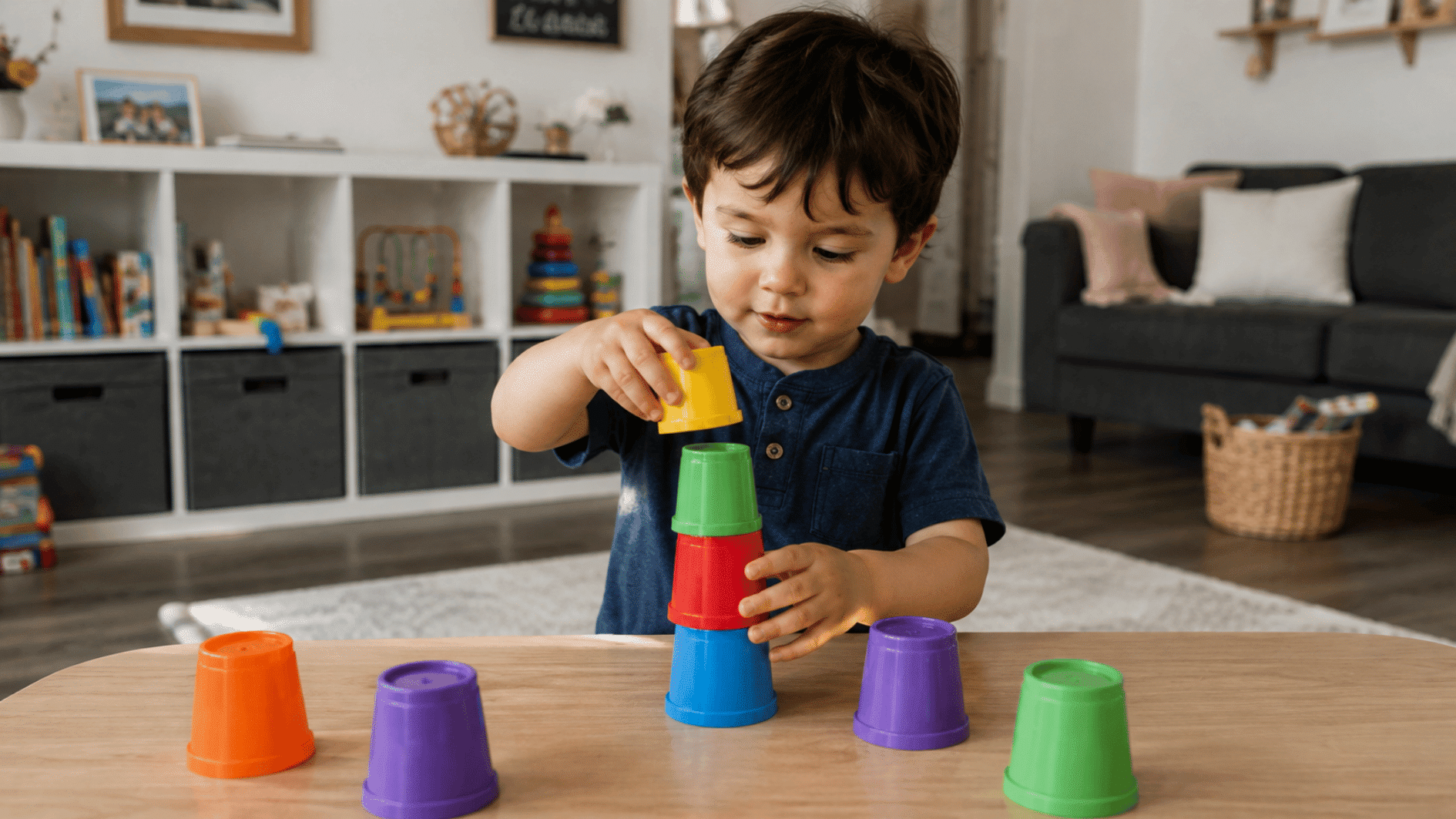
Building upward gives toddlers an early sense of size, balance, and quantity. Watching a tower rise and topple is often as satisfying as building it. Any stackable item lying around the house works fine.
- Build towers while counting each piece aloud.
- Introduce words like tall, short, more, and less.
- Compare two towers to see which one is higher.
- Let your toddler knock down and rebuild structures.
- Keep counting playful, rather than focusing on accuracy.
Tip: Keep counting casual rather than expecting your toddler to remember the correct number order.
Sensory Activities for 2-Year-Olds
Sensory play gives toddlers a hands-on way to find textures, colors, and movement. These activities use simple materials and require little preparation:
6. Scoop and Pour Water
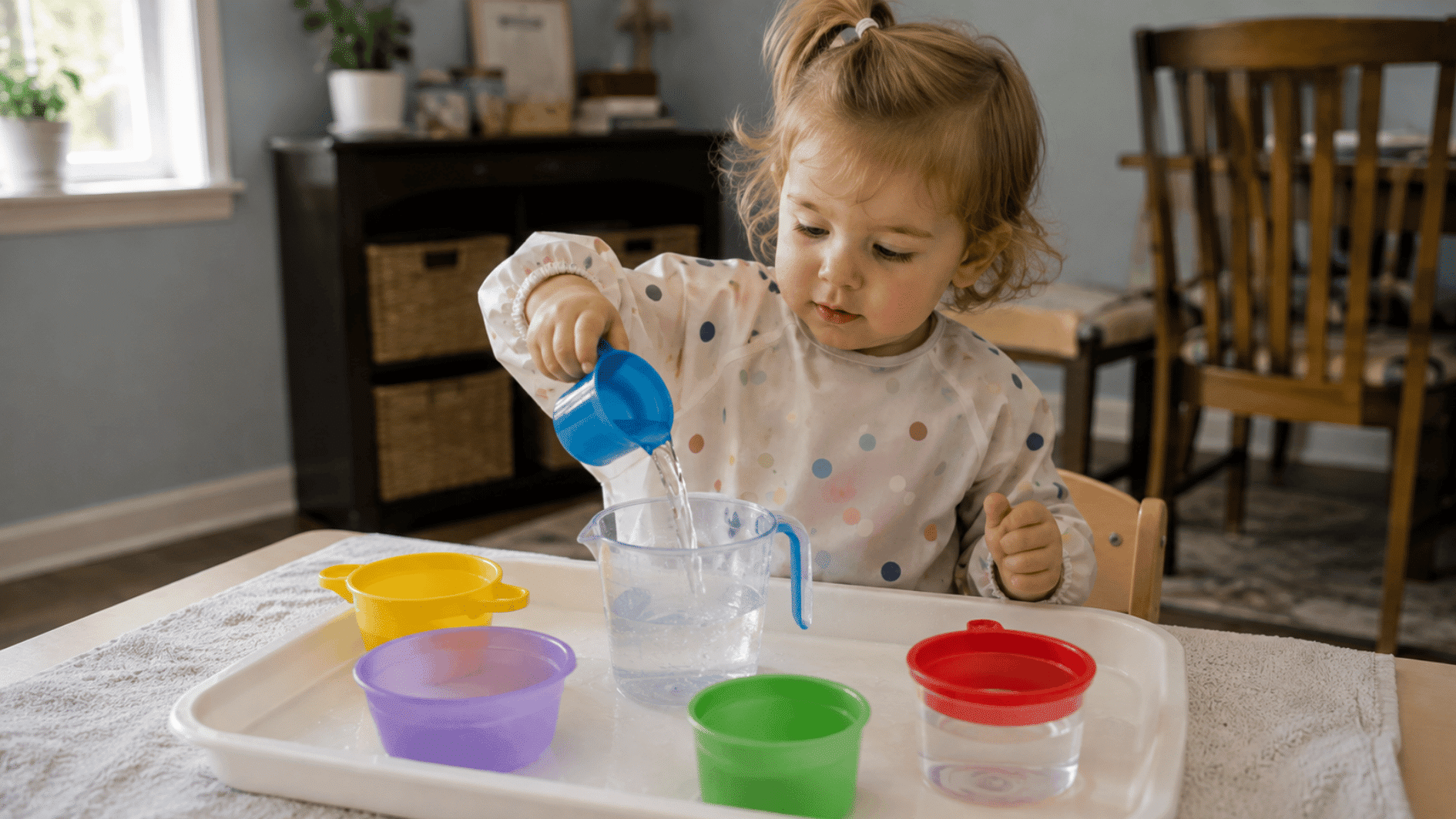
There’s something calming about moving liquid from one place to another, and toddlers rarely tire of it. This activity works well on a warm afternoon or right before bath time. A single tray is enough to set the scene.
- Fill a shallow container with water and add cups or spoons.
- Let your toddler transfer water between different containers.
- Place a towel underneath for easier cleanup.
- Introduce words like full, empty, more, and less.
- Stay close while your toddler plays with water.
Tip: I’d always stay within arm’s reach when a 2-year-old is playing with water.
7. Squish and Shape Play Dough
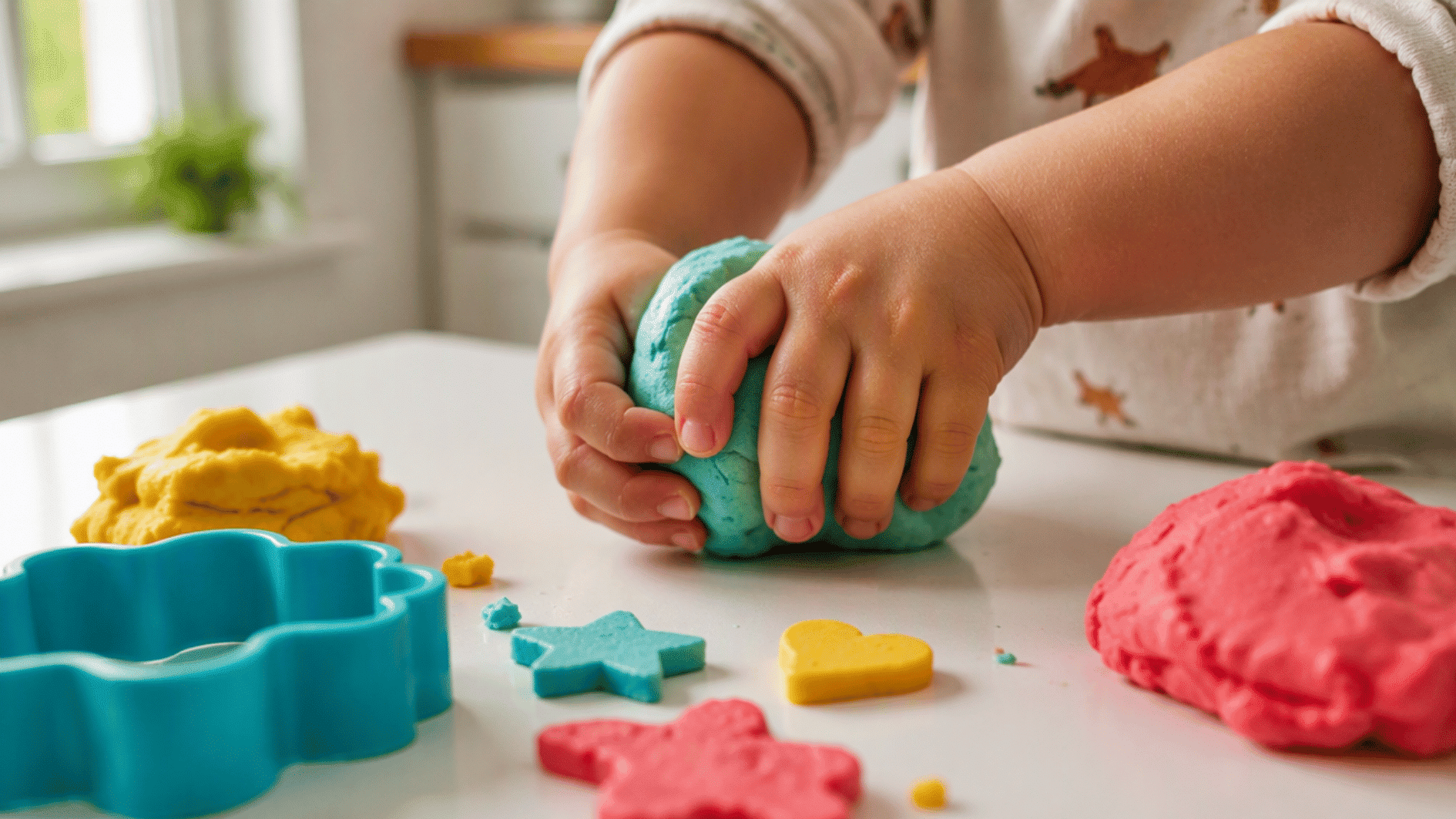
Squeezing and molding a soft material gives little hands a workout while sparking creativity. It’s messy in the best way, with almost no rules to follow.
- Offer soft play dough for squeezing, rolling, and pressing.
- Add simple tools like plastic cups or large cutters.
- Encourage making balls, lines, and flat shapes.
- Use safe objects to create patterns in the dough.
- Start with a small amount to keep cleanup simple.
Tip: Start with a small amount of play dough and a few simple tools to keep the activity easy to manage.
8. Paint With Fingers or Sponges
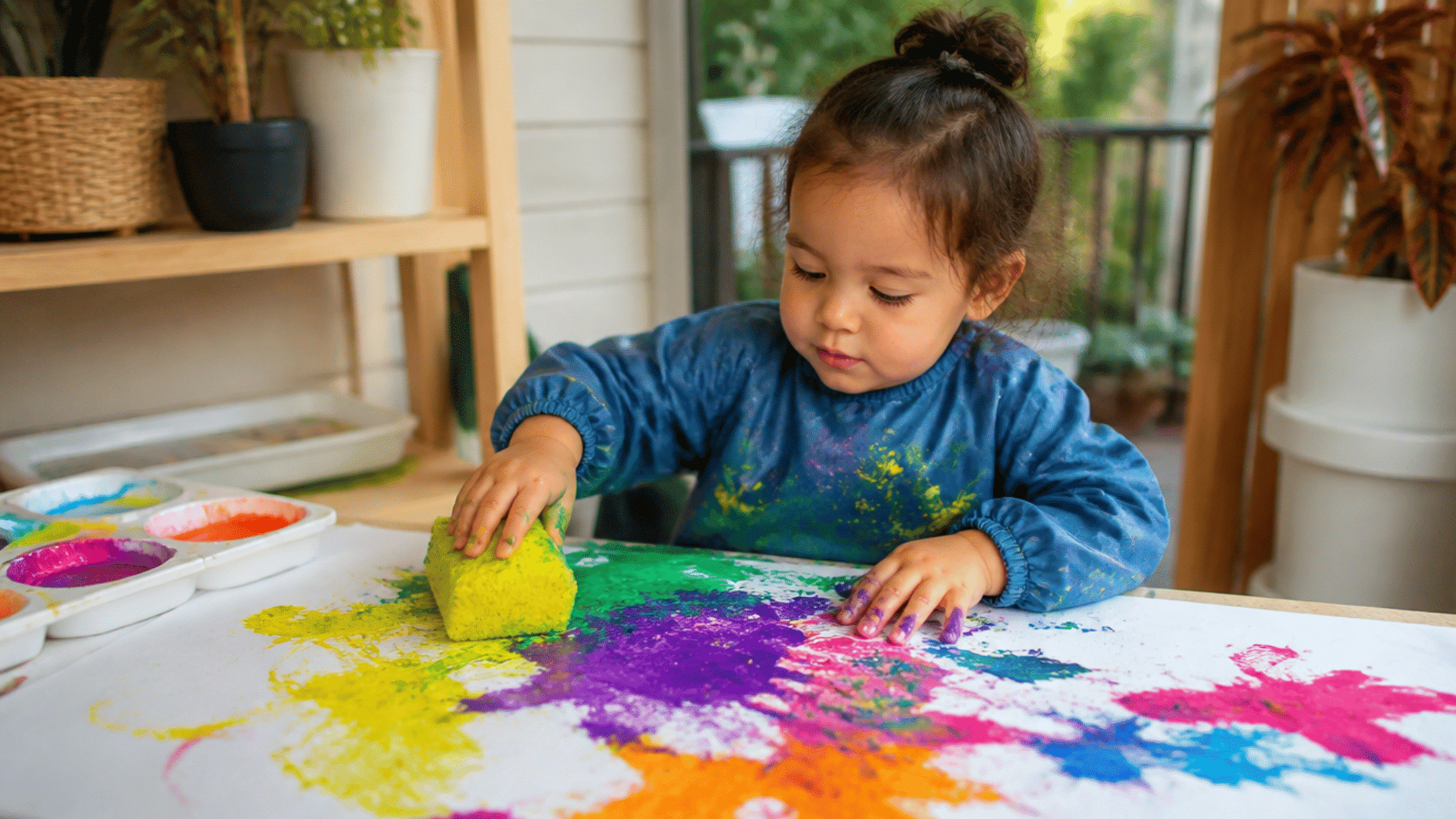
Nothing beats the joy on a toddler’s face the first time their handprint appears on paper. These easy painting ideas need no drawing skill, just curiosity.
- Use washable child-safe paint on large paper.
- Let your toddler create dots, lines, and prints.
- Name colors while your child experiments.
- Mix two colors to show simple changes.
- Begin with only a few colors to avoid overwhelm.
Tip: I’d offer only two or three colors at first to keep the setup simple.
9. Wash Toy Animals or Cars
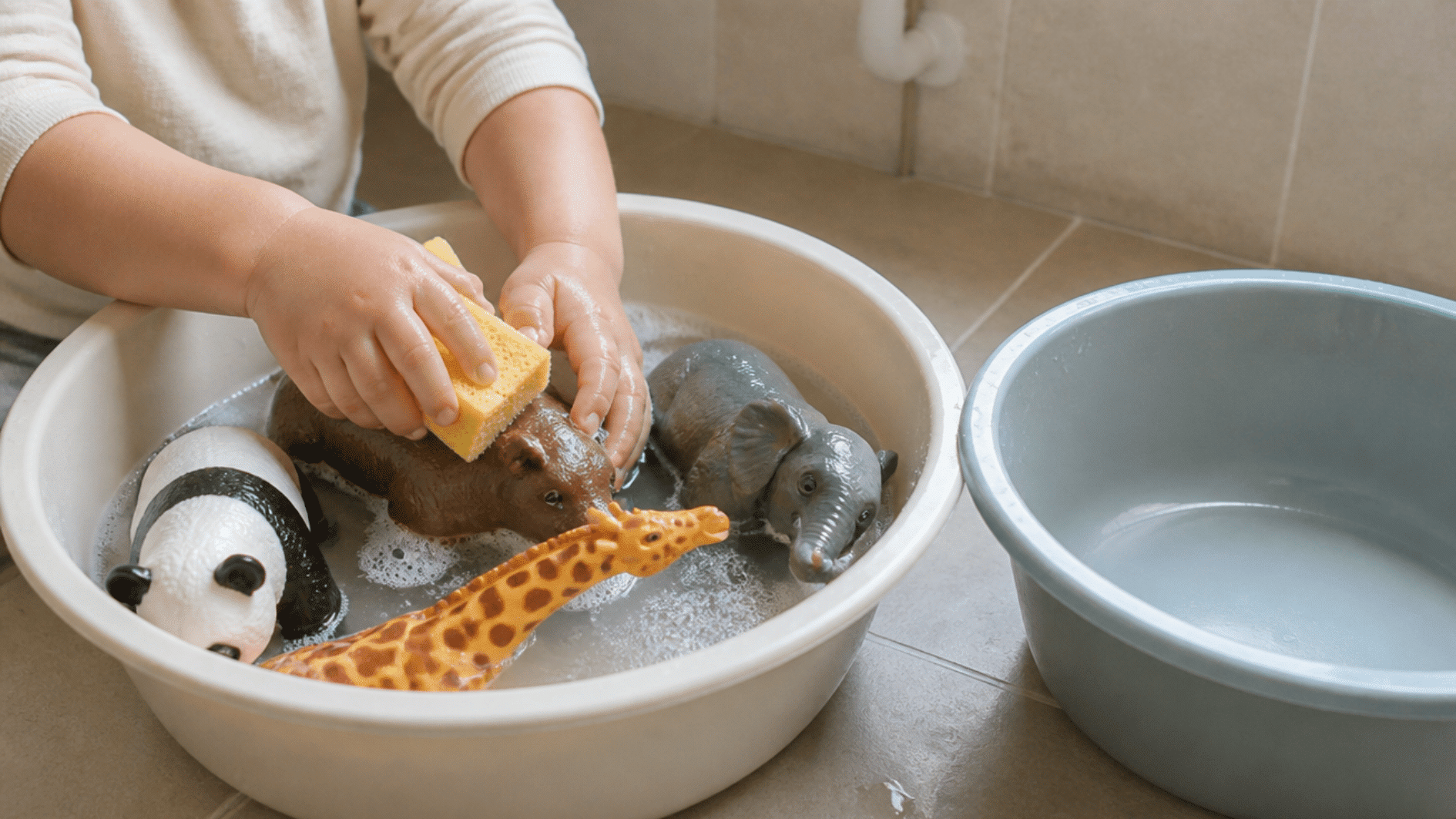
Bath time isn’t the only place suds can appear. Giving favorite figures a scrub combines pretend chores with sensory fun in one bowl. It also doubles as an easy way to tidy up dusty toys.
- Place washable toys in a shallow container of water.
- Provide a sponge or cloth for cleaning.
- Practice words like wet, dry, clean, and dirty.
- Add a separate bowl for rinsing toys.
- Choose toys without small removable parts.
Tip: Choose solid, washable toys without small removable parts or openings that can trap water.
10. Toddler-Safe Texture Basket
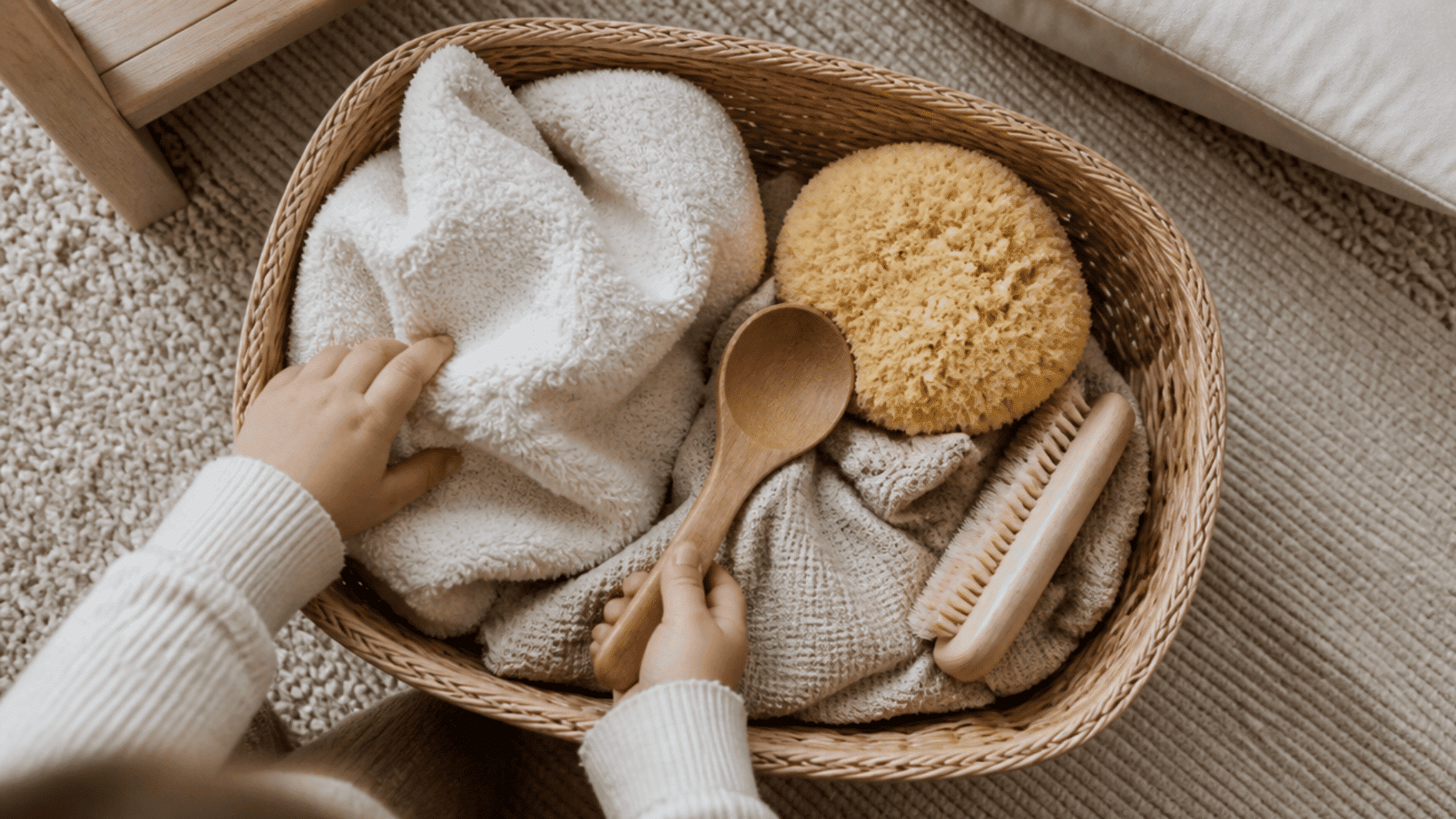
Curiosity often starts at the fingertips, and toddlers love comparing how different surfaces feel. This is a low-mess way to introduce descriptive language early.
- Fill a basket with safe objects that feel different.
- Include items like washcloths, sponges, or wooden spoons.
- Compare textures using words like soft and rough.
- Ask your toddler which items feel similar.
- Check every item for safety before play.
Tip: Check every item for loose pieces, sharp edges, or other hazards before putting it in the basket.
Indoor Physical Activities for 2-Year-Olds
Indoor movement helps toddlers use energy when outdoor play is not possible. These activities encourage coordination and active play while fitting into smaller home spaces:
11. Make a Pillow Obstacle Course
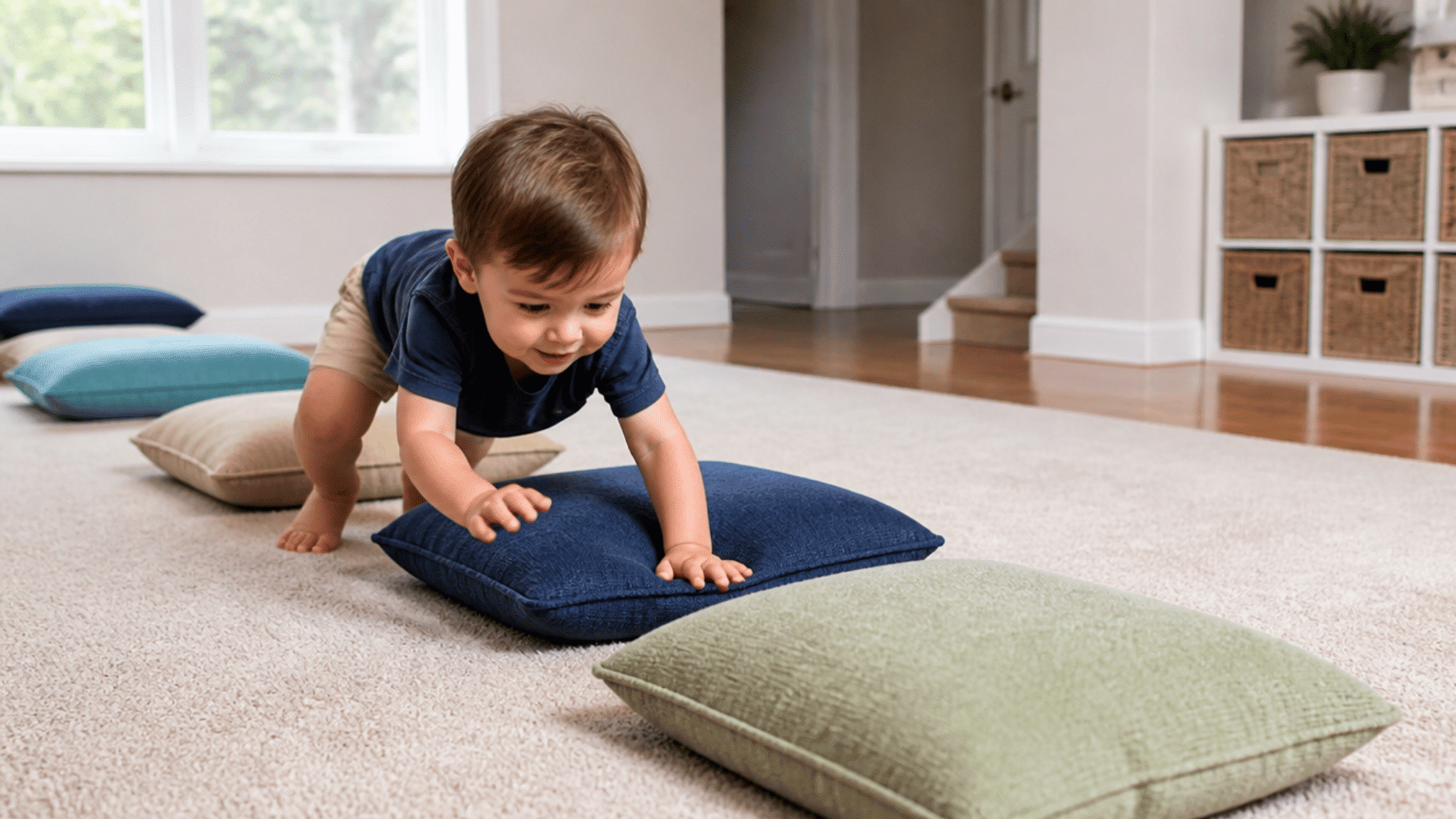
A rainy afternoon is the perfect excuse to turn your toddler playroom space into an adventure zone. Climbing over and around soft shapes builds balance through active play. Cushions from around the house are all that’s required.
- Arrange pillows and cushions into a simple movement path.
- Encourage crawling, stepping, and moving around obstacles.
- Keep the setup low and away from furniture.
- Show your toddler how to move through the course.
- Change the layout to create a new challenge.
Tip: I’d avoid slippery cushions or anything high enough to encourage unsafe climbing.
12. Play Freeze Dance
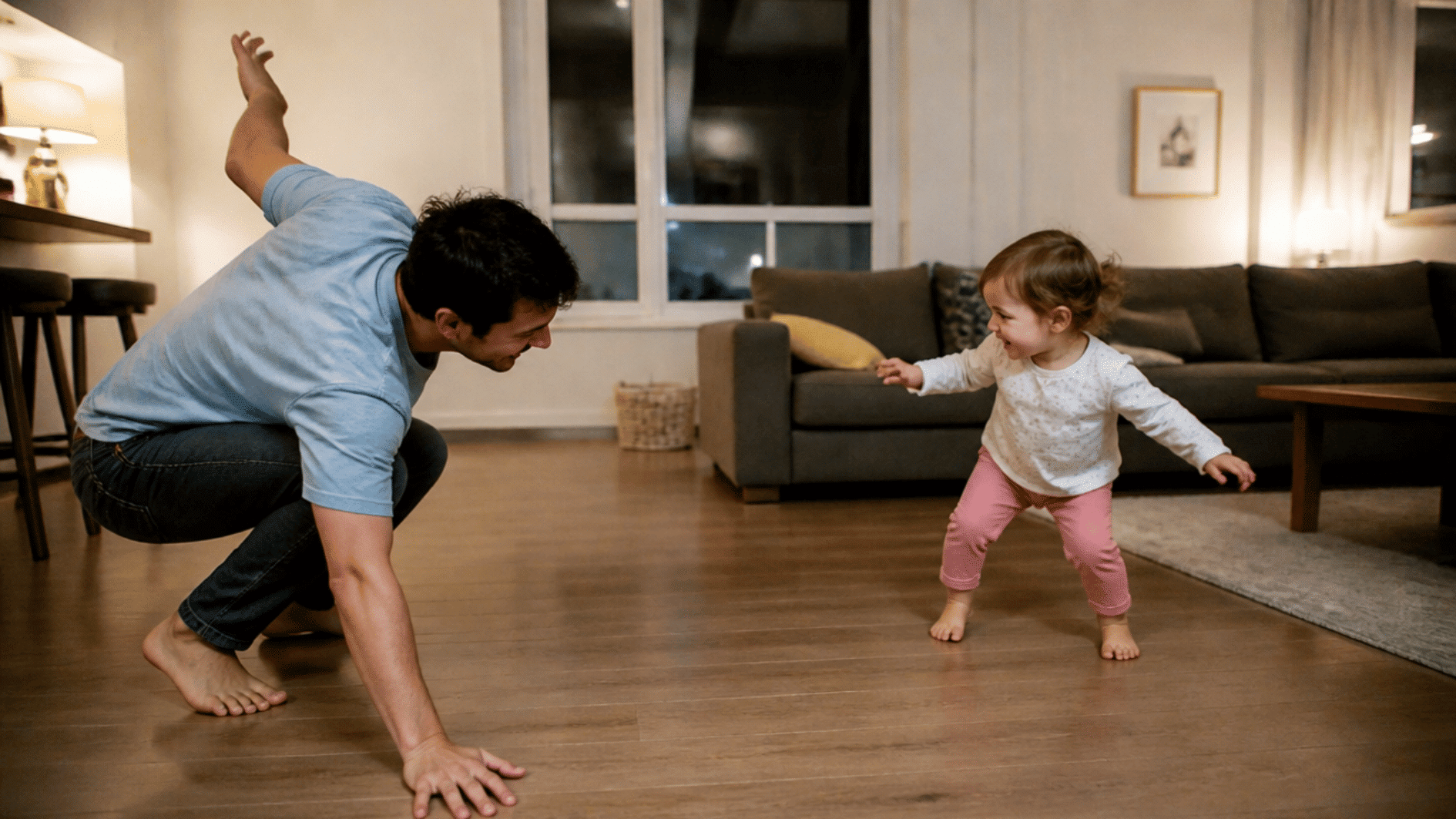
Music instantly gets little feet moving, and pausing it adds a fun twist of self-control. This game blends rhythm, listening skills, and giggles in equal measure. All you need is a phone or speaker to start.
- Play music and dance together around the room.
- Pause the song and encourage your toddler to stop.
- Try movements like marching, clapping, and spinning.
- Let your child choose actions for you to copy.
- Keep pauses short as you introduce the game.
Tip: Keep the music pauses short at first so your toddler can understand the stop-and-start pattern without losing interest.
13. Walk Along a Painter’s Tape Line
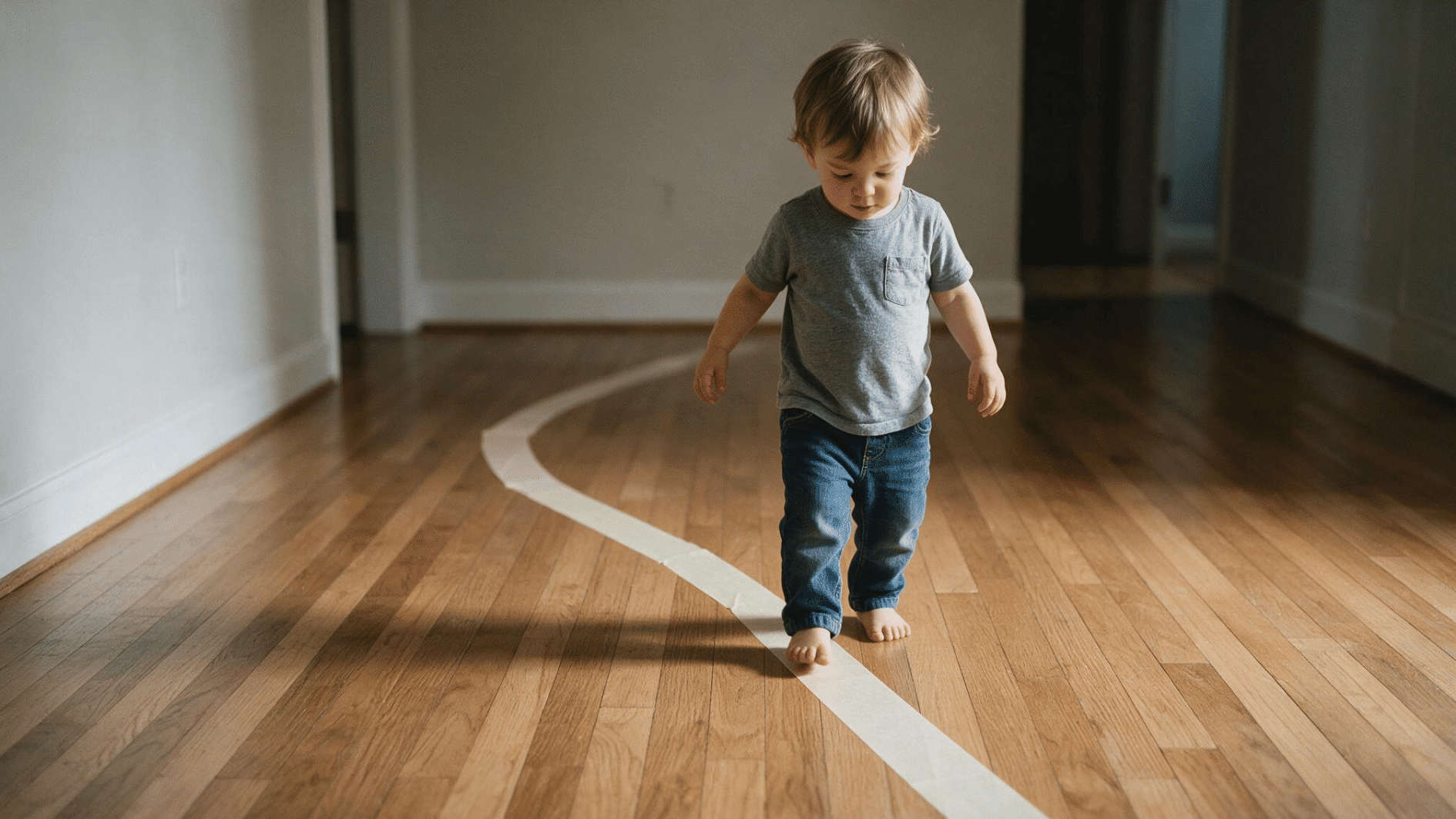
Balance and focus get a workout when a toddler tries to stay on a narrow path. It’s a simple idea that turns any bare floor into a mini balance beam. All it takes is a roll of tape.
- Create a simple line on the floor with painter’s tape.
- Encourage your toddler to walk from one end to another.
- Try slow steps, big steps, or tiny steps.
- Add clear starting and ending points.
- Check that the tape works safely on your floor.
Tip: Begin with a short, straight line before trying curves, turns, or different walking patterns.
14. Copy Different Animal Movements

Pretending to be a favorite creature gets a toddler’s whole body moving in new ways. Hopping, stomping, and crawling build strength while keeping things silly. No equipment is needed beyond a little imagination.
- Choose familiar animals and copy how they move.
- Try stomping like an elephant or hopping like a bunny.
- Add animal sounds to make the game more fun.
- Switch between slow and fast movements.
- Let your toddler pick the next animal.
Tip: Choose animals your toddler already knows, then introduce new ones as they become comfortable with the game.
15. Roll, Throw, and Chase a Soft Ball
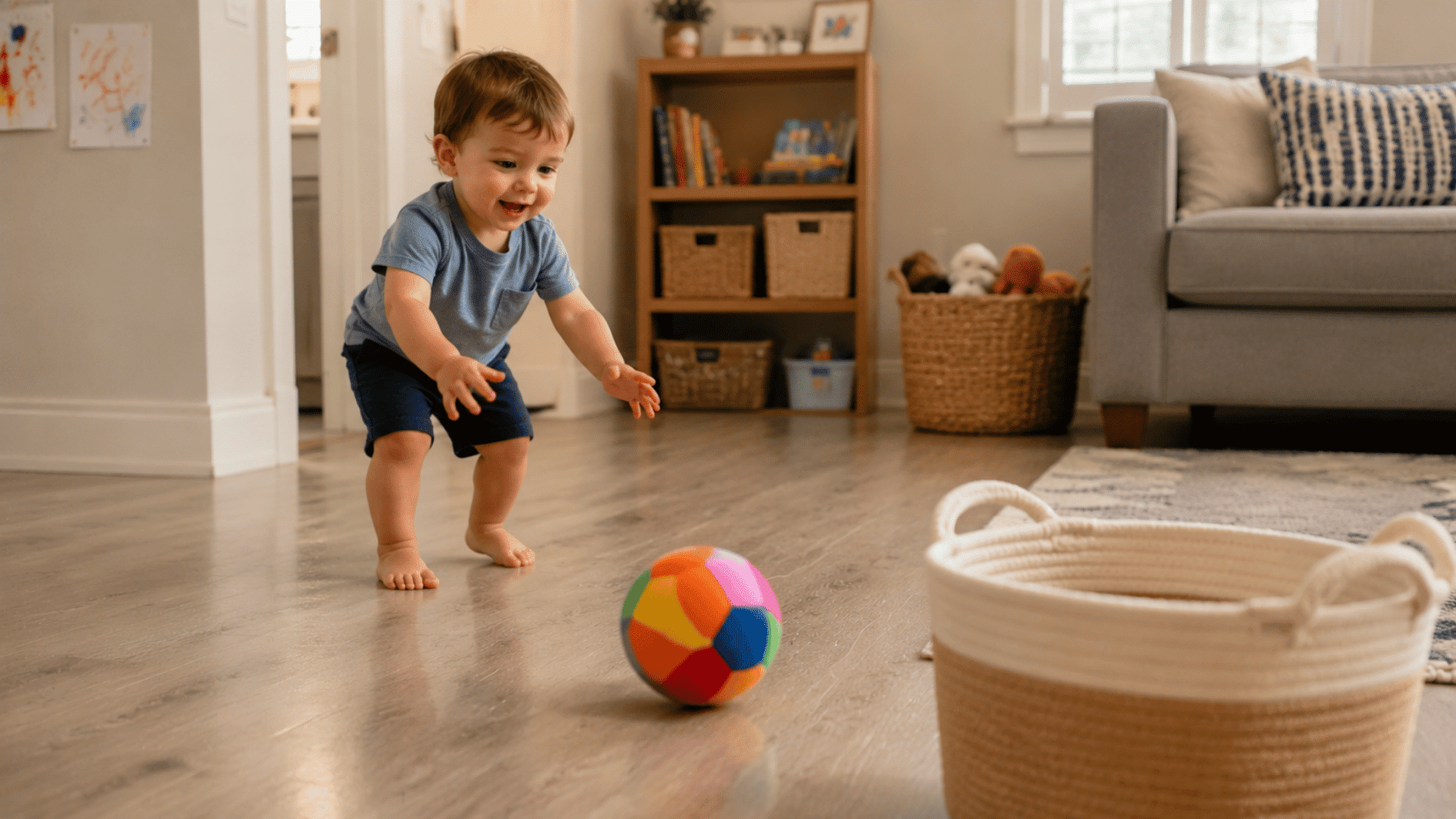
A little bit of catch goes a long way for building coordination at this age. Chasing something that bounces or rolls away keeps energy levels high indoors.
- Use a soft ball for safe indoor movement.
- Roll it back and forth with your toddler.
- Add a basket as a simple target.
- Change the distance to keep the game interesting.
- Clear breakable items before starting.
Tip: I’d focus on movement and participation rather than expecting accurate throws or catches.
Creative and Pretend Play Activities for 2-Year-Olds
Creative and pretend games allow toddlers to copy everyday situations and experiment with their own ideas. You often need only familiar household objects to get started.
16. Turn a Cardboard Box Into a Play Space
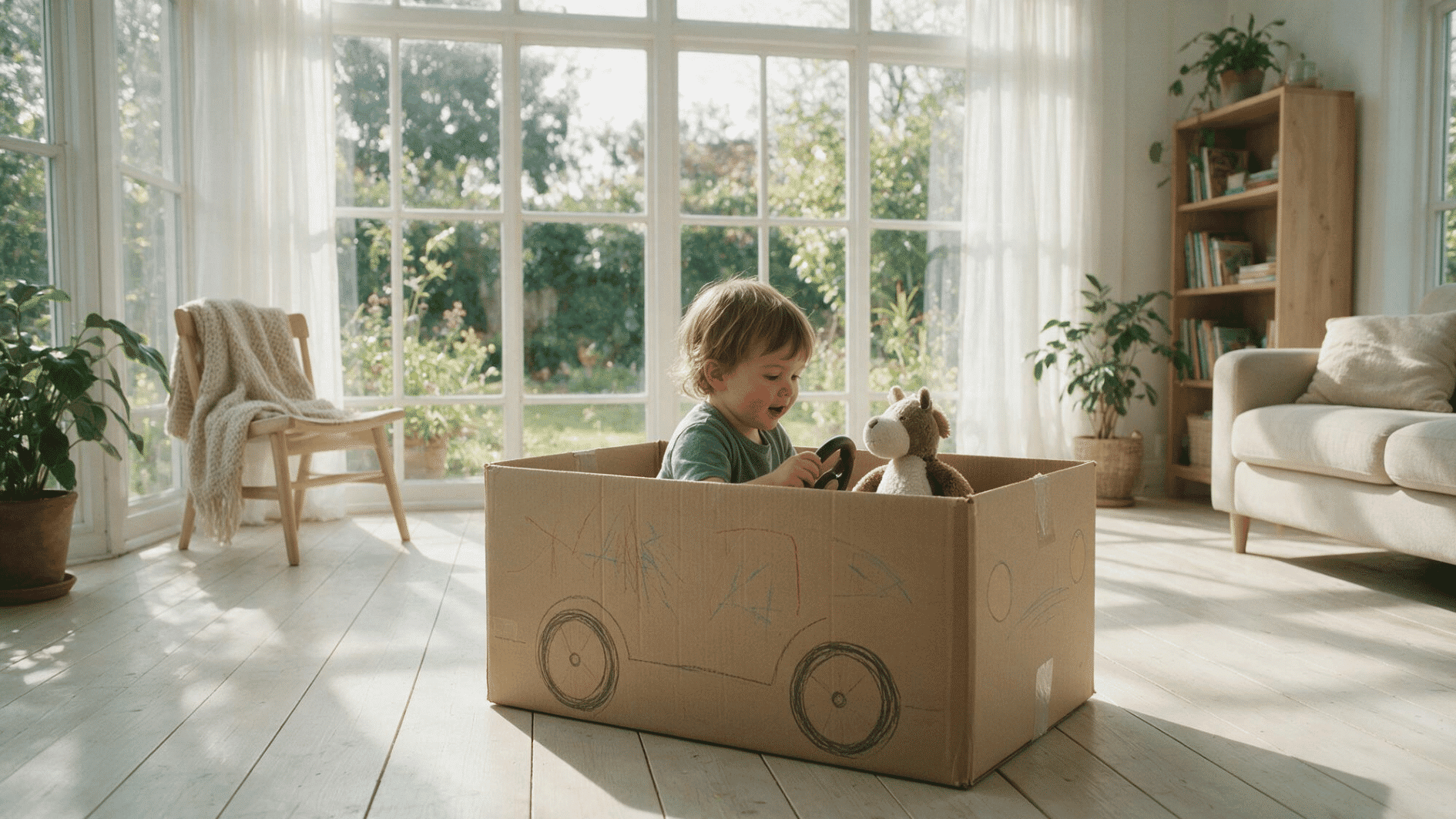
An empty delivery box holds more potential than most store-bought toys. Left to their own devices, toddlers often reimagine it as a vehicle, a den, or a shop.
- Use a clean, sturdy box for creative play.
- Let your toddler decide if it becomes a car, house, or shop.
- Add chunky crayons for decorating.
- Include stuffed animals or favorite toys.
- Remove damaged cardboard and loose tape first.
Tip: I’d remove staples, loose tape, and damaged pieces of cardboard before play begins.
17. Have a Teddy Bear Tea Party
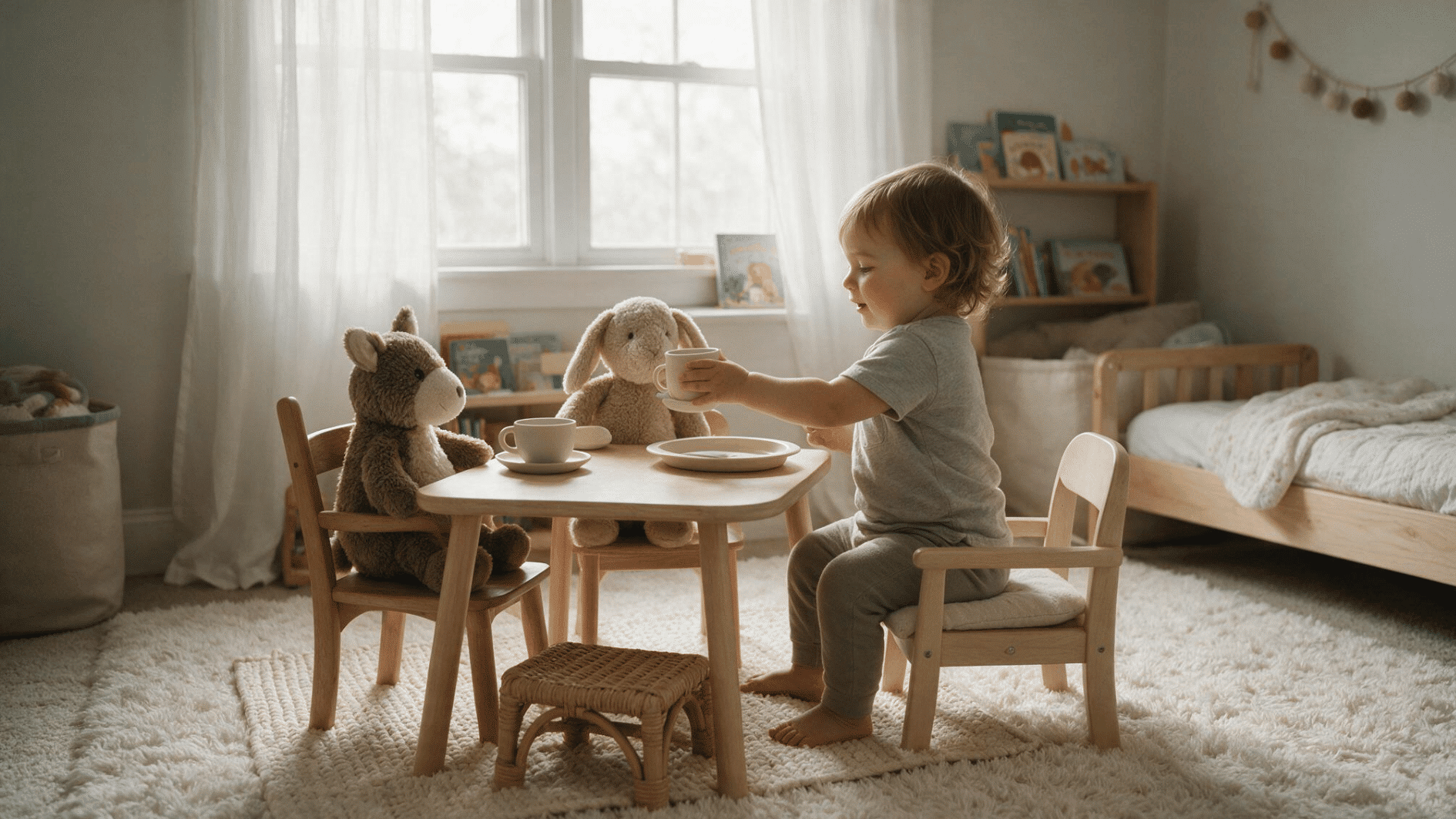
Feeding a favorite stuffed friend gives toddlers a chance to practice caring for someone else. It’s a gentle way to build early social language and imagination.
- Arrange stuffed animals with pretend cups and plates.
- Let your toddler serve food or drinks.
- Encourage simple pretend conversations.
- Ask questions about what toys want to eat.
- Follow your child’s ideas during the game.
Tip: I’d let your toddler lead the game, even if their tea party doesn’t follow the usual routine.
18. Make Toy Car Roads With Painter’s Tape
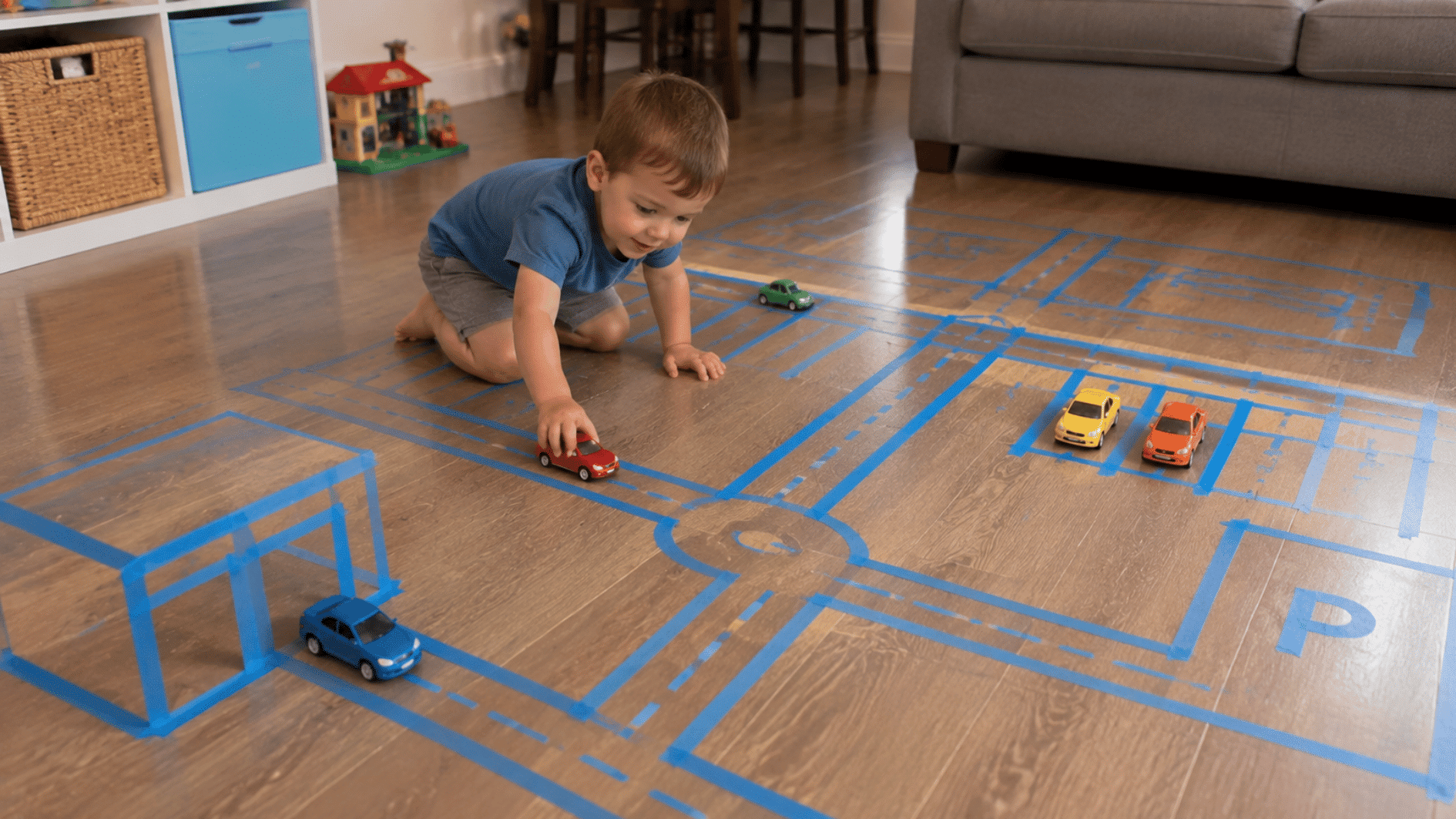
Vehicles need somewhere to go, and a floor can quickly become a miniature town. This activity blends pretend play with direction and speed concepts. A roll of tape and a few small cars bring it to life.
- Create simple roads on the floor with tape.
- Add turns, parking spaces, or small garages.
- Encourage your toddler to drive cars along the paths.
- Practice words like stop, go, fast, and slow.
- Start with simple designs before adding details.
Tip: Start with one or two simple roads and add turns or parking spots only when your toddler wants more.
19. Pretend to Cook With Safe Kitchen Items’
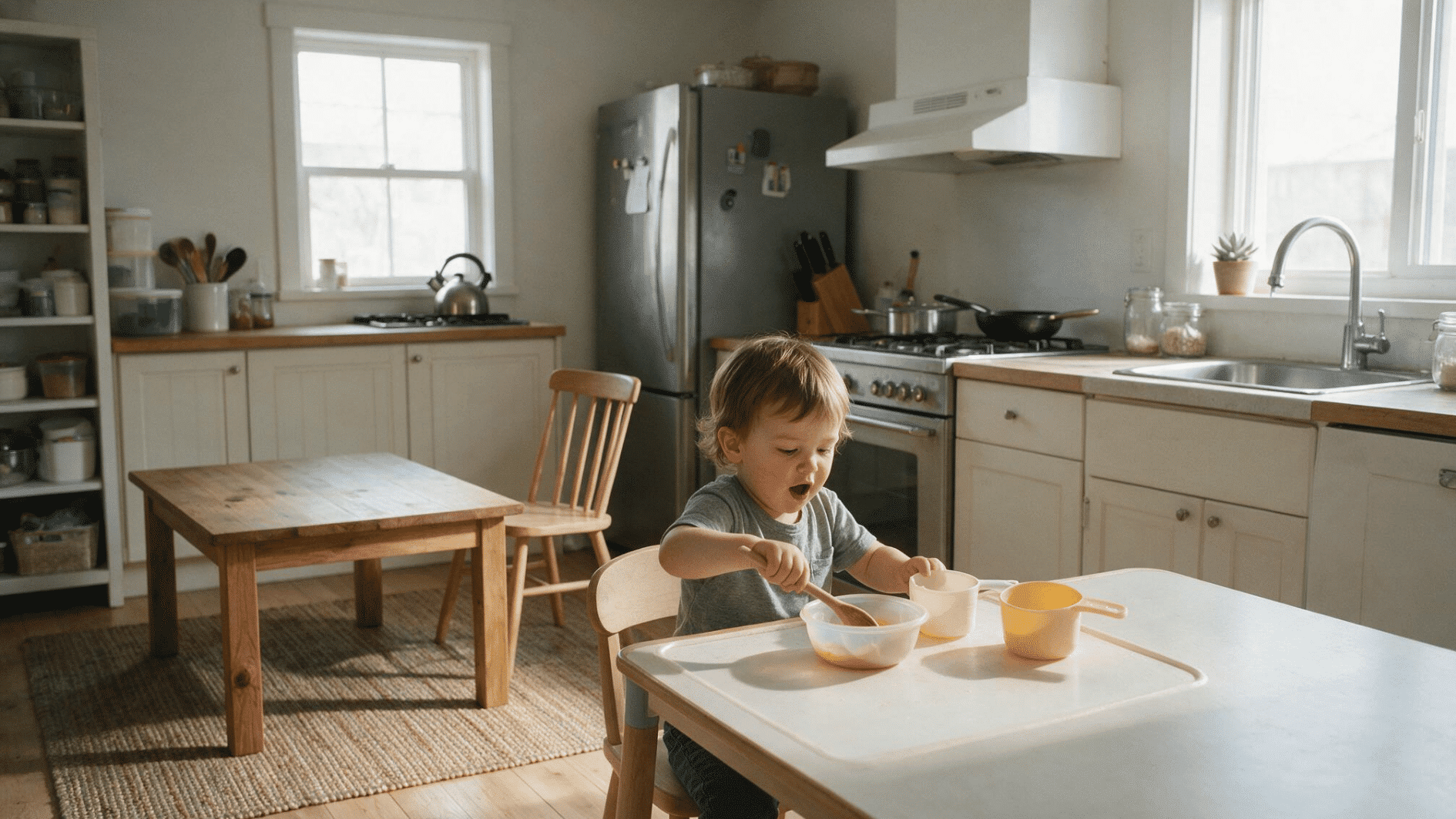
Watching adults in the kitchen makes toddlers eager to try it themselves. Handing over a few unbreakable pieces lets them recreate the routine safely. This one is easy to set up with items already on hand.
- Provide plastic bowls, cups, and wooden spoons.
- Let your toddler mix, pour, and serve pretend meals.
- Use empty food containers as pretend ingredients.
- Practice words like stir, pour, and mix.
- Keep real cooking tools away from play areas.
Tip: I’d keep a few safe kitchen items aside just for pretend play so they’re easy to bring out when needed.
20. Scribble on a Large Sheet of Paper
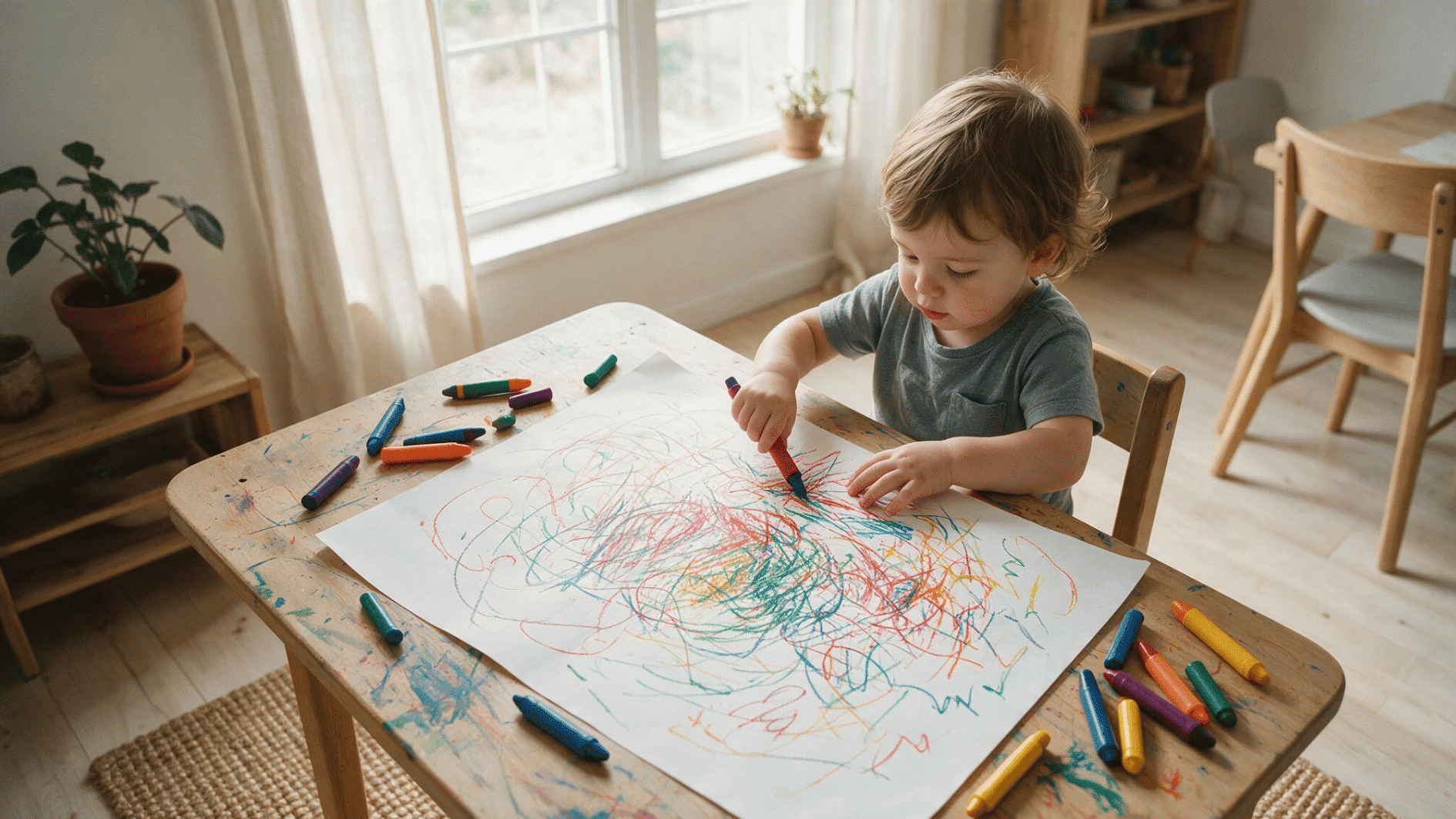
Before letters and shapes come the earliest strokes of self-expression. Giving a toddler free rein on a blank page builds confidence in their own marks. A big sheet leaves plenty of room to experiment.
- Offer chunky crayons and a large sheet of paper.
- Let your toddler create free drawings and marks.
- Encourage different lines, circles, and dots.
- Avoid focusing on making a specific picture.
- Let your child explain the drawing if they want.
Tip: I’d avoid asking what every scribble is. Let your toddler talk about the drawing if they want to.
How to Plan Playtime for a 2-Year-Old
A flexible play routine can make busy days feel more manageable for both toddlers and parents. The goal is to create a balanced rhythm that fits your child’s mood, energy, and daily needs.
The ideas below explain simple ways to organize play sessions throughout the day without making the schedule feel strict:
| Situation | What to Do | Why It Helps |
|---|---|---|
| Full of energy |
Give space for active, child-led play |
Helps use energy through movement |
| Tired or overstimulated |
Switch to calm, quiet play |
Helps them slow down |
| Losing interest quickly |
Keep play short and flexible |
Matches a toddler’s changing attention |
| Wants independence |
Offer two simple choices |
Encourages decision-making |
| Needs your attention |
Play together briefly, then step away |
Balances connection and independent play |
| You’re busy with chores |
Include them in a safe, simple task |
Makes everyday routines engaging |
Real Experiences from Parents
Every day with a 2-year-old can look a little different. Real parents share what works for them, from filling quiet hours to keeping their toddlers engaged without planning every moment.
“My son got into Play Doh and Kinetic sand at 2 and it kept him busy the longest.”- MLR930, Reddit
“We go on “letter hunts” with a magnefying glass in our playroom. Make bracelets stringing beads on pipecleaners.”- dinosandcoffee, Reddit
“Sensory boxes are great with rice, beans, toys, etc and then get small tongs or measuring spoons and cups to transfer the materials.”- UnhelpfulAdvisor, Reddit
“My toddler likes to listen to me read books as he plays. He builds, throws balls, slides, puts things down the slide, puppets, marble run in the play room.”- Master Elderberry, Reddit
It’s a Wrap
Finding the right activities for 2-year-olds doesn’t have to mean planning every minute of the day. Simple play at home can keep your toddler engaged while giving them plenty of room to move and create.
I’d focus on variety rather than trying to fit several activities into one day. Some days may call for active play, while others may be better suited to sensory, educational, or pretend play.
Most importantly, follow your toddler’s mood and interests. So keep things flexible, enjoy the moments you share, and remember that everyday play can be meaningful without being complicated.
Frequently Asked Questions
Can a 2-Year-Old Follow Simple Game Rules?
Many 2-year-olds can begin following simple one-step directions, especially when you demonstrate what to do and keep the rules minimal.
How Often Should I Introduce New Activities to My 2-Year-Old?
There’s no fixed schedule. Introduce something new when your toddler seems ready, while continuing familiar play they still enjoy.
What Are Good Outdoor Activities for a 2-Year-Old?
Walking, playground time, supervised nature exploration, and simple ball play can provide opportunities for movement and outdoor exploration.
Should I Let My 2-Year-Old Repeat the Same Activity?
Yes. Repeating favorite activities is common at this age and gives toddlers more chances to practice familiar movements, words, and skills.
{
“@context”: “https://schema.org”,
“@type”: “FAQPage”,
“mainEntity”: [
{
“@type”: “Question”,
“name”: “Can a 2-Year-Old Follow Simple Game Rules?”,
“acceptedAnswer”: {
“@type”: “Answer”,
“text”: “Many 2-year-olds can begin following simple one-step directions, especially when you demonstrate what to do and keep the rules minimal.”
}
},
{
“@type”: “Question”,
“name”: “How Often Should I Introduce New Activities to My 2-Year-Old?”,
“acceptedAnswer”: {
“@type”: “Answer”,
“text”: “There’s no fixed schedule. Introduce something new when your toddler seems ready, while continuing familiar play they still enjoy.”
}
},
{
“@type”: “Question”,
“name”: “What Are Good Outdoor Activities for a 2-Year-Old?”,
“acceptedAnswer”: {
“@type”: “Answer”,
“text”: “Walking, playground time, supervised nature exploration, and simple ball play can provide opportunities for movement and outdoor exploration.”
}
},
{
“@type”: “Question”,
“name”: “Should I Let My 2-Year-Old Repeat the Same Activity?”,
“acceptedAnswer”: {
“@type”: “Answer”,
“text”: “Yes. Repeating favorite activities is common at this age and gives toddlers more chances to practice familiar movements, words, and skills.”
}
}
]
}