


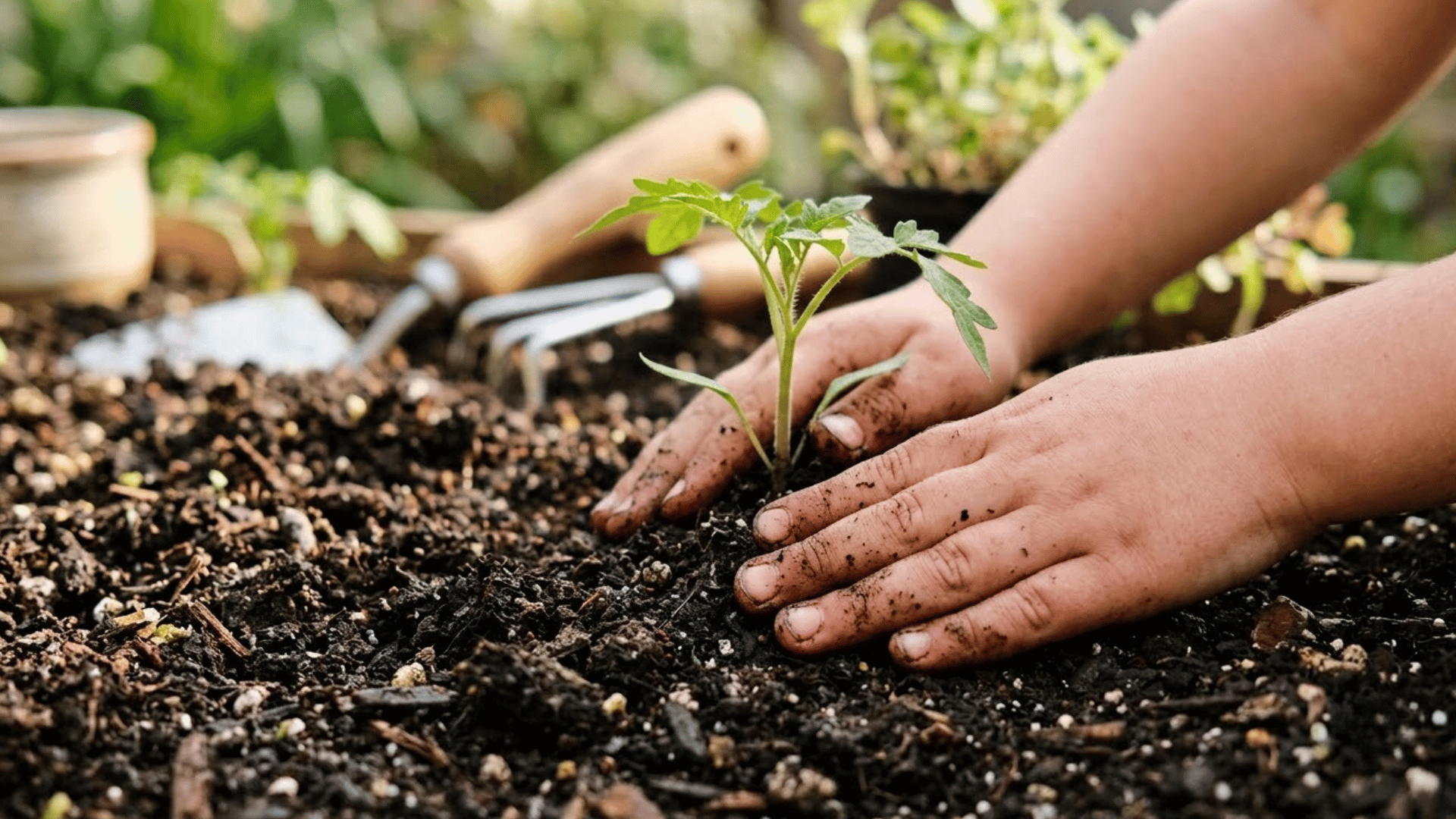
What Makes a Garden Activity Kid-Friendly?
A kid-friendly garden activity gives quick, visible results. Kids notice change fast, so a seed that sprouts in three days holds their focus longer than one that takes a month.
It also needs a real task, not just watching. Digging, pouring, painting, or sorting gives their hands something to do. Mess matters too.
Soil, water, and mud are part of the fun, not something to avoid.
Last, the activity should feel like theirs. A plant they picked, a seed they dropped in the hole, a rock only they painted, a corner of the garden nobody else gets to touch.
Fun Gardening Activities for Kids
Real garden tasks give kids an actual job outdoors. These activities cover planting, tending, and harvesting, so kids do the same work adults do, just at their own pace.
1. Plant a Fast-Growing Vegetable Patch
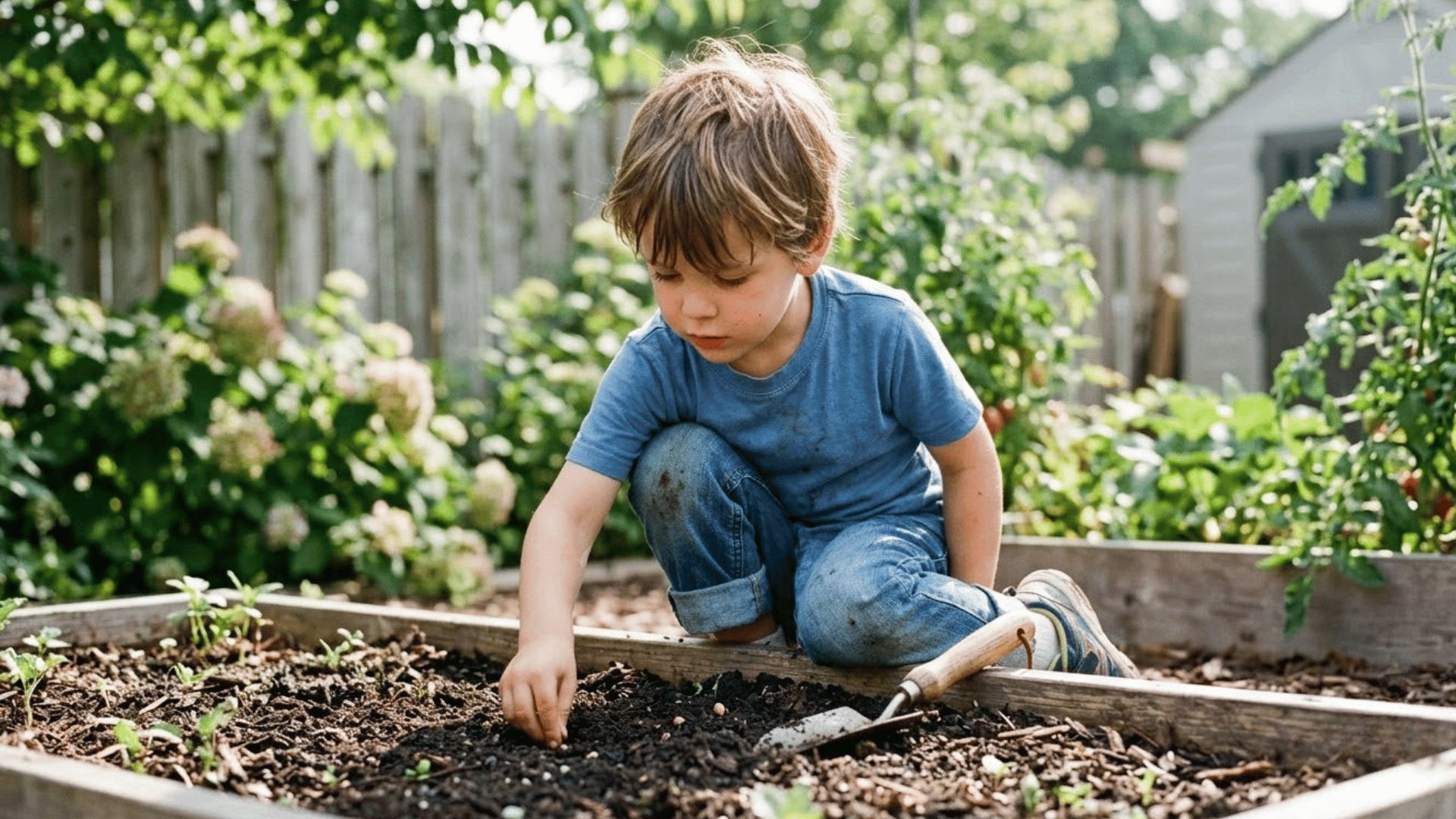
A fast-growing vegetable patch gives kids results within days instead of weeks.
Radishes, bush beans, and sunflowers work best, since they sprout quickly and grow tall enough to track.
Kids poke the holes, drop the seeds, and pat the soil back down. Watering becomes a daily habit once they can see the stems climbing.
2. Regrow Vegetables from Kitchen Scraps
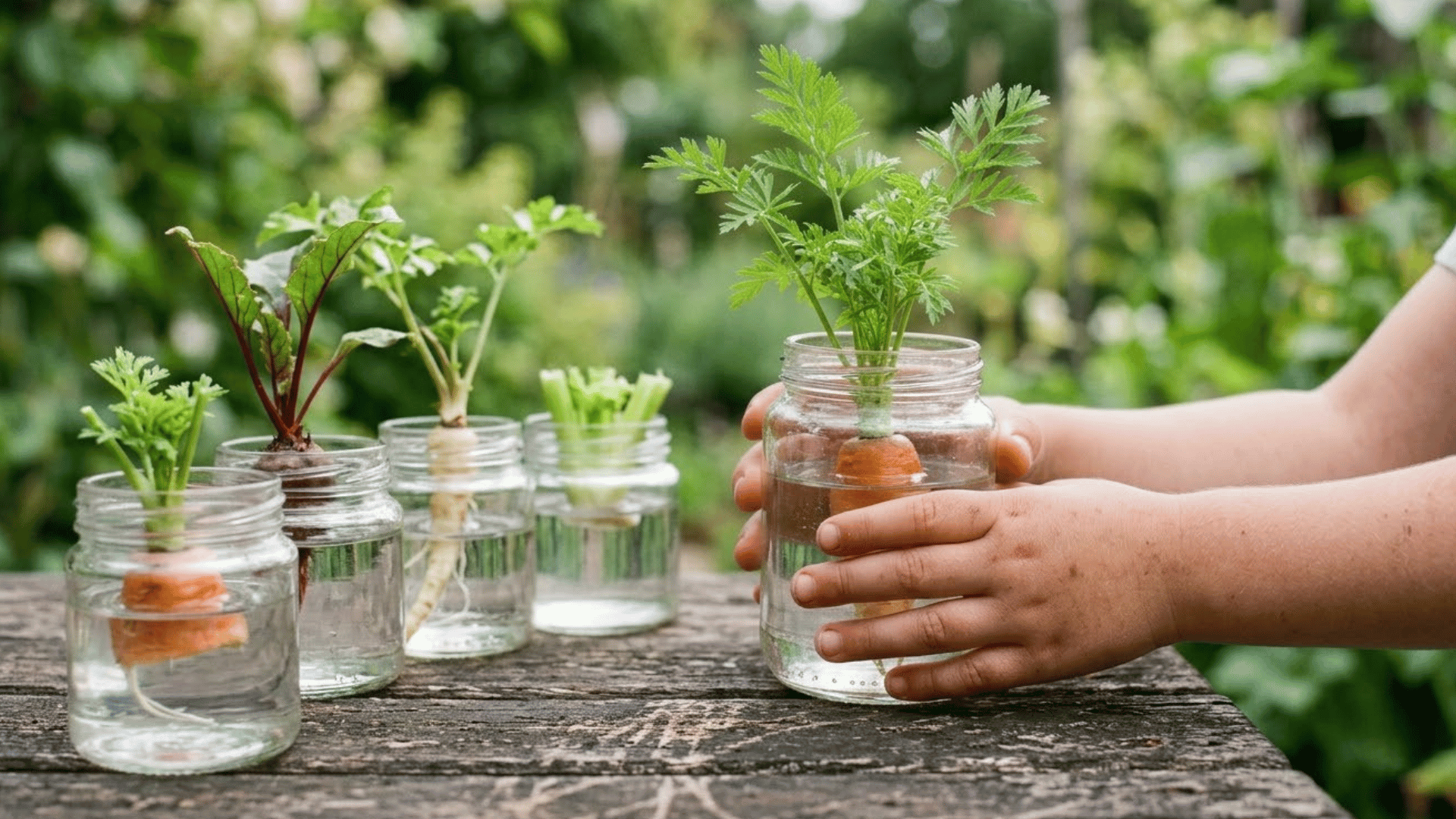
Regrowing vegetables from kitchen scraps turns dinner prep into a garden project. Carrot tops, green onion stubs, and celery bottoms all sprout new growth in a cup of water.
Kids place the scraps on a windowsill and check them each morning for roots. No yard, soil, or gardening tools are needed to start.
3. Go on a Garden Scavenger Hunt
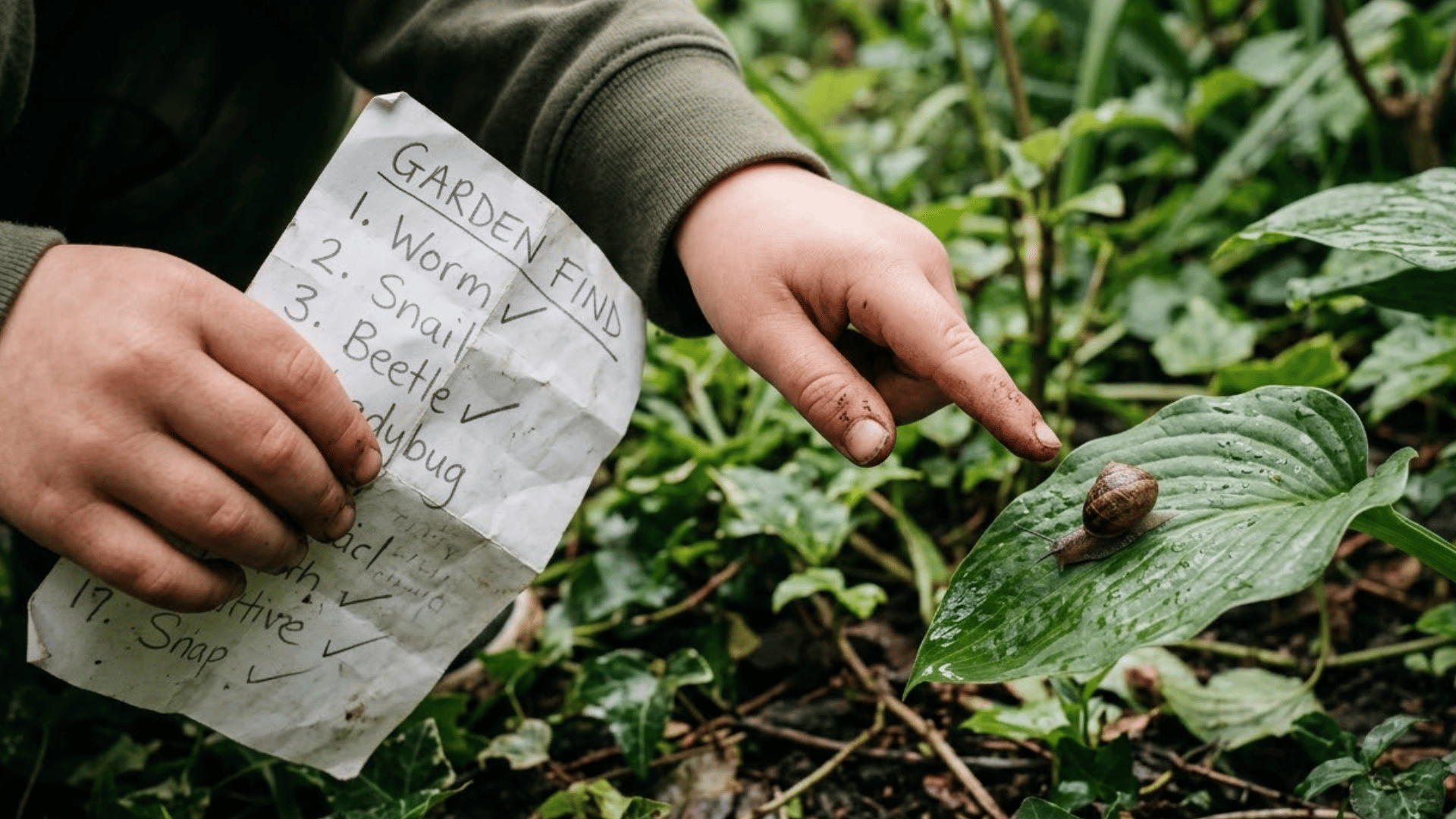
A garden scavenger hunt turns a plain walk through the yard into a search game. Give kids a list of things to find, like a smooth rock, a red flower, or a snail shell.
Checking items off keeps them moving and looking closely at plants they’d normally walk past. Add a small prize at the end to raise the stakes.
4. Go on a Bug and Worm Hunt
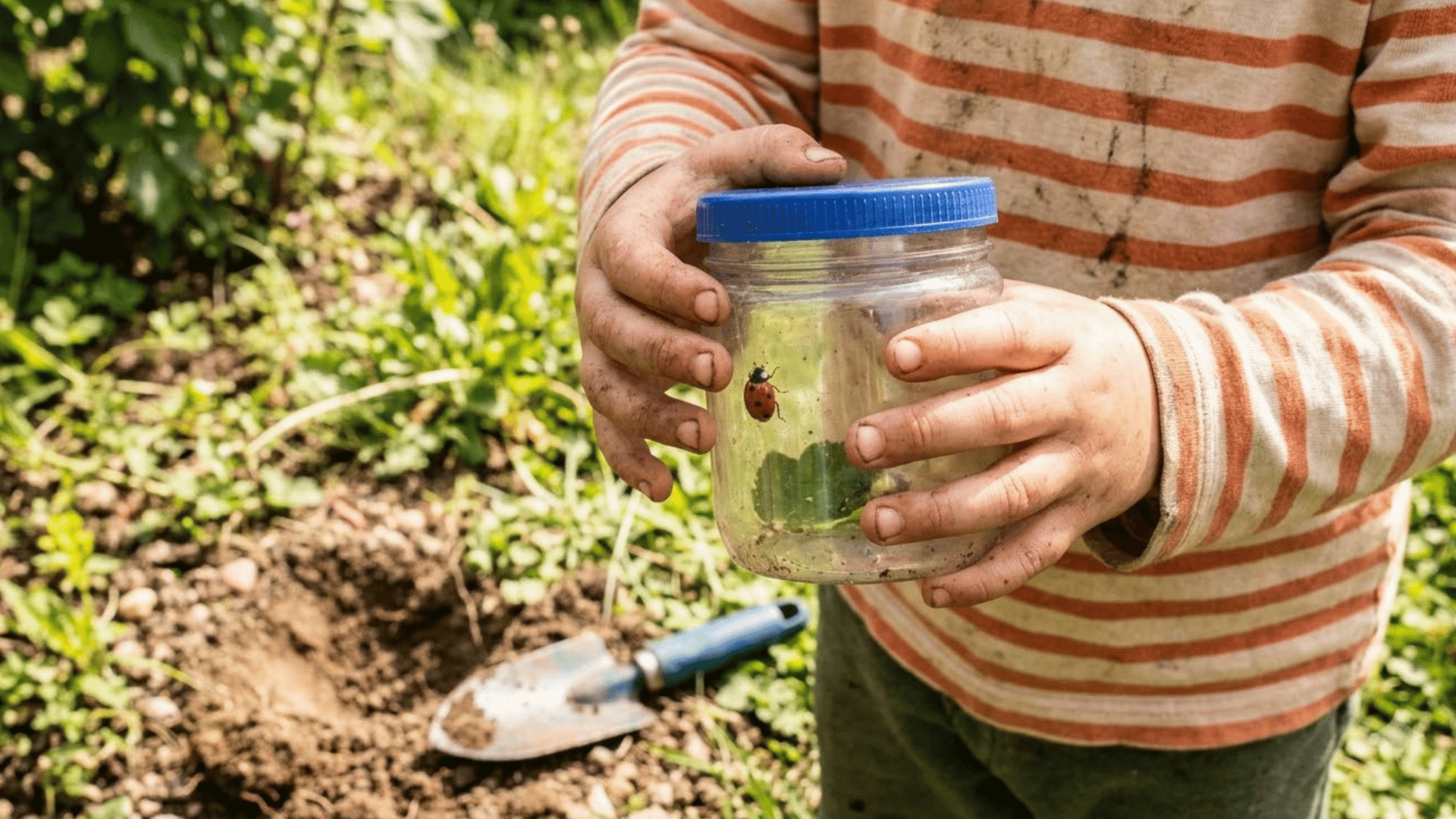
A bug-and-worm hunt gets kids digging through soil and flipping over leaves. A bug-catching kit helps them hold ladybugs or roly-polies for a few minutes before releasing them.
Digging for worms after watering the garden works well too, since damp soil brings them closer to the surface. Kids learn to handle small creatures gently.
Fun Garden Crafts Kids Can Make
Garden crafts turn leftover flowers, rocks, and paper into keepsakes. These projects blend creativity with the outdoors, giving kids something to display once they’re finished.
5. Paint Rocks into Plant Markers
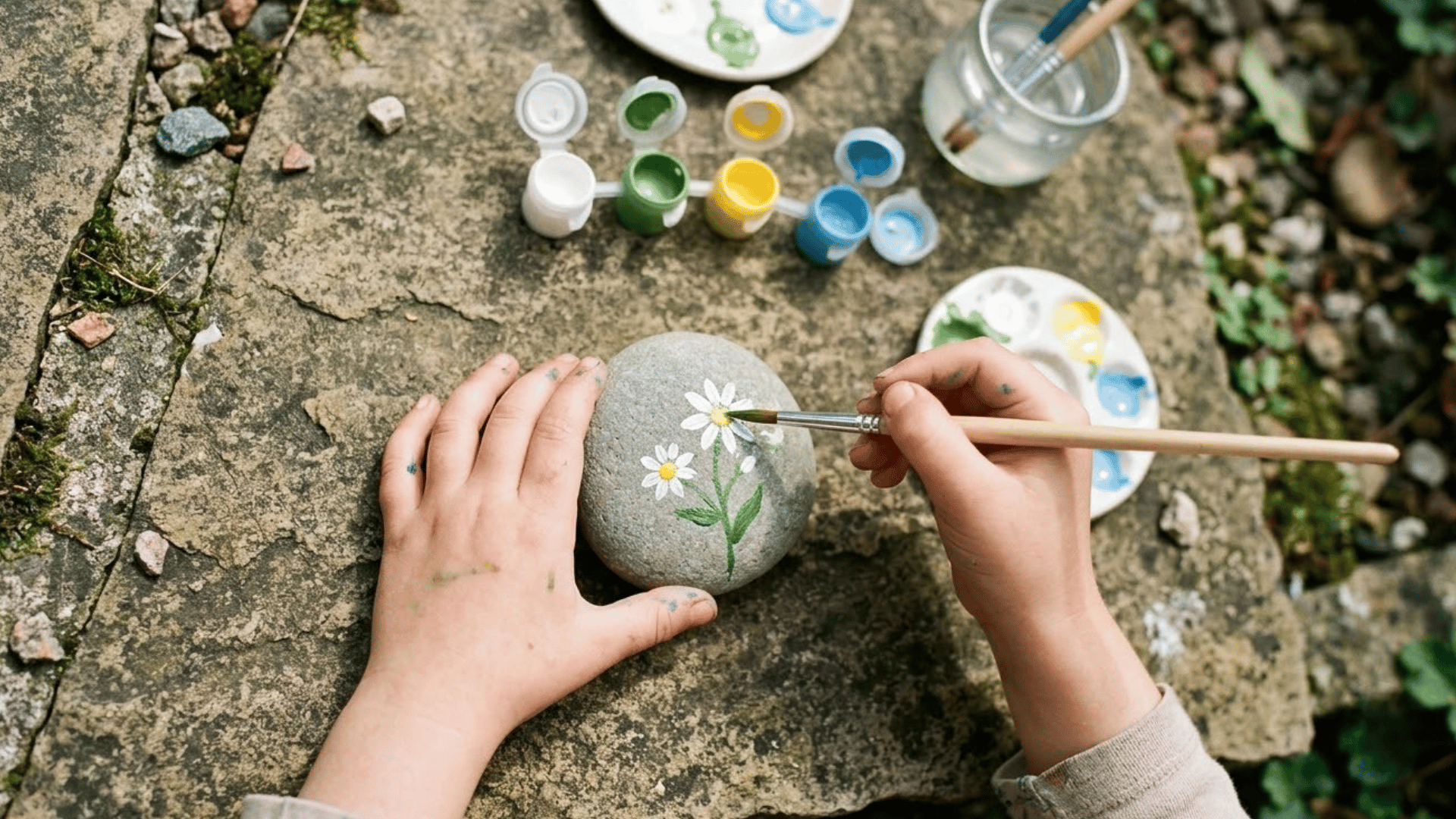
Painted rocks make plant markers that last far longer than paper tags. Wash and dry smooth rocks first, then let kids paint plant names or simple pictures on them with acrylic paint.
A coat of clear varnish protects the artwork from rain and sun. Once dry, kids place their rocks next to the plants they helped grow.
6. Press Flowers for a Craft Project
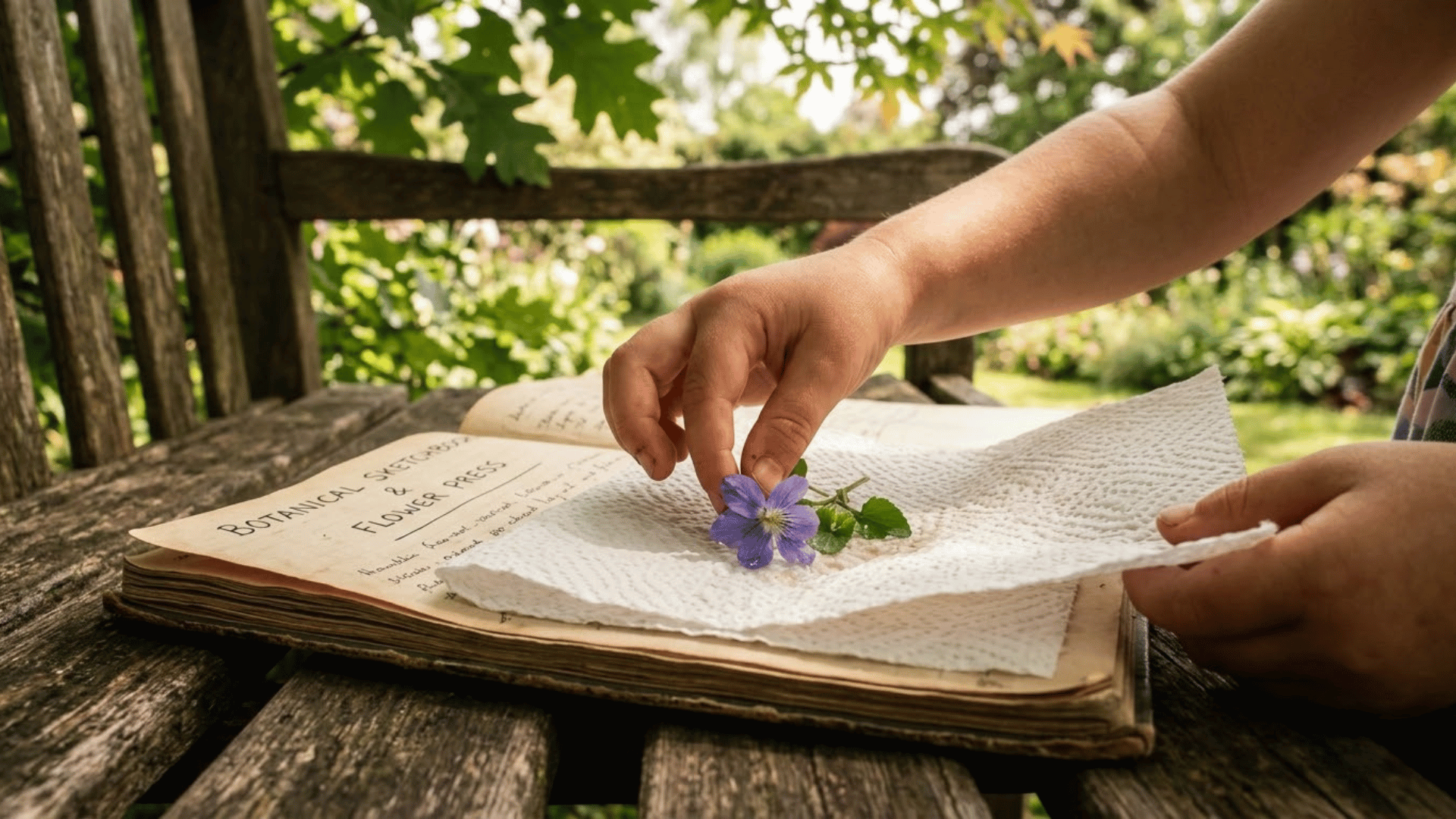
Pressed flowers give kids a way to save blooms before they wilt. Place fresh flowers between paper towels inside a heavy book, then leave them for one to two weeks.
Once flat and dry, kids glue the flowers onto cards, bookmarks, or a small frame. The finished craft holds up for months.
7. Make Paper Seed Bombs
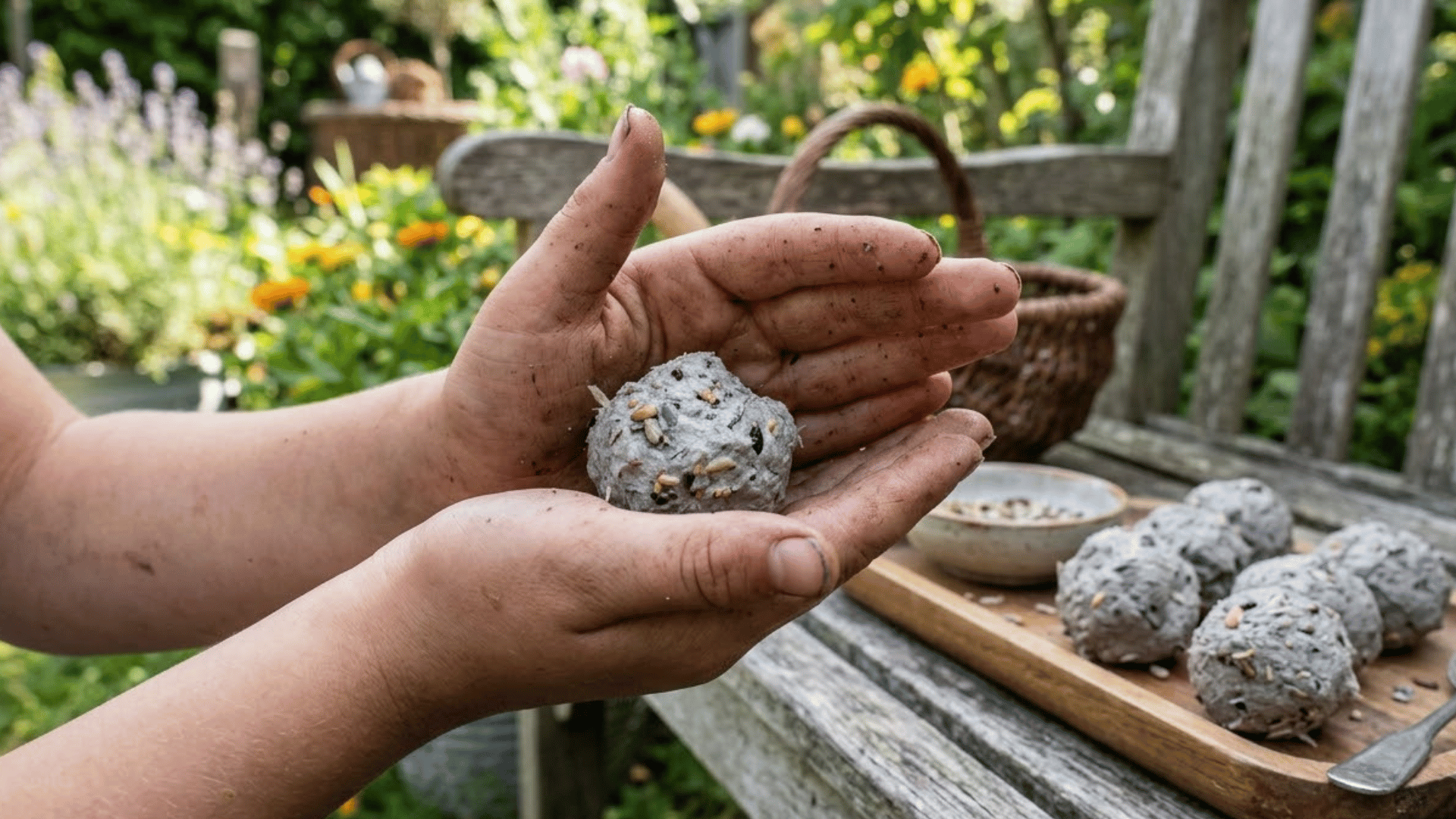
Paper seed bombs combine recycled paper with real seeds kids can plant later. Blend scrap paper with water into a pulp, mix in wildflower seeds, then shape the mix into small balls.
Let the balls dry for a day or two before tossing them into bare garden patches. Rain and time do the rest of the work.
Other Creative Garden Projects to Try
Beginner projects need few supplies and little gardening experience. Each one works indoors or in a small yard, making them a low-pressure starting point.
8. Build a Mini Hydroponics Cup
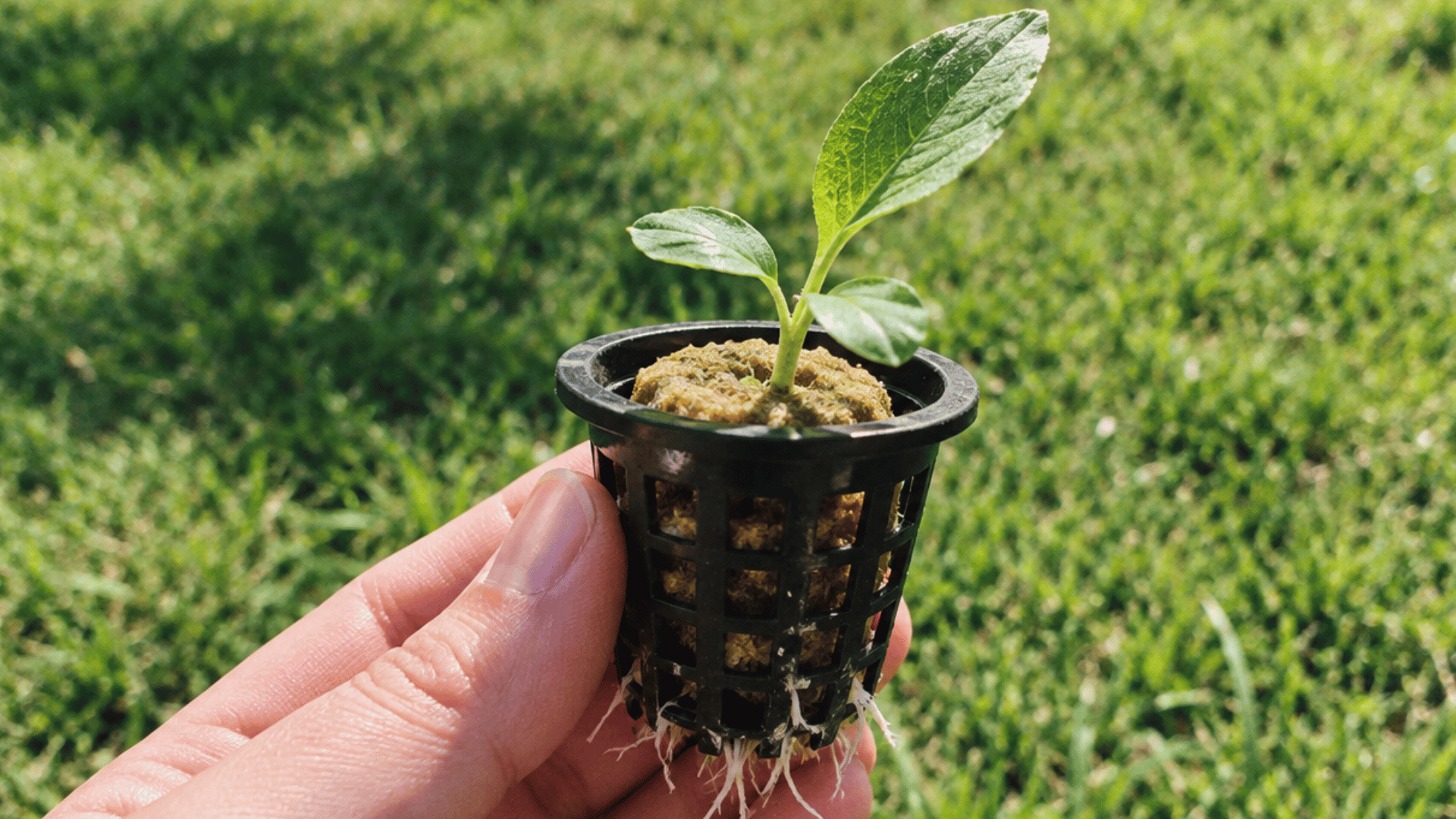
A mini hydroponics cup shows kids how plants grow without soil. Fill a clear cup partway with water, rest seeds on a cotton pad or mesh above the waterline, and set it near a sunny window.
Roots become visible within a week, letting kids watch growth happen in real time. Refill the water as it drops.
9. Grow a Grass Head Character
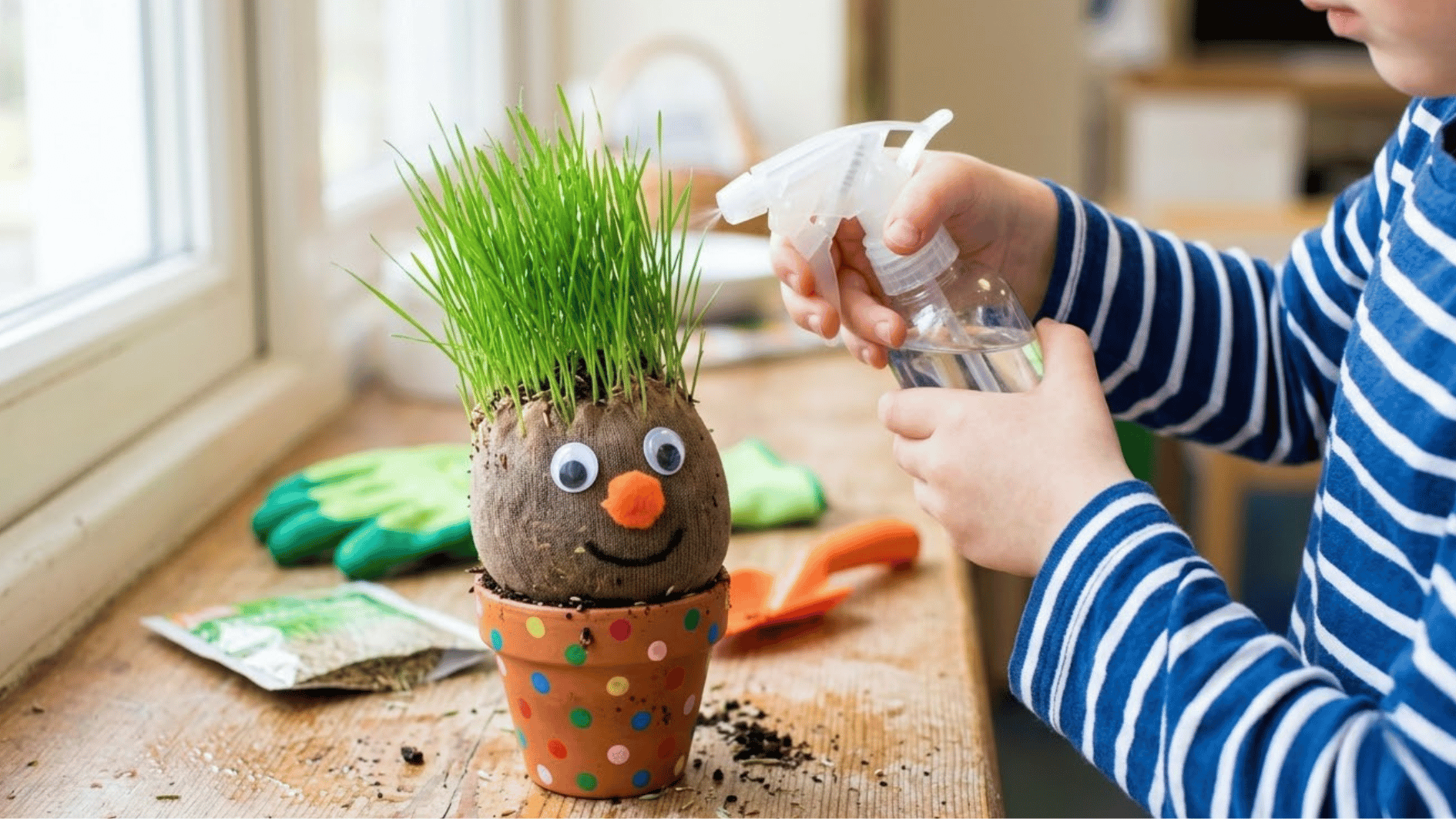
A grass head character makes a simple planter feel like a pet. Fill a cup with potting soil, sprinkle grass seed on top, and paint a face on the outside.
Water daily to keep the seed sprouting, and the grass grows into hair within a week or two. Kids can trim it once it gets long.
10. Set Up a Mud Kitchen
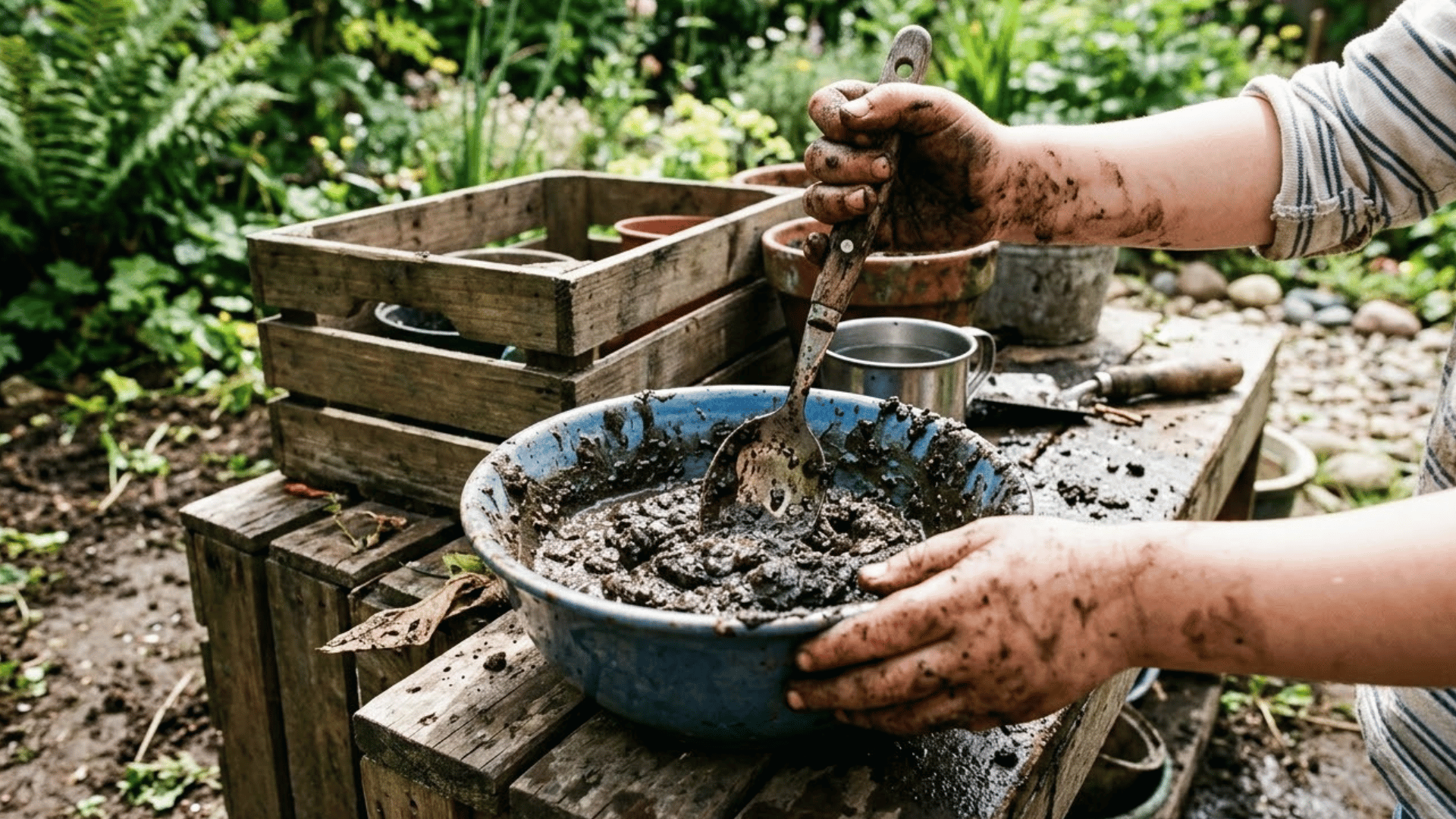
A mud kitchen gives kids open-ended play with dirt and water, no rules attached. Set out old pots, spoons, and containers next to a patch of soil or a mud tray.
Kids mix, pour, and stir on their own, building recipes with no right answer. Cleanup only needs a hose and a few minutes.
11. Turn a Soda Bottle into a Watering Can
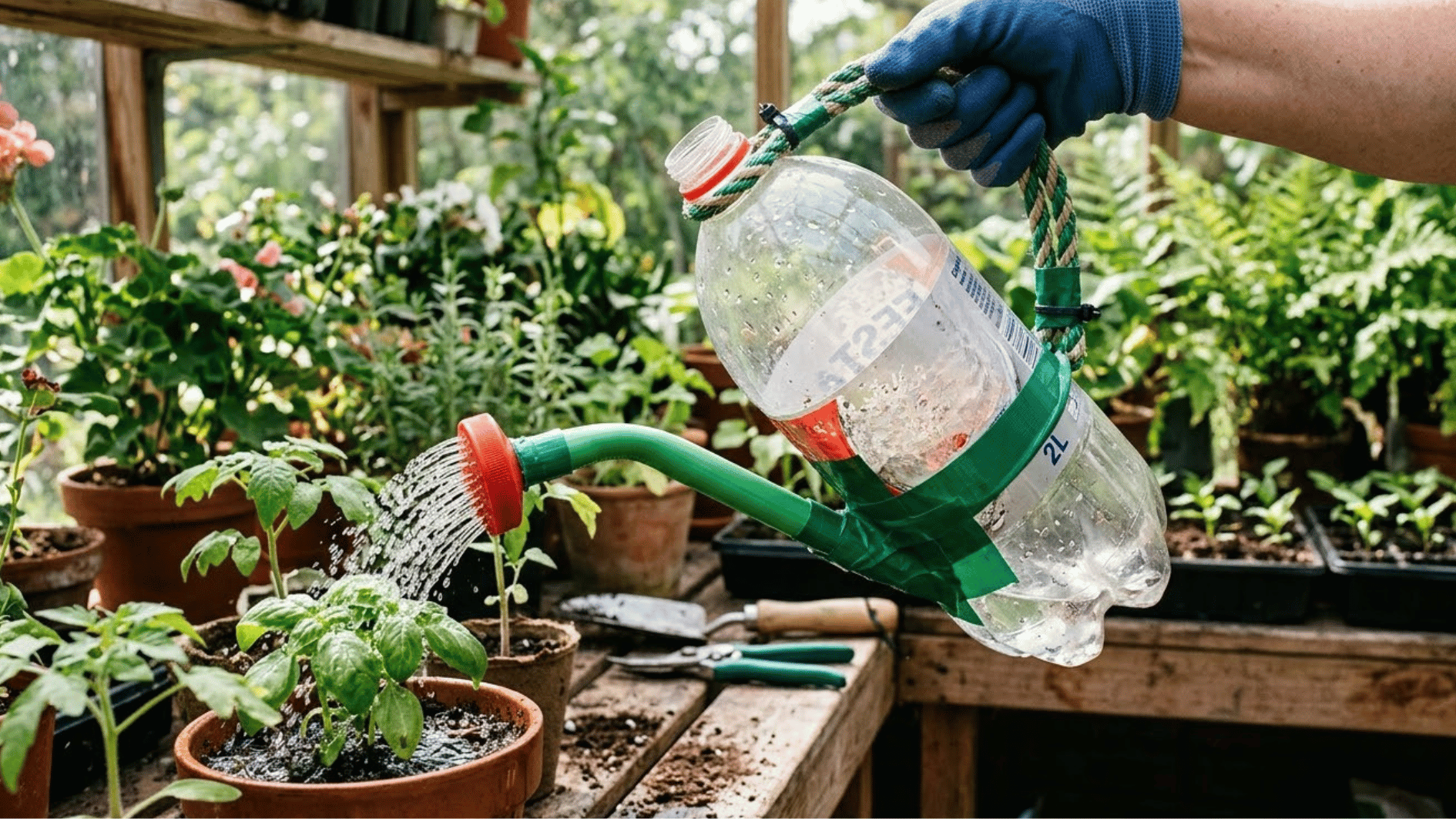
A soda bottle watering can reuses plastic that would otherwise get tossed. Poke small holes in the cap with a nail, fill the bottle with water, and let kids decorate the outside with markers or paint.
Squeezing the bottle sends water through the holes in a gentle stream. It works well for younger kids not ready for a heavy can.
Kids need supervision for most of these activities, even the simple ones. Keep sharp tools like scissors and nails out of reach until an adult can help. Check that no one in the group has plant allergies before handling flowers or soil, and always have kids wash their hands after digging or touching mud. A quick rinse keeps small cuts and bug bites from turning into bigger problems.
How to Match Activities to Your Kid’s Age
Not every project suits every age. Attention span, fine motor skills, and comfort with mess all shift as kids grow, so matching the activity to the age keeps frustration low.
- Attention span: Toddlers need activities with an immediate action, like pouring or digging. Elementary kids can wait days for a slower payoff, like watching roots form.
- Motor skills: Young kids do better with big, loose motions such as scooping and patting soil. Older kids have the steadier hands needed for rock painting or flower pressing, similar to the fine motor work behind fairy garden clay pots.
- Mess tolerance: Preschoolers grow on messy, open-ended play like a mud kitchen with no cleanup rules. Older kids can handle projects with more structure and less mess.
- Independence: Toddlers need an adult close by for every step, from planting to watering. Elementary-age kids can follow multi-step projects, like seed bombs, mostly on their own.
- Tool safety: Younger kids should stick to soft materials like soil and water, away from sharp tools. Older kids can safely use scissors, nails, or paint pens with light supervision.
Conclusion
Gardening activities for kids don’t need a big yard or a long list of supplies. A cup, some seeds, and a few minutes outside are often enough to hold a kid’s attention longer than a chore ever could.
What matters most is letting kids pick which project to try first. That choice alone makes the activity feel like theirs, not an assignment handed down.
Start with one from this list this weekend. Fun garden activities stick best when they’re tried, not just read about.
Frequently Asked Questions
At What Age Can Kids Start Gardening?
Most kids can start as young as two or three with simple tasks like watering or patting soil. Full planting and harvesting come naturally by age four or five.
What Tools Do Kids Need to Start Gardening?
A small trowel, a lightweight watering can, and gloves sized for their hands are enough to begin. Adult-sized tools are often too heavy and awkward for little hands.
Is Gardening Good for a Child’s Development?
Gardening builds fine motor skills through digging and planting, and patience through waiting for growth. It also introduces basic science concepts like sunlight, water, and plant life cycles.