




A baby’s room can feel comfortable one minute and too warm the next. That can leave many parents unsure about the best thermostat setting.
The ideal temperature for a baby’s room often depends on a few factors.
This blog gives a quick answer, along with the room temperatures many parents commonly use at home.
Later, you will learn how to check if a baby is too hot or cold, adjust the room during summer and winter, choose suitable sleepwear, and use simple tips to keep the space comfortable throughout the night.
What is the Ideal Temperature for a Baby Room?
A safe and comfortable range is usually 16°C to 20°C, or 61°F to 68°F. Keeping the room steady helps prevent overheating and makes sleep more comfortable through the night.
Sudden changes can also make it harder to choose the right sleepwear. Light, well-fitting clothes and a suitable sleep bag can help match the room conditions.
Heavy bedding may trap too much heat, while thin layers may be better in warmer weather.
Airflow matters too, but fans or air conditioners should not blow straight toward the cot. A room thermometer can make regular checks easier.
Why Baby Room Temperature Matters More Than It Sounds?
This isn’t only about comfort, which is why the guidance exists at all. Babies are poor at regulating their own temperature.
According to Children’s Hospital of Philadelphia figures widely cited by pediatricians, infants lose body heat several times faster than adults do.
A cold baby burns energy and oxygen just staying warm, which in the newborn weeks can affect blood sugar and weight gain.
Overheating carries the more serious risk.
It’s an established risk factor for sudden infant death syndrome (SIDS), because being too warm can blunt a baby’s ability to rouse themselves, and rousing is protective.
Baby Room Temperature Changes by Season
Room needs change with the season. Keep the temperature steady, use safe airflow, and choose sleepwear that suits the weather.
| Season | Room Temperature and Setup | What to Avoid | Sleepwear |
|---|---|---|---|
| Summer | Use air conditioning at a gentle setting. A fan can keep air moving, but point it away from the cot. | Do not make the room too cold or direct cool air at the baby. | Choose light cotton clothes or a thin sleep bag. |
| Winter | Use a heater on cold nights. Keep it away from the cot and lower it once the room feels warm. | Avoid overheating the room or placing the cot close to a heater. | Use light layers or a warmer sleep bag. Avoid hats and thick blankets. |
How to Check if Your Baby Feels Too Hot or Cold?
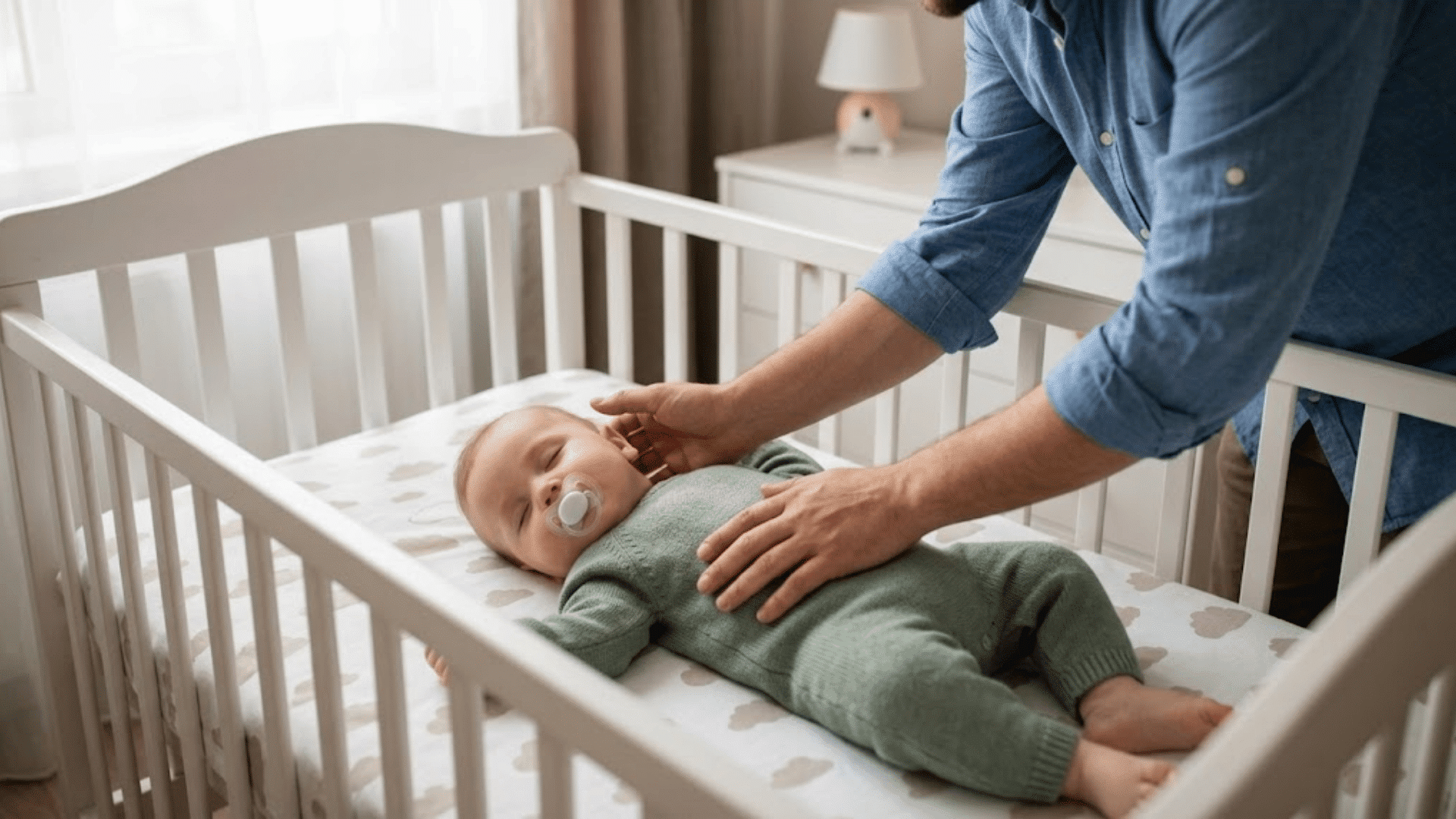
A baby’s chest, back, and neck give a better idea of body warmth than hands and feet, which often feel naturally cooler.
Check the Chest or Back
Feel the chest, tummy, upper back, or back of the neck. These areas give a clearer idea of overall body temperature.
Signs of Overheating
Hot or sweaty skin, flushed cheeks, damp hair, a clammy chest, or rapid breathing may mean the baby feels too warm.
Changes in Behavior
Irritability, unusual sleepiness, poor feeding, restlessness, or fast breathing can also suggest overheating and may need closer attention.
Signs of Feeling Cold
A cool chest, tummy, back, or neck may mean another light layer is needed. Check the baby again after a short time.
Hands and Feet Can Mislead
Hands and feet often feel cooler because of normal blood flow, so they should not be the main temperature check.
Very dry air is worth checking if you’re seeing frequent sneezing in your baby with no other symptoms.
What Other Parents Say About Baby Room Temperature?
Discussions on Reddit show that families often use different setups depending on their home, weather, sleep clothing, and their baby’s comfort.
Many parents focus on comfort instead of a perfect number
In a Reddit discussion about toddler room temperatures, parents shared that they often keep bedrooms in a comfortable range and adjust clothing instead of constantly changing the thermostat. “The exact temperature matters less than whether /reddit your child feels comfortable in their sleep clothes.”
Sleep layers are often adjusted with the weather
Some parents mentioned that their room temperature stays fairly consistent, while pajamas or sleep sacks change depending on the season. “We usually keep the room the same and /reddit change the layers when the weather changes.”
A cooler room does not always mean a child is uncomfortable
Parents in colder-weather discussions often shared that children can sleep well in cooler rooms when dressed appropriately. A cooler bedroom can work as long as your child has the right sleep clothes./reddit Discussion about how cold is too cold for toddlers.
Every home has different temperature needs
Parents also pointed out that insulation, climate, heating systems, and whether a child sleeps warm or cold can change what works best. What works in one house may not work in another, so we adjust based on our child, /reddit Parents discussing acceptable bedroom temperatures.
Room Temperature and Baby Sleepwear
Dress for the room, not the calendar. The simplest way to get this right is to match sleepwear to the actual thermometer reading, using TOG ratings on sleep sacks as your guide.
TOG measures how much warmth a fabric holds; higher TOG, warmer sack.
| Room temp | Sleep sack TOG | Underneath |
|---|---|---|
| 75–81°F (24–27°C) | 0.5 TOG | Short-sleeve bodysuit, or diaper only at the top of the range |
| 69–74°F (20–24°C) | 1.0 TOG | Short- or long-sleeve cotton bodysuit |
| 61–68°F (16–20°C) | 2.5 TOG | Long-sleeve cotton footed pajamas |
| Below 61°F (16°C) | 3.5 TOG | Long-sleeve pajamas plus a thin long-sleeve layer |
Tips Parents Use to Keep the Room Comfortable
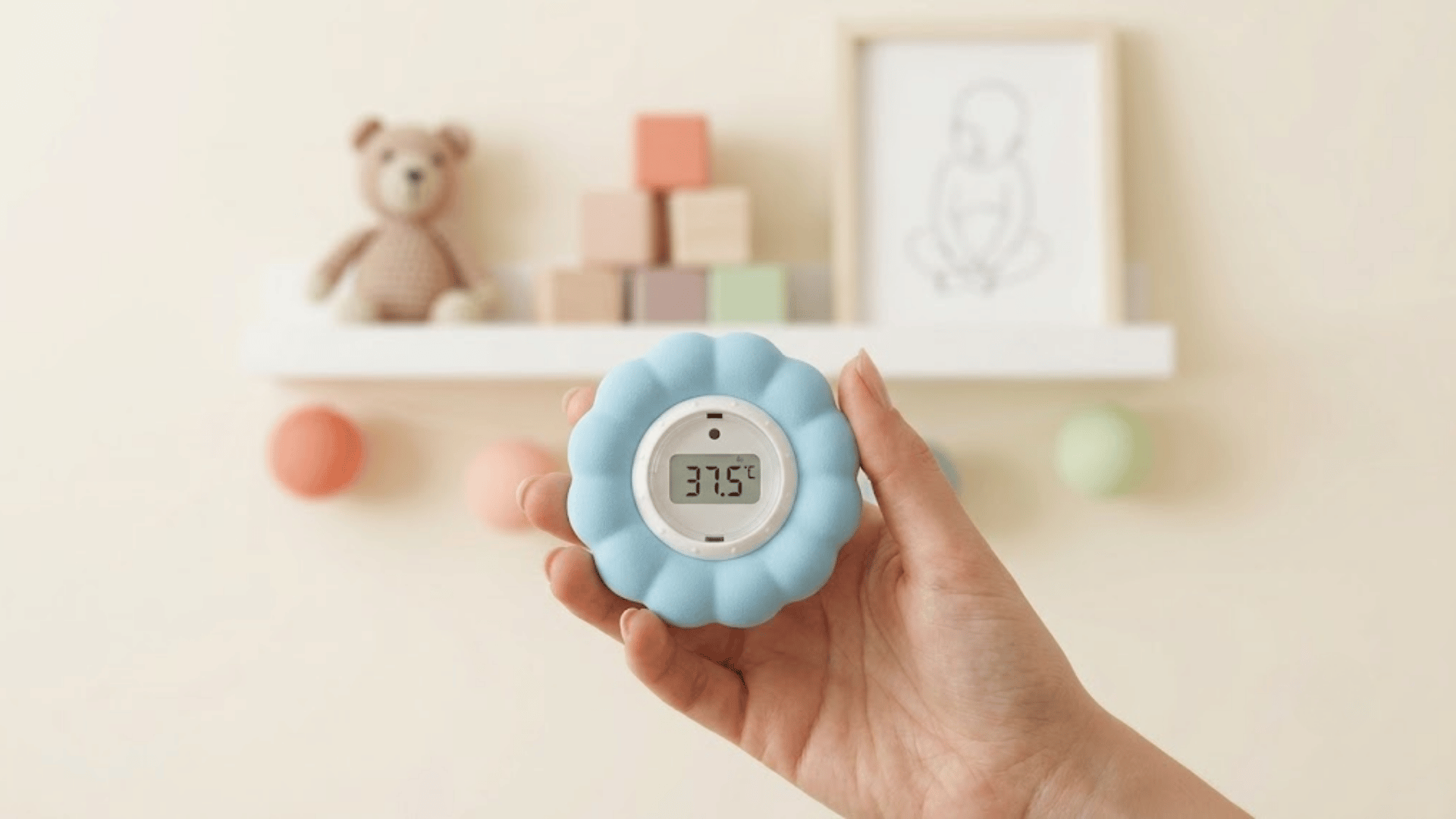
Small checks can help keep the baby’s room steady and comfortable, especially when outdoor temperatures change during the day or night.
- Use a room thermometer: Place it near the cot, away from direct sunlight, to get a clear reading of the room temperature.
- Choose a safe cot position: Keep the cot away from heaters, open windows, air conditioners, fans, and cold or warm airflow.
- Check before bedtime: Read the thermometer before putting the baby down, as the room may feel different from earlier in the day.
- Watch for weather changes: Check the temperature again when nights become hotter or colder, or when sudden weather changes affect the room.
- Adjust clothing first: Add or remove one light layer before making a large thermostat change, then check the baby’s chest or back.
If temperature checks out and the waking continues, the cause may be developmental rather than environmental; night waking has plenty of other triggers worth ruling out.
Wrapping It Up
A baby’s sleep space does not need constant changes to stay comfortable. The main goal is to create a calm setting that feels balanced from bedtime until morning.
The ideal temperature for a baby’s room gives parents a helpful starting point, but daily conditions can still vary.
Paying attention to the room, the baby’s comfort, and the type of sleepwear makes decisions easier. Over time, you may notice which small changes work best at home.
There is no need to get every detail perfect. A steady routine and simple adjustments can help make bedtime feel calmer and more manageable.
Frequently Asked Questions
Does Humidity Matter in a Baby’s Room?
Yes, humidity can affect how the room feels. Very dry air may cause discomfort, while too much moisture can support mould. Indoor humidity between 30% and 50% is generally recommended. A simple humidity meter can help with checks.
Should the Room Setup Change for Daytime Naps?
A special temperature setting is not usually needed for naps. However, sunlight can make the room warmer during the day. Check the room before each sleep and follow the same safe sleep setup used at night.
Do Newborn Babies Need a Warmer Room?
Newborns do not usually need an extra-hot room. The same recommended temperature range can be used while checking their comfort regularly. A doctor may give different advice for a premature baby or one with health needs.