



No style lasts forever, not because it stops being beautiful but because it stops feeling surprising.
Farmhouse gave a generation of homes something they were missing: soul, softness, a sense of history, and ideas that once defined Modern Farmhouse Decor.
But familiarity has a way of dulling even the best things, and somewhere along the way, farmhouse became a background, something expected rather than chosen.
The homes that are turning heads now feel different. Harder to label, harder to copy, and much harder to walk away from, something new is taking shape, and it is nothing like what came before.
Why Modern Farmhouse is Fading in Popularity?
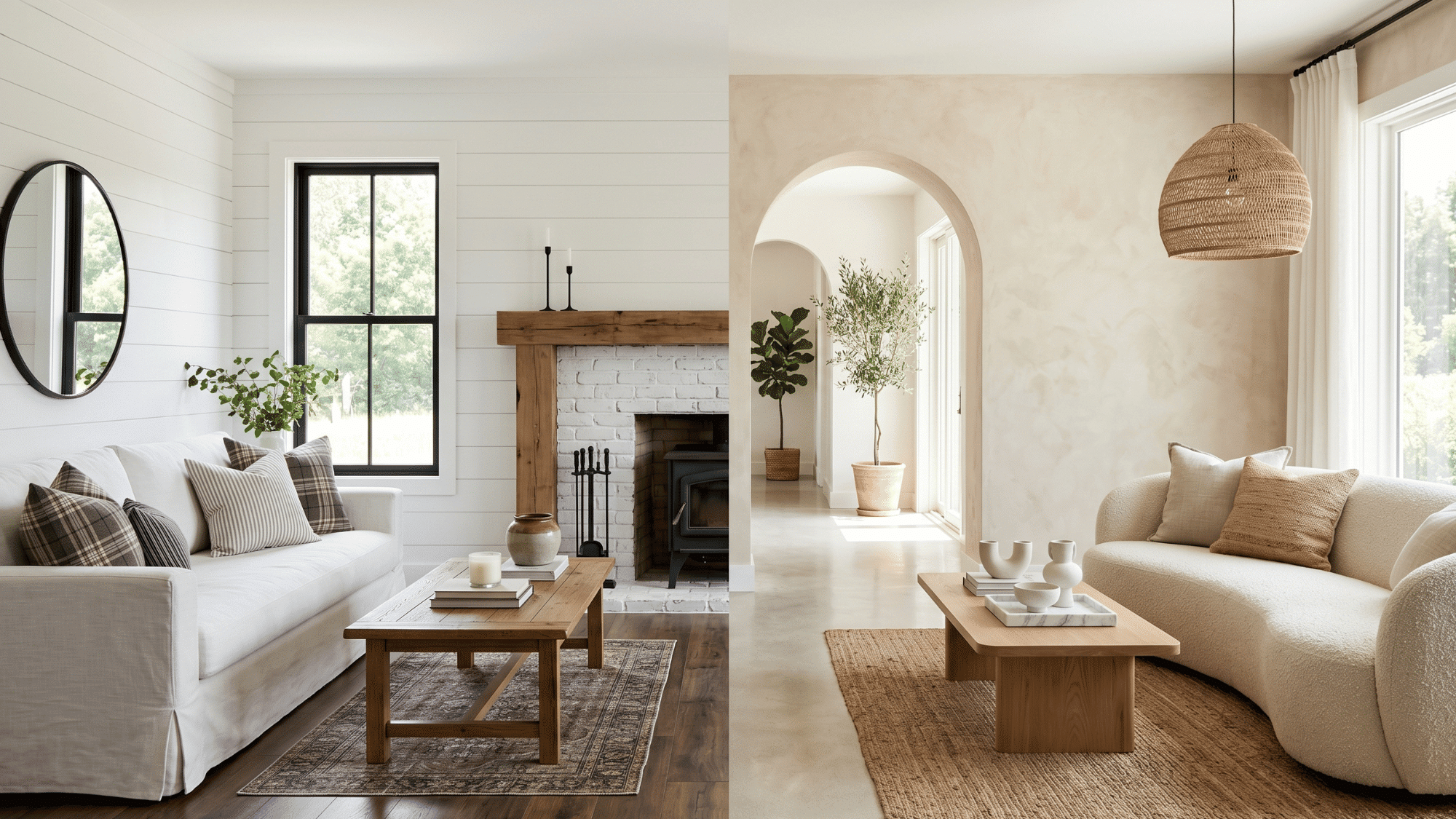
Modern farmhouse isn’t disappearing overnight, but it’s clearly losing its dominance as design preferences shift.
What once felt fresh and charming has become overly replicated, making many spaces feel predictable rather than personal, often highlighting common farmhouse decor mistakes.
- Overexposure: What once felt unique is now everywhere, from suburban homes to coffee shops.
- Cookie-cutter aesthetic: The formula became too rigid: white + black + wood = farmhouse.
- Shift Toward Personalization: People want homes that reflect them, not a trend.
- Desire for Warmth and Depth: Stark whites and high-contrast palettes are giving way to richer, layered spaces.
The New Era of Interiors: Trends Taking Over After Modern Farmhouse
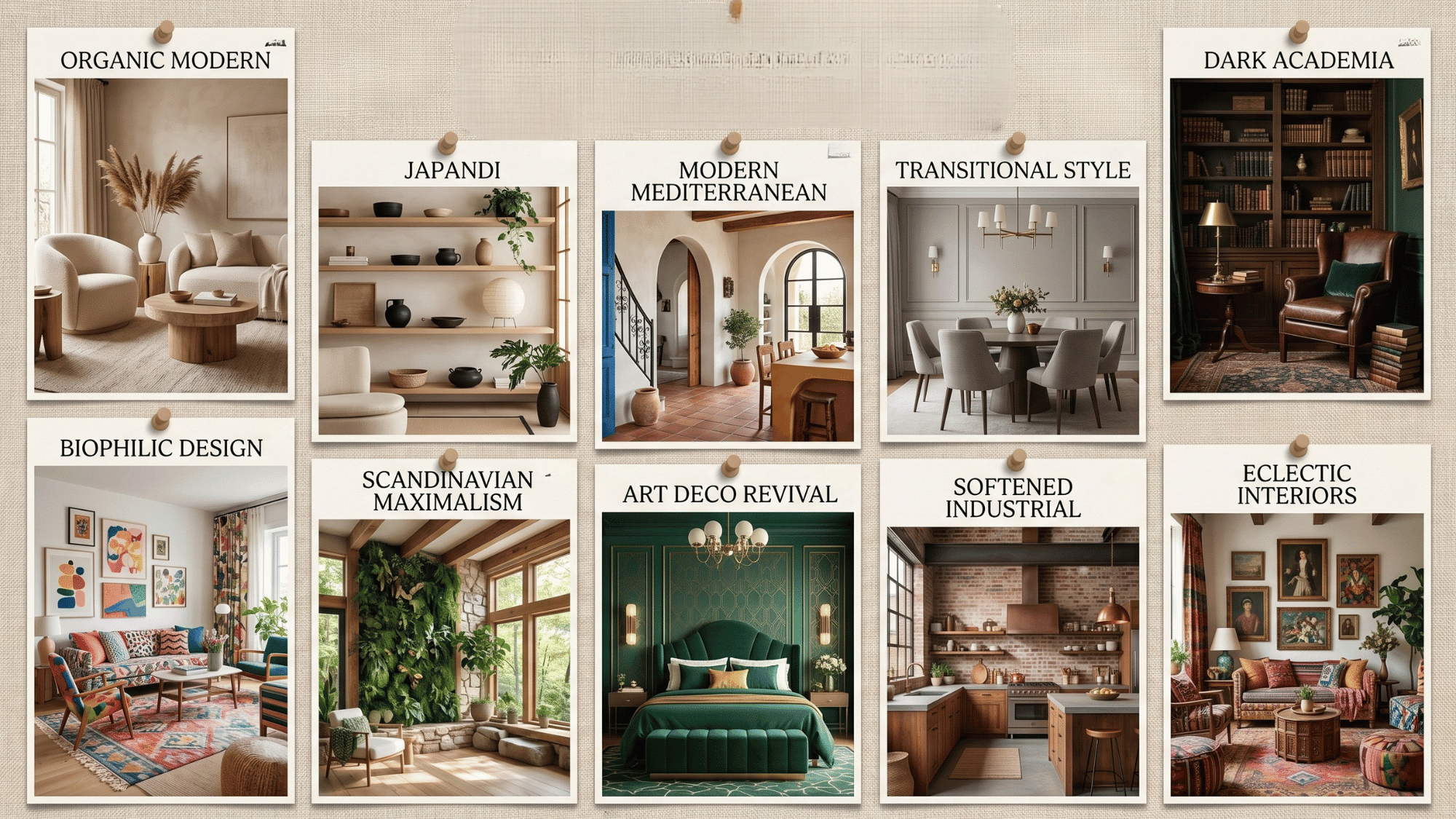
Design is entering a new chapter that moves beyond the predictable charm of modern farmhouse and leans into richer, more personal, and globally inspired styles.
1. Organic Modern Style: A Softer, Nature-Inspired Upgrade
Organic modern blends clean, contemporary lines with the warmth of natural elements. It moves away from stark contrasts and instead focuses on soft, earthy tones that feel calming and grounded.
Materials like wood, stone, and linen add texture and depth without overwhelming the space. The overall look is minimal yet inviting, creating a balance between simplicity and comfort.
2. Japandi Design: Minimalism Meets Comfort
Japandi combines the best of Japanese and Scandinavian design into one harmonious style. It emphasizes simplicity, functionality, and intentional living, with every piece serving a purpose.
Soft color palettes and natural materials create a peaceful, uncluttered environment.
The focus is on craftsmanship and quality rather than quantity. This trend is ideal for those who appreciate calm, mindful spaces with subtle grace.
3. Modern Mediterranean: Warm, Textured, and Eternal
Modern Mediterranean design brings a relaxed, sun-soaked feel into the home. It features warm, earthy tones paired with natural textures like plaster, clay, and stone.
Architectural details such as arches and curves add softness and character to the space. Indoor-outdoor living plays a big role, creating a smooth connection with nature. This style feels eternal and inviting, offering a more global alternative to farmhouse interiors.
4. Transitional Style 2.0: Classic Meets Contemporary
The updated transitional style mixes traditional elegance with modern calmness. It moves beyond safe neutrals by incorporating richer colors and bolder contrasts.
Furniture and decor are carefully curated to create a balanced yet dynamic look. Statement pieces replace overly coordinated designs, adding personality to the space.
5. Dark Academia Interiors: Moody and Intellectual
Dark academia creates a rich, atmospheric environment inspired by classic literature and old libraries. Deep colors and vintage elements give the space a sense of history and depth.
Layered textures like wood, leather, and fabric add warmth and complexity. Soft, moody lighting makes the cozy, introspective feel. This style is perfect for those who enjoy dramatic, character-filled interiors.
6. Scandinavian Maximalism: Cozy but Expressive
Scandinavian maximalism takes the simplicity of Nordic design and adds more personality. It keeps the cozy foundation but introduces color, patterns, and layered decor.
The result is a space that feels both comfortable and visually interesting. Mixing modern and vintage elements adds depth and uniqueness. This style offers a more lively and lived-in alternative to traditional minimalism.
7. Biophilic Design: Bringing the Outdoors Inside
Biophilic design focuses on strengthening the connection between indoor spaces and nature. It incorporates natural light, greenery, and organic materials to create a calming environment.
The goal is to improve well-being while enhancing the overall aesthetic. Soft shapes and natural textures make the space feel more fluid and relaxing.
This trend is ideal for those seeking a healthier and more peaceful home atmosphere.
8. Art Deco Revival: Glamour Makes a Comeback
Art Deco revival brings boldness and luxury back into modern interiors. It features striking geometric patterns, rich colors, and high-end materials. Metallic finishes and statement lighting add a sense of drama and calmness.
The design is both elegant and eye-catching, making a strong visual impact. This style is perfect for those who want their space to feel glamorous and distinctive.
9. Industrial Softening: Warmer, More Livable Spaces
Industrial softening updates the raw, edgy look of traditional industrial design. It blends hard materials like metal and brick with softer elements such as textiles and warm wood.
The result is a more balanced and inviting environment. Cozy lighting and layered decor help tone down the harshness.
This approach makes industrial spaces feel more comfortable and suitable for everyday living.
10. Eclectic Personal Style: The Anti-Trend
Eclectic design celebrates individuality by mixing different styles, eras, and influences. It encourages creativity and personal expression rather than following strict design rules.
Each piece in the space tells a story, making the home feel unique and meaningful. Layering colors, textures, and decor creates a visually rich environment.
This trend reflects a shift toward authenticity and truly personalized interiors.
Which Trend is Right for Your Home?
Choosing the right trend for your home depends on creating a space that aligns with your needs, preferences, and environment.
- Your Lifestyle: You can choose a calm, minimal style like Japandi, or create an expressive, lively space with an eclectic design.
- Your Space: Your home’s architecture naturally influences your style, with features like arches complementing Mediterranean interiors.
- Your Budget: Some styles involve more structural changes, while others can be achieved with simple updates.
The Bottom Line
Modern farmhouse may no longer be the defining trend, but it has paved the way for a more diverse and personalized approach to interiors.
Today’s design landscape is all about choosing styles that reflect your personality, lifestyle, and the character of your space.
If you lean toward warm minimalism, bold expression, or nature-inspired elements, there is no single “right” direction. The key is to create a home that feels yours, comfortable, and cozy.
One Response
kjbb