



A small bump on your toddler’s skin can make you think about what caused it and whether it needs attention.
Many skin changes in young children are common and may happen due to irritation, allergies, infections, or other simple causes.
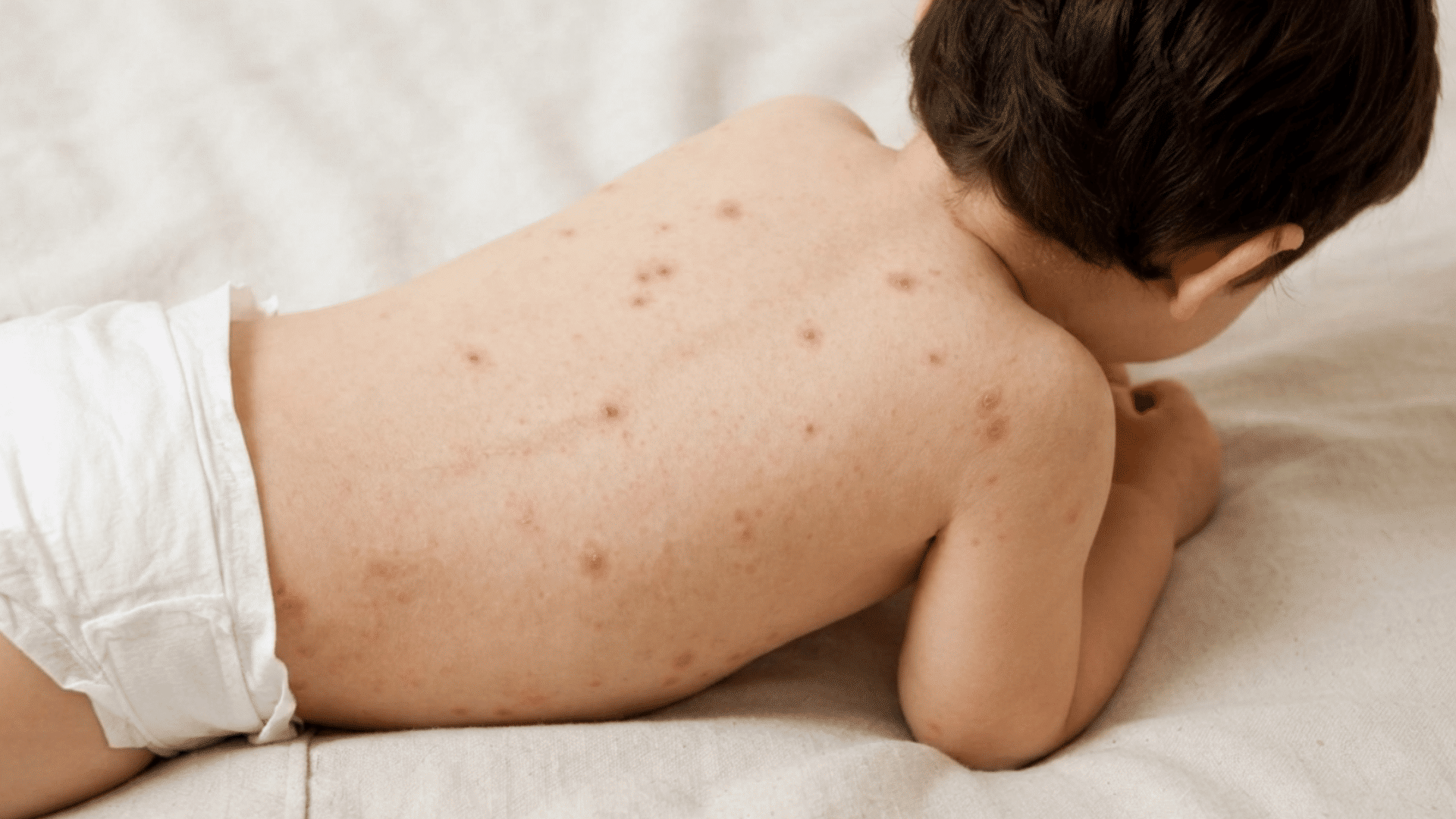
Bumps on toddler skin can look different from one child to another, so noticing their size, location, and any changes can help.
In this blog, you will learn about some common reasons toddlers develop skin bumps, including molluscum contagiosum, along with basic care tips and signs that may need a doctor’s advice.
What Do Bumps on Toddler Skin Look Like?
Toddler skin bumps can appear in many different ways, and their look often depends on what is causing them.
Some bumps may be easy to notice, while others may look like small changes in the skin texture. Paying attention to their appearance and other symptoms can give helpful clues.
Common types of skin bumps may include:
- Red Bumps: Often linked to irritation, bites, or inflammation.
- Skin-Colored Bumps: May appear with conditions like molluscum contagiosum.
- Itchy or Rough Bumps: Can happen with dry skin or eczema.
- Fluid-Filled Bumps: May occur with certain infections or reactions.
- Clustered Bumps: Some conditions appear in groups rather than alone.
Bumps may stay in one area or spread to different parts of the body. However, the appearance alone cannot always confirm the cause, so other signs should also be considered.
Common Reasons Behind Toddler Skin Bumps
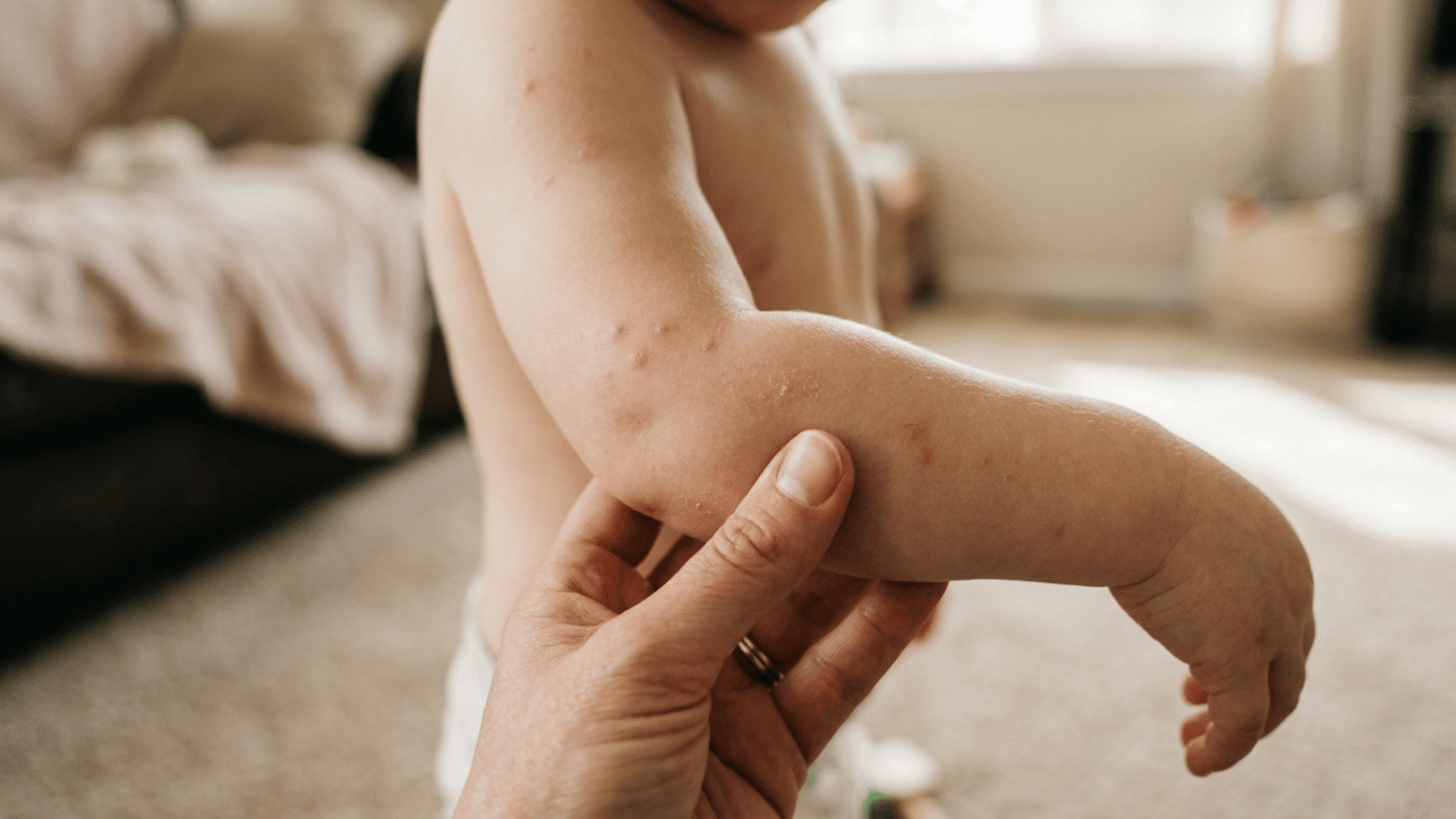
Bumps on toddler skin can appear due to several common causes, including heat, dryness, allergies, insect bites, or viral infections.
1. Heat Rash and Sweaty Skin
Heat rash develops when sweat gets trapped under the skin, leading to tiny red or pink bumps. It commonly appears on the neck, chest, back, or diaper area during warm weather.
Too many layers of clothing can make it worse. Keeping the skin cool, dry, and comfortable often helps it clear.
2. Dry Skin, Eczema, and Irritation
Dry skin and eczema may cause small, rough bumps that feel itchy or irritated. These areas often appear on the cheeks, elbows, hands, or behind the knees.
Cold weather, hot baths, and scented soaps can remove moisture and increase skin sensitivity, making symptoms more noticeable.
3. Bug Bites and Hives
Bug bites usually cause raised bumps with itching and sometimes a small red mark in the center.
Hives appear as red, swollen patches that may change location over time. They can happen after exposure to certain foods, plants, medicines, or other allergy triggers.
4. Viral Skin Conditions Like Molluscum Contagiosum
Some viral infections can cause bumps that slowly appear and spread over time.
Molluscum contagiosum creates smooth, round bumps that are usually skin-colored or pink with a small indentation in the middle.
These bumps are generally harmless but can last for months before going away.
5. Contact Irritation from Soaps, Saliva and Plants
Contact irritation shows up only where something touched the skin, which makes it one of the easier causes to spot.
Drool rash around the mouth and chin is the version most parents meet first. Detergent residue, a new bubble bath, sunscreen, and plants like poison ivy all do the same thing.
If the rash keeps returning in the same spot, work backward through what touches it.
How to Detect if it is Molluscum Contagiosum?
The tiny dent in the center is the giveaway. Once you know to look for it, you cannot unsee it.
Molluscum bumps share a fairly consistent set of features:
- Size: roughly 2 to 5 mm across, about a pinhead to a pencil eraser.
- Shape: firm, smooth, dome-shaped, sometimes slightly shiny or pearly.
- Color: flesh-colored or pink, not angry red at first.
- Center: a small dimple or dip, which is why they are nicknamed water warts.
- Number: usually fewer than 20, often in a cluster or a line.
- Where: trunk, arms, legs, face, and the soft skin behind the knees or inside the elbows.
- How the child feels: normal. No fever, no aches, no sense of being unwell.
The virus takes roughly 2 to 6 weeks to show up after exposure, which is why nobody can ever pinpoint where it came from. By the time you see bump one, the playdate that caused it is long forgotten.
How Molluscum Spreads Between Toddlers?
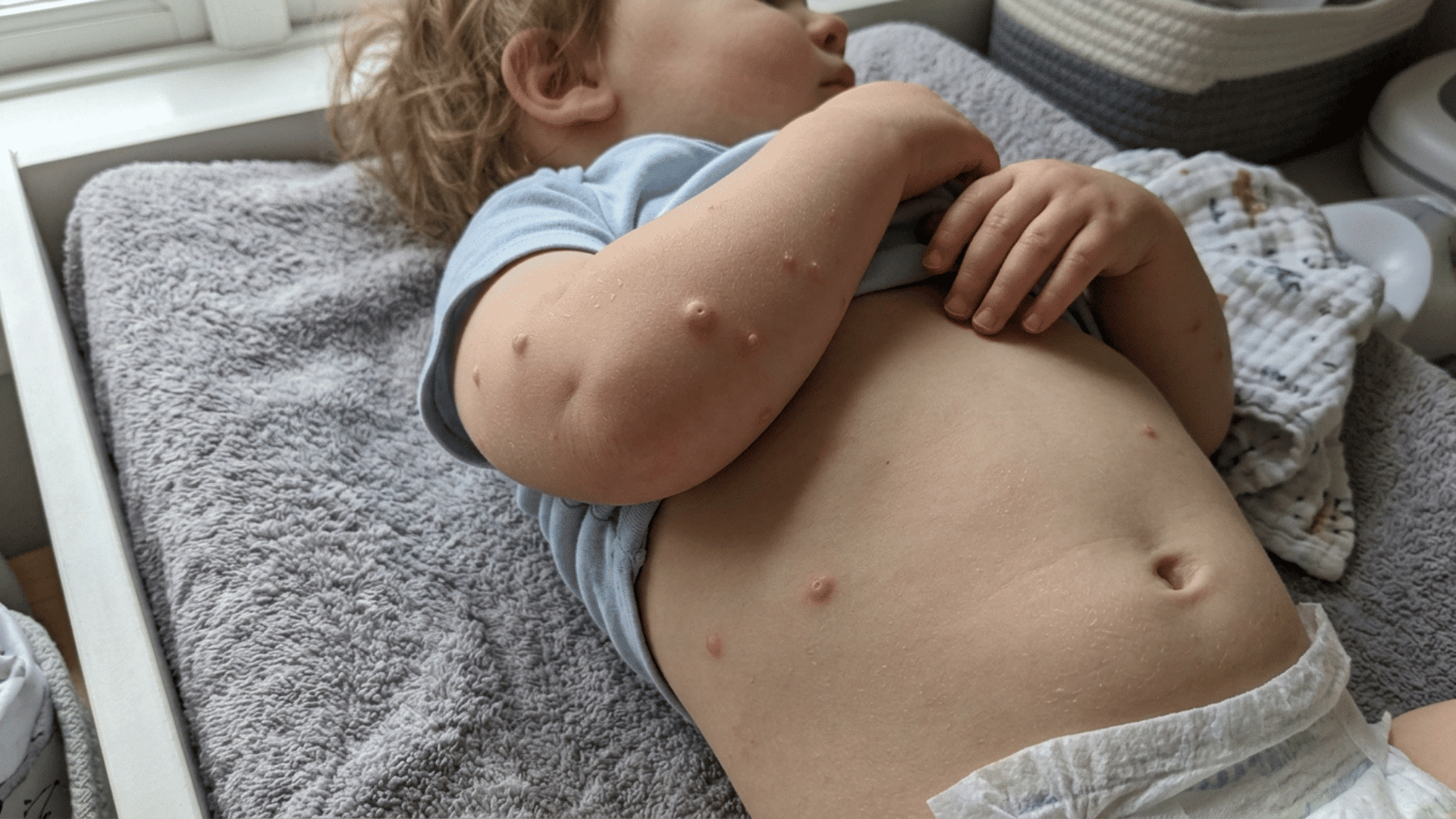
Molluscum contagiosum spreads easily among young children because it can pass through close contact.
A child may get it through direct skin-to-skin contact during playing, hugging, or other activities. It can also spread by sharing towels, clothes, or personal items that touch the affected skin.
Scratching the bumps may move the virus to other parts of the body, causing new bumps to appear.
Since toddlers often play closely together, this condition is fairly common in this age group. Simple hygiene habits can help reduce the chance of spreading it.
Cleaning bath toys on a regular schedule stopped being optional in our house the week we got the diagnosis.
Symptoms to Watch for With Molluscum Contagiosum
Molluscum contagiosum often causes small skin changes that parents can notice by checking the bumps and surrounding area.
Small Raised Bumps
Small, round, and smooth bumps may appear on the skin with a noticeable tiny dip or indentation in the center, giving them a distinct appearance.
Bumps in Clusters
Several bumps may grow close together and form groups on areas like the face, arms, legs, chest, or other parts of the body.
Mild Itching
Some children may experience slight itching around the bumps, especially when the surrounding skin becomes dry, irritated, or inflamed from scratching.
Skin Irritation
The skin around the bumps may become red, swollen, dry, or sensitive, particularly if the child scratches or rubs the affected area.
No Discomfort
Some children may have molluscum bumps without pain, itching, or irritation, making the condition difficult to notice at first.
Precautions to Take at Home that Actually Help
Most molluscum bumps clear up with time, but a few simple habits at home can keep things calmer and stop them from spreading further.
- Hands-off rule: Keep toddlers from picking, scratching, or popping the bumps. Getting a toddler to follow a rule like this takes repetition rather than explanation.
- Gentle moisturizer: Apply a fragrance-free lotion to soothe dry or itchy skin around the bumps
- Trimmed nails: Keep nails short to lower the damage from any accidental scratching
- Cover the bumps: Use a light bandage or clothing over exposed bumps during playtime
- Separate towels: Give the toddler their own towel and washcloth instead of sharing
- No shared bath toys: Skip sharing bath toys with siblings or other kids until bumps clear
- Regular handwashing: Wash hands often, especially after touching the bumps
- Loose clothing: Dress the toddler in soft, breathable clothes to avoid extra rubbing
When Should You See a Doctor About Toddler Skin Bumps?
Most toddler skin bumps are harmless and improve with simple care, but some signs may need medical advice.
Parents should contact a healthcare provider if the bumps become painful, swollen, or start leaking fluid.
Medical help is also recommended if the child has a fever, seems unwell, or the rash spreads quickly. Skin that becomes warm, very red, tender, or shows signs of infection should be checked by a doctor.
Parents should also seek advice if the bumps do not improve, the cause is unclear, or the child has a weakened immune system.
Wrapping it Up
Many skin changes are a normal part of growing up, and most bumps do not cause serious problems.
Paying attention to the size, appearance, symptoms, and spread of bumps on toddler skin can help parents understand when extra care may be needed.
Molluscum contagiosum is one possible cause that often improves with time, patience, and proper hygiene.
If a bump looks unusual or changes quickly, it is always better to ask a healthcare provider for advice.
Have you noticed any skin changes in your toddler that you want to understand better? Share your experience or questions in the comments.
Frequently Asked Questions
Can Toddlers Go to Daycare or School with Molluscum Contagiosum?
Yes, many toddlers can continue attending daycare or school with molluscum contagiosum. The condition does not usually require staying home, but covering visible bumps and following good hygiene habits can help reduce spreading to others.
How Long Does It Take for Toddler Skin Bumps to Disappear?
The time depends on what is causing the bumps. Some may clear within a few days, while others, like molluscum contagiosum, can take several months or longer to fully go away.
Are Skin Bumps on Toddlers Contagious?
Some toddler skin bumps can spread from person to person, especially those caused by viruses or infections. Others, such as bumps from dry skin or irritation, are not contagious and usually happen because of environmental triggers.