



Glue guns, poster boards, and sports fees are easy to add up. You buy the markers, you pay the team sign-up fee, and you think that is the whole bill.
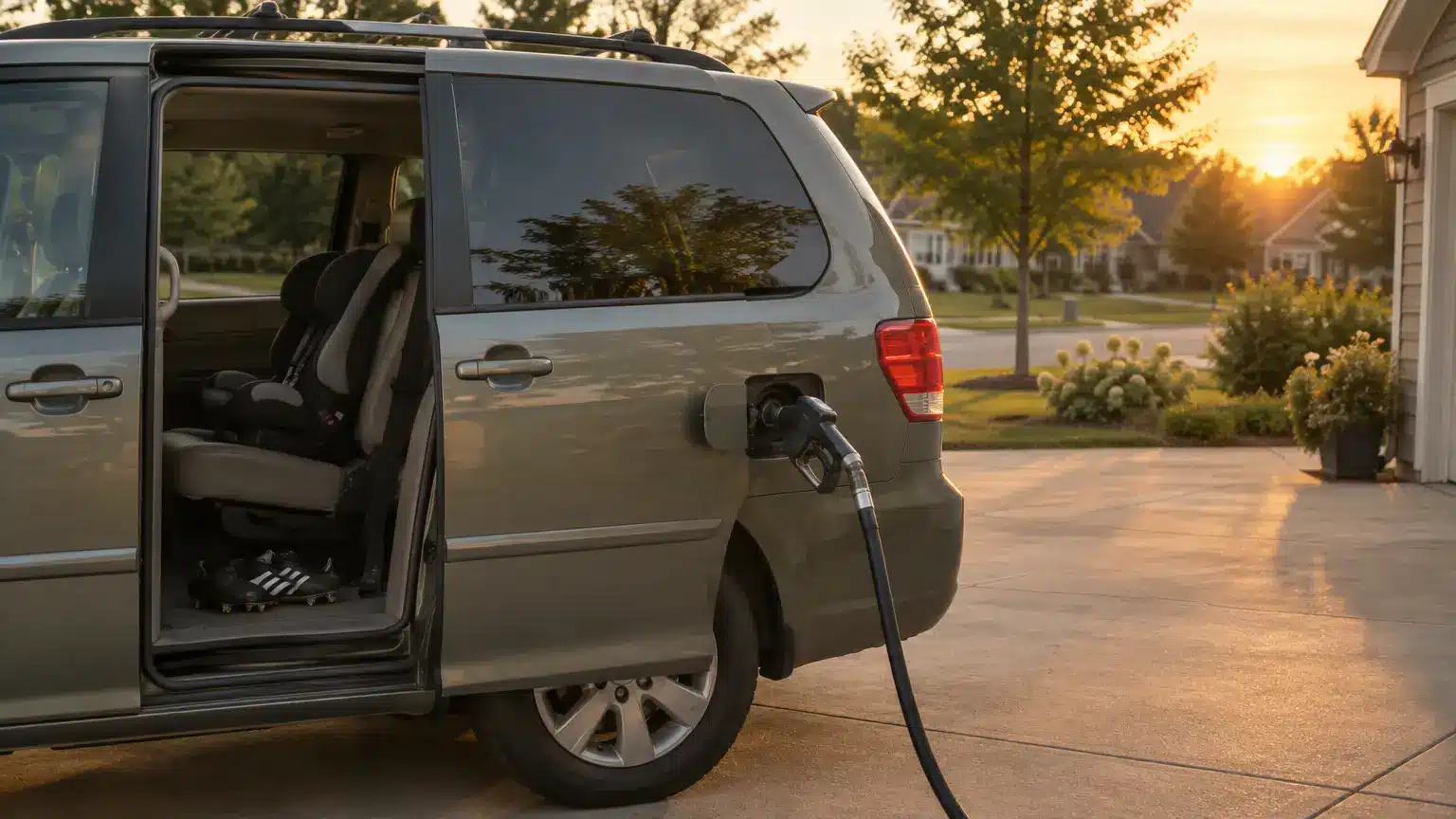
The real money pit sits in the driveway. Driving back and forth across town five times a day burns through a tank of gas faster than any craft project or gymnastics class ever could.
The Car Runs All Day Long
The car runs all day practically once the kids start sports and projects:
- Idling in the school pickup line burns straight cash while the car sits in park.
- Driving home after dropping someone at soccer just means turning right back around an hour later to do it again.
- Forgetting a single poster board or a bottle of glue means another dumb trip to the store before bed.
None of these trips seem like a big deal when turning the key, but the gas gauge drops to empty before anyone realizes what happened.
Short Drives Are Worse Than Highway Commutes
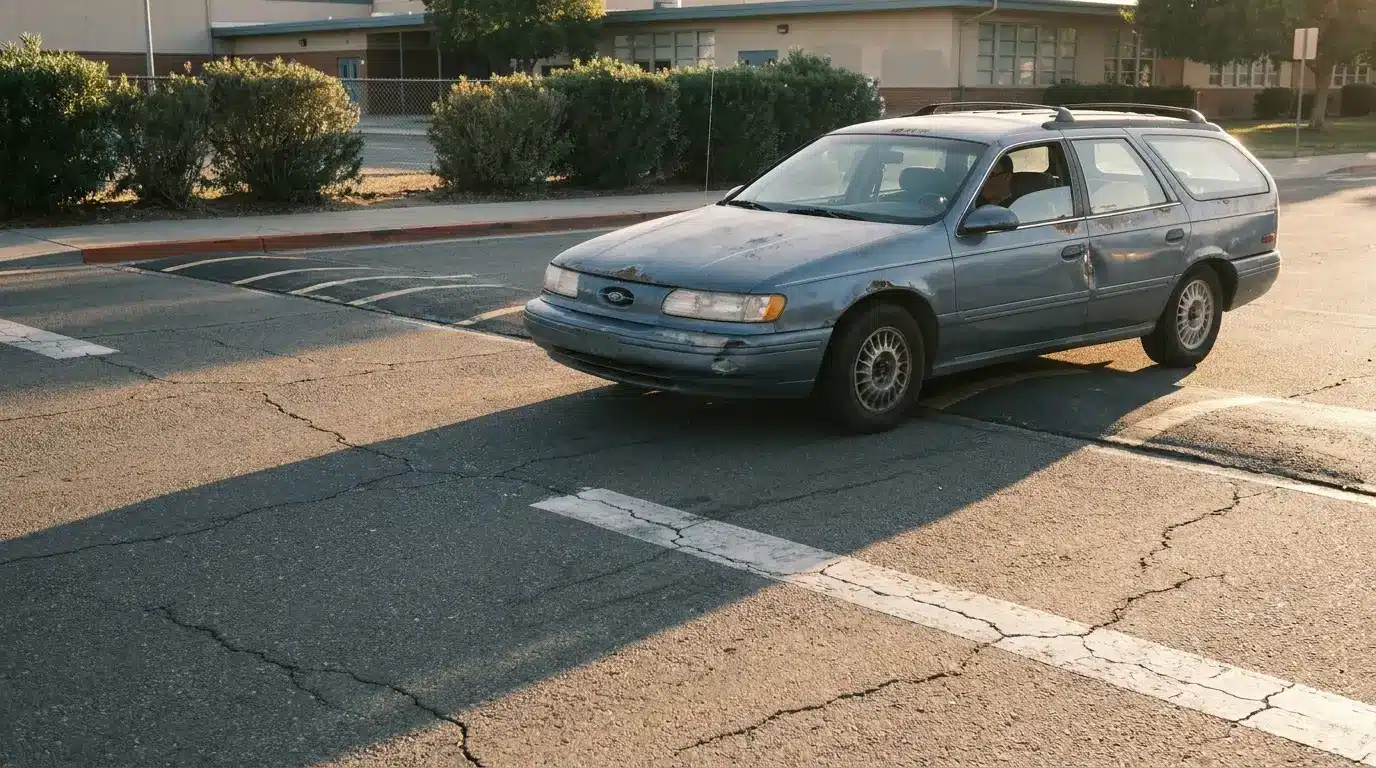
Two-mile hops to school and back destroy gas mileage.
Engines barely warm up on trips down the street. Between neighborhood stop signs, speed bumps in front of the playground, and idling in the school lot, the car burns through gas at twice the rate it would on an open highway. It feels like local driving, but the tank empties out just as fast as a road trip.
Getting Some Cash Back on All Those Miles
Carpooling takes some heat off the schedule, but somebody still has to burn the gas. Tapping a basic debit card at the pump just hands that money away for good.
Swiping a proper fuel savings credit card at the pump takes a direct cut off every single tank of gas the family burns. A few cents off a gallon will not cover the cost of new tap shoes or art camp, but getting cash back stops the school run from eating up grocery money.
Stop Making Emergency Runs for Glue and Paper
Last-minute runs for craft supplies are pure cash down the drain.
Kids only remember they need poster board right before bed, forcing another trip out when nobody wants to drive. Keeping a cheap plastic bin in the closet stocked with poster board, glue, and construction paper kills those panic trips before they start. If the stuff is already in the house, the car stays in the driveway.
Grouping Errands Before Turning the Key
Heading out for one random item burns through gas for nothing:
- Stick a notepad on the fridge and wait until there is an actual list before grabbing the keys.
- Run errands right by the field while practice is going on instead of driving all the way home just to wait around.
Cutting out just a couple of round trips keeps twenty bucks in the gas tank.
School Runs Tear Up the Car
The gas pump is not the only place the car takes a hit:
- Creeping over speed bumps and stopping at every single crosswalk eats up brake pads fast.
- Hitting those same neighborhood bumps every day slowly beats up the shocks.
Dropping hundreds on brakes down the road comes straight from all those quick runs across town, even if the connection never gets made.
Put All the Driving Costs on One Statement
Mixing pump visits with regular grocery runs makes it impossible to see what all these activities really cost.
Use one card strictly for the gas station and vehicle repairs. When the statement comes, the number is right there in black and white. It shows exactly what the road trips cost, without hunting through crumpled receipts buried under snack wrappers in the back seat.
Conclusion
Keeping kids active is fine, but the driving kills the budget. Idling in carpool lines and making sudden runs for forgotten craft stuff drains the tank fast. Knock out errands in one shot, keep basic supplies around the house, take whatever discount you can get at the pump, and stop letting quick neighborhood trips chew up cash.