






You have said it three times already. Maybe four. Your child is staring at the TV while you stand there wondering if they even heard you.
Many parents face the same daily challenge and start searching for how to make kids listen without repeating themselves or raising their voice. It can feel frustrating when simple requests turn into long back-and-forth conversations.
The truth is, kids are not always ignoring parents on purpose. Their attention, emotions, and developing brains affect how they respond.
This guide explains how to make kids listen by understanding why children tune out and using simple communication strategies that encourage cooperation instead of conflict.
Why Kids Do Not Listen in The First Place?
Before trying to fix the problem, it helps to understand why it happens. Kids are not ignoring you to be rude. Their brains are still developing, and their world works differently from yours.
The Brain Science Behind It
The part of the brain responsible for decision-making and impulse control doesn’t fully mature until the mid-twenties. So, when a six-year-old doesn’t stop playing when asked, it’s not stubbornness, it’s biology.
- Prefrontal Cortex Development: Young children’s brains are still learning how to switch attention. Moving from playtime to chores can be genuinely difficult for them.
- Emotional Flooding: When kids are upset, excited, or deeply focused, they cannot process instructions well. Their brains are simply overwhelmed.
- Too Many Words: Long lectures and detailed explanations don’t land well with young children. Short, clear instructions work far better.
- Selective Attention: Children get absorbed in what they are doing. They are not tuning you out on purpose; they are just that focused.
Age-Specific Expectations
What works for a ten-year-old will not necessarily work for a toddler. Knowing what is realistic for your child’s age makes a big difference in how you respond.
| Age Group | Common Listening Behavior | What Helps |
|---|---|---|
| 2 to 3 years | Short attention span, easily distracted | One- or two-word instructions, visual cues |
| 4 to 6 years | Understands rules but tests them | Simple explanations, choices, consistent follow-through |
| 7 to 10 years | Can follow multi-step requests | Reasoning, natural consequences, involvement in decisions |
| 11 to 12 years | Seeks independence, may push back | Respect, negotiation, and clear boundaries with reasons |
How to Communicate So Kids Actually Listen
Most parents give instructions from across the room. That is usually where things fall apart. Getting proper attention before speaking is half the battle. It sounds simple, but it changes everything.
1. Get Their Attention Before You Speak
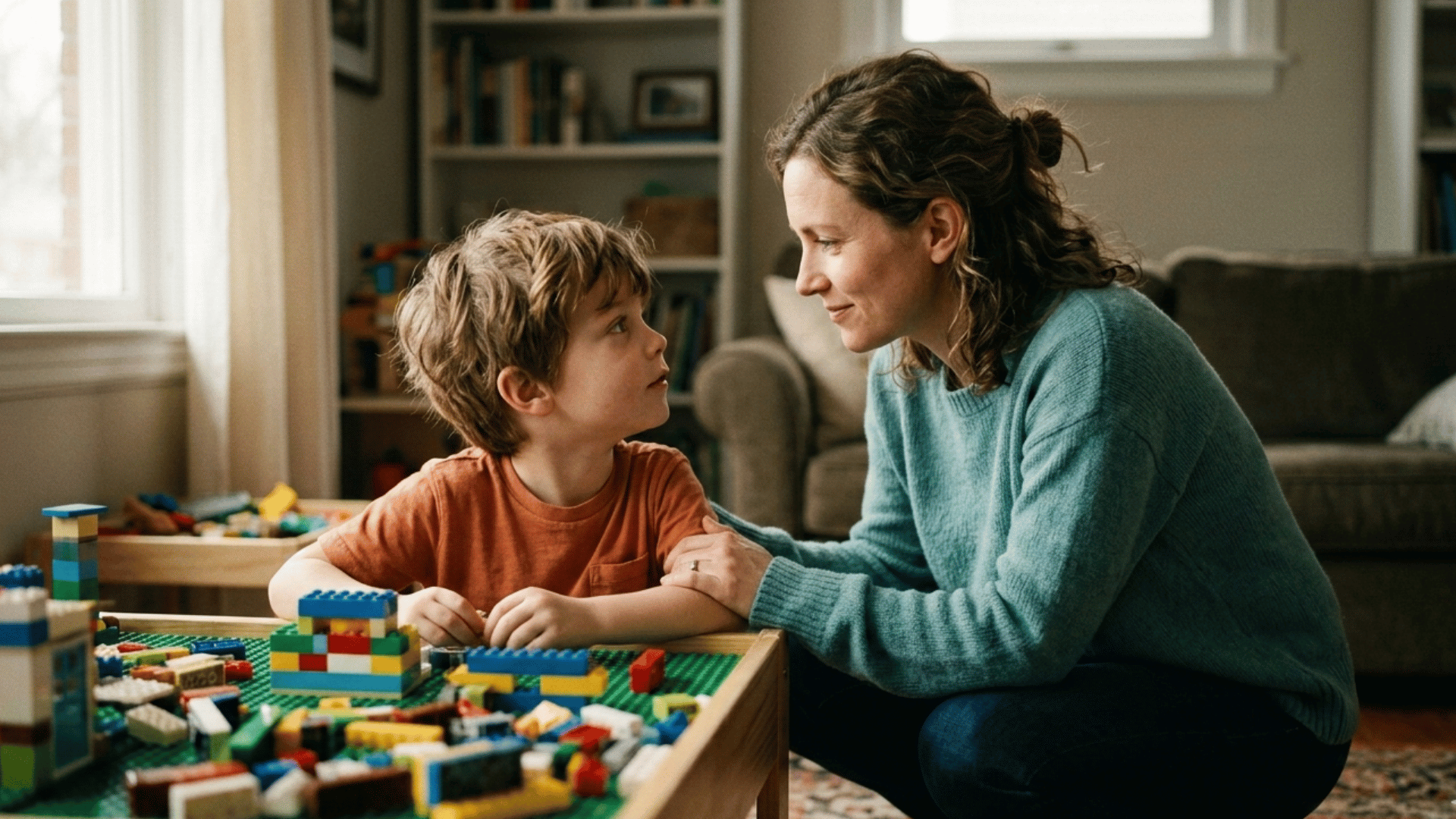
Your child needs to know you are talking to them specifically before they can respond. These small physical steps make a real difference in how well your message lands. Walk over and get down to their eye level. Do not shout instructions from another room.
Say their name, pause for a second, then give your instruction. The pause signals that something important is coming.
Wait for acknowledgment before walking away, and ask for a simple confirmation. ‘Did you hear me?’ or ‘Can you repeat that back to me?’ keeps them accountable.
2. Reduce Background Distractions
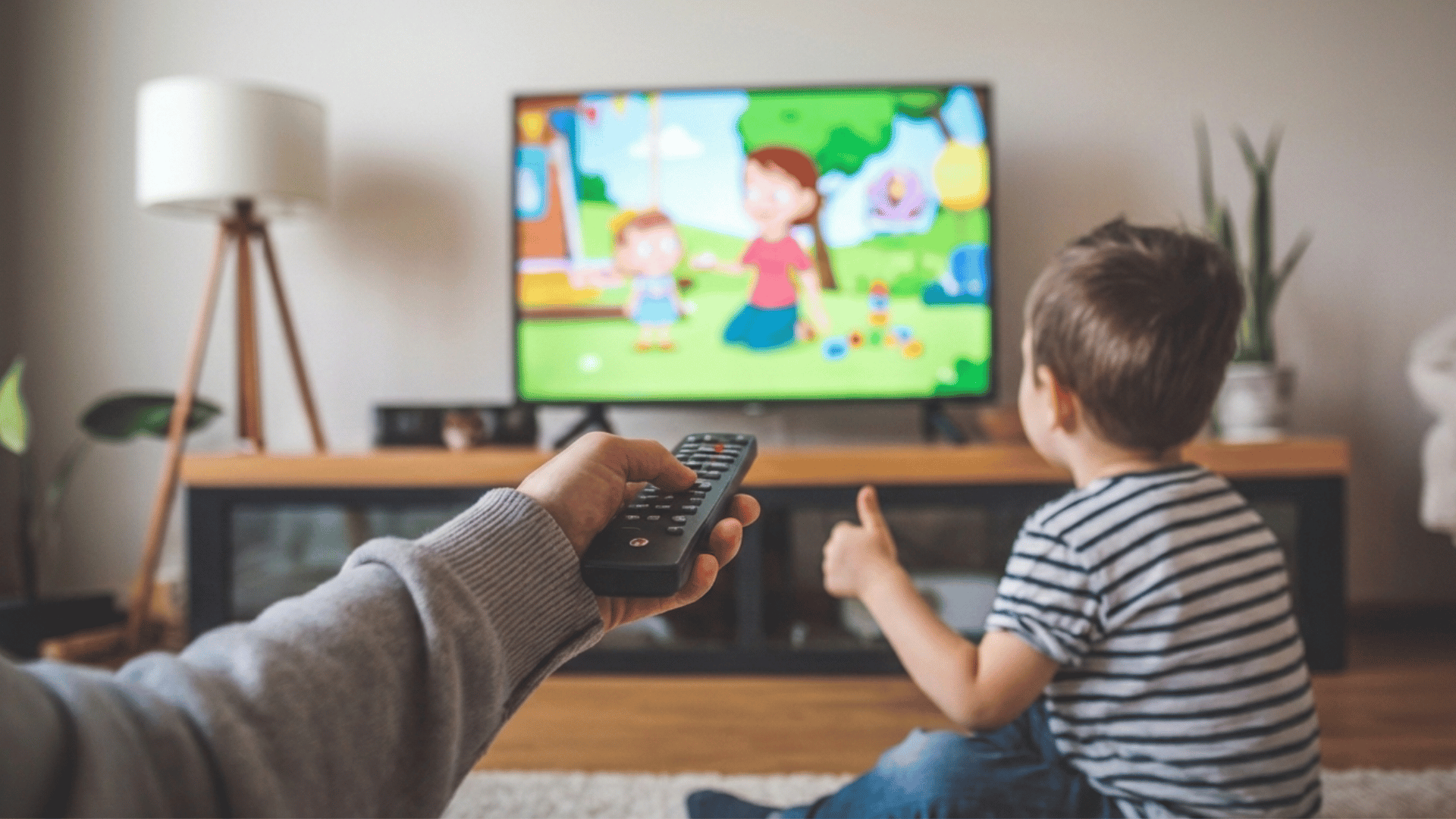
Screens, noise, and other distractions compete directly with your instructions. Removing them before you speak gives your words a real chance.
Ask them to press pause or mute the screen before you speak. This shows respect and gets their full focus.
Timing also matters when giving directions. Interrupting a child in the middle of an activity often leads to frustration or ignored instructions. Waiting briefly for a natural pause makes them more open to listening.
3. Keep Instructions Short and Specific

Clear and simple instructions are easier for children to follow. Instead of vague requests like “clean up your stuff,” give specific directions such as “put your shoes by the front door.”
Give one instruction at a time, since multiple tasks can overwhelm younger kids. Positive directions also work better than negative ones. Saying “walk please” instead of “stop running” clearly tells them what behavior is expected.
4. Give a Heads-Up Before Transitions

Sudden transitions can lead to resistance in children. Giving a short warning, like “In five minutes, we are leaving,” helps them prepare for the change.
A visual timer can also help younger kids understand the countdown better. Acknowledge what they are leaving behind by saying something like, “I know you are having fun; you can come back to this later.”
5. Offer Limited Choices
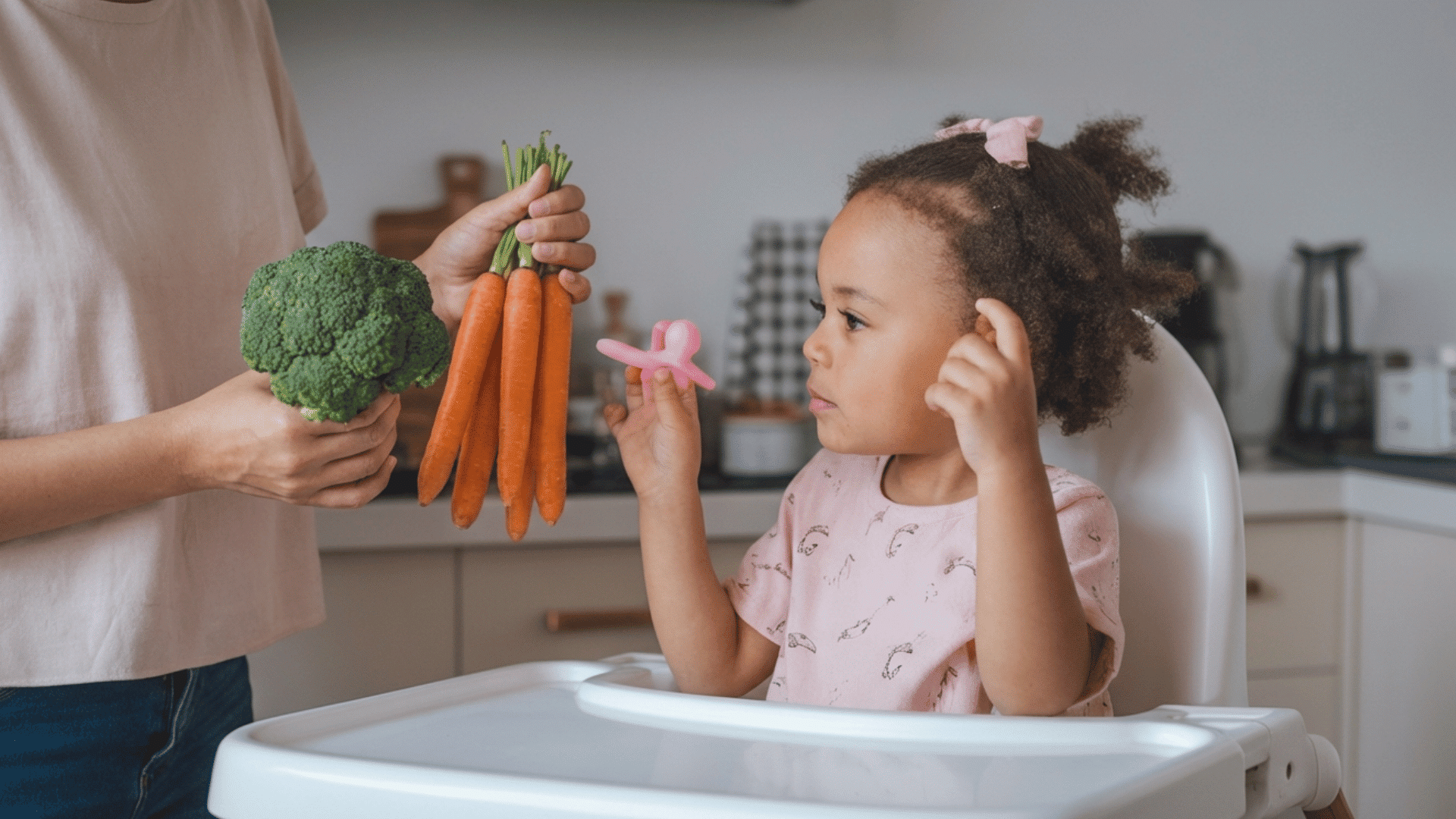
Giving children a small amount of control within your boundaries increases cooperation significantly. It shifts the dynamic from you commanding to them choosing.
| Instead of This | Try This |
|---|---|
| ‘Put your shoes on now.’ | ‘Do you want to put on your shoes first or your jacket first?’ |
| ‘Eat your vegetables.’ | ‘Do you want carrots or broccoli tonight?’ |
| ‘Go to bed.’ | ‘Do you want to brush teeth first or read a book first?’ |
| ‘Stop arguing’ | ‘Do you want to talk about this calmly or take five minutes first?’ |
Why Yelling Backfires?
Yelling may seem like an effective way to get your child’s attention, but it often backfires in the long run. Instead of encouraging cooperation, it can damage your relationship and make it harder for them to listen.
- Yelling triggers the brain’s stress response: When a child hears shouting, their brain activates the fight or flight response. Instead of listening, they go into self-protection mode.
- It raises the threshold for attention: Over time, children calibrate to your volume, meaning they learn to ignore you until you shout loud enough to get their attention.
- Yelling damages the connection: Frequent yelling creates anxiety and reduces the trust between you and your child. This trust is essential for cooperation, and when it erodes, your child is less likely to listen.
What to Do When Kids Still Ignore You?
Even after you’ve communicated clearly, kids may still ignore instructions. When this happens, it’s important to use strategies that encourage cooperation and get their attention. Here’s what you can do:
1. Stay Calm and Firm
Instead of raising your voice, use a firm, quiet tone. A calm, consistent voice is more likely to get their attention because it’s unexpected. Staying calm helps your child regulate their emotions and focus on your instructions.
For example, if your child is absorbed in a game, calmly say, “It’s time to stop playing and come to dinner.” If they don’t respond right away, repeat it quietly and firmly.
2. Use the “When, Then” Approach
This approach helps children understand the cause-and-effect relationship between their actions and the results.
For example, “When your shoes are on, then we can go to the park.” This sets clear expectations while giving them something to look forward to.
3. Natural Consequences
Sometimes, letting kids experience the natural outcomes of their behavior can be more effective than punishment.
For example, if your child refuses to wear a coat, they will get cold outside. If they don’t clean up their toys, they won’t be able to play with them later.
4. Involve Your Child in Decisions
Giving your child some control can improve cooperation. Instead of simply telling them what to do, give them options within your boundaries.
For example, “Do you want to put on your shoes first, or your jacket?” This makes them feel involved and can increase compliance.
Building a Relationship Where Kids Want to Cooperate
The most overlooked part of the listening puzzle is connection. Children are far more likely to cooperate with adults they feel close to. Discipline works best inside a strong relationship.
Connection Before Correction
Before redirecting behavior, check in emotionally with your child. A child who feels seen and heard is more open to guidance. Even just a minute of genuine connection can shift the interaction.
Acknowledge their feelings, spend special one-on-one time, and ask questions like, “What is going on for you right now?” This helps create empathy and understanding before issuing any correction.
Catching Them Doing It Right
Most parenting feedback focuses on what children are doing wrong, but flipping that ratio is key to building the behavior you want over time.
Be specific with praise, such as saying, “Thank you for coming when I called you. That was really helpful,” rather than just “Good job.” Notice small wins, like when your child listens the first time, and point them out to build the habit.
Using praise publicly, like mentioning their good behavior to another adult in their earshot, can be incredibly motivating for kids.
Involve Kids in Setting Family Rules
Children are far more likely to follow rules they had a hand in creating. Involving them in family decisions around expectations gives them ownership and accountability.
- Hold a short family meeting to agree on two or three household rules together.
- Ask for their ideas on what fair consequences should be if rules are broken.
- Write the agreed-upon rules somewhere visible, like the fridge, as a shared reference.
- Revisit rules periodically so they stay relevant as children grow.
Quick Reference: Common Situations and What to Do
Sometimes you just need a fast answer. This table covers the most common listening challenges parents face and a practical response for each one.
| Common Situation | What NOT to Do | What to Try Instead |
|---|---|---|
| The child ignores you completely | Repeat louder and more often | Make physical contact, get to eye level, and wait for eye contact |
| Child says “in a minute” and never follows through | Accept it and forget | Set a timer for one minute and follow up when it goes off |
| The child melts down when asked to stop an activity | Force the transition immediately | Give a five-minute warning, then a one-minute warning |
| The child argues with every instruction | Engage in the argument | State the instruction once, then walk away and let the consequence speak |
| Child refuses to cooperate in public | Threatened consequences you cannot enforce | Quietly and calmly state what will happen when you get home |
| Siblings are both ignoring you | Address them both at once | Address each child separately, one at a time |
Conclusion
Getting kids to listen is rarely about finding the right punishment. It is about learning to communicate in a way that actually reaches them.
The strategies in this blog, from giving clear instructions to building real connections, are not quick fixes. But they do work. Start with one or two that feel right for your family and build from there.
Small shifts in how you communicate can lead to big changes in how your child responds. If you found these tips helpful, share this guide with a fellow parent or save it for the next time you need a reset.
Frequently Asked Questions
Why does my child listen to others but not me?
Kids often behave differently based on the environment. At home, they feel more relaxed and test boundaries more.
Should I use rewards to make my child listen?
Rewards can help with short-term habits, but long-term habits come from consistency and clear expectations.
What if my child only listens when I get angry?
That usually means they respond to intensity, not instruction. Focus on consistency instead of volume.