




Moving your little one from a crib to a bed is a big step that brings new changes to their sleep routine and daily habits.
Knowing when to transition to a toddler bed depends on more than just age, as your child’s development, comfort, safety, and sleeping habits all play a part.
Some toddlers show signs of readiness early, while others may need more time before making the switch. A calm and planned approach can help your child feel secure during this change.
In this blog, you will learn about signs of readiness, safety tips, common challenges, and simple ways to make the crib-to-bed transition smoother.
When to Transition to a Toddler Bed?
Many children move from a crib to a toddler bed between 18 months and 3 years of age. However, there is no fixed age that decides when every child should make this change.
Some toddlers become ready earlier, while others stay comfortable and secure in their crib for longer.
Age alone does not determine readiness because children develop at different speeds.
Factors like climbing ability, sleep habits, independence, and comfort with new routines can show if a toddler is prepared.
Waiting until your child is ready can make the transition feel easier and more positive.
Signs Your Toddler is Ready for the Switch
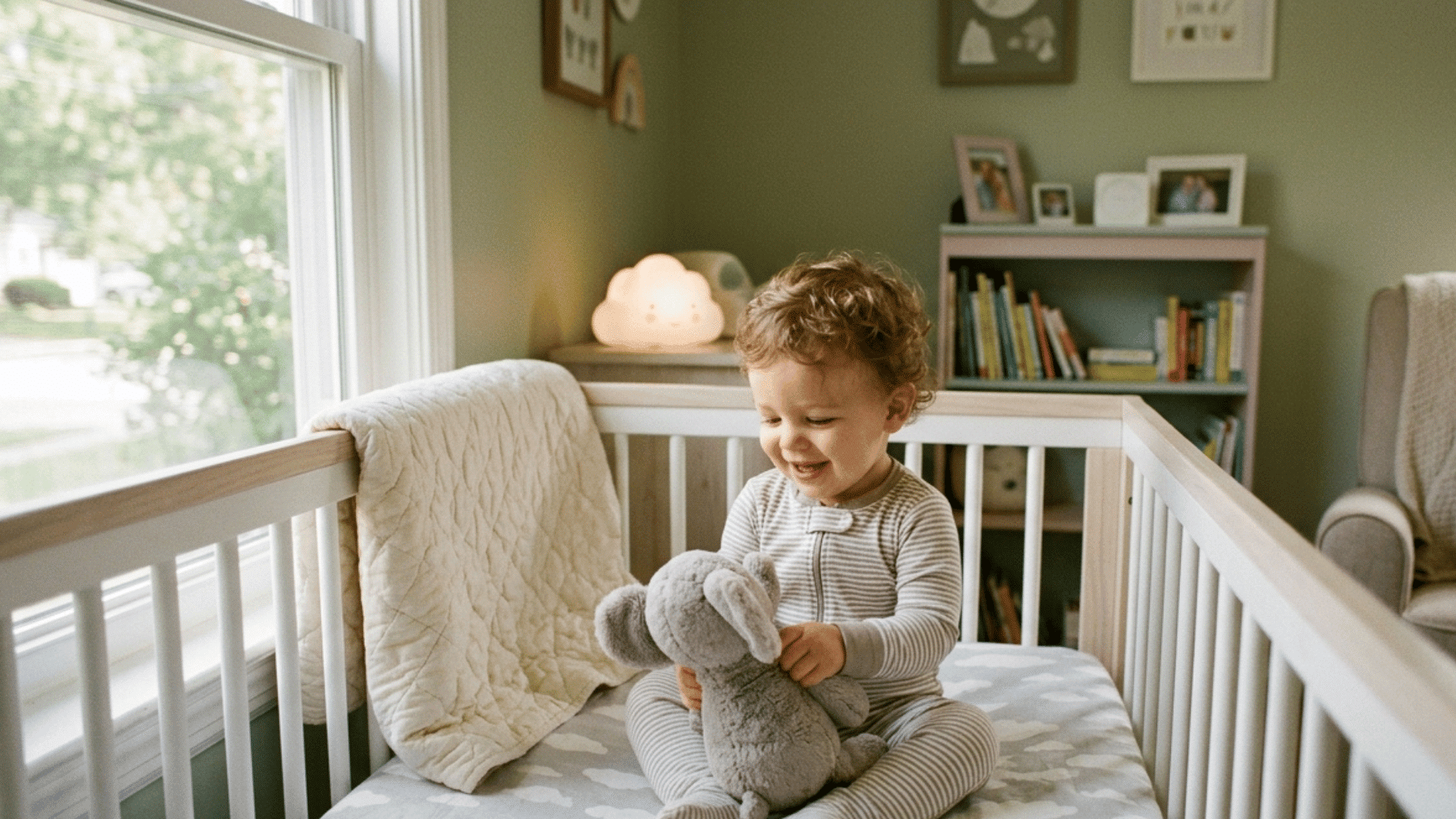
So when do you switch from crib to toddler bed? There’s no single magic age, but some clear signs usually show up around the same time, and once you spot them, the timing becomes much easier to figure out.
1. Climbing Out of the Crib
If you catch your toddler trying to swing a leg over the crib rail, this is the biggest sign, since a climbing toddler poses a fall risk.
Even a single successful attempt means they now know it’s possible, and will likely try again. Once climbing starts, waiting it out isn’t a safe option.
2. Age and Height
Most toddlers make the switch once they’re tall enough for the crib rail to hit below their waist.
A common rule of thumb: once the rail sits near your toddler’s belly button, climbing becomes far easier, and the crib can no longer protect them.
3. Potty Training
If your toddler needs to get up at night to use the potty, they’ll need a bed they can climb in and out of on their own.
Making the switch around the same time potty training starts often helps reinforce both new skills at once. If you’re just starting out, our potty training tips walk through the timing.
4. Your Toddler Asks for a Big Kid Bed
Sometimes the sign is simpler: your toddler just tells you, pointing at their sibling’s bed and asking for a big kid bed.
A request like this usually means they already feel ready, even before the physical signs show up, so it’s worth following their lead.
5. Frequent Night Waking or Restlessness
If your toddler suddenly starts waking up more at night, pressing against the crib rails, it may mean the crib no longer feels comfortable to them.
Growing bodies need more room to move, and cramped sleep often shows up as restlessness before anything else.
Why Moving From a Crib Too Early Can Be Difficult?
Moving from a crib to a bed is a big change, and some toddlers may feel unsure when it happens too soon. A sudden change in their sleep space can make them feel less comfortable or confused about the new routine.
They may miss the familiar feeling of their crib and find it difficult to adjust to having more freedom at bedtime.
Some children may have trouble settling down, wake up more often at night, or leave their bed repeatedly after the transition.
Waiting until a toddler shows signs of readiness can help them feel more secure and confident.
A gradual approach with familiar routines, reassurance, and patience can make the move smoother and easier to adjust to over time.
Safety Tips Before Moving Your Toddler to a Bed

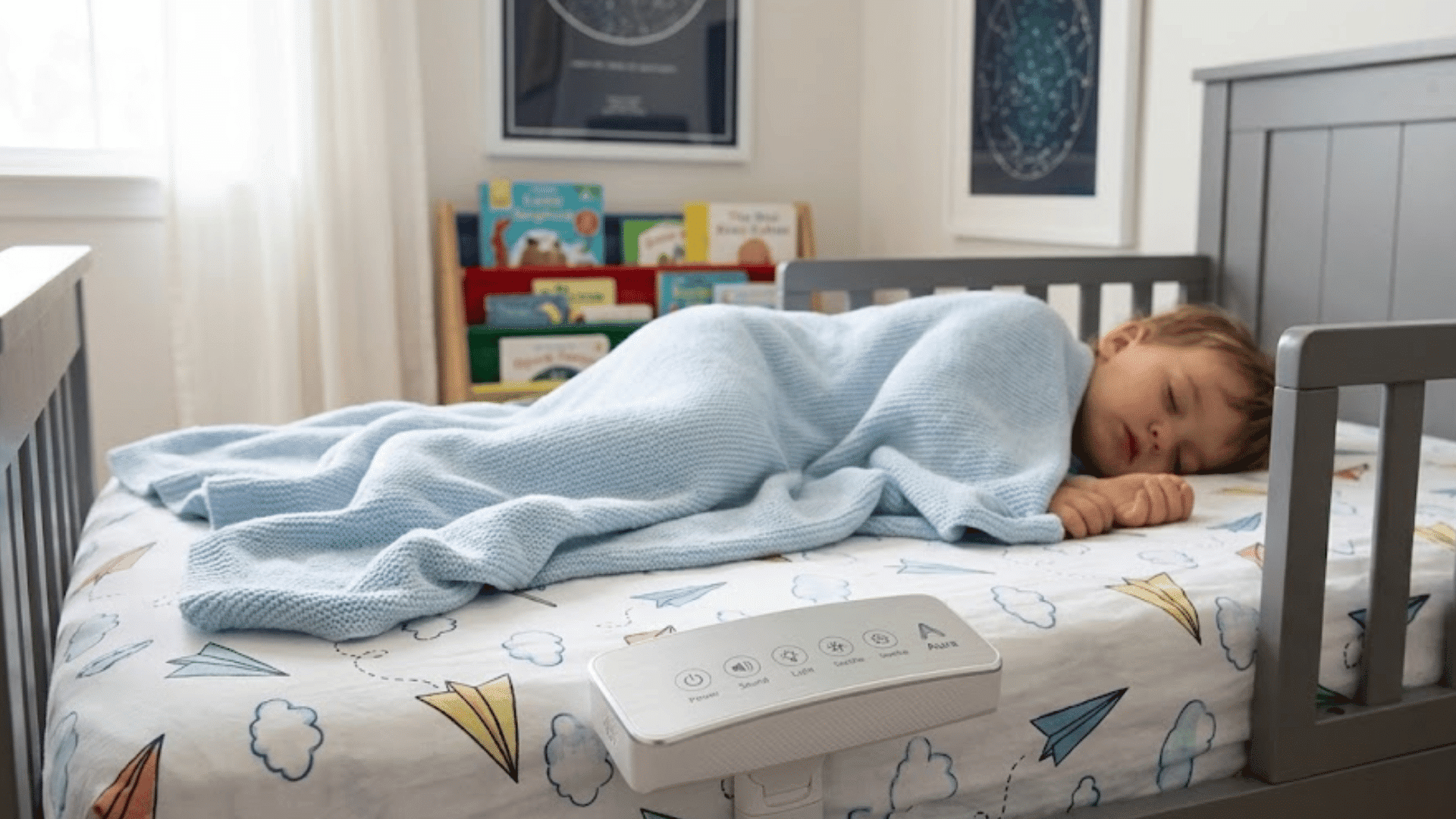
Creating a safe sleep space is important before the transition, as toddlers can move around freely, explore their surroundings, and may get out of bed during the night.
Choose a Low Bed Setup
Place the toddler bed close to the floor or choose a low frame to reduce the risk of falls and make it easier for your child to get in and out safely.
Use Safe Bedding
Pick a fitted mattress that fits properly and avoid loose blankets, pillows, or extra bedding that may create unsafe sleeping conditions.
Secure Furniture Nearby
Anchor furniture like shelves, dressers, and cabinets to the wall to prevent tipping accidents if your toddler moves around or tries to climb.
Remove Climbing Hazards
Keep stools, toys, cords, and other objects away from the bed area to reduce chances of climbing, tripping, or accidental falls.
Add Safety Gates if Needed
Use gates near stairs, doorways, or unsafe areas to create a safer room environment while still allowing your toddler to move around comfortably.
Ways to Make the Crib-to-Bed Transition Smoother
A calm and supportive approach can help toddlers feel comfortable with the change and adjust to their new sleep space more easily.
- Choose the Right Time: Start the transition when there are no major changes happening, such as moving homes or welcoming a new sibling.
- Let Your Toddler Participate: Allow your child to pick small items like bedding or a stuffed toy to help them feel involved in the process.
- Offer Encouragement: Use kind words and praise their efforts instead of creating pressure to adjust quickly.
- Use Positive Bedtime Language: Talk about the new bed in an exciting and reassuring way to build comfort and confidence.
- Be Patient During Adjustment: Give your toddler time to get used to the change, as some children may need extra support before sleeping independently.
Suggested: If the room is doubling as a play space, keeping toys contained helps at bedtime; there are good ideas in this toddler playroom setup.
Wrapping it Up
Moving from a crib to a toddler bed is a new experience, and every child adjusts to this change at their own pace.
Knowing when to transition to a toddler bed and following your child’s readiness signs can make the process feel more comfortable.
A safe sleep space, familiar routines, and a calm approach can help toddlers feel secure while learning this new skill.
With patience and encouragement, parents can support their child’s growing independence in a positive way.
Have you started preparing your toddler for this change? Share your experience and tips in the comments below.
Frequently Asked Questions
Is 2 Too Early to Transition to a Toddler Bed?
Some 2-year-olds are ready for a toddler bed, while others may need more time. It depends on factors like climbing out of the crib, comfort with change, and ability to follow bedtime routines.
Should a 4-Year-Old Still Be in a Toddler Bed?
Many 4-year-olds can still use a toddler bed if they are comfortable and have enough space. However, some children may be ready for a larger bed based on their size, sleep habits, and comfort.
What Kind of Bed Should a 5-Year-Old Be in?
A 5-year-old can usually sleep in a regular single bed or a child-sized bed with proper safety features. The choice depends on the child’s size, room setup, and sleeping needs.