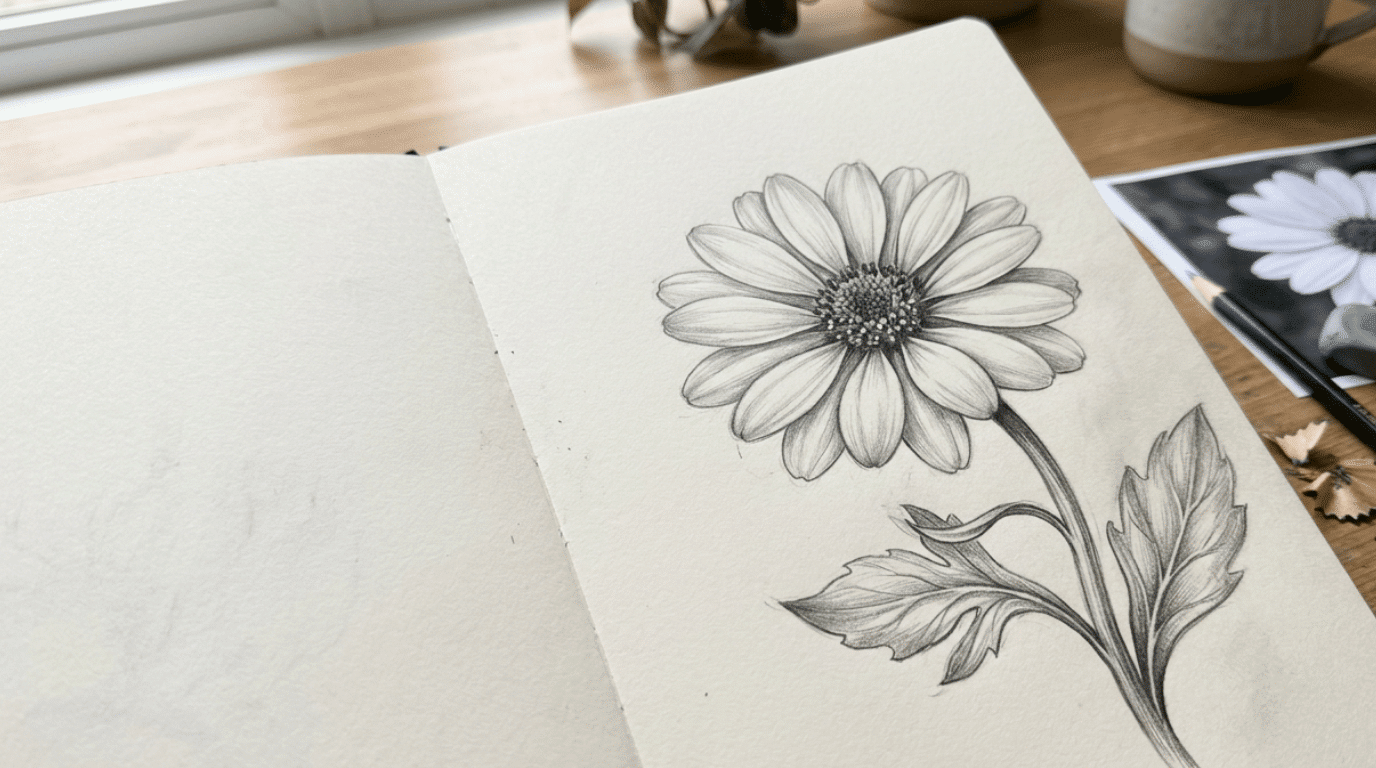



Art doesn’t just appear out of nowhere. Every painting, sculpture, or style belongs to a bigger story, one shaped by the time, culture, and ideas surrounding the artist who made it.
That’s what art movements really are: groups of artists working during the same period, often responding to the same world around them.
Once you start noticing these patterns, art history stops feeling like a list of random names and dates.
This blog walks through what art movements are, how to spot one at a glance, and covers major movement art examples from the Renaissance to Contemporary art, so you can start seeing the bigger picture, too.
What Art Movements Are and Why They Matter
Art movements are groups of artists who share similar ideas, styles, or ways of working during a certain time.
Instead of looking at art as random or separate pieces, movements help connect artworks through common themes and creative choices.
Each movement reflects a moment in history where artists responded to changes in society, culture, and daily life through their work.
Some focused on realistic detail, while others shifted toward emotion, abstraction, or bold visual experiments. Understanding art movements also makes it easier to compare styles side by side and see how art slowly shifted over time.
How to Identify Art Movements in Movement Art?
When looking at artworks, it helps to focus on a few clear visual clues to understand which movement they belong to. This makes it easier to connectmovement art with their style and time period without confusion.
Pay attention to how artists use color, light, shapes, and subject matter. Some movements focus on realistic detail, while others move toward abstract or expressive forms.
Brushwork style, composition balance, and the type of scene shown also give strong hints about the movement behind the artwork.
The way artists use space in art can also help you recognize whether a movement values realism, balance, abstraction, or visual tension.
By comparing these visual elements, you can quickly separate one art movement from another and understand how each style builds on or reacts to the ones before it.
Major Art Movements and Movement Art Examples
Art movements help explain how artistic styles shift across time and how artists respond to culture, society, and ideas. Below are key examples of movement art that make it easier to understand how each style differs and why it matters in art history.
1. Renaissance Art
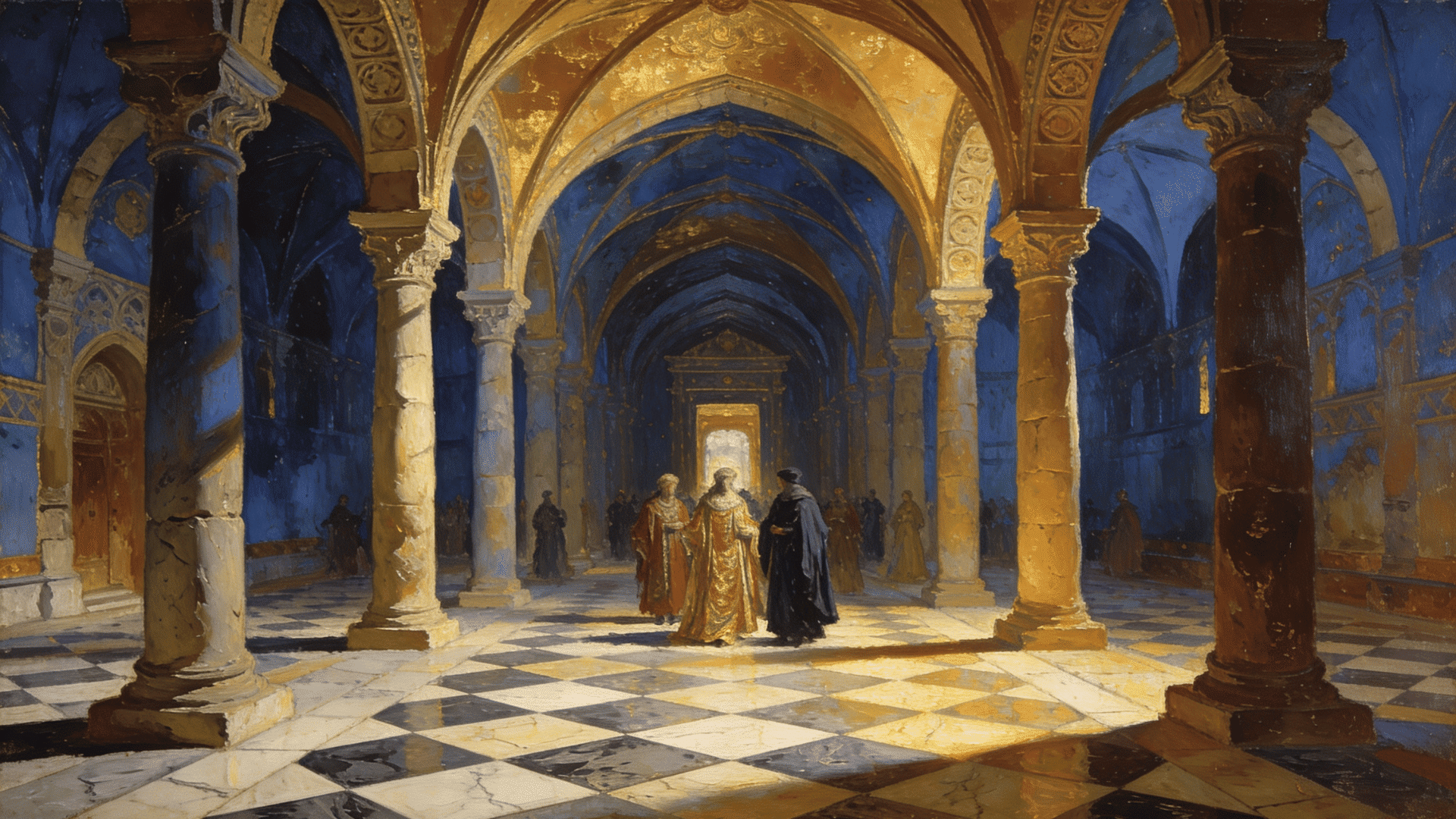
The Renaissance marked a return to classical Greek and Roman ideas, with a strong focus on human form, balance, and proportion.
Artists studied real life closely to create more natural and accurate representations of people and space. Religious and mythological subjects were still common, but they were presented with a renewed focus on realism and human emotion.
Key Characteristics:
- Human anatomy is studied in detail
- Use of perspective to show depth
- Balanced and structured compositions
- Religious and mythological storytelling
2. Baroque Art
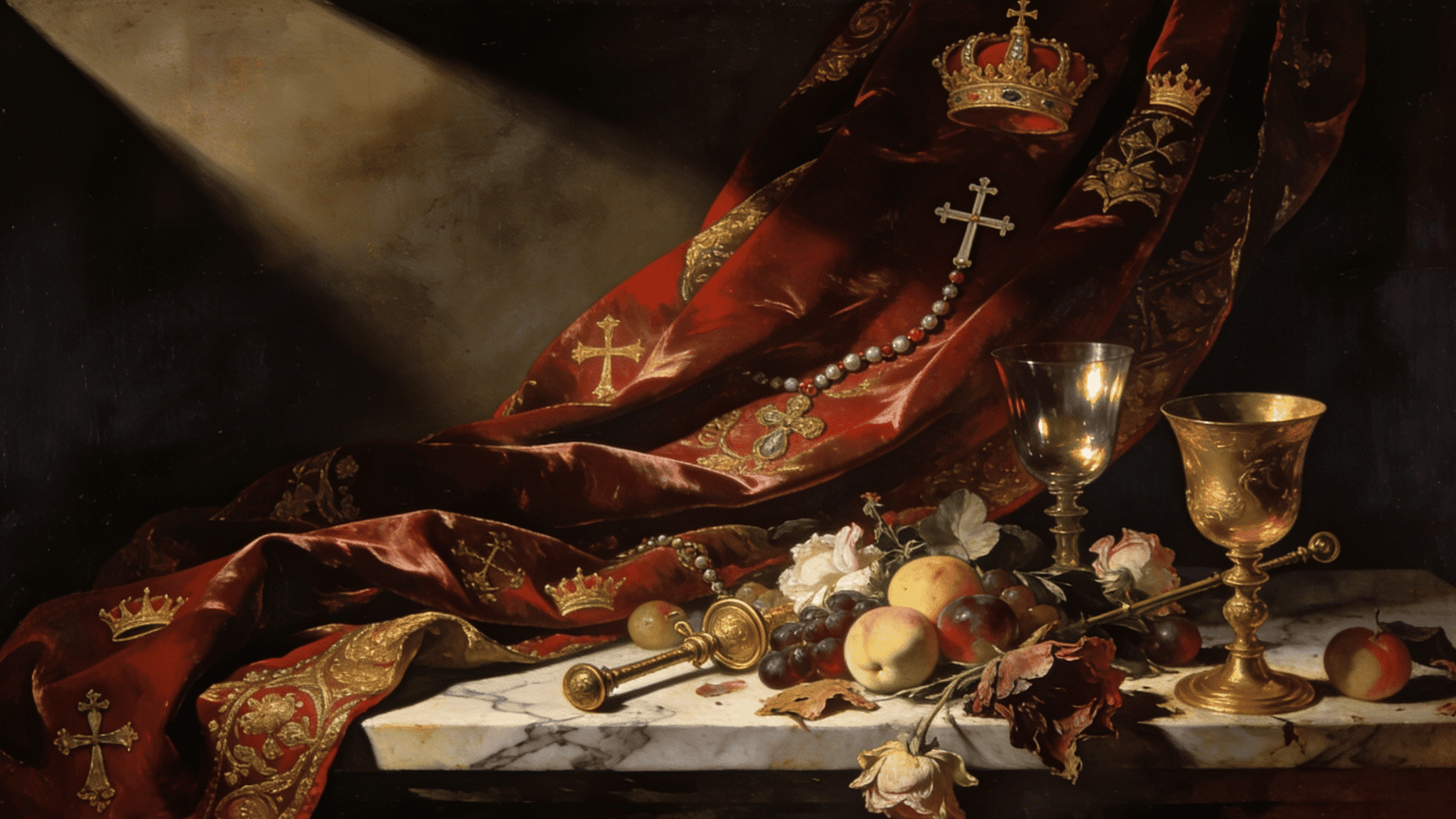
Baroque art focused on drama, emotion, and strong visual intensity through light, shadow, and movement. Artists studied real life closely to create powerful, detailed compositions.
This movement often presented religious and royal subjects theatrically, making scenes feel active and emotionally charged. Light and shadow were used to guide attention and increase depth.
Key Characteristics:
- Strong contrast of light and shadow
- Emotional and dramatic scenes
- Rich detail and movement
- Religious and royal themes
3. Rococo Art
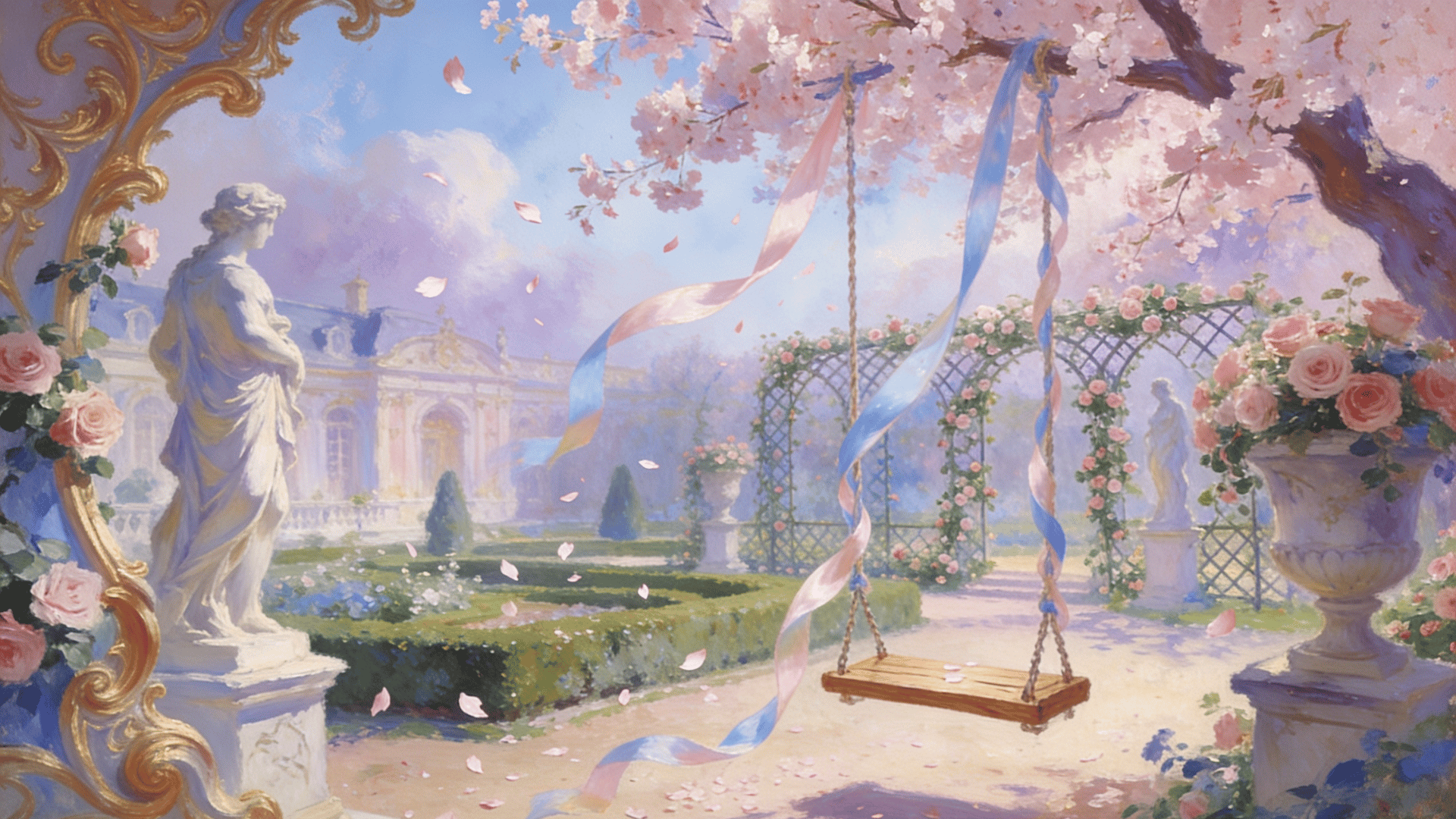
Rococo art developed as a lighter and more decorative style, focusing on elegance, charm, and playful themes. It often showed scenes of leisure and social life.
Artists used soft colors, curved forms, and ornamental details to create graceful and visually pleasing compositions.
Key Characteristics:
- Soft pastel colors
- Curved decorative designs
- Scenes of leisure and luxury
- Ornamental detailing
4. Neoclassicism
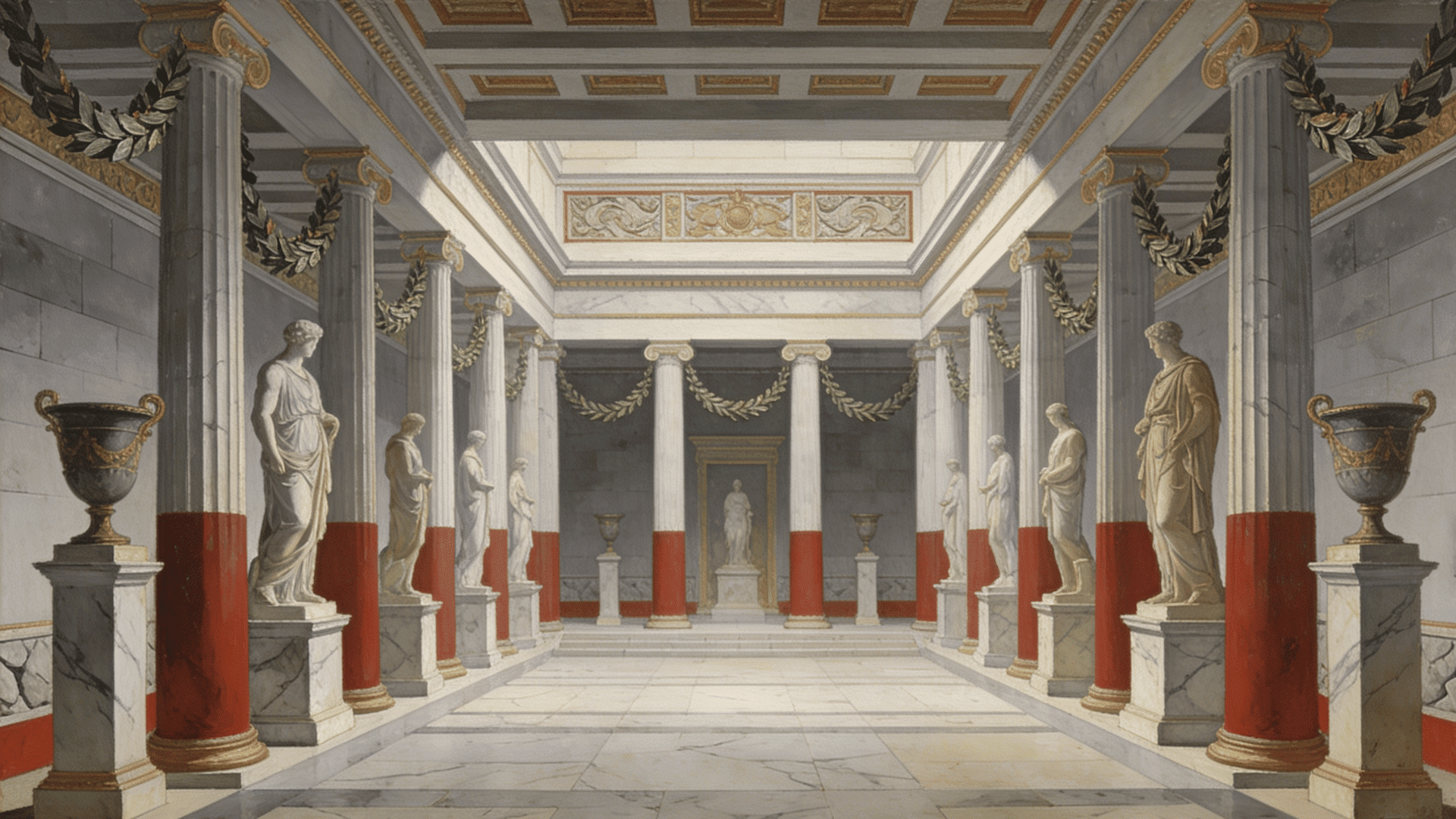
Neoclassicism focused on order, structure, and inspiration from ancient Greece and Rome. It emphasized clarity, balance, and moral storytelling.
Artists avoided excess decoration and used clean compositions to present historical and heroic subjects in a serious tone.
Key Characteristics:
- Clean lines and symmetry
- Historical and moral themes
- Structured composition style
- Inspired by Greek and Roman art
5. Romanticism
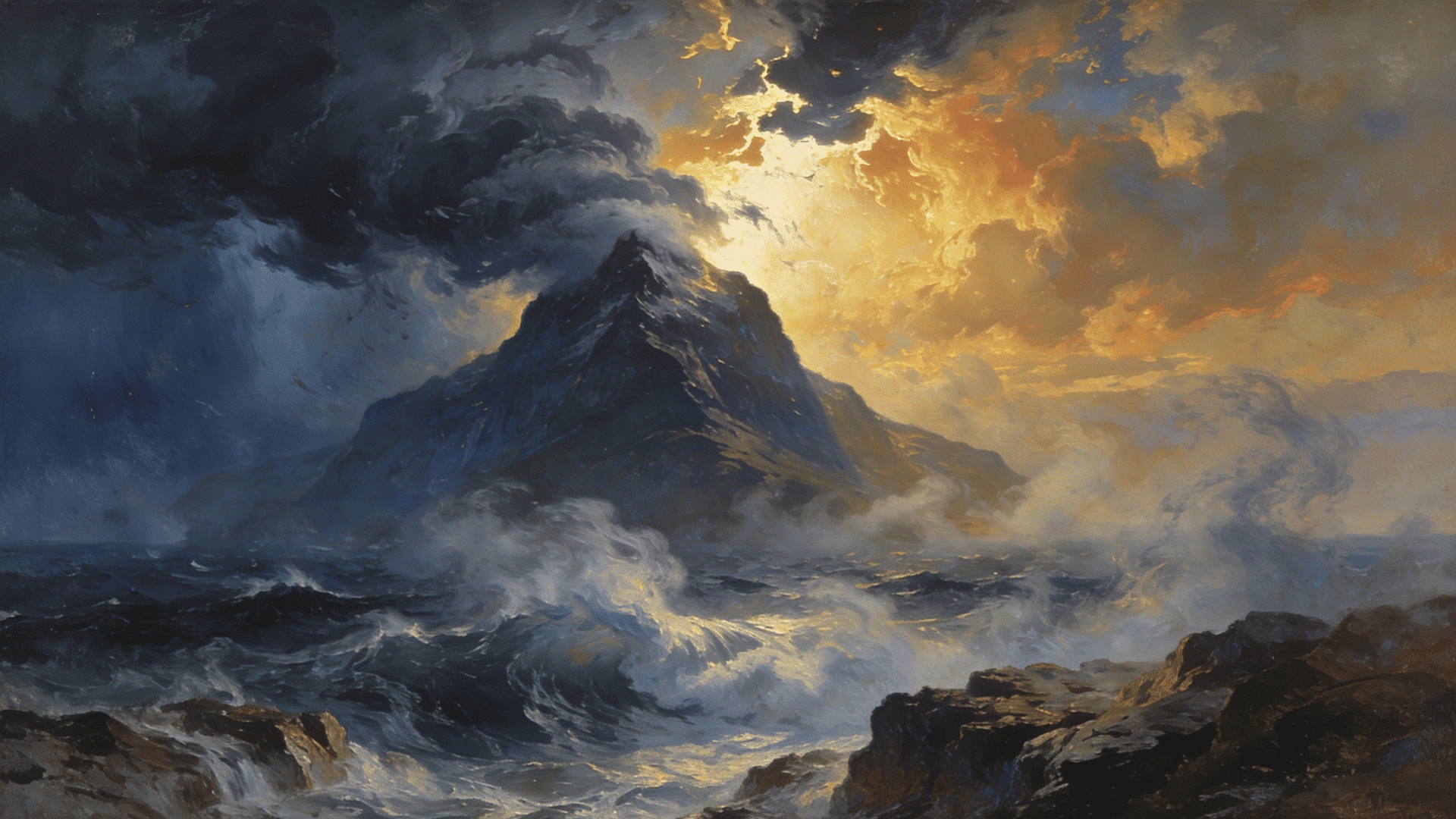
Romanticism emphasized emotion, imagination, and nature over strict rules or structure. It focused on personal expression and dramatic storytelling.
Artists often portrayed powerful landscapes and emotional scenes that highlighted individuality and freedom.
Key Characteristics:
- Emotional and expressive storytelling
- Dramatic landscapes
- Strong focus on nature
- Individual expression
6. Realism
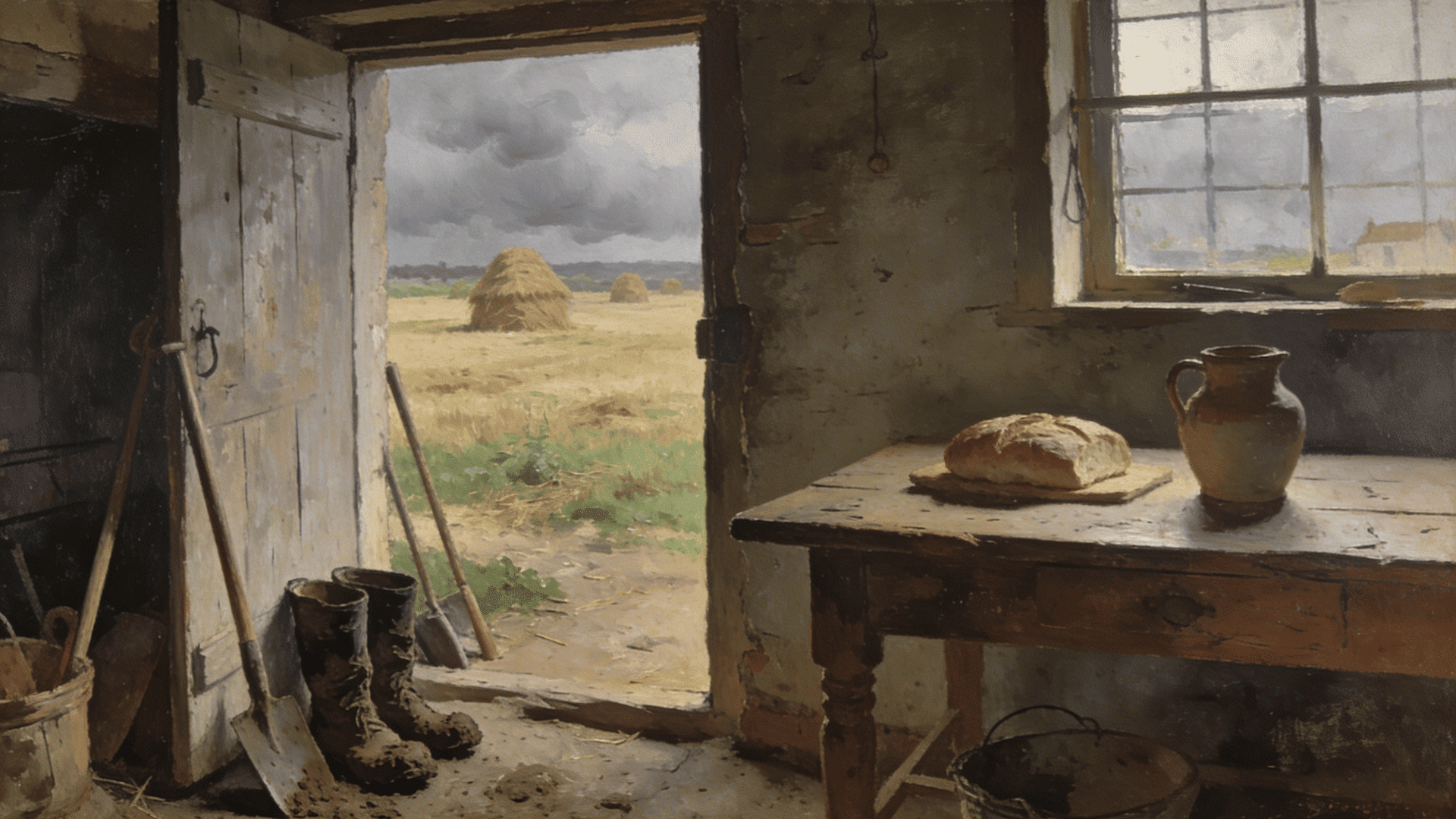
Realism focused on showing everyday life without idealization or exaggeration. It highlighted ordinary people and real-world conditions.
Artists aimed to represent life honestly through detailed observation and natural scenes.
Key Characteristics:
- Everyday life subjects
- Honest representation
- Social and working-class focus
- Detailed observation
7. Impressionism
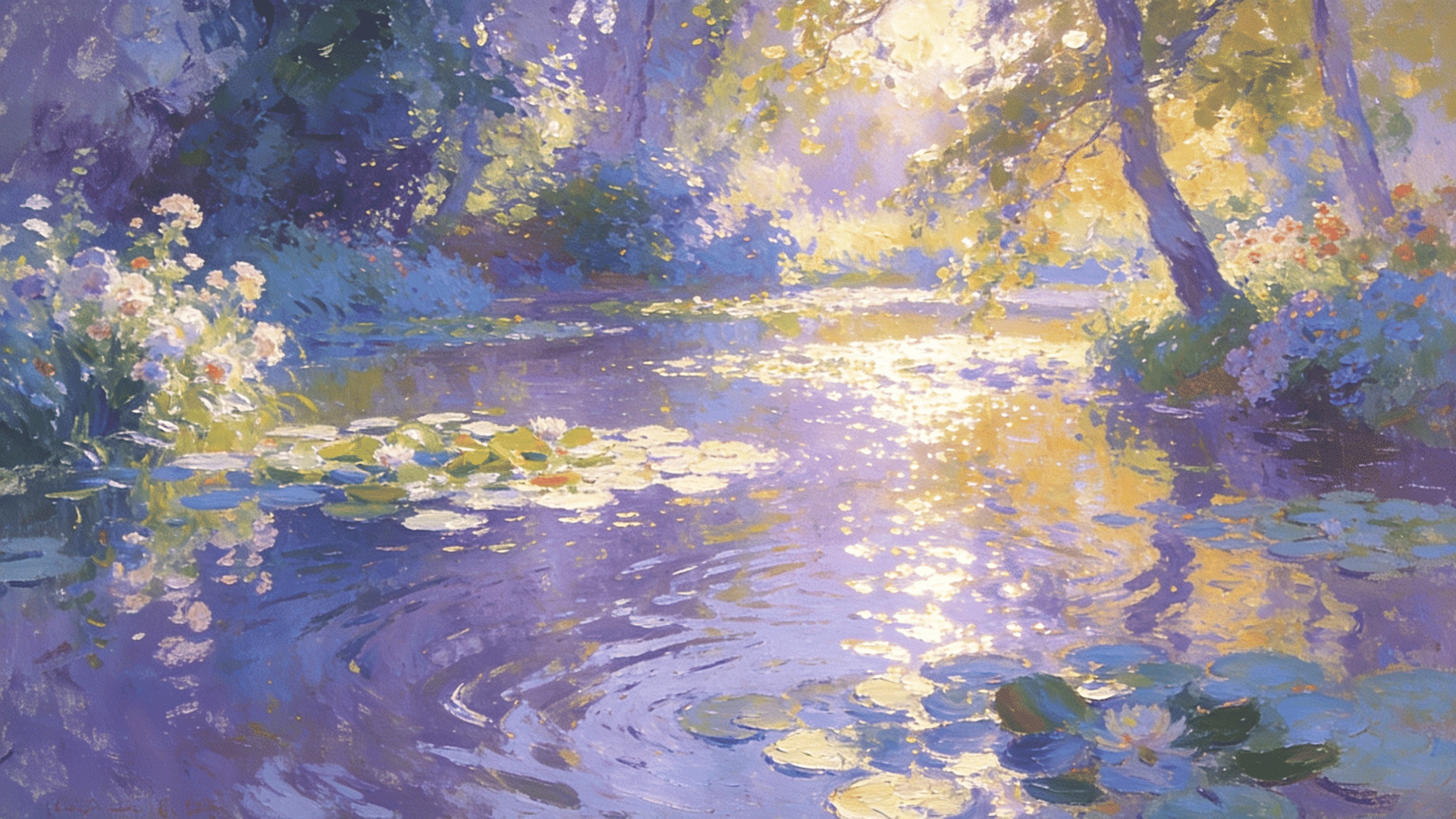
Impressionism focused on capturing light, color, and momentary scenes as they appear in real time. It used loose brushwork and outdoor settings.
Artists focused more on perception and atmosphere rather than fine detail or sharp outlines.
Key Characteristics:
- Loose brushwork
- Focus on natural light
- Outdoor scenes
- Momentary perception
8. Post-Impressionism
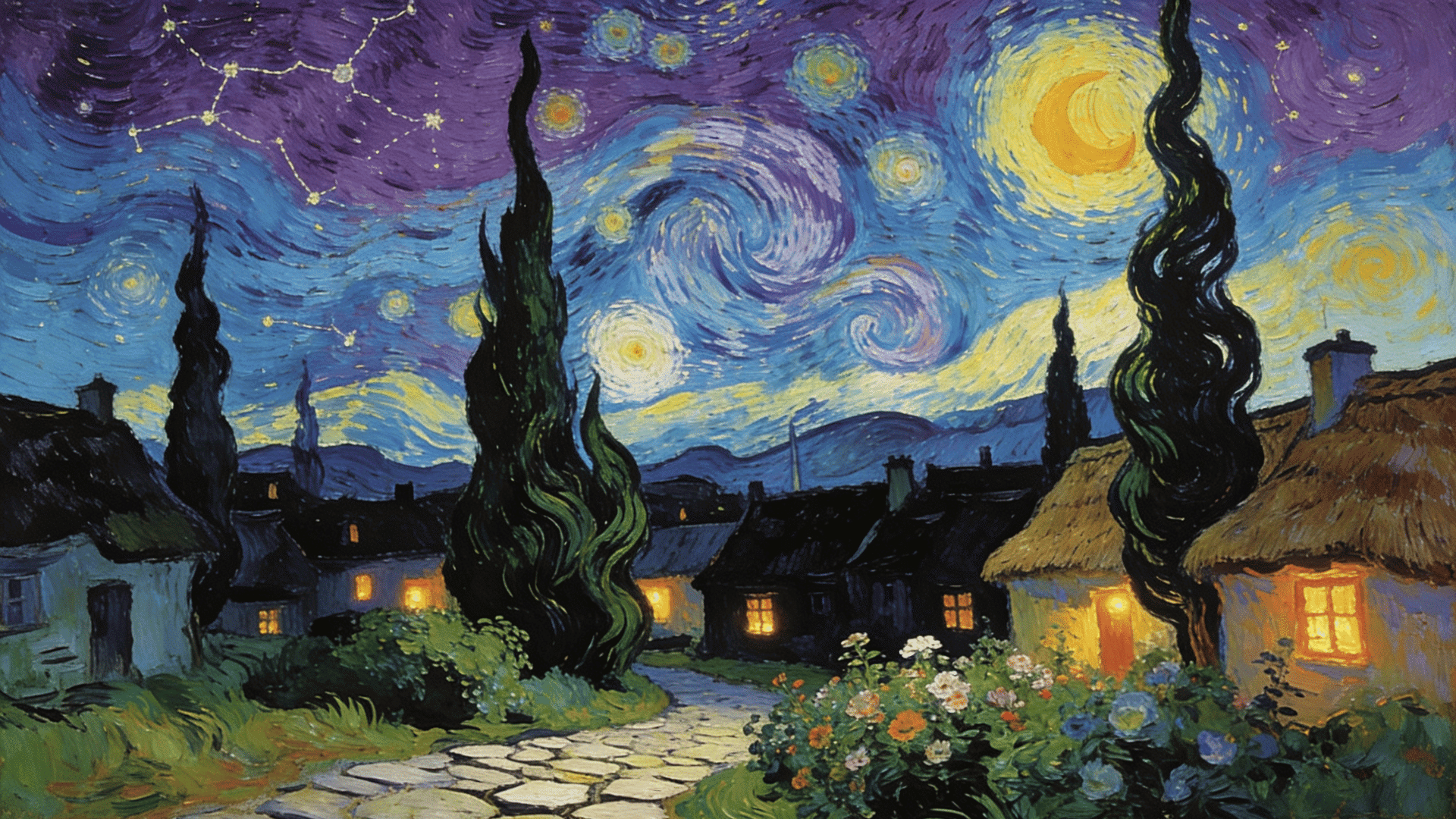
Post-Impressionism built on Impressionism, adding more structure, emotion, and symbolic meaning to artworks. It moved away from capturing only light and momentary effects and focused more on personal expression and deeper interpretation of subjects.
Artists used stronger colors, defined shapes, and more controlled compositions to express ideas that went beyond visual reality. The style often reflects individual creativity, where emotion and meaning become more important than direct observation.
Key Characteristics:
- Strong colors and forms
- Structured compositions
- Symbolic expression
- Personal interpretation
9. Expressionism
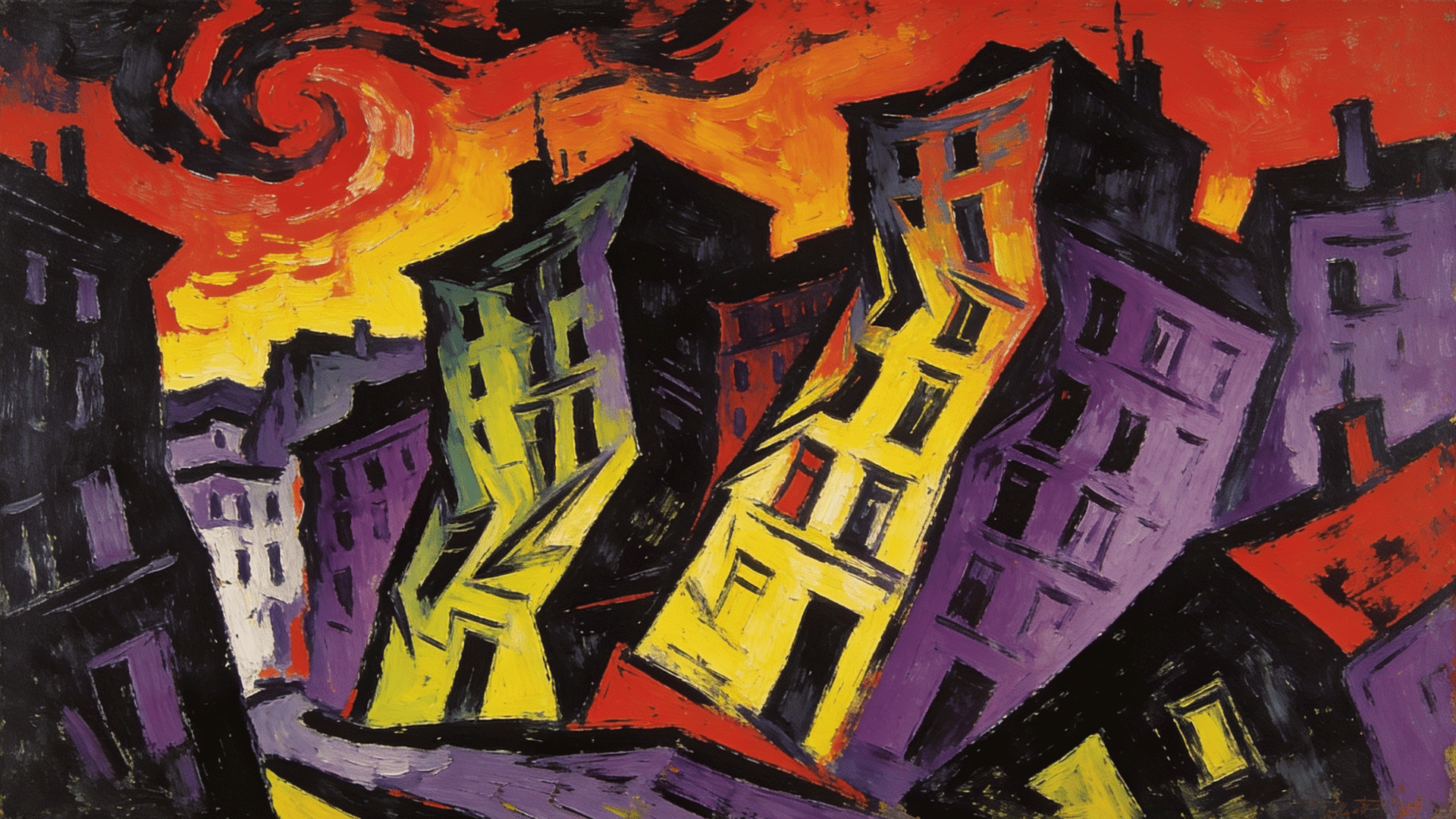
Expressionism developed as an art movement that focused on expressing strong emotions and inner psychological states rather than realistic representation. It moved away from accurate visuals and instead emphasized how subjects feel emotionally.
Artists used distorted forms, bold colors, and intense compositions to show mood, tension, and personal experience. The artwork often appears exaggerated or dramatic to highlight emotional depth rather than physical reality.
Key Characteristics:
- Distorted shapes and forms
- Bold and intense colors
- Emotional and psychological themes
- Focus on inner experience
10. Cubism
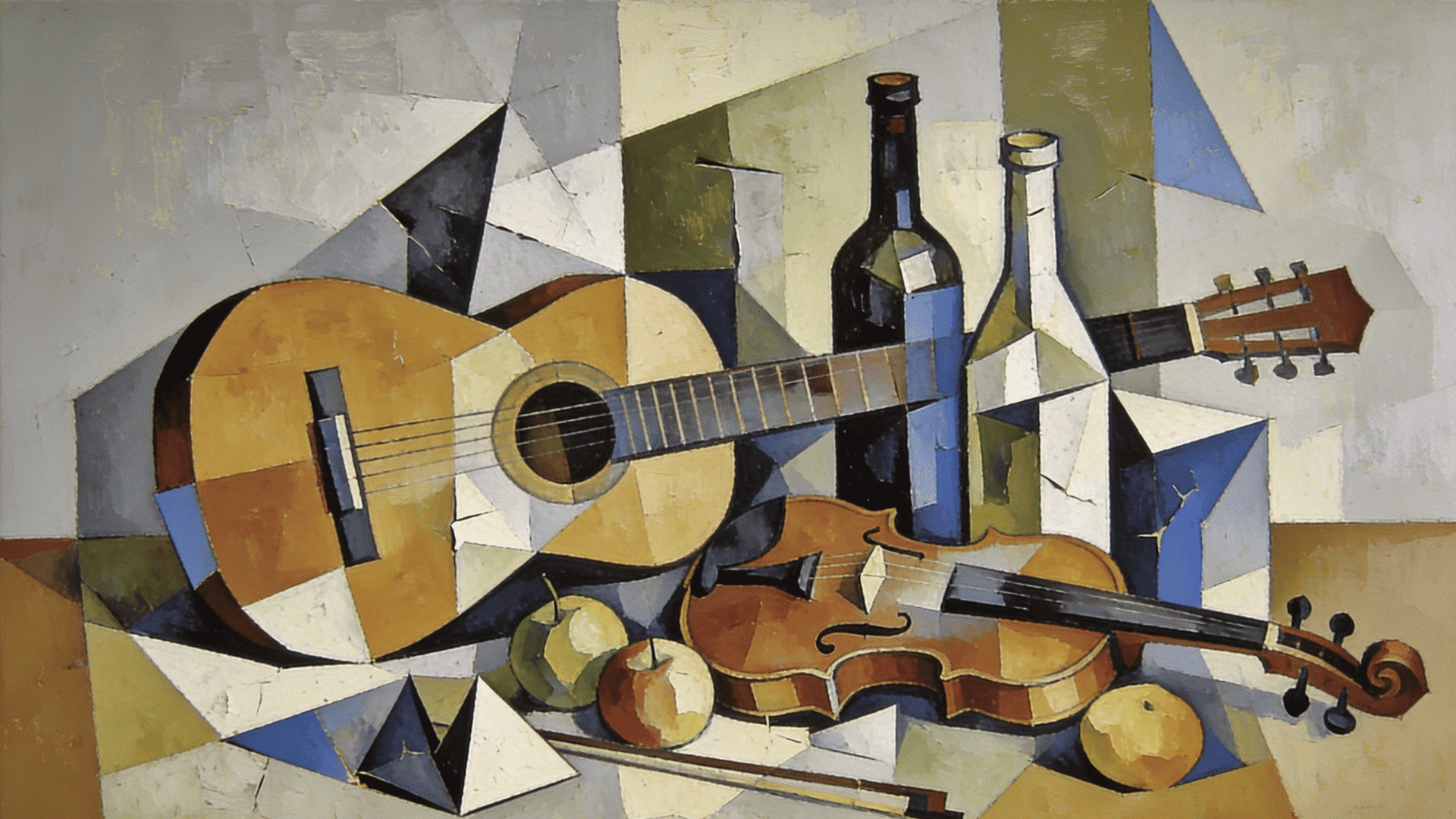
Cubism developed as an art movement that changed how artists represent objects by breaking them into geometric forms and showing multiple viewpoints at the same time.
Artists fragmented subjects into shapes and planes, creating compositions that show multiple angles within a single image. This approach made the artwork more abstract and challenged traditional ways of seeing reality.
Key Characteristics:
- Geometric shapes and fragmented forms
- Multiple viewpoints in one composition
- Abstract representation of objects
- Structured, analytical design
11. Futurism
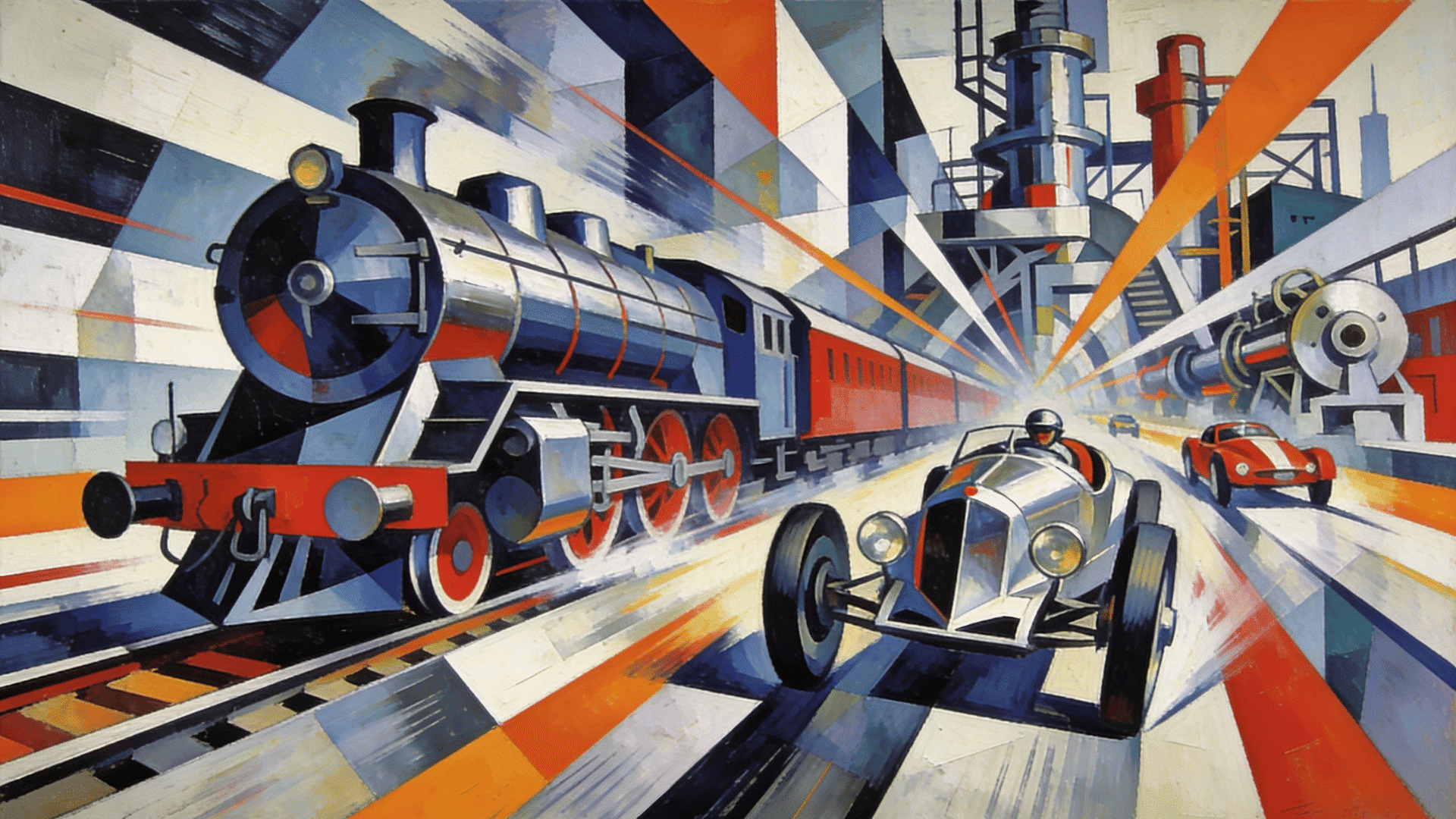
Futurism developed as an art movement that focused on speed, technology, and the energy of modern industrial life. It moved away from traditional static scenes, emphasizing movement and progress in the modern world.
Artists used dynamic compositions, repeated forms, and sharp visual elements to show motion, machinery, and urban development. The style often reflects the fast-changing nature of modern society and industrial growth.
Key Characteristics:
- Emphasis on speed and movement
- Industrial and technological themes
- Dynamic and energetic compositions
- Focus on modern urban life
12. Dadaism

Dadaism developed as an art movement that rejected traditional ideas of art and questioned what art itself should be. It emerged in response to social and cultural conditions, emphasizing absurdity, randomness, and anti-traditional thinking.
Artists used collage, found objects, and unconventional combinations to create works that often appear chaotic or nonsensical. The goal was to challenge established artistic rules and provoke new ways of thinking about creativity.
Key Characteristics:
- Random and chaotic compositions
- Collage and mixed media
- Anti-art approach
- Absurd and unconventional ideas
13. Surrealism

Surrealism developed as an art movement that focused on dreams, imagination, and the subconscious mind. It moved away from logical structure and instead looks strange, dream-like combinations of real and unreal elements.
Artists combined unexpected objects and symbolic scenes to create visuals that reflect hidden thoughts and emotions. The compositions often feel unusual or illogical, designed to challenge normal perception and encourage deeper interpretation.
Key Characteristics:
- Dream-like and symbolic imagery
- Unexpected object combinations
- Subconscious and imaginative themes
- Blending of reality and fantasy
14. Abstract Expressionism
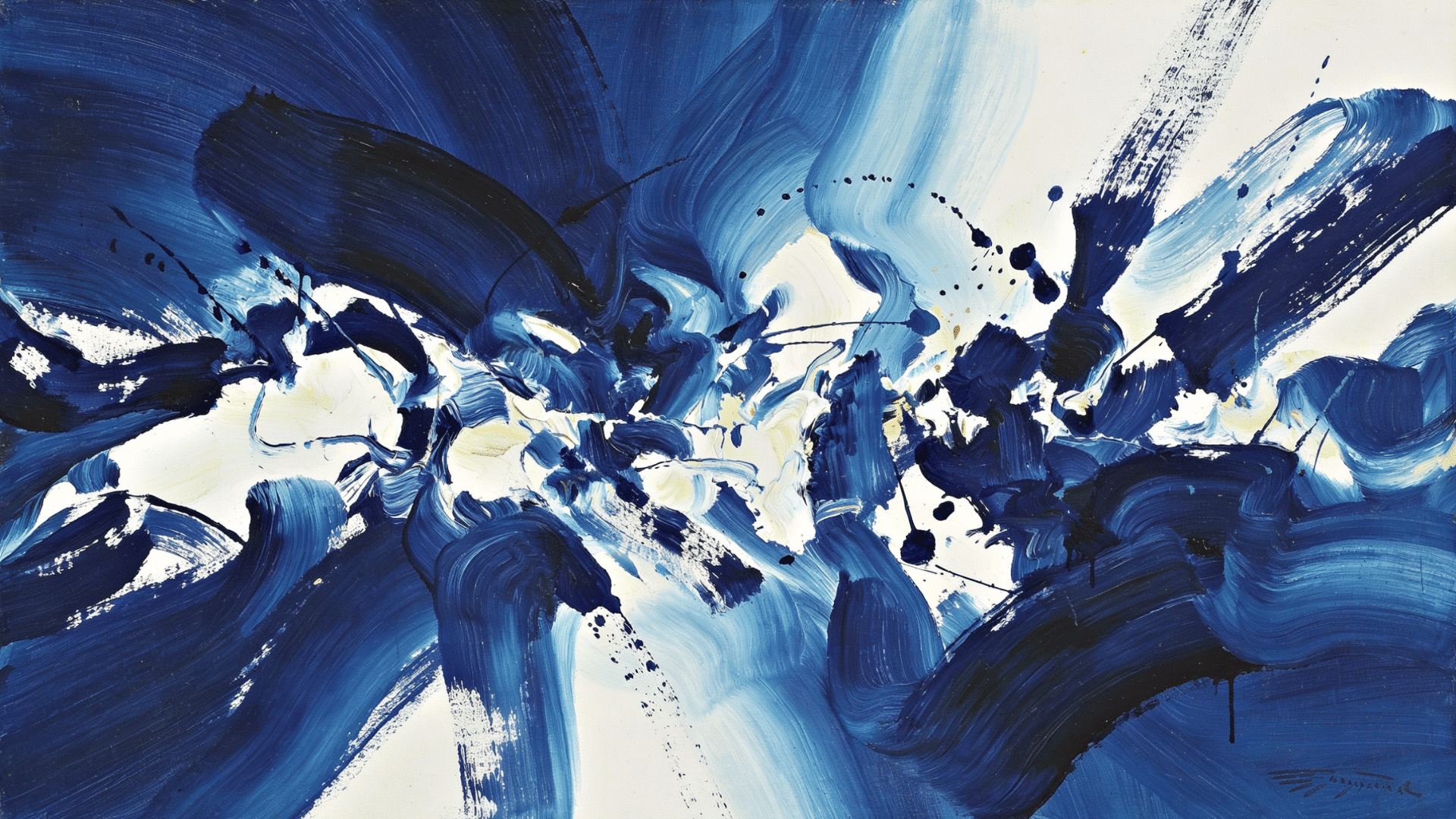
Abstract Expressionism developed as an art movement that focused on expressing emotion through abstract forms rather than realistic subjects. It emphasized spontaneous creativity, where brushwork, movement, and color became the main tools of expression.
Artists created large-scale works using bold gestures and non-representational shapes to communicate feeling rather than visual accuracy. The style often leaves interpretation open, allowing viewers to connect with emotion in a personal way.
Key Characteristics:
- Non-representational forms
- Spontaneous brushwork and gestures
- Large expressive compositions
- Focus on emotion and movement
15. Pop Art
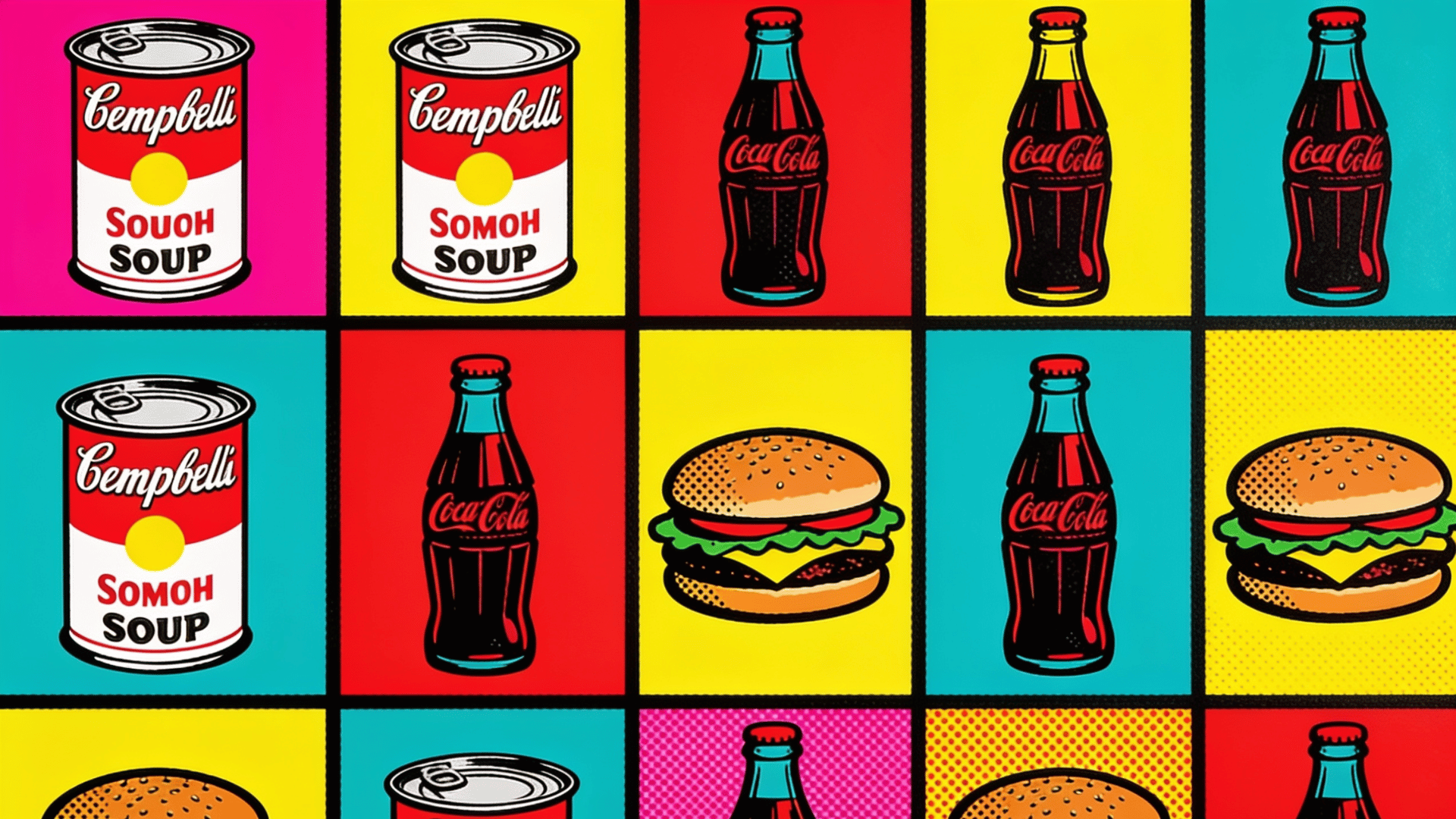
Pop Art developed as an art movement that connected fine art with popular culture, advertising, and mass media. It focused on everyday objects and visual elements taken from consumer life, making art more relatable and widely recognizable.
Artists used bold colors, clear outlines, and repeated imagery to reflect the influence of commercial design and media culture. The style often feels bright, direct, and visually striking, drawing attention to familiar symbols from daily life.
Key Characteristics:
- Inspired by advertising and mass media
- Bold colors and graphic style
- Repeated imagery and patterns
- Everyday consumer objects and icons
16. Minimalism
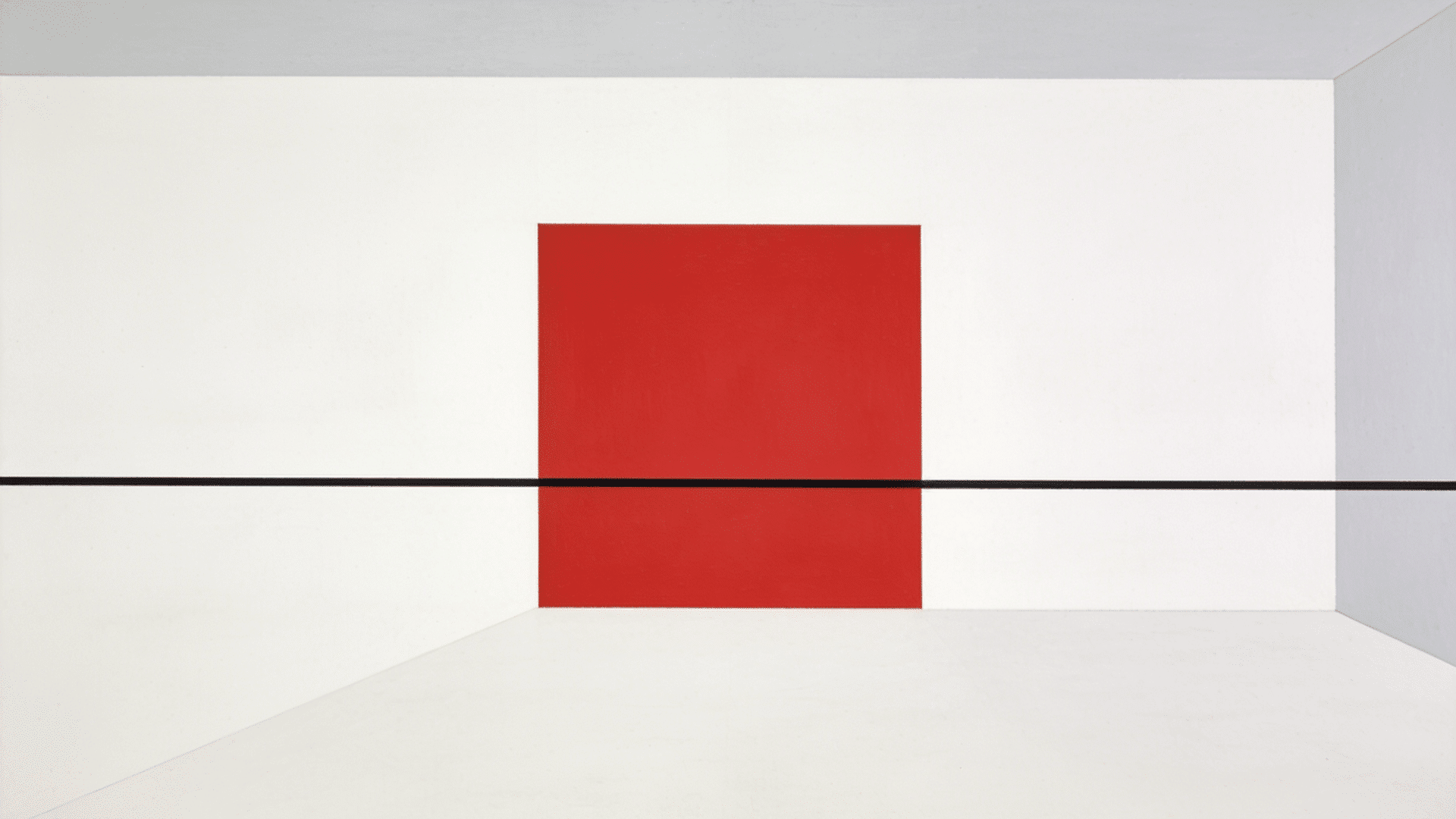
Minimalism developed as an art movement that focused on simplicity by removing unnecessary detail and keeping only essential visual elements. It emphasized clarity, order, and clean design instead of complex or decorative styles.
Artists used simple geometric forms, limited colors, and balanced spacing to create calm and structured compositions. The style often avoids storytelling and focuses more on form, space, and visual purity.
Key Characteristics:
- Simple geometric forms
- Limited color palette
- Clean and structured composition
- Focus on space and form
17. Contemporary Art

Contemporary art emerged as a movement that reflects current ideas, social issues, and evolving creative practices. It includes a wide range of styles, materials, and approaches shaped by today’s world and global culture.
Artists often combine traditional methods with new media, digital tools, and experimental techniques to express personal and social themes.
The style is flexible and open-ended, allowing constant change and innovation in artistic expression.
Key Characteristics:
- Mixed media and modern techniques
- Focus on current social themes
- Experimental and flexible style
- A wide variety of materials and approaches
How Art Movements Reflect Society and Culture
Art movements often grow from real-world changes and reflect how people think, live, and respond to their environment. They are shaped by the same forces that influence daily life.
Political conditions often guide how artists express ideas in their work. Shifts in power or conflict can change themes and visual tone.
Economic situations also affect artistic direction. Stability or struggle often decides what subjects and styles become more common.
Cultural beliefs and traditions leave a strong mark on art styles. These influences appear in themes, symbols, and creative choices across movements.
Why Understanding Art Movements Helps in Studying Art History
Understanding art movements makes it easier to read and compare artworks across different time periods. It helps you see patterns instead of looking at each artwork in isolation. This is especially useful when studying movement art.
- Helps group artworks by style and time period
- Makes it easier to compare different art styles
- Helps identify visual patterns like color, brushwork, and form
- Gives context to why artists created certain styles
- Makes art history easier to understand and remember
- Helps recognize how one movement influenced another
- Improves the ability to interpret the meaning behind artworks
This approach helps connect styles and makes it simpler to understand how art changed over time.
Final Thoughts
Art movements show that creative work is closely tied to human experience and the world around it. Each style reflects a different response to change, whether through emotion, structure, simplicity, or experimentation.
Understanding these shifts helps you recognize patterns in movement art examples and see how ideas evolve from one period to another.
It also makes it easier to read visual details and connect them to meaning rather than just to appearance.
Over time, these movements build a continuous timeline of expression, showing how artists keep finding new ways to represent life, thought, and imagination across generations.
Frequently Asked Questions
Why Do Artists Follow Different Movements?
Artists respond to changes in society, culture, and technology, which leads them to create in new styles.
How Do Art Movements Differ from Each Other?
They differ in style, subject matter, technique, and the ideas artists focus on while creating artwork.
Can One Artist Belong to More than One Movement?
Yes, some artists use different styles over time and may be linked to multiple movements.
Do Art Movements Still Influence Modern Art Today?
Yes, many modern and contemporary artworks still borrow ideas, techniques, and themes from earlier movements.