

A haircut can look perfect when walking out of the salon. Then it falls apart by the next morning if it wasn’t built for your actual routine.
I’ve seen people bring in a photo, only to realize the style needs tools and time they don’t have. Low-maintenance haircuts fix that mismatch.
You get a shape that survives busy mornings, grows out without an awkward stage, and still reads as put together between trims.
Below, you’ll find hairstyles for women across straight, wavy, curly, and coily textures, with the styling habits, trim schedule, and grow-out pattern for each.
What Makes a Haircut “Low-Maintenance”?
A low-maintenance haircut keeps its shape with minimal styling, frequent trimming, or special products.
It should work with the child’s natural hair texture, growth pattern, and daily routine rather than requiring constant control.
Short sides, blended layers, soft fringes, and textured tops often make hair easier to wash, dry, and manage. The cut should also grow out neatly, so small changes in length do not make it look untidy.
For toddlers, comfort matters just as much as appearance. Hair should stay out of the eyes, avoid heavy styling, and remain easy for parents to manage during busy mornings.
Low-Maintenance Haircuts & Hairstyles for Women
A cut only counts as low maintenance if it suits your texture, density, and morning routine, not just how it photographs.
1. Classic Pixie Cut
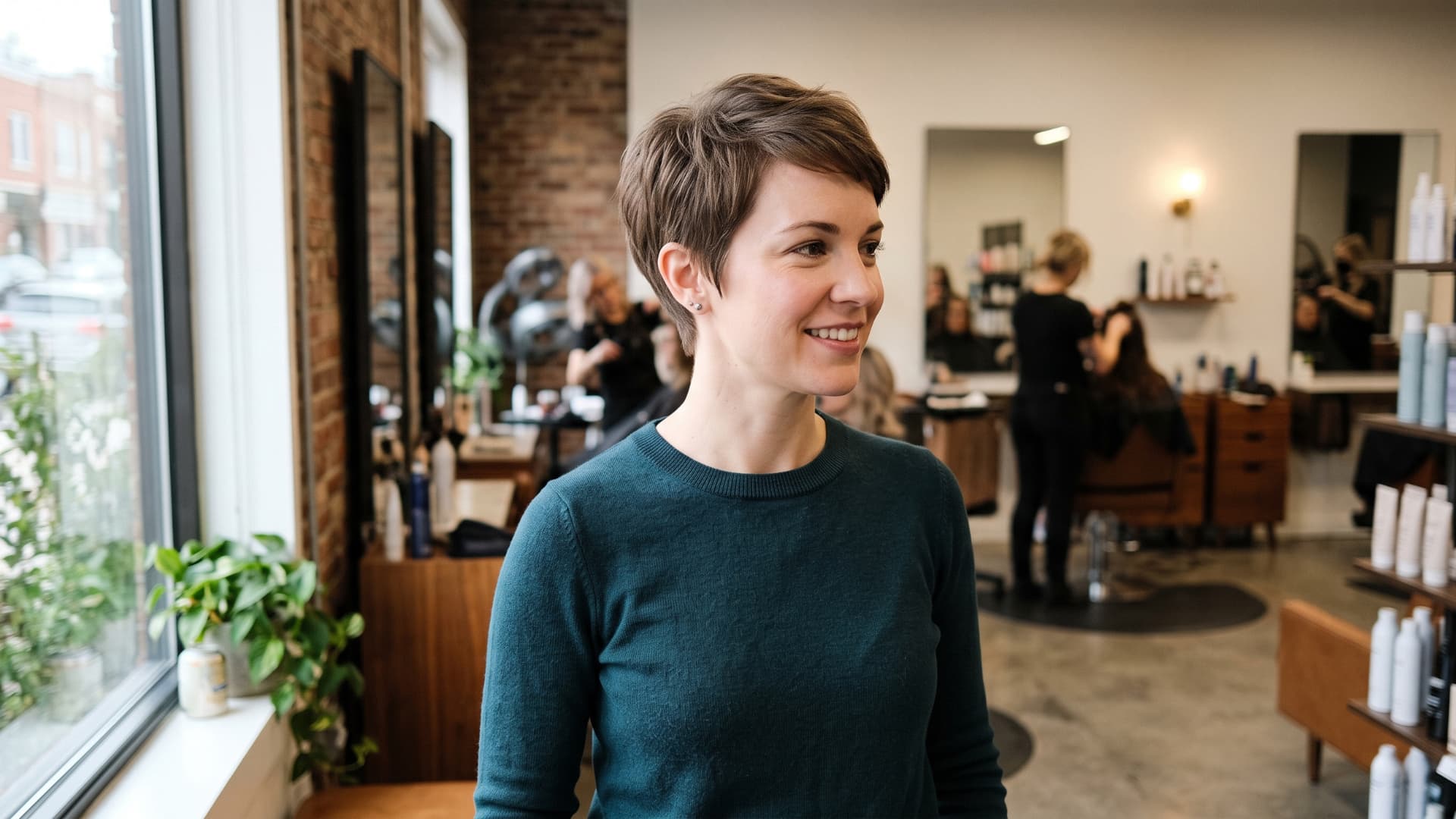
Cropped hair dries in minutes, which is exactly why so many women switch to a pixie when mornings feel rushed. It works across straight, wavy, and softly curly textures alike.
- Best for: Straight, wavy, fine, or medium-density hair
- Styling effort: Very low
- Grow-out: May gain weight around the ears and neckline
- Trim frequency: every 3–4 weeks to keep the outline sharp
Keeping the shape crisp does mean returning to the chair more often than longer styles allow, so factor salon visits into the “low maintenance” equation before committing.
2. Layered Bixie
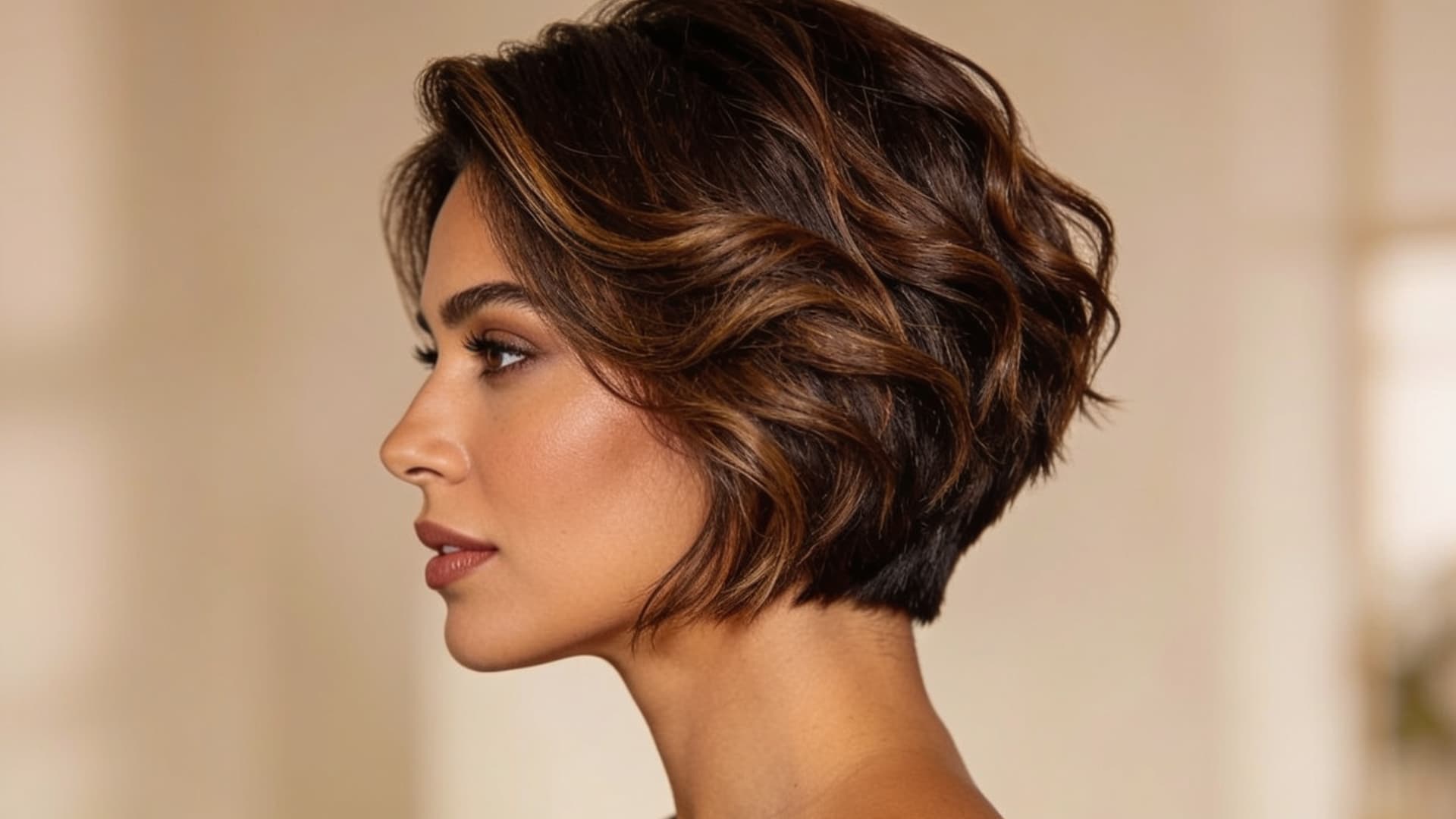
Neither a pixie nor a bob, the bixie splits the difference and rewards women who want shape without needle-precise upkeep. Movement comes from the layers, not from daily effort.
- Best for: Straight, wavy, or softly curly hair
- Styling effort: Low
- Grow-out: Develops naturally toward a short bob
- Trim frequency: every 6–8 weeks once the layers settle
Because it’s designed to grow into something else, the bixie rarely hits an awkward stage, which is part of why it’s become a go-to for busy schedules.
3. Long Pixie Cut

Somewhere between a buzz and a bob, this version keeps the quick-dry appeal of short hair while giving you more to work with on days you want a different look.
- Best for: Fine, straight, wavy, or medium-density hair
- Styling effort: Low
- Grow-out: Can gradually develop into a bixie
- Trim frequency: every 5–6 weeks as the top gains length
Because the outline is softer than a classic pixie, it tolerates extra weeks between trims without looking unkempt, making it a good transitional choice.
4. Tapered Natural Cut
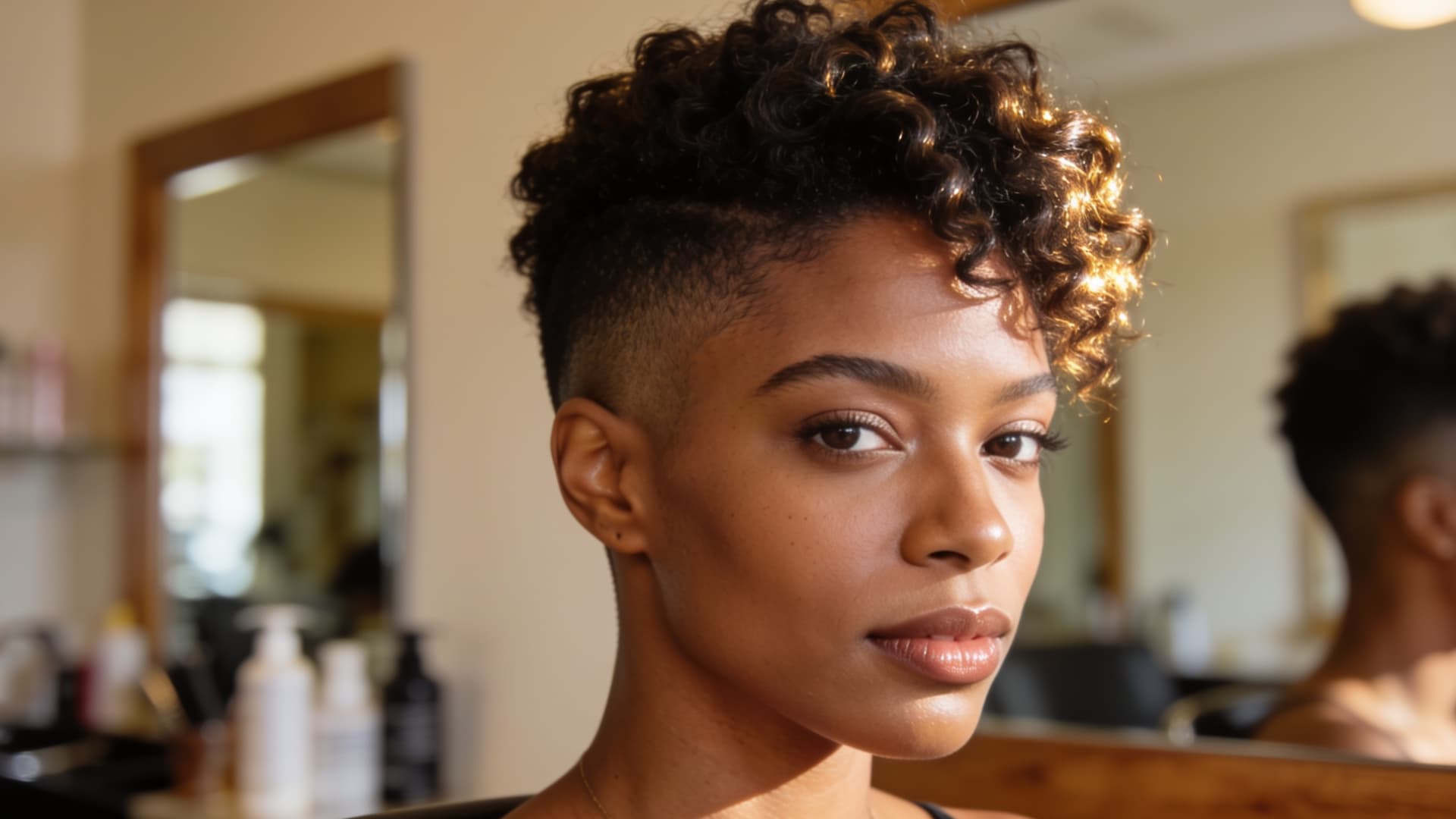
Curl and coil patterns already do a lot of the styling work, so a taper simply controls bulk at the sides while letting the top do its own thing.
- Best for: Curly and coily hair
- Styling effort: Low to moderate
- Grow-out: Gradually becomes fuller around the sides
- Trim frequency: every 3–5 weeks depending on shrinkage
Finding a stylist fluent in textured hair matters more here than for almost any other cut on this list, since shrinkage changes the finished shape entirely.
5. Blunt Chin-Length Bob
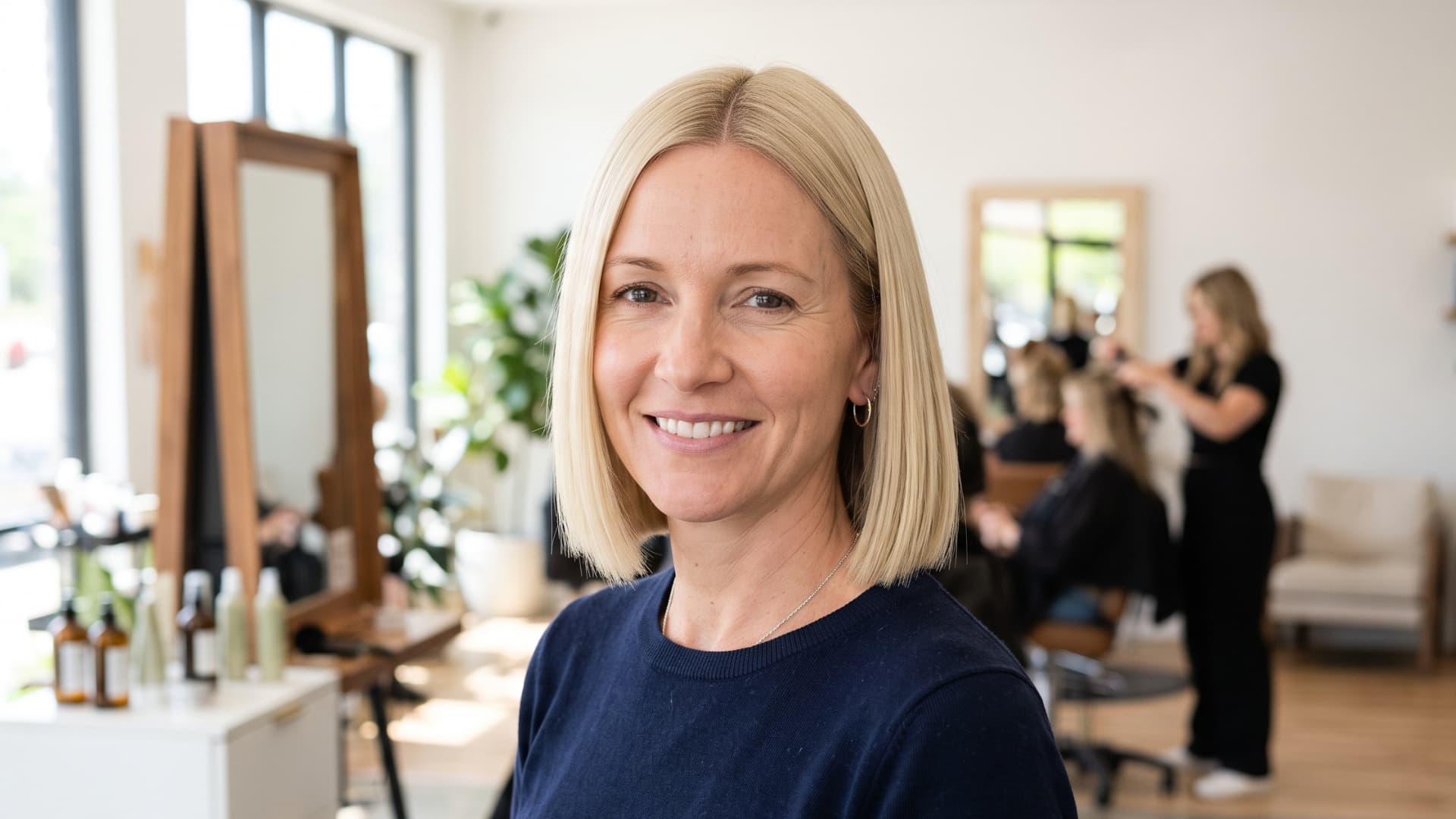
Fine or thin strands often look denser once cut into a clean, level line, which is why this bob remains one of the most requested shapes at the salon.
- Best for: Fine, straight, or medium-density hair
- Styling effort: Low
- Grow-out: Develops evenly into a longer bob
- Trim frequency: every 6–8 weeks to keep the line level
Thicker hair may need weight quietly removed underneath so the ends don’t turn heavy, but the outer line stays untouched and predictable as it grows.
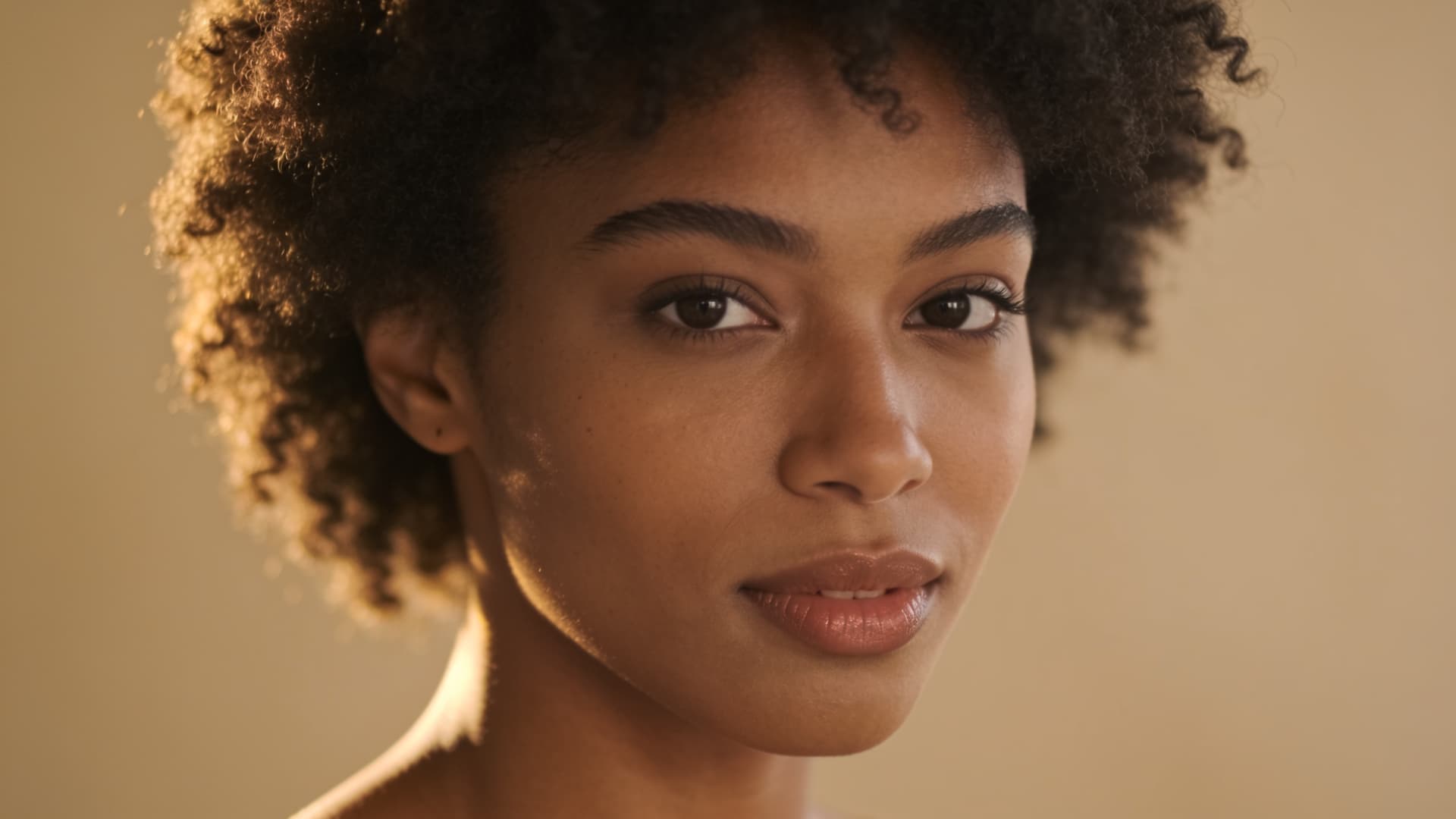
6. Rounded Afro

Instead of fighting natural coils into submission, this style simply rounds the perimeter so the hair holds a defined silhouette on its own, with no flat iron required.
- Best for: Dense curly and coily textures
- Styling effort: Low to moderate
- Grow-out: Retains its general shape as it becomes larger
- Trim frequency: every 8–10 weeks, more for shape than length
Hydration ends up mattering more than heat tools with this cut, so a solid moisture routine will do more for upkeep than any styling product.
7. Textured Bob

For anyone who’d rather air-dry than flat-iron, restrained layering breaks up the bob’s edges just enough to look intentional without a blow-dryer in sight.
- Best for: Wavy, medium-density, or thick hair
- Styling effort: Low
- Grow-out: The less precise finish remains forgiving
- Trim frequency: every 8–10 weeks since texture hides regrowth
Because the finish isn’t meant to be razor sharp, small inconsistencies between trims go unnoticed, which takes real pressure off the styling routine.
8. Angled Bob

A shorter back and longer front give this bob built-in shape, which is convenient right up until the angle needs a proper salon reset.
- Best for: Straight, smooth, or gently wavy hair
- Styling effort: Low to moderate
- Grow-out: The angle becomes less noticeable over time
- Trim frequency: every 6–8 weeks to preserve the angle
Choosing a gentler slope over a dramatic one keeps regrowth from looking lopsided, so the cut stays wearable further past its trim date.
9. Soft French Bob

Short and slightly rounded, this bob has a lived-in charm that suits women who want personality without spending extra time at the mirror each morning.
- Best for: Straight, wavy, or fine-to-medium hair
- Styling effort: Low to moderate
- Grow-out: The bob grows evenly, while the fringe needs separate management
- Trim frequency: every 6–8 weeks for the bob, 2–3 for the fringe
If a fringe comes with it, plan on more frequent trims just for the bangs, since that’s the one part of this cut that won’t wait quietly.
10. Curly Bob

Curls behave differently than straight hair when cut short, so this bob is shaped with shrinkage in mind rather than treated like a straight-hair silhouette.
- Best for: Curly and tightly wavy hair
- Styling effort: Low to moderate
- Grow-out: Usually becomes a longer, rounded shape
- Trim frequency: every 8–10 weeks, ideally with a curl-specialist
A stylist who cuts curls dry, curl by curl, is far more likely to avoid the wide, triangular shape that plagues rushed curly cuts.
11. Blunt Lob

A solid, unbroken line at collarbone length gives fine hair extra visual density without a single layer cut into it.
- Best for: Fine, straight, or medium-density hair
- Styling effort: Low
- Grow-out: Even and predictable
- Trim frequency: every 8–10 weeks to keep the blunt edge crisp
On denser hair, ask for weight to be removed only from the underside, since a fully blunt edge on thick strands can quickly look bottom-heavy.
12. Collarbone Lob

Long enough for a ponytail, short enough to skip a full styling routine, this length has become the default answer for women who can’t decide how short to go.
- Best for: Most textures and medium densities
- Styling effort: Low
- Grow-out: Becomes a shoulder-length or mid-length cut
- Trim frequency: every 10–12 weeks, one of the longest stretches on this list
Its biggest advantage might be patience: this length holds its shape for months, so trims become a rare errand rather than a monthly task.
13. Layered Lob

Layers here aren’t decorative; they exist to strip out bulk so the lob doesn’t sit like a heavy curtain against the shoulders.
- Best for: Medium, thick, wavy, or gently curly hair
- Styling effort: Low
- Grow-out: Remains balanced when the layers are not too short
- Trim frequency: every 8–10 weeks as the shortest layer grows
Keep the shortest layer reasonably long, since overly short pieces are the main reason a “low maintenance” lob suddenly needs daily attention.
14. Wavy Lob

Shoulder-skimming length gives natural waves room to move while still carrying enough weight to keep them from spiraling out of control.
- Best for: Naturally wavy hair
- Styling effort: Low
- Grow-out: Retains movement as it gains length
- Trim frequency: every 10–12 weeks between wave check-ins
A dab of mousse or leave-in cream scrunched in while damp is usually the entire routine, letting waves air-dry into their finished shape.
15. Collarbone Cut with Chin-Length Fringe

Fringe doesn’t have to mean daily flat-ironing; keeping it chin-length instead of eyebrow-skimming makes it easy to tuck, pin, or wear as a soft middle-part haircut as it grows.
- Best for: Straight, wavy, or medium-density hair
- Styling effort: Low to moderate
- Grow-out: Fringe blends naturally into face-framing layers
- Trim frequency: every 8 weeks for the cut, 3–4 for the fringe
Once it passes the awkward stage, this fringe simply folds into the rest of the layers, with no separate maintenance schedule required.
16. Shoulder-Length One-Length Cut

No layers, no fuss: this length keeps every strand the same, which makes buns, ponytails, and half-up styles effortless on busy mornings.
- Best for: Straight, fine, medium-density, or lightly wavy hair
- Styling effort: Low
- Grow-out: Very predictable
- Trim frequency: every 10–12 weeks since there’s no shape to lose
Because there’s no layering to grow out unevenly, this is one of the most forgiving cuts on the list between salon visits.
17. Medium Shag

Shags trade a neat outline for movement, using crown and face-framing layers to break up length that might otherwise sit flat.
- Best for: Wavy, thick, or naturally textured hair
- Styling effort: Low to moderate
- Grow-out: Forgiving when the layers have soft transitions
- Trim frequency: every 8–10 weeks to refresh the crown layers
The cut works best when it leans on hair you already have, rather than asking a curling iron to invent texture from scratch each day.
18. Soft Wolf Cut

A toned-down take on the wolf cut keeps long transitions between crown and perimeter, giving movement without the styling commitment the full version demands.
- Best for: Wavy, thick, or medium-density hair
- Styling effort: Low to moderate
- Grow-out: Becomes a layered mid-length cut
- Trim frequency: every 8–10 weeks to maintain the connection
Skipping the choppy, disconnected top in favor of blended layers is what keeps this version wearable on days you don’t feel like styling at all.
19. Long U-Shaped Cut

Instead of chopping in short layers, a gently rounded back perimeter gives long hair subtle shape while keeping nearly all of its length and fullness.
- Best for: Medium-to-long, straight, wavy, or thick hair
- Styling effort: Low
- Grow-out: The rounded shape remains gradual
- Trim frequency: every 12–14 weeks, given the minimal shaping
Because the shaping is minimal, this cut sidesteps the choppy in-between stages that shorter layered styles are known for.
20. Butterfly Cut

Face-framing layers up front and preserved length in back let this cut move like a shorter style while keeping every ponytail option intact.
- Best for: Medium-to-long, dense, or wavy hair
- Styling effort: Moderate for a polished finish
- Grow-out: Long layers merge gradually into the length
- Trim frequency: every 10–12 weeks, longer if only trimming
It air-dries reasonably well day-to-day, though the rounded, salon-fresh finish you see in photos usually calls for a blow-dry and a round brush.
21. Long Face-Framing Layers
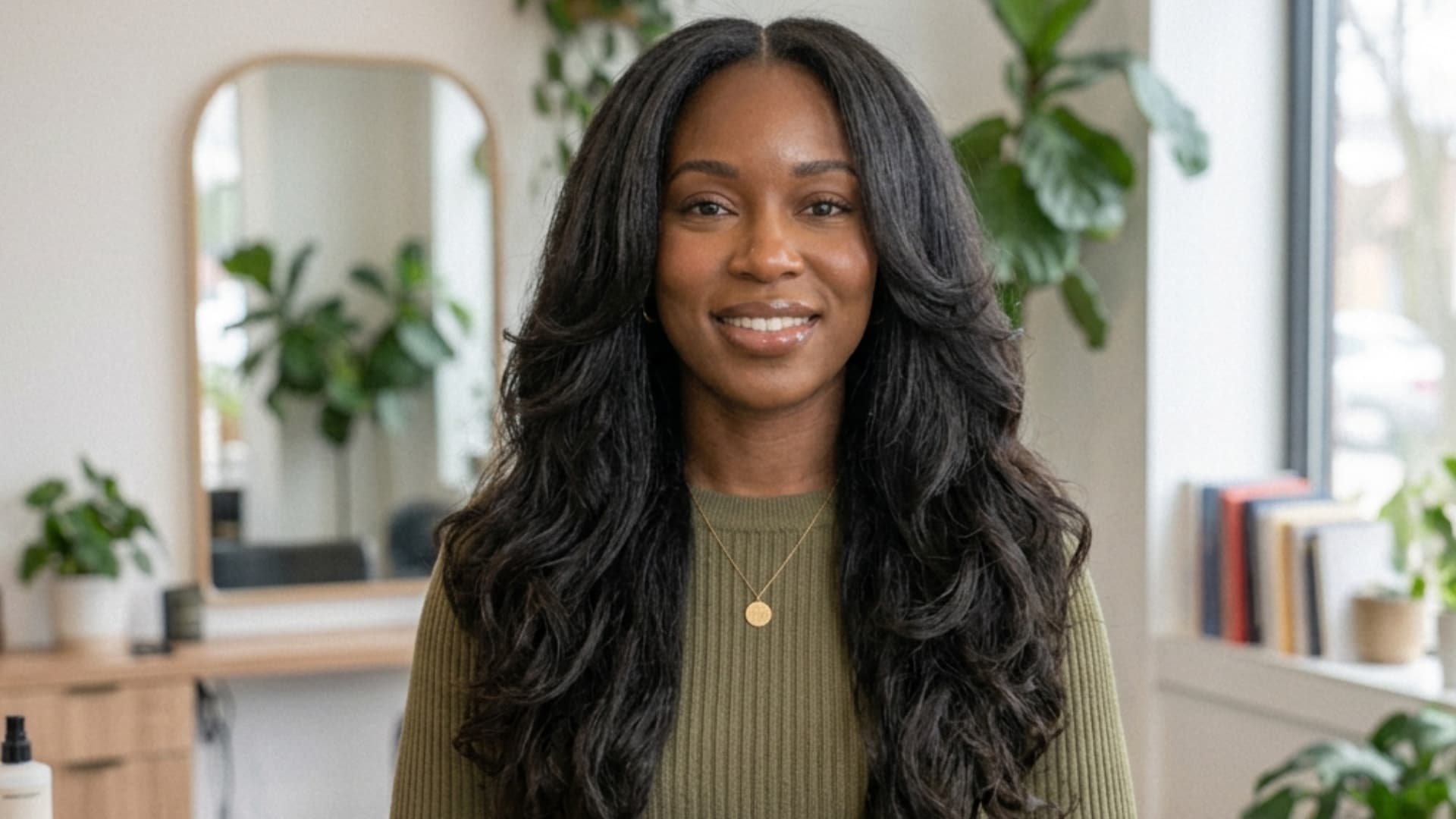
Pieces cut at the chin or below frame the face like bangs without the daily blow-drying that true fringe usually demands.
- Best for: Long straight, wavy, or medium-density hair
- Styling effort: Low to moderate
- Grow-out: Blends naturally into the remaining length
- Trim frequency: every 10–12 weeks to keep pieces even
These pieces are long enough to tuck behind an ear or clip back entirely, so they never force a specific hairstyle on you.
22. Buzz Cut

Nothing on this list beats a buzz cut for sheer morning simplicity: there’s no styling decision to make because there’s barely any hair to style.
- Best for: Anyone comfortable with a closely cropped shape
- Styling effort: Very low
- Grow-out: Quickly changes from a precise crop to a softer short cut
- Trim frequency: every 2–3 weeks to stay this close-cropped
The trade-off is frequency, not effort: keeping the crop this tight means seeing your barber or stylist every couple of weeks.
23. Undercut Bob

A hidden shaved or clippered layer underneath a blunt or angled bob strips out bulk invisibly, so thick hair looks sleek on top without losing any visible length or shape.
- Best for: Thick, dense, straight, or wavy hair
- Styling effort: Low
- Grow-out: The undercut portion needs occasional refreshing, but the visible length grows out like any bob
- Trim frequency: every 6–8 weeks for the bob, 4–6 for the undercut itself
Because the shaved section stays hidden under the top layer, this cut reads as polished and conventional in front while quietly solving the weight problem that makes thick hair hard to manage.
Quick Haircut Comparision by Styling and Upkeep
A low-maintenance haircut may reduce daily styling without reducing salon visits.
Before choosing a haircut, compare daily styling, wash-day effort, heat use, product needs, salon upkeep, and how the shape changes between appointments.
| Haircut | Daily Styling | Heat Usually Needed | Salon Upkeep | Grow-Out |
|---|---|---|---|---|
| Buzz cut | Very low | No | Frequent to maintain a consistent length | Fast and noticeable |
| Classic pixie | Very low | Usually no | Regular to preserve a precise shape | May become heavy around the ears and neckline |
| Blunt bob | Low | Optional | Moderate | Even and predictable |
| Collarbone lob | Low | Optional | Low to moderate | Usually smooth and forgiving |
| Medium shag | Low for natural texture | Usually no | Moderate | Gradually loses crown volume |
| Long hair with minimal layers | Low | Usually no | Low | Very forgiving |
Trim timing varies according to hair growth, texture, density, damage, haircut precision, and personal preference. The most manageable choice is the haircut that fits both your morning routine and your willingness to return to the salon.
How to Choose a Cut That Works With Your Hair
The easiest haircut to maintain is one that suits your natural texture, density, routine, and preferred salon schedule. A style may look simple in photos but requires daily heat, frequent fringe resets, or regular reshaping.
- Start with Natural Texture: Choose a cut that follows the natural movement of straight, wavy, curly, or coily hair. A style that requires daily straightening, curling, or reshaping is unlikely to remain manageable.
- Consider Hair Density: Fine strands and low-density hair are not the same. A blunt perimeter can make sparse or fine hair appear fuller, while controlled layering can remove excess weight from thick or dense hair without weakening the ends.
- Decide Whether You Need to Tie It Back: Think about work, exercise, childcare, warm weather, and personal comfort. Short face-framing pieces may need clips, pins, or extra styling when the rest of the hair must remain secured.
- Be Realistic About Bangs: Cowlicks, forehead oil, humidity, sleep movement, and natural parting can affect how bangs sit each morning. A longer fringe is usually easier to tuck, pin back, and blend into the rest of the haircut.
- Consider Your Salon Schedule: Buzz cuts, pixies, and geometric bobs often require regular reshaping to maintain their intended shape. Collarbone lobs, shoulder-length cuts, and long layers usually allow more time between appointments.
The right choice should reduce effort during normal mornings, wash days, and busy weeks. Discuss your natural texture, styling habits, tie-back needs, and trim preferences with your stylist before deciding on the final shape.
Conclusion
A suitable haircut should work with your hair on ordinary days, not only after a professional blowout.
Bring photos that match your texture and density, then discuss grow-out, styling effort, and salon upkeep before committing to the final shape.
The best low-maintenance haircuts balance wash-day effort, heat use, product needs, and appointment frequency. This helps you avoid choosing a style that only looks manageable in photos.
The right haircut should make daily care easier without creating extra salon pressure. I recommend choosing a shape that follows your natural texture, supports your preferred length, and fits the time you have for styling.
Try these tips before your next salon visit, and share which haircut works best for your routine.
Frequently Asked Questions
Can a Low-Maintenance Haircut Work with Hair Extensions?
Yes, but maintenance depends on the extension type, placement, natural density, and cut. Heavily layered styles need careful blending, while extensions require separate appointments.
Does Hair Color Make an Easy Haircut Harder to Maintain?
Yes. Highlights, bleaching, toning, permanent color, and strong root contrast can increase salon visits. Shades close to your natural color usually grow out more softly.
Can a Low-Maintenance Haircut Reduce Visible Split Ends?
A suitable cut can remove damaged ends and create a healthier perimeter, but heat, chemicals, friction, and washing habits can still cause future splitting.
Can Postpartum Hair Changes Affect Haircut Selection?
Yes. Temporary shedding and regrowth can change density near the temples and hairline. Avoid rigid shapes until a professional assesses your current growth pattern.