
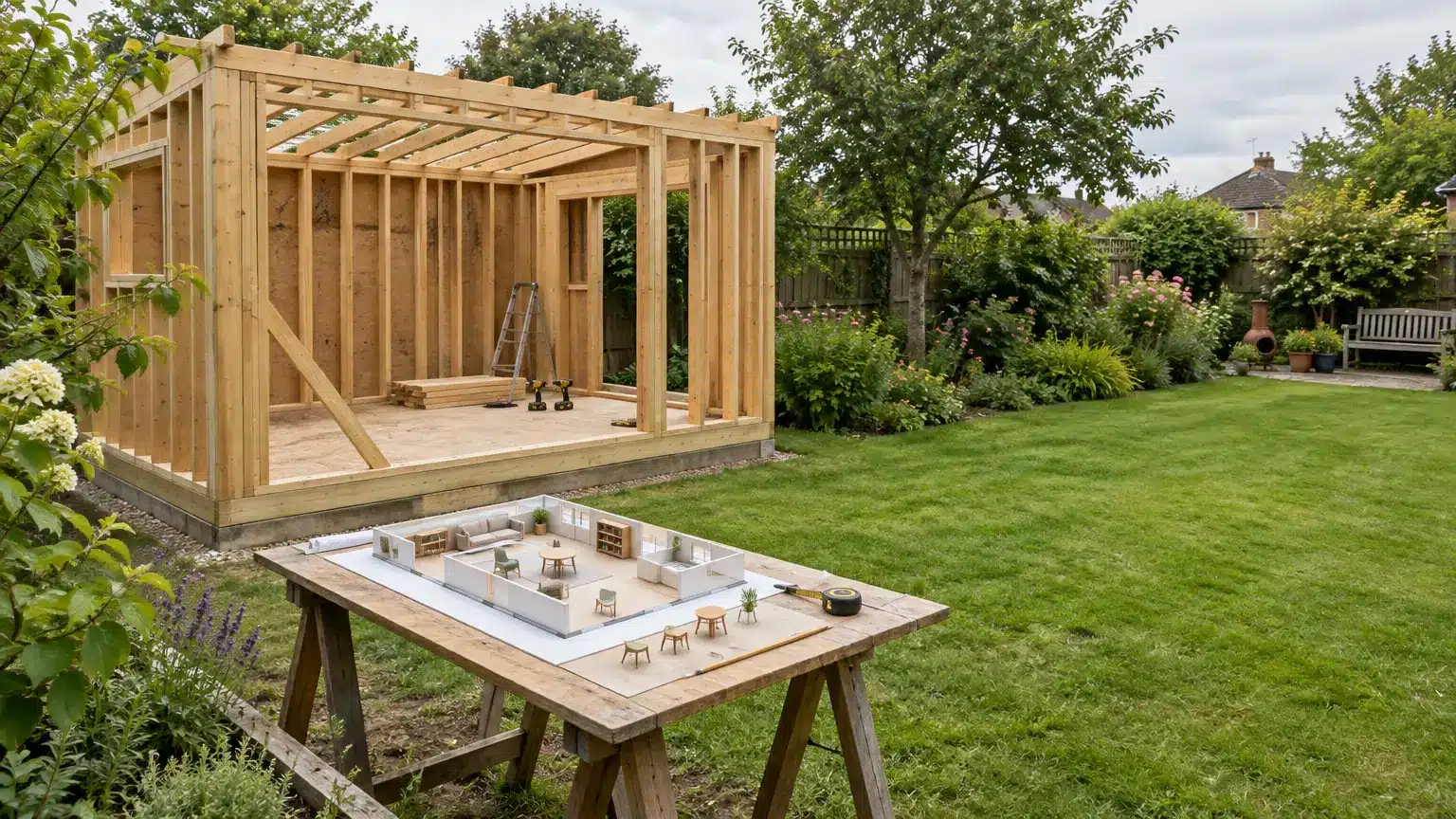
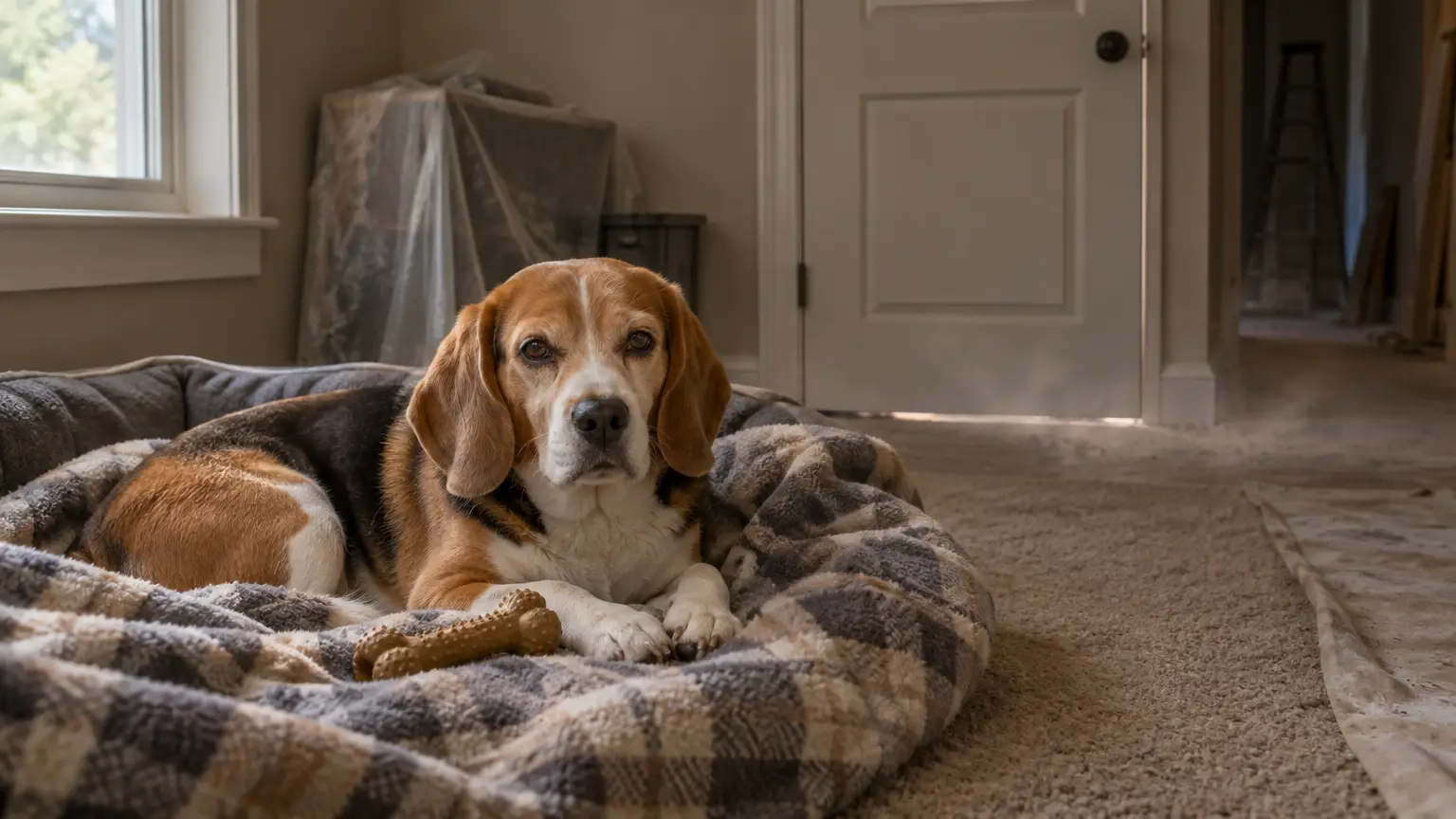
Your contractor says demo starts Monday at seven, and your dog has never met a nail gun. That first day is where most renovation stress begins, and it’s also the easiest one to get right. If you plan the dog’s week the way you plan the tile order, you avoid the door-dashing, barking, and pacing that make a kitchen remodel feel like a hostage situation.
I learned this the hard way during a bathroom gut job that turned my normally lazy beagle into a quivering shadow for three weeks. What fixed it wasn’t a gadget. It was a schedule, a safe room, and one thing to chew on when the drilling got loud. Plenty of owners now reach for calm products to smooth the rough patches, and you can find options like CBD Treats Dogs enjoy as part of a daily routine, but the foundation is your setup, not the treat.
Below is the playbook I’d hand any dog owner facing a remodel, whether it’s a full kitchen tear-out or a weekend closet build.
Map the noise before the crew shows up
Renovation stress usually comes from three things: unfamiliar voices, sharp sounds, and furniture that suddenly lives where your dog used to nap. Walk through your house with the contractor’s schedule in hand and mark every hotspot. The demo day, the saw day, the appliance delivery window. Your dog doesn’t need a full noise calendar, but you do.
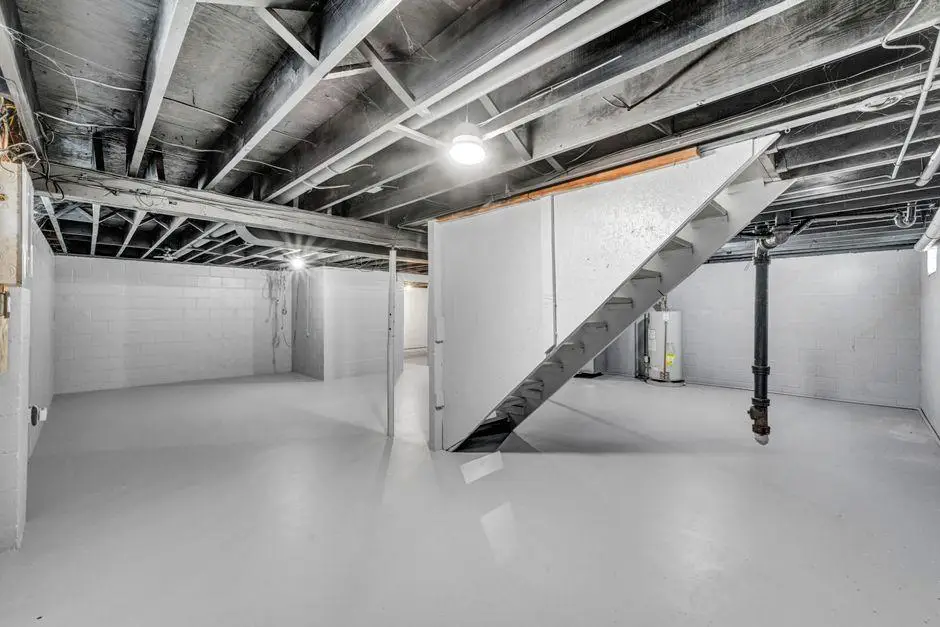
Then build a buffer. If the bathroom shares a wall with the dog’s usual spot, move the bed before the sledgehammer comes out, not after the first crash. A dog that already knows its new spot handles the noise far better than one shoved into a strange room mid-crisis. Basements, back bedrooms, and a quiet hallway away from the work zone all work if the walls are solid and the door closes.
I’d also ask the crew for a realistic start time every morning and write it on a sticky note. You can’t plan a walk around “sometime after eight.”
Build the safe room first, then practice it
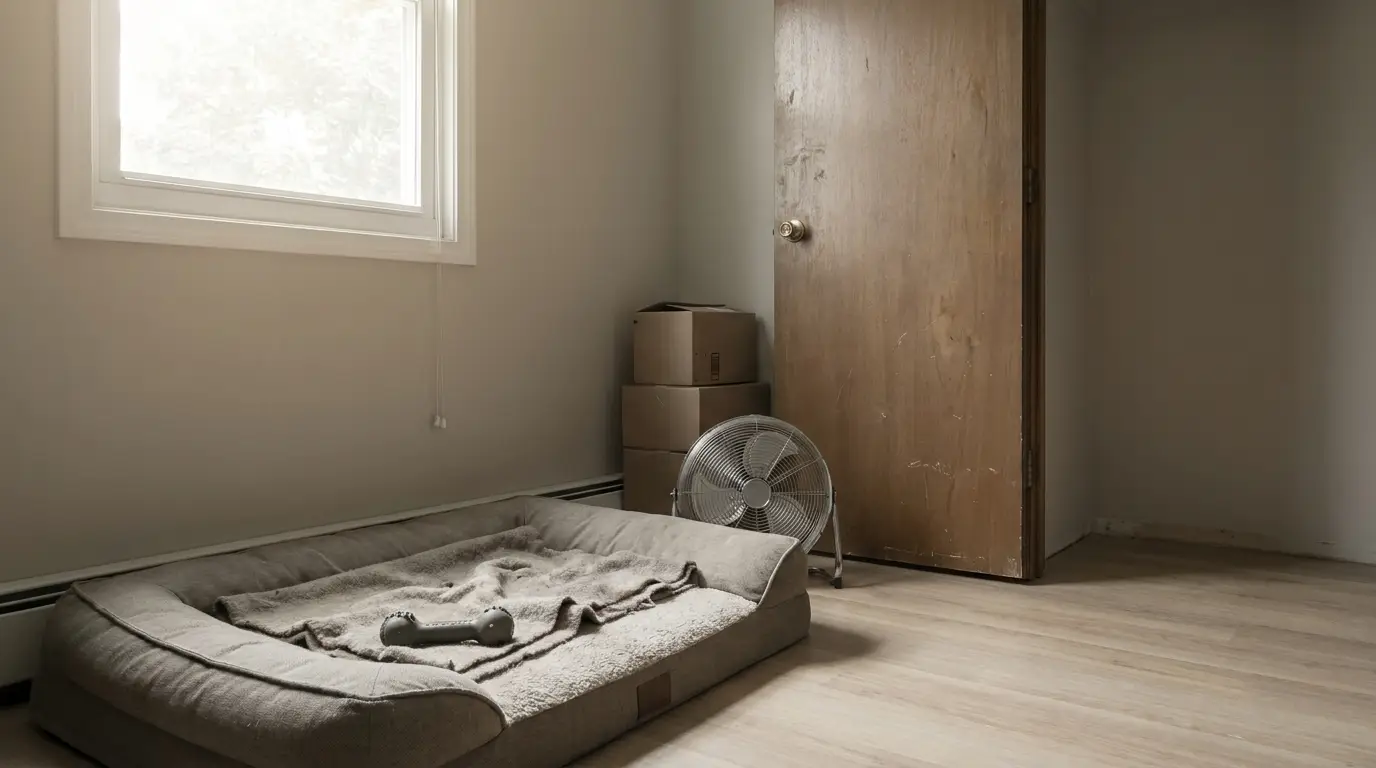
A closed door isn’t enough if your dog has never spent time behind it. Do a few short sessions before demo day so the room feels like a normal place to be. Toss a treat on the bed, close the door, wait twenty seconds, open it. Repeat until your dog settles in without whining. This is the part people skip, and it’s the part that saves you.
Fill the room with the things that signal rest: a familiar blanket, a couple of sturdy chew toys, fresh water, and something that smells like you. If your dog is used to a crate, leave it in the room with the door open so it’s an option, not a cage. Keep a fan or a white noise app running to muffle the saws. The rumble covers more than you’d think.
One warning from a failed attempt of mine: don’t pick the room that puts your dog next to the loudest wall. My first safe room shared a wall with the bathroom plumbing. It was the worst possible choice.
Time walks around the work, not the clock
Your dog’s walk schedule is going to be the first thing contractors interrupt, so take control of it. Ask the crew for the quietest hour of the day, usually a lunch break or the transition between demolition and install, and lock that slot for a long, sniff-heavy walk. A tired dog is a calmer dog, and a dog that just spent forty minutes sniffing every lamppost handles a loud afternoon with a lot more grace.
Safety matters here too. Contractors leave doors open, tools on the ground, and trucks idling in the driveway. According to guidance from the Centers for Disease Control and Prevention, one of the simplest ways to prevent dog bites is to keep pets away from stressful situations and supervise every interaction with strangers reaching into their space. A renovation is loaded with strangers reaching into your dog’s space. Keep the dog leashed or behind a closed door when the crew is moving through the house, and let them sniff the new flooring only after the area is swept and the workers are gone.
Days when nothing works: a short plan
Some days the noise just wins. The jackhammer starts, the dog bolts, and the whole household feels sideways. Here’s the sequence I use when a renovation day goes sideways:
- Move to the safe room and close the door. Don’t try to comfort a panicking dog in a loud room. Get them to the quiet spot first.
- Turn on the fan or white noise. Cover the ambient noise immediately.
- Offer a long-lasting chew or a stuffed toy. Chewing is one of the most reliable ways to help a dog settle, and it gives them something to do besides worry.
- Skip the errands. If the dog has been alone with loud sounds all morning, don’t stack an afternoon away from home on top of it.
- Check the work schedule for tomorrow. Plan the safe room and the walk before the crew shows up, not after.
If your dog’s anxiety doesn’t ease after a few days of this routine, that’s a conversation for your veterinarian, not a DIY project. Some dogs need more than a quiet room and a chew, and that’s okay.
Make the crew part of the plan, not the problem
Most contractors are happy to work around a dog if you ask early and keep it simple. I always write a few lines on the whiteboard in the kitchen: “Dog behind the bedroom door. Please knock before entering. No food on the floor.” It takes ten seconds and saves you a nervous conversation at the front door.
If your dog is outgoing, you can do slow introductions once the crew is quiet, letting them meet a worker through the fence with a treat. If your dog is nervous, skip it. The American Veterinary Medical Association notes that animals and people share many of the same household hazards, and construction zones add a few more, so a little management goes a long way. A dog that never meets the crew and stays calm is a win, not a failure.
Keep the routine’s bones intact
Here’s the part most renovation guides miss. Dogs don’t need their whole day to stay the same. They need the anchors. Same feeding time. Same walk window, even if the route changes. Same bedtime. When the house is a wreck, those four fixed points give your dog a sense that life is still normal, and that reduces the shock of everything else.
I’d also add a daily check-in for yourself. Renovations exhaust the humans too, and a stressed owner telegraphs that stress to the dog faster than any hammer does. Take the walk yourself, not just for the dog. Both of you come back calmer.
You can’t control the saw schedule, the delivery window, or the day the drywall dust coats every surface in the house. You can control where the dog sleeps, when the walk happens, and who comes through the door. That’s enough. Plan the safe room, lock the walk window, and give the crew a clear note about the dog. The work will be loud. Your dog doesn’t have to be afraid of it.
If your renovation includes a big outdoor project, tack a picture of your plan to the fridge next to the blueprints. Future you, standing in the middle of the chaos, will be glad for the reminder.