


When you are getting a home ready to sell, kitchen cabinets can suddenly look like the next big project. A few scratched doors and tired handles are easy to notice once you start imagining listing photos. That does not mean the whole kitchen needs to come out.
Replace cabinets when their condition, everyday function, and local market justify the work. If the boxes are sound, cleaning, repairs, or a suitable finish update may be enough.
Before reaching for tools or ordering replacements, work through the choices below with your budget and listing date in mind.
Check What Is Actually Wrong with The Cabinets

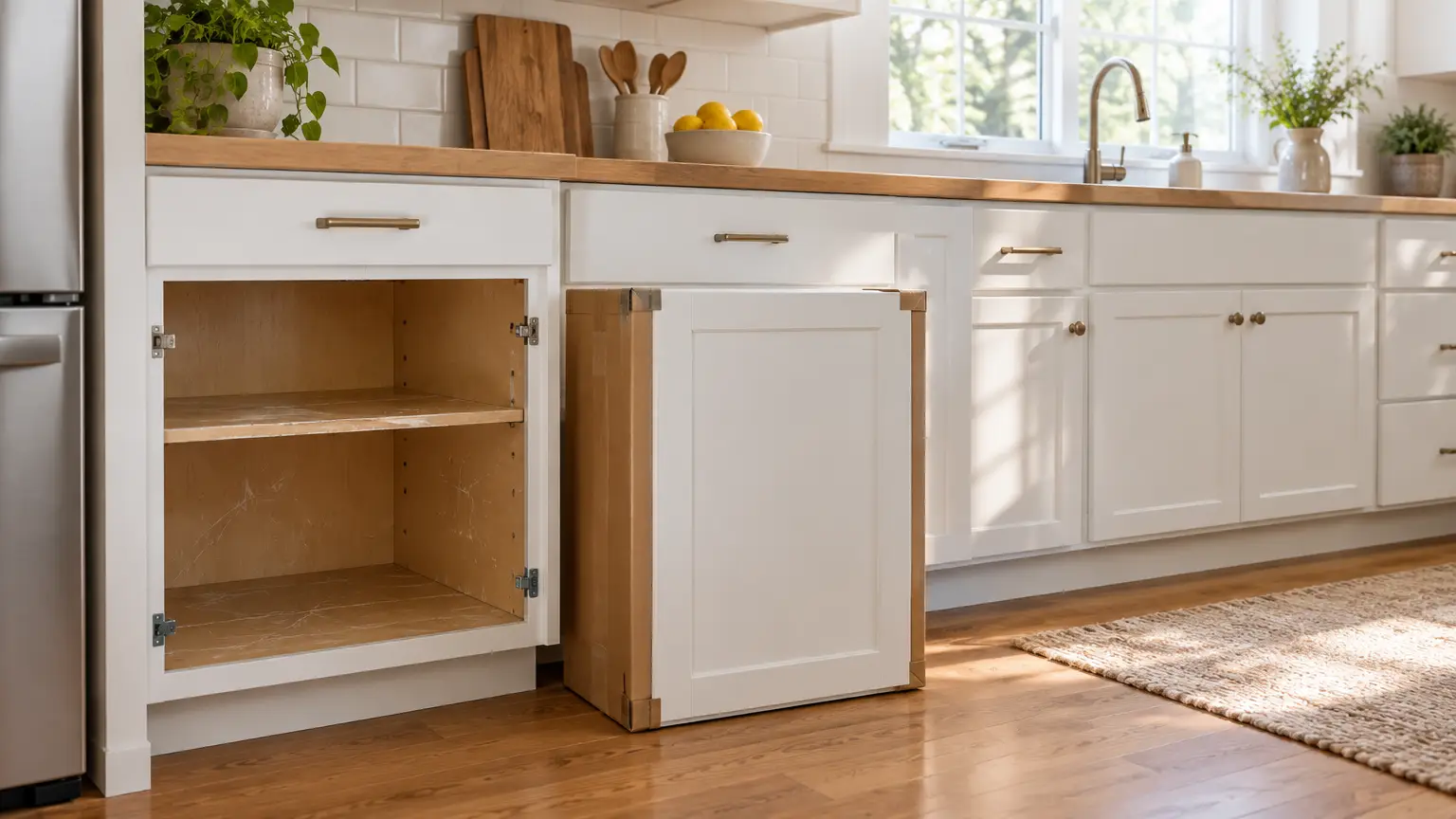
Empty one cabinet at a time so you can see the shelves, corners, and back panel. Check doors, drawer bottoms, slides, and hinges. Look around the sink and dishwasher for swelling, soft material, separating joints, and signs of a leak. Fix the moisture source before planning a cosmetic update.
Make two lists: problems affecting function and changes you would like for appearance. A worn handle belongs in a different category from a cabinet pulling away from the wall. Have loose cabinets, damaged boxes, or uncertain support assessed by a qualified installer.
Photograph each problem and label its location on a simple sketch. Those pictures help you explain the scope when asking for quotes. You may discover the kitchen needs a few repairs rather than a complete replacement.
Find out What Buyers Are Comparing Your Home With
Ask your agent to review recent sales and current competition at a similar location, size, condition, and price level. Look at the kitchens alongside the rest of each property. A renovated kitchen in a home with other substantial upgrades is not a direct measure of what new cabinets alone would add.
The useful question is whether the cabinets create a noticeable disadvantage at your likely asking price. Ask your agent which concerns are worth addressing before listing and which can be reflected in the pricing discussion. A favorite kitchen photo cannot answer those local questions.
If replacement makes sense, RTA Wood Cabinets kitchen cabinets offer features worth considering beyond a fresh finish. Most collections include plywood cabinet boxes, solid wood face frames, dovetail drawer boxes, and soft-close doors and drawers.
Many also feature full-extension drawers, making items at the back easier to reach. Options range from white Shaker doors to stained wood and raised-panel styles, so you can choose a look that works with the surfaces you plan to keep.
The brand also offers sample doors and free kitchen design assistance, helping you check finishes and plan the layout before ordering.
Features vary by collection, so confirm the specifications and include assembly, installation, and finishing pieces when comparing the total cost with repair or refacing.
Price the Work Beyond the Cabinet Boxes
A cabinet order can trigger expenses elsewhere in the kitchen. Removal may affect the countertop, backsplash, plumbing connections, flooring edges, and wall finishes. Ask the contractor which surfaces can remain and which need alteration or replacement.
Include demolition, disposal, assembly, fitting, finishing panels, fillers, hardware, and delivery in the estimate. Confirm who will handle appliance disconnection and reconnection where needed. An attractive cabinet price can become a much larger project once these items are included.
The FTC recommends multiple written estimates that identify the work, materials, completion date, and price. Give each contractor the same scope, and ask how changes will be approved. Keep a reserve for conditions uncovered during removal rather than committing the entire budget to the visible finishes.
Keep the replacement layout close to the existing footprint where practical, and ask what each proposed change requires.
Moving a sink or changing appliance openings can add work beyond the cabinets. Request separate prices for optional changes so you can remove them without losing the core repair or installation scope.
Try the Smaller Fixes Before Committing to Demolition
Start by cleaning the existing finish with a method suitable for that surface. Then test the doors and drawers again. Tightening compatible hardware or adjusting a hinge may resolve a small problem, provided the mounting points and cabinet material remain sound.
For new pulls, measure the screw-hole spacing from center to center. Matching that spacing can avoid filling and redrilling holes. Try one replacement first, checking screw length and clearance beside adjacent doors or appliances before buying the full set.
Clear out duplicates and pack rarely used dishes. Organizing kitchen cabinets makes the interior easier to inspect and use. Leave enough space to remove items without shifting a pile. Storage accessories should fit the opening and solve a specific problem, rather than simply adding more purchases before your move.
If the boxes are sound but the fronts need attention, compare a suitable paint system with refacing. Include preparation, materials, labor, and time out of service. Painting needs compatible products and adequate curing time; refacing also requires accurate measurements and suitable boxes.
Use Resale Research Within Its Limits

National remodeling reports can provide context, but their project definitions matter. A complete kitchen renovation includes work beyond cabinets. An estimated recovery figure for that project cannot be applied directly to a cabinet-only quote.
The National Association of Realtors’ Remodeling Impact research considers cost recovery and homeowner satisfaction.
A project that is rewarding to live with can still be a poor fit for a seller leaving shortly after completion. Keep personal enjoyment separate from the pre-sale decision.
Ask your agent to discuss a plausible range of outcomes for selling after repairs, after replacement, or in the current condition.
Consider the strength of the comparable evidence and the uncertainty in each estimate. Do not assume every dollar spent becomes an extra dollar in the sale price.
Check Whether the Schedule Leaves Room to Finish Properly
Work backward from photography and the intended listing date. Confirm product availability, delivery arrangements, installer dates, countertop coordination, and any required approvals. A shipping estimate is only one part of the schedule.
Allow time to inspect deliveries and resolve missing or damaged components. If the project depends on a particular filler, panel, or molding, check its availability alongside the main cabinets. One unfinished edge can leave the room looking incomplete.
Discuss the consequences of a delay before committing.
Extra ownership costs or a disrupted move can change the appeal of the project. If the timeline is too tight for a complete installation and final adjustments, consider a smaller scope or review pricing in the home’s current condition with your agent.
If painting older cabinetry in a pre-1978 U.S. home is part of the plan, review EPA lead-safe renovation guidance before disturbing the coating. Put any necessary assessment and appropriate preparation into the schedule before work starts.
Keep the Finished Kitchen Consistent with The Home
If you replace cabinets, compare door and finish samples beside the countertop, flooring, and appliances you will keep. Browsing kitchen renovation ideas can help narrow the look, but choose changes that fit the existing room. Revisit the budget before adding work outside the original scope.
Inspect the completed installation. Doors should align, drawers should operate properly, and exposed ends and toe kicks should be finished. Check clearance beside appliances and walls. Retain invoices, specifications, and applicable warranty information for your records and eventual handover.
Replace cabinets when condition, local competition, total cost, and timing support the decision. Keep or refresh them when they remain serviceable and a smaller scope addresses the main concerns. Before signing a contract, review the plan with your agent and installer so the work serves the sale you are preparing for.