If you have ever picked up a stylus or clicked around a canvas, you know the options are pretty much infinite. Digital art isn’t just one thing; it is a massive playground where code meets creativity.
From the crisp lines of a logo to the messy strokes of a virtual oil painting, digital art styles define how we see the modern world.
If you are a pro or just starting, getting to know these looks can help you find your own voice. Let’s start with the different ways people are creating art on screens today and see what clicks for you.
What Makes Digital Art Styles So Diverse?
Digital art styles vary because they’re shaped by a fascinating mix of tools, cultural influences, and creative goals, and no two artists bring the same combination to their work.
Some styles emerged almost by accident, born out of technical limitations. Early pixel art, for example, wasn’t a choice at first; it was simply what the hardware could handle.
Then there’s the cultural side of it. Gaming, film, anime, and internet culture have all played a massive role in shaping the digital art landscape.
The result is what you see today: an incredibly broad, constantly evolving spectrum that reflects not just individual creativity, but the collective history of technology, culture, and human expression all at once.
Digital Art Styles You Need to Know About
The world of digital art covers far more ground than most people expect. These styles range from techniques rooted in traditional painting to cutting-edge methods powered by math, code, and artificial intelligence.
1. Vector Art
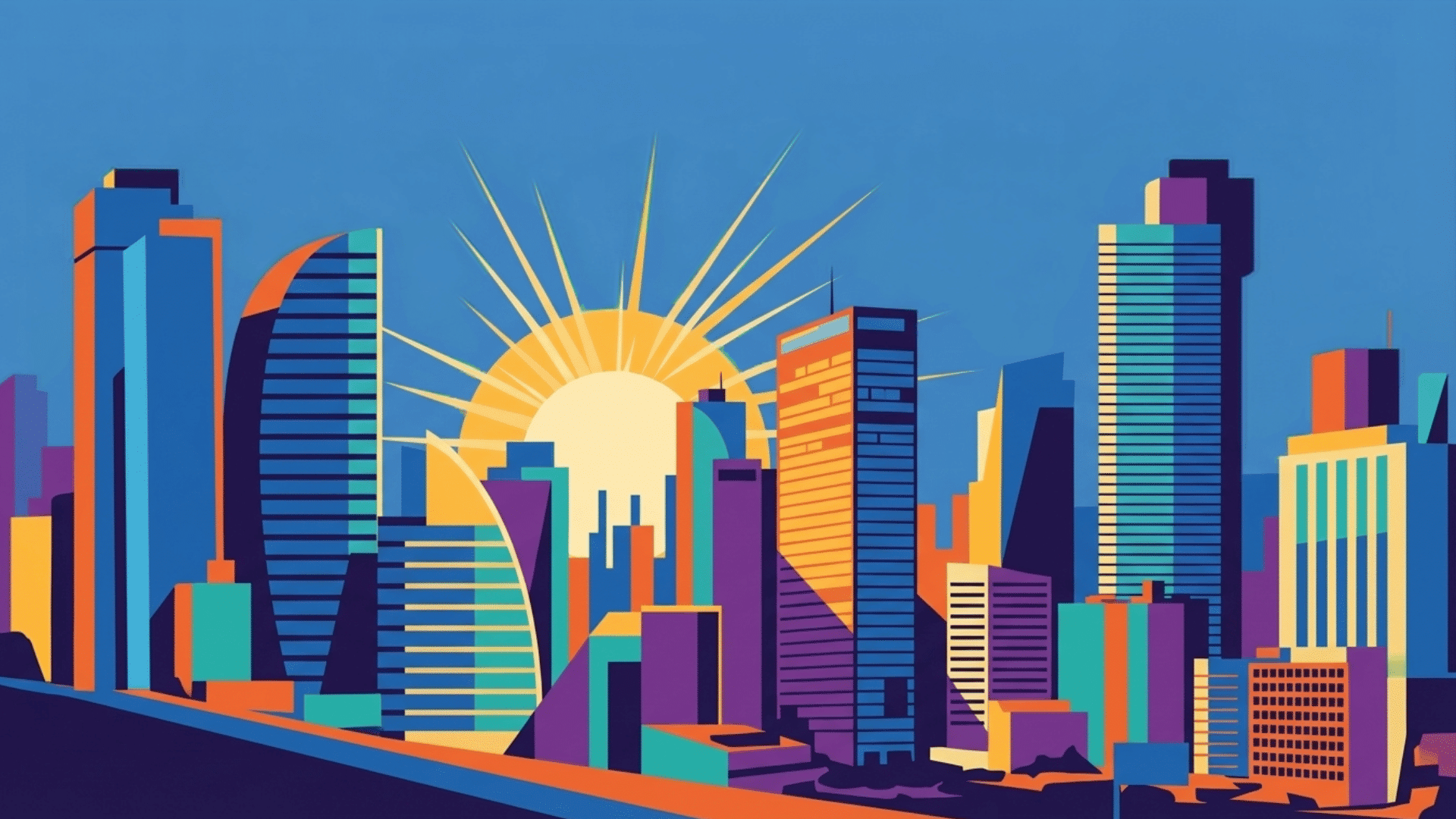
Vector art is built using mathematical formulas rather than pixels, which means it can be scaled to any size without losing sharpness or quality.
Created with software such as Adobe Illustrator, CorelDRAW, or Inkscape, vector images use points, lines, shapes, and curves to create clean, precise visuals.
- Vector art never pixelates, making it ideal for large-scale printing and screen displays
- Widely used in graphic design, branding, motion graphics, and game development
- Artists can work with a mouse or a drawing tablet, depending on the detail level required
- Adobe Illustrator remains the industry standard, though free alternatives like Inkscape are popular too
2. Pixel Art
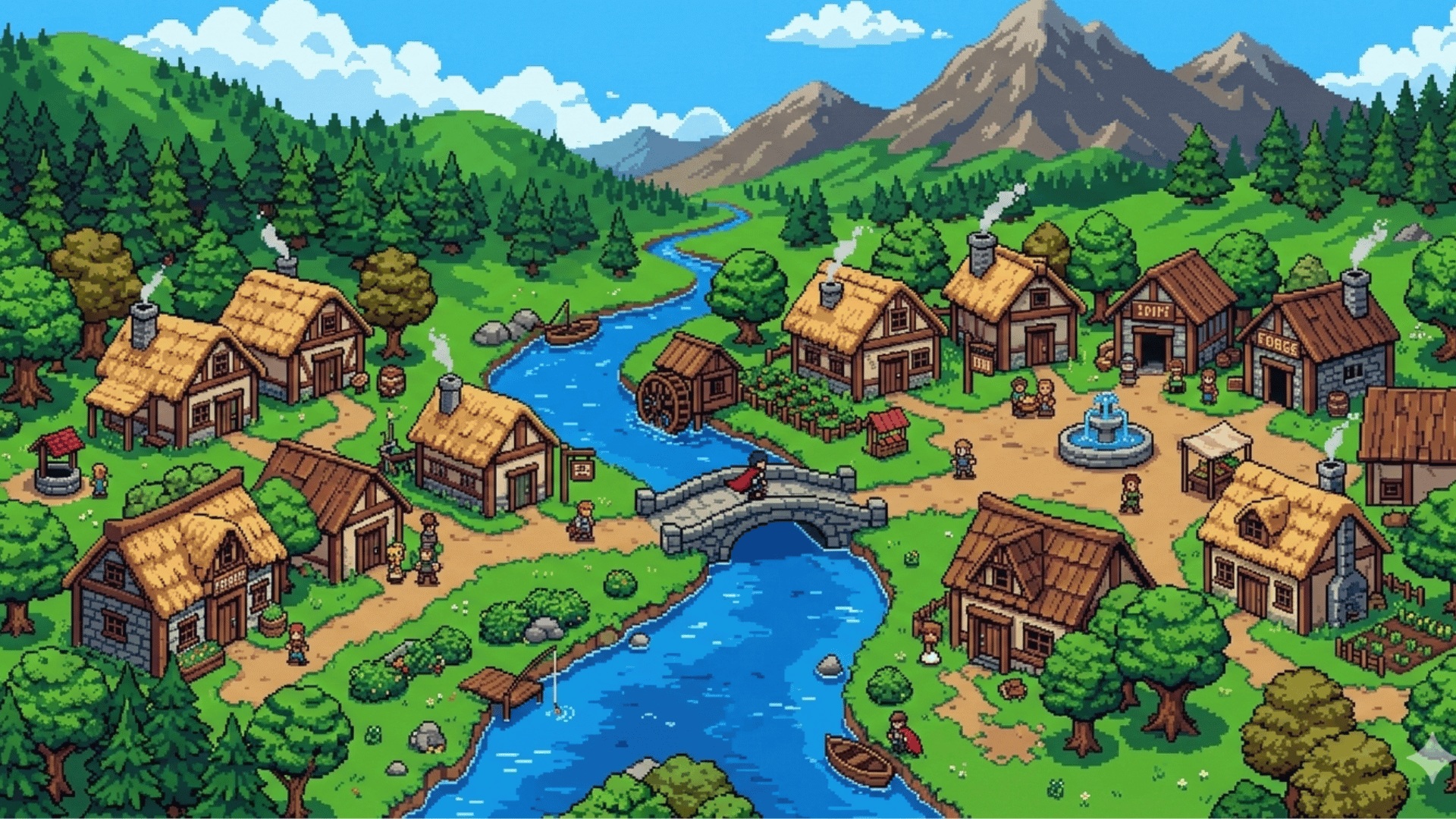
Pixel art is a digital art style in which images are constructed by placing individual pixels on a grid, creating the distinct blocky, retro look associated with early video games.
Every pixel is placed intentionally, which demands a surprising amount of skill and precision.
- Aseprite and PyxelEdit are among the most widely used tools built specifically for pixel art
- Limited color palettes are a defining feature that adds to the style’s retro personality
- Used extensively in indie games, mobile apps, animated web graphics, and social media
- Artists like Junkboy, known for work on Minecraft at Mojang, helped bring pixel art into the modern mainstream
3. 3D Digital Sculpting
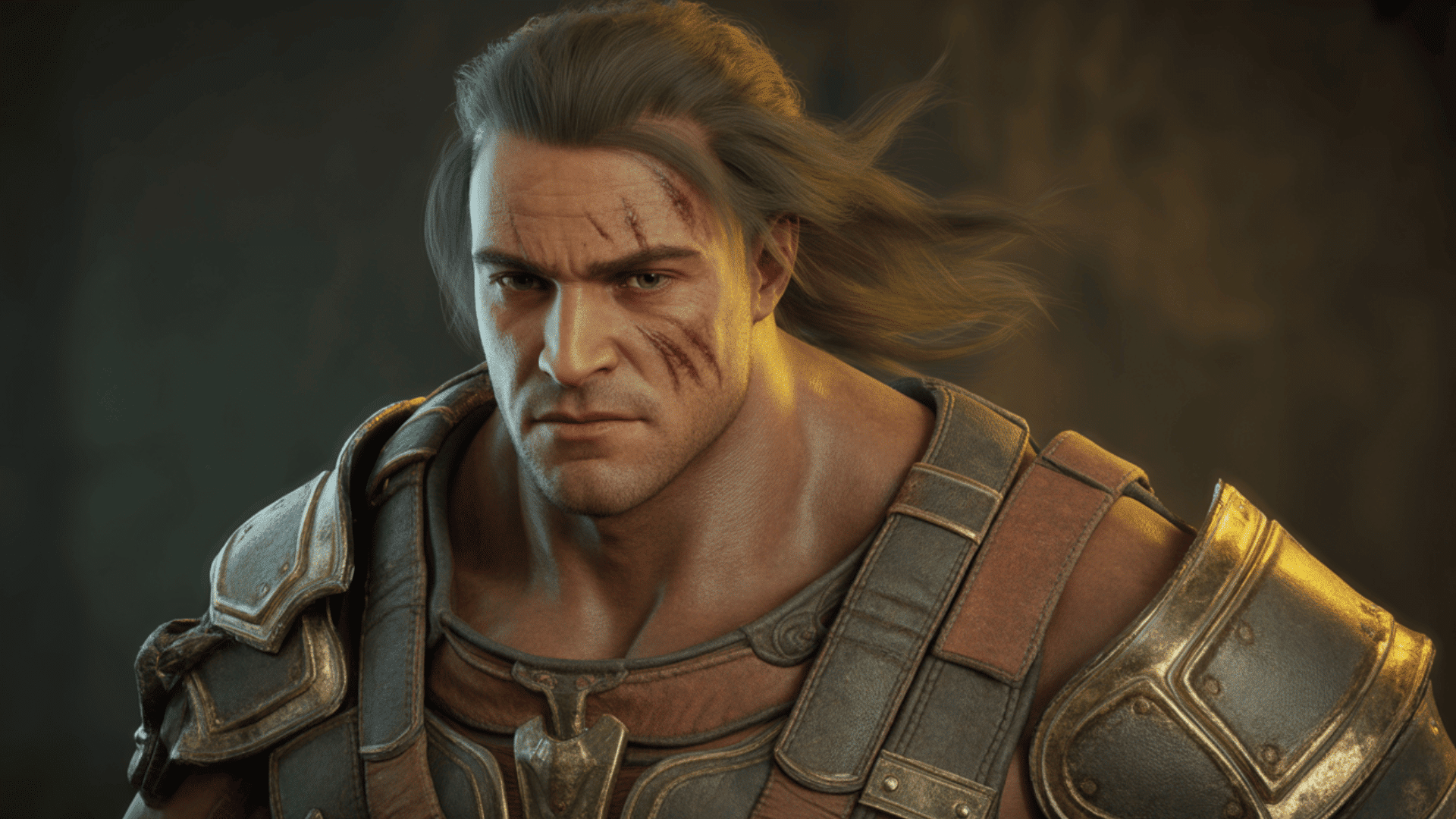
3D modeling and CGI (computer-generated imagery) involve building three-dimensional objects, characters, and environments inside digital software, then rendering them with realistic lighting, textures, and shadows.
Artists use tools like Blender, Autodesk Maya, Cinema 4D, and ZBrush to sculpt and animate detailed scenes. The rendered output can range from highly stylized to nearly indistinguishable from real photographs.
- 3D modeling creates a mesh of polygons that can be animated, textured, and lit within the software
- Blender is a powerful free tool that has made 3D art far more accessible to beginners
- Used in blockbuster films, AAA video games, architecture visualization, and advertising
4. Matte Painting
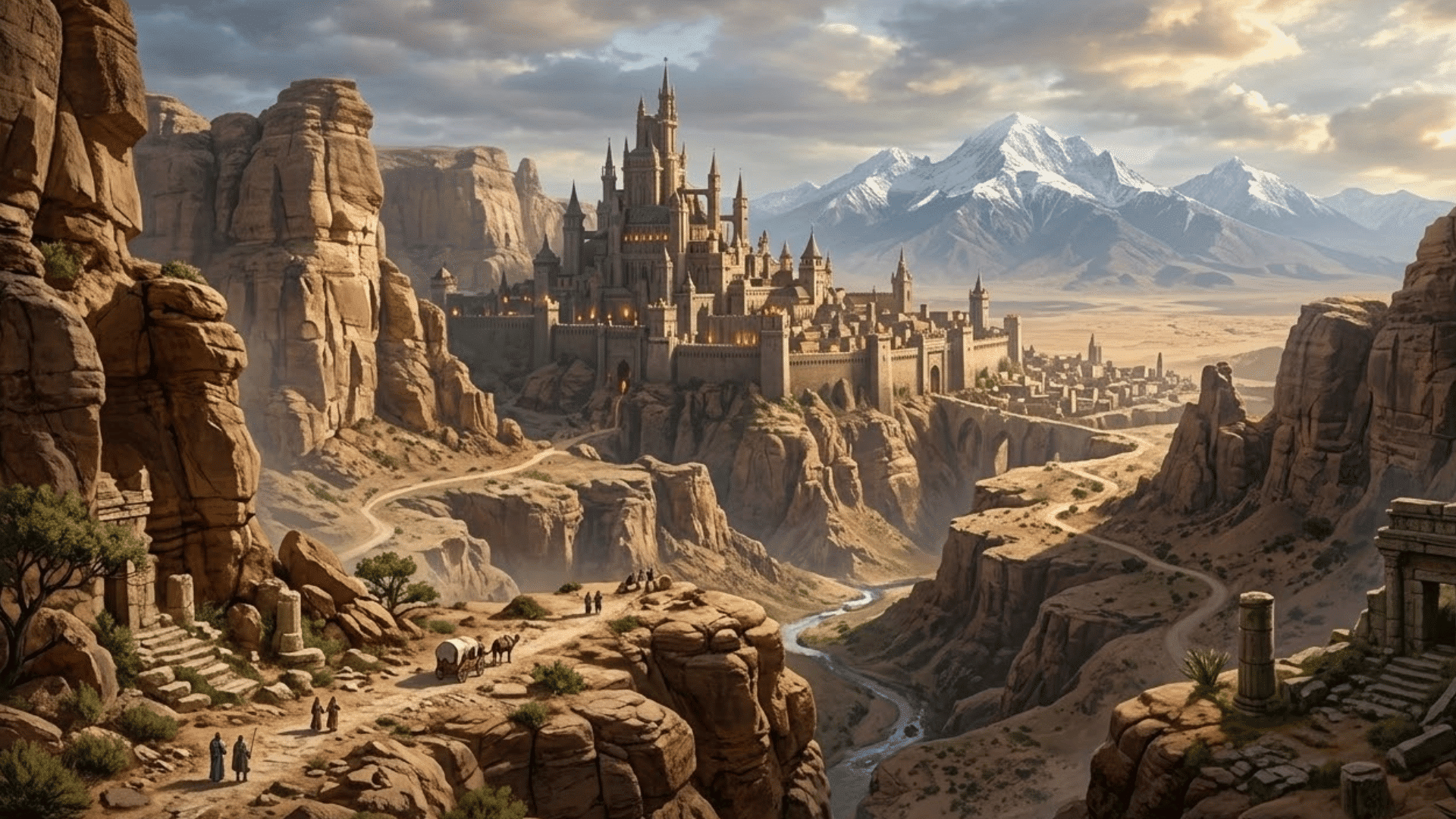
Matte painting is a specialized digital art style used to create photorealistic background environments for film and television by combining digital painting, photography, and 3D elements into a seamless scene.
Matte painters work in tools like Photoshop and Nuke, layering photo references and painted details.
- Used extensively in blockbuster filmmaking to build environments too large, remote, or expensive to construct
- Atmospheric perspective and consistent light direction are critical for making scenes look believable
- Artists layer multiple photo sources, painted textures, and 3D renders into a single final image
- It bridges the gap between fine art, photography, and visual effects production
5. Digital Illustration
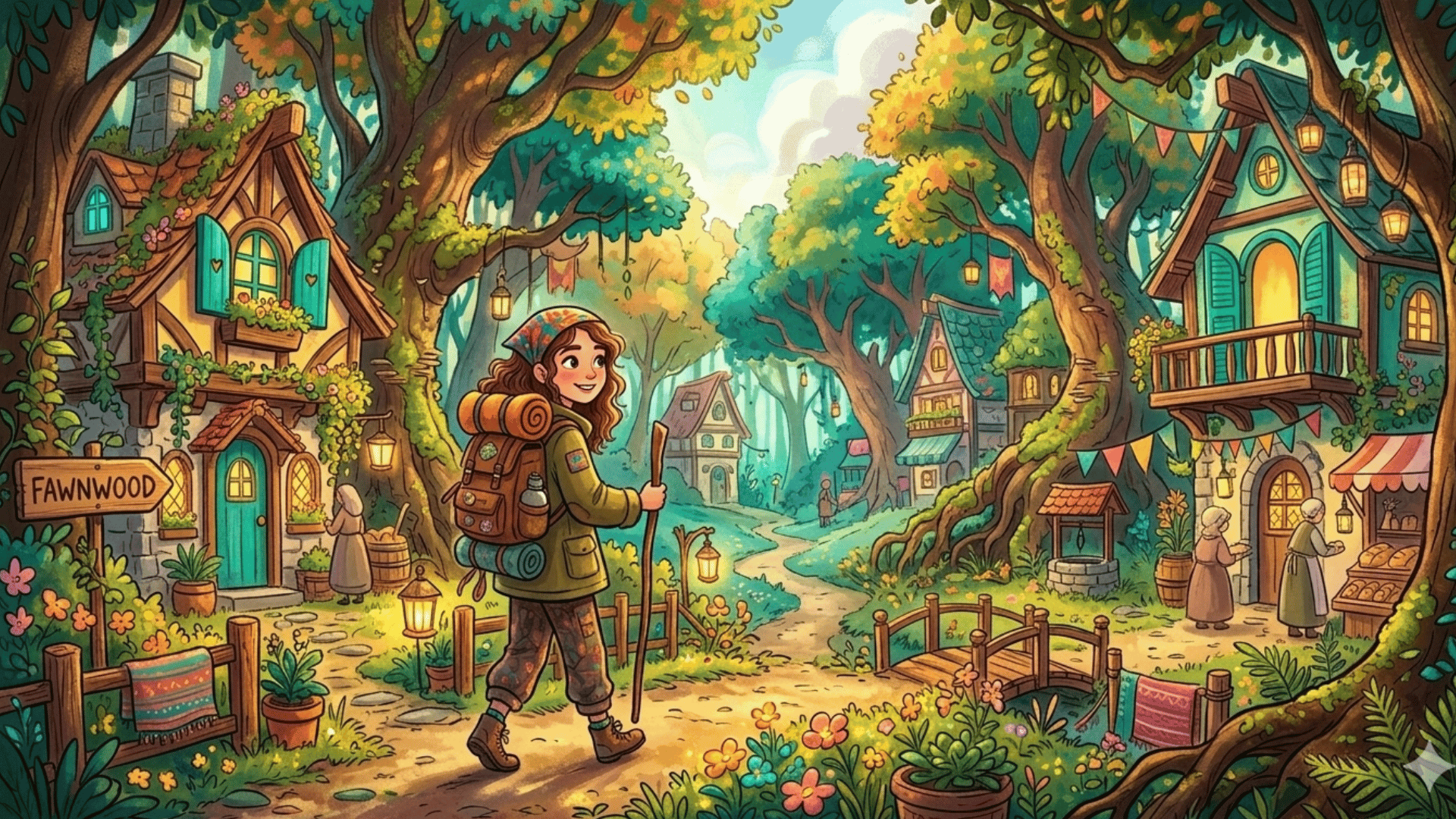
Digital illustration covers a broad range of hand-drawn digital artwork created for commercial and editorial use, including book covers, editorial features, advertising, and character design.
Artists draw freehand on tablets using styluses, producing smooth linework with detailed lighting, shading, and expressive compositions.
Adobe Illustrator, Procreate, and Clip Studio Paint are popular tools for digital illustrators
- Covers styles ranging from flat minimalist design to richly detailed editorial illustration
- Used extensively in children’s books, magazine covers, product packaging, and brand campaigns
- Character design and narrative illustration are two of the most in-demand illustration specializations
6. Fractal Art
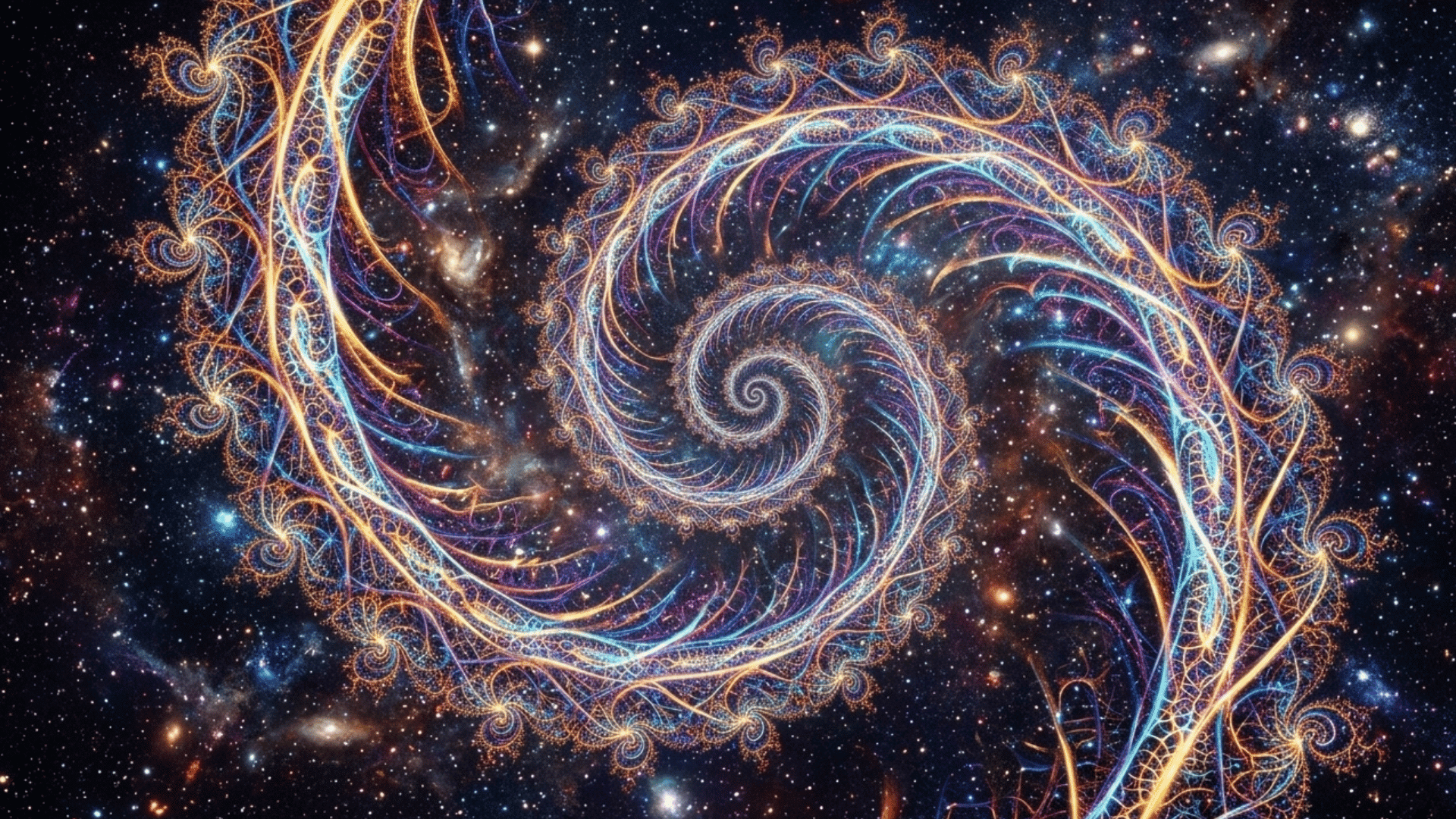
Fractal art is a digital art style that uses mathematical formulas and algorithms to generate complex, self-repeating geometric patterns that look similar at every zoom level.
These patterns are called fractals, and they mirror structures found in nature, such as tree branches, coastlines, and snowflakes.
Artists use specialized software like UltraFractal, Mandelbulb 3D, Apophysis, and Fractint to generate and customize these visuals.
- The Mandelbrot set is one of the most iconic fractal sequences in digital art
- Artists adjust algorithm variables and color schemes to personalize fractal outputs
- Benoit Mandelbrot, the father of fractal geometry, laid the mathematical foundation for this style
- Julius Horthuis is recognized for creating cinematic and immersive 3D fractal environments
7. Photobashing
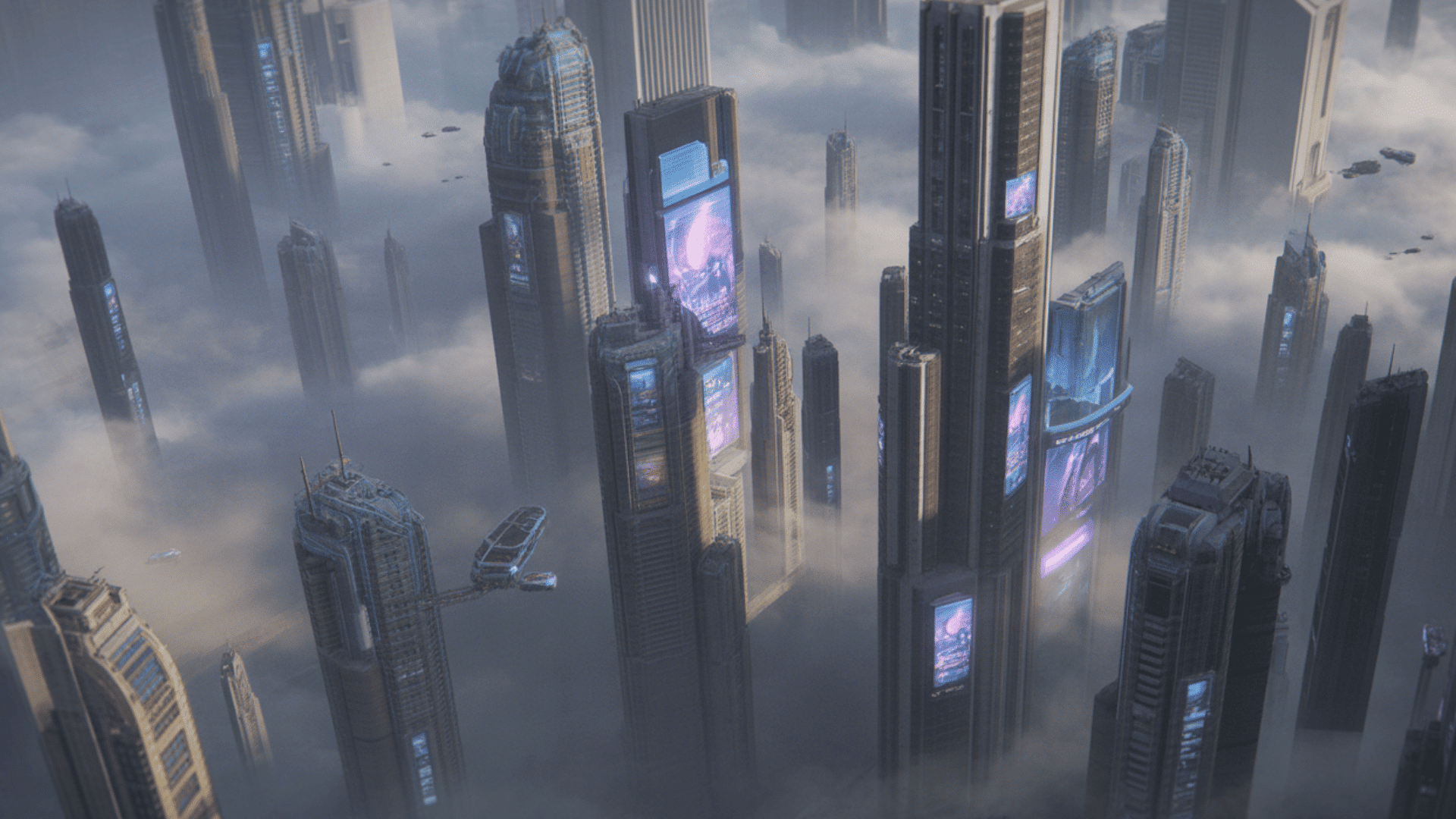
Photobashing is a digital art technique that combines photo references and stock imagery with digital painting to create concept designs rapidly and finished illustrations.
Artists paste photographic elements into a scene, then paint over, blend, and unify them with brushwork to create a cohesive and polished result. It is widely used in concept art for games and film because it dramatically speeds up the process of building believable environments and characters.
- Photoshop is the primary tool for photobashing, though some artists also use Procreate for painting over images.
- It is especially useful for environmental concept design and sci-fi or fantasy worldbuilding
- The technique requires strong knowledge of lighting, perspective, and color harmony to unify sources
- Mike Winkleman, known as Beeple, has used photobashing as part of his daily art practice for years
8. Digital Collage
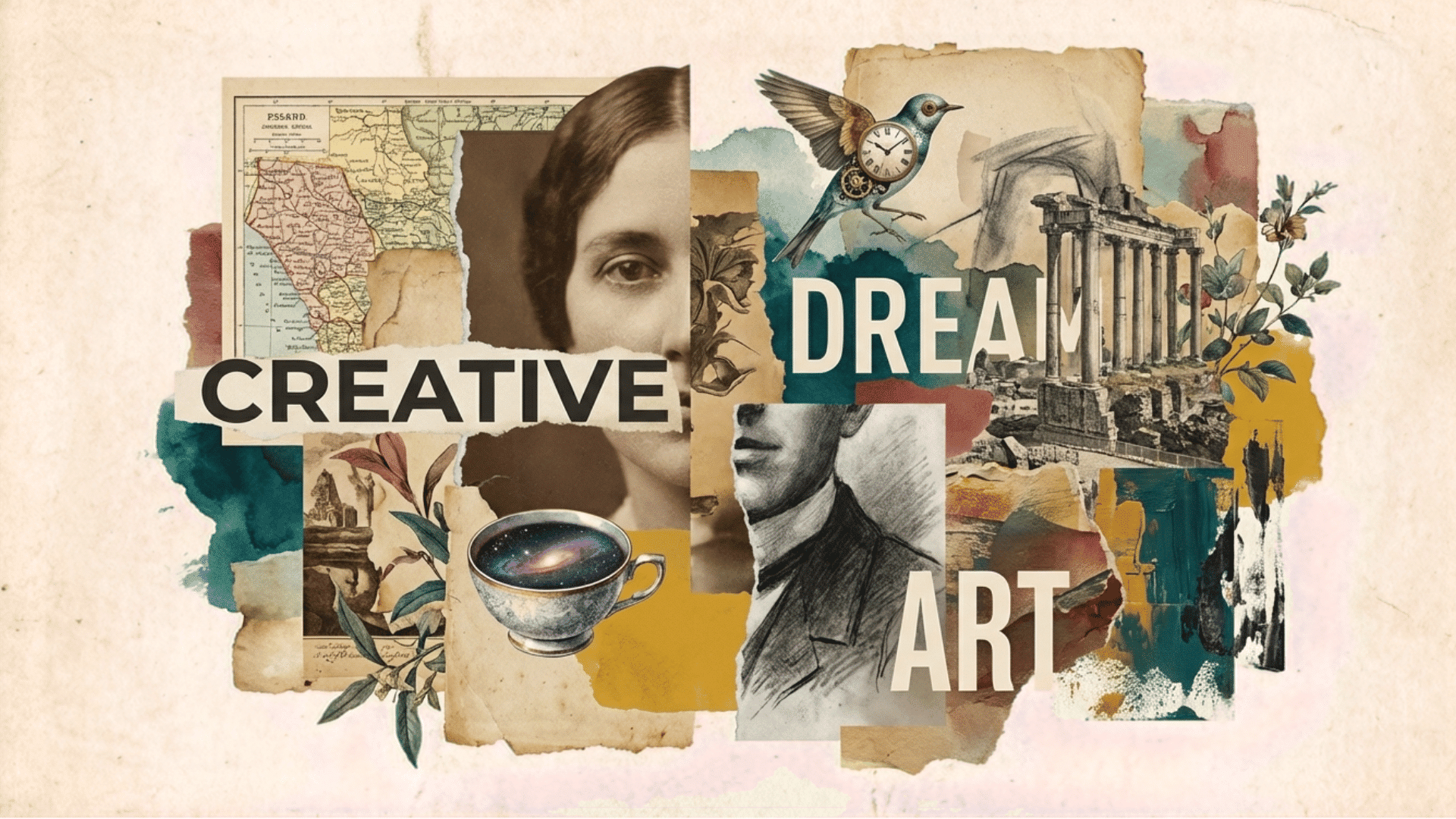
Digital collage brings together photographs, scanned textures, painted elements, typography, and found visuals into a single layered composition, creating artwork that is deliberately assembled rather than drawn from scratch.
The approach draws from the long tradition of physical collage in fine art but opens it up to an almost unlimited palette of source material.
- Photoshop and Canva are common tools, though some artists prefer open-source options like GIMP
- Can incorporate pixel art, raster painting, 3D renders, and photography within the same piece
- Used in editorial art, album covers, social media design, and experimental fine art
- The style allows for rapid idea exploration and is friendly for artists at all skill levels
9. Generative and Algorithmic Art
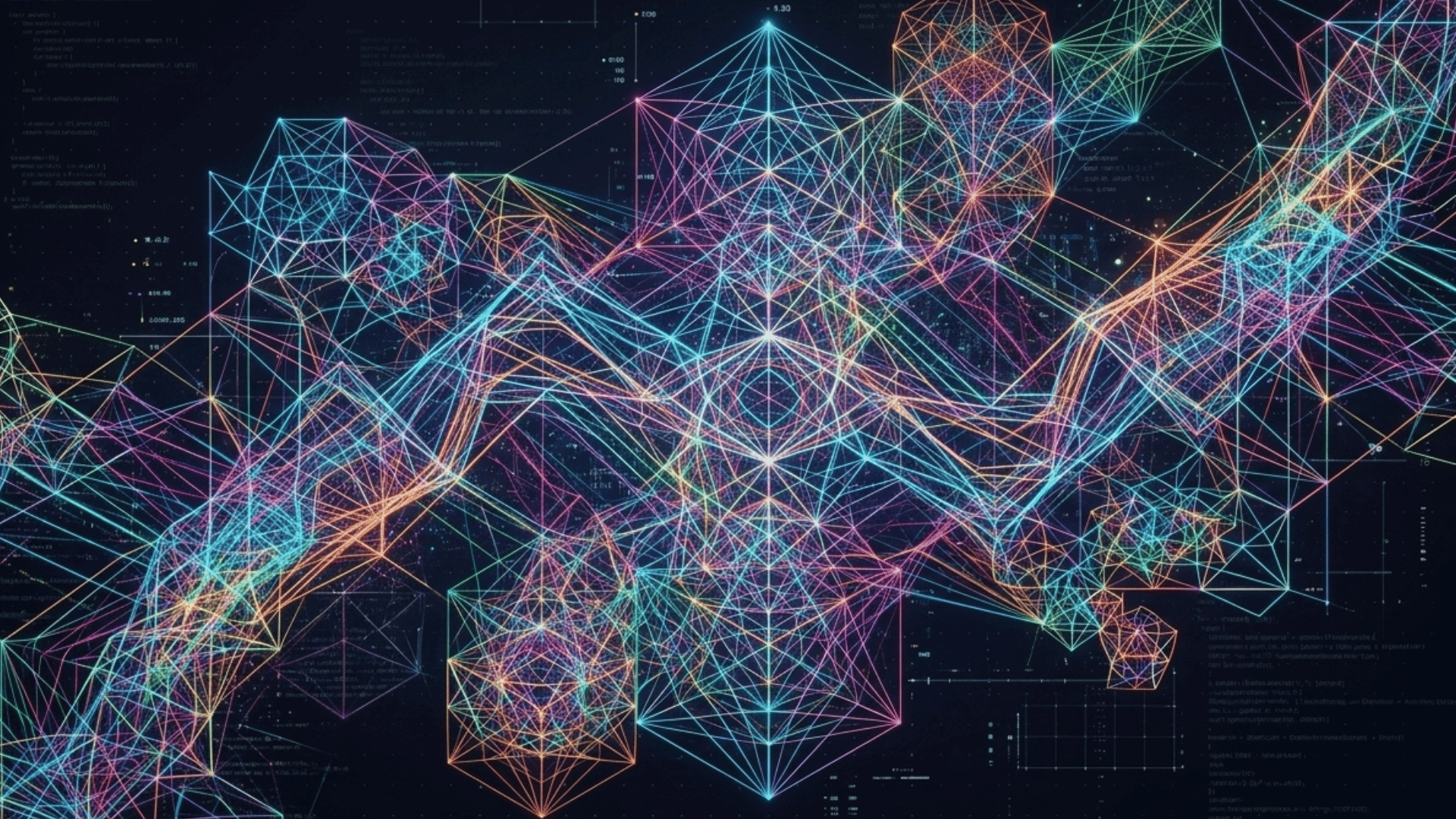
Generative art is created using code and algorithms that control the creative process, producing visuals that are partly or entirely determined by mathematical rules rather than manual drawing.
Artists write code in languages like Processing or JavaScript to define rules, and the computer executes those rules to generate images that would be impossible or impractical to draw by hand. It is one of the most intellectually layered digital art styles, at the intersection of art and computer science.
- Outputs range from abstract geometric compositions to complex data visualizations
- Closely related to fractal art, but generative art is not limited to self-repeating mathematical patterns
- NFT platforms have brought significant visibility and commercial interest to generative art
10. Glitch Art
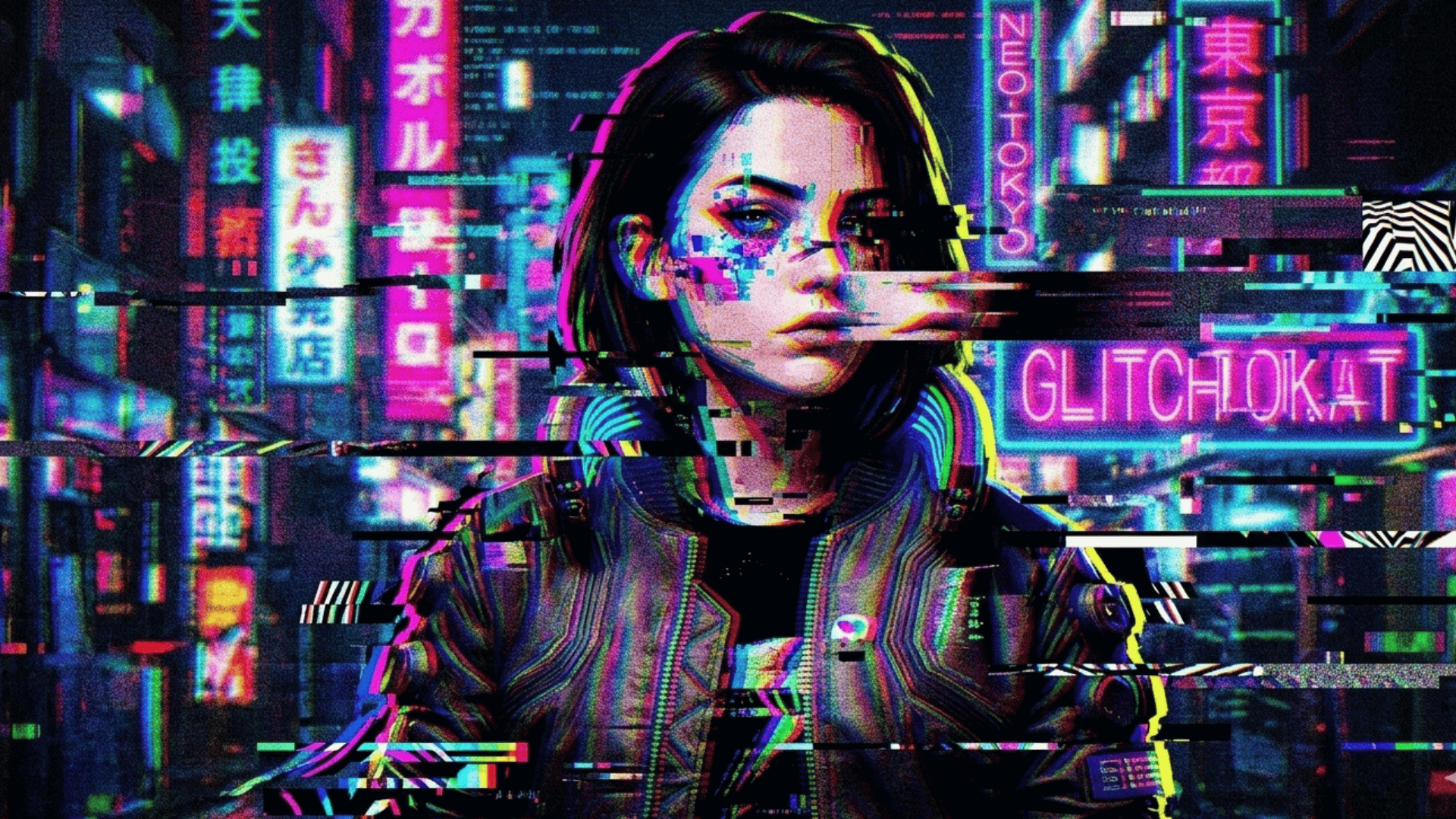
Glitch art changes digital errors, data corruption, and visual artifacts into deliberate and expressive choices, turning what would normally be a malfunction into a distinct art form.
Artists intentionally corrupt image files, manipulate video data, and introduce digital noise to create fragmented, distorted visuals that challenge traditional ideas of beauty.
- RGB channel shifting creates a fractured multi-color displacement effect that is immediately recognizable
- Datamoshing is a related technique that manipulates video compression data for unpredictable visual results
- P-moshing removes P-frames, causing colors to bleed together, while B-moshing affects B-frames for distortion
- Tools include Audacity for audio-driven glitching, Photoshop for image manipulation, and hex editors for file corruption.
11. Animation and GIF Art
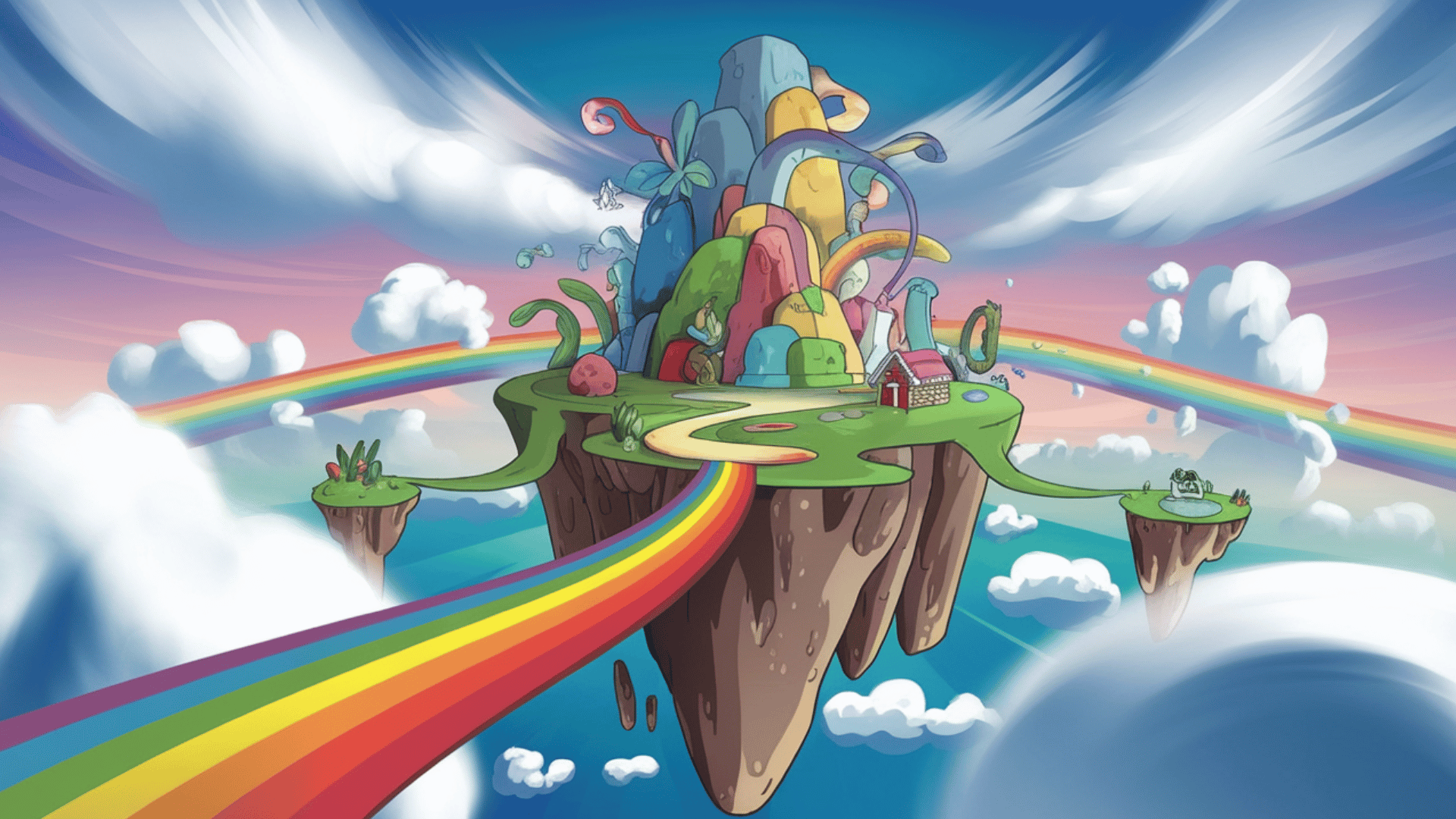
Digital animation encompasses everything from simple looping GIFs to full 2D and 3D animated productions. As a digital art style, it has grown dramatically with the rise of social media and short-form video content.
GIF art is particularly expressive because its can loop continuously, creating a visual rhythm that static images cannot match. Artists sequence multiple frames to suggest motion, narrative, or transformation.
Tools range from simple web-based GIF makers to professional animation software like Adobe Animate, Toon Boom Harmony, and Blender.
- 2D animation builds on traditional frame-by-frame techniques adapted for digital software
- Motion graphics combine typography, graphic design, and animation for branded and commercial content
- Platforms like Tumblr and Instagram helped establish GIF art as a recognized creative format
12. Virtual Reality (VR) Painting
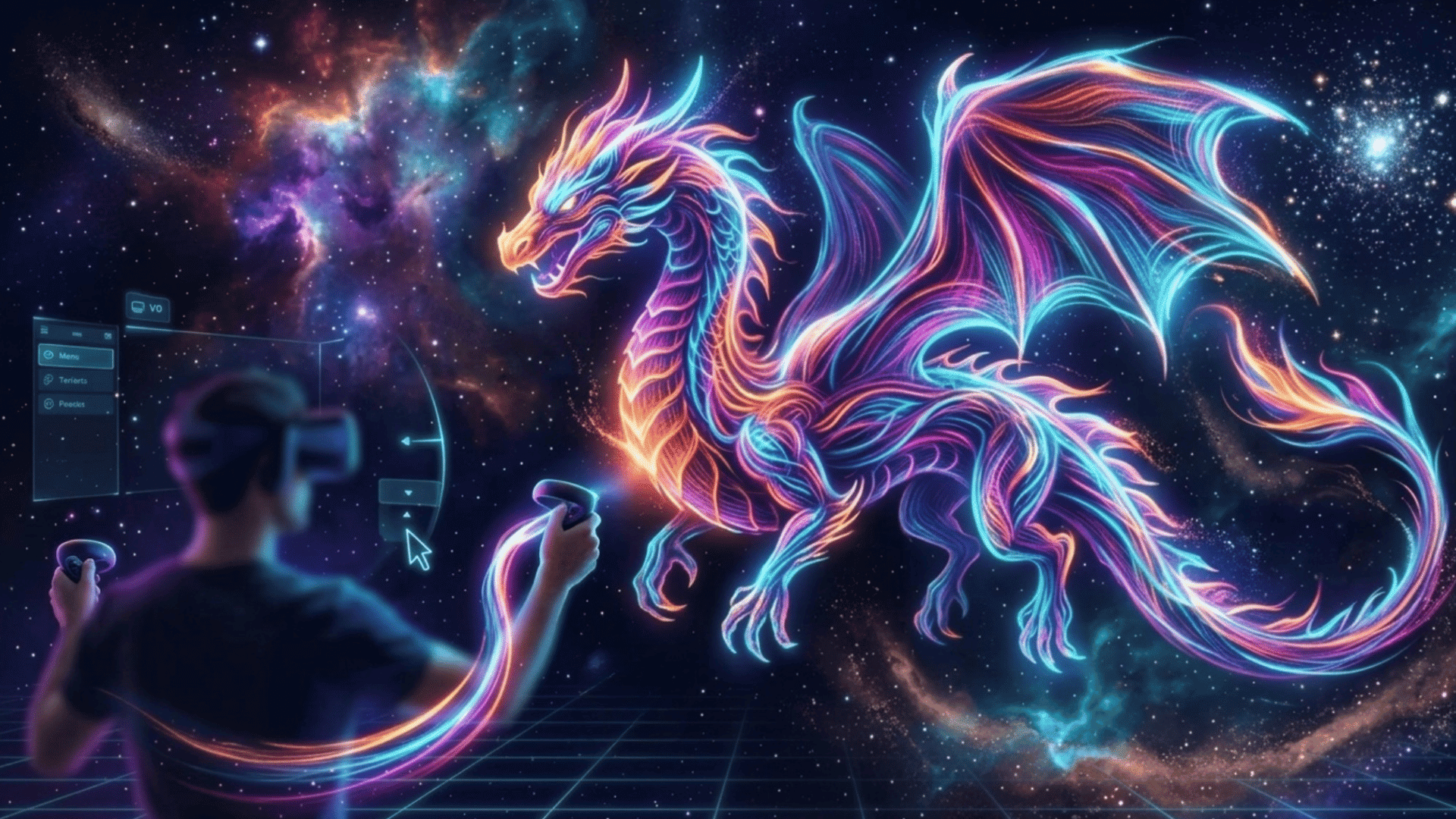
VR painting is an immersive digital art style in which artists wear virtual reality headsets and use motion controllers to paint and sculpt in a full 3D space, stepping inside their artwork as they create it.
Tools like Tilt Brush and Gravity Sketch allow artists to draw brushstrokes that float in 3D space around them, making the creative process itself part of the artistic experience.
- Elizabeth Edwards creates detailed 3D VR sculptures that push the boundaries of digital form
- Anna Zhilyaeva is known for live VR painting performances that blend traditional and digital techniques
- VR art can be experienced by viewers in virtual environments, making it accessible beyond physical galleries
13. Manga and Anime Art Style
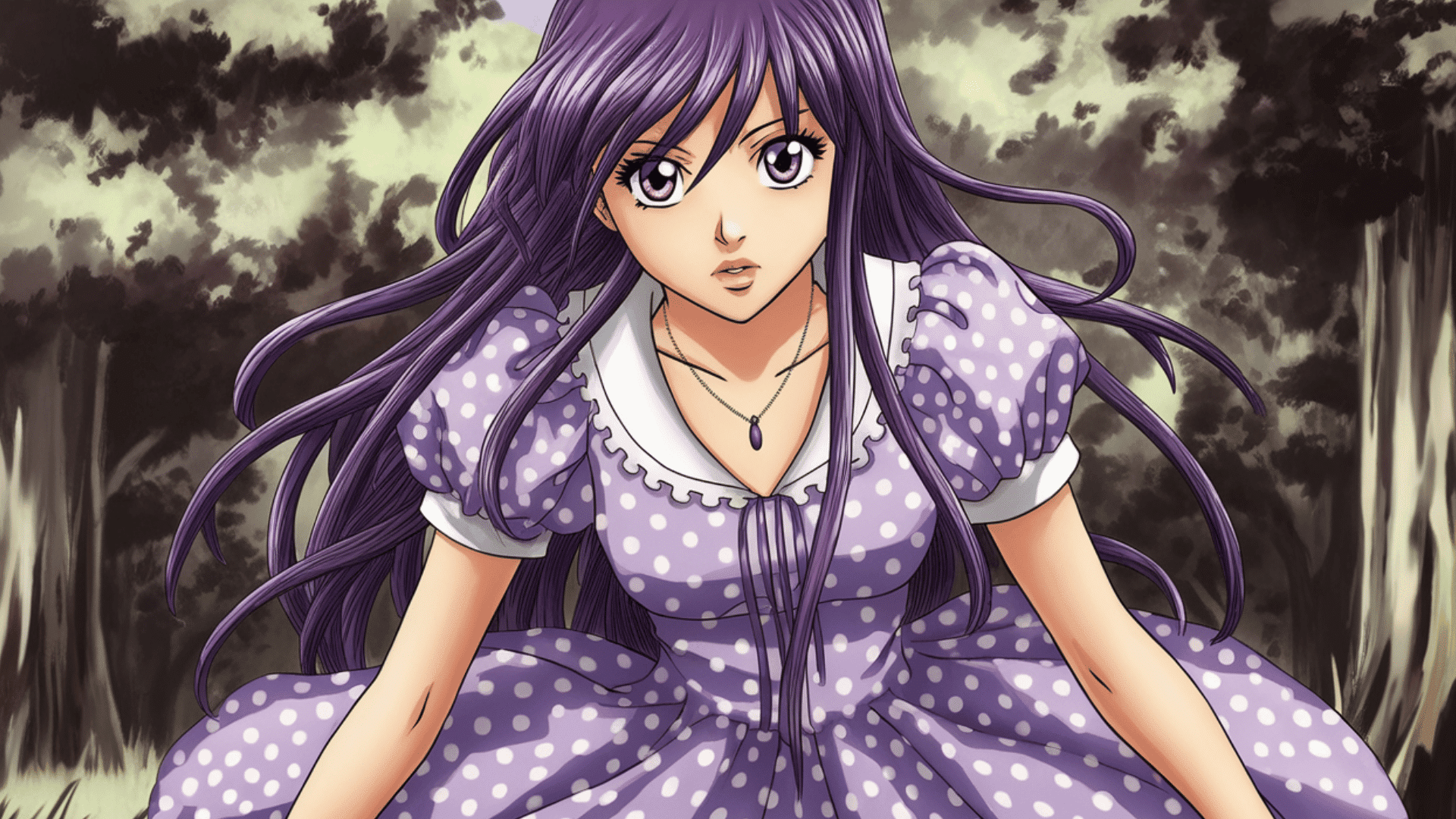
Manga and anime art are rooted in the Japanese visual tradition. They are among the most globally recognized digital art styles, defined by expressive large eyes, dynamic poses, vivid colors, and distinctive linework.
Digitally, this style is crafted in tools like Clip Studio Paint, which is practically built for manga and comic production. Artists work with carefully inked lines, cel shading, and screen tone patterns to achieve that polished, printed-page quality.
- Cel shading mimics the flat shading used in animated television productions
- Characters typically feature exaggerated eyes, small mouths, and expressive facial reactions
- Speed lines and extreme perspective shots are common techniques for conveying action and emotion
14. Flat Design and Minimalist Illustration
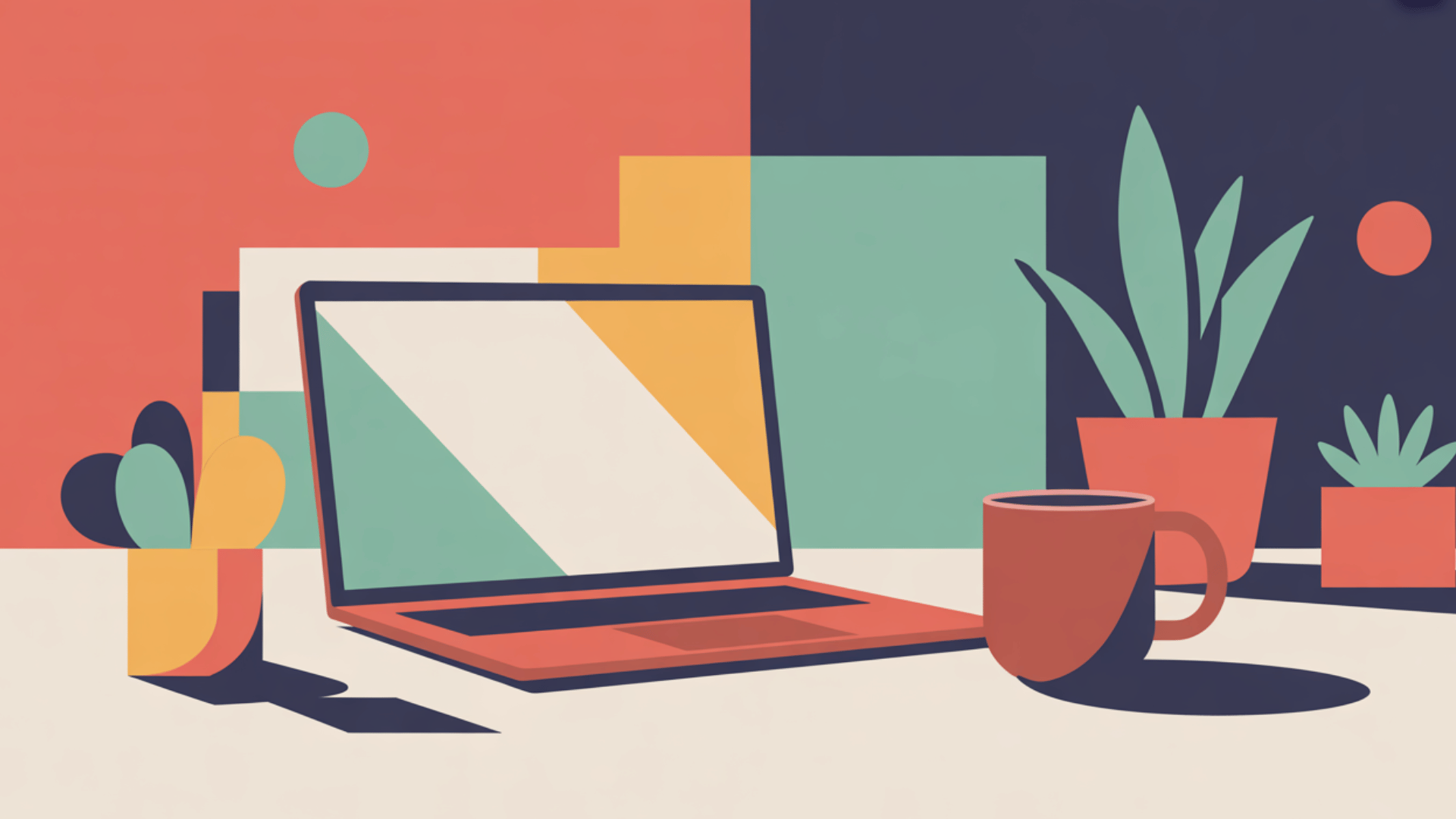
Flat design strips away gradients, shadows, and complex textures, producing clean, two-dimensional visuals that prioritize simplicity, readability, and clarity.
It became a design movement in its own right, heavily influencing UI design, app interfaces, and brand illustration. The style uses bold geometric shapes, limited color palettes, and negative space as core tools.
As digital art styles go, flat design is one of the most commercially appropriate, appearing across web design, infographics, iconography, and editorial illustration.
- Adobe Illustrator and Figma are the dominant tools for flat design work
- Geometric shapes and bold contrasting colors form the visual foundation of this style
- Negative space is used deliberately to guide the viewer’s eye and improve visual balance
- Works exceptionally well for mobile apps, web icons, explainer videos, and brand identity systems
15. Surrealist Digital Art
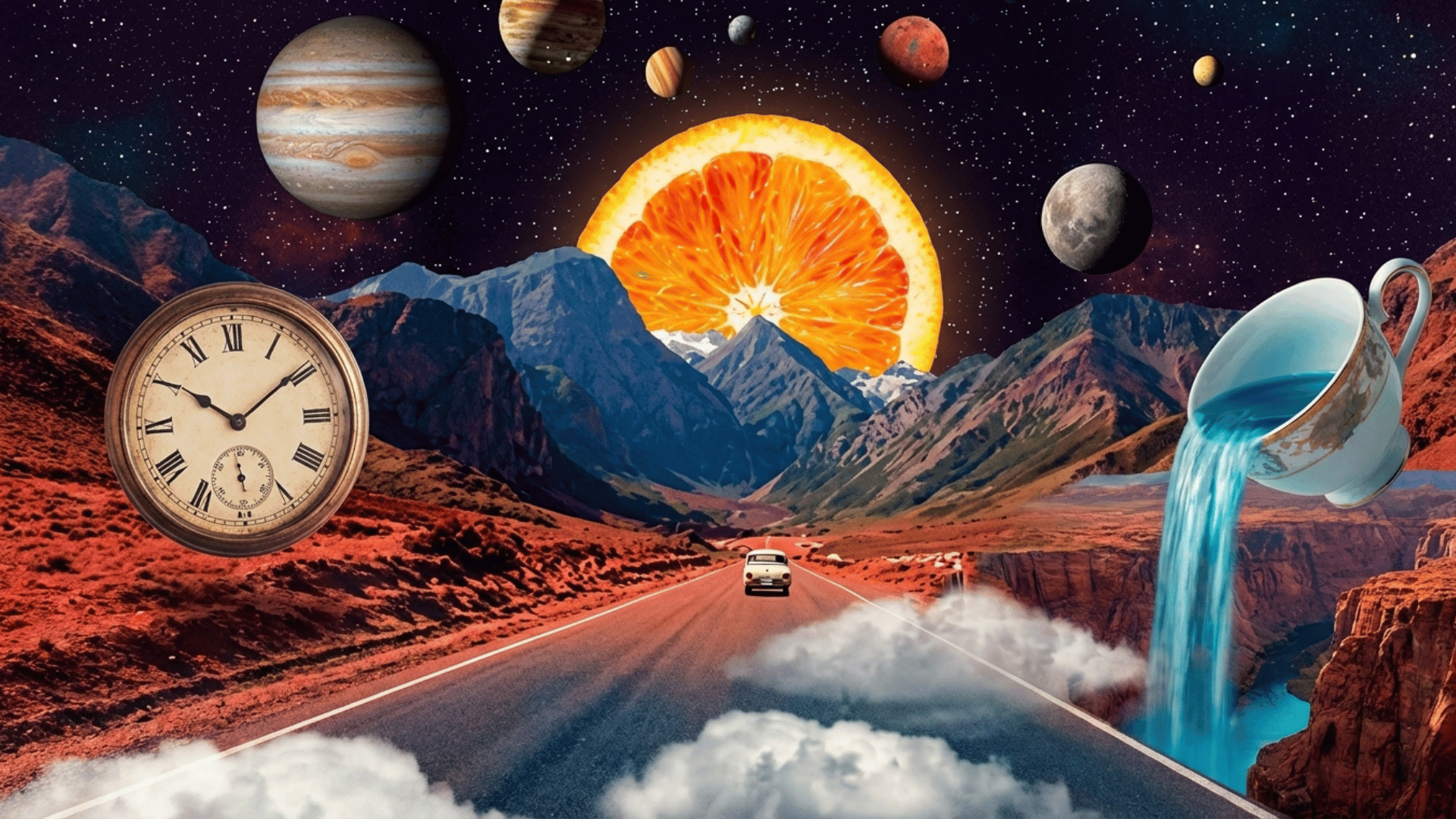
Digital surrealism takes the dream-driven logic of the original Surrealist movement. It expands it through the creative possibilities of modern software, producing images that blur the line between the possible and the impossible.
Artists combine unrelated objects, distorted proportions, and impossible scenes to create visuals that feel simultaneously recognizable and deeply strange.
- Photo compositing and digital painting are often combined to achieve seamless surrealist imagery
- Artists study traditional surrealists like Salvador Dali and René Magritte for compositional inspiration
- Symbolic imagery, unexpected scale shifts, and uncanny juxtapositions are signature techniques
- Erik Johansson creates surrealist scenes that feel physically real despite being entirely impossible
16. AI-Generated Art
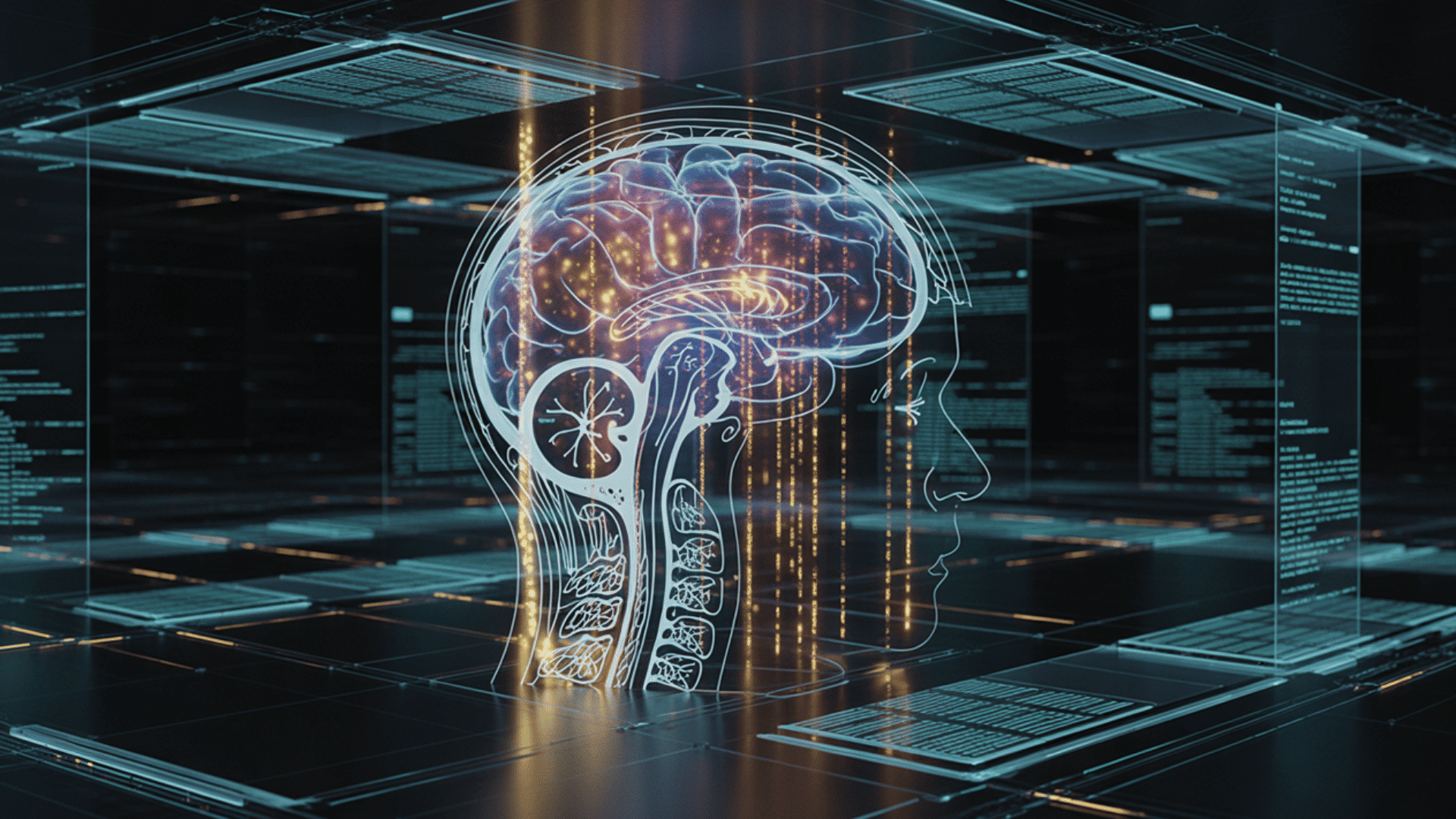
AI-generated art uses machine learning algorithms and neural networks to produce images from text prompts, existing artworks, or trained datasets, representing one of the most discussed and rapidly evolving digital art styles of the current era.
Tools like Midjourney, DALL-E, Stable Diffusion, and Adobe Firefly allow both trained artists and complete beginners to generate striking visuals. Many professional artists use these tools as a starting point, then refine results through manual painting or compositing.
- Prompt engineering has become a recognized skill, with artists crafting detailed text inputs to shape AI outputs
- Many artists combine AI-generated base images with traditional digital painting for a hybrid approach
- The rise of AI art has sparked serious conversations about authorship, originality, and the future of creative work.
17. Comic Style
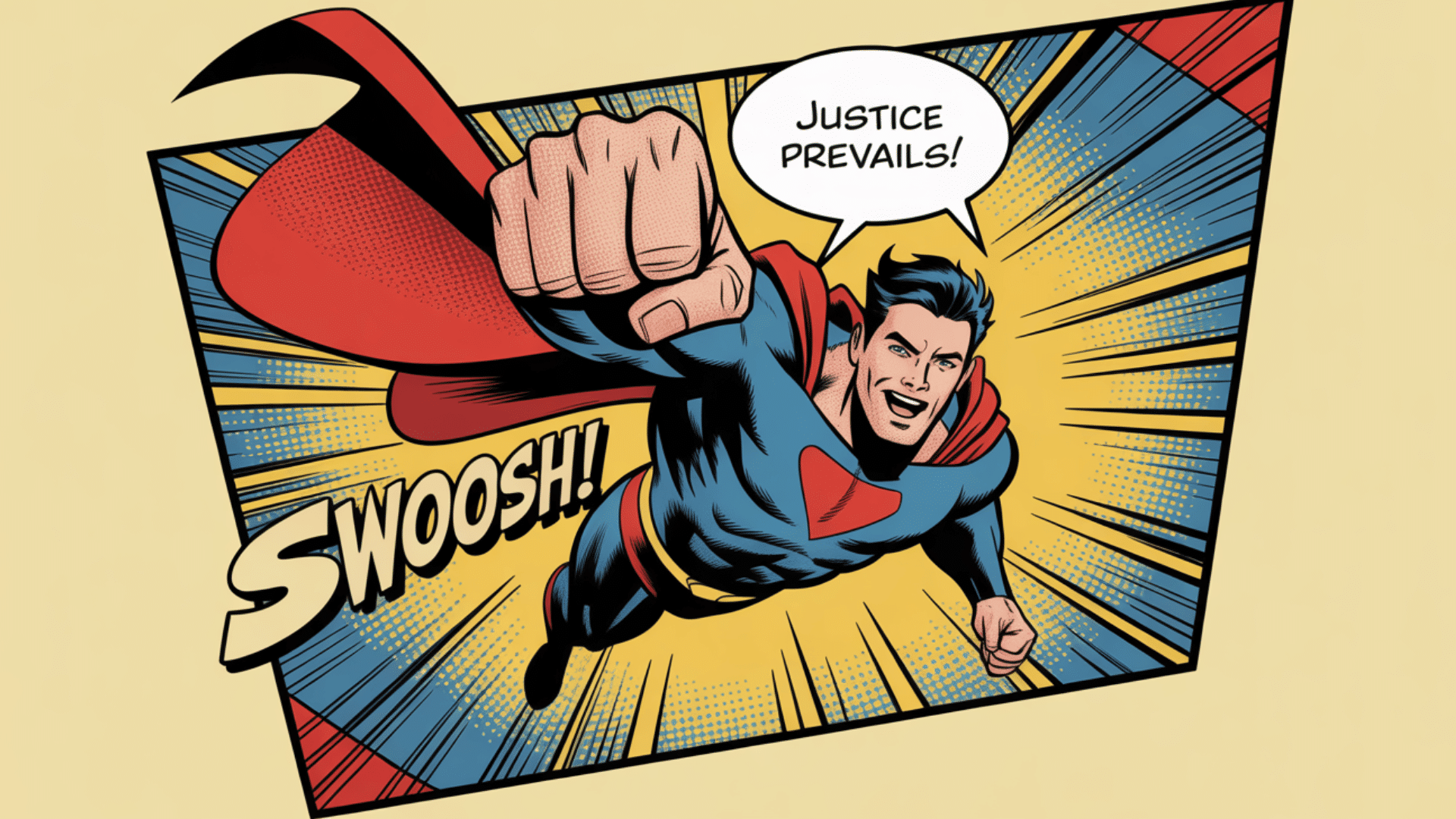
Comic digital art tells stories through illustrated panels arranged in sequence. Characters move through different frames, allowing readers to follow actions, conversations, and emotions step by step.
Artists use techniques such as shading, motion lines, and speech bubbles to guide the viewer’s attention and add energy to each scene.
- Panel-based storytelling helps organize scenes and guide the reader through the narrative
- Speech bubbles and caption boxes present dialogue and narration clearly
- Frequently used in graphic novels, web comics, and digital comic platforms
18. Digital Painting
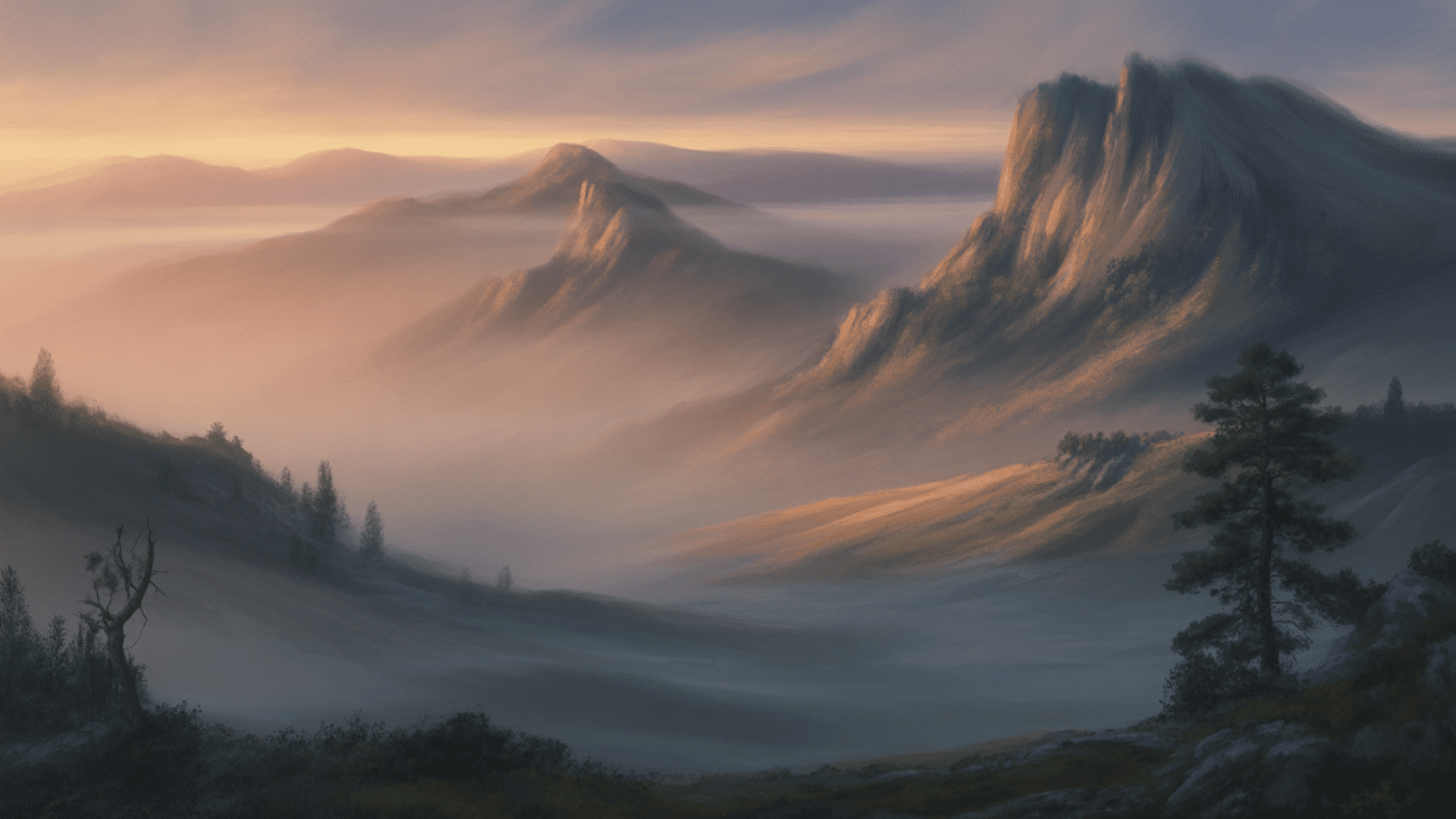
Digital painting is one of the most widely practiced digital art styles, using software to replicate traditional painting techniques such as watercolor, oil, and acrylic.
Artists use brushes, textures, and layering to build compositions that feel handcrafted. Programs like Adobe Photoshop, Corel Painter, Procreate, and Clip Studio Paint are among the most used tools in this space.
Unlike traditional painting, digital painting allows artists to undo mistakes instantly, work with unlimited layers, and experiment freely without wasting materials.
- Realism, semi-realism, impressionism, expressionism, and fantasy art all fall under digital painting
- A graphics tablet or pen display with pressure sensitivity is the key piece of hardware needed
- Craig Mullins, often called the godfather of digital painting, was one of the first to use Photoshop for professional concept art
- Loish (Lois van Baarle) is known for vibrant character illustrations that blend painterly softness with bold linework
19. Chibi Art
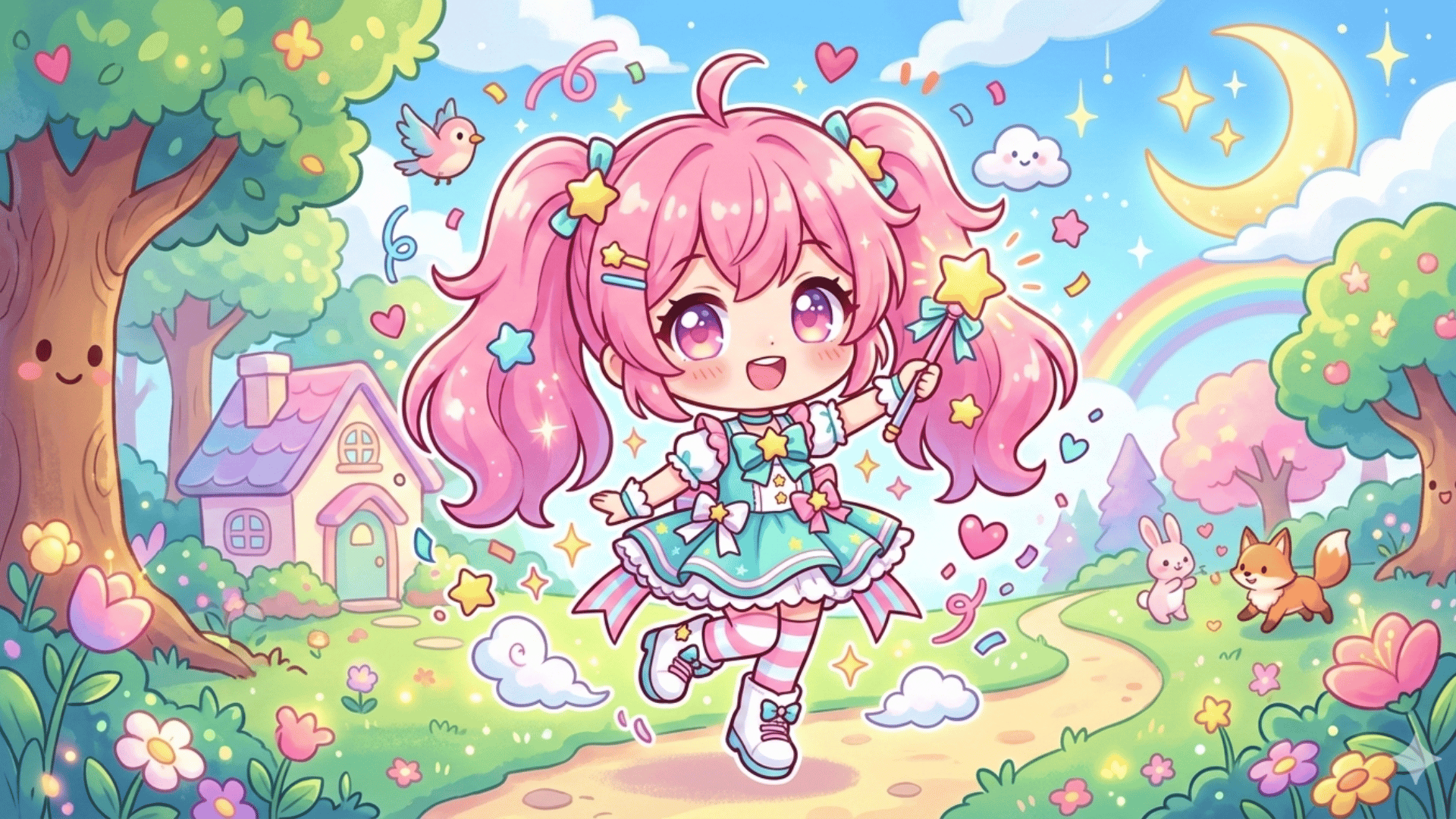
Chibi digital art features characters with oversized heads, tiny bodies, and simplified facial expressions. These exaggerated proportions create a playful and adorable look that emphasizes emotion and personality rather than realistic anatomy.
Artists often use this style for fan art, character stickers, social media illustrations, and merchandise.
Because the shapes are simple and expressive, chibi art is widely used for mascots, avatars, and collectible designs in online communities.
- Rounded shapes help create the cute and friendly appearance
- Simplified body structure keeps the focus on facial expression
- Widely used in anime fan communities and character merchandise
- Often appears in stickers, emojis, and digital collectibles
20. Vaporwave Art
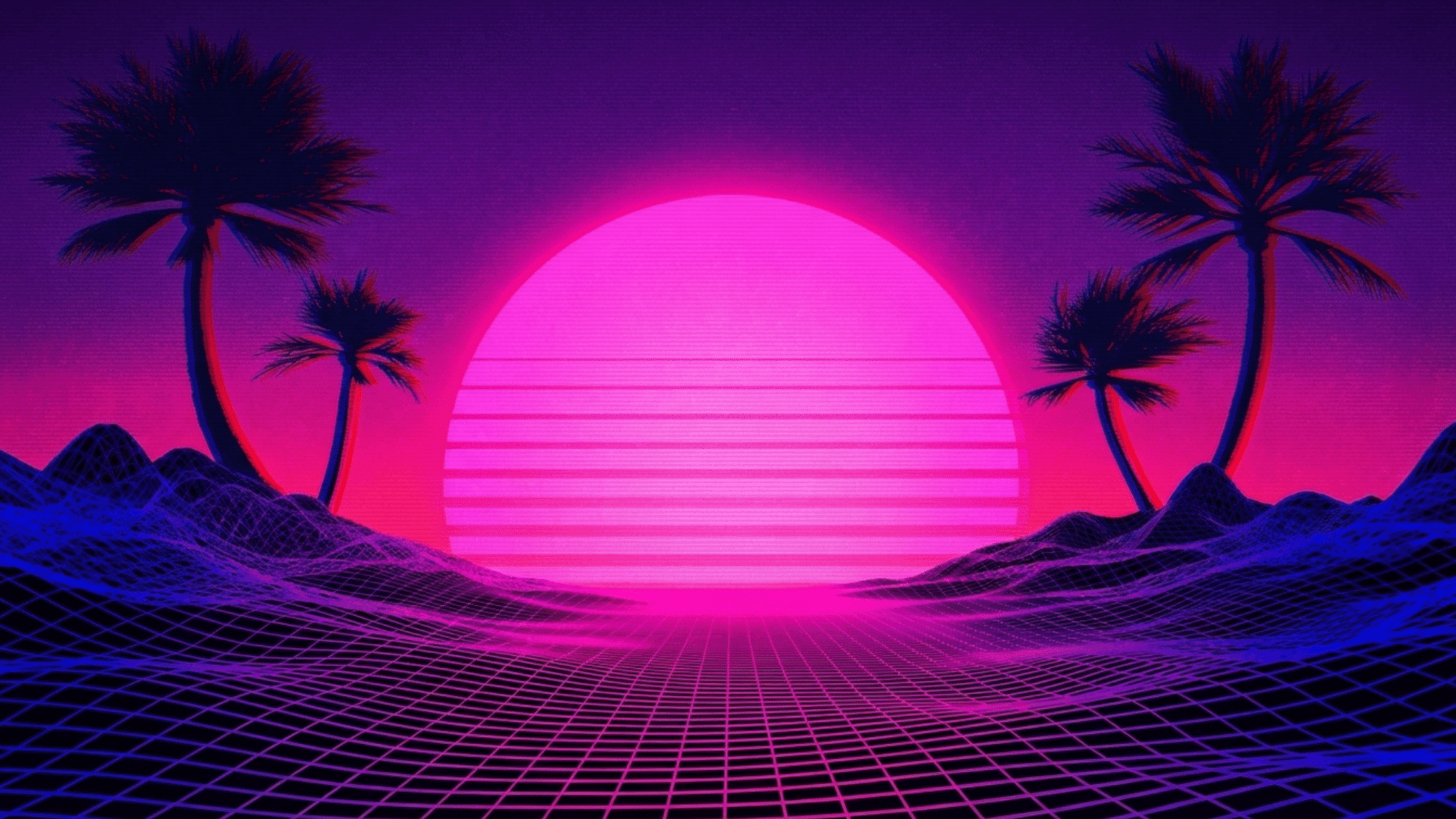
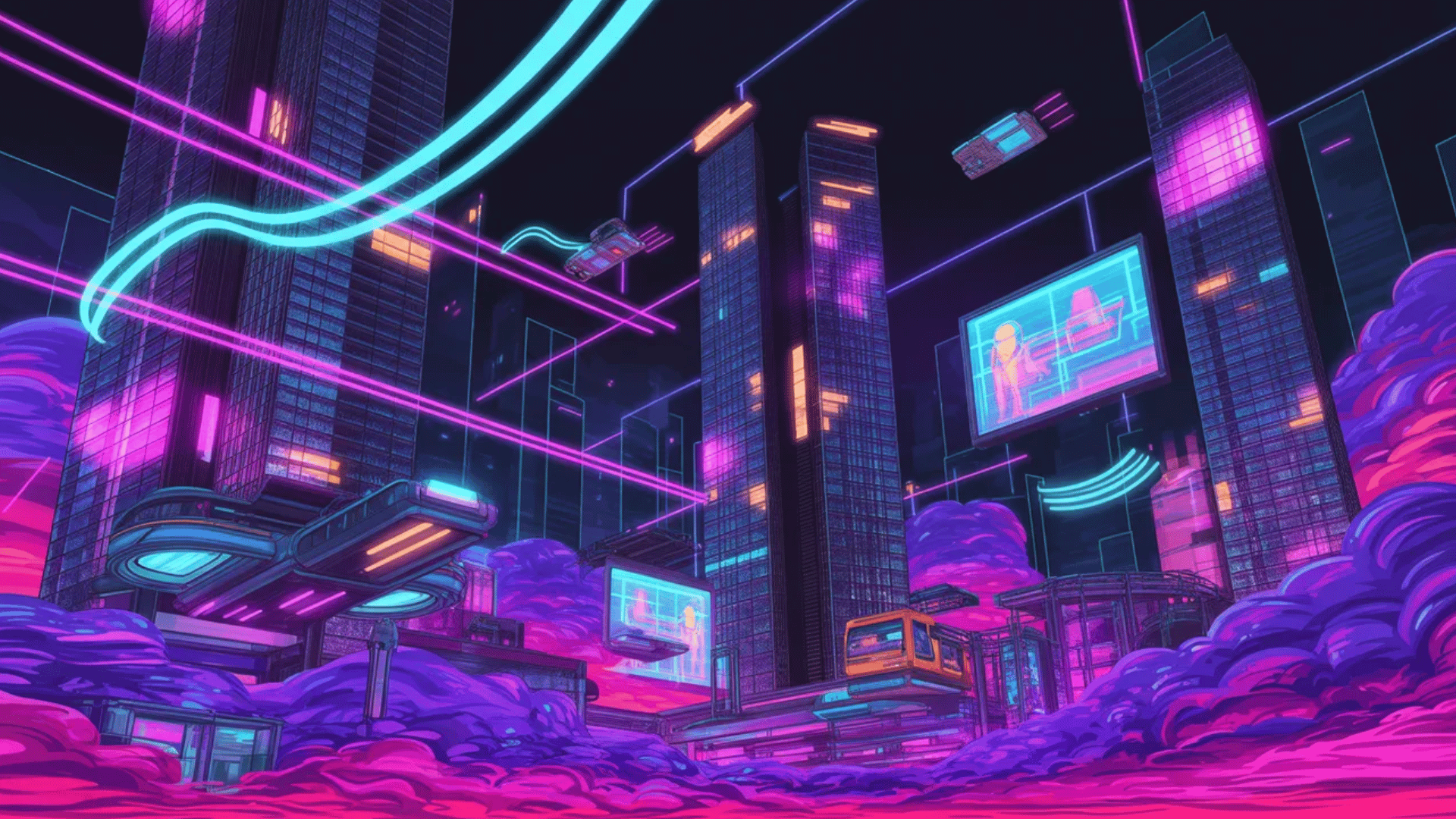
Vaporwave digital art blends retro computer graphics with neon colors and nostalgic visual elements inspired by early internet culture. This style often recreates the look of 1980s and 1990s digital media through bright gradients, grid backgrounds, and vintage computer imagery.
Artists frequently include classical statues, sunset gradients, and digital glitch effects to create a retro-futuristic atmosphere. Vaporwave art is commonly used in digital posters, music album covers, and social media graphics.
- Neon pink and purple color palettes are commonly used
- Retro computer graphics and grid landscapes appear frequently
- Classical statues and vintage symbols are common design elements
- Often used in digital posters, album covers, and internet-themed artwork
Key Factors Behind Digital Art Styles
Digital art styles have evolved, influenced by a combination of traditional and modern elements. While digital tools offer new possibilities, many foundational techniques from traditional art still play a significant role.
- Traditional Art Foundations: Techniques such as painting, sketching, and collage have influenced many digital art methods. Artists still use principles such as shading, composition, and color balance when working digitally.
- Gaming and Film Industry Influence: Techniques such as pixel art, concept art, and matte painting were developed to support visual storytelling in games and movies.
- Internet Culture Impact: Online communities and internet trends contributed to the emergence of styles such as vaporwave and glitch art. These styles reflect retro digital graphics, experimental visuals, and internet-inspired themes.
- Technology-Driven Innovation: New tools such as AI design software and VR technology enable artists to experiment with new techniques and create entirely new artworks.
- Blending Multiple Art Styles: Many modern creators mix two or more art styles within a single project. Combining approaches helps artists build a unique creative identity.
Conclusion
Digital art styles are as varied as the artists who practice them.
If you are drawn to the structured precision of vector art, the dreamlike quality of surrealist digital painting, or the mathematically driven complexity of fractal and generative work, there is a style out there that fits the way you think and create.
You should know that the most exciting creative work often happens when you start mixing them. See the one that sparks your interest, learn it well, and then experiment.
Ready to find your style? Pick one from this list and start creating today.