

Ever noticed how a cool floor tile or a funky shirt feels right? That’s the magic of repetition at work.
Whether it’s the hypnotic swirls on a Greek vase or the bold dots in a modern masterpiece, the definition of pattern in art is all about the planned or random repetition of elements like lines, shapes, or colors.
In this blog, you will learn about the world of pattern art to see how artists turn simple motifs into rhythmic visual experiences.
You’ll understand the meaning of patterns in art and why our brains are so wired to love these organized designs. Ready to see the rhythm?
What is a Pattern in Art?
Patterns are one of the most fundamental building blocks of visual art. Before we get into types or examples, let’s get clear on what a pattern actually is.
In art, a pattern is the repeated arrangement of visual elements, such as shapes, lines, colors, textures, or forms, across a surface. This repetition follows a specific rule or structure, creating a sense of order and rhythm.
The repeating unit in a pattern is called a motif. It could be a single leaf shape, a geometric form, or even an abstract mark. When that motif recurs in a structured way, a pattern emerges.
Key Characteristics of a Pattern in Art
Once you know the definition, the next step is recognizing what makes a pattern actually work. There are a few core qualities that most pattern art shares.
| Key Characteristic | Description | Example |
|---|---|---|
| Repetition | Repeating shapes, lines, colors, or textures to create a recognizable design and visual unity. | Repeating circles or shapes in tiles or fabric patterns. |
| Rhythm and Harmony | Repeated elements create visual movement and balance within the artwork. | Repeating waves in a painting or evenly spaced shapes. |
| Symmetry and Asymmetry | Patterns may mirror on both sides (symmetry) or repeat with variation (asymmetry). | Mandala designs or abstract repeating shapes. |
| Visual Elements | Patterns use elements like color, shapes, lines, textures, and space. | Decorative fabric patterns or graphic designs with repeating elements. |
The Role of Patterns in Art
Patterns play an important role in shaping how an artwork looks and feels. They organize visual elements and help artists create rhythm, meaning, and connection within a piece.
- Composition and Balance: Patterns help guide the eye across the surface, creating a sense of movement without confusion.
- Impact on the Viewer: A tightly structured geometric pattern often conveys feelings of precision, control, and order, while an irregular, organic pattern tends to feel more natural, free, and spontaneous.
- Cultural Significance: In many traditions, patterns function as a visual language that communicates identity, belief, and history far beyond simple decoration.
- Symbolism and Storytelling: Patterns have long been used to carry symbolic meaning and tell stories that go far beyond visual appeal or surface decoration.
Types of Artistic Patterns
Patterns in art take many forms, each with unique characteristics that affect the overall design and message of an artwork.
1. Geometric Patterns
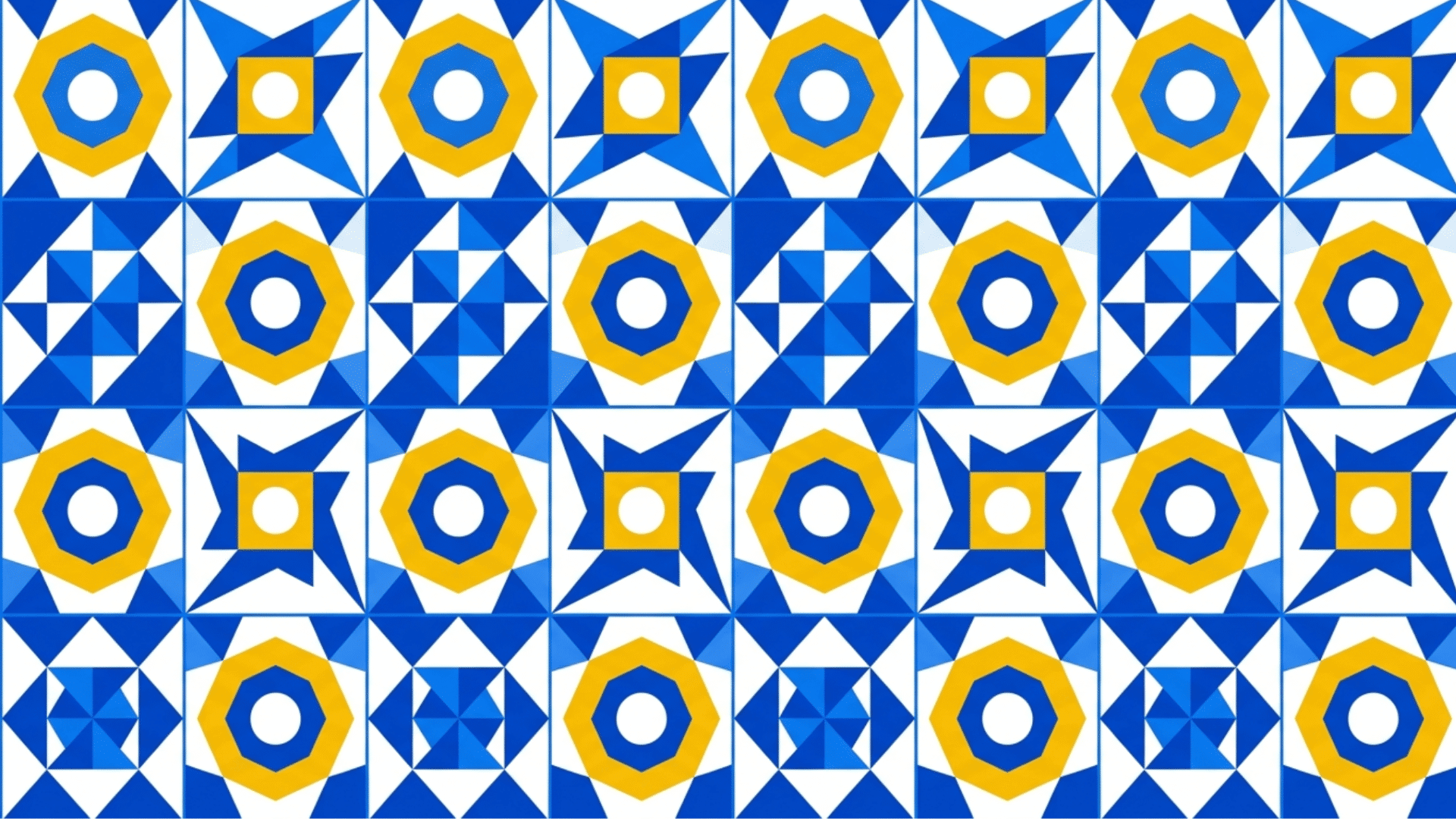
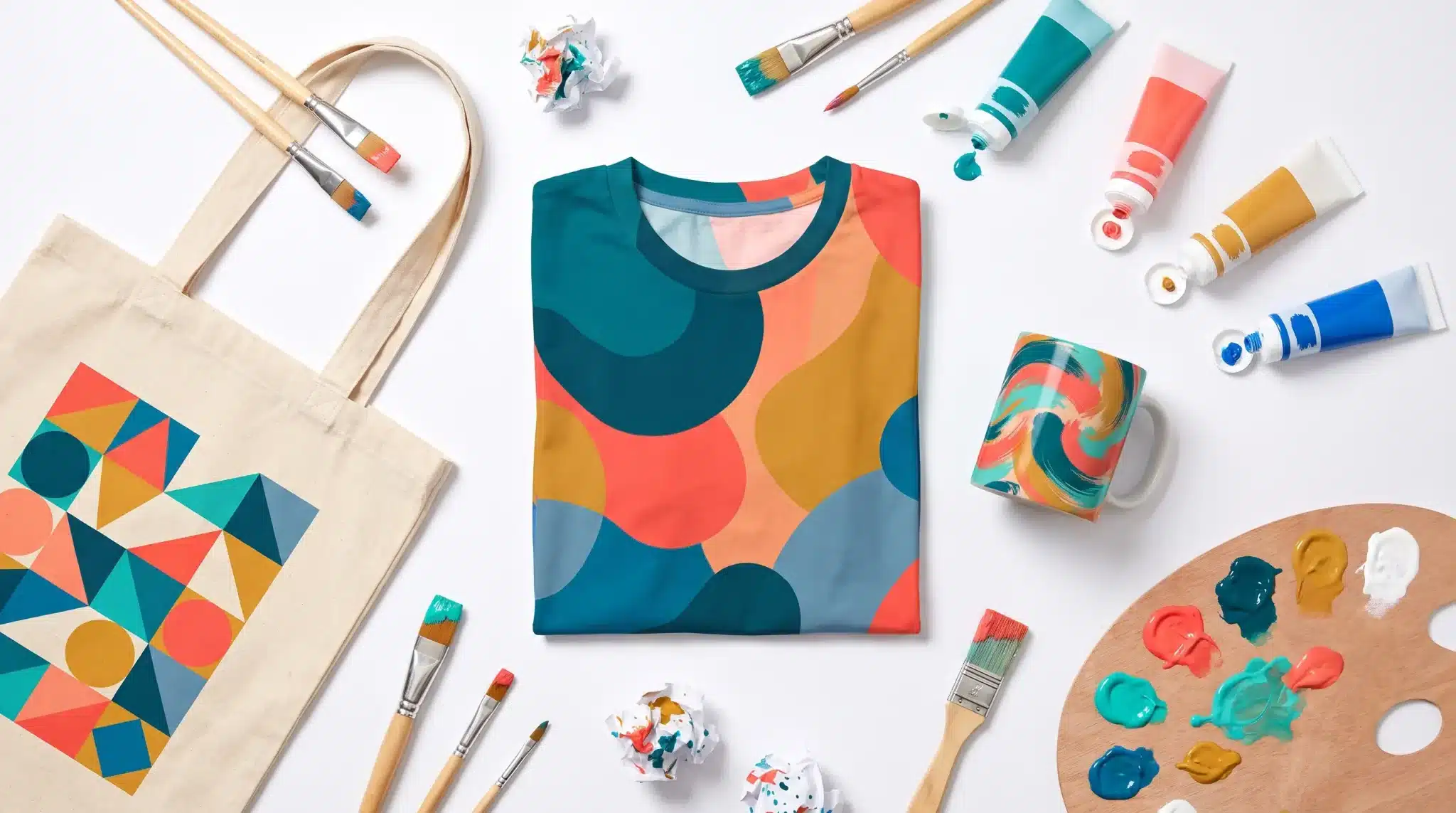
Geometric patterns consist of shapes such as squares, triangles, circles, and other regular forms that are repeated in a structured manner. These patterns often convey a sense of order and stability.
They are commonly used in architecture and modern design to create a clean, organized look. Geometric patterns are widely seen in Islamic art, where their repetition symbolizes the infinite nature of the universe.
2. Organic or Natural Patterns
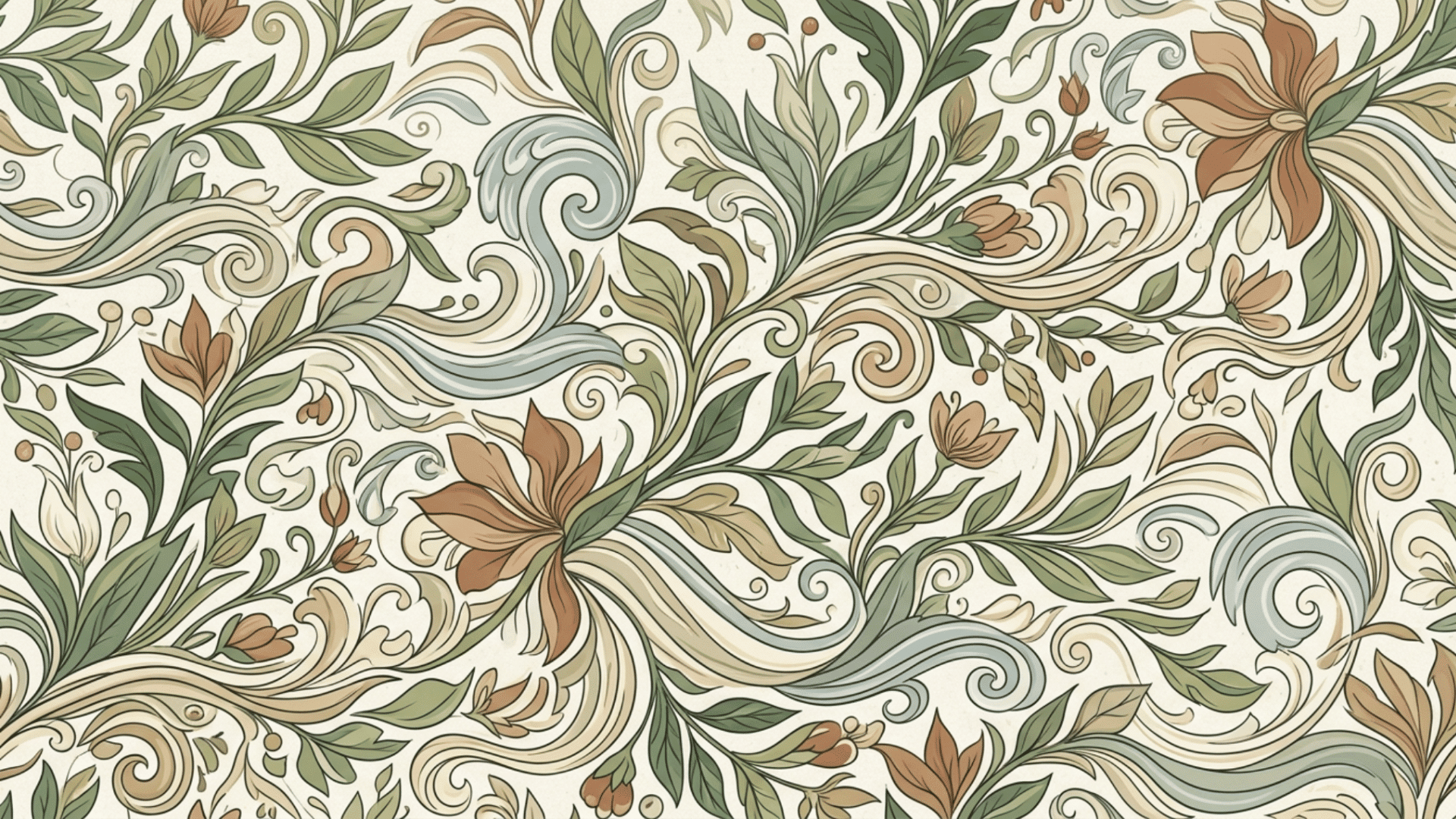
Unlike geometric patterns, organic patterns are more irregular and flowing, often inspired by nature. These can be curves, waves, or abstract shapes that mimic natural forms like leaves, clouds, or water.
Organic patterns tend to create a feeling of movement and fluidity, evoking a sense of freedom and spontaneity. Artists often use them to convey a more natural, unstructured visual style.
3. Radial Patterns
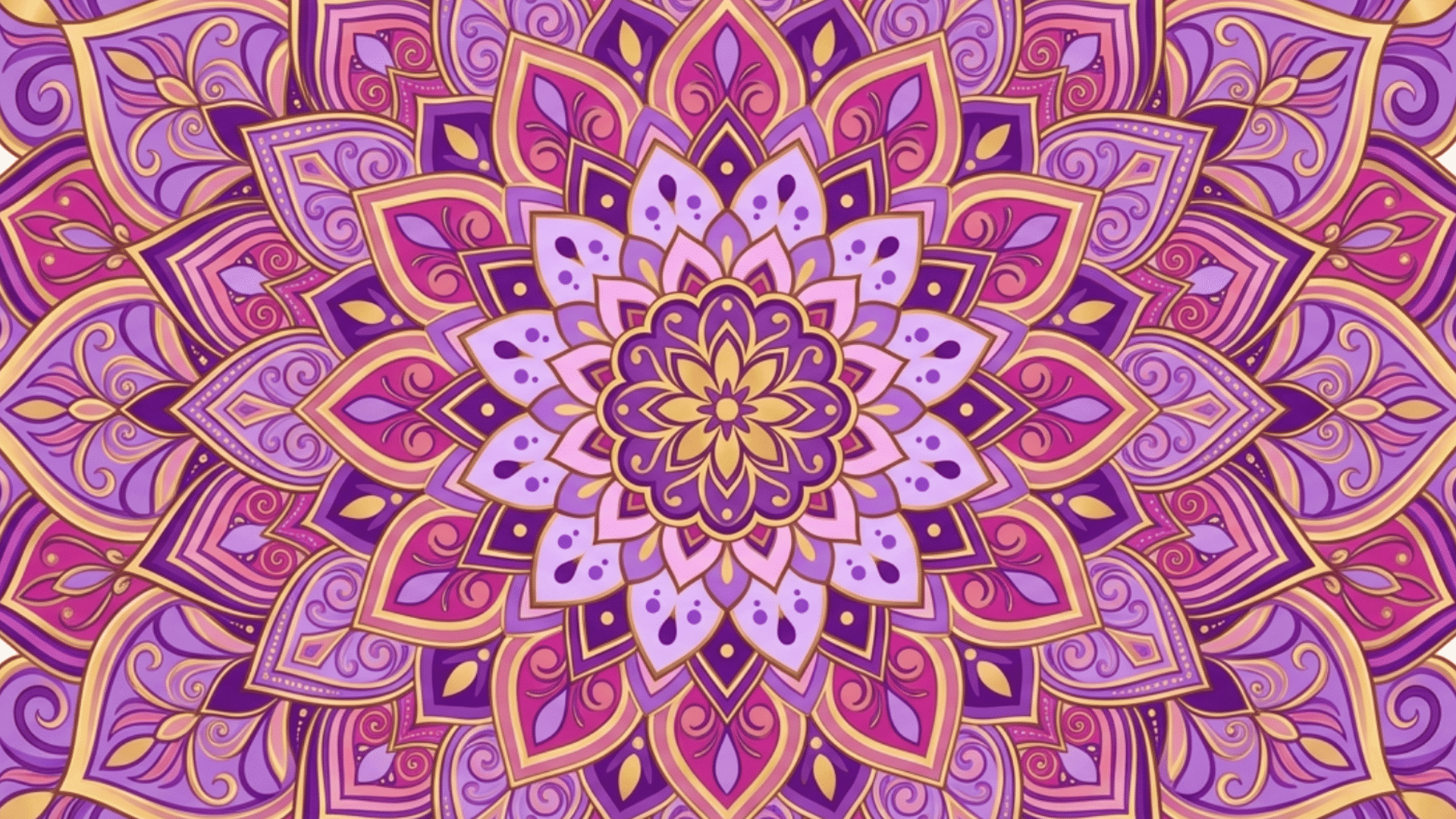
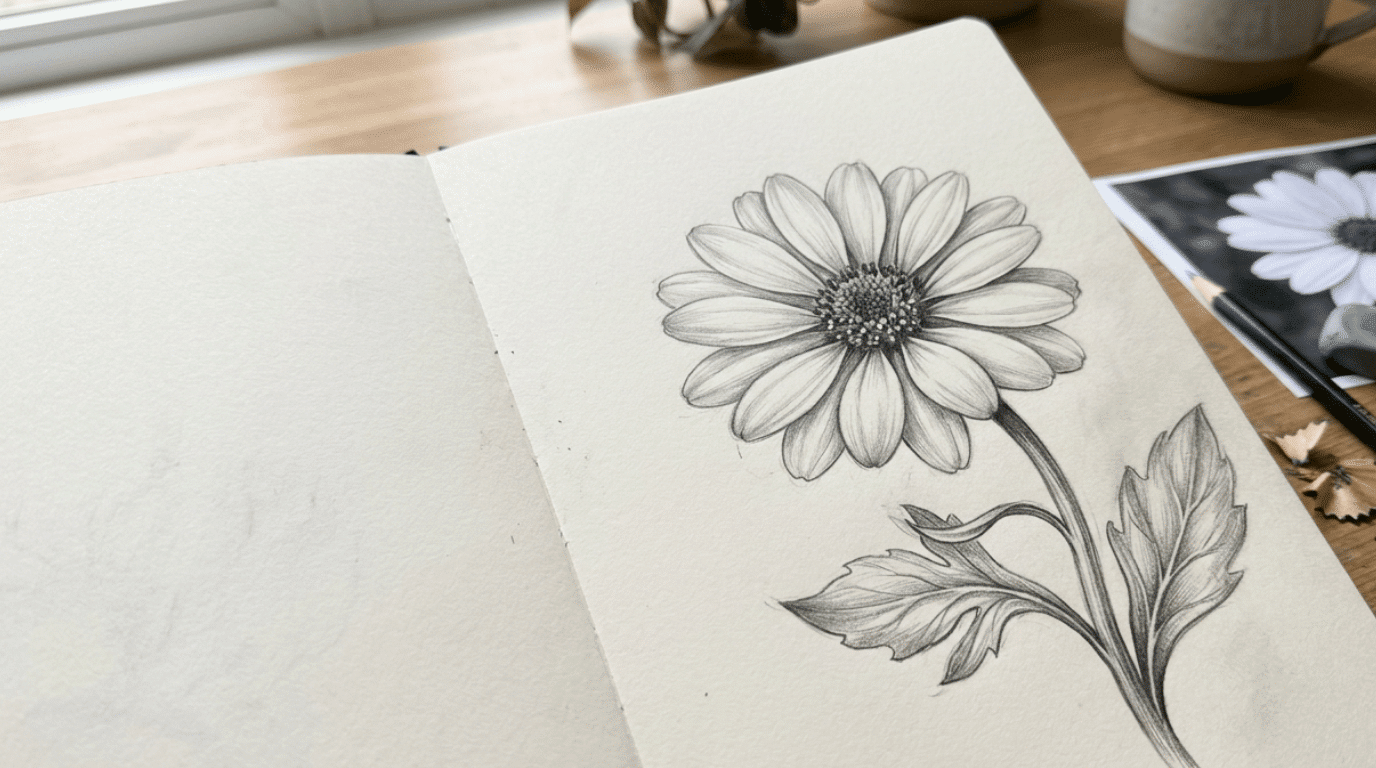
Radial patterns are designs that radiate from a central point. These patterns are symmetrical and can be seen in objects such as flowers, wheels, and mandalas.
Radial patterns draw the viewer’s attention to the center, creating a sense of unity and harmony. They are often used in decorative art to symbolize balance and wholeness.
4. Tessellation Patterns
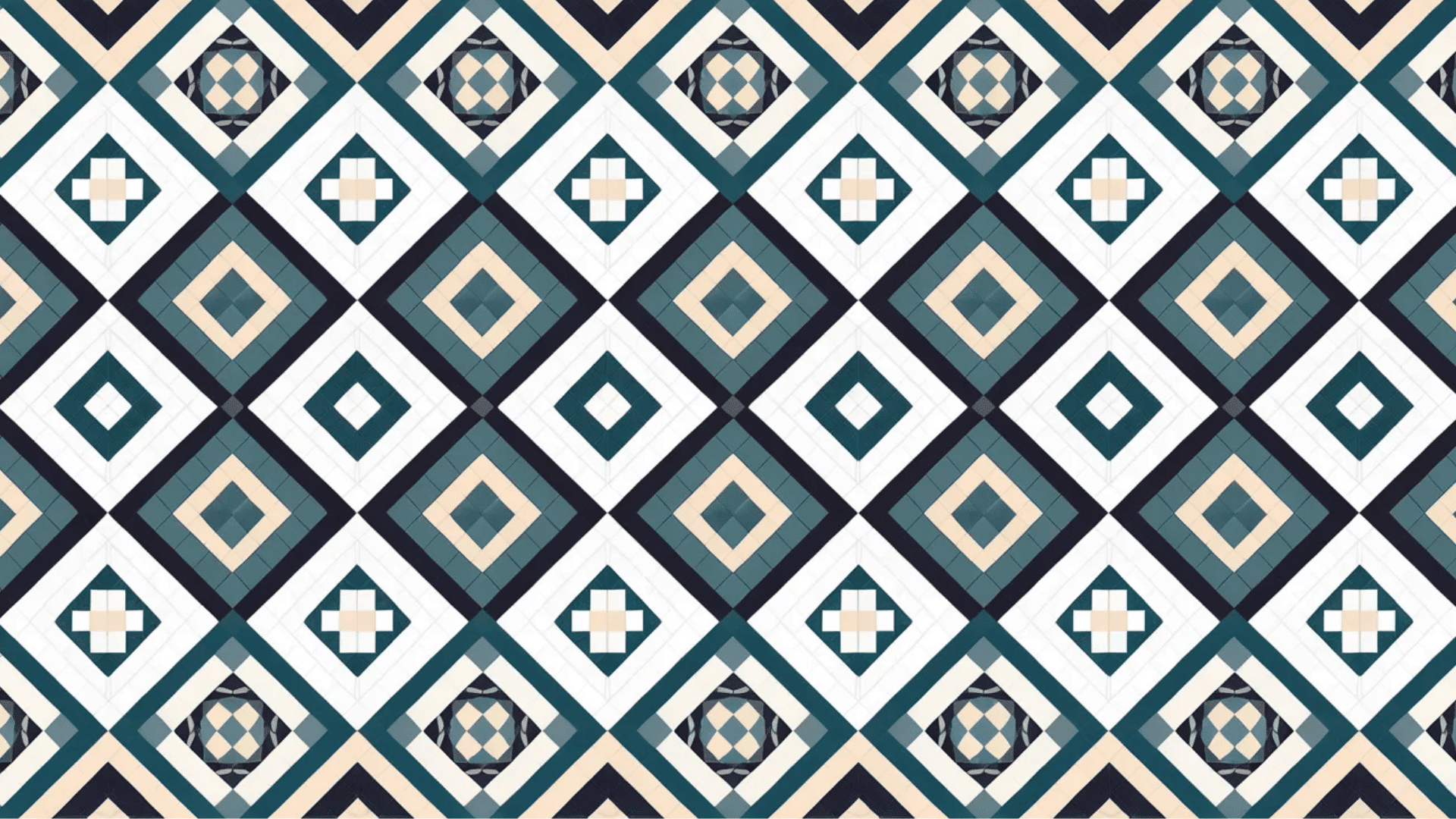
Tessellations involve a repetition of shapes that fit together perfectly, leaving no gaps or overlaps. These patterns are often seen in mosaics, tile designs, and certain textiles.
The symmetry and repetition in tessellations create a sense of continuity and flow, making them visually engaging and harmonious.
5. Abstract Patterns
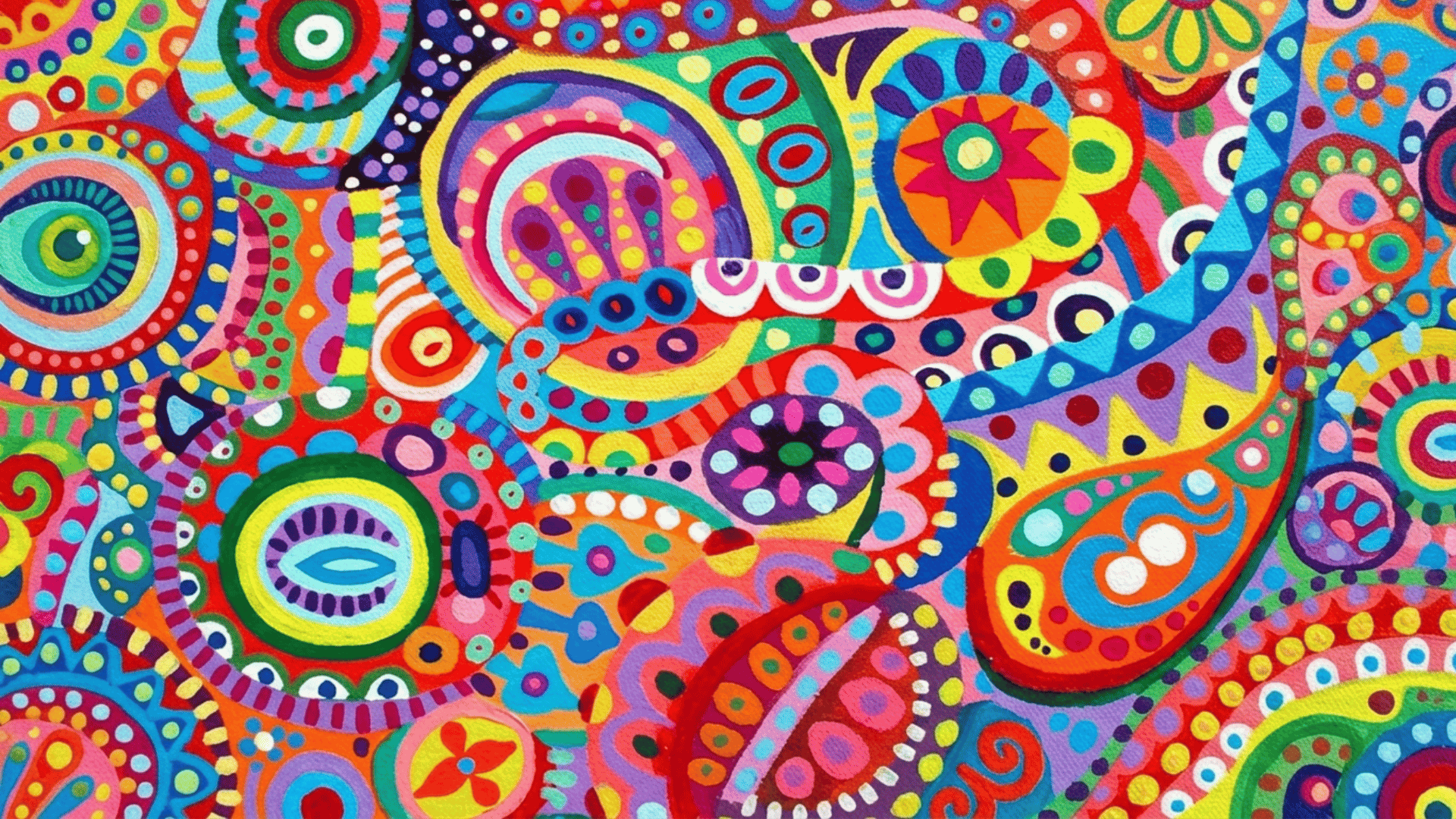
Abstract patterns are non-representational and focus on the use of shapes, colors, dots, and lines without directly referencing the physical world. They are often used in modern art to express complex ideas and emotions.
These patterns can evoke a wide range of feelings, from chaos and tension to peace and balance, depending on the composition and use of color.
Famous Artists Known for Patterns in Art
Pattern meaning in art becomes clearest when you look at real examples. Both historical and contemporary art offer some remarkable cases worth knowing.
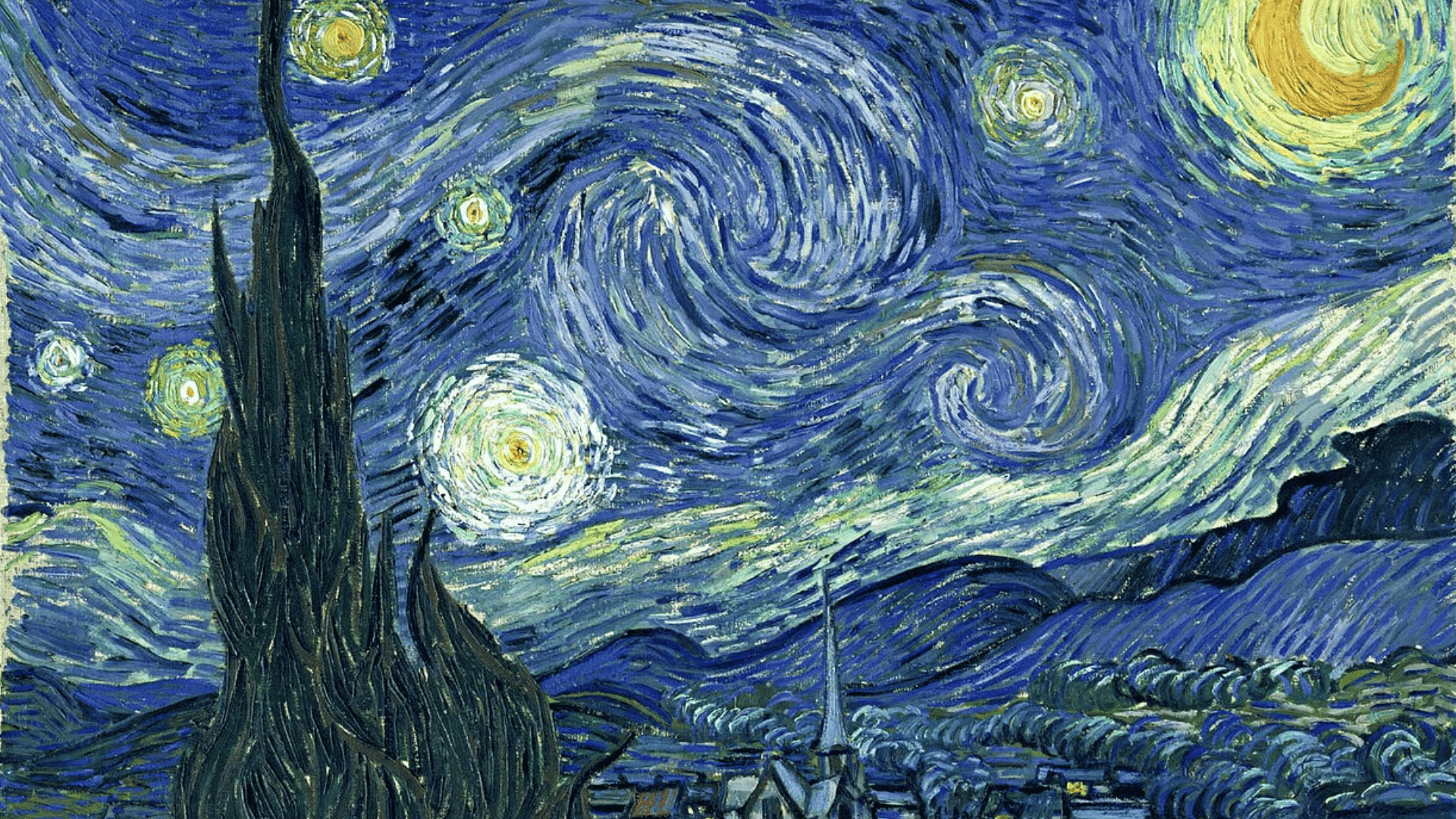
The Starry Night: Vincent van Gogh
Source: Wikipedia
The circular shapes of the stars and clouds appear again and again, forming a visual pattern that guides the viewer’s eye around the sky.
These repeated curves and motions give the painting energy and movement. Through these repeating shapes and lines, van Gogh turns the night sky into a powerful pattern of motion and light.
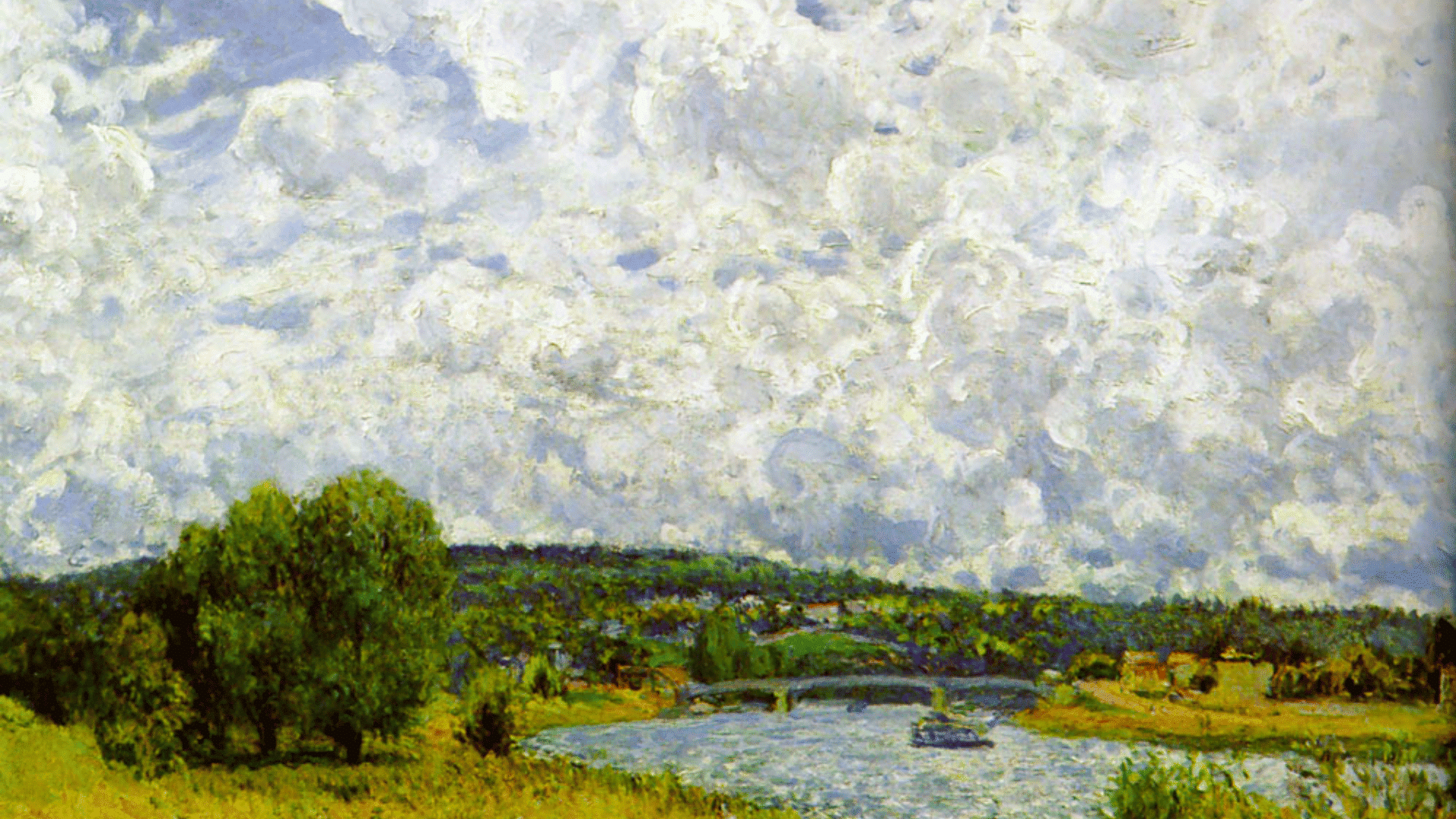
The Seine at Suresnes: Alfred Sisley
Source: worldhistory.org
In addition, the brushstrokes and reflections in the water echo each other, repeating lines and forms along the river’s surface.
These repeated natural elements build a quiet visual rhythm in the landscape. The painting demonstrates how patterns can appear gently through nature and brushwork.
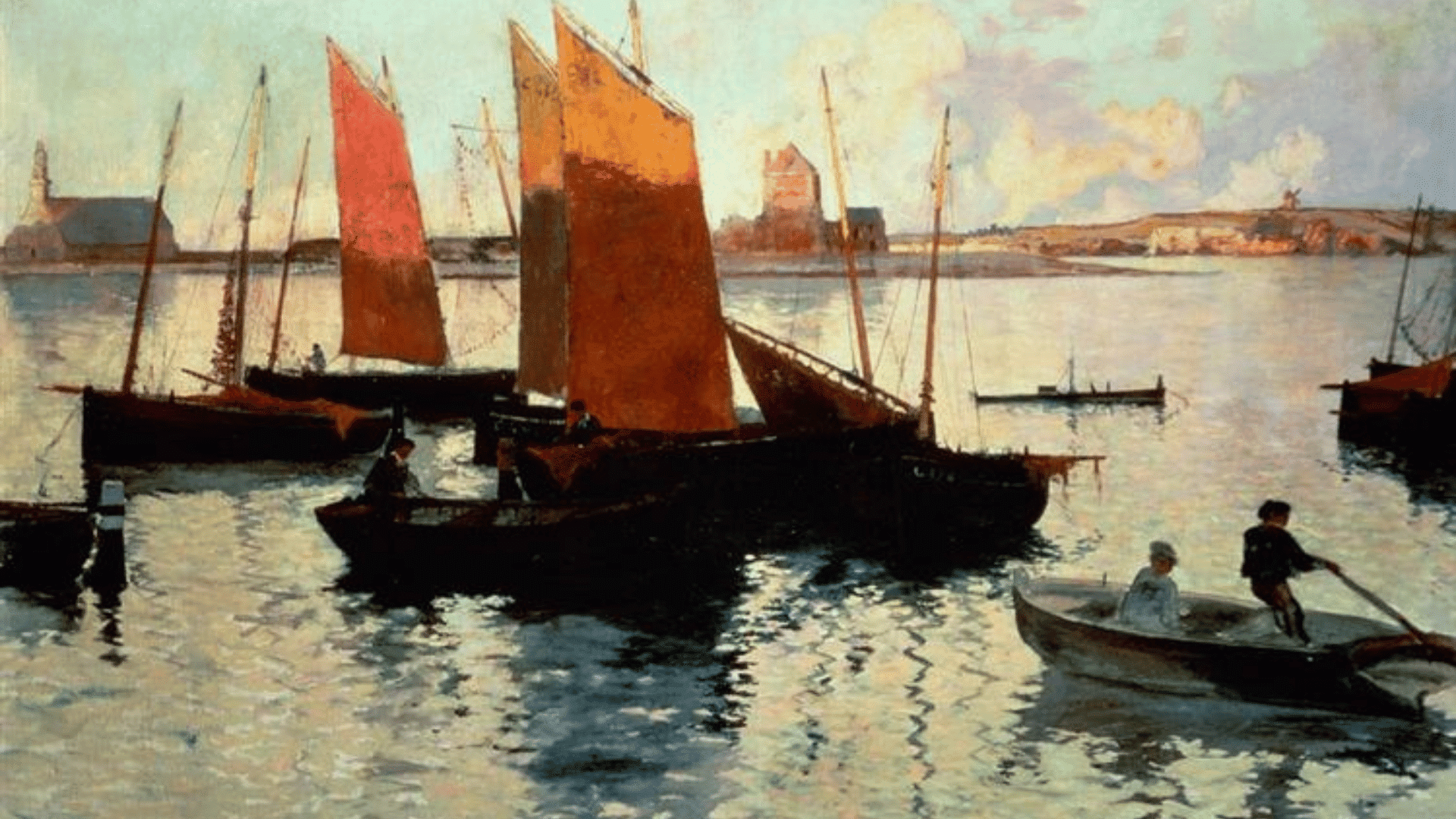
Rayons du Soir: Charles Cottet
Source: musee-orsay
Rayons du Soir by Charles Cottet also shows pattern in a subtle way. The boats placed across the water have similar shapes and appear repeatedly in the scene, which creates a visual pattern.
Their arrangement forms a gentle rhythm that leads the viewer’s eye through the composition. In addition, the reflections and lines in the water repeat softly across the surface. These repeating elements create a natural pattern within the landscape.
Examples of Pattern in Art
Pattern meaning in art becomes clearest when you look at real examples. Both historical and contemporary art offer some remarkable cases worth knowing.
Historical Examples
Some of the oldest and most refined uses of pattern in art come from ancient and medieval civilizations. These traditions show just how intentional and skilled early pattern-making really was.
- Islamic geometric art (8th century onward): Intricate interlocking shapes covering entire walls and ceilings, reflecting mathematical precision and spiritual symbolism
- Celtic knotwork: Continuous interlacing lines found in illuminated manuscripts and stonework, representing eternity and connection
- Greek meander patterns: Repeating geometric borders on pottery and architecture, symbolizing infinity and unity
- Japanese Seigaiha pattern: A repeating wave motif made of layered arcs that look like ocean waves. It appears in traditional textiles, ceramics, and architecture, symbolizing peace, resilience, and the steady flow of life.
Contemporary Examples
Modern and contemporary artists have taken pattern art in bold new directions, using repetition to challenge perception, express identity, and build entirely immersive experiences.
- Yayoi Kusama’s polka dots: These dots repeat across entire rooms and canvases, creating immersive and disorienting spaces that blur the line between the artwork and the viewer
- M.C. Escher’s tessellations: Mathematically precise patterns where shapes interlock without gaps, often featuring figures that gradually transform into one another across the surface
- Bridget Riley’s Op Art patterns: Riley uses repeated lines, curves, and geometric shapes to create optical illusions. Her black-and-white patterns appear to move, ripple, or vibrate, showing how repetition can trick the viewer’s eye and create a strong sense of motion on a flat surface.
Conclusion
Patterns quietly shape how art feels and how the eye moves across a piece. Once you start noticing repetition in visual elements, it becomes easier to understand how artists organize ideas on a surface.
The definition of pattern in art is not only about repeating shapes but also about creating visual connections that make an artwork feel complete.
For viewers and creators alike, recognizing pattern art can change the way you look at paintings, fabrics, architecture, and digital designs. Small repeating details often carry more impact than they first appear to.
Try creating your own simple pattern today and see how repetition can bring your ideas to life.
Frequently Asked Questions
How do artists start creating a pattern in artwork?
Artists usually begin with a simple motif and repeat it across a surface to build a pattern. By adjusting spacing, size, or direction, they develop a more complex visual design.
Can patterns be used in digital art and graphic design?
Patterns are widely used in digital design to create backgrounds, textures, and decorative layouts. Designers repeat visual elements to maintain consistency across websites, packaging, and branding materials.
Why do patterns appear so often in everyday design?
Patterns naturally attract the eye because repetition creates a sense of order and balance. This makes them effective for clothing, interior décor, and product design.
Do patterns always have to repeat perfectly?
Not all patterns repeat in the same way across a surface. Small variations can make the design feel more natural and visually interesting.