




A craft ice cream maker faces a different task in a grocery freezer than at a scoop shop. Shoppers choose without tasting a flavor or asking an employee about the ingredients.
The package has to communicate clearly, and the ice cream must stay frozen during delivery and storage. Retailers also need confidence that customers will come back for more. A grocery launch starts with choosing suitable stores and planning how to keep them supplied.
Choosing the Right Stores
Grocery stores let a craft ice cream maker reach shoppers who want to buy dessert alongside their regular groceries. Someone searching for Clementine’s ice cream at grocery stores might check availability before making a trip, since the selection can differ by location. For the producer, store selection starts with a practical question: can production keep up with the demand each retailer expects?
A focused launch gives the maker time to learn before expanding. Nearby stores can simplify deliveries, while a retailer familiar with local products can share feedback on the flavors that attract shoppers.
Making the Case to Buyers
A grocery buyer needs a reason to give up freezer space. The producer should explain who will buy the ice cream, what sets it apart, and whether the business can fill repeat orders.
The pitch also needs practical details. Buyers need the proposed wholesale price, delivery arrangements, and shelf life. Producers should ask how the retailer reviews new items and what it needs before deciding whether to place an order.
Samples let buyers judge flavor and texture firsthand. A concise product sheet gives them a reference after the tasting. Including product details, pricing, packaging information, and storage requirements makes the proposal more useful during the retailer’s review.
Selecting Flavors for the Freezer
At a scoop shop, an employee can explain an unfamiliar flavor. In a grocery freezer, the name and package must do more of that work. A clear description tells shoppers what to expect before they open the container.
When planning the first product range, producers should weigh familiar flavors against distinctive recipes. Each additional flavor takes production time and freezer space, so a smaller selection can make restocking easier.
Readable ingredient and allergen information helps shoppers compare products. Producers should also check the labeling requirements that apply to each recipe.
Protecting Texture During Delivery

Ice cream needs consistent frozen storage between production and the shopper’s home. Before the first shipment, producers should discuss handling expectations with distributors and retailers. Both sides need to know who receives deliveries and where the inventory will be stored.
Records make problems easier to investigate. Delivery notes, storage checks, and lot information help trace affected stock when a store reports damaged containers or a change in texture.
The packaging needs a practical test, too. Containers should withstand transport and handling, with lids and labels that stay intact in the freezer.
Helping Shoppers Notice the Package
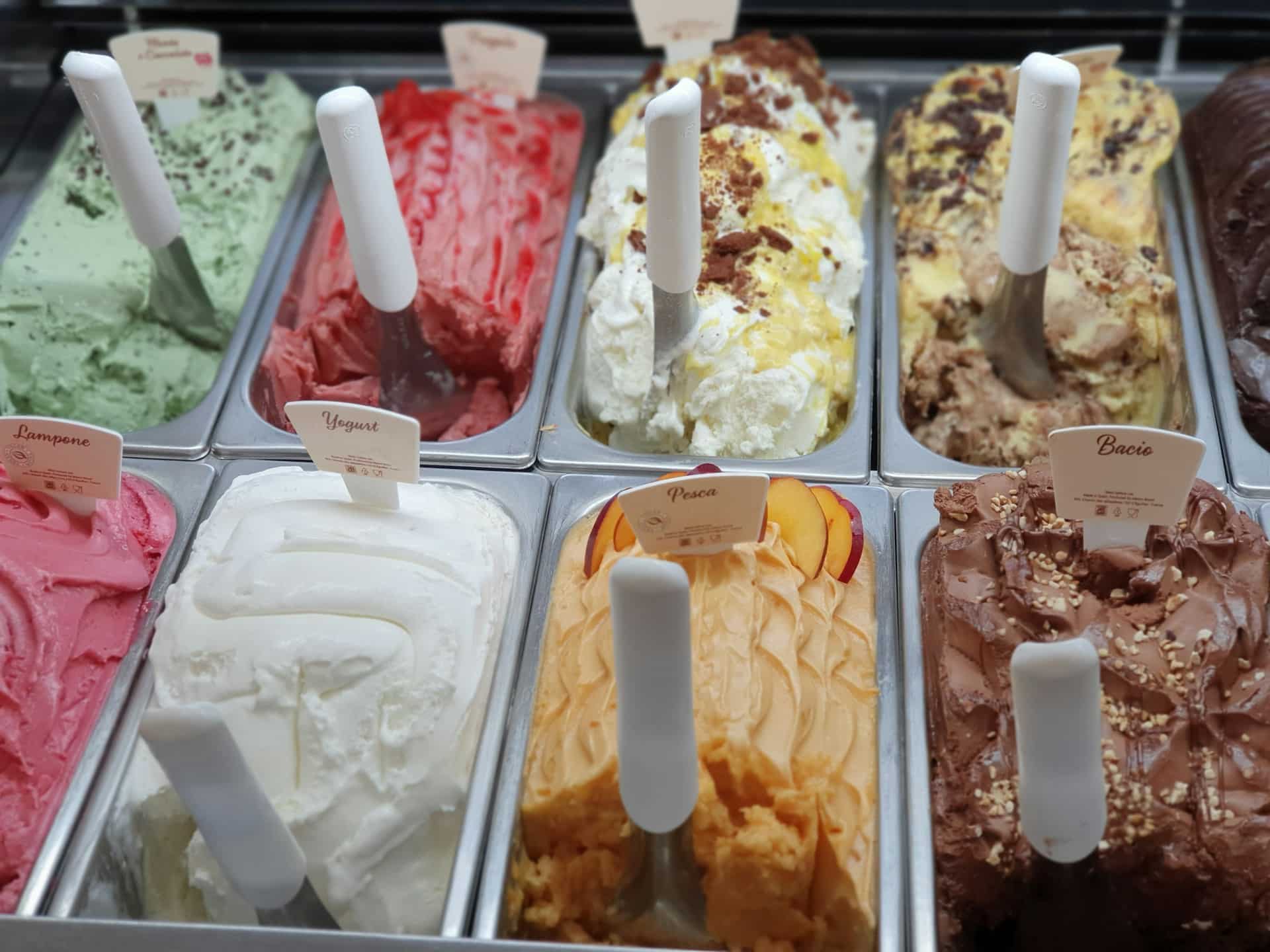
Grocery freezers are crowded. Shoppers can miss a product if its label is difficult to read through a glass door. Clear lettering, flavor names, and package colors help the product stand out.
Placement matters, too. Producers can ask where the retailer plans to place the ice cream and if shelf labels will identify it accurately. Store staff also need to know where the new inventory belongs so customers can find it.
If the retailer permits in-store sampling, shoppers can try a flavor before buying. Staff should be prepared to answer questions about ingredients.
Tracking Sales and Restocking
A first order shows interest from a retailer. Repeat orders give a clearer picture of demand. Producers should review sales by store and flavor when the retailer shares the information. Stock gaps matter, too: an empty shelf prevents sales.
A slow-selling flavor deserves a closer look before the producer drops it. The package could be hard to find, or the shelf label could be inaccurate. Store feedback and delivery records help distinguish a demand problem from a stocking problem.
Conclusion
A grocery launch depends on repeat purchases as well as the first shipment. A practical next step is for the producer and retailer to agree on a review date and decide what information each will bring.
Sales by flavor, stock gaps, and shopper feedback give them a useful starting point. If customers cannot find a product or it regularly runs out, fixing the problem can improve availability and give the brand a better chance of building regular sales.