

Paint finish is not just about shine. It directly affects how walls look, how they wear over time, and how easy they are to maintain. Eggshell is one of the interior finishes I recommend most often.
Understanding where it performs well and where it falls short helps avoid costly repainting decisions.
Eggshell paint is one of the most popular interior finishes because it offers a balance between durability and subtle sheen.
In this blog, I will break down exactly what eggshell paint is, its characteristics, when to use it, when to avoid it, and why it might be the right choice for your space.
What is Eggshell Paint?
Eggshell paint is a type of wall paint known for its soft, slightly velvety finish.
It gets its name because its surface resembles the texture of an eggshell. The finish is smoother than flat paint but not as glossy as satin or semi-gloss.
It is commonly used on interior walls because it gives rooms a clean, balanced look without drawing too much attention to the paint.
Eggshell paint is generally washable, meaning small marks or dust can usually be wiped away without damaging the surface, making it suitable for common areas.
Characteristics of Eggshell Paint
Understanding the characteristics of eggshell paint helps explain why it is such a popular choice and widely used for interior walls. Its finish, durability, and overall performance make it a practical option for many rooms in the home.
- Low Sheen: Eggshell paint has a gentle, low-level shine. It reflects a small amount of light, giving walls a subtle glow without looking glossy.
- Cost-effective: Eggshell paint is an affordable option. It also reduces the need for frequent repainting in standard living areas, helping save money over time.
- Smooth Appearance:Once dry, eggshell paint has a smooth surface with a slight velvety texture. It creates a clean and polished look while still feeling soft and understated.
- Durability: It is more durable than flat or matte paint. It resists light scuffs and everyday wear, making it suitable for rooms that get regular use.
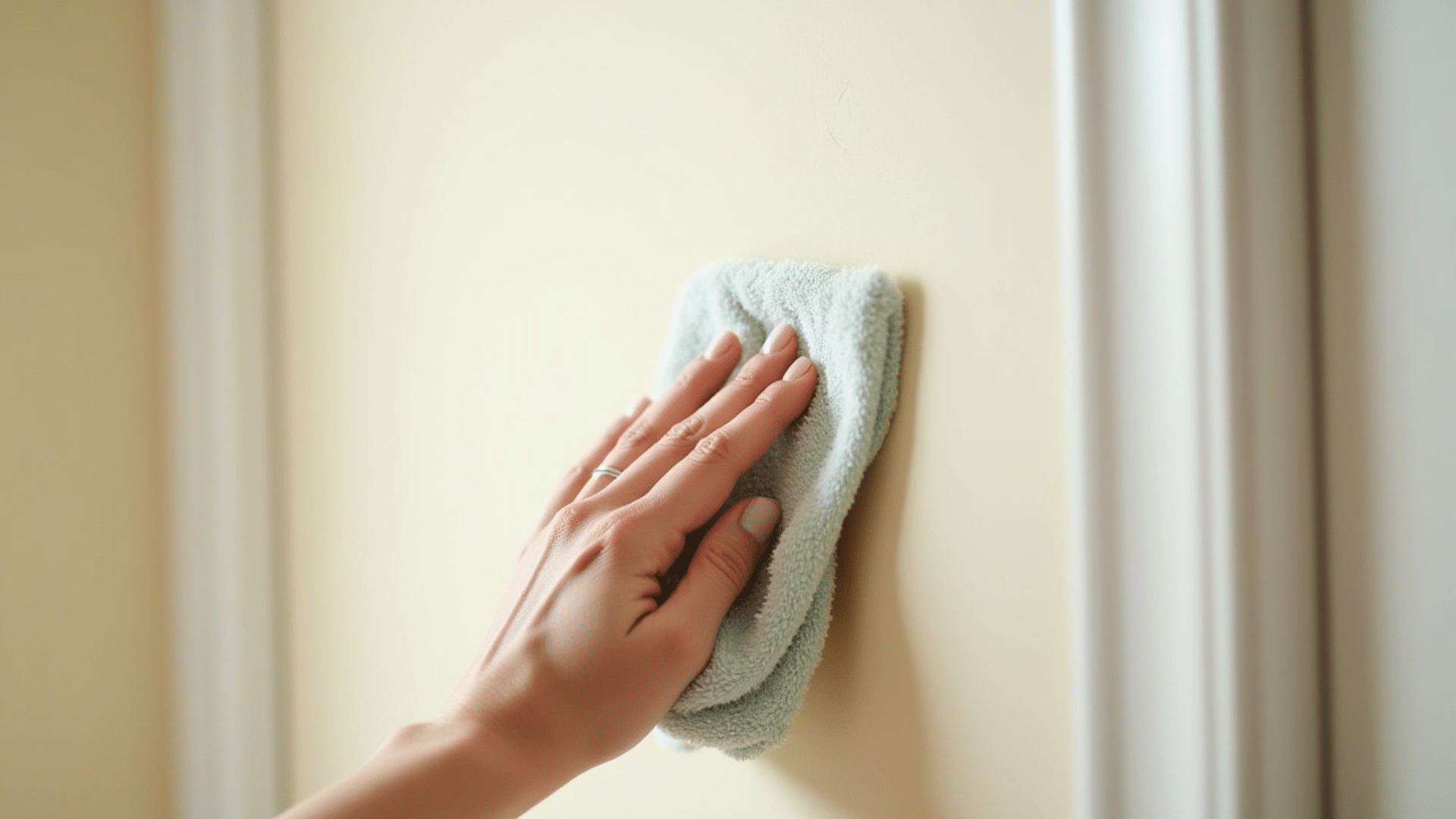
- Light Washability: Eggshell paint is washable. It can be gently cleaned with a damp cloth and mild soap. However, it is not designed for heavy scrubbing.
- Good Hide Ability:Its low light reflectivity helps conceal minor wall imperfections. Small drywall dings and uneven patches that are less noticeable.
- Flexibility: It is excellent for most residential interior walls. It works well in living rooms, bedrooms, dining areas, and hallways, making it a flexible finish option available.
- Easy Application: Eggshell paint typically applies smoothly with a roller or brush and provides even coverage. It also blends better during touch-ups than glossier finishes.
Eggshell Paint for Each Room in Your Home
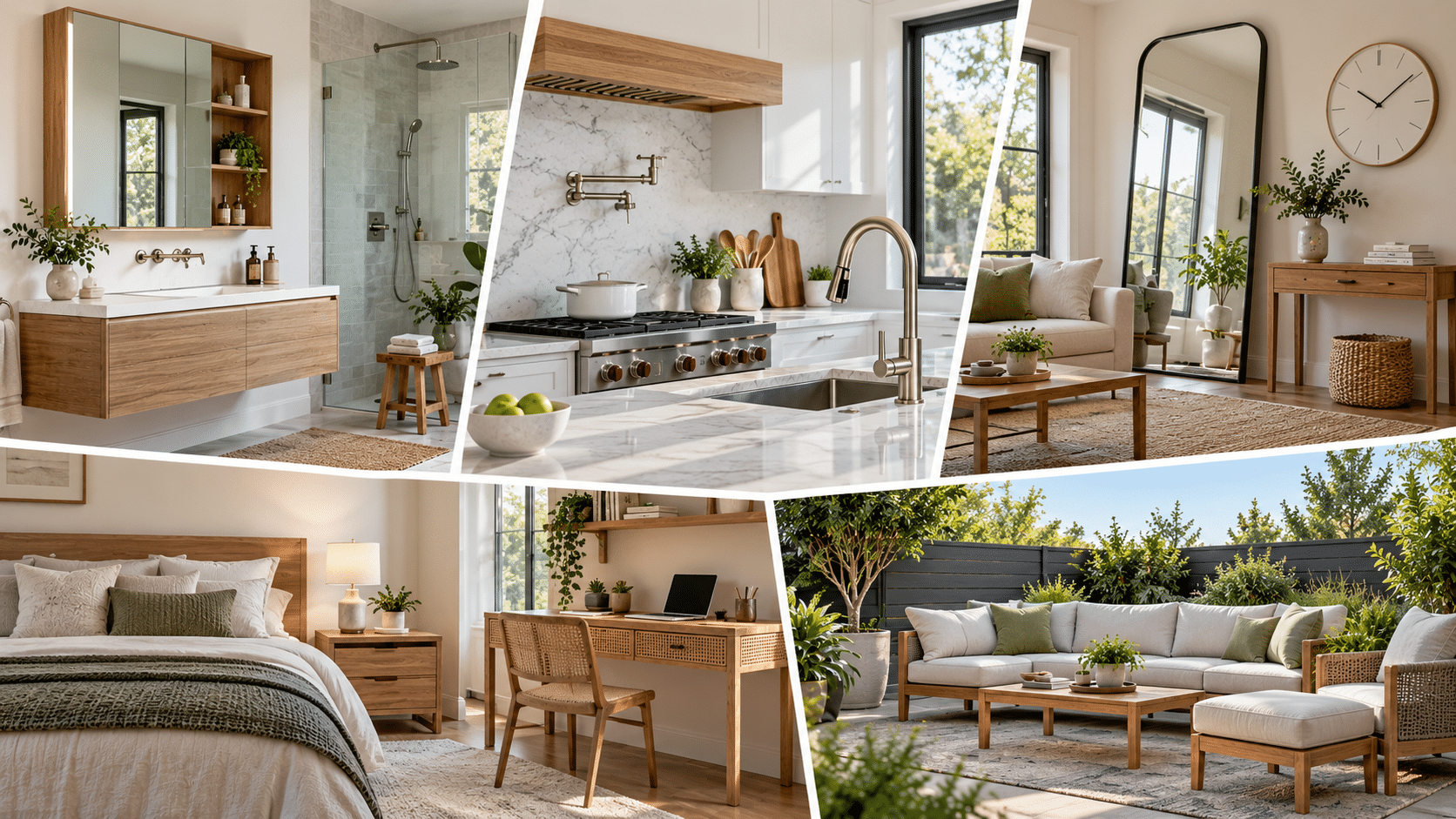
Eggshell paint is best used on interior walls that need a balance between appearance and durability. It performs well in spaces that experience everyday activity but are not exposed to heavy moisture or constant scrubbing.
1. Living Rooms
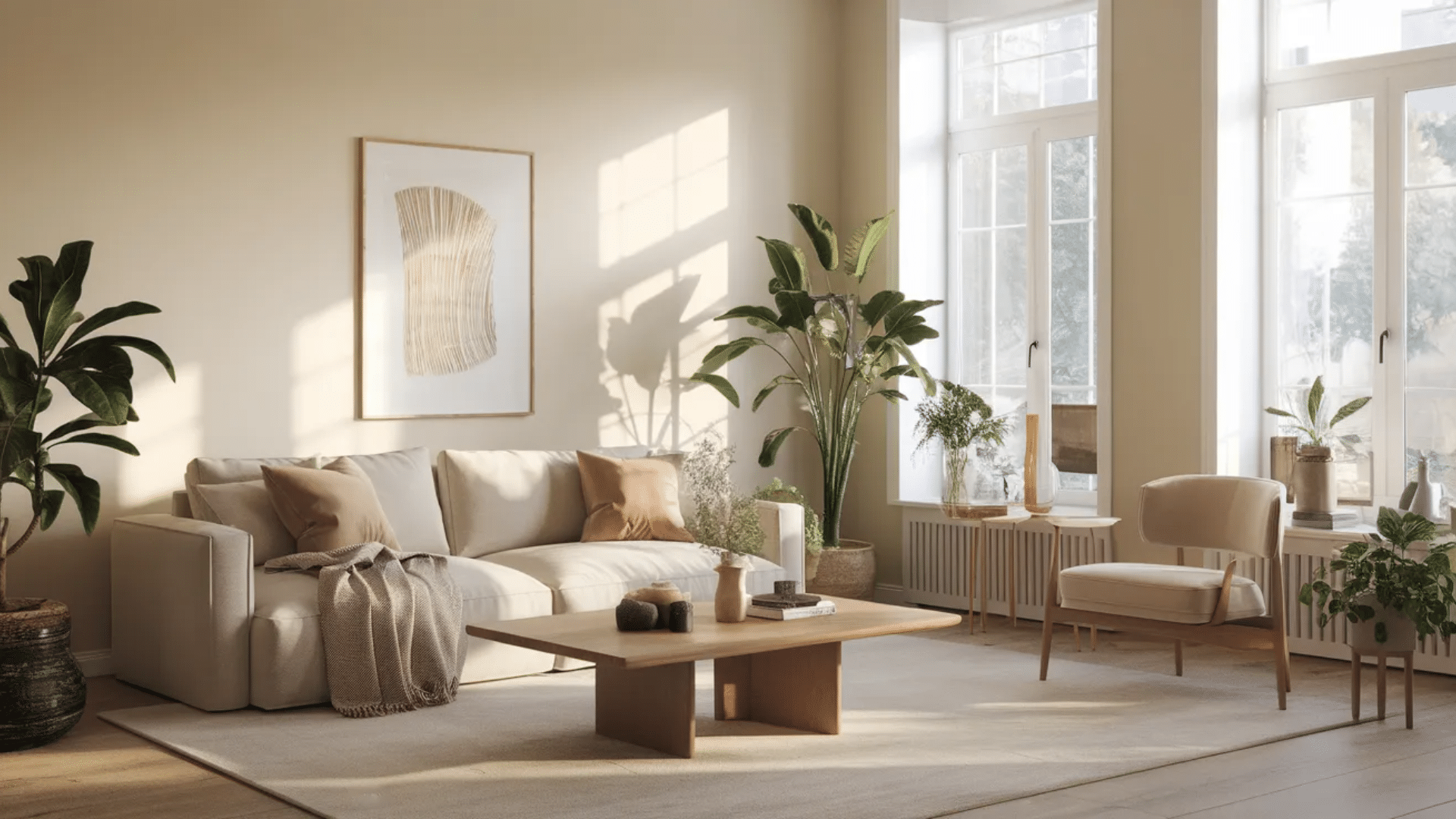
Eggshell paint helps create a balanced backdrop in living rooms where furniture, artwork, and decor are the main focus.
The finish keeps the walls looking refined while still allowing colors to appear rich and consistent across the space.
It also helps maintain a comfortable visual tone that does not overpower the room. This makes it easier to highlight decorative elements and lighting.
2. Bedrooms
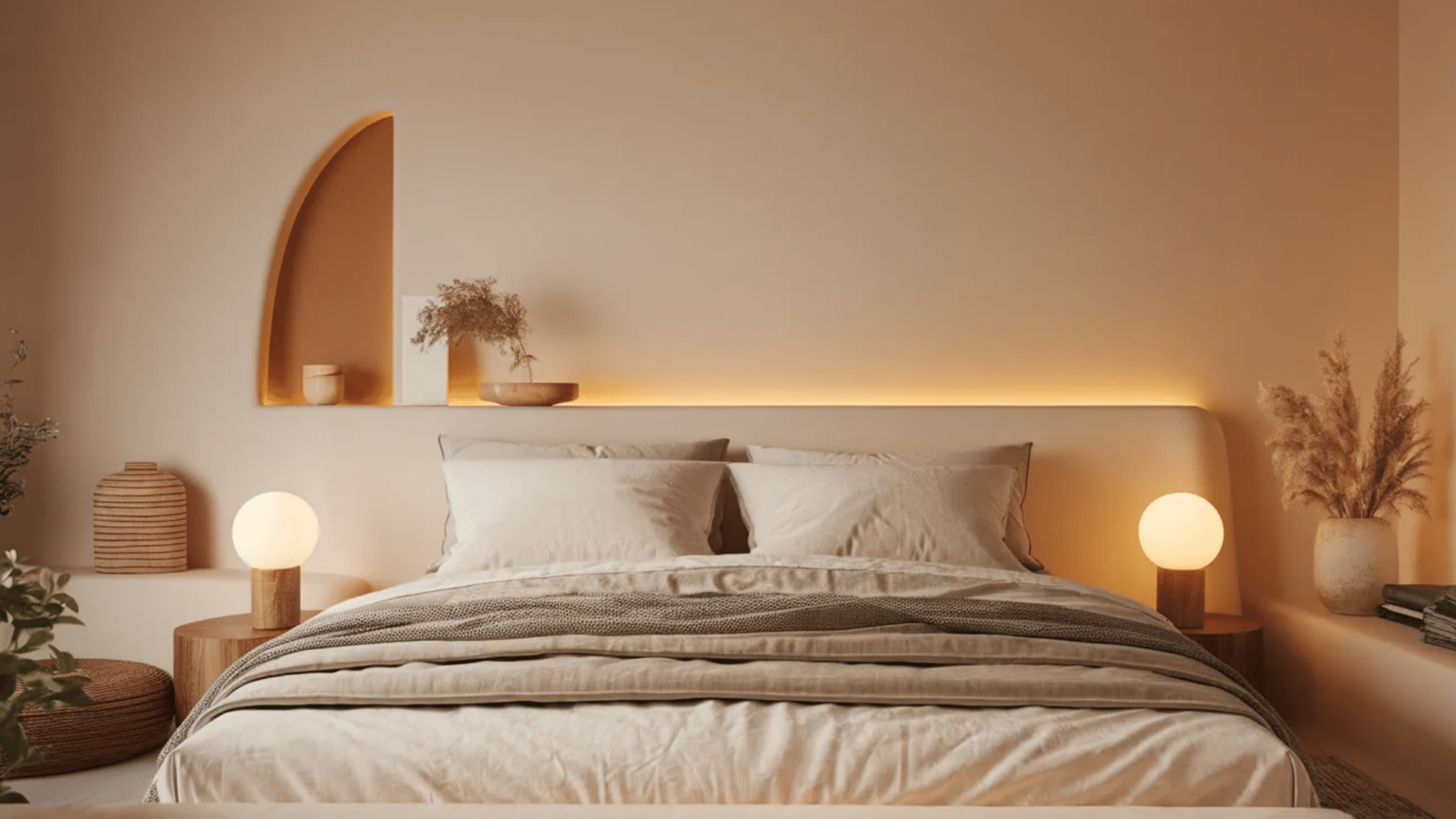
In bedrooms, eggshell paint creates a relaxed, comfortable environment. The finish gives walls a neat appearance that works well with both light and dark color palettes, helping the room feel settled and cohesive.
It also allows the room to feel warm this helps maintain a peaceful and restful atmosphere.
The finish works well with soft lighting often used in bedrooms. It helps wall colors appear gentle and consistent. This creates a comfortable setting that supports rest and relaxation.
3. Dining Rooms
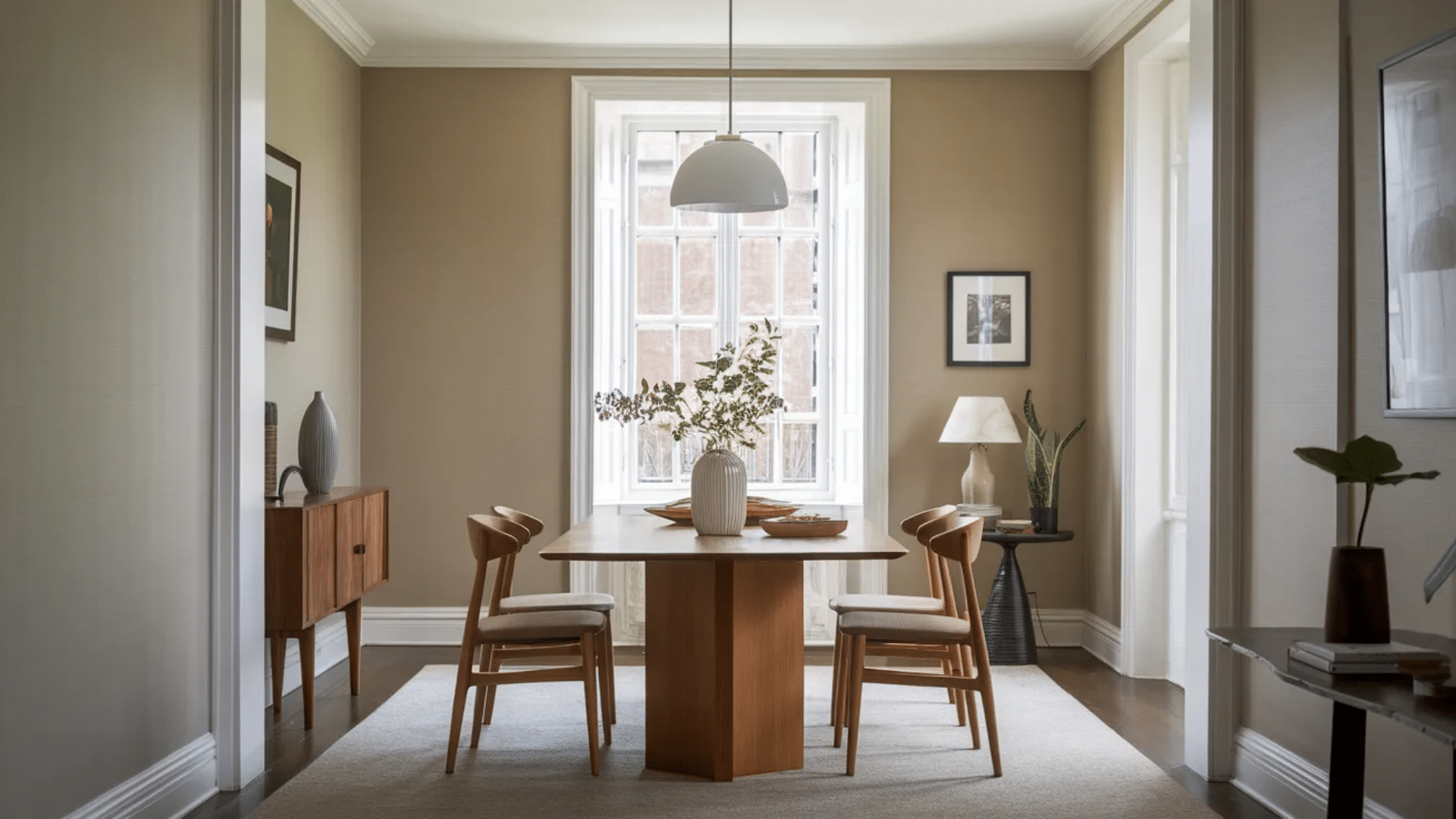
Dining rooms often benefit from a finish that makes wall colors look more defined. Eggshell paint helps achieve this by giving the surface a gentle texture that makes the room feel thoughtfully finished.
It complements dining furniture and lighting fixtures. This helps the space look coordinated and well-styled. The finish also helps maintain a composed wall appearance.
It supports a welcoming environment for both daily meals and gatherings.
4. Hallways
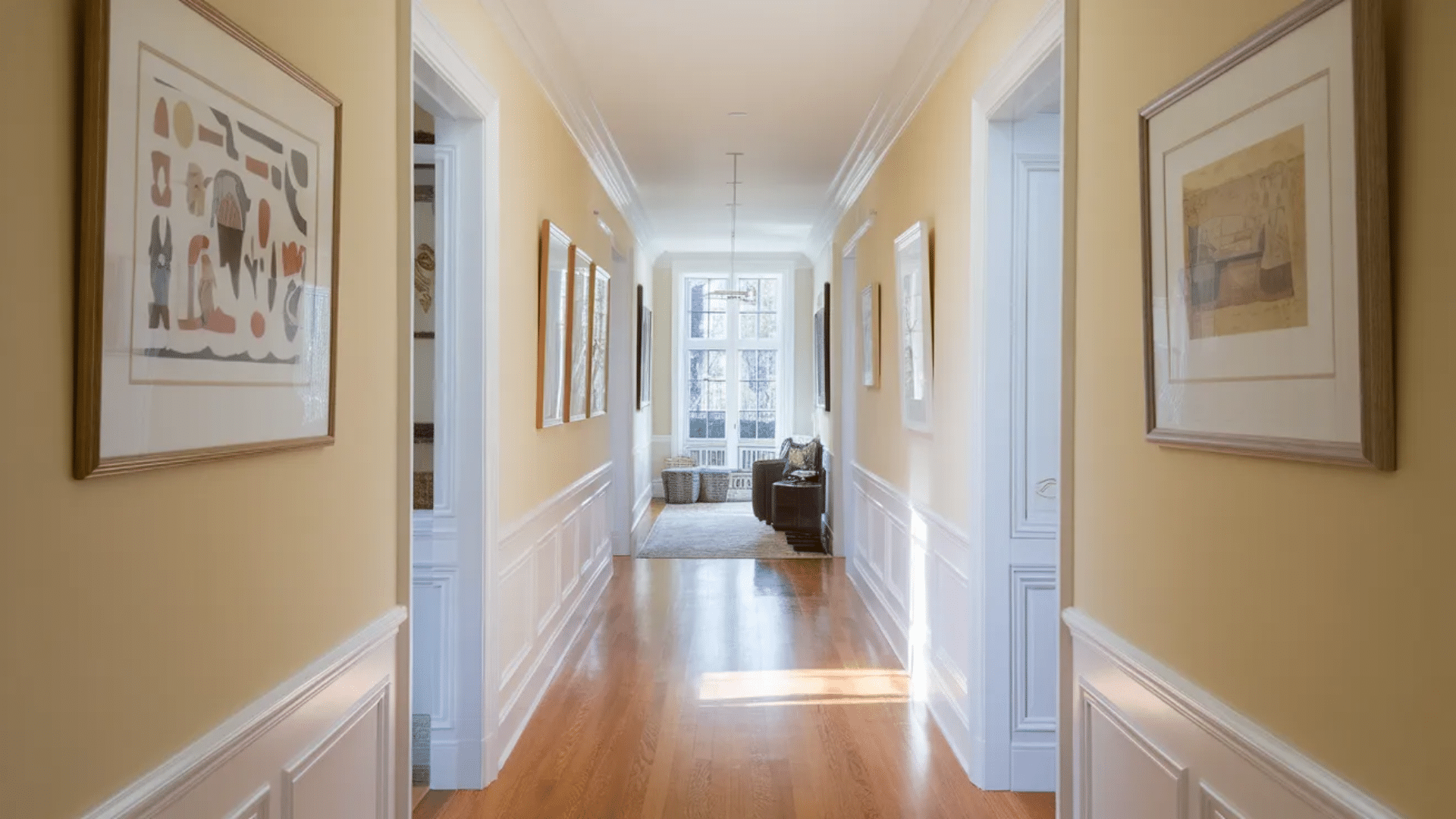
Hallways connect different parts of the home, so the walls need a finish that stays visually consistent as people move through the space.
Eggshell paint keeps these transitional areas looking tidy and well-maintained.
It helps the hallway feel bright and continuous as it links different rooms. This creates a smoother visual flow throughout the home.
5. Home Offices
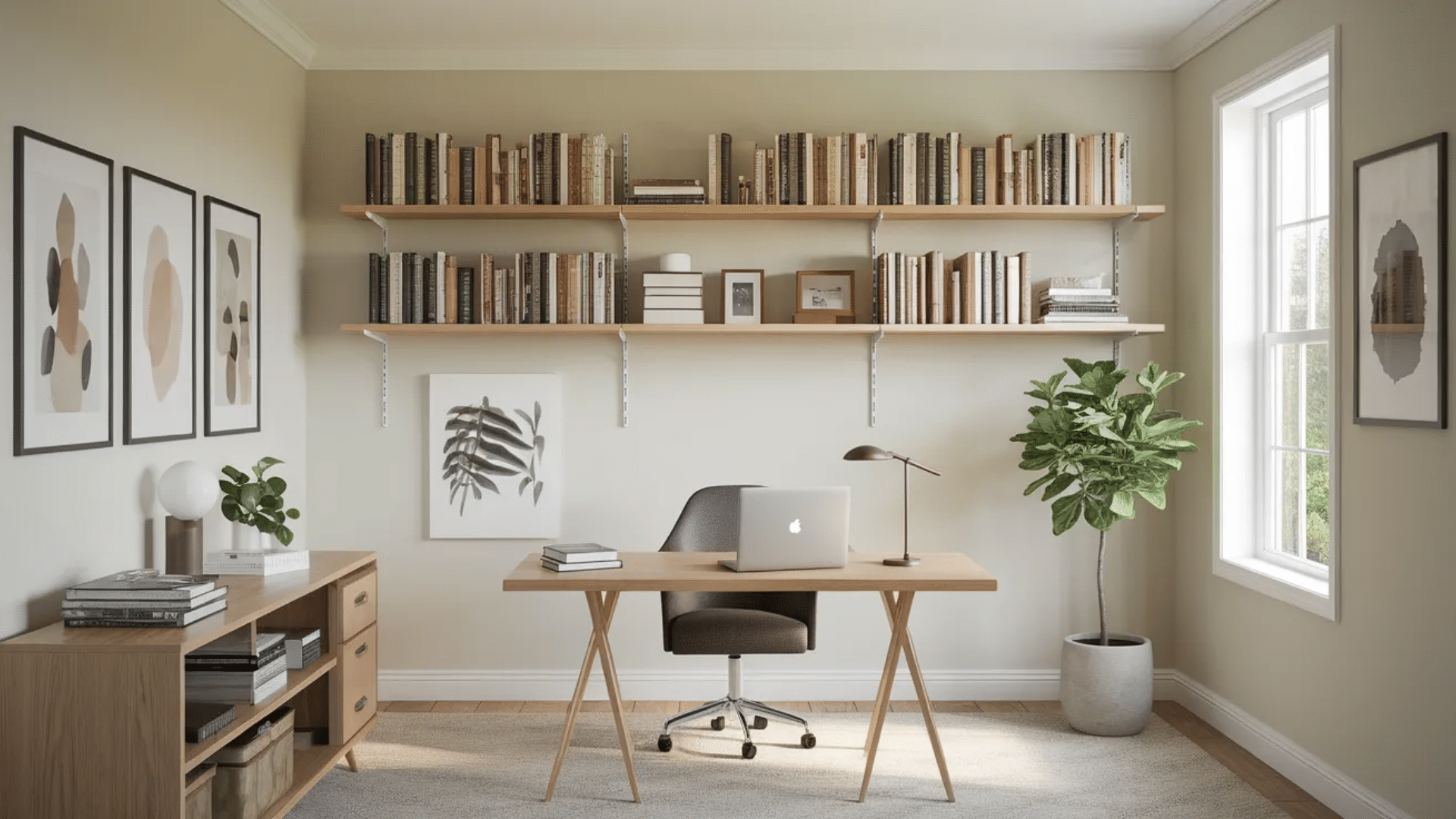
For home offices, eggshell paint creates a wall surface that works well with shelves, desks, and wall décor. It supports a clean workspace where the walls remain simple. This helps maintain focus during work or study.
The finish pairs well with neutral and muted color schemes often used in offices.
It helps create a steady and comfortable work environment. This keeps the space looking productive and well-arranged.
Key Note: Avoid using eggshell paint in areas exposed to heavy moisture, grease, or repeated scrubbing.
Where It Should Not Be Used?
Spaces that require frequent wiping or scrubbing demand a tougher paint finish. Eggshell paint is not the best choice for that space
In these cases, satin or semi-gloss paint usually performs better than eggshell because it offers greater moisture resistance and stronger scrubbing durability.
- Bathrooms with Humidity: Constant moisture can wear down the finish over time.
- Kitchens: It is not ideal behind stoves, where regular deep cleaning is required.
- Laundry Rooms: Ongoing humidity may reduce its longevity.
- Trim, Doors, and Cabinets: These surfaces need a tougher finish, such as satin or semi-gloss, to resist fingerprints and scuffs.
- High-Traffic Play Areas: Walls that face repeated impact or heavy cleaning.
Eggshell Paint Vs Other Finishes
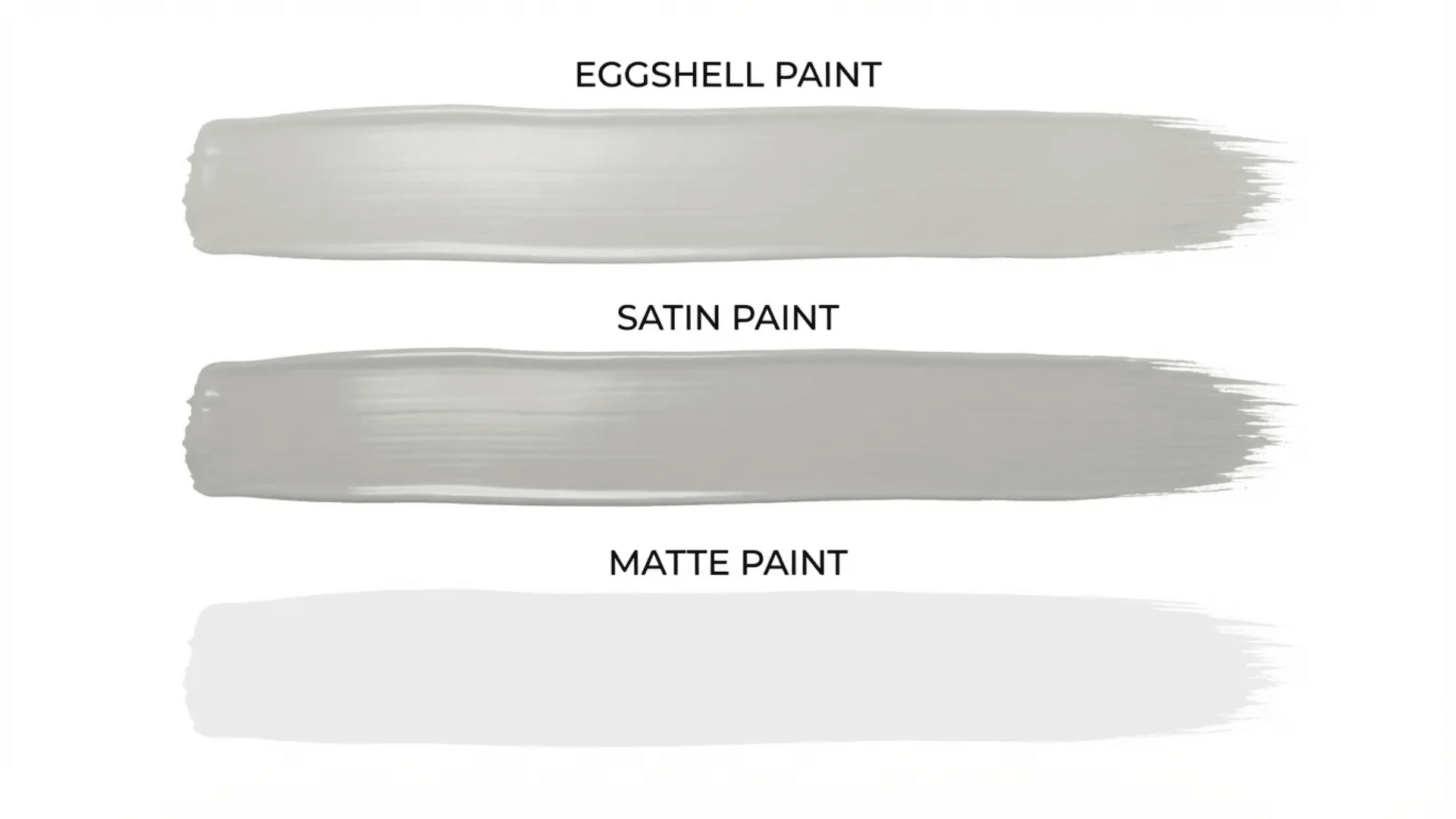
Eggshell paint is often compared with satin, matte, and flat finishes. Below are the key differences between these common interior paint finishes.
| Feature | Eggshell Paint | Satin Paint | Matte / Flat Paint |
|---|---|---|---|
| Sheen | Low, soft glow | Noticeable sheen | No to very low sheen |
| Durability | Moderate | High | Low |
| Cleaning | Light cleaning | Frequent cleaning | Hard to clean |
| Flaw Hiding | Good | May show flaws | Excellent |
| Best For | Living rooms, bedrooms | Kitchens, bathrooms | Ceilings, low traffic areas |
It’s a Wrap
Eggshell paint is a practical middle ground for interior walls. It works well in many everyday spaces where appearance and usability both matter.
Before choosing a finish, test a small sample on the wall and observe it under different lighting throughout the day. I recommend checking how the color and sheen look in your space before committing to painting the entire room.
I also suggest comparing it with other finishes, such as satin or matte, on small patches. This makes it easier to choose the finish that works best for your room and lighting.