





Every parent knows this moment is coming. Your child wiggles that loose tooth, eyes sparkling with excitement, and asks the question you’ve been dreading: “Is the tooth fairy real?” and you freeze.
Do you protect the magic or tell the truth?
Here’s what most parents struggle with: balancing childhood wonder with honesty feels impossible. You want to keep that innocent belief alive, but you also don’t want to lie to your kid.
There’s a thoughtful way to handle this conversation. This guide will show you exactly how to answer when your child asks if the tooth fairy is real, keeping both magic and trust intact.
The Tooth Fairy: Who Is She?
So, who exactly is this magical being who sneaks into bedrooms and leaves gifts for lost teeth?
The tooth fairy blends various global traditions, with roots in European folklore. In countries like France, Spain, and Latin America, a mouse, not a fairy, collects teeth.
The American version, popularized in the early 1900s, added the tradition of leaving a coin or dollar, turning the tooth fairy into the charming figure kids adore today.
The tooth fairy is more than just a coin exchange-she helps kids cherish the change of losing a tooth, turning it into a fun thrill. She sparks imagination and celebrates growth.
For parents, it’s a special bonding tradition, with the thrill of sneaking in to leave a coin and witnessing their child’s excitement the next morning.
Is the Tooth Fairy Real?
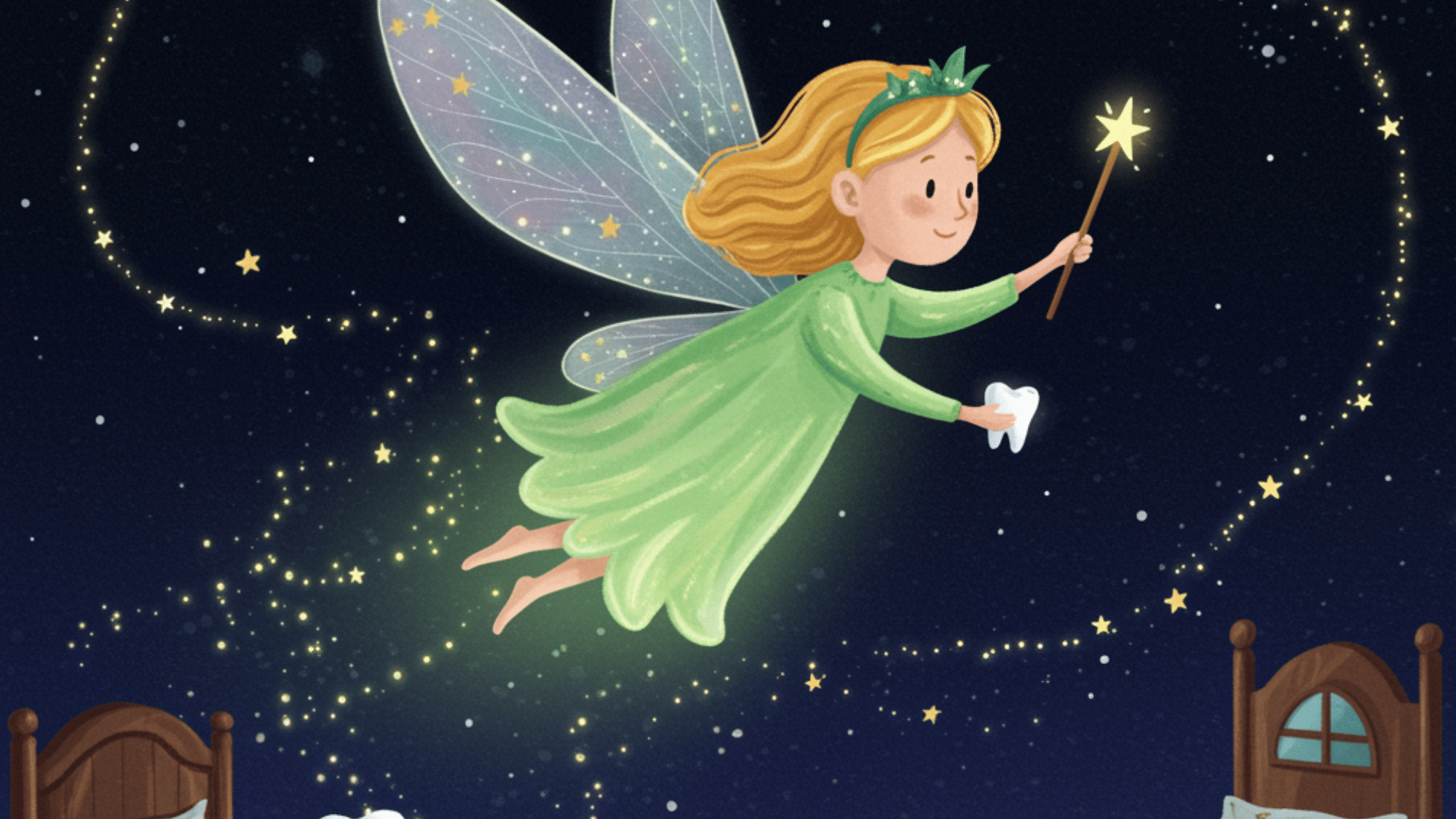
As children grow, the Tooth Fairy becomes one of the first myths they challenge.
Parents face a dilemma: keep the magic alive or reveal the truth? For young children, the Tooth Fairy is a magical figure that turns tooth loss into a fun, imaginative experience.
For parents, it’s a harmless tradition that adds excitement to an otherwise mundane milestone.
While the Tooth Fairy isn’t real, the tradition fosters creativity and joy. Many parents continue the myth to preserve the sense of wonder, but others reveal the truth based on their child’s curiosity.
The Tooth Fairy symbolizes childhood joy, imagination, and the special bond between parents and children. The magic lies in the shared experience and the memories created.
Common Myths About the Tooth Fairy
Let’s see some common myths around the world.
Myth: The Tooth Fairy Only Leaves Money
Fact: While many believe the Tooth Fairy only leaves money, some traditions include small gifts, notes, or even glitter to improve the magic.
Myth: The Tooth Fairy Visits Every Night
Fact: Not all lost teeth are visited by the Tooth Fairy on the same night. Some families have different traditions, like waiting a night or two before the visit happens.
Myth: The Tooth Fairy Only Comes for Baby Teeth
Fact: Though the Tooth Fairy is most commonly associated with baby teeth, some cultures or families celebrate the loss of adult teeth as well.
Myth: The Tooth Fairy is Always the Same
Fact: The Tooth Fairy is often imagined as a single figure, but many variations exist, with some portraying her as different creatures, fairies, or even mythical beings.
Myth: The Tooth Fairy Only Visits Children Who Believe
Fact: The Tooth Fairy’s magic isn’t about belief. It’s about making childhood milestones memorable. Many parents continue the tradition even when kids start questioning the myth.
Fun Facts About the Tooth Fairy
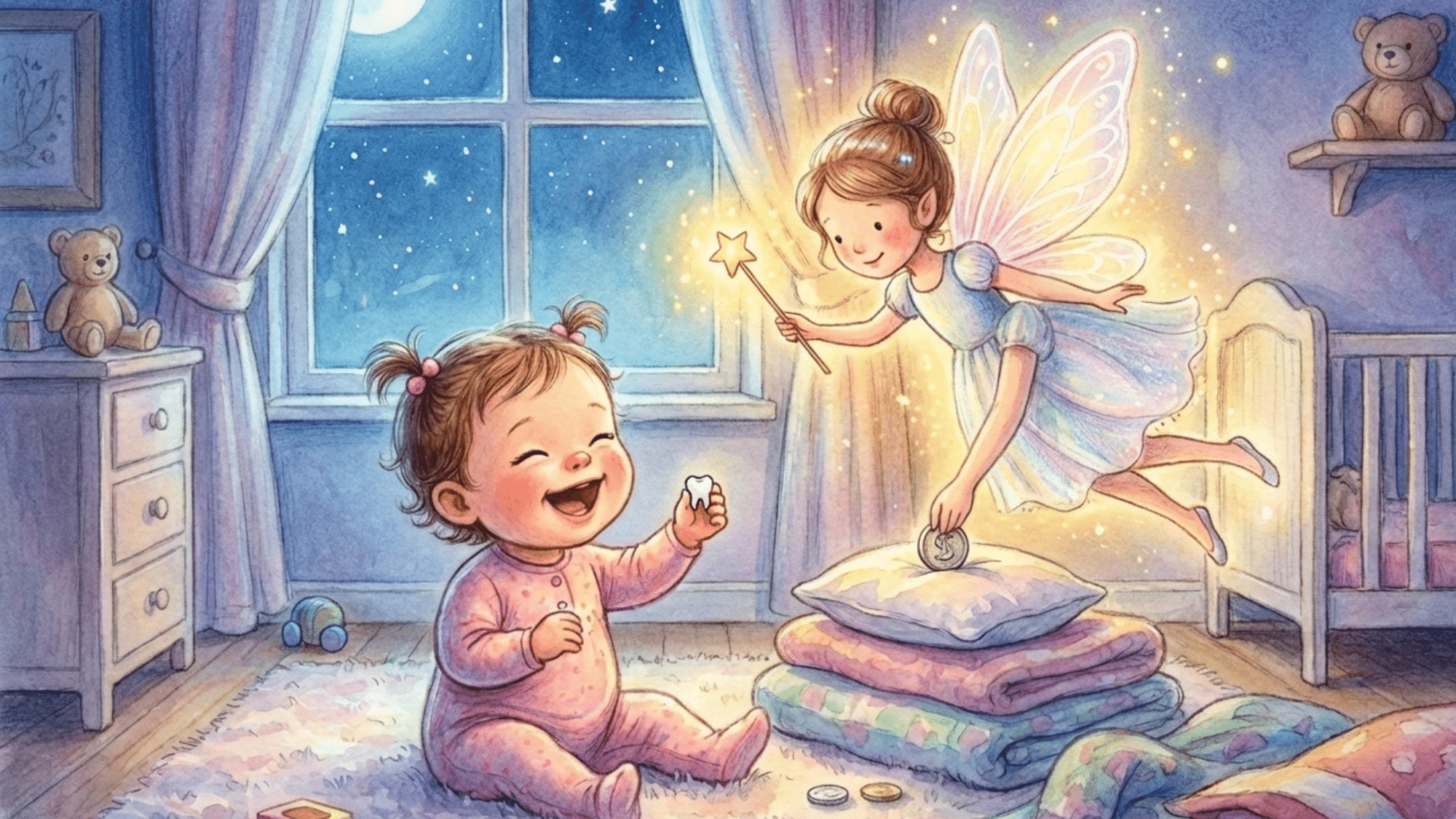
Let’s find some fun facts about the Tooth Fairy that make this tradition even more delightful.
1. Tooth Fairy Thrills Across the Globe!
While the Tooth Fairy, as we know it, is most popular in the United States, other cultures have their own versions of this myth. For example:
- La Petite Souris (The Little Mouse): In France and parts of Spain, a small mouse collects children’s teeth and leaves a coin or gift, similar to the Tooth Fairy tradition.
- The Tooth King: In Germany, children’s lost teeth are often placed under their pillow for the “Tooth King” to collect. The king rewards them with money or gifts.
- Ratoncito Pérez: In Latin America, the mouse exchanges lost teeth for small presents, similar to the Tooth Fairy.
2. Tooth Fairy Surprises and Magical Traditions!
In many households, the Tooth Fairy is known for leaving gifts or coins in exchange for a lost tooth.
While the exact amount can vary depending on family traditions, the Tooth Fairy typically leaves between one and five dollars per tooth.
However, the value can fluctuate based on cultural influences, the region, or even how much a child believes in the magic.
Some families leave small notes, while others may leave small toys or stickers along with the cash.
3. The Tooth Fairy’s Big Payday!
Ever wondered how much the Tooth Fairy earns? In 2020, the Tooth Fairy left an average of $4.70 per tooth!
This might seem like a lot, but it varies from household to household, and the Tooth Fairy’s generosity can depend on factors like location and family traditions.
Some areas even report higher payouts, with the Tooth Fairy leaving up to $5 or more per tooth in certain places!
4. Tooth Fairy’s Hidden Side Hustle
Rumor has it the Tooth Fairy has a side gig as a collector of special “treasures.”
While she’s busy leaving coins under pillows, some of those lost teeth are actually finding their way to dentists for use in dental education!
It’s said that baby teeth are sometimes used to teach young dental students about tooth care, hygiene, and proper extraction techniques.
How to Address Children’s Questions About the Tooth Fairy?
Eventually, all children start questioning whether or not the Tooth Fairy is real.
As parents, it’s essential to approach this moment with sensitivity and honesty, while still maintaining the magic for as long as possible.
- Keep the Magic Alive: If your child questions the Tooth Fairy, simply say, “The Tooth Fairy is magical, and some believe in her while others don’t. It’s up to you to decide.”
- Be Honest, But Gentle: If your child asks, explain that the Tooth Fairy is a fun tradition and that it’s okay to grow beyond it.
- Focus on the Spirit of the Tradition: Whether or not the Tooth Fairy is real, the tradition behind it – celebrating growth, change, and the wonders of childhood – is very real.
- Respect Their Curiosity: If they seem unsure, be patient. Ask them how they feel about the Tooth Fairy, letting them express their thoughts
- Celebrate the Milestone: Regardless of belief, make the moment of losing a tooth a special celebration, showing that growth and change are part of life’s exciting journey.
- Emphasize the Fun: Let your child know that the Tooth Fairy adds an element of surprise and joy to losing a tooth.
Tooth Fairy Magic: How Celebrities Celebrate the Tradition
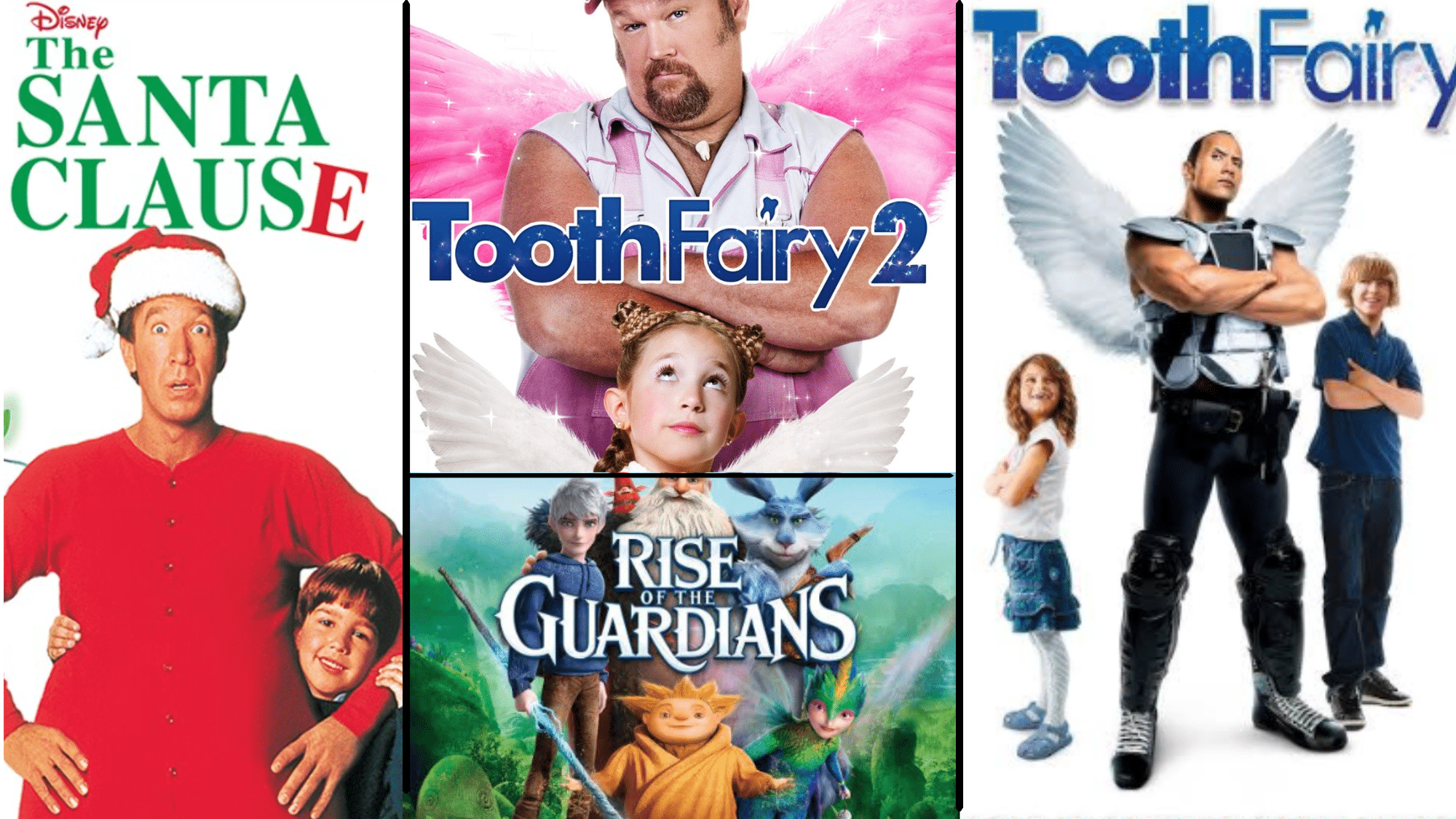
The Tooth Fairy has become more than just a childhood tradition – she’s also made her mark in pop culture.
1. The Tooth Fairy (2010): Dwayne “The Rock” Johnson plays a tough hockey player who’s sentenced to serve time as a real tooth fairy. The comedy blends sports action with magical mishaps as he learns to believe in childhood wonder again.
2. Tooth Fairy 2 (2012): Larry Guthrie, played by Larry the Cable Guy, is transformed into a tooth fairy after crushing a young girl’s dreams. He must complete his fairy duties while juggling his regular life in this family-friendly sequel.
3. Rise of the Guardians (2012): While not solely about the tooth fairy, this animated adventure features Tooth as one of the magical guardians protecting children’s beliefs. She’s a warrior fairy who battles alongside Santa and the Easter Bunny.
4. The Santa Clause (1994): Tim Allen accidentally becomes the new Santa Claus after causing the original Santa to fall off his roof. Just like in tooth-fairy transformation movies, he must cherish his magical role, convince his skeptical family, and balance real-world responsibilities.
Wrapping It Up
Tooth Fairy may not be “real,” but the magic and joy she brings to children are undeniably real. The excitement of receiving a surprise under the pillow marks an important milestone in a child’s life.
From its cultural history to the fun facts around the tradition, the Tooth Fairy remains a beloved part of childhood. This tradition has evolved over time but continues to celebrate growth and change.
Whether you continue the myth or start new traditions, the key is creating lasting memories. Cherish the joy of celebrating milestones in your child’s life.
The Tooth Fairy represents more than just a gift. She’s a symbol of childhood wonder and the excitement of growing up.
Frequently Asked Questions
Why Do We Celebrate the Tooth Fairy?
The Tooth Fairy Symbolizes Growth and Change, making the Loss of a tooth a fun and Memorable Experience for Kids. It Helps Children Cherish Growing Up.
Can I Start My Own Tradition Instead of The Tooth Fairy?
Absolutely! Traditions Evolve, and You Can Create a New One that Fits Your Family, Whether It’s the Tooth Fairy or Something Else Special to Celebrate Growing Up.
At What Age Should Kids Stop Believing in The Tooth Fairy?
There’s no specific age. It’s about when they’re ready. Focus on the fun and the tradition, and be honest but gentle when they start asking questions.