


Your roof usually stays out of sight and out of mind until it starts acting up. Then suddenly, a small stain on the ceiling feels like a personal attack. If you live in Madison, WI, weather adds extra pressure.
Snow loads, freeze-thaw cycles, spring rain, and summer storms can wear down roofing materials faster than you might expect. Knowing what to look for helps you catch issues early, ask better questions, and avoid paying for damage that had months to grow.
Madison Weather Creates Roofing Problems with Its Own Special Flair
Regional climate changes what you should watch for. In Madison, roofs deal with heavy snow, ice accumulation, humid summers, strong winds, and temperature swings that stress sealants and shingles. It’s not exactly a spa environment.
That local context matters when you’re evaluating damage or planning maintenance. For example, ice dam prevention depends heavily on attic insulation and ventilation, not just snow removal. Wind-driven rain can also expose weaknesses around flashing and roof penetrations that seem fine in dry weather.
If you’re comparing inspection or repair options, it helps to look at providers who understand those local conditions. Homeowners often start by researching roofers in Madison WI when they need a clearer picture of storm damage, aging shingles, or repair versus replacement decisions specific to the area.
Your Roof Takes More Abuse than You Probably Realize
A roof deals with heat, cold, moisture, wind, UV rays, and falling debris without much sympathy from anyone below. In a place like Madison, winter can be especially rough. Ice dams can form along the edges, melting snow can back up under shingles, and repeated freezing and thawing can widen tiny weak points.
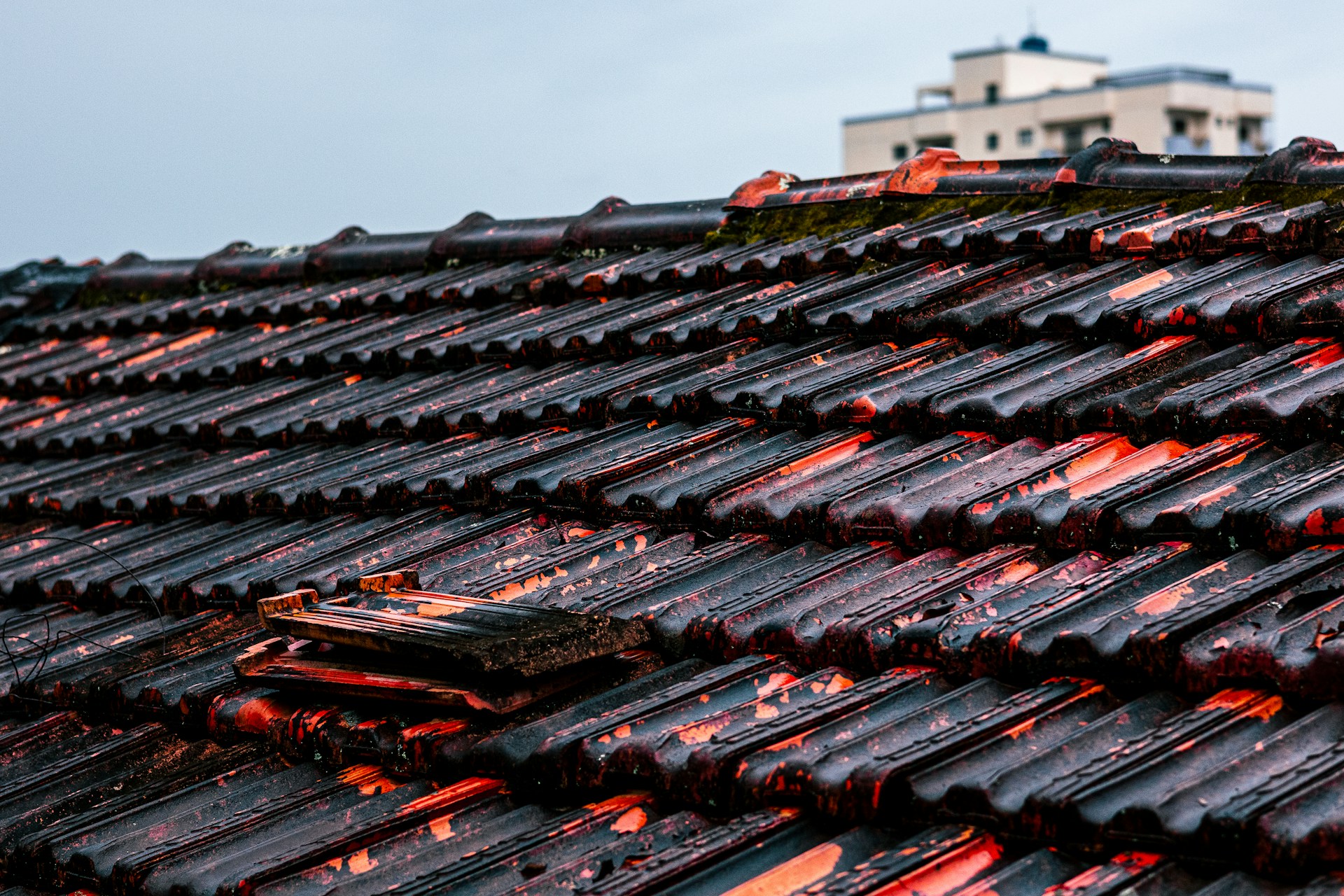
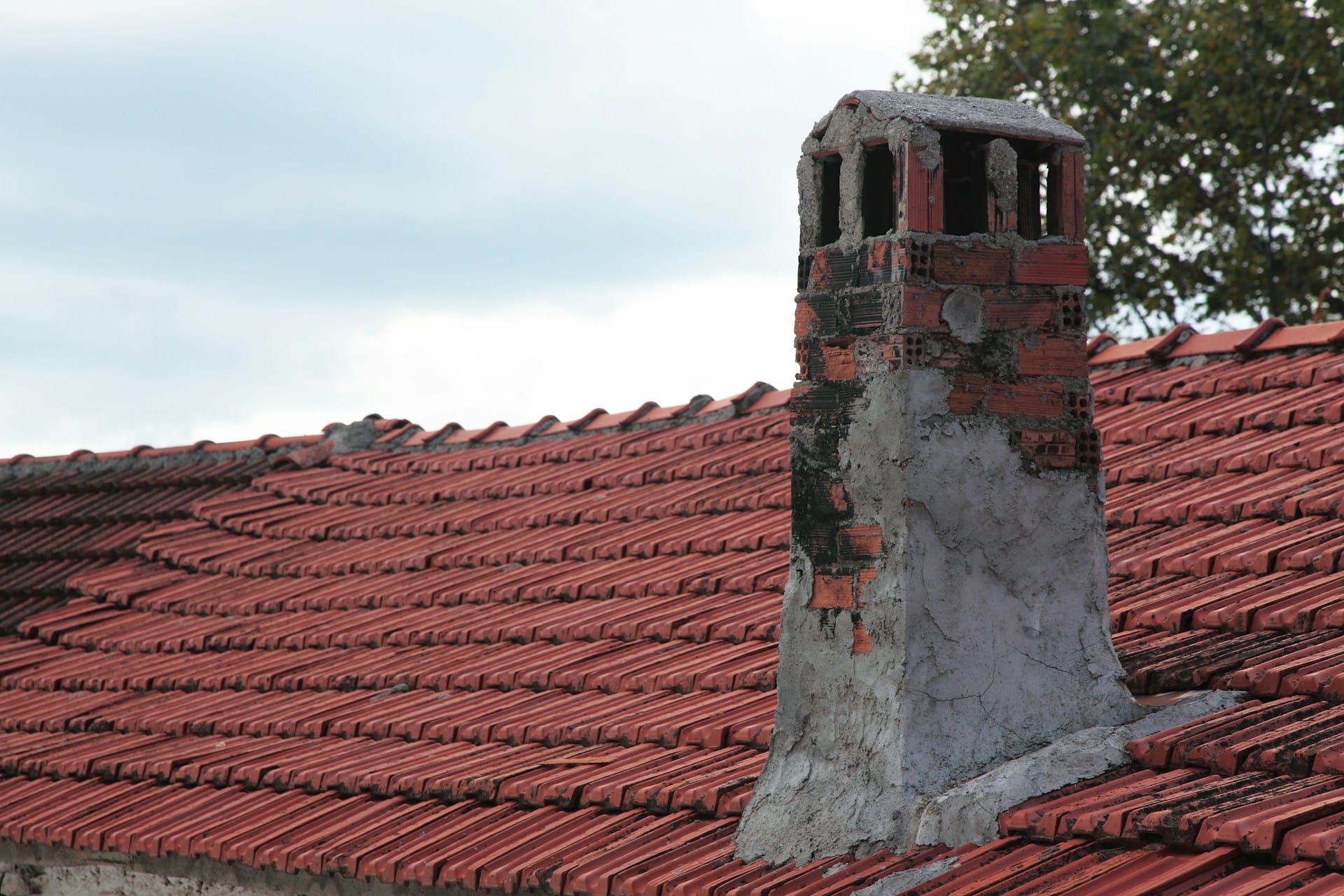
You don’t need to become a roofing technician overnight, but it helps to understand the basics. Asphalt shingles can curl, crack, or lose granules. Flashing around chimneys and vents can loosen. Gutters can trap water where it doesn’t belong.
Think of your roof as a system, not just a layer of shingles. Ventilation, drainage, underlayment, and structural support all matter. When one part slips, the rest can start taking hits too.
The Earliest Warning Signs Often Show Up Inside Your Home
A roof problem doesn’t always announce itself with a dramatic leak during a thunderstorm. Sometimes the first clues are subtle and annoyingly easy to ignore. A yellow-brown ceiling stain, peeling paint near trim, or a musty smell in the attic can all point to moisture getting where it shouldn’t.
You might also notice:
– Bubbling drywall or plaster
– Dark spots around vents or skylights
– Sudden spikes in energy bills from poor attic ventilation
– Mold growth near the upper corners of rooms
– Dripping or damp insulation in the attic
These issues don’t automatically mean your whole roof is failing. Still, they deserve a closer look. Water has a talent for traveling before it becomes visible, so the stain you see may not sit directly below the real problem. Roof leaks are sneaky like that.
A Ground-Level Inspection can Tell You More than You’d Think
You don’t need to climb onto the roof with a flashlight and misplaced confidence. In fact, you shouldn’t. A visual inspection from the ground with binoculars can reveal plenty.
Look for missing shingles, uneven roof lines, sagging sections, rusted flashing, and debris collecting in valleys. Check whether gutters are pulling away from the roof edge or spilling water near the foundation. After a storm, scan the yard for shingle fragments or granules that look like coarse black sand.
Pay attention to patterns. One damaged section may suggest a localized impact, while widespread wear can point to aging materials or poor installation. If your roof is more than 15 to 20 years old, those small signs matter more. Roofing materials have a lifespan, not a magic shield.
Regular Maintenance Beats Emergency Repairs Every Single Time
Roofing maintenance isn’t glamorous, and nobody brags about clearing gutters at a party. Even so, routine care can save you a painful amount of money.
A smart maintenance checklist includes:
– Cleaning gutters and downspouts at least twice a year
– Trimming branches hanging over the roof
– Checking attic ventilation and insulation
– Looking for signs of pests near eaves and soffits
– Scheduling inspections after major storms
– Watching for moss or algae growth in shaded spots
Neglect usually turns small defects into structural problems. A lifted shingle can lead to underlayment damage. Clogged gutters can push water under roof edges. Excess attic heat can shorten shingle life.
If you stay consistent, you’re more likely to catch manageable repairs before they become budget-breaking ones. That’s a much better storyline.
Repair or Replace Depends on Age, Damage, and Long-Term Cost
A lot of homeowners hope for a simple yes-or-no answer here, but roofing decisions usually live in the gray area. A repair may be enough if the damage is limited, the underlying structure is sound, and the roof still has useful life left. A replacement becomes more reasonable when problems are widespread or recurring.
Ask practical questions:
– How old is the current roof?
– Is the decking still in good condition?
– Are leaks isolated or appearing in multiple areas?
– Will a repair match existing materials and performance?
– How much more maintenance is likely in the next few years?
Price matters, but so does timing. A cheap repair on a roof near the end of its lifespan can become expensive fast if another section fails next season. Short-term savings sometimes wear a very convincing disguise.
Choosing Help Wisely can Protect Both Your House and Your Wallet
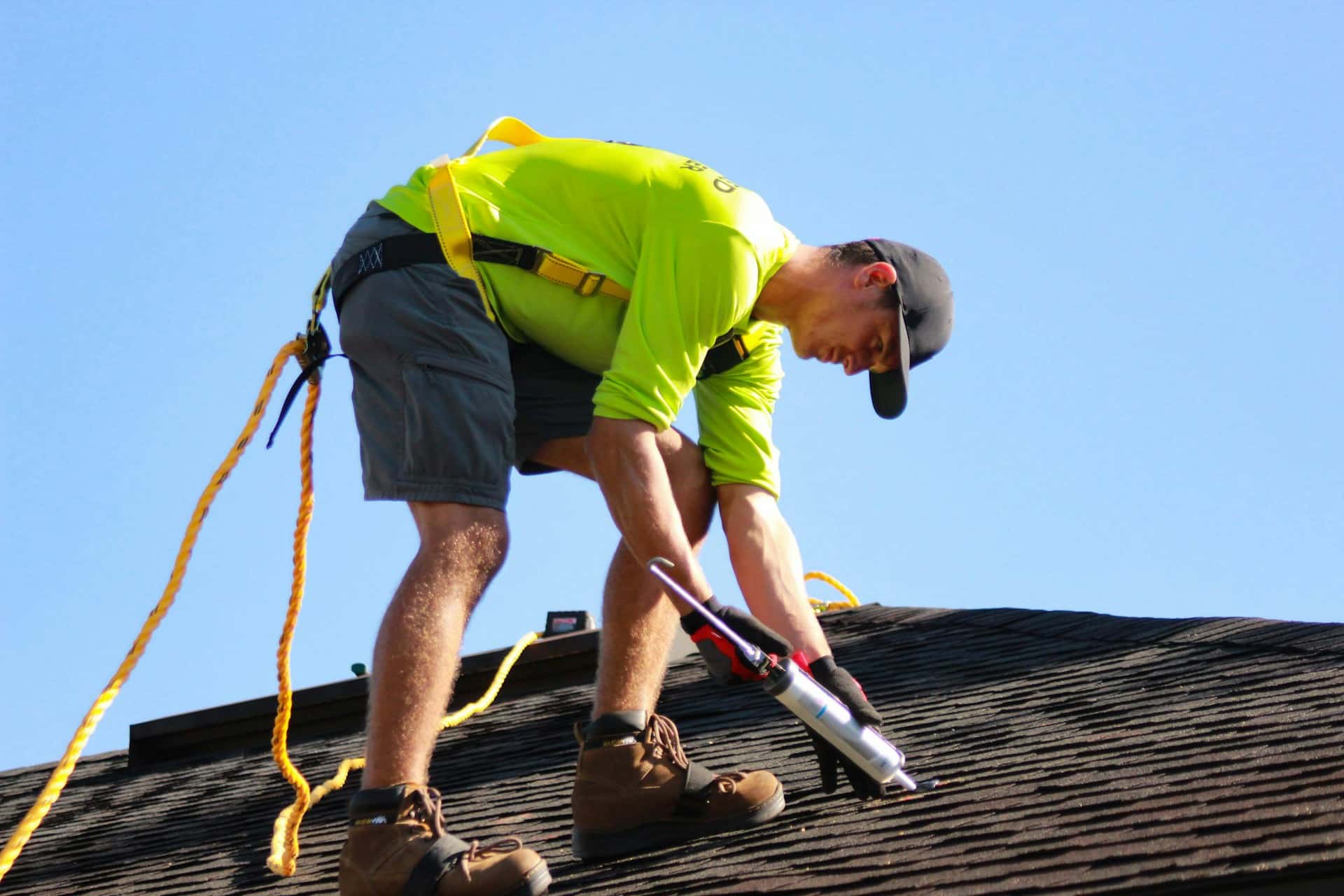
Once you suspect a roofing issue, the next step is finding competent help, not the first truck with a ladder. You want clear communication, detailed estimates, proof of licensing and insurance where applicable, and a realistic explanation of scope.
Be cautious of vague bids, pressure tactics, or dramatic claims that your roof is on the brink of collapse after one quick glance. Good professionals explain what they found, document damage, and answer questions in plain language.
It also helps to ask about:
– Warranty terms for labor and materials
– Cleanup process and disposal plans
– Timeline and weather delays
– Ventilation or flashing upgrades if needed
– Experience with insurance documentation after storms
A roof is too expensive to treat like a mystery box. The more specific the conversation, the better your odds of getting solid work instead of avoidable headaches.