

A house depends on its outer shell to keep out rain, wind, heat, cold, and pests. When small problems on the outside are left alone, they rarely stay small. A loose panel, a cracked seal, or a sagging gutter can slowly let water and air into places they should never reach.
For homeowners in Independence, the changing seasons bring heavy rain, strong winds, summer heat, and winter freezes, which means the outside of a home works hard all year. Understanding how neglected repairs affect daily life can help you act before a minor issue becomes a serious and costly one.
Why the Top of Your House Deserves Early Attention
Most homeowners only think about the outside of their house when something goes visibly wrong. A roof often shows warning signs long before a leak appears indoors, such as missing pieces, curling edges, or dark stains on the ceiling below. These are signs that the work should be handled by people who understand roofing and know how to fix the problem properly.
When you notice any of these signs, hire an experienced roofing contractor in Independence who offers free inspections, clear estimates, and repair or replacement options that suit your home. Acting early keeps a small concern from spreading into the rest of the house.
Water Damage Begins Quietly
Water is one of the most destructive forces a home can face, and it often does its damage out of sight. When siding cracks or the seals around a window break down, moisture can slip behind the walls and stay there. Over time, that trapped moisture softens wood framing, stains drywall, and weakens the materials that hold your home together.
The problem is that this kind of damage rarely announces itself right away. You may not see anything wrong until paint starts peeling, floors feel soft, or a musty smell settles into a room. Keeping the outer surfaces of your home in good shape is the simplest way to keep water where it belongs, which is outside.
Mold and the Air You Breathe
Where moisture collects, mold often follows. Mold grows in damp, dark spaces such as wall cavities, attics, and crawl spaces, and it can spread quietly for months. Once it takes hold, it can affect the air throughout the house.
For many people, mold brings on sneezing, coughing, itchy eyes, and trouble breathing. Children, older adults, and anyone with asthma or allergies can feel these effects more strongly. Removing it often means cutting out damaged materials, which adds time and expense. Fixing the outside problems that let moisture in is far easier than clearing mold from inside your walls.
Gutters That Stop Doing Their Job
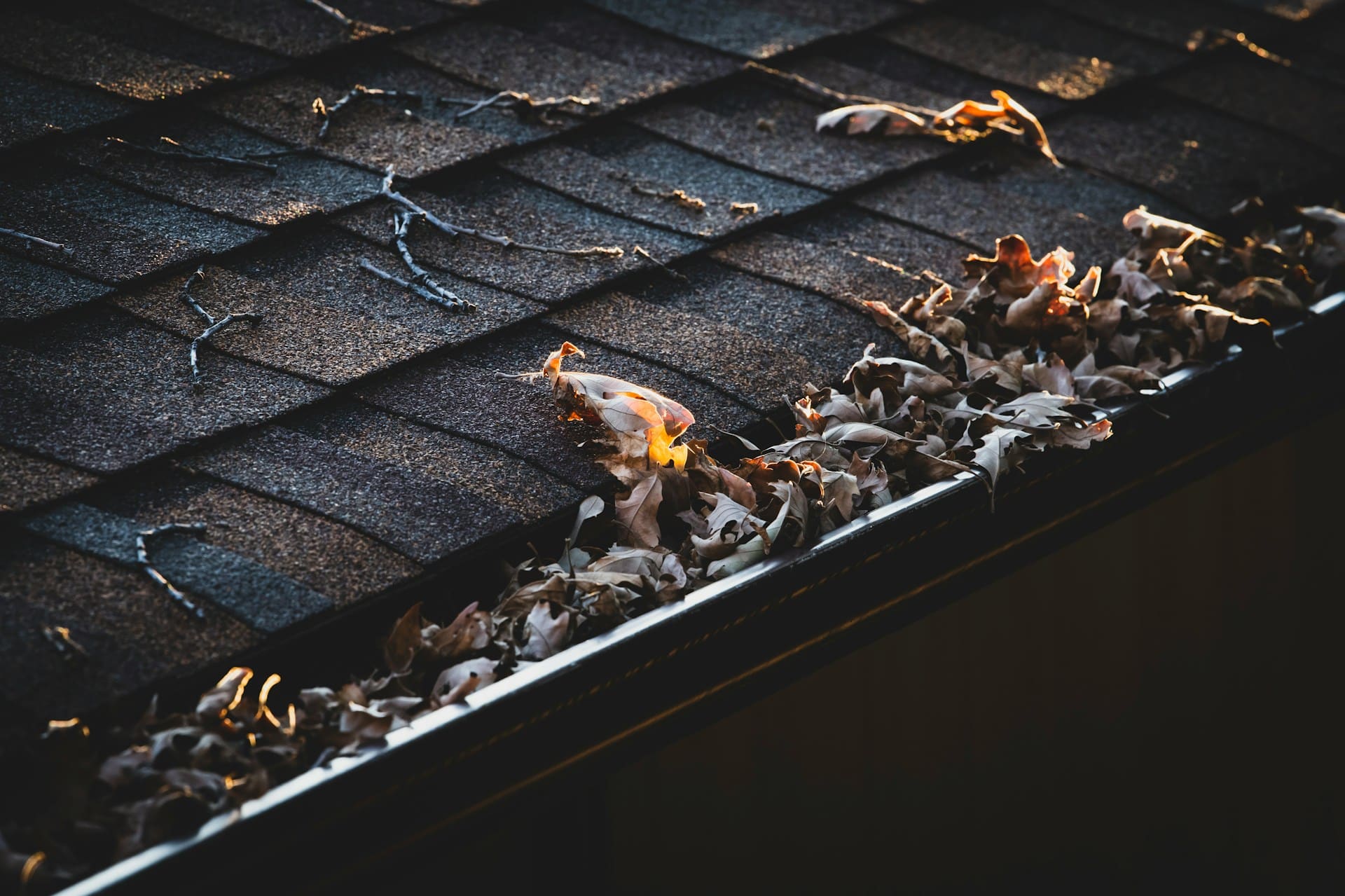
Gutters have one simple purpose, which is to carry rainwater away from your house. When they clog with leaves, pull loose from the fascia, or develop holes, that water spills over the edges instead. It then runs down your walls and pools next to the foundation.
Over time, this overflow can wash away soil, crack concrete, and push water into basements. It can also rot the fascia boards that the gutters attach to and stain the siding below. Clearing debris, tightening loose sections, and adding guards where needed can prevent a long list of problems with very little effort.
Drafty Windows and Rising Energy Bills
Windows play a large role in how comfortable your home feels. As they age, frames can warp, seals can fail, and glass can lose its ability to block heat and cold. When this happens, warm air escapes in winter and hot air creeps in during summer.
The result is a home that never quite feels right. Some rooms stay chilly while others feel stuffy, and your heating and cooling system has to run longer to keep up. That extra effort shows up on your monthly bills and wears out your equipment faster. Replacing worn windows with energy-efficient options can make your home quieter, more comfortable, and less costly to run.
Damaged Siding Invites Pests
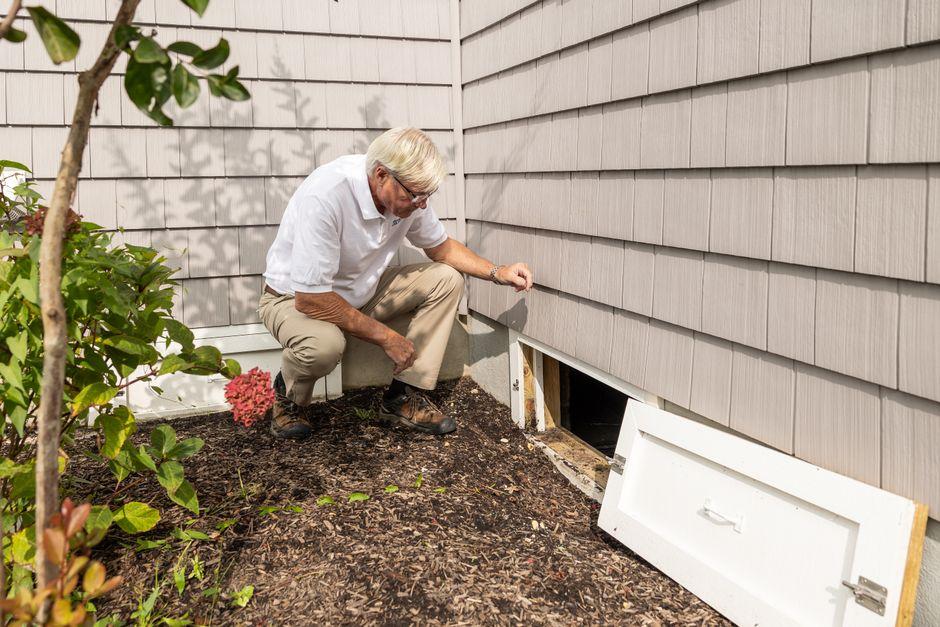
Siding does more than make a house look good. It forms a barrier that keeps out insects, rodents, and birds. When panels crack, warp, or pull away from the wall, they leave openings that small animals are quick to find.
Mice, squirrels, wasps, and termites can all move into wall spaces through these gaps. Once inside, they may chew wiring, build nests in insulation, and leave droppings that affect indoor air. Some pests also damage wood framing, which weakens the structure over time. Repairing or replacing damaged siding, along with soffit and fascia, closes these entry points and keeps unwanted visitors outside where they belong.
Storm Damage That Goes Unnoticed
Severe weather can harm a home in ways that are not always obvious from the ground. Hail can dent siding and crack window frames, while strong winds can loosen panels and bend gutters.
The trouble is that hidden storm damage often worsens with each new rain or freeze. A small dent can allow water to seep in, and a loose panel can be torn away by the next strong gust. Having your home checked after a major storm helps you catch damage while it is still fresh. This also matters when filing an insurance claim, since many policies require damage to be reported within a set period after the event.
Safety Risks for Your Family
Neglected exterior problems are not only about comfort or appearance. They can create real safety risks. Rotting wood can weaken porches, steps, and railings, making them unsafe to use. Loose gutters or siding can fall during high winds and injure someone below.
Water that reaches electrical wiring inside the walls raises the risk of shorts and fires. Ice that builds up along the edges of the house can fall without warning in winter. Regular checks and timely repairs help protect the people who live in and visit your home. Small fixes made early are far safer than waiting.