


Nothing is wrong with the house. That’s what makes week two so strange.
The boxes are out, the sofa is roughly where it belongs, and the place still feels borrowed. By Thursday, somebody in the family will mention that they miss the old house, the one they complained about for a year.
None of that gets fixed with paint. A house starts feeling lived in through smell, light, soft furniture, and routine, and all of those come long before the decorating is finished.
The Three Rooms That Matter
Don’t work through the house in order, because that’s how people end up with a perfect dining room nobody has eaten in and a bedroom full of cardboard. Start with the beds, one bathroom, and a kitchen that can make breakfast, because you use those rooms every day.
After that, the rest can wait. Boxes in a spare room bother nobody, while a mattress on the floor under a bare bulb makes the whole house feel temporary.
Hang the Photos Before You’re Ready
Walls are where people wait for the perfect arrangement, and that’s why they’re still bare in March.
Pick one wall, the one you walk past twenty times a day, and put up four or five framed photos while you still know which box the hammer is in. They don’t have to be perfectly straight. A hallway with your own family on it stops feeling temporary the same evening.
Rugs First, Then Lamps
Empty rooms sound wrong, and that echo is a big part of why a new place feels cold.
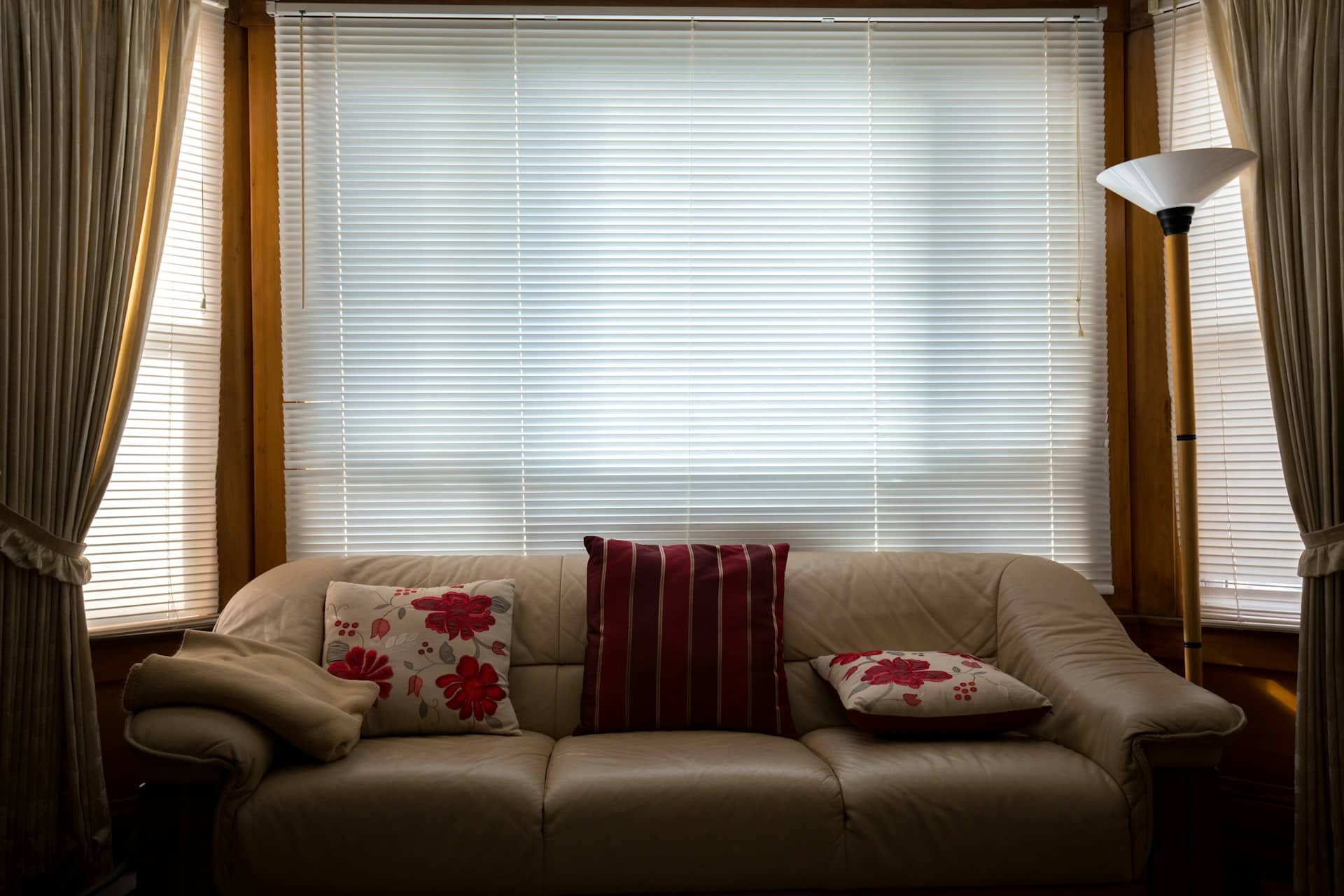
So the rugs, cushions, and curtains come out in the first week, not the second month. The things that came from the old house help the most: the blanket that always sat on the arm of the sofa, the cushion covers you sewed last winter, and the rug the dog has slept on for years. None of it matches the new room, and nobody cares.
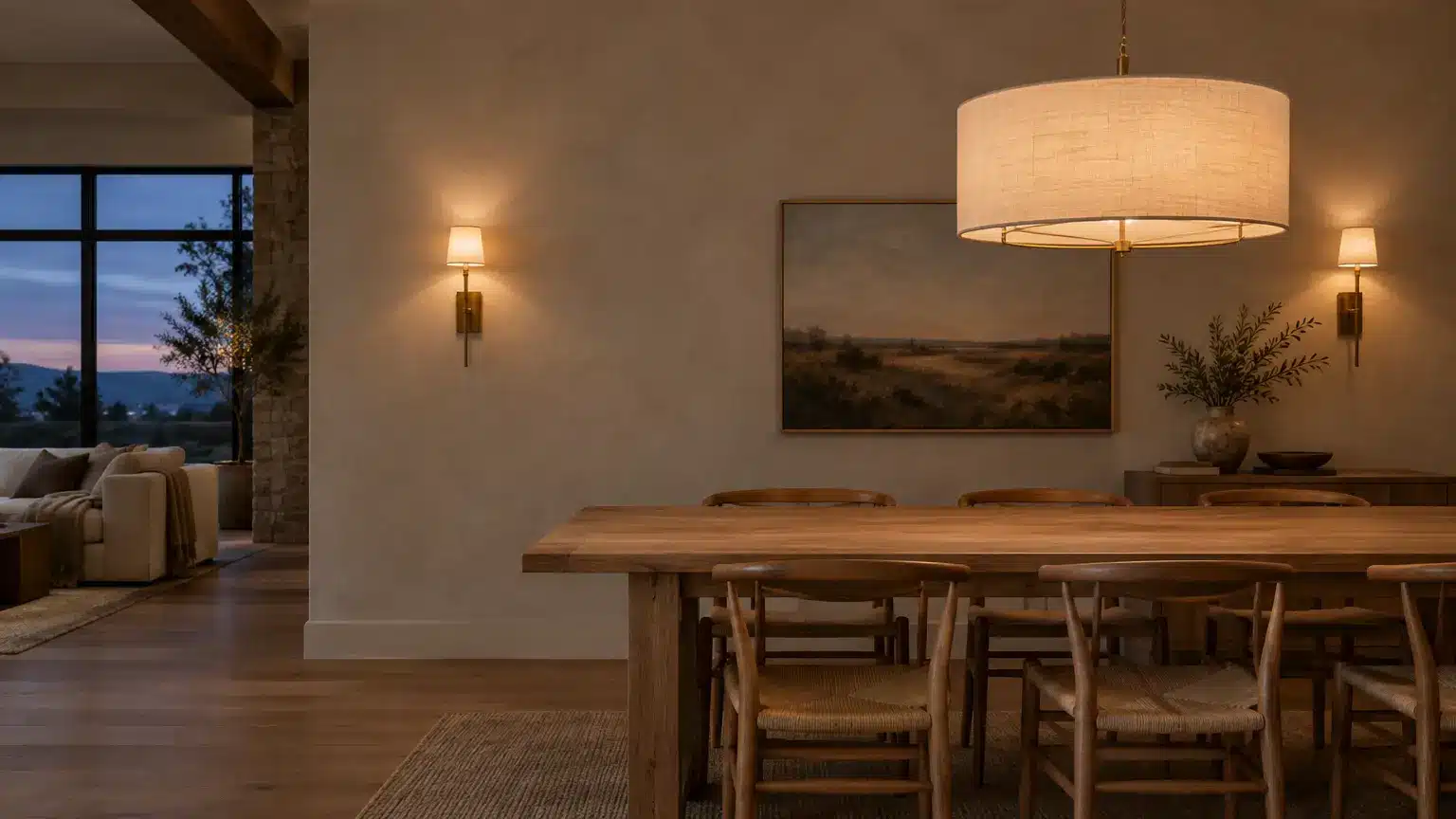
Then the lamps. One ceiling light leaves a room feeling cold and bare, while two or three lamps at different heights with warm bulbs make a room you dislike in daylight somewhere you’ll happily sit in the evening. Cheap curtain panels count too, because a bare window looks unfinished during the day and feels exposed at night.
Arrive With Some Energy Left
All of this assumes you can still lift your arms when you get there, and that comes down to how the move went. Booking trusted long-distance movers rather than a rental truck and a cousin with a bad back gives you the whole first week back, because somebody else carries the heavy things and nobody is too tired on the first evening to hang a picture.
It also looks after what matters most here. Photo frames, the hallway mirror, the handmade pieces nobody can replace, and the plants that have to survive three days in a truck all do better with people who pack for a living.
Cook Something on Day Three
A kitchen nobody has cooked in smells of paint and cardboard, and one proper meal clears that out of the whole house. People notice a smell before they notice anything else.
Baking works even better. Bread, cookies or brownies from a box all do the same job, as long as the smell reaching the back bedroom is one the family already knows.
Keep Friday Night
Routines hold a house together while the rooms are still unfamiliar. Friday pizza stays Friday pizza, Saturday cartoons stay Saturday cartoons, and the coffee goes in the usual mug at whichever window gets the morning sun.
Kids rely on this more than adults do. The rooms changed, the view changed, and the walk to school changed, so what happens at six o’clock is the one thing that didn’t, and they notice the first evening it doesn’t happen.
Finish One Corner
Living in a half-finished house wears everybody out, so finish one small area completely and let the rest wait its turn. A reading chair with a lamp and a place to set a mug works. So does a craft table with the supplies back in their jars, or a clear kitchen counter with only the kettle on it. One finished corner gives everybody somewhere to sit that doesn’t look half unpacked.
Give It Two Months
A house becomes yours because of what happens in it, so start inviting people over before the place is ready. Have somebody for dinner with boxes still stacked in the corner, let a friend come home with the kids after school, and eat outside if there’s anywhere to sit.
Walk around the neighborhood with nothing to buy, too, until the way to the store and the sound of the street in the evening stop being strange.
And stop waiting for the house to be finished. This takes the longest for the people who put off living there properly until the decorating is done. Make the beds, hang one wall, get the soft things out, bake something, keep Friday night, finish one corner. Six or eight weeks of that and nobody calls it the new house anymore, because the kettle is in the right spot and everybody knows which chair is theirs.