




A room can feel crowded long before it actually runs out of space. The way light moves, furniture sits, colors connect, and decor fills each surface can quietly change how large the room appears.
Small layout choices may interrupt walking paths, block natural light, or divide the space into too many visual sections. I have seen a few simple adjustments make compact rooms feel calmer, brighter, and easier to use.
You do not need major construction or an expensive makeover to improve the overall impression. The goal is to understand which details affect scale, depth, and openness before making changes.
This guide covers color, lighting, mirrors, furniture, storage, curtains, rugs, layouts, mistakes, and room-specific ideas.
Why Does a Room Look Smaller Than It Is?
A room can feel cramped even when it has enough space because of a few common design choices. Dark colors, bulky furniture, poor lighting, and too many items in one area can make the space feel closed in.
The key is that small rooms often need better planning, not more space. Simple changes like adjusting furniture placement, reducing clutter, and using light wisely can help the room feel more open and comfortable.
Before making changes, look at what might be making your space feel crowded and focus on fixing those areas first.
In my experience working with small-space layouts, the single most common culprit is furniture that’s slightly too large for the room not dramatically oversized, just a few inches too deep or wide.
Those few inches are enough to block a natural walking path and make the whole room feel pinched. Once you identify that one piece, everything else becomes easier to fix.
How to Make a Room Look Bigger: Design Tips
Small design changes can create a noticeable difference in how a room feels. From choosing the right colors to arranging furniture better, these simple tricks can help create a more open and comfortable space.
1. Choose Light Colors for Walls and Furniture
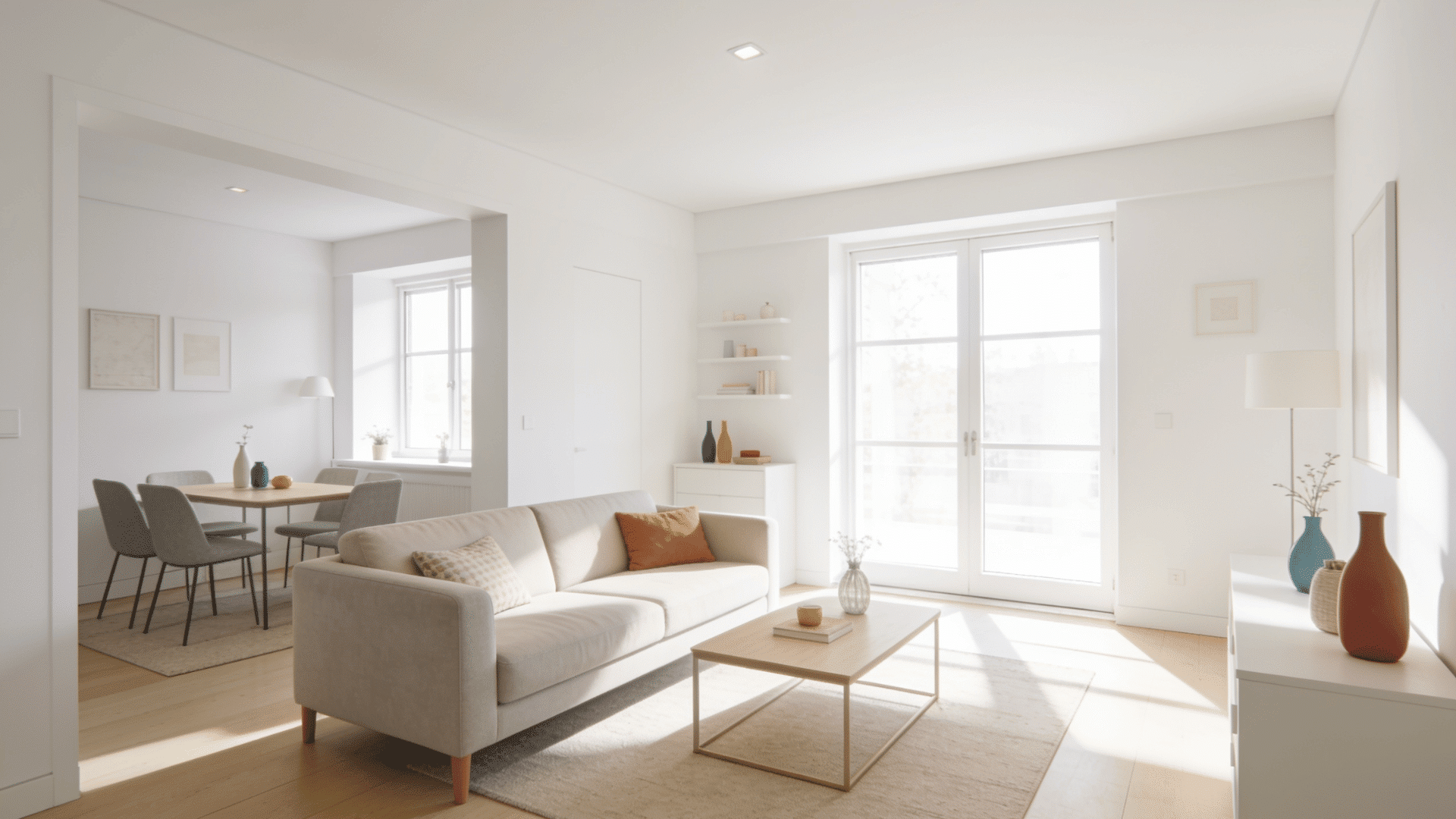
Light shades help reflect more light, making a room feel brighter and more open. Soft white, beige, light gray, and pale tones are common choices for smaller spaces.
Using similar shades across walls, furniture, and larger decor pieces can create a smoother look without making the room feel crowded. A lighter color scheme can make even a compact room feel more spacious.
Key Points:
- Use light paint shades on walls
- Choose neutral furniture colors
- Keep ceilings lighter than walls
- Add color through smaller decor items
2. Keep Furniture Away From Walking Paths
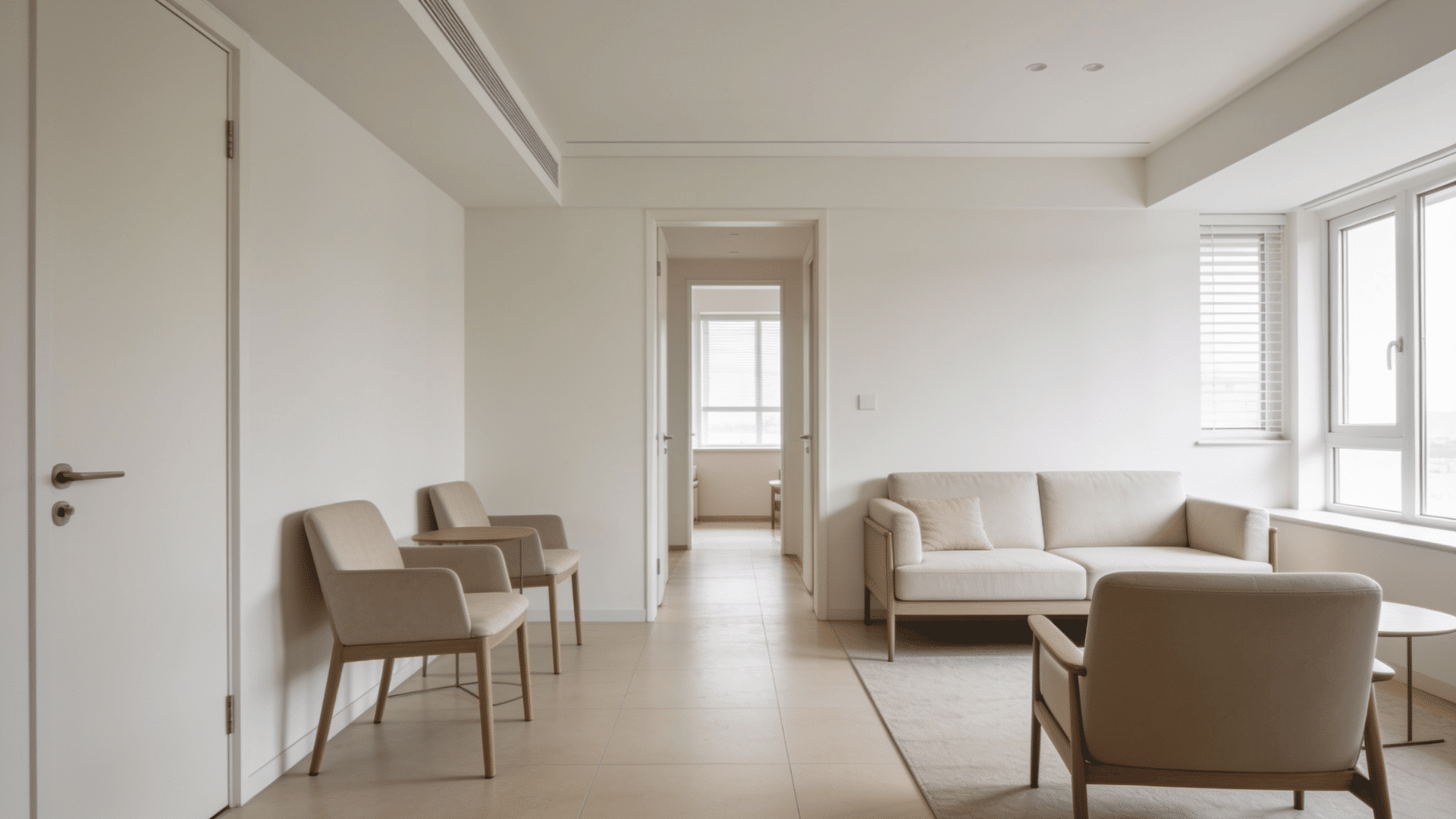
The way furniture is placed can change how a room feels. When large pieces block movement areas, the space can quickly look smaller and harder to use.
Creating clear paths around furniture helps the room feel more comfortable and keeps more floor space visible, especially in small open-concept living spaces where the kitchen and living areas share the same footprint.
Key Points:
- Keep doorways clear
- Avoid blocking windows
- Leave space between furniture pieces
- Arrange seating for easy movement
3. Use Mirrors to Add More Depth
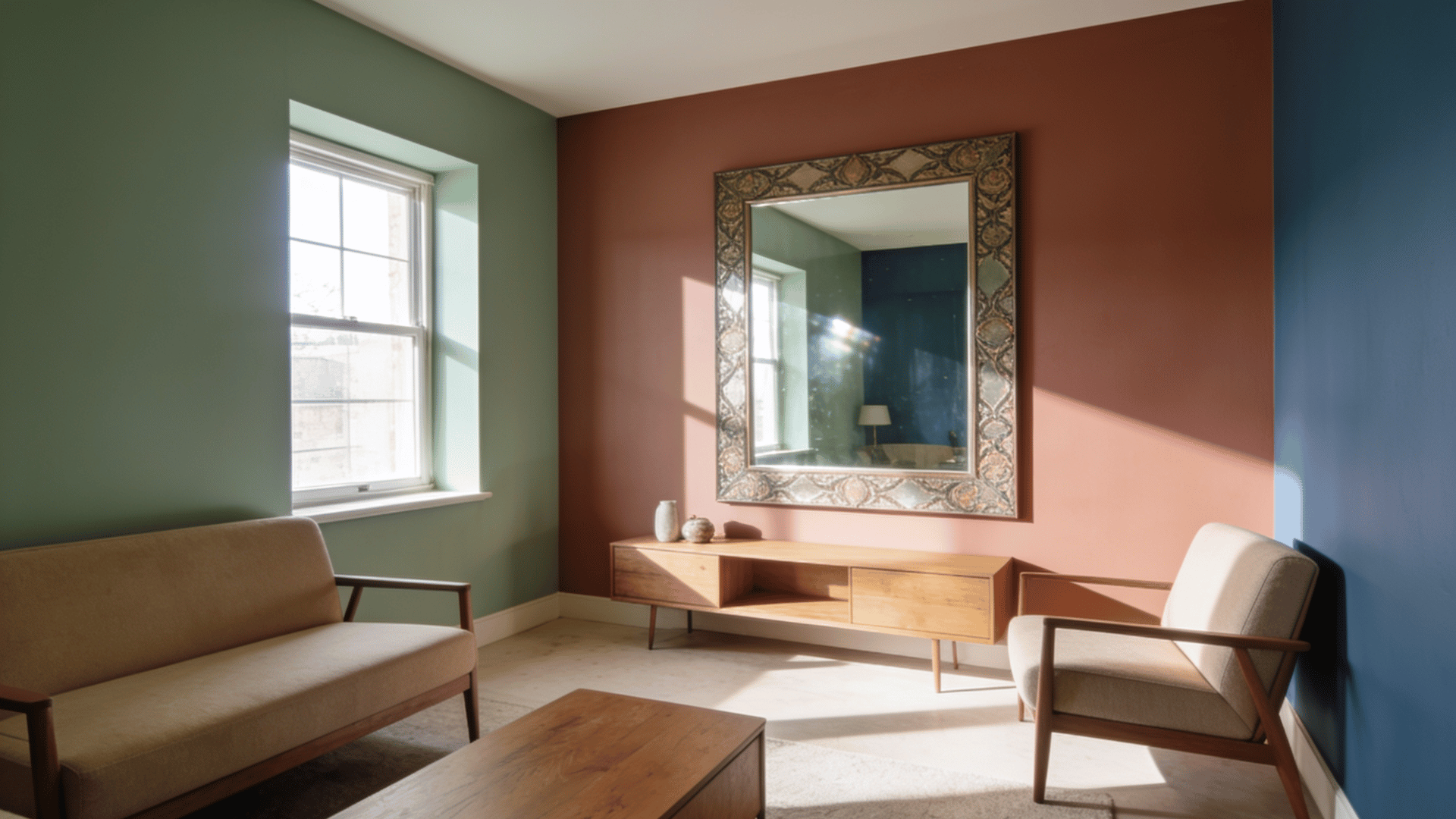
Mirrors are a simple design trick that can change how a room appears. They reflect light and create the feeling of more space without adding extra furniture.
This is one of my favorite fixes because it costs almost nothing and works in nearly every room I’ve styled. I’ve walked into plenty of dim corners that just needed one well-placed mirror to feel completely different.
Key Points:
- Place mirrors opposite windows
- Use larger mirrors instead of many small ones
- Add mirrors near light sources
- Choose wall areas that need more brightness
4. Pick Furniture With the Right Size
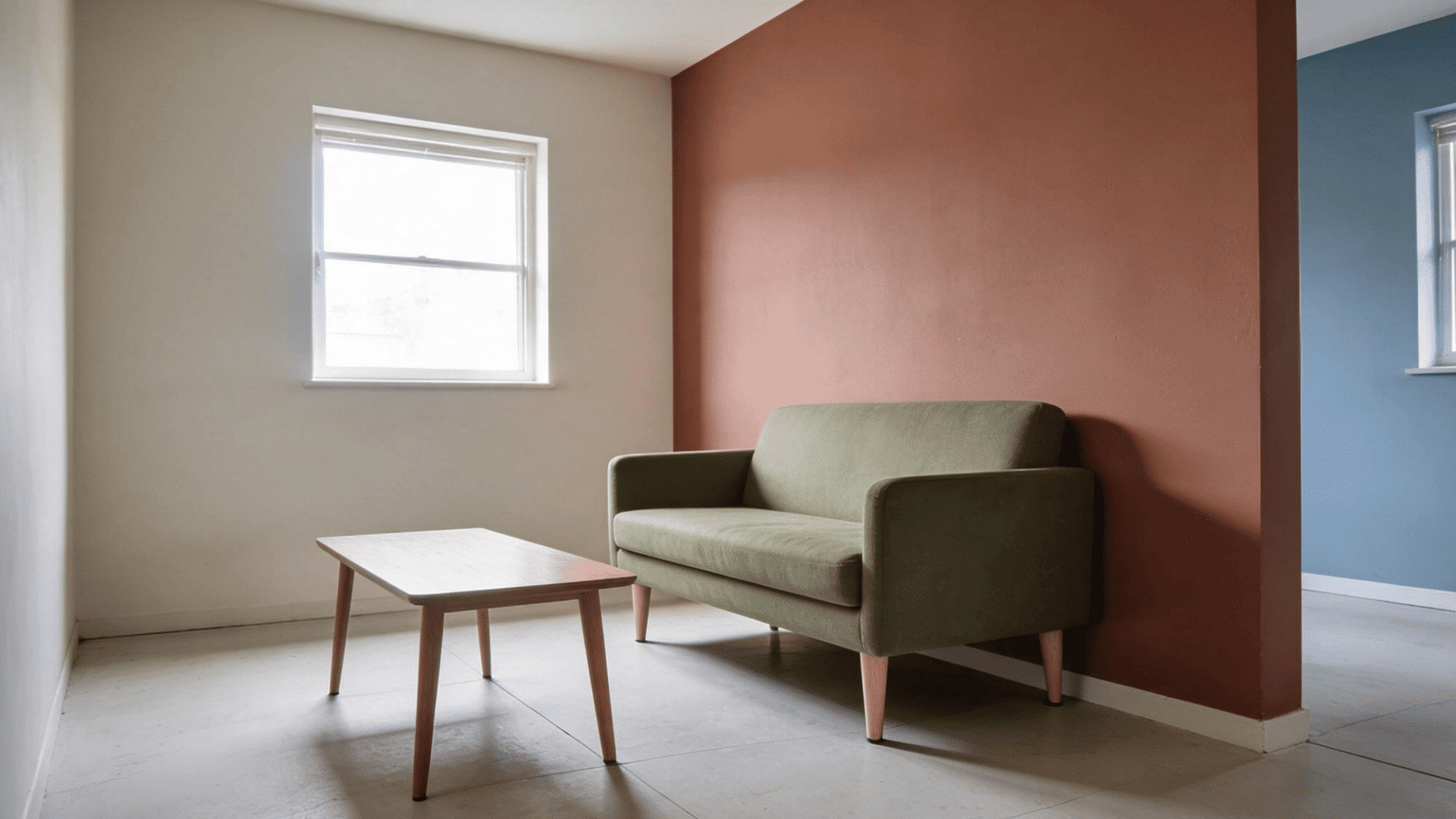
Furniture that is too large for a room can make the space feel crowded. Choosing pieces that match the size of the room helps maintain balance, while a well-planned living room furniture layout can keep walkways open and make the available space feel larger.
Smaller furniture does not mean less comfort when you select pieces with smart designs and useful features. The right furniture size helps the room feel open while staying functional.
Key Points:
- Measure the room before buying furniture
- Choose pieces with visible floor space
- Avoid oversized sofas and tables
- Use furniture with raised legs
5. Hang Curtains Higher
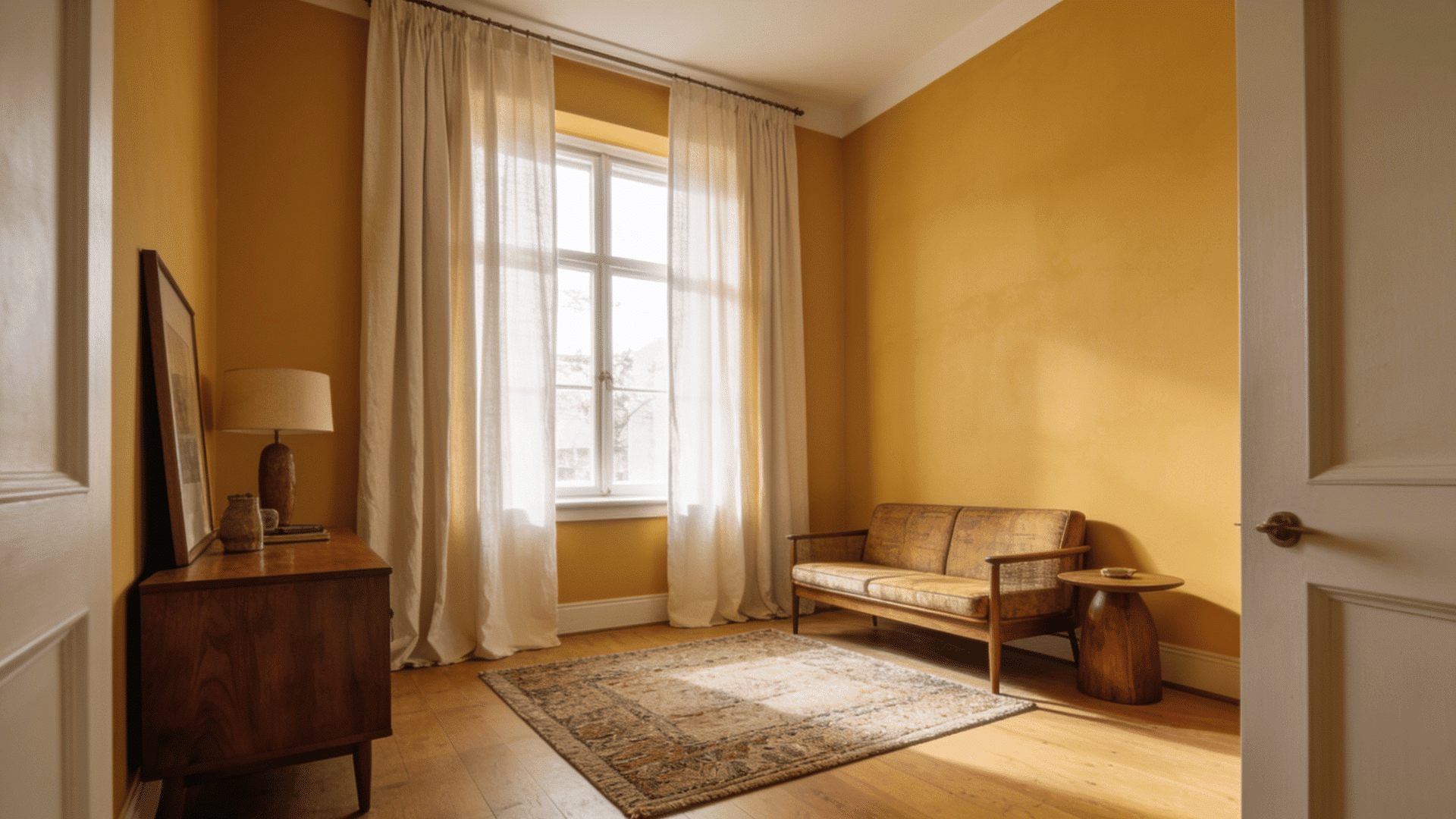
Curtains can affect how tall and spacious a room appears. Hanging them closer to the ceiling draws the eyes upward and creates the feeling of taller walls.
Light fabrics also allow more natural light to enter, helping the room feel brighter. Small curtain changes can make walls appear taller, and rooms feel more open
Key Points:
- Install curtain rods above windows
- Choose floor-length curtains
- Pick lighter fabrics
- Extend rods slightly past window edges.
6. Use Lighting in Multiple Areas
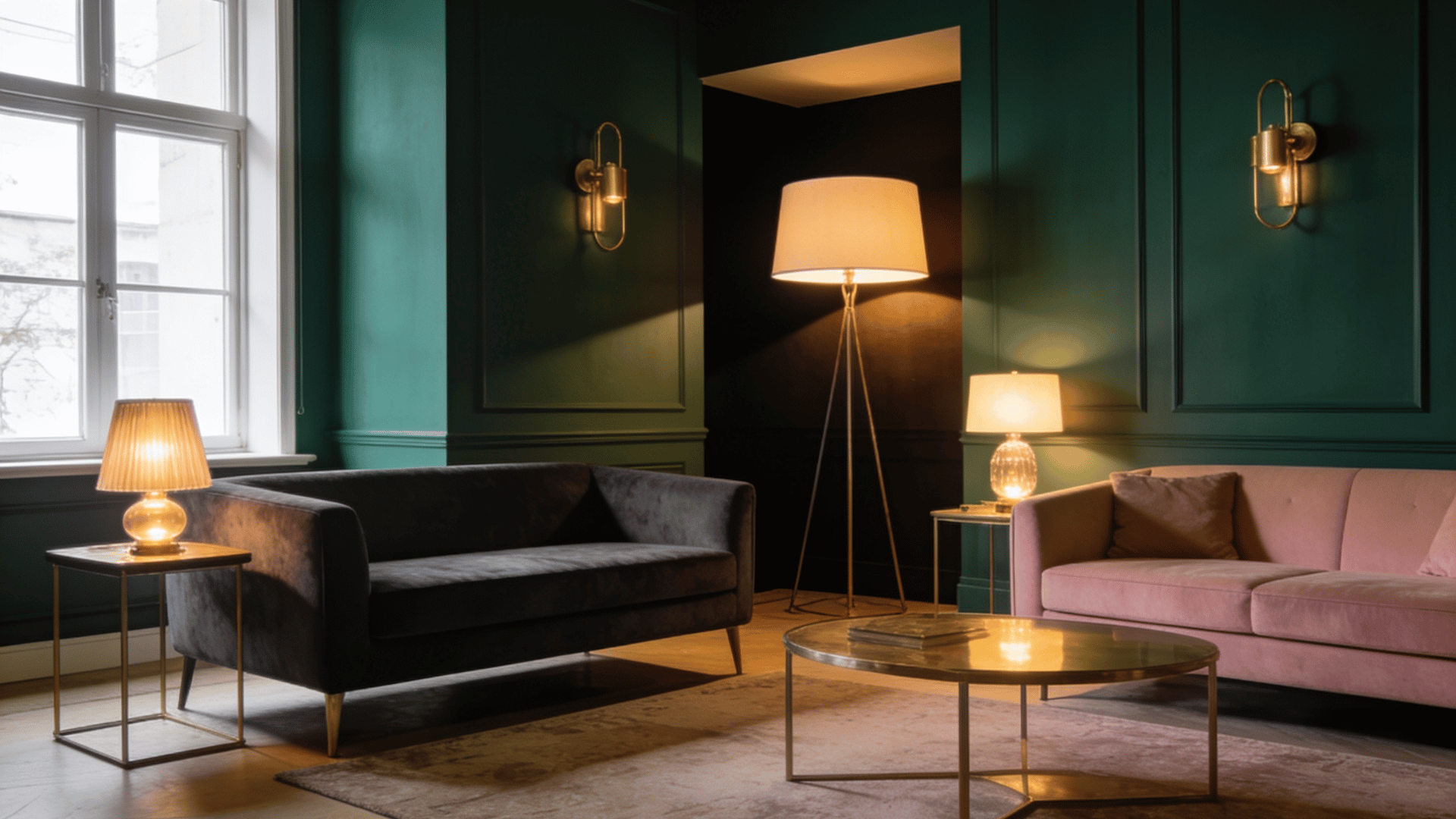
Good lighting can completely change the mood and size of a room. Dark corners often make spaces feel smaller, while layered lighting spreads brightness evenly.
I’ll admit a bias here: I believe almost every room could use one more lamp than it currently has. Layered light does more for a small space than people expect.
Key Points:
- Add floor lamps in empty corners
- Use table lamps for soft lighting
- Keep windows clear for daylight
- Choose bright bulbs for darker rooms
7. Keep Decor Simple
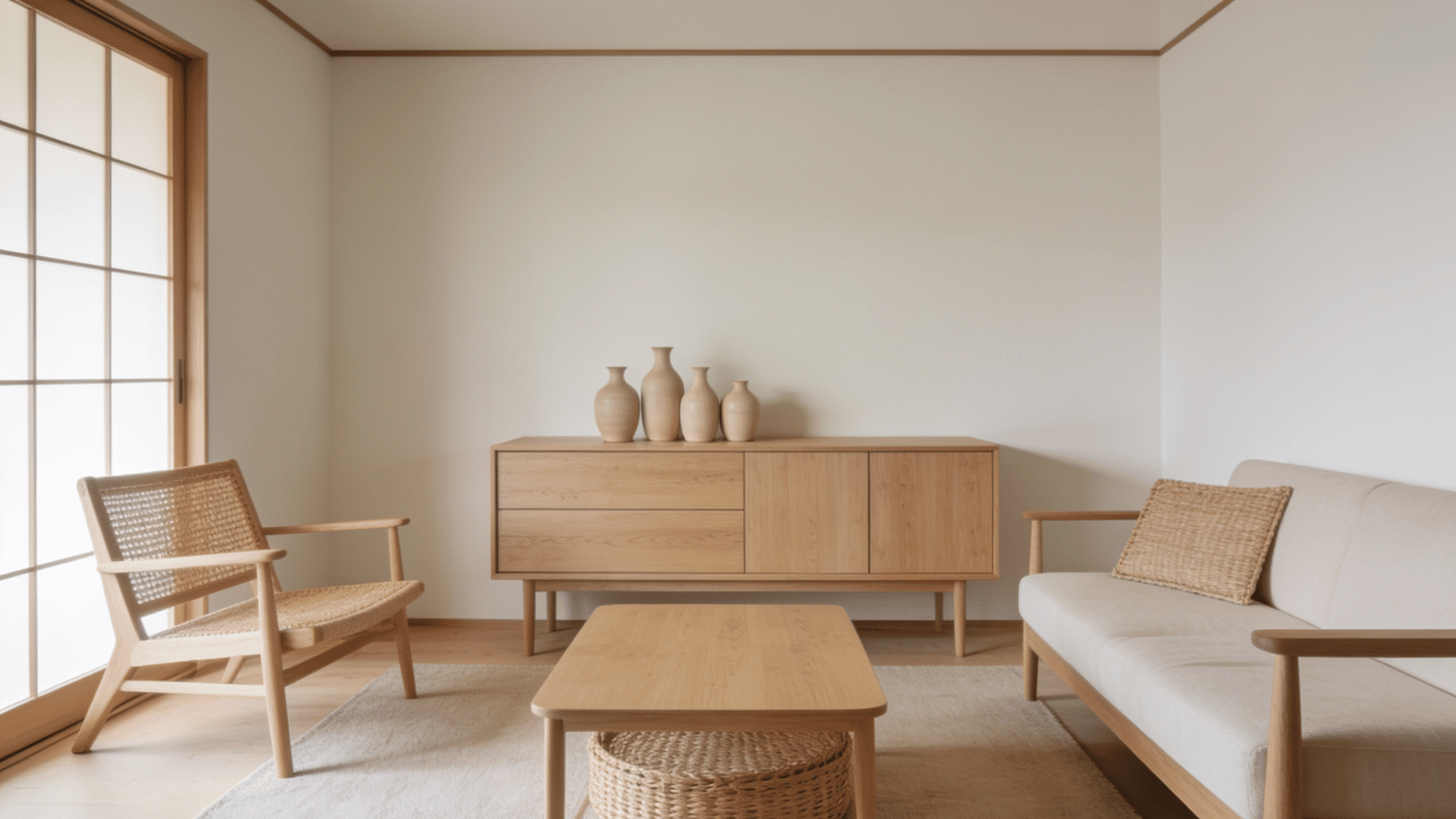
Too many decorative items can make a room feel busy and crowded. A cleaner approach helps important pieces stand out while keeping surfaces easier to manage.
Choosing fewer items with purpose can create a calmer-looking space. Simple decor choices can help a room feel less packed.
Key Points:
- Limit small decorations
- Keep surfaces mostly clear
- Group similar items together
- Leave some empty wall space
8. Add Storage Without Taking Floor Space
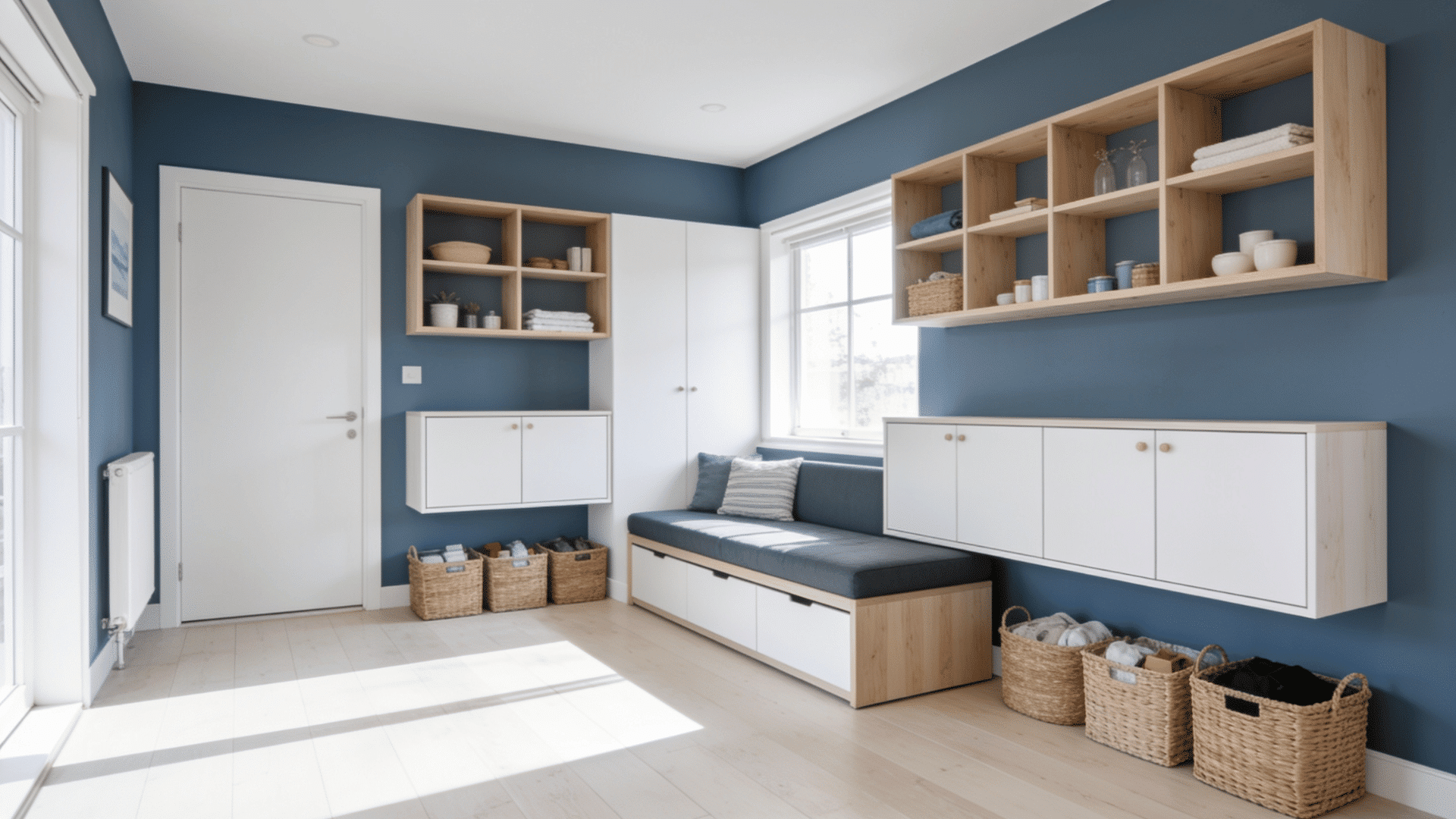
Storage problems often make small rooms feel smaller. Using walls and smart furniture options helps keep belongings organized without reducing open areas.
Keeping items out of sight creates a cleaner and more comfortable room, and smart organization throughout the home can help prevent everyday clutter from taking over valuable floor space.
Key Points:
- Add floating shelves
- Use storage beds or ottomans
- Install wall-mounted cabinets
- Use baskets for small items
9. Use Rugs to Define Space
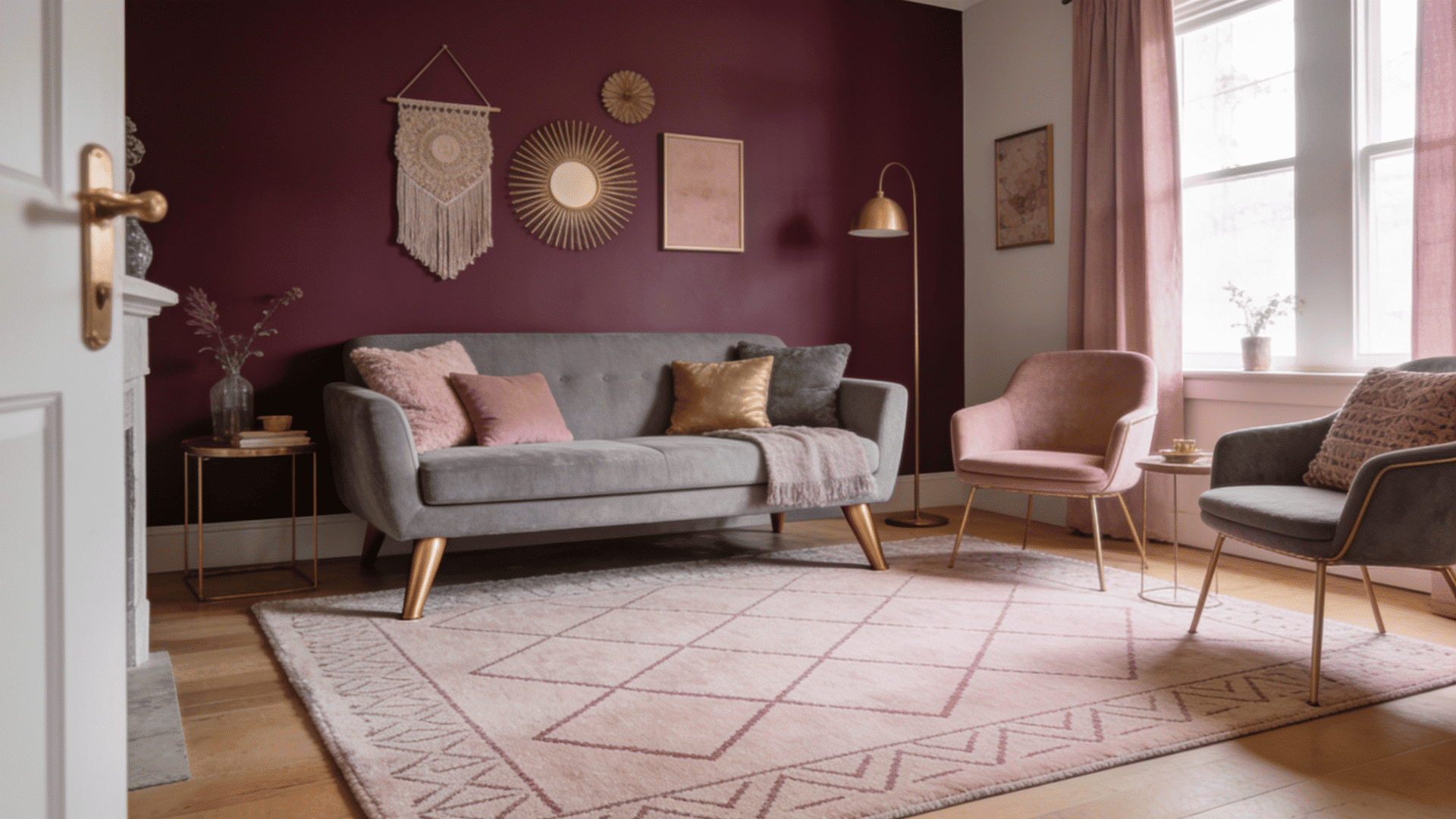
The right rug placement can help organize a room and make it feel connected. A rug that is too small can break up the space and make furniture feel scattered.
Choosing the correct size helps create a more balanced layout. A properly sized rug can make the room feel more complete.
Key Points:
- Select rugs that fit furniture areas
- Place the front legs of furniture on rugs
- Avoid tiny rugs in large rooms
- Use simple patterns for small spaces
10. Keep Colors Consistent Throughout the Room
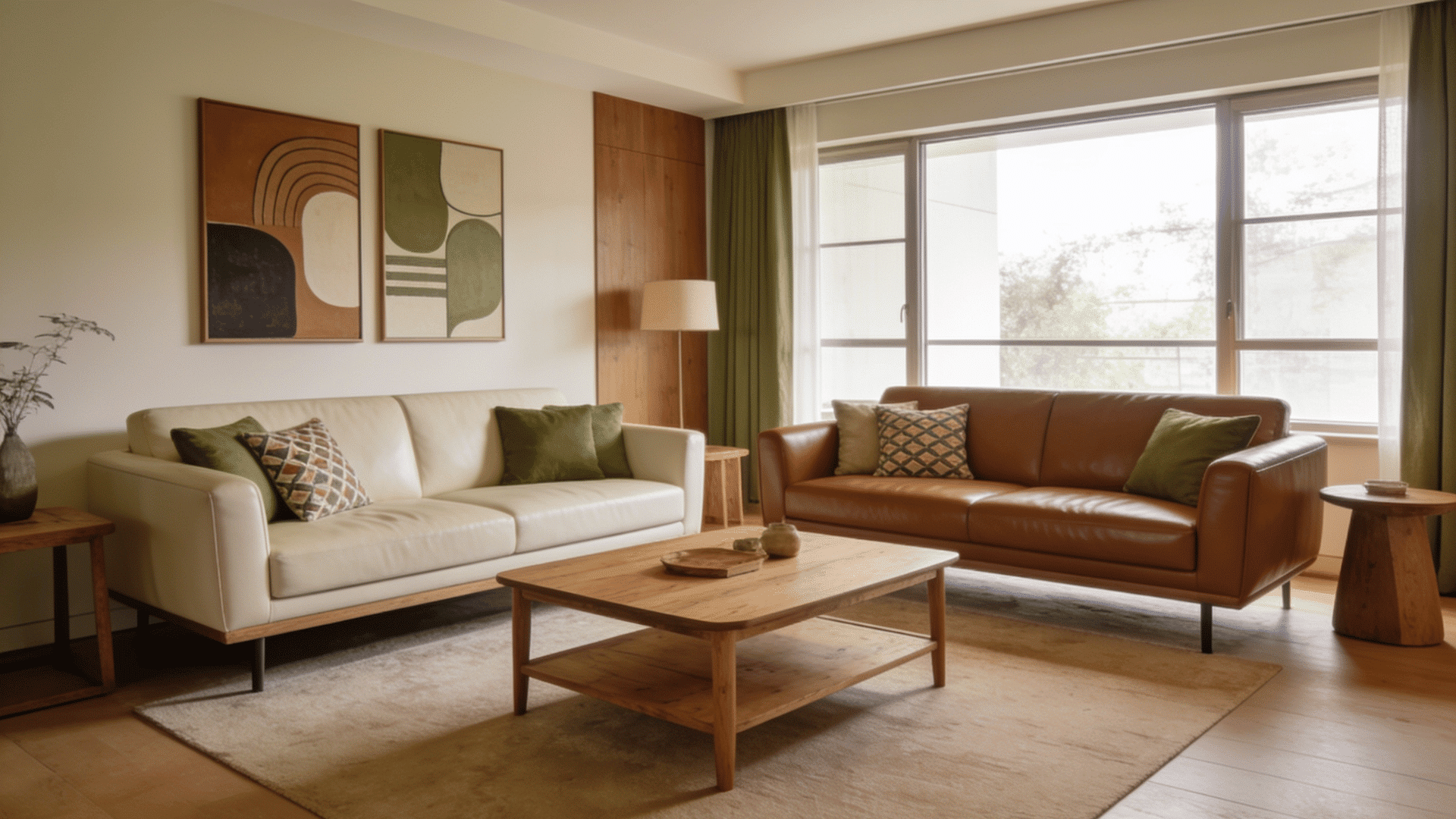
Using too many different colors can make a small room feel divided. A consistent color palette helps create a smoother visual flow.
You can still add personality through smaller details without making the space feel crowded. A balanced color scheme helps create a more spacious-looking room.
Key Points:
- Choose two to three main colors
- Match larger furniture pieces
- Add accents through cushions and art
- Avoid too many bold contrasts
11. Choose Furniture With Hidden Storage
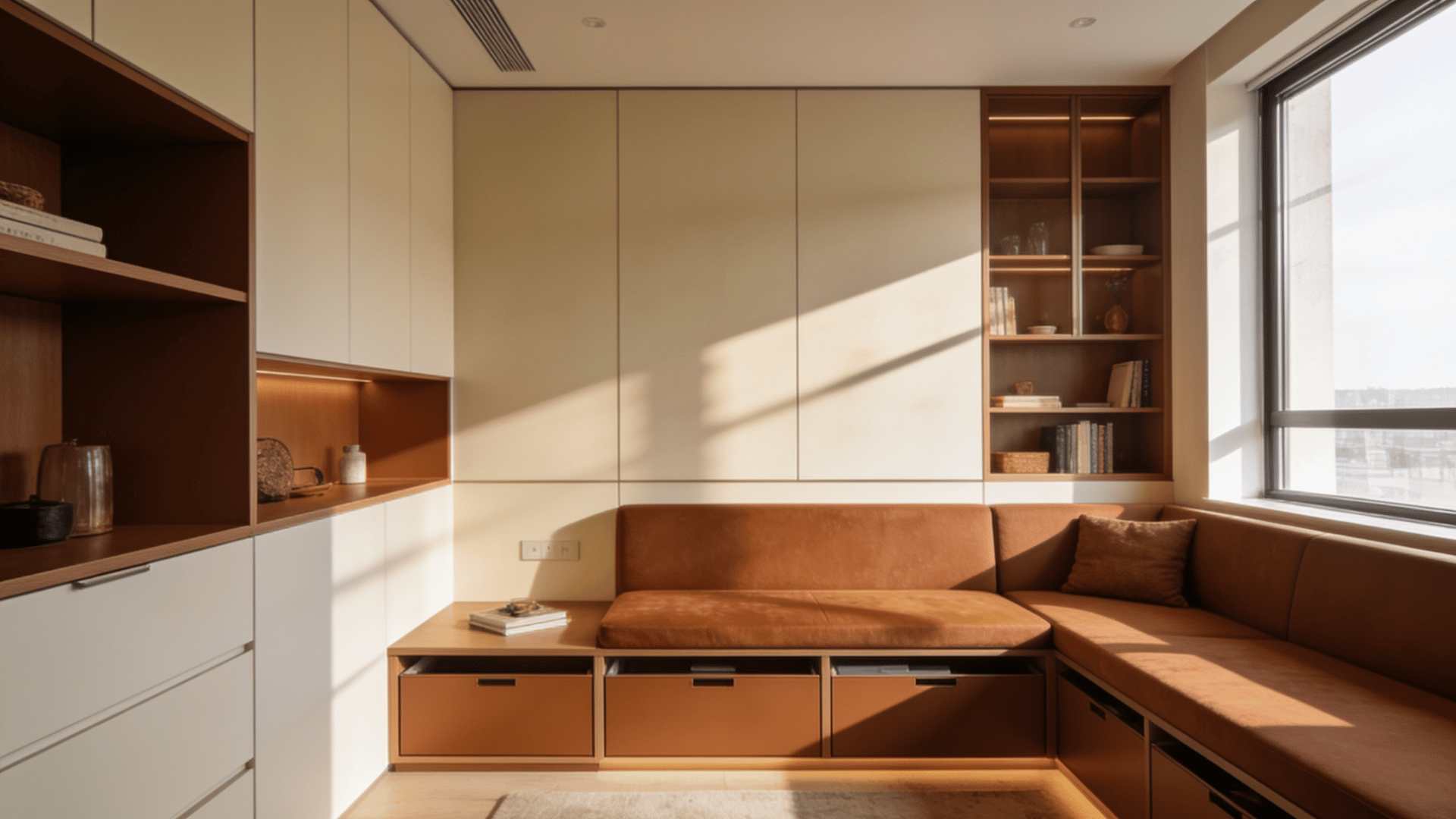
Furniture with built-in storage helps reduce clutter while keeping the room easier to use. Pieces like storage beds, ottomans, and benches provide extra space without adding more furniture.
Choosing multi-purpose furniture can keep belongings organized and free up visible floor space. A cleaner layout can make a small room feel more open and comfortable.
Key Points:
- Use ottomans with hidden storage
- Choose beds with built-in drawers
- Pick furniture with extra compartments
- Keep everyday items stored away
12. Use Glass or Transparent Furniture
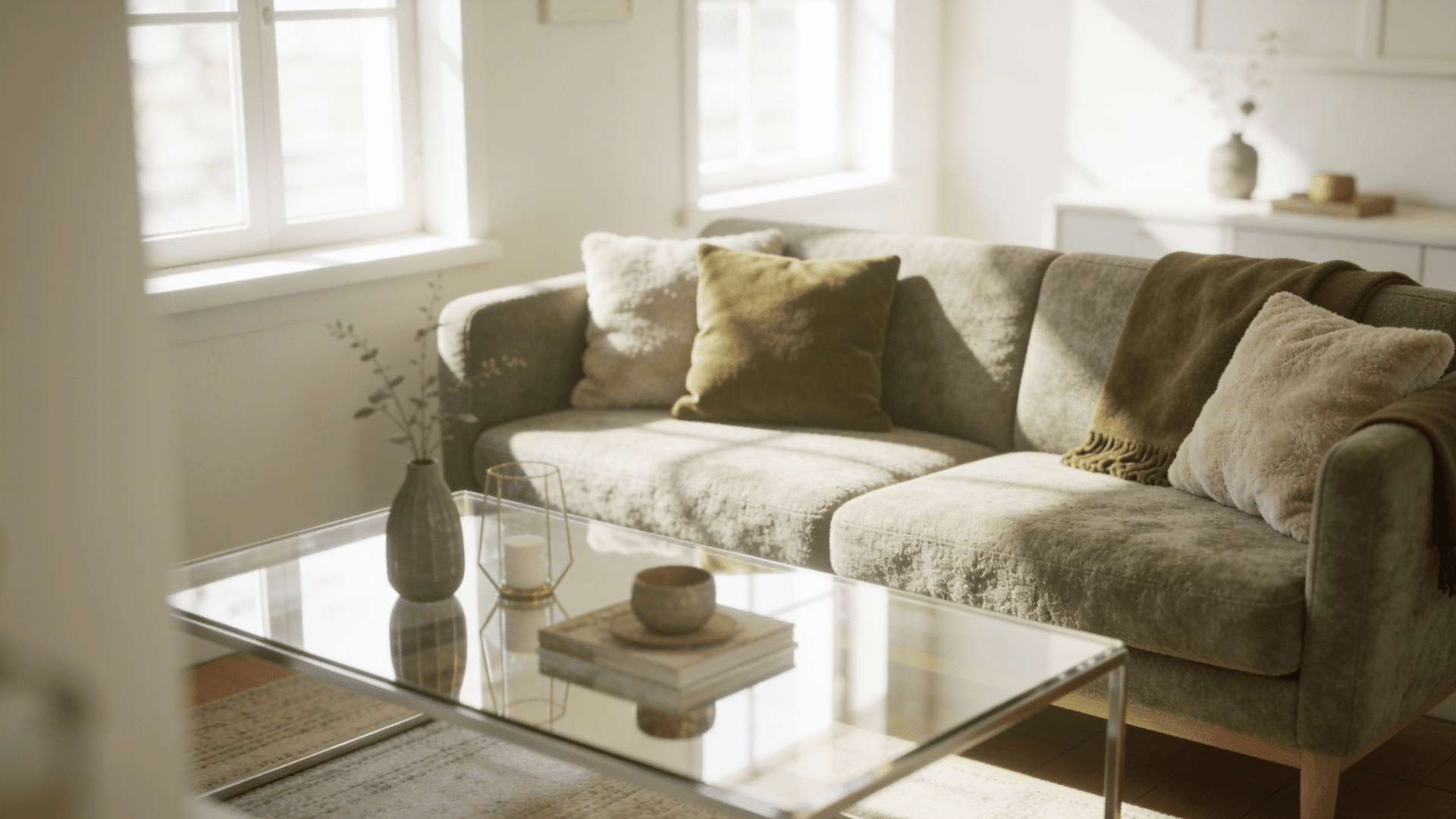
Transparent furniture can create a lighter visual effect by allowing other design elements in the room to remain visible. These pieces help maintain a clean look and can blend easily with different decor styles without making the space feel crowded.
Using clear materials can also add a modern touch while keeping the overall design simple and balanced. They work especially well in rooms where you want to maintain an airy appearance.
Key Points:
- Add glass surfaces for a sleek finish
- Select pieces that match existing decor
- Use transparent designs in tight areas
- Combine with solid furniture for balance
13. Create a Strong Focal Point
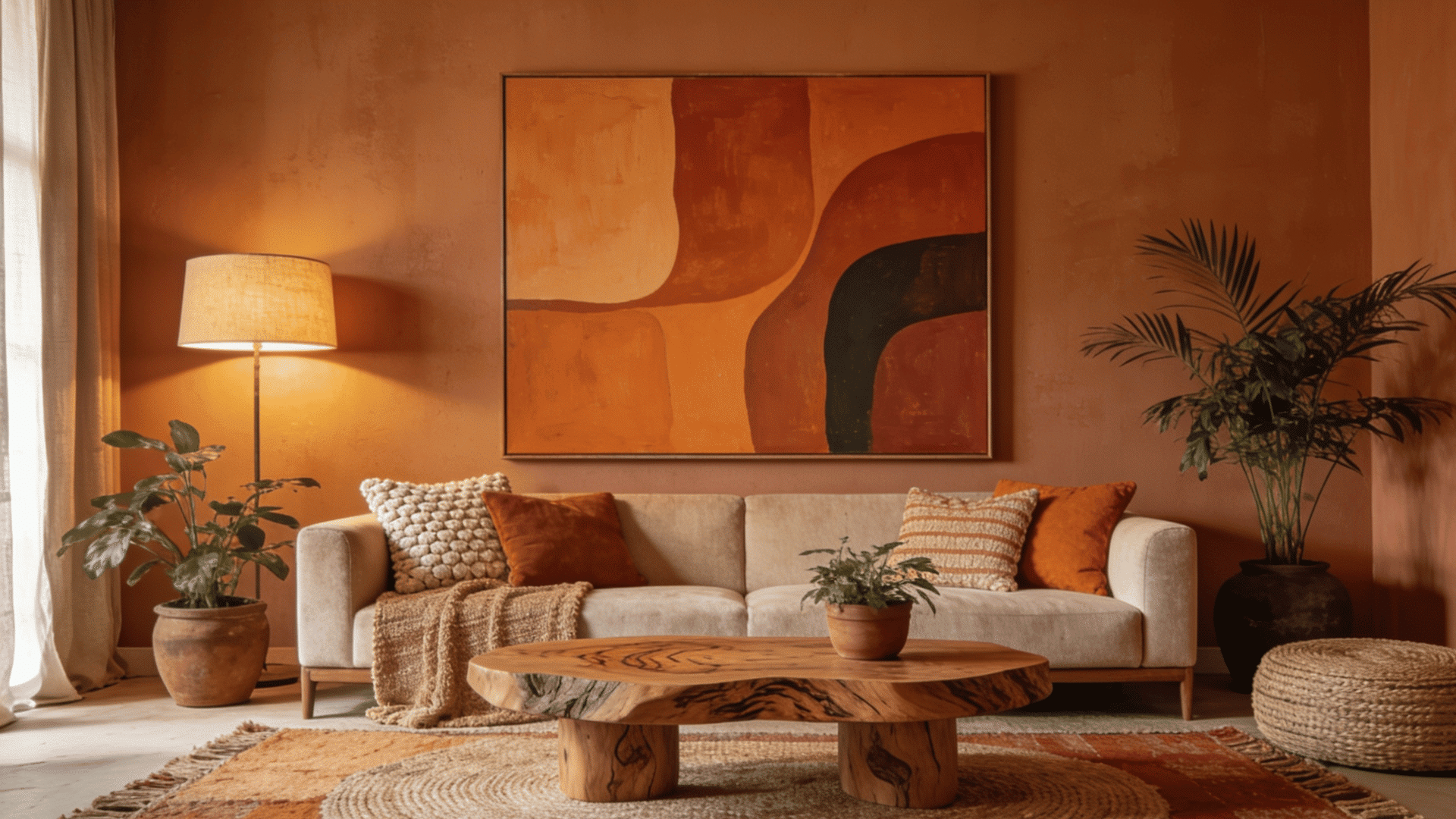
A focal point gives a room a clear design direction by creating one area that naturally draws attention. It can be a fireplace, artwork, architectural feature, or a unique piece of furniture that adds character to the space.
A carefully chosen feature can make the room feel more structured and visually interesting while allowing other elements to support the overall look.
Key Points:
- Use a fireplace or feature wall as an anchor
- Add a large artwork to create visual interest
- Highlight architectural details when available
- Select one statement piece that reflects your style
14. Use Vertical Space Effectively
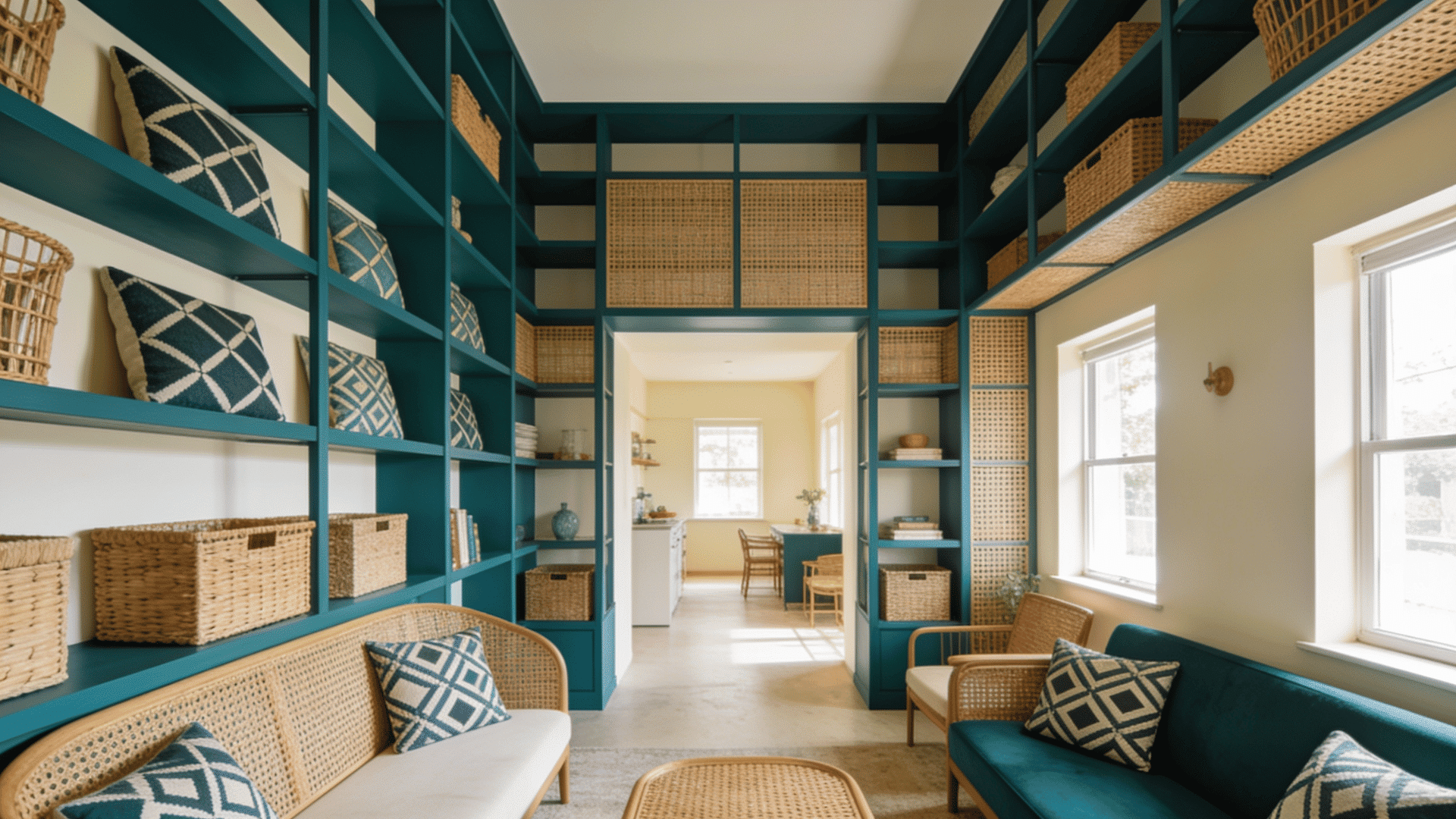
Using wall space can help reduce floor clutter and make a room feel taller. Tall shelves, wall-mounted storage, and vertical decor draw the eyes upward and create a better sense of height.
Using unused wall space helps keep the room functional without reducing walking space. This approach works especially well in compact rooms.
Key Points:
- Install tall shelves or cabinets
- Hang artwork higher on walls
- Use vertical storage options
- Keep floors clear when possible
15. Choose Furniture With Exposed Legs
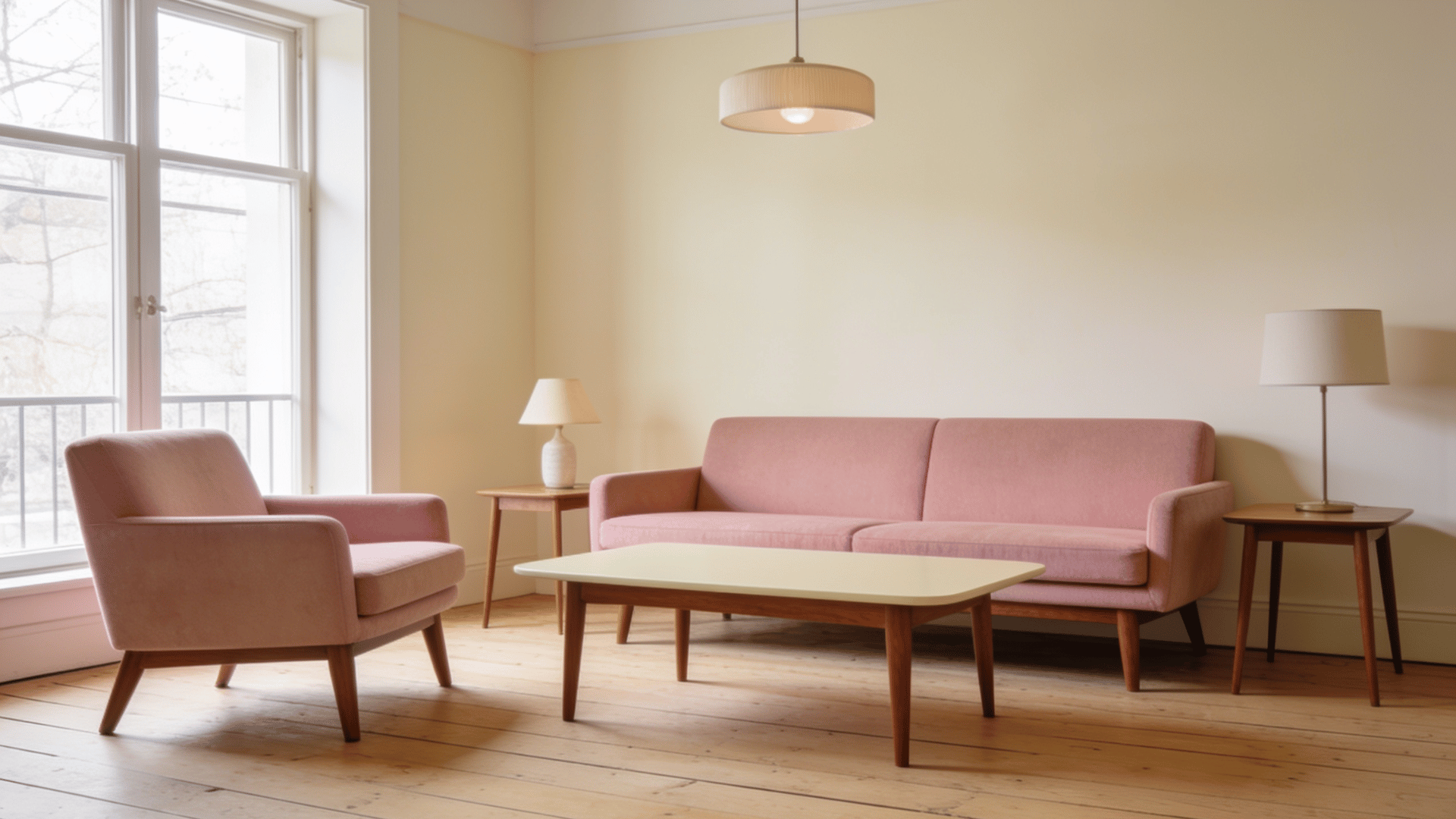
Furniture with visible legs creates more open space between the floor and the piece. This small design detail allows more flooring to remain visible, making the room feel less crowded.
Raised sofas, chairs, and tables can create a lighter appearance compared to bulky furniture that sits directly on the floor.
Key Points:
- Choose sofas with raised legs
- Use chairs with open bases
- Keep space under furniture clear
- Avoid heavy floor-level pieces
How to Make Different Rooms Look Bigger
Different rooms have different space challenges, so the most effective solutions vary depending on how the room is used. Focus on the changes that have the biggest visual impact first to make the space feel larger with minimal effort.
| #1 – Small Living Room What to Do: Prioritize properly scaled furniture, layered lighting, and strategically placed mirrors. Choose a sofa that fits the room, avoid blocking walkways, and arrange furniture to create an open flow. |
| #2 – Small Bedroom What to Do: Use vertical storage, hang curtains close to the ceiling, and choose lighter wall colors. A low-profile bed with built-in storage helps maximize floor space while reducing clutter. |
| #3 – Studio Apartment What to Do: Create separate zones using rugs, curtains, shelving, or furniture placement. Keep surfaces tidy and define living, sleeping, and dining areas to make the space feel more organized. |
| #4 – Small Dining Room What to Do: Opt for a round dining table, wall-mounted lighting, and reflective surfaces such as mirrors or glass. These features improve traffic flow and help the room feel more open |
What Interior Designers Recommend for Small Spaces
Interior designers often focus on creating the illusion of more space through smart furniture choices, vertical elements, and intentional layouts. These expert insights highlight simple design decisions that can help smaller rooms feel more open and balanced.
Emily Henderson, interior designer and founder of Style by Emily Henderson, consistently emphasizes the importance of editing and removing unnecessary pieces from smaller rooms rather than adding more. Her approach focuses on purposeful furniture choices and giving each piece enough room to breathe.
Brad Thornton, founder and lead designer at Thornton Projects, recommends thinking vertically as a first step. Using the full height of a room draws the eye upward and creates the feeling of higher ceilings and more open space one of the most underused strategies in small-room design.
Alexandra Gater, a home design consultant and author of Own Your Space, suggests adding 18 to 24 inches of walking room behind sofas and armchairs. That gap creates a visible sense of depth and is one of the simplest layout adjustments, at no cost.
Quick Checklist for a More Open Room
You do not always need major changes to make a room feel bigger. These simple adjustments can improve the flow, reduce visual clutter, and create a more open feeling.
| Tip | How It Helps | Quick Action |
|---|---|---|
| Remove unused items | Creates more space and reduces visual clutter | Clear out furniture, decor, and belongings you no longer use |
| Keep surfaces clear | Makes rooms look cleaner and more open | Limit items on tables, shelves, and countertops |
| Use matching storage pieces | Creates a more organized appearance | Choose consistent baskets or containers |
| Leave space around furniture | Makes the room feel larger and easier to move through | Avoid filling every corner or wall space |
| Replace heavy drapes with sheers or blinds | Lets more natural light in without sacrificing privacy | Swap curtain panels for lightweight linen or sheer panels |
| Use continuous flooring throughout | Fewer visual breaks make the space feel longer and more connected | Avoid area rugs that stop short of doorways or walls |
Final Thoughts
Making a room feel larger comes down to thoughtful choices that support light, movement, and visual balance.
A clear layout, properly scaled furniture, simple decor, and consistent colors can help the space feel less crowded without changing its actual size.
I always recommend starting with the easiest adjustment, then reviewing how the room feels before adding anything else. Focus on what blocks light, interrupts movement, or creates unnecessary visual breaks. You do not need to apply every idea at once.
Choose the tips that suit your room, budget, and daily routine, then keep the space organized so the open feeling lasts.
Frequently Asked Questions
What Paint Finish Works Best In a Small Room?
Eggshell or satin paint works well because it reflects some light while hiding minor wall imperfections.
Can Wallpaper Make a Room Look Bigger?
Yes, light colors, subtle patterns, and vertical stripes can add depth or height without overwhelming a small room.
Do Sliding Doors Save Space In Small Rooms?
Yes, sliding doors eliminate the swing space required by regular doors and can improve room flow.
Can Plants Make a Small Room Feel Bigger?
Yes, a few well-placed plants can add freshness without taking away from the room’s available space.

One Response