

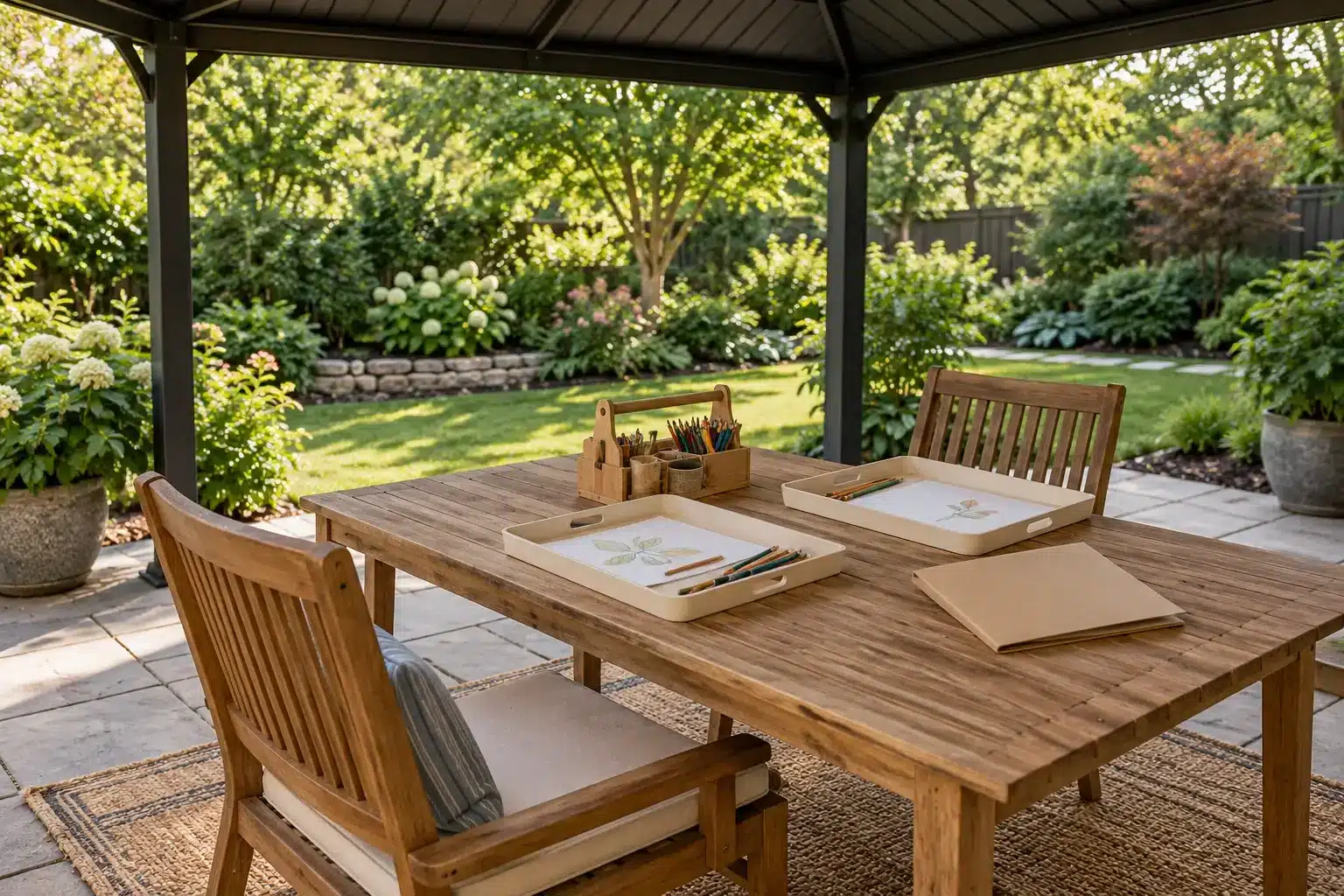
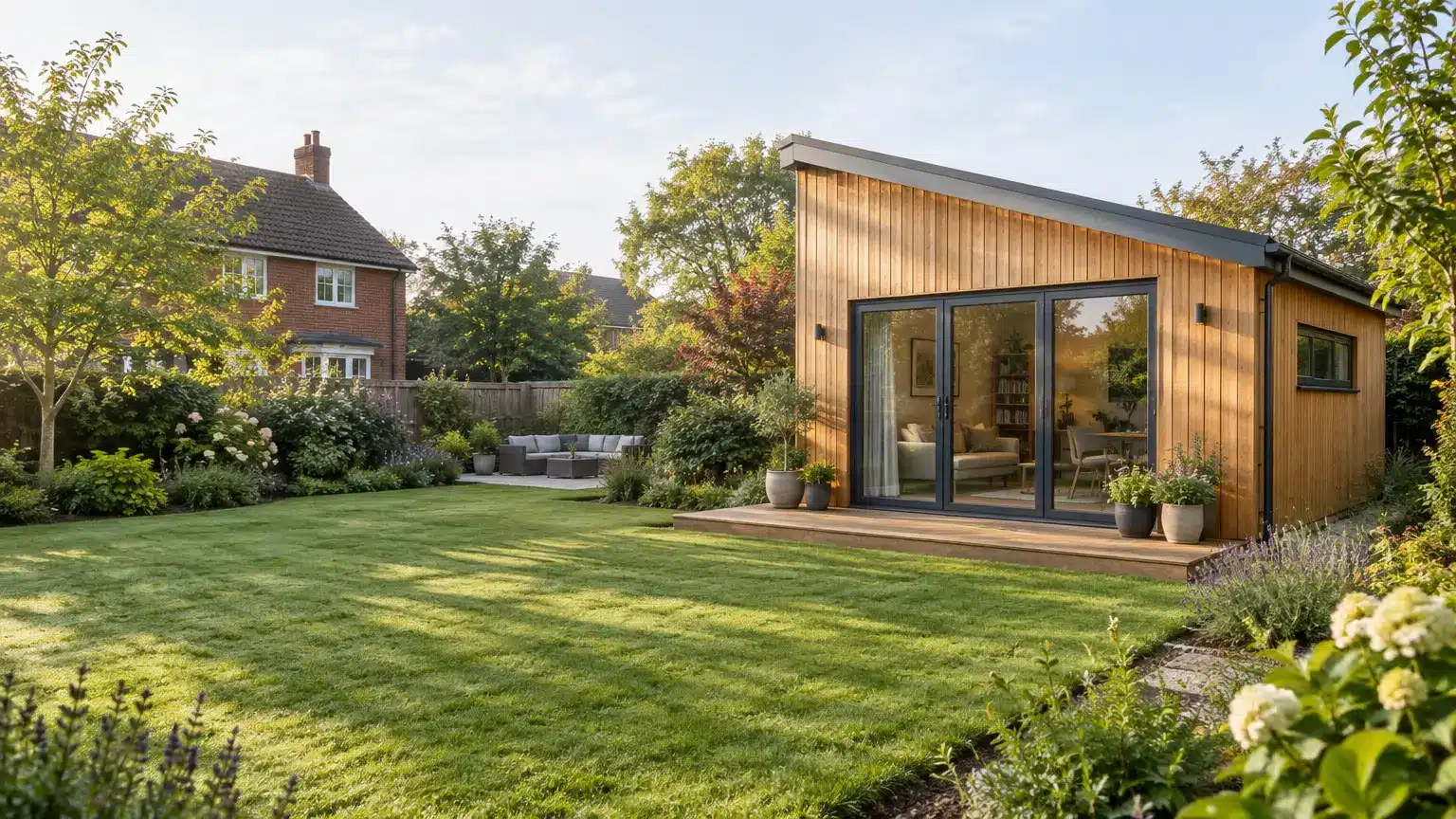

A backyard can be much more than a lawn and a fence. With a little planning, the same patch of grass where children kick a ball can become a battlefield, a jungle mission, or a secret agent training ground. Families, birthday hosts, and small event organizers are discovering that a backyard game zone costs less than a rented venue and offers far more flexibility.
If you are curious about the format, the setups described at https://lasertag.net/outdoor-laser-tag show how outdoor games work with portable equipment and natural surroundings. The good news is that you do not need a large property or complicated construction. You need a clear plan, a few props, and attention to safety.
Measure Your Space and Choose a Game Size That Fits
Start by walking the yard and noting its size, shape, and features. A small lawn works well for short rounds with four to six players, while a larger yard or adjacent open area can handle bigger groups. Mark the boundaries clearly with cones, rope, or bright tape so that everyone knows where play begins and ends. A defined arena keeps the game fair and prevents players from wandering into flower beds or the road.
Use Natural Features as Ready-Made Cover
Trees, bushes, garden walls, and sheds can serve as barriers without any extra cost. Position the starting zones on opposite sides, then let the existing features create hiding places and shooting lanes. Check that cover points are stable and safe, and avoid anything with sharp edges, loose parts, or fragile decorations. A varied layout gives players several tactical choices and keeps each round feeling different.
Build Simple Obstacles From Everyday Items
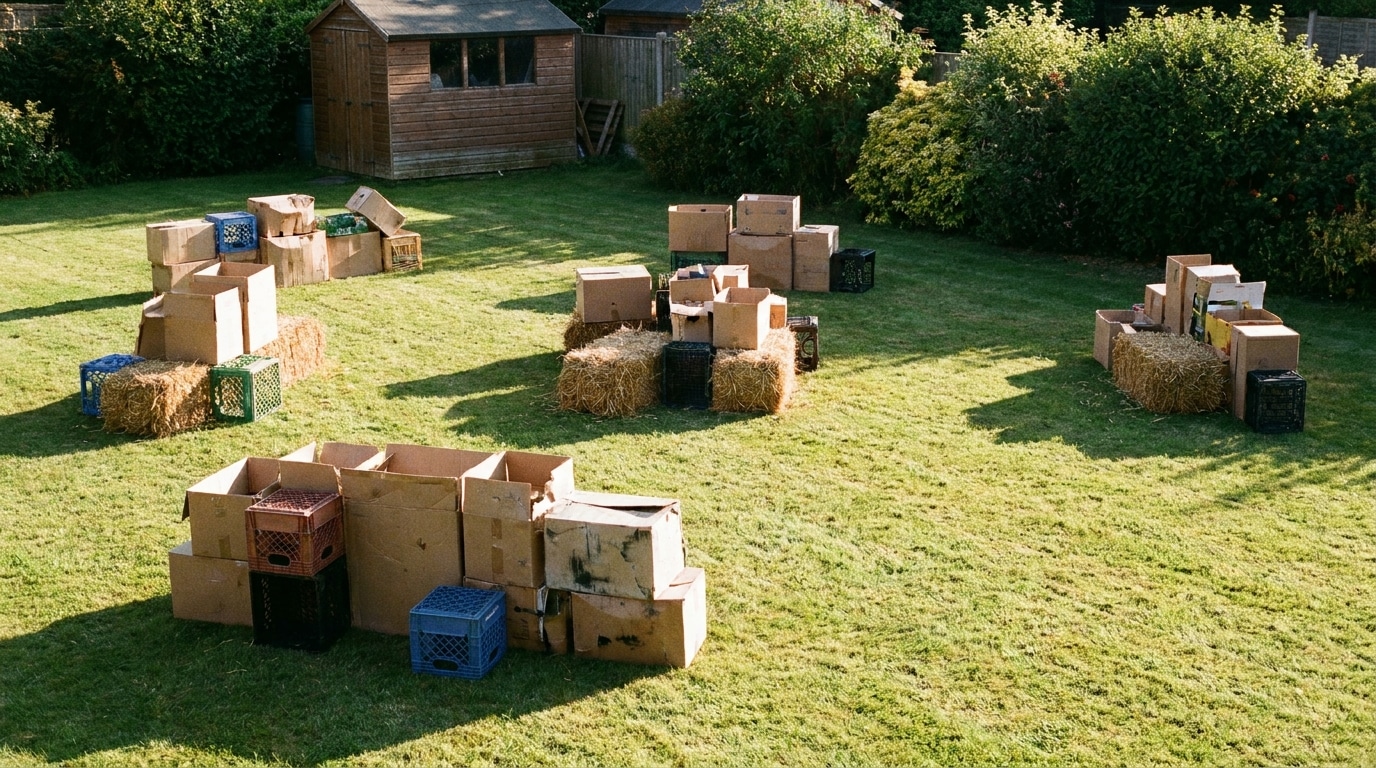
You can create a surprisingly rich arena using inexpensive items. Cardboard boxes, hay bales, plastic crates, garden furniture, and fabric sheets all work as temporary barriers. Inflatable or lightweight foam shapes are also popular because they set up quickly and are gentle on players who crash into them. Keep obstacles low enough for adults to supervise the whole area, and secure anything that might tip over in wind.
Add a Story to Make the Game Memorable
A theme turns a simple match into an adventure. Try a treasure hunt, a space rescue, a zombie defense, or a spy mission, and give each team a goal beyond eliminating opponents. Quick mission briefings, team names, and small props, such as flags or colored armbands, make children feel part of a bigger story. Even adults enjoy a short, playful narrative that sets the tone.
Game Ideas That Work in a Small Yard
Variety keeps guests engaged. Here are formats that suit limited spaces:
- Capture the flag: each team protects a flag while trying to take the other’s.
- Defend the base: one team guards a central point, while the other attacks in waves.
- Last team standing: short elimination rounds with quick resets.
- Mission relay: players complete small tasks between rounds to earn bonus points.
- Free-for-all sprint: a fast, informal round to warm up or end the day.
Plan for Weather and Light
Outdoor play depends on conditions. Bright daylight, rain, and strong wind all affect both comfort and equipment performance, so check the manufacturer’s guidance before you start. Early evening often provides softer light and cooler temperatures in summer. Keep a shaded rest area, plenty of water, and a backup plan or date in case the weather turns.
Put Safety Rules First

Even a friendly backyard game needs clear rules. Brief every player before starting: no running into barriers, no aiming at faces, and a signal to pause the game when needed. Check the ground for holes, toys, and slippery spots, and make sure children wear closed shoes. An adult should supervise at all times and enforce the rules calmly but firmly. Follow the recommended age range for any equipment you use.
Keep Guests Comfortable Between Rounds
Fun lasts longer when players can rest. Set up a seating corner, offer water and light snacks, and give kids time to talk about the last round. Short breaks help younger players recover and reduce arguments. Keep scoreboards or simple tally sheets visible so teams can track progress and feel motivated to play again.
Make the Backyard a Regular Adventure Zone
Once the setup is ready, it can be reused and refreshed easily. Change the layout, rotate themes, and invite neighbors, friends, or a school group for a seasonal event. A backyard adventure zone costs little, gets children away from screens, and creates memories that outlast any single party. With some creativity and careful planning, your own garden can become the favorite place to play.