


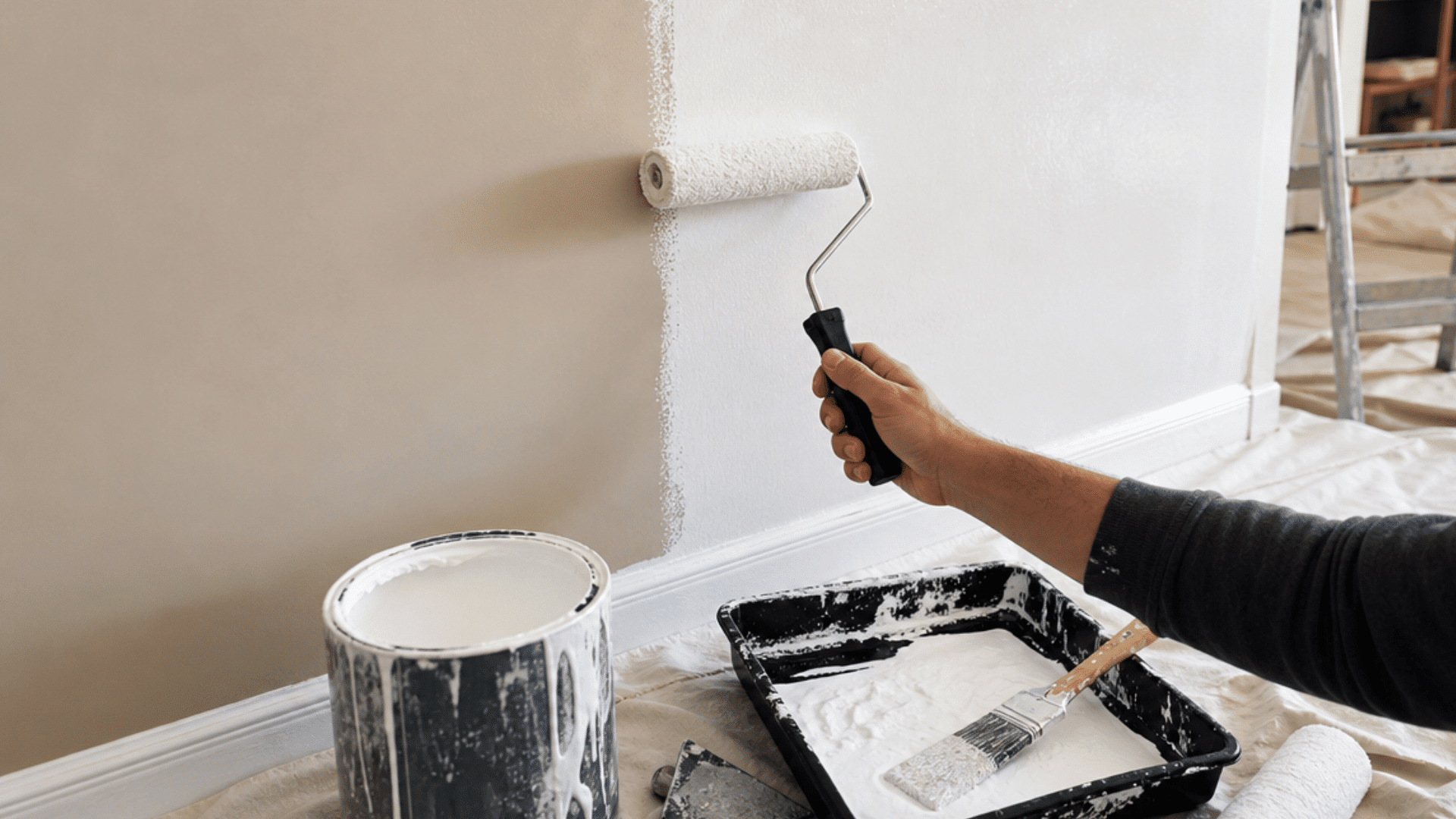
Paint drying time often feels simple at first, but it quickly becomes confusing. I have seen many people assume a wall is ready just because the surface feels dry, only to find marks or damage when they touch it too soon.
Many people struggle with knowing the right moment to touch, clean, or move furniture back without leaving marks. This becomes even more important when you want a clean, even finish that lasts.
In this blog, I’ll share what I have learned about how paint behaves as it dries, including the factors that affect drying time.
Understanding these details can help you avoid common mistakes, plan your home projects better, and use your space again with more confidence.
How Long Does Paint Take to Dry?
Paint usually feels dry within a few hours, but the time it takes to become fully ready for everyday use depends on several conditions.
A surface may feel smooth to the touch while the paint underneath is still soft and continuing to harden.
In most home projects, it is best to allow enough time after the final coat before placing furniture back, hanging decorations, or cleaning the surface.
Waiting longer helps reduce the risk of scratches, smudges, dents, or uneven marks while the finish is still settling.
What Changes the Paint Drying Time?
Paint drying time is affected by a mix of room conditions and how the paint is applied. Small changes in these factors can noticeably speed up or slow down how quickly a surface feels dry.
- Humidity levels in the room: High humidity slows evaporation, so paint stays wet longer. Dry air helps moisture leave the surface faster, making drying quicker and more even.
- Room temperature conditions: Warm temperatures help paint settle and dry at a steady pace. Cold rooms slow the drying process and can make the paint take much longer to set.
- Thickness of the paint layer: Thin coats dry faster because less moisture is trapped in the layer. Thick coats hold more paint and need extra time to fully dry inside and out.
- Air circulation in the space: Good airflow helps move moisture away from the painted surface. Still air traps humidity around the wall and slows down drying.
- Type of surface being painted: Porous surfaces absorb paint differently, while smooth or sealed finishes may affect adhesion and drying behavior. When painting over stained wood, the age of the stain, surface gloss, primer, and preparation can all influence how well the new coat sets.
Touch Dry vs. Fully Dry vs. Cure Time
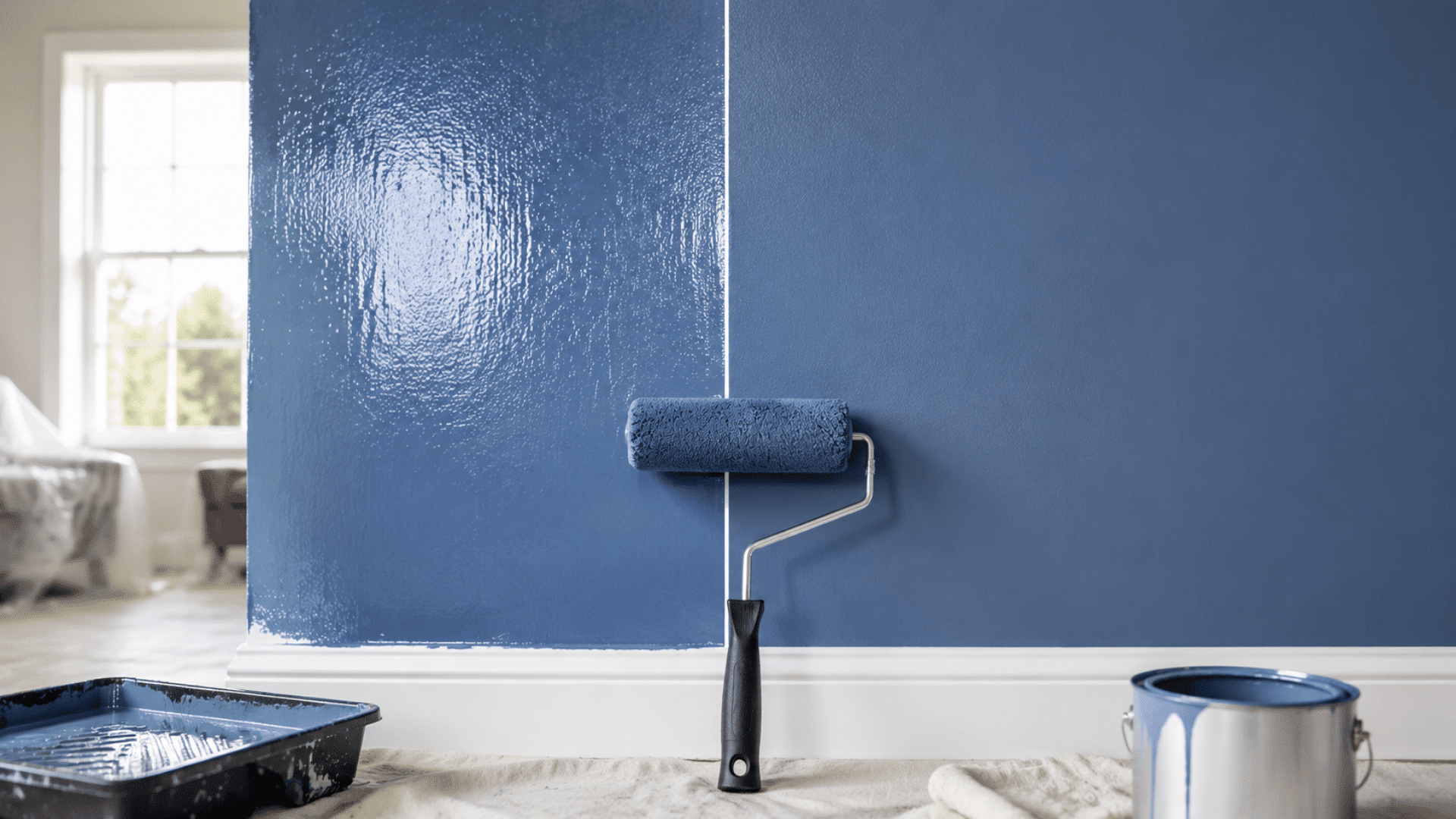
Paint dries in stages, and each stage determines how safely you can use the surface without causing marks or damage. Knowing these stages helps avoid mistakes during DIY painting work.
| Stage | What it means | What you can do | Cure time |
|---|---|---|---|
|
Touch dry |
Surface feels dry, but paint is still soft underneath | Light touch only, avoid pressure or rubbing | A few hours |
|
Fully dry |
Paint has set and looks evenly finished | Light use of the room, careful contact is okay | Several hours to 1 day |
|
Cure time |
Paint is fully hardened and strong throughout | Safe for cleaning, scrubbing, and normal use | Several days to a few weeks |
Tip: Paint may look ready early, but full strength only comes after curing is complete. Always wait longer in humid rooms or during cold weather, since both can significantly slow the drying and curing process.
How Paint Type Effects the Drying Time
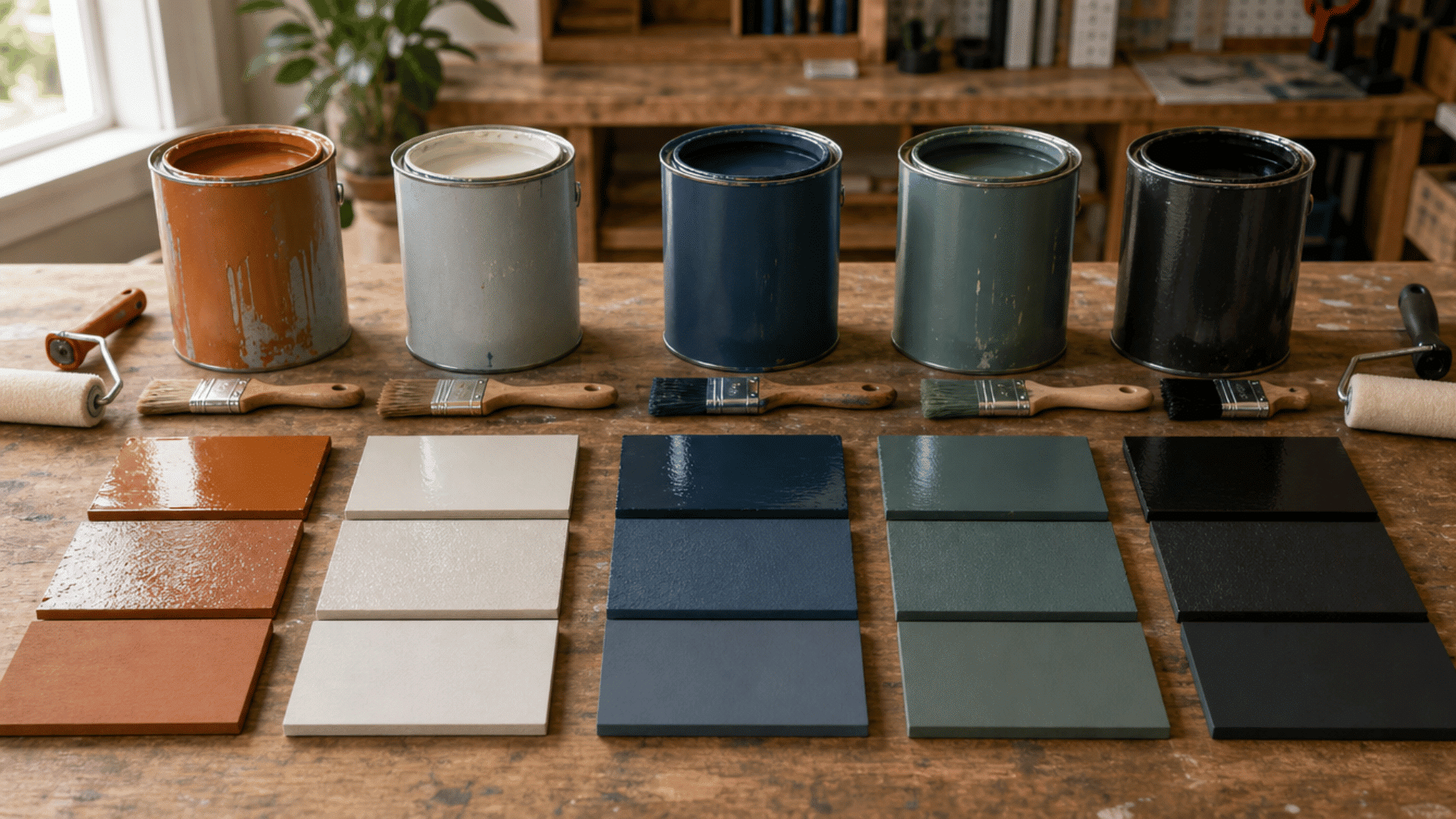
Not all paints behave the same way once they leave the can. Beyond the standard water-based, oil-based, and primer coats, several other paint types are common in DIY projects, and each comes with its own drying quirks worth knowing before you start.
1. Chalk or Mineral Paint
Chalk and mineral paints are popular for furniture and accent pieces because of their fast-drying, matte finish. The surface sets quickly, but that speed can be misleading if a second coat or a wax layer is applied too soon.
Key Points:
- Feels dry to the touch in as little as 30 minutes
- Recoating too early can lift or drag the first layer instead of sitting on top of it
- Wait at least 1–2 hours between coats, longer in humid conditions
- Sealing wax or top coats should only go on after the paint has fully dried, not just touch-dried
2. Enamel or Trim Paint
Enamel is the go-to choice for doors, cabinets, and trim because of its hard, glossy, chip-resistant finish. That durability comes at the cost of a longer dry time than standard wall paint.
Key Points:
- Touch-dry in about4–6 hours, longer than typical wall paint
- Needs a full 24 hours before handling doors, drawers, or cabinets normally
- High-touch surfaces benefit from the extra wait since the finish becomes noticeably harder once cured
- Avoid closing painted doors or drawers shut until fully dry to prevent sticking
3. Exterior Paint
Exterior paint depends far more on weather conditions than on a fixed clock. The same paint can dry in half the time on a warm, dry day or barely set at all in damp conditions.
Key Points:
- Direct, intense sun can dry the surface too quickly, leading to cracking or uneven texture
- Rain or high humidity within the first few hours can wash out or ruin the finish
- Ideal application windows are mild temperatures with low humidity and no rain in the forecast
- Always check a multi-hour weather window before starting, not just the current conditions
4. Textured Paint
Textured paint is applied in a noticeably thicker layer to create raised patterns or surface depth, which naturally extends drying time compared to a flat, smooth coat.
Key Points:
- Can take close to double the drying time of standard wall paint due to the thicker application
- The surface may feel dry, while the texture underneath is still soft
- Avoid touching or smoothing the pattern while it’s setting, since pressure can flatten or smudge the texture
- Extra ventilation helps since the thicker layer holds more moisture
5. Varnish or Polyurethane
Varnish and polyurethane are typically used to protect wood surfaces, and they dry more slowly than regular paint. Their finish is also more vulnerable to airborne dust and debris while still wet.
Key Points:
- Touch-dry time often ranges from 6–8 hours depending on the product and layer thickness
- Multiple thin coats produce a smoother, more durable result than one thick layer
- Wet varnish attracts dust easily, so painting in a low-dust, low-traffic area matters
- Full cure can take several days to a week before the surface handles regular wear
Real World Experience and Advice From People
Fresh paint can feel dry before it is fully ready for regular use. A wall may feel touch-dry within a few hours, but the paint underneath can still be softer and easier to mark.
“Should be 1hr to touch. The outlet covers are fine. Hanging picture maybe a little more as they tend to slide either up or down and side to side when putting them up.” – Wetpaintcan, Reddit
“It should say on the paint can the time for a full cure. It’ll be longer than you think. Something like 7-30 days depending on the paint you used.” – Nfitzsim, Reddit
“For miniature painting, paint dries quickly if you don’t apply really thick coats. Usually it takes only a few minutes.” – EmperorsChildren, Reddit
“Several people advise allowing paint to cure instead of only waiting until it feels dry, especially before placing furniture against walls or cleaning the surface.” – Reddit
Simple Way to Know if Paint is Ready to Use
A few simple checks can help you tell if paint is ready for normal use without relying only on drying time. These steps make it easier to avoid marks, smudges, or damage from using the surface too soon.
|
1. Touch Test |
|
2. Tape Test |
|
3. Smell Test |
Final Thoughts
Paint drying is not just about waiting for the surface to look finished. It is about giving the material enough time to settle so the result stays smooth and long-lasting.
Every project feels different because room conditions, application style, and usage needs all change the outcome. Instead of rushing, it helps to think in stages and allow extra time when needed.
This simple habit reduces common issues such as marks, uneven spots, and early damage.
A little patience during the process always leads to a cleaner result and helps the painted space stay in better condition for everyday use over time.
Frequently Asked Questions
Can Paint Dry Faster with a Fan or Heater?
A fan helps speed up drying by improving airflow, while a heater gives mild support if used carefully.
Why Does Paint Feel Dry but Still Get Damaged?
Only the top layer dries first, while the deeper layers remain soft and need more time to set.
Does Paint Color Affect Drying Time?
Darker shades may take slightly longer because they often need heavier or more even application.
Is It Safe to Sleep in a Freshly Painted Room?
It is better to wait until the smell reduces and the surface feels fully stable before staying inside for long.