



Becoming a parent transforms daily life, often leaving little room for the interests and routines that once filled weekends and evenings. As families gradually settle into feeding, sleeping and childcare patterns, however, many new parents begin looking for manageable hobbies that restore a sense of identity, support their wellbeing or create opportunities to connect with others.
Recent evidence explains why this is important. A 2025 poll of more than 700 UK parents found that 50% experienced increased mental-health challenges during the first 1,001 days of parenthood. The figure rose to 61% among mothers and stood at 38% among fathers. Meanwhile, 30% said parenthood affected their mental health both positively and negatively. Against that background, hobbies are not merely distractions. They can provide structure, social contact and a valuable break from the continuous demands of caring for a baby.
Walking and Outdoor Exercise
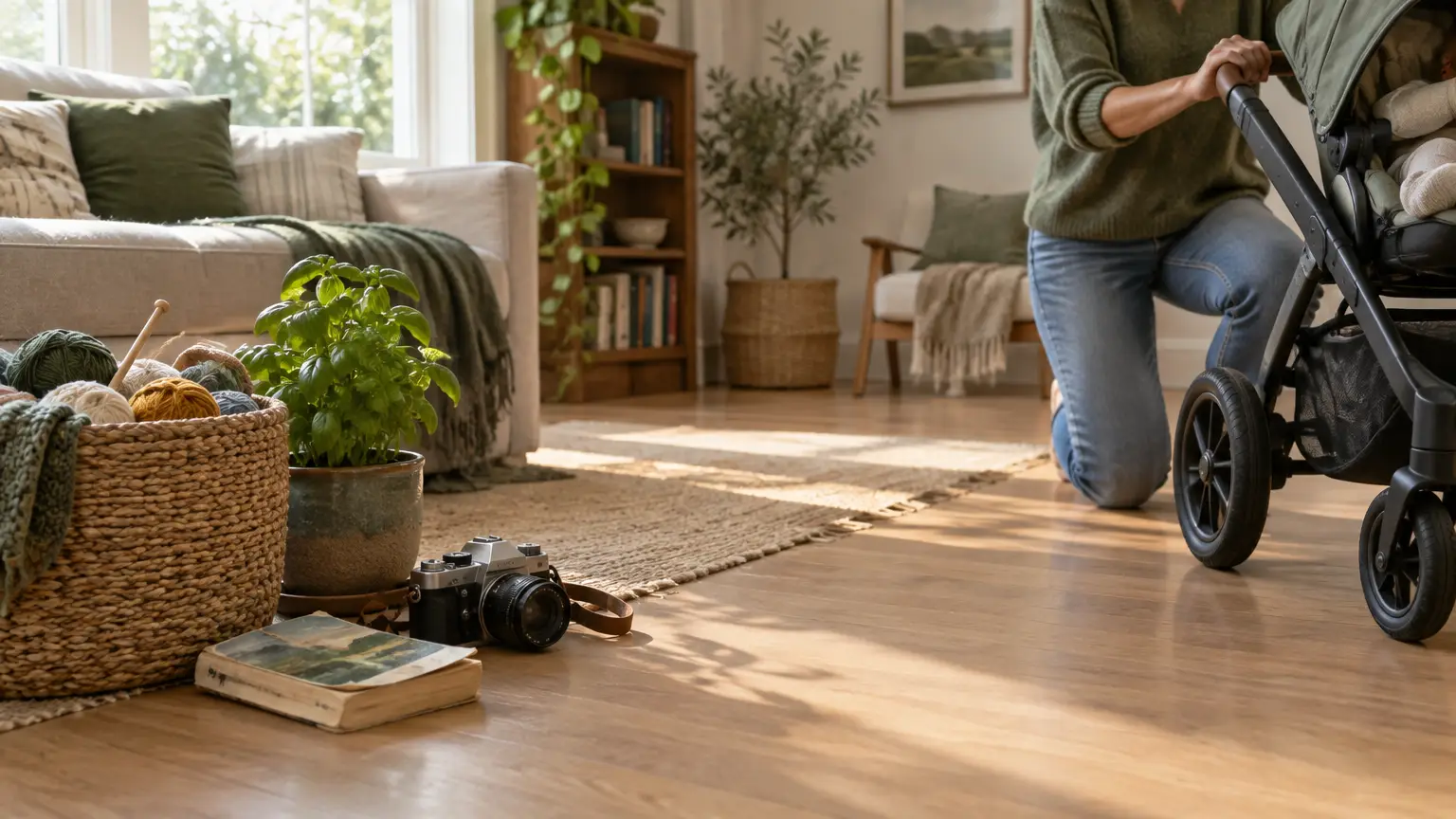
Walking is one of the easiest hobbies for new parents to adopt because it does not require specialist training, a regular booking or extensive preparation. Parents can take a baby in a pram or carrier, explore local parks and gradually increase the length of each outing.
Some turn these walks into more purposeful activities by following nature trails, photographing seasonal changes or listening to audiobooks. Others join organised parent-and-baby walking groups, combining gentle exercise with adult conversation. The flexibility is particularly appealing when sleep schedules remain unpredictable.
As confidence and fitness return, walking may lead to running, cycling or home workouts. These activities can be fitted around childcare more easily than hobbies requiring attendance at a fixed weekly time.
Reading and Audiobooks
Reading frequently reappears once parents become accustomed to the early routines of parenthood. Nevertheless, the format often changes. A long novel may be difficult to follow in short, interrupted sessions, so parents increasingly choose e-books, audiobooks, essays and short-form nonfiction.
Audiobooks are especially convenient because they can accompany feeding, housework, walking or travel. Reading can also become a shared family activity. Research involving 3,002 UK parents and carers of children aged five and under found that 45.9% read with their child daily in 2025. Although this represented a decline from 66.1% in 2019, it shows that books continue to occupy an important place in family life.
Gaming and Digital Entertainment
Short, accessible forms of entertainment suit parents whose free time arrives in unpredictable intervals. Mobile games, handheld consoles, puzzles and digital board games can be paused easily, giving them an advantage over activities that require several uninterrupted hours.
Parents may explore a variety of games, from relaxing simulations and word puzzles to strategy titles on DraftKings like blackjack that provide a brief mental challenge after the baby has gone to sleep. Online multiplayer games can also help people maintain contact with friends when spontaneous evenings out have become difficult.
The appeal is understandable, but balance remains important. Research into family gaming found that 96% of surveyed parents could identify at least one benefit of gaming, with relaxation and stress relief among the most commonly recognised advantages. At the same time, parents expressed concerns about excessive screen time, spending and potentially harmful design features.
Cooking and Baking
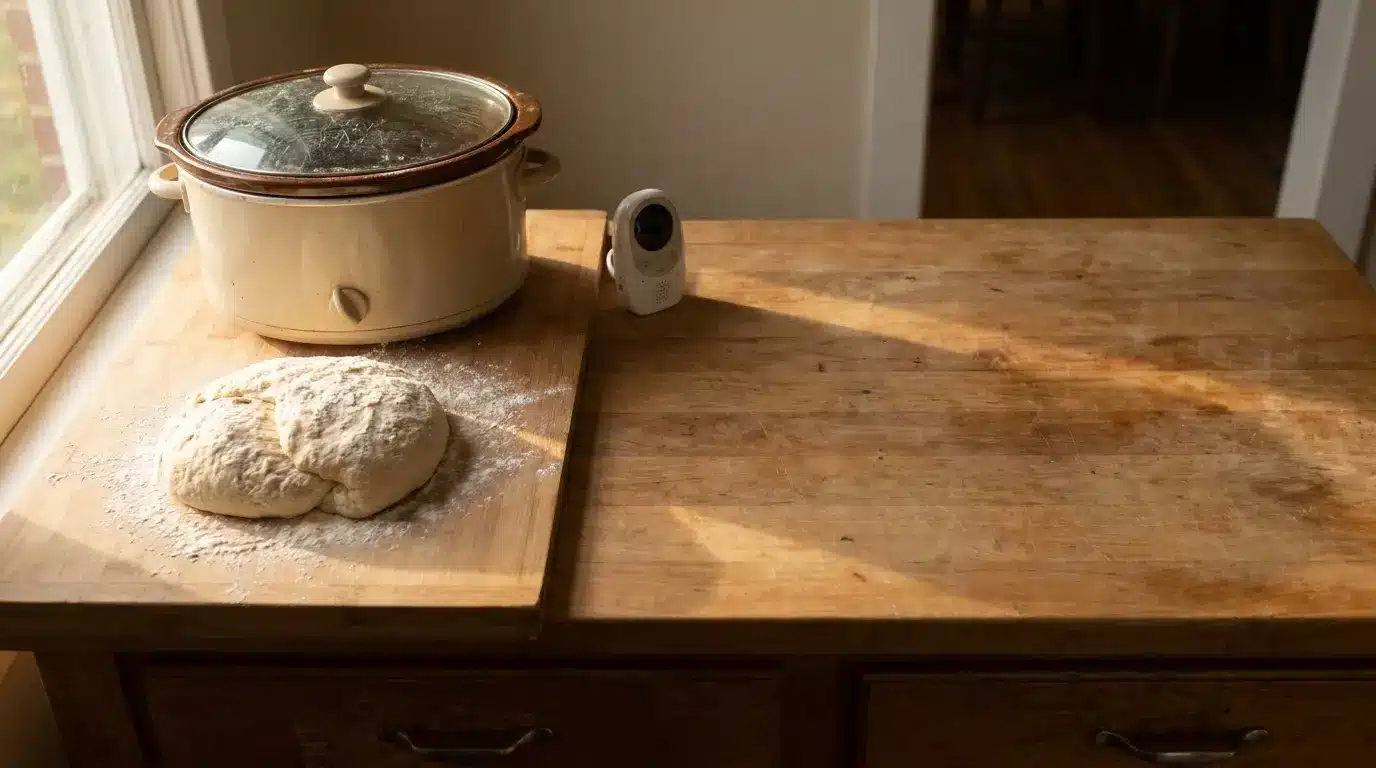
Cooking often develops from a household responsibility into a genuine hobby. New parents may begin batch-cooking to save time, then become interested in bread-making, slow-cooker recipes or dishes that can eventually be shared with their child.
This hobby offers an immediate practical reward: the finished result contributes to family meals. It can also be scaled according to available time. A parent might attempt an ambitious recipe on a quiet weekend or prepare something straightforward during a demanding week.
Cost is an important consideration. Recent research found that lack of time because of work was the most commonly reported barrier to shared family activities, cited by 44.8% of parents. Activity costs were identified by 30.5%, while 17.6% mentioned the cost of resources. Cooking, crafts and other home-based hobbies can therefore be attractive because they use familiar spaces and may require little additional spending.
Gardening and Growing Food
Gardening appeals to parents seeking a calming, screen-free activity at home. A large garden is unnecessary: herbs on a windowsill, tomatoes on a balcony or a small collection of houseplants can provide the same basic satisfaction.
The hobby encourages patience and creates visible evidence of progress at a stage of life when days can otherwise feel repetitive. As children grow, gardening can become a shared activity involving watering, digging and learning where food comes from.
Photography and Memory-Keeping
The arrival of a baby naturally generates an interest in photography, but some parents move beyond taking casual snapshots. They learn about lighting, composition and editing or create monthly photo projects documenting family life.
Scrapbooking, journalling and digital photo books serve a similar purpose. These hobbies transform an overwhelming collection of images into a more meaningful record. They can also provide a creative activity that is achievable in short sessions at home.
Crafts and Creative Projects
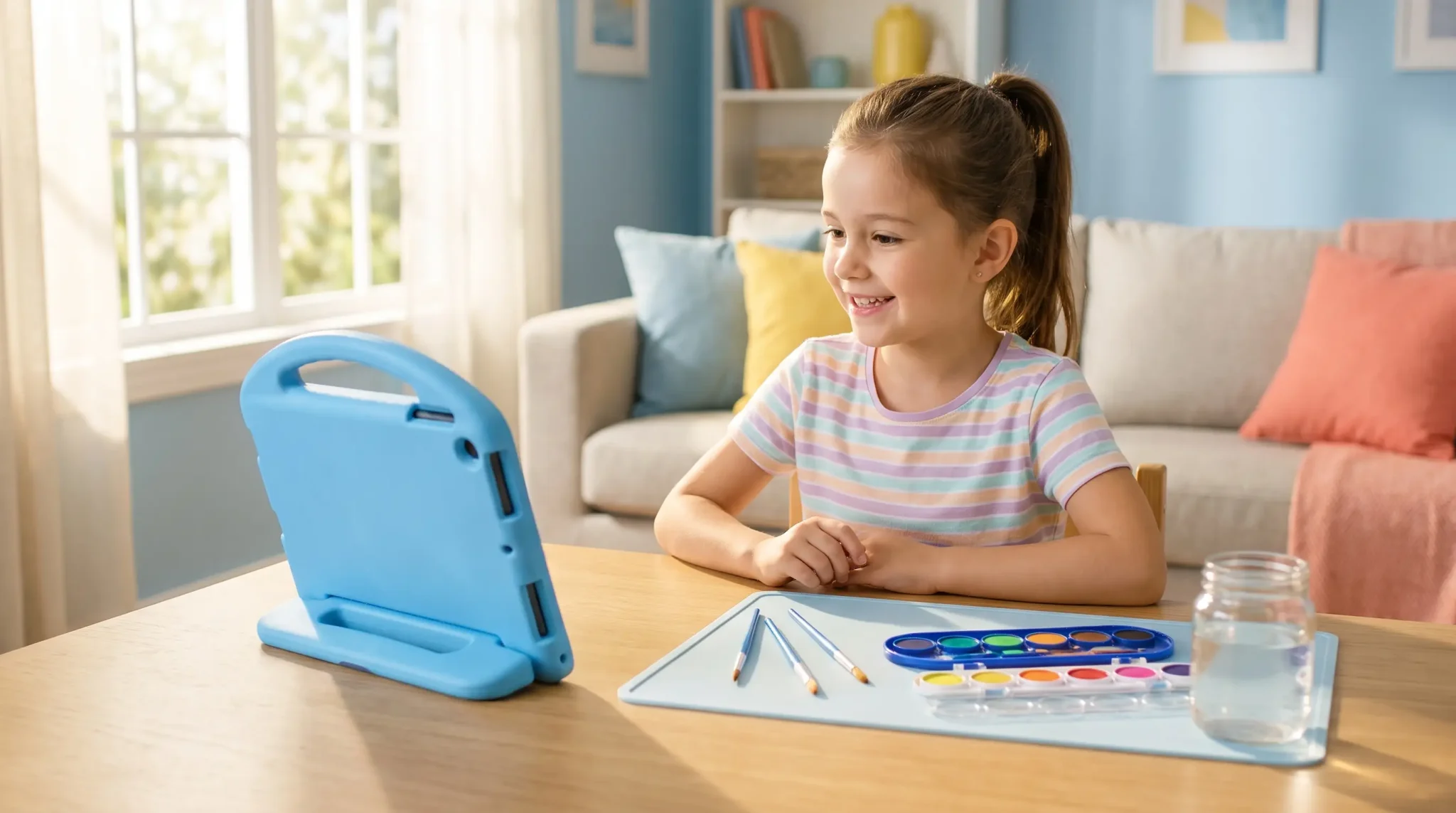
Knitting, crochet, drawing, painting and model-making allow parents to produce something tangible while enjoying a quiet period of concentration. Creative hobbies are well suited to evenings because the materials can usually be put away and resumed later.
They can also become shared activities during the toddler years. In 2025, 27.9% of surveyed parents painted, drew or made marks with their young child every day. That was lower than the 39.1% recorded in 2019 but represented an improvement on 23.3% in 2024.
Ultimately, the most sustainable hobby is not necessarily the most ambitious one. New parents tend to benefit from activities that are flexible, affordable and easy to pause. Whether the choice is walking, reading, gaming, cooking or crafting, the real value lies in reclaiming a small but meaningful part of life beyond daily responsibilities.