
Dogs can be gentle and patient family pets. However, even the gentlest of dogs can become tired, overstimulated or startle. Children may not pick up on these signals. Luckily, dog safety is highly trainable. With just a few simple precautions and frequent practice, both children and dogs can be safe.
Now how do you train children to remember these safety tips?
Why Dog Safety Rules Matter
Small children bump into dogs, squeal, grab, hug and move in an erratic fashion, often getting straight into a dog’s face. All of this can be confusing to a dog. The majority of childhood dog bites occur with a dog that the family already knows. Simply teaching, “don’t grab or pet unknown dogs,” is not enough.
Children can be taught to be nice and confident by teaching about dogs rather than just avoiding them.
1. Ask before touching
Children should always ask “Can I touch your dog?” before doing so. If the answer is “no” the answer remains “no”. This should also be applied to a neighbour’s dog, friend’s dog and a dog at the park.
2. Let the dog greet first
Encourage the child to stand quietly and allow the dog to sniff the closed hand behind them. If the dog does not wish to get any closer then that is ok. Allow the child to then walk away.
3. Touch the dog gently in the right places
Encourage the child to gently stroke the side, chest or shoulder of the dog using a soft flat hand. Many dogs do not like their heads touched, ears or tail pulled, neck hugged or face grabbed.
4. Do not disturb a dog that is eating, chewing or sleeping
A dog’s food, resting and toys are very important to them. A simple rule to follow is “Let sleeping dogs lie, and let eating dogs eat.”
5. Do not climb or hug a dog
Hugging is an expression of love to a child. To many dogs, hugs express a feeling of being held captive. Encourage the child to replace hugs with a gentle touch, treats (with adult supervision) or simply sitting quietly next to the dog.
6. Be calm around a dog
Do not run or chase a dog, or scream near a dog. When a child becomes nervous around a dog and it comes towards them, the child should stand like a tall tree, keep their hands in their pockets, and avoid eye contact until an adult is present.
7. Observe signs of “enough” in your dog
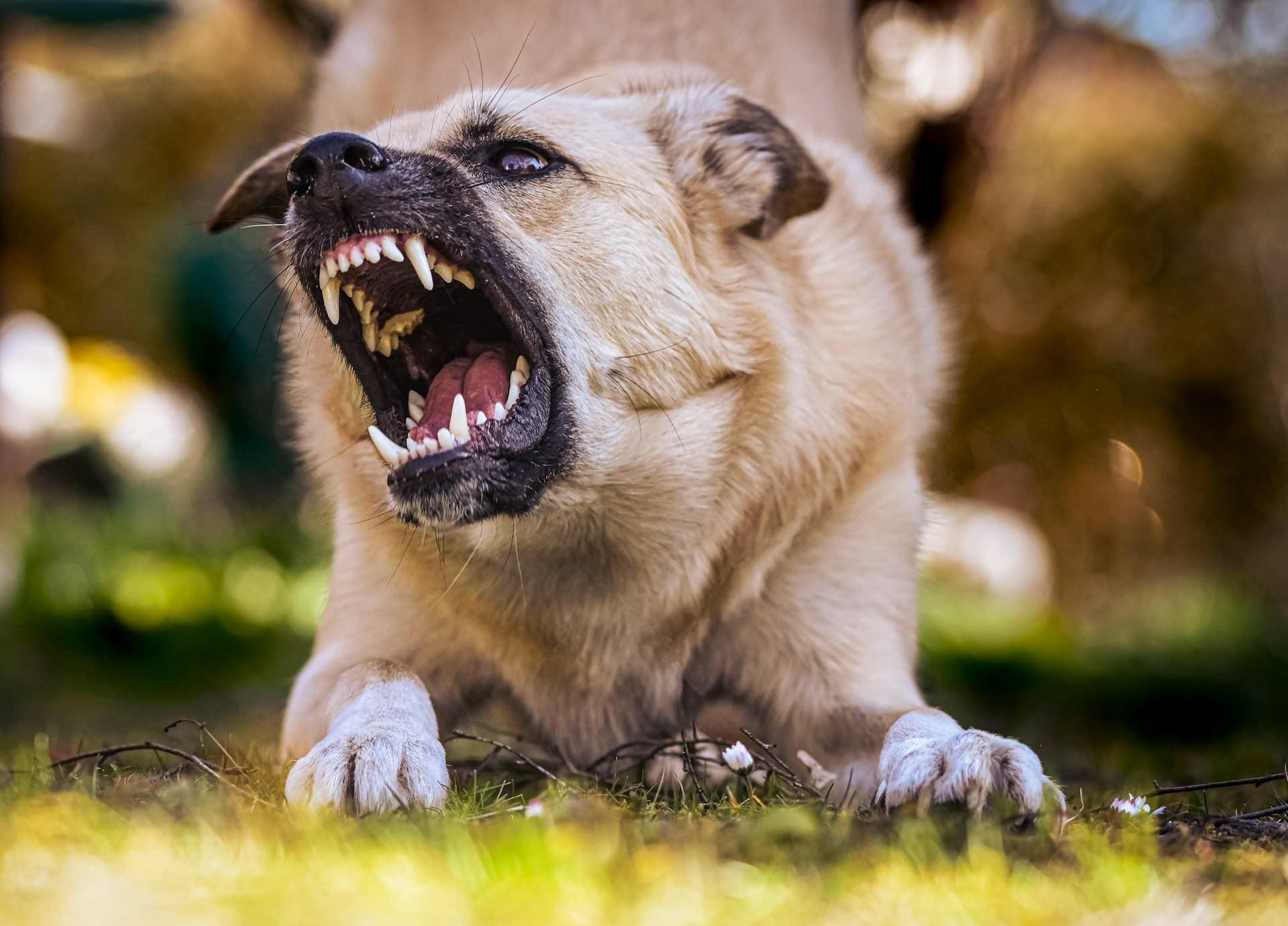
This is a very important skill for a child to learn. Signs that a dog has had enough may include;
- Licking or yawning when not hungry or tired
- Turning away with head or body
- Showing white in the eye
- Tucked tail or rigid body
- Growling which is a sign and should always be observed
When any of these are displayed by a dog the child should calmly back away and seek the assistance of an adult.
8. Allow the dog a safe area
All dogs require a safe area whether this be in the form of a crate, bed or quiet space that children are not allowed into. Children should be taught not to follow into a dog’s safe area and the dog should always have the opportunity to go back to its area when required.
9. Do not approach a dog when it is alone, hurt or loose
When a child sees a stray, a dog outside a shop or a dog behind a fence, they should be taught not to approach and to tell an adult.
10. Never leave a child and dog alone
Even with the most relaxed of dogs, children and dogs should never be left alone together. This is the most important rule to follow and applies to all breeds and all ages.
What to Do If a Dog Approaches or Gets Scary
Try to practice some of these tips with your child at home, maybe as part of a game.
- Stand and stop. Don’t run as this can trigger a chase response from a dog.
- Be a tree. Keep your arms in front of your body and folded over. Keep your feet close together. Look at the ground.
- Wait quietly until the dog has forgotten you.
- If knocked down then be a log. Get under yourself. Protect your head and neck. Stay on the ground and remain still.
- Tell an adult even if you are not injured.
Dog Breeds That Often Suit Families With Kids
No dog breed is inherently safe. Temperament is dependent upon breed genetics as well as socialization, training, daily environment and individual dog differences. However, some breeds do tend to be sturdy, eager to please and patient and may be suitable for families.
Labrador Retriever
These dogs are outgoing, friendly and eager to please. They are strong and energetic and will require a significant amount of physical activity. Young Labradors may be mouthy and bouncy so early training is essential.
Golden Retriever
These are friendly and gentle with a well known tolerance for children. They are playful and easily trainable. They do shed a significant amount and require daily exercise. It’s always wise to get a pup from a reputable breeder to ensure the dog has a good temperament.
Cavalier King Charles Spaniel
These are snuggly, adaptable and sweet. Their small size can be ideal for smaller houses. Enquire about heart disease as these dogs are susceptible to some heart diseases.
Poodle (Miniature or Standard)
These are low shedding, intelligent and trainable. Due to this quality they may be ideal for allergy sufferers. Standard Poodles are more robust and may suit younger children, whilst Miniature Poodles may be more fragile.
Beagle
These are friendly, curious and cheerful. These dogs are playful and sociable but are strongly nose orientated and may be vocal. Exercise and secure fencing is required.
Bernese Mountain Dog
These are gentle, loyal and calm. They are a large breed and require adequate space. They have a relatively short life compared to some other breeds. These dogs also shed in large quantities.
Collie
These are sensitive, loyal and child friendly. As herding breeds some Collies may attempt to herds children that are running in the grass. This can be trained out.
Rescue and mixed breeds
Many of the ideal family pets come from rescue organisations. Many rescues will have experience of children and will have been tested with children. Enquire at the rescue regarding the temperament of the dog and experience of children.
How to Choose the Right Dog for Your Family
- Meet the individual dog, not just the breed description
- Consider your child’s age. Very young children often do better with calm, sturdy adult dogs than energetic puppies
- Match energy levels. A high-energy dog in a quiet home can lead to boredom and bad behavior
- Be honest about time and budget for training, exercise, grooming and vet care
- Ask a vet, trainer or reputable rescue for guidance
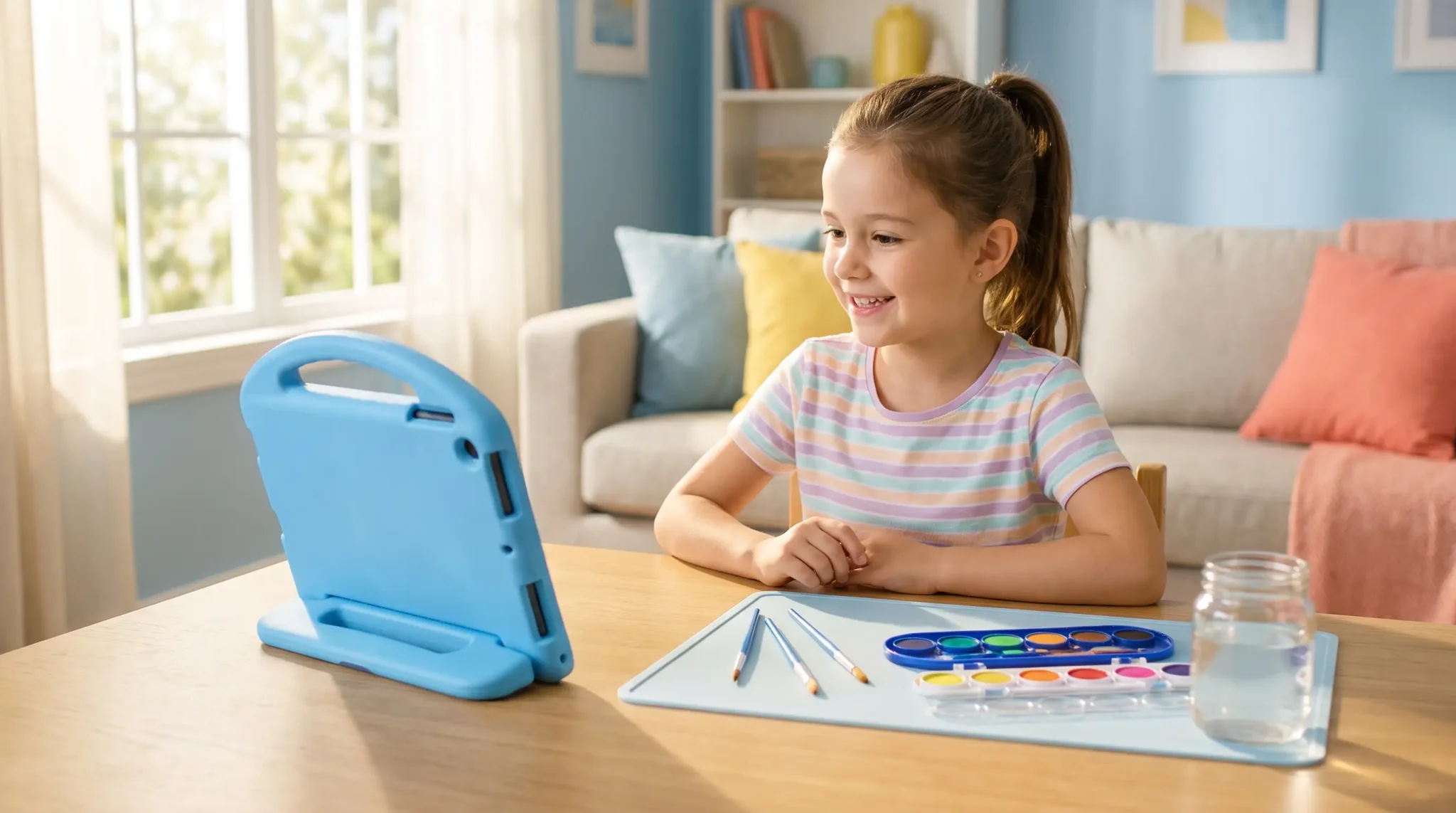
Craft It Together: Make a Family Dog Safety Poster
Kids remember what they make. Try this easy activity:
- Pick 5 favorite rules from the list above.
- Have your child draw or paint one rule on each section of poster board, such as a “tree” pose or a hand held out to sniff.
- Add stickers, pipe cleaners or paw prints for decoration.
- Hang it near the door or the dog’s bed as a daily reminder.
You can also make simple “dog body language” flash cards using Canva.com and play a guessing game: happy, nervous, or needs space?
The Bottom Line
Dog safety isn’t about teaching kids to fear dogs. It’s about teaching them to respect and understand them. With clear rules, adult supervision and a dog that fits your family, kids and dogs can build friendships that last for years.