


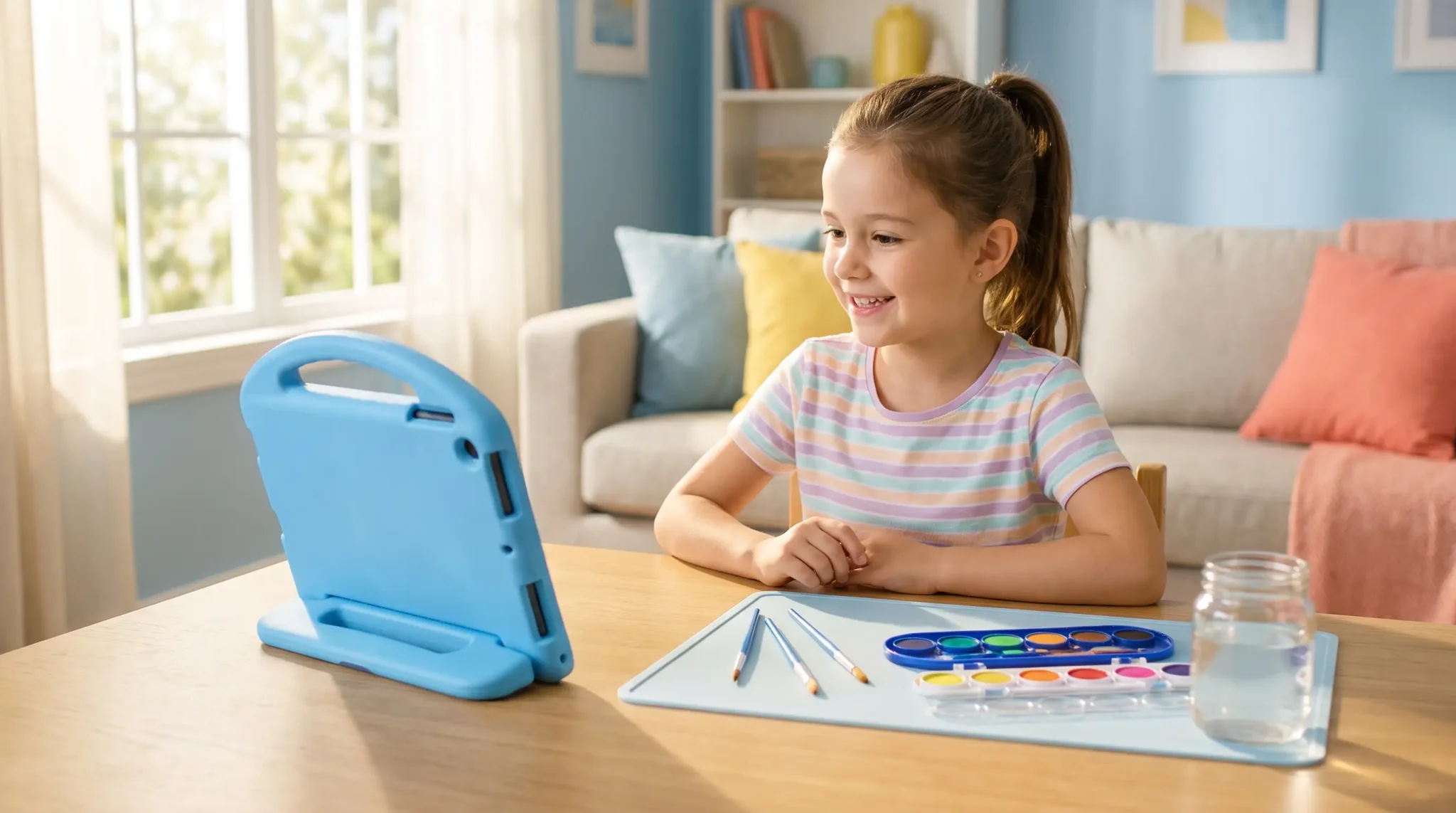


Parenting styles shape how children think, behave, and respond to the world around them.
Many parents today are trying to move away from strict discipline and are looking for more supportive approaches, which often leads to confusion between different styles.
Two of the most talked-about approaches are gentle parenting and permissive parenting. While they may seem similar at first, they work very differently in practice and lead to different outcomes over time.
This guide breaks down both styles in a simple way, so it becomes easier to see what fits your child, your values, and your long-term goals as a parent.
What is Gentle Parenting?
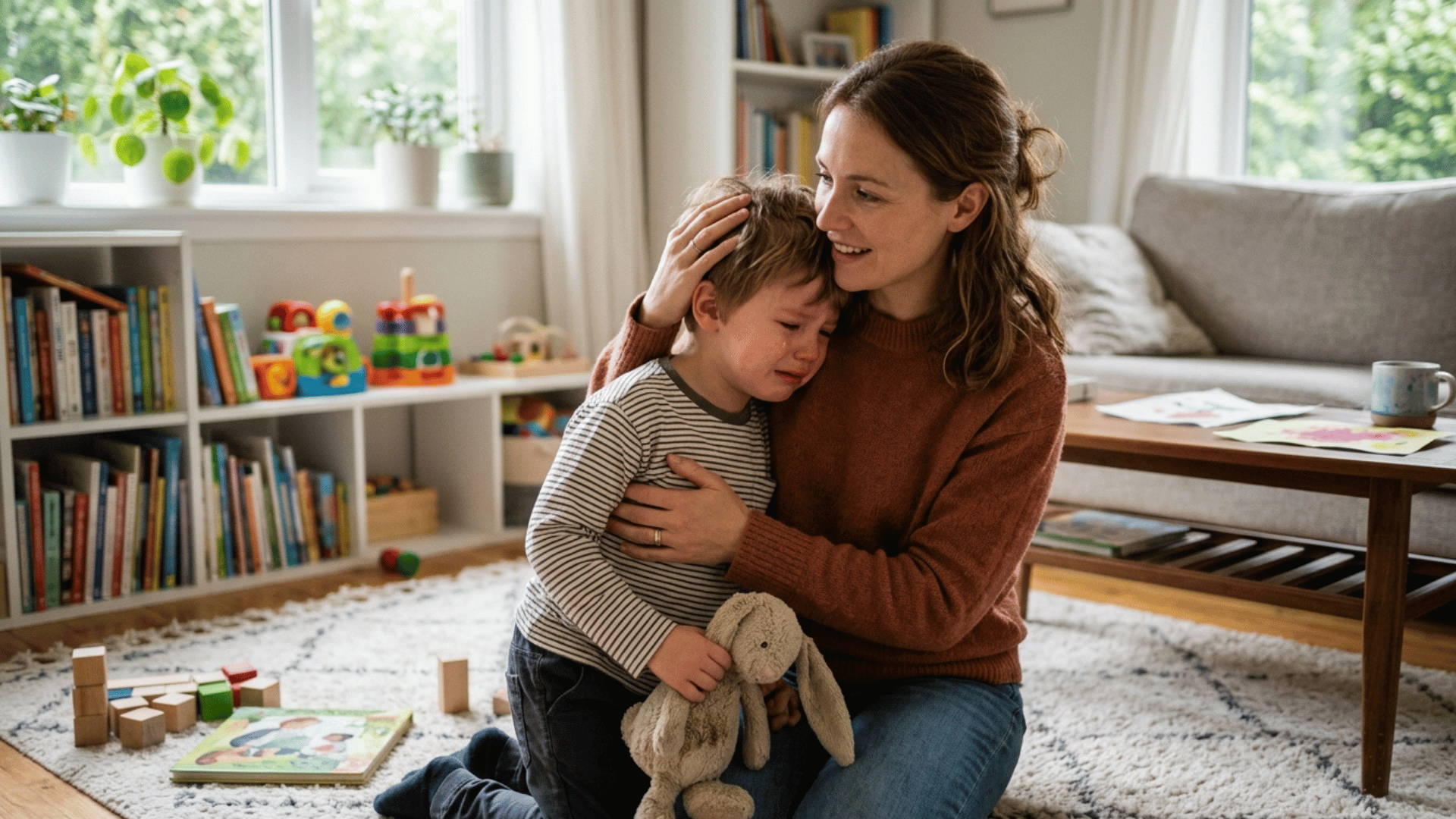
Gentle parenting is a style that focuses on raising kids with respect, empathy, and clear guidance. It is not about being soft or letting kids do anything they want.
Instead, it means understanding a child’s feelings while still setting firm and consistent boundaries. Parents act as calm leaders who teach rather than punish.
For example, instead of yelling, they explain why a behavior is not okay and guide the child toward better choices. The goal is to build trust, emotional strength, and good behavior over time.
Key Principles of Gentle Parenting
- Respect the Child: Treat children with the same respect given to adults. Listen to their feelings and acknowledge their emotions without dismissing them.
- Empathy First: Understand the reason behind behavior instead of reacting with punishment. This helps build emotional connection and trust.
- Set Boundaries Calmly: Gentle parenting still includes rules, but they are explained with patience and consistency rather than fear.
- Focus on Connection: A strong parent-child bond makes discipline easier and more effective over time.
- Teach, Don’t Punish: Use situations as learning moments instead of giving punishments. Guide children toward better choices.
- Encourage Independence: Allow kids to make small decisions and learn from them, helping build confidence and responsibility.
- Model Good Behavior: Children learn more from what they see than what they are told. Staying calm and respectful sets the example.
- Validate Emotions: Let children know their feelings are okay, even if their actions need correction.
- Be Patient and Consistent: Gentle parenting takes time and effort, but consistency helps children feel secure.
- Discipline with Understanding: Focus on guiding behavior rather than controlling it through fear or strict authority.
How It Looks in Daily Life
| Approach | What It Means | Why It Helps |
|---|---|---|
| Staying Calm During Tantrums | Avoid shouting, stay patient, and help the child settle safely | Builds trust and teaches emotional control |
| Explaining Consequences Clearly | Explain actions and natural outcomes without fear or punishment | Helps children understand cause and effect |
| Setting Consistent Rules With Kindness | Keep rules clear while using a calm, respectful tone | Creates structure without fear |
| Validating Feelings First | Acknowledge emotions before correcting behavior | Makes children feel heard and understood |
| Guiding Better Choices | Offer simple alternatives and teach better decisions | Encourages learning and independence |
Gentle parenting shows in daily moments through calm reactions, clear communication, and steady guidance, helping children learn right behavior while feeling supported and understood.
What is Permissive Parenting?
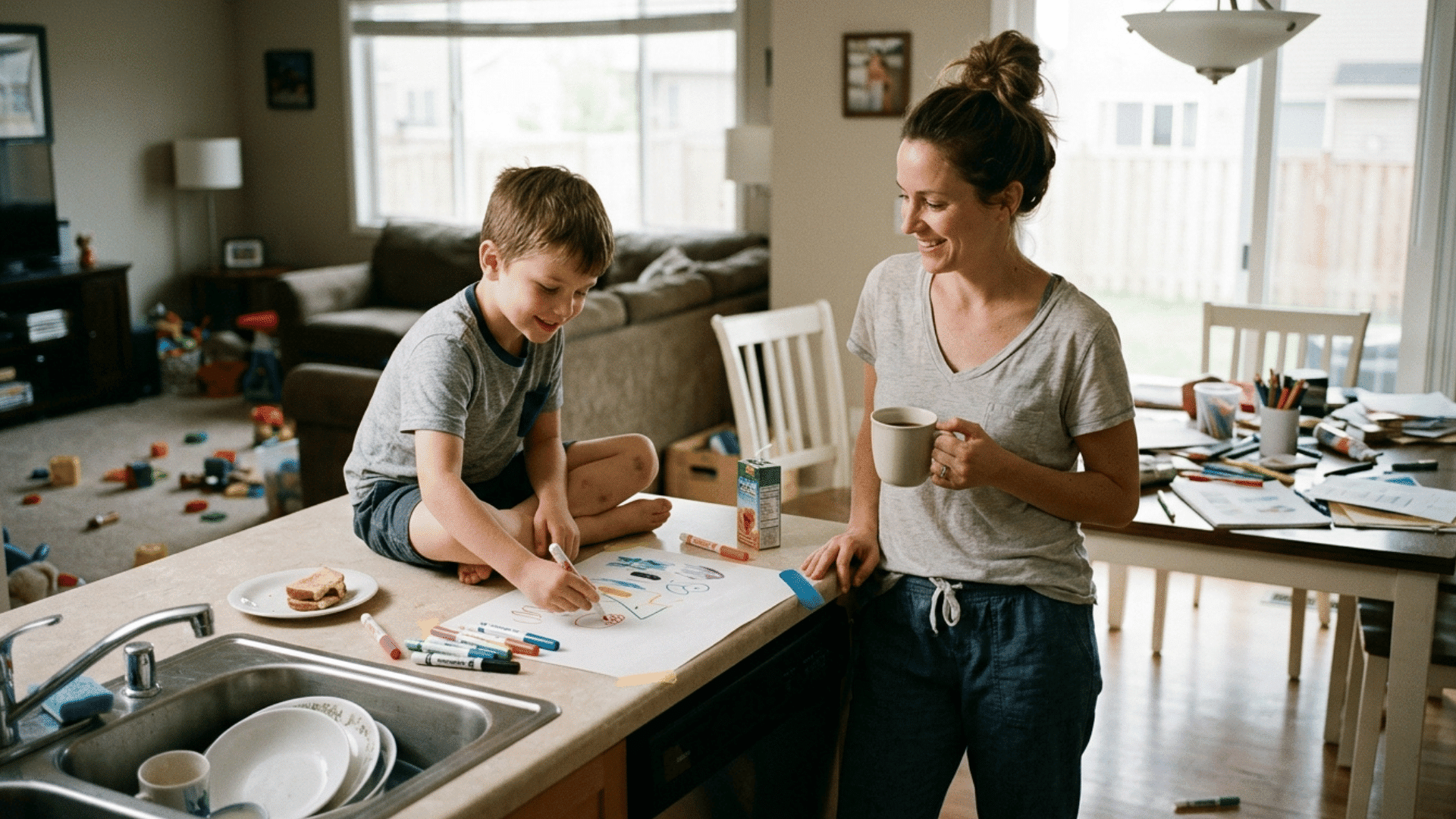
It is a style where parents are very lenient and place few demands on their children. They focus on being warm and accepting but often avoid setting clear rules or enforcing limits.
Instead of guiding behavior, they may give in to a child’s wishes to avoid conflict or keep them happy. While this approach creates a relaxed environment, it can lead to a lack of structure and consistency.
Children raised this way may struggle with self-control, boundaries, and responsibility over time. It is often misunderstood as being caring, but without guidance, it can make it harder for children to develop discipline and respect for rules.
Key Traits of Permissive Parenting
- Few Rules or Limits: Parents set very few boundaries, allowing children a high level of freedom in daily choices.
- Avoidance of Discipline: Discipline is rare, and consequences are often inconsistent or missing altogether.
- Highly Nurturing Approach: Parents are warm, loving, and supportive, often prioritizing the child’s happiness above structure.
- Child-Led Decisions: Children are given control over decisions that parents would normally guide, like bedtime or screen time.
- Desire to Be a Friend: Parents may act more like a friend than an authority figure, avoiding conflict when possible.
- Low Expectations: There are minimal demands for behavior, responsibility, or performance.
- Inconsistent Structure: Routines and rules may often change, leading to a lack of predictability.
- Emotional Over-Protection: Parents may step in quickly to prevent discomfort or frustration, rather than letting children learn from challenges.
- Difficulty Saying No: Parents often struggle to deny requests, even when limits are needed.
- Focus on Freedom Over Guidance: Independence is encouraged, but without enough direction or boundaries to support it.
How It Shows Up in Daily Life
| Behavior | What It Means | Impact on Child |
|---|---|---|
| Giving In to Tantrums | Giving the child what they want to stop crying | Encourages tantrums as a way to get results |
| No Consistent Routines | Irregular bedtimes, meals, and schedules | Creates instability and weak habits |
| Letting Kids Decide Everything | Giving too much control over daily choices | Leads to poor decision-making skills |
| Avoiding Saying “No” | Hesitating to set limits or refuse requests | Causes confusion about boundaries |
| Ignoring Misbehavior | Overlooking or excusing bad behavior | Leaves children unsure of right and wrong |
It appears in everyday habits where limits are loose, routines are unclear, and children are given more control, often leading to less structure and guidance in daily life.
Common Misconceptions About Gentle and Permissive Parenting
Both gentle parenting and permissive parenting are often misunderstood, mainly because they appear similar on the surface. Many people assume they follow the same approach, but the confusion usually comes from unclear definitions and oversimplified ideas.
Gentle Parenting
- It produces spoiled or entitled children: Children raised with warmth and clear expectations tend to develop stronger self-regulation and empathy. Entitlement comes from inconsistency, not from being treated with respect.
- It’s too soft to work in the real world: Teaching emotional awareness, communication, and empathy prepares children for real-world challenges far more effectively than compliance through fear.
- Gentle parenting means never saying no: No is absolutely part of gentle parenting, it’s just delivered with a brief explanation and acknowledgment of the child’s feelings rather than a flat command.
- It’s only for calm, patient parents: Gentle parenting is a set of principles, not a personality type. Repairing after a difficult moment is itself part of the approach.
Permissive Parenting
- It shows children they are loved: Avoiding discomfort isn’t the same as love. Children need to experience frustration and limits in a safe environment to develop resilience.
- Children will naturally learn limits on their own: Without consistent boundaries from caregivers, children struggle to develop the self-regulation they’ll rely on later in life.
- Saying yes to everything builds confidence: real confidence comes from competence and working within limits, not from having every request granted without effort.
- It’s a relaxed, stress-free way to parent: In practice, children without consistent limits often test boundaries harder and experience more anxiety because the environment feels unpredictable.
- Children raised permissively are happier: Research points to higher rates of poor impulse control, difficulty with authority, and lower academic performance in consistently permissive environments.
Which Parenting Style Works Better?

There isn’t a one-size-fits-all answer, but research and real-life experience show that a balance of structure and empathy works best for most children.
Kids need clear rules to feel safe and understand limits, but they also need emotional support to feel heard and valued.
Gentle parenting leans toward this balance by combining firm boundaries with understanding. In contrast, permissive parenting may offer warmth but often lacks the structure children need to build self-discipline.
Over time, children raised with both guidance and empathy tend to develop better emotional control, responsibility, and decision-making skills, which also helps build confidence in kids over time.
The key is not choosing extremes but finding a middle ground where kindness and consistency work together.
Tips for Finding the Right Balance as a Parent
If you lean toward gentle parenting or are working to add more structure to a permissive approach, these tips help you find the middle ground where warmth and consistency coexist.
- Set boundaries early and hold them consistently: Children feel safer when limits are predictable. Inconsistency is more confusing than firmness.
- Explain the reason behind the rule: A brief explanation goes further than a flat command when children understand the why, they’re more likely to internalize the rule.
- Acknowledge feelings without giving in to demands: Validate how a child feels without changing your decision. Both things can be true at the same time.
- Repair after difficult moments: If you lose patience, come back and acknowledge it. Modeling accountability is one of the most powerful parenting tools available.
- Follow through on what you say: Only set consequences you’re prepared to enforce, and then enforce them calmly and consistently every time.
- Give children age-appropriate autonomy: Offer choices within limits. It satisfies a child’s need for control without removing the boundary itself.
- Check your own emotional state before responding: A brief pause before reacting gives you space to choose your approach rather than default to frustration.
Final Thoughts
Gentle parenting and permissive parenting may look similar at first, but the key difference lies in the boundaries and guidance they provide.
Gentle parenting combines empathy with clear rules, while permissive parenting often lacks structure and consistency. Understanding gentle parenting vs permissive parenting helps parents make better choices that support a child’s growth.
Balanced parenting styles that combine kindness and structure can help raise confident, responsible, and emotionally aware children over time.
Frequently Asked Questions
Can Parents Switch from Permissive to Gentle Parenting?
Yes, parents can shift from permissive to gentle parenting over time. It starts with adding clear rules and following through consistently while maintaining warmth.
How Do Siblings Respond to Different Parenting Styles?
Siblings may react differently based on their personalities and how parenting is applied. Inconsistent approaches can lead to confusion or conflict between them.
Can Too Much Freedom Make Children Anxious?
Yes, too much freedom without guidance can make children feel unsure and anxious. Without clear limits, they may not know what is expected of them.