


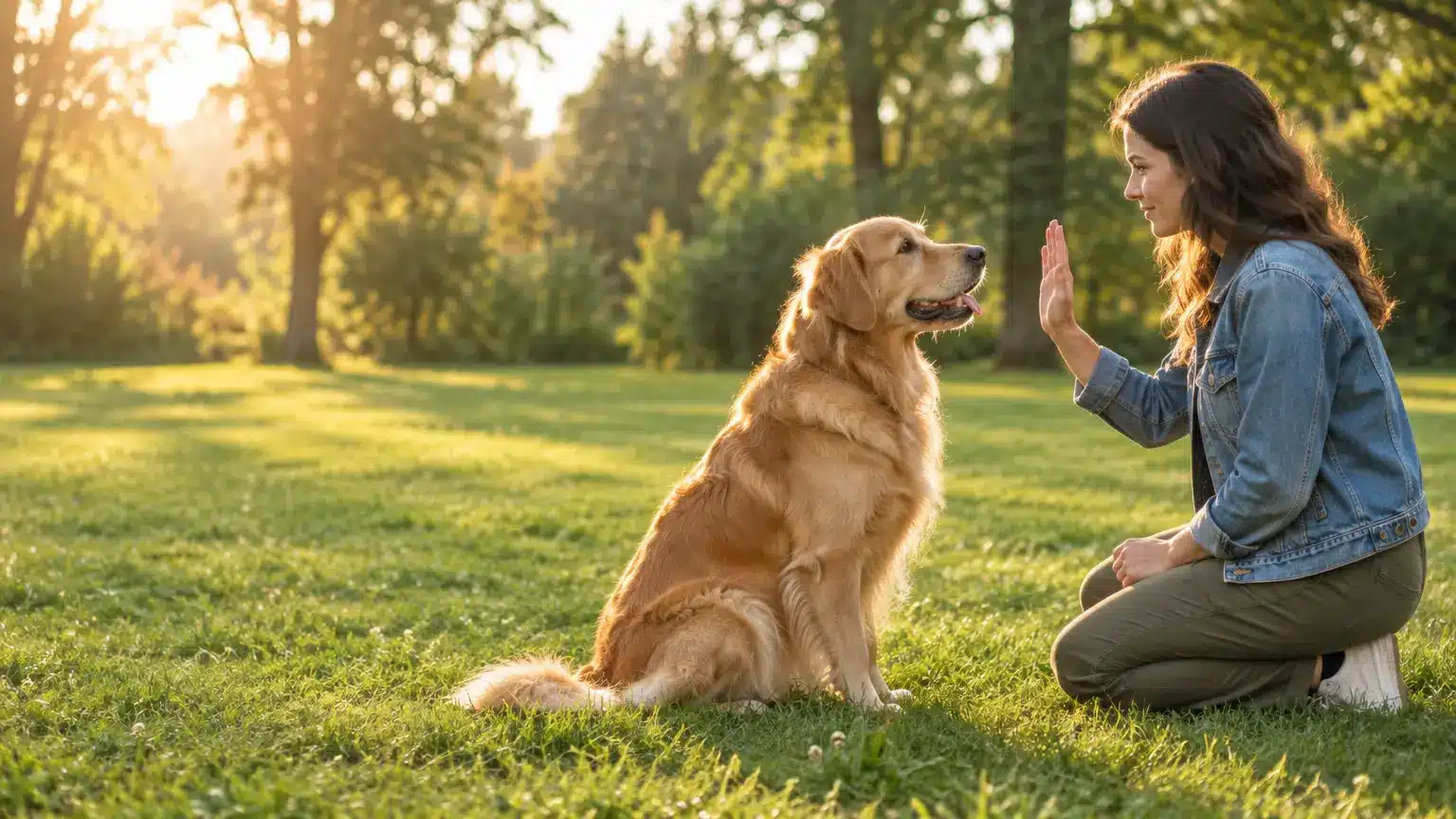
A well-trained dog is often easier to live with, but obedience training is about much more than teaching a dog to sit or stay. Good dog training and obedience can help dogs understand what is expected of them, improve communication between dogs and their owners, and make everyday situations more manageable.
Whether you have a new puppy, an energetic adult dog or a companion that needs to brush up on basic manners, consistent training can make a noticeable difference. The most effective approach is usually practical, patient and suited to the individual dog’s temperament.
Why Dog Training Matters
Dogs do not automatically understand human rules. Behaviours that seem obvious to people—such as waiting at a door, walking calmly on a lead or coming when called—need to be taught.
Training provides dogs with clear boundaries and gives owners useful ways to communicate with them. It can also make everyday activities such as walks, visitors, grooming and trips outside the home easier to manage.
Training Builds Communication
Obedience training creates a shared language between a dog and its owner. Simple cues such as “sit,” “stay,” “come” and “leave it” can help owners guide their dogs in different situations.
The more consistently these cues are used, the easier it can become for a dog to understand what is expected.
Training Encourages Good Habits
Dogs learn through repetition. When desirable behaviour is consistently encouraged, it can become part of their normal routine.
This is particularly useful for behaviours such as waiting patiently, walking without constantly pulling, greeting people calmly and responding when called.
Essential Obedience Skills Every Dog Should Learn
While every dog has different needs, several basic skills are useful for most households.
1. Sit
“Sit” is one of the simplest commands and can be useful in many everyday situations. It can encourage a dog to pause before receiving food, greeting someone or moving through a doorway.
2. Stay
Teaching a dog to remain in one place can be valuable for safety and everyday control. Start with short periods and gradually increase the distance and duration as the dog becomes more reliable.
3. Come
A reliable recall is one of the most important skills a dog can learn. Being able to call a dog back can be particularly useful when outdoors or in situations where the dog could otherwise move into an unsafe area.
Recall training should be practised regularly and made rewarding for the dog.
4. Leave It
“Leave it” can help prevent dogs from picking up or approaching things they should avoid. It can be particularly useful when walking outdoors, where dogs may encounter unfamiliar objects, food or other distractions.
5. Loose-Lead Walking
Walking on a lead without constantly pulling makes outings more enjoyable for both the dog and owner. Training should focus on rewarding calm walking and gradually introducing distractions.
Consistency Is Key
One of the most common challenges in dog training is inconsistency. If a behaviour is allowed sometimes but discouraged at other times, a dog may struggle to understand the rule.
Everyone in the household should ideally use the same cues and expectations. For example, if a dog is not allowed on the couch, allowing it occasionally can make the boundary less clear.
Short, regular training sessions are often more useful than occasional long sessions. Dogs can lose focus when training becomes repetitive or overwhelming.
Understanding Your Dog’s Behaviour
Obedience training works best when owners understand that behaviour has a reason. A dog that jumps on visitors may be excited. A dog that pulls on the lead may be eager to explore. A dog that ignores a command in a busy environment may simply be distracted.
Looking at the situation behind the behaviour can help owners choose a more effective training approach.
Consider the Environment
A dog that responds perfectly at home may behave differently at a park, around other dogs or in a crowded area. Training should therefore gradually introduce distractions rather than expecting immediate reliability everywhere.
Know Your Dog’s Limits
Dogs have different personalities, energy levels and learning speeds. Some may pick up new commands quickly, while others need more repetition.
Training should be challenging enough to encourage learning without becoming frustrating for either the dog or owner.
Positive and Reward-Based Training
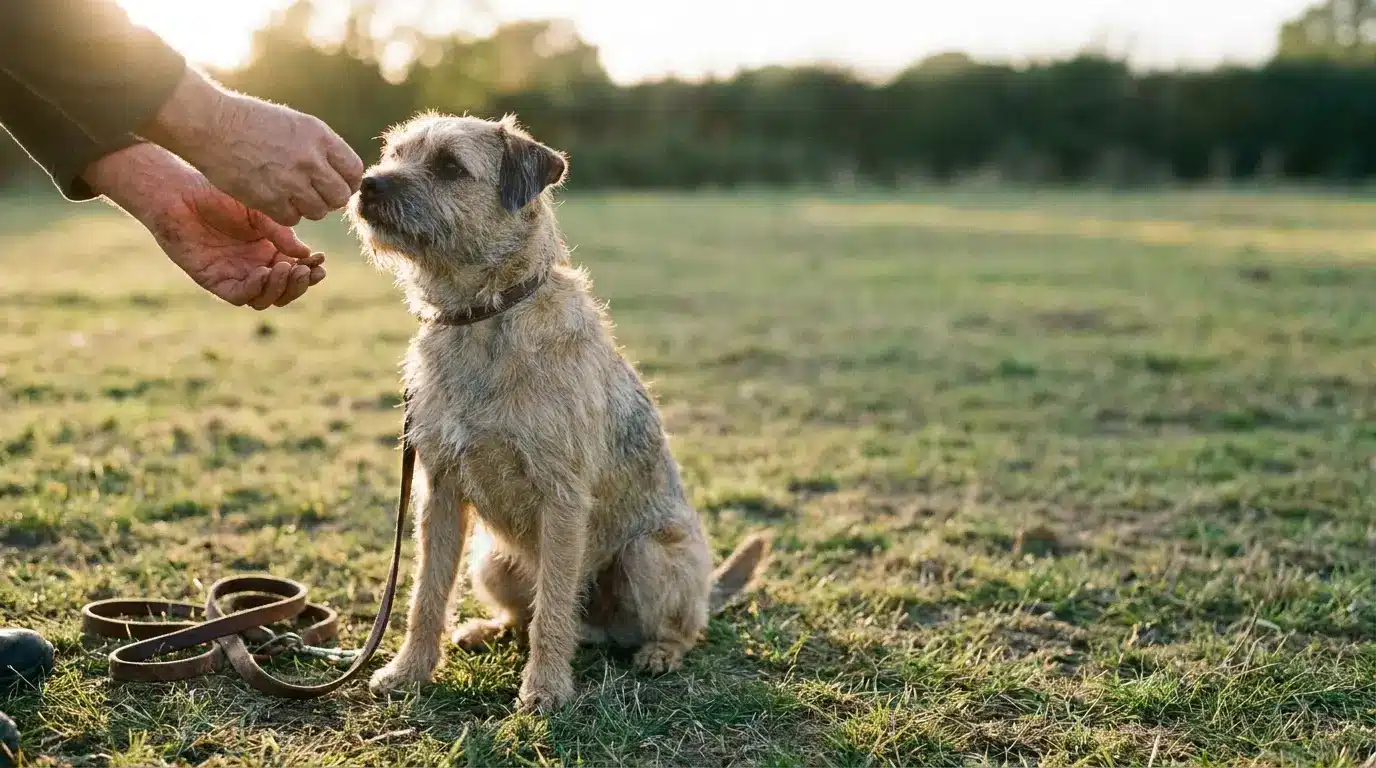
Rewards can be an effective way to encourage behaviours that owners want to see repeated. Depending on the dog, rewards may include treats, praise, toys, play or access to something the dog enjoys.
Timing matters. A reward should be given close to the desired behaviour so the dog can make the connection between the action and the positive outcome.
Training should also avoid creating unnecessary fear or confusion. Clear communication, patience and consistency are important parts of developing reliable behaviour.
When Professional Dog Training Can Help
Some owners prefer professional guidance, particularly when they are dealing with persistent behavioural challenges or want a structured obedience program.
A professional trainer can help identify why a particular behaviour is occurring, demonstrate training techniques and provide exercises that owners can practise at home.
Professional support can be especially useful when a dog struggles with basic obedience, has difficulty responding around distractions or displays behaviours that are difficult for the owner to manage safely.
Training Is an Ongoing Process
Dog training does not necessarily end once a dog learns the basic commands. Dogs benefit from continued practice throughout their lives.
Regular reinforcement helps maintain learned behaviours and gives owners opportunities to introduce more advanced skills. Training can also provide mental stimulation, which is an important part of keeping many dogs engaged and active.
Conclusion
Dog training and obedience are not simply about controlling a pet. They are about creating clearer communication, encouraging appropriate behaviour and helping dogs navigate everyday life with greater confidence.
With patience, consistency and suitable rewards, owners can teach useful skills ranging from basic commands to reliable recall and calm walking. Whether training is done at home or with professional guidance, the goal should be a balanced relationship in which both dog and owner understand what is expected and can enjoy everyday life together.