


Some of the most useful lessons students learn at school don’t come from a textbook. They arise from ordinary interactions like sharing space with someone whose habits are different, deciding how to divide a common responsibility, resolving a disagreement with a friend, or recognizing that a personal decision can affect an entire group.
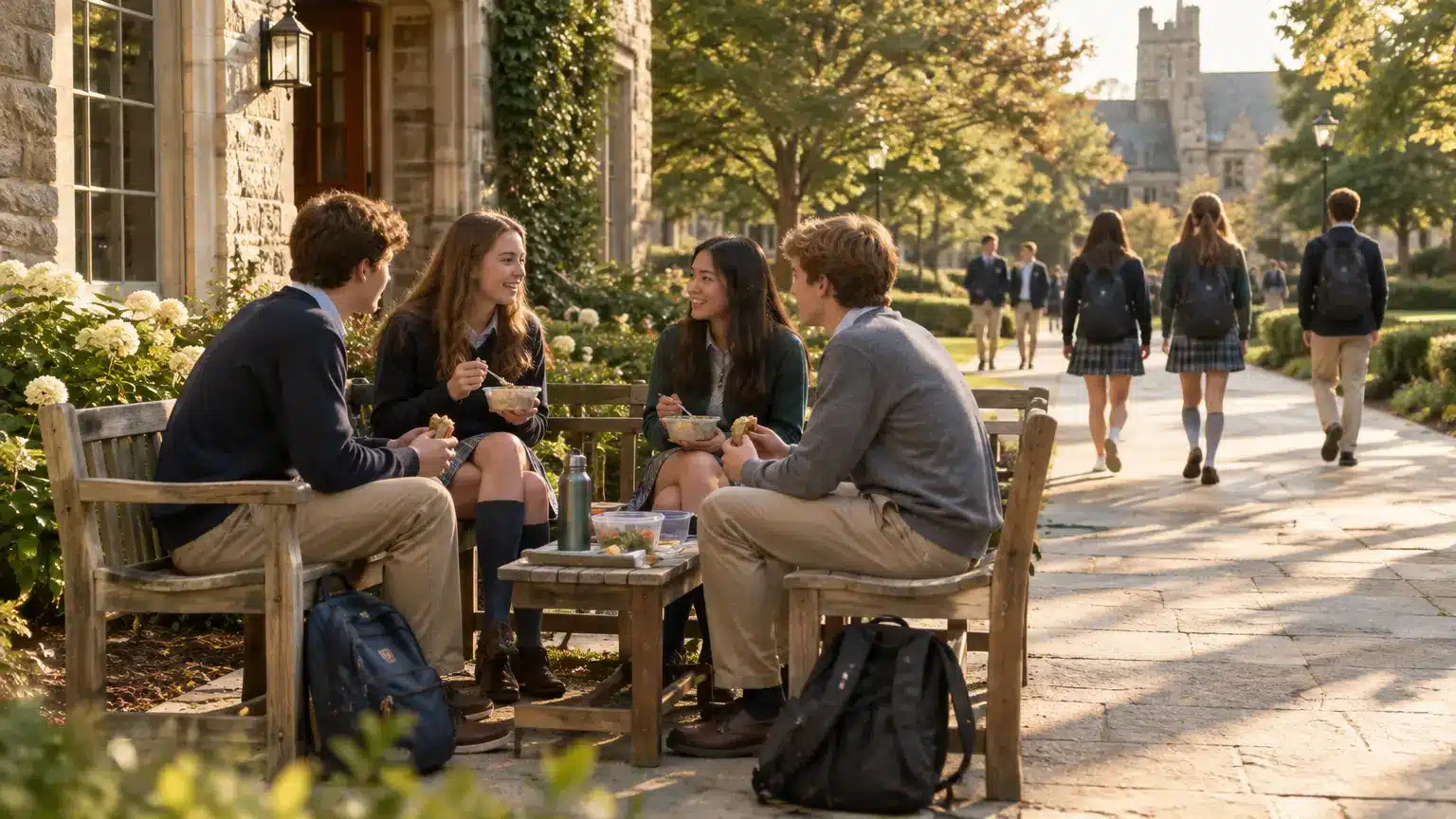
These experiences are part of growing up in almost any setting, but residential schools bring many of them into daily life. Students aren’t together only during classes. They also eat meals together, participate in activities, share living spaces, often spend weekends on campus, and encounter one another during the less structured hours when relationships and communities are often built.
At Delphian School, an independent day and boarding school in Oregon, community life extends across academics, dormitories, athletics, arts, clubs, student activities, and other parts of campus life. For boarding students especially, school is both a place to study and a place to live. That combination provides an opportunity to develop skills that can be difficult to teach directly but become important throughout adulthood.
Community Requires Consideration
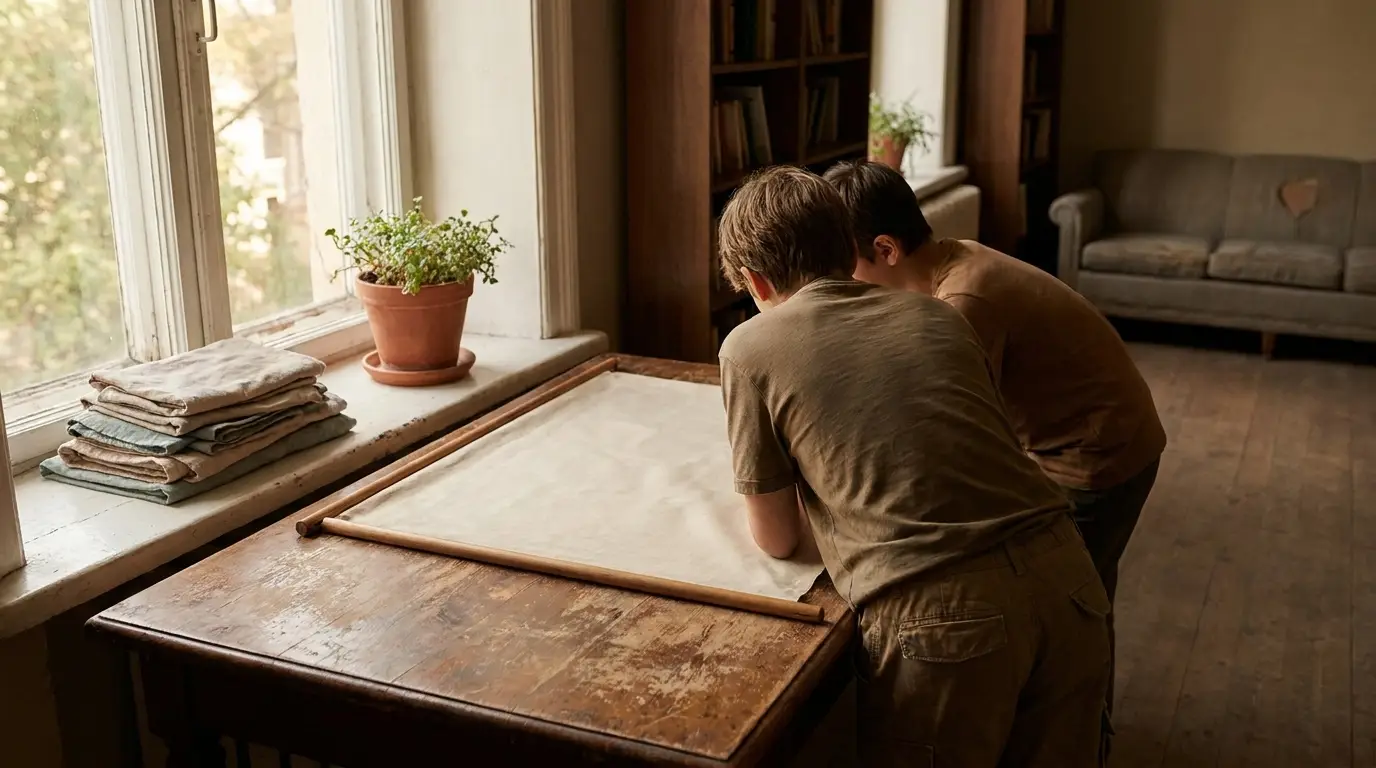
Living alongside other people quickly shows us that preferences aren’t universal. For example, one student may prefer relative quiet while another loves to chat. One student may come across as naturally organized, while her roommate may be comfortable with a little disorder. People have different schedules, personalities, senses of humor, cultural backgrounds, and ideas about how shared spaces should function.
Learning to live with those differences takes more than politeness. Students have to become aware of how their behavior affects people around them. They may need to compromise, communicate a concern without turning it into an argument, or change a habit because it creates a problem for someone else.
Those may sound like small lessons, but adult life is filled with similar situations. College roommates, coworkers, neighbors, spouses, and community members rarely behave exactly as we would prefer. The ability to coexist productively with different personalities is useful almost everywhere.
Everyday Problems Become Opportunities to Learn
A classroom can teach students techniques for communication and conflict resolution. Community life gives them reasons to use those techniques.
Disagreements are inevitable whenever people spend significant time together. A friend may feel excluded. Someone may fail to follow through on a commitment. Two people may interpret the same conversation differently. A shared responsibility may fall disproportionately on one person.
In these situations, students gradually discover that avoiding every uncomfortable conversation isn’t particularly effective. Small problems can become larger when they aren’t addressed. They also learn that disagreement doesn’t necessarily mean a relationship has failed. People can be frustrated with one another, talk through what happened, make adjustments, and continue being friends or working together.
Research has found that these interpersonal abilities remain important well beyond school. The Harvard Study of Adult Development, one of the longest-running studies of adult life, has repeatedly pointed to the importance of strong relationships for well-being. Its findings don’t suggest that successful relationships are free from disagreement. Rather, maintaining healthy relationships involves skills such as communication, attention to others, and the ability to work through difficulties.
A school community gives students countless low-stakes opportunities to practice those skills before they face the more complicated relationships and responsibilities of adult life.
Delphian School: Belonging Also Means Contributing
Discussions of school community often focus on what students receive from it: friendship, support, acceptance, and a sense of belonging. Those things are important, but healthy communities also depend on what their members contribute.
Students begin to see this when they share responsibility for activities and everyday campus life. An event works because people helped organize it. A team improves because members consistently show up. A dormitory functions because students respect shared expectations. A club continues because someone takes the initiative to plan the next meeting rather than waiting for somebody else to do it.
Delphian students have described taking active roles in their school community through student council, student services, clubs, events, athletics, community service, and practical projects. In a residential environment, these contributions are particularly visible because the people benefiting from them are often the same classmates students see throughout the day.
This can gradually change how young people understand community. Instead of seeing a school simply as an institution that provides classes and activities for them, they can begin to recognize themselves as participants in creating the environment everyone experiences.
Students Encounter People Outside Their Usual Circles
Young people naturally form friendships with people who share their interests and personalities. Living within a larger school community, however, makes it harder to remain exclusively within a carefully chosen social circle.
A student may share a dormitory with someone they wouldn’t normally approach. A theater production can bring together students who spend their free time with entirely different groups. Athletics, service projects, meals, clubs, and campus events create additional opportunities for students to interact across ages and interests.
Repeated contact can challenge first impressions. Someone who initially seems intimidating may turn out to be funny and generous. A student with very different interests may become a close friend. Two people who disagree frequently may discover that they work remarkably well together.
These experiences help students develop a more complicated understanding of other people. They learn that individuals rarely fit neatly into categories and that meaningful relationships don’t always begin with obvious similarity.
Shared Traditions Create Collective Memories
Community isn’t built entirely through responsibilities and difficult conversations. Much of it develops through enjoyment.
School plays, athletic events, dances, celebrations, weekend activities, meals, performances, traditions, and spontaneous moments with friends become part of students’ memories of their school years. In a residential setting, there can be more time for these experiences because students don’t automatically disperse at the end of the academic day.
Traditions are particularly interesting because they connect individual students to something larger than their own experience. A student may participate in an event that existed before they arrived and will continue after they graduate. Older students can introduce younger students to established customs, while each new group adds something of its own.
That combination of continuity and participation helps turn a collection of individuals into a community with a shared history.
Living Together Teaches Lessons That Are Difficult to Schedule
Schools can create courses in communication, ethics, leadership, or interpersonal skills, and those subjects can be valuable. But some lessons resist being placed neatly on a timetable.
There is no scheduled class for realizing that your roommate has had a difficult day and could use some kindness. No worksheet can fully reproduce the experience of repairing a friendship after a misunderstanding. A test cannot easily measure the moment a student recognizes that other people are relying on them to follow through.
Living in a community creates these lessons naturally.
For students at boarding schools such as Delphian School, education therefore extends beyond formal academic work. Campus life provides repeated opportunities to share space, build friendships, negotiate differences, contribute to group efforts, and experience the consequences of everyday choices.
Years later, graduates may remember particular books, assignments, and classes. They may also remember the people with whom they lived, the conflicts they learned to resolve, the traditions they shared, and the occasions when someone else depended on them.
Those experiences can be educational in their own right. Learning how to live among other people is, after all, something students will continue doing long after school ends.