




Wood has always been one of the most popular surfaces for painting, and the options available today make it easier than ever to get good results.
There are a few things worth understanding before picking up a brush, from surface preparation to the type of finish needed.
Using the right tools also plays a big role, and these best acrylic paint brushes can help improve control and finish quality.
You may have questions like: Can you use acrylic paint on wood for both indoor decorative pieces and outdoor garden projects, and is acrylic paint good for wood?
This blog covers the key factors that affect how well acrylic paint performs on different wood surfaces and project types.
Can You Use Acrylic Paint on Wood?
Yes, and it is one of the better choices available for wood projects across a wide range of styles and surfaces.
It bonds well, dries fast, and holds color, making it practical for both detailed decorative work and larger painted pieces. It cleans up easily with water, works across a wide range of wood types, and does not require specialist tools or complicated application methods.
The color range is broad, the finish options are flexible, and the results on a well-prepared surface are consistently reliable.
When Acrylic Paint Works Best on Wood
Acrylic paint works best when the surface and conditions match its natural strengths. Choosing the right type of project makes a big difference in the final result.
- Smooth Indoor Surfaces: Acrylic paint bonds best to clean, smooth wood, giving a neat and even finish.
- Decorative Wooden Items: Projects like signs, frames, and display pieces turn out well since they stay protected indoors.
- Controlled Conditions: Indoor environments help maintain the paint’s durability without exposure to moisture or harsh elements.
- Proper Surface Preparation: Sanding and priming the wood improves adhesion and helps the paint last longer.
- Realistic Expectations: Acrylic paint delivers strong results when used within suitable conditions and project types.
Indoor vs. Outdoor Use
Acrylic paint works well for both indoor and outdoor use, but results vary depending on exposure and the condition of the surface.
| Feature | Indoor Use | Outdoor Use |
|---|---|---|
| Ease of Use | Easier to apply and maintain | Requires more prep and care |
| Exposure | No sun, rain, or moisture | Constant exposure to the weather |
| Durability | Lasts longer with less wear | Depends on the weather and maintenance |
| Surface Prep | Basic cleaning and light prep | Proper sanding, priming, and sealing are needed |
| Sealing | Optional but helpful | A strong sealer is necessary |
| Best For | Crafdécorecor, furniture | Gardécorecor, signs, light-use items |
Best Wood Projects for Acrylic Paint
Not every wood project is the same, and knowing which ones work best with acrylic paint helps set the right expectations before starting.
Indoor Projects
Indoor projects offer the most room to focus on color, finishes, and details without worrying about weather or moisture exposure.
1. Wall Sign

Wall signs are one of the most popular indoor uses for acrylic paint on wood, and for good reason. The flat surface of most signboards provides acrylic paint with a clean, even surface to bond to
Lettering, patterns, and detailed designs all come out sharp and well-defined with the right brush. A light sealer coat after painting keeps the surface clean and resistant to dust buildup over time.
2. Picture Frames

Picture frames are a natural fit because the controlled indoor environment helps protect the paint in the long term. Acrylics cover the surface of wooden frames evenly without adding texture.
Color stays consistent across the frame, even under normal indoor lighting. A seal coat protects against handling and helps keep the finish looking fresh.
3. Wood Crafts
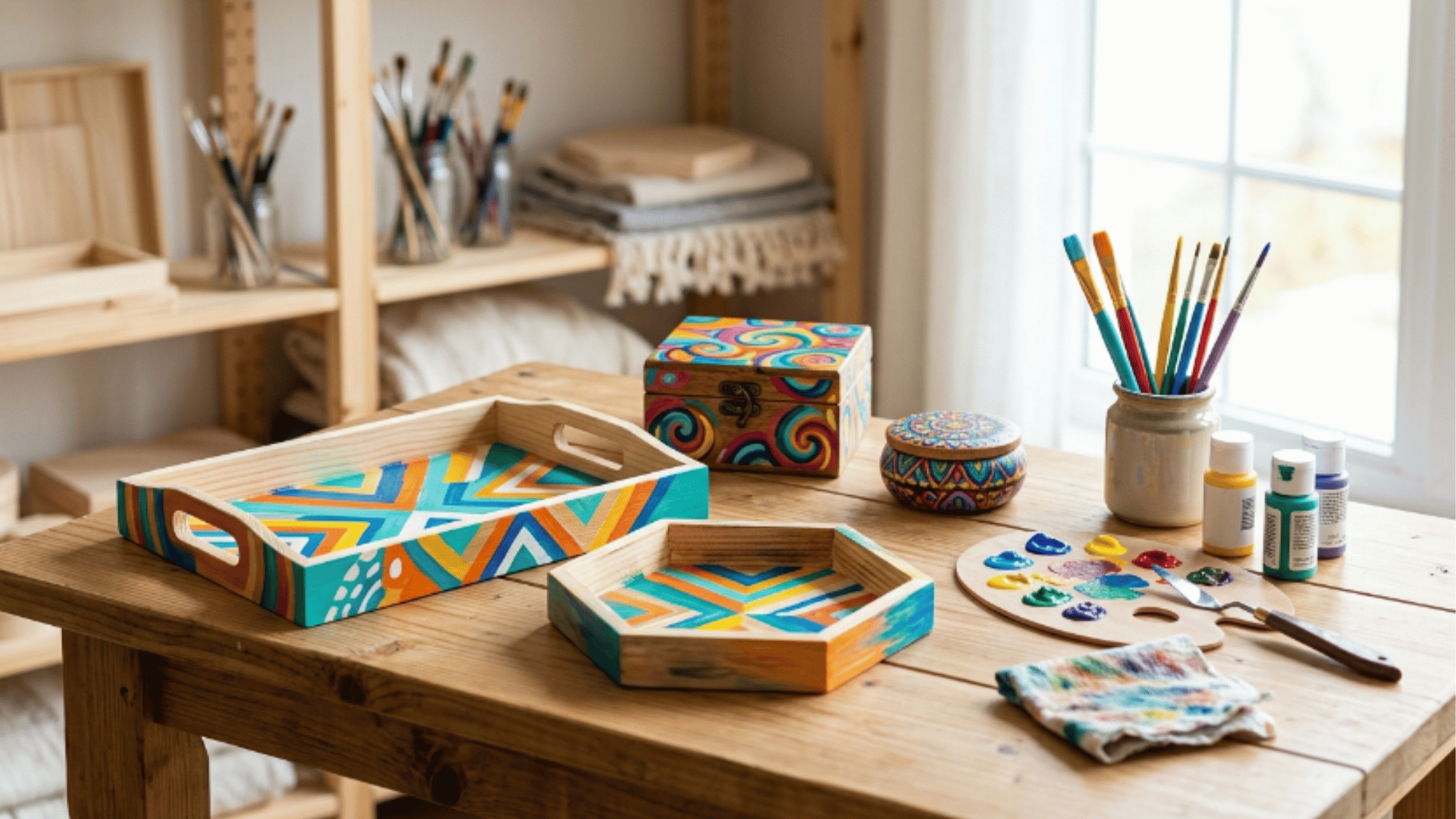
Small wood crafts are where most painters learn how well they can use acrylic paint on wood in practice. Decorative boxes, painted trays, and small display pieces all take acrylic paint well.
The fast drying time makes layering colors and adding detail work far easier on smaller surfaces. These projects rarely need heavy prep, making them ideal for quick painting sessions.
4. Decorative Furniture
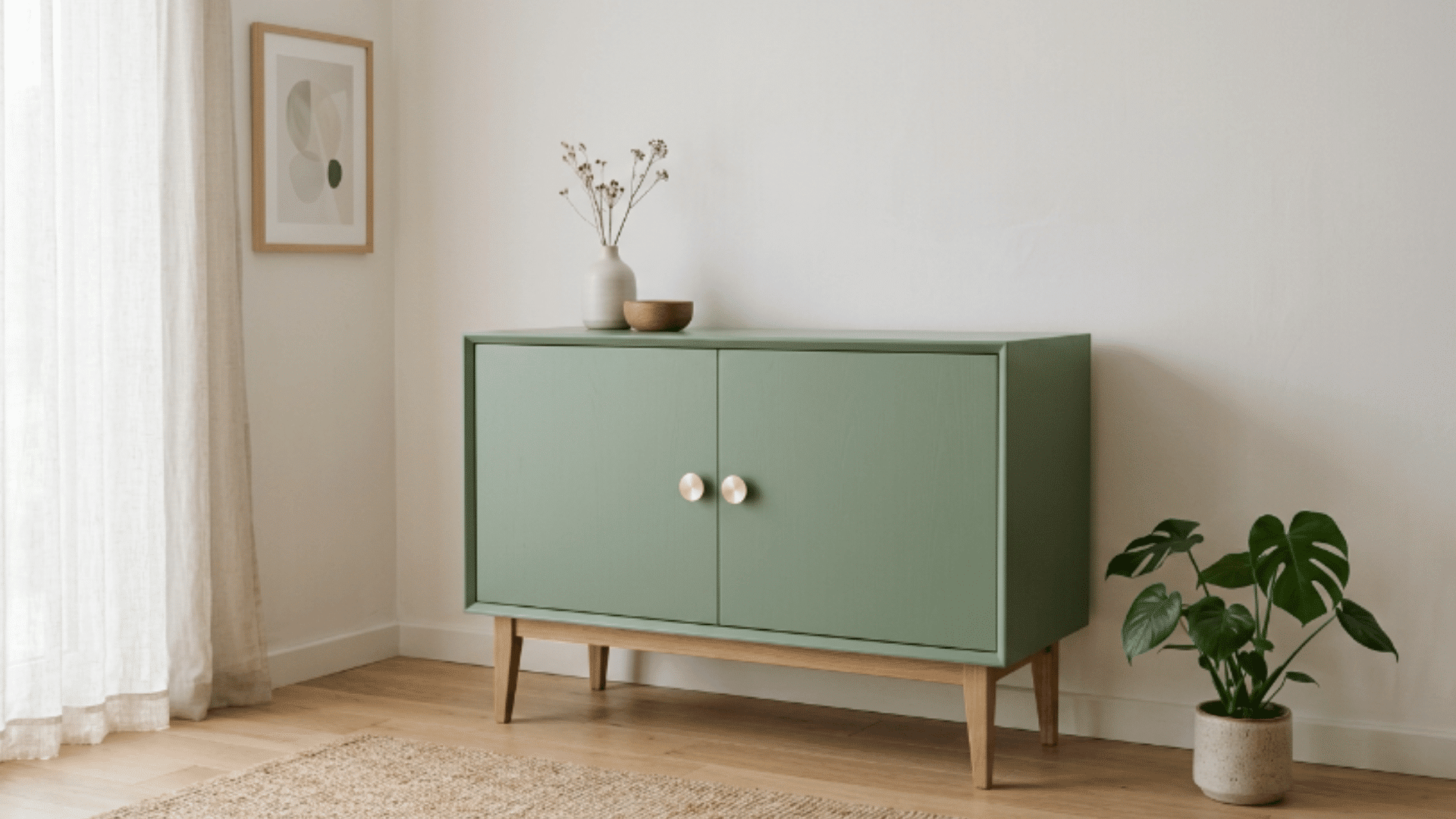
Decorative furniture pieces respond well to acrylic paint when the surface is prepared correctly. Multiple thin coats build up a rich finish that appears polished, with no brushstroke marks.
A durable sealer on top protects the painted surface against daily contact and light furniture use.
5. Kids’ DIY Projects
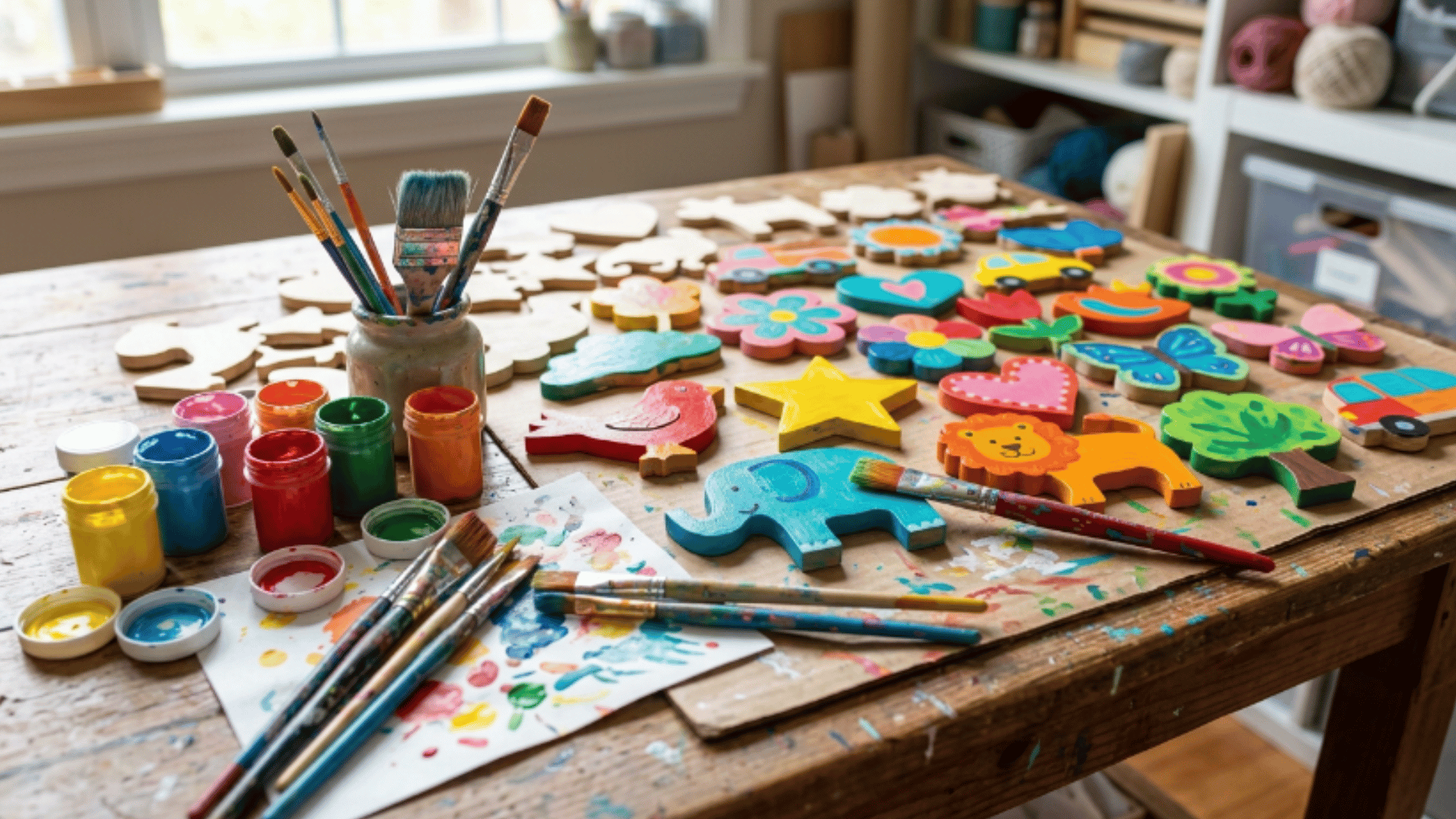
Kids’ DIY wood projects are among the best use cases because acrylics are easy to handle. Fast drying time means projects finish quickly, which keeps younger painters engaged throughout.
The wide color range makes mixing and experimenting with shades fun and straightforward for beginners. Cleanup with water and soap is simple, making the whole process manageable.
Outdoor Projects
Outdoor wood projects require more preparation and the right finishing products, but acrylics can perform well on exterior surfaces when properly applied.
6. Garden Signs
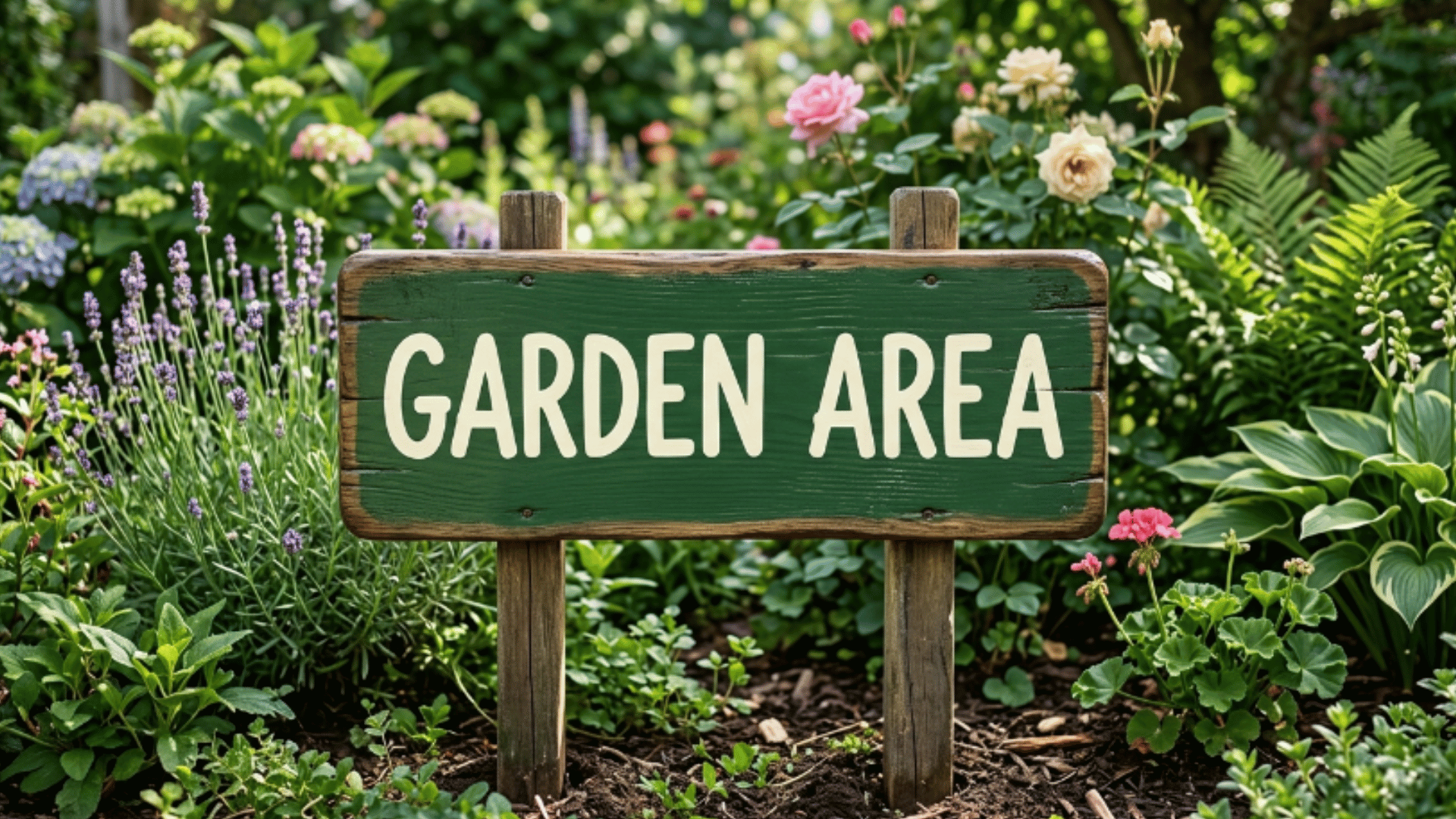
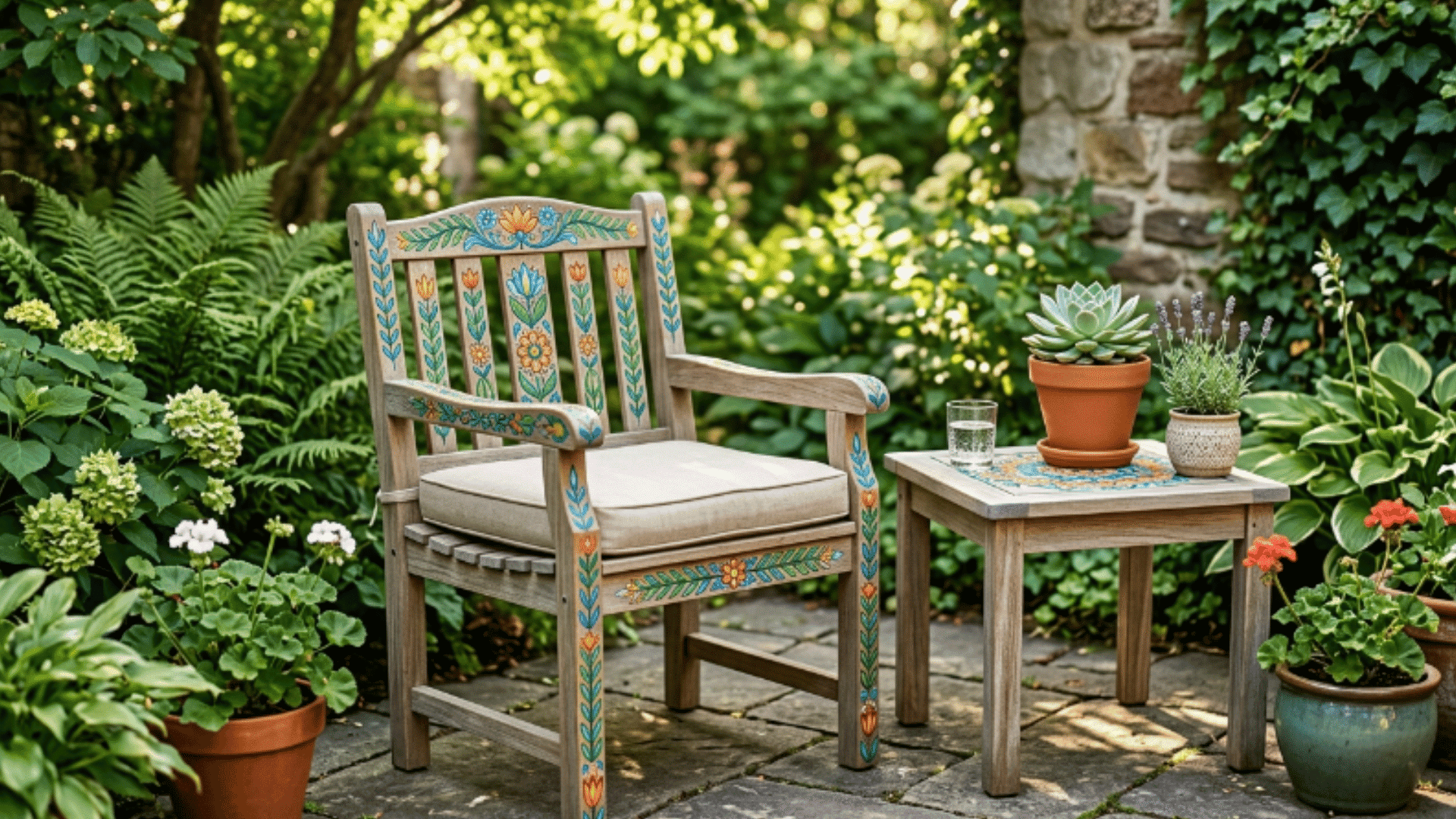
Garden signs are among the most common outdoor applications of acrylic paint on wood. A weather-resistant primer before painting gives the color a stable base that resists moisture.
Bold lettering and simple designs hold their shape well when sealed with an exterior-grade topcoat. Reapplying sealer once a season keeps the sign looking sharp, even in rain and sun.
7. Planters
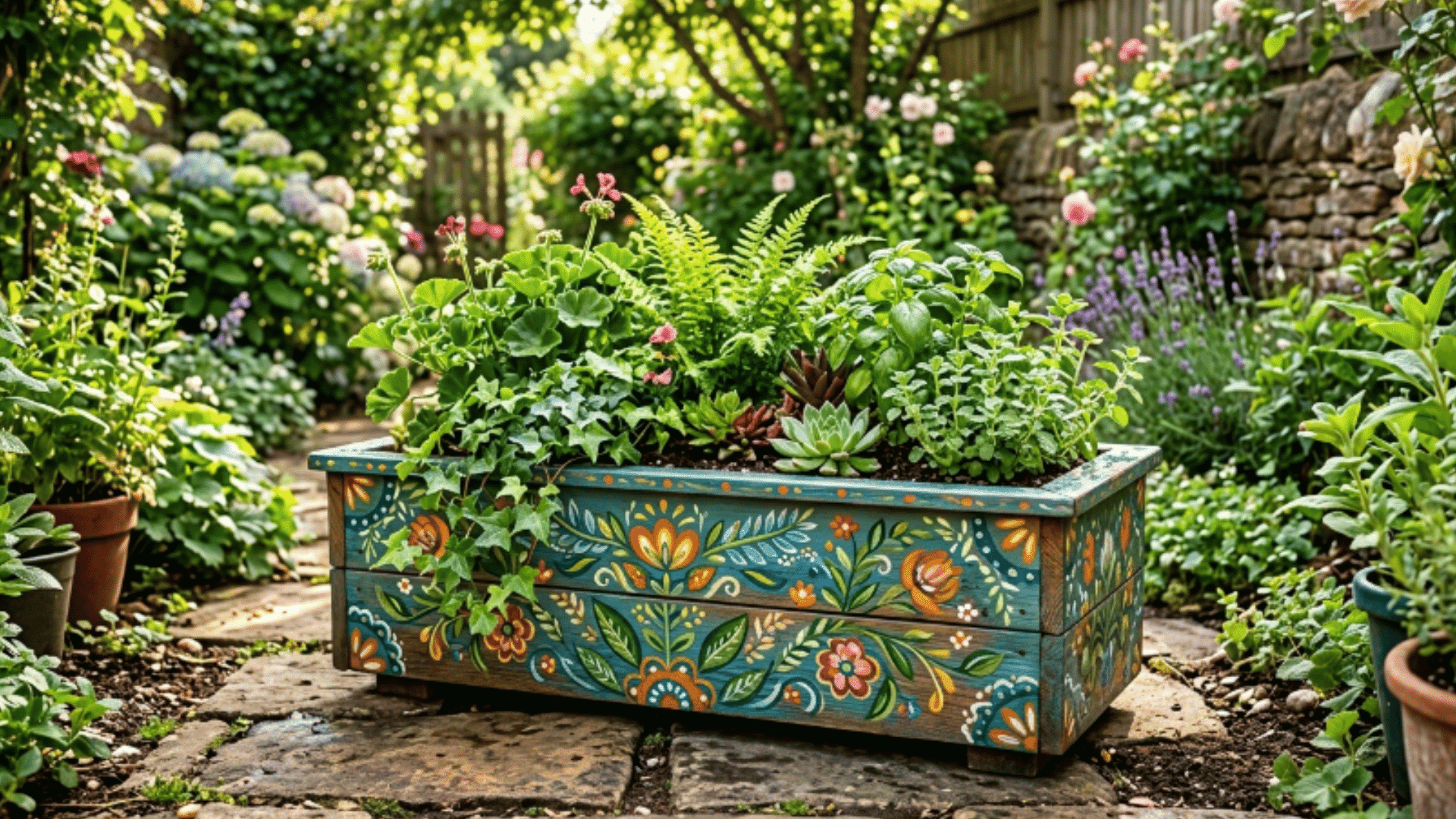
Planters present a greater challenge due to constant contact with moisture from watering and rain. A thorough sanding and priming step before painting is essential to prevent early peeling.
With the right sealer, it holds up well. An exterior waterproof topcoat applied after painting gives the surface real protection against moisture damage.
8. Porch Decor
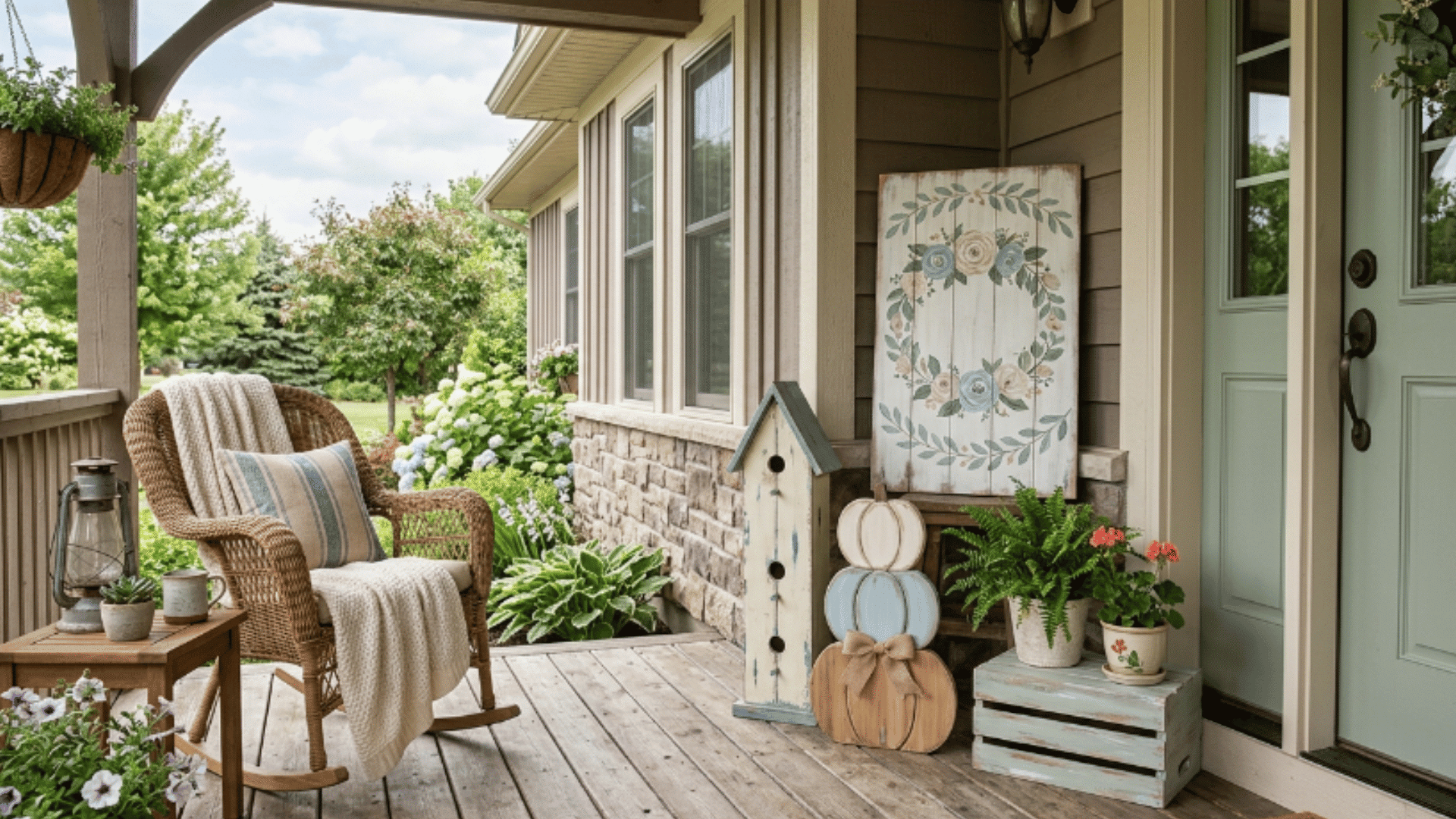
Porche decor benefits from acrylic paint when a strong primer-sealer combination is used. Pieces placed under covered porches face less direct rain but still deal with humidity and temperature shifts.
A quality sealer, applied in two coats, keeps porch pieces looking fresh throughout an entire outdoor season.
Simple Tips that Make Acrylic Paint Stick Better
Anyone wanting to know if acrylic paint is good for wood will find that these practical habits make all the difference.
- Sand the surface lightly before starting to give the paint a clean, even base to grip.
- Apply a primer coat before painting to improve adhesion and reduce the number of coats.
- Pick the right formula: standard acrylics for indoor use and exterior-grade acrylics for outdoor use.
- Build up color in thin, even layers rather than one thick coat to avoid an uneven finish.
- Try dry brushing or stippling on a test piece to find the right texture for the project.
- Sand back edges after drying to create a natural distressed finish on rustic wood pieces.
Wrapping It Up
So, now you know the answer to the question: can you use acrylic paint on wood? Acrylic paint on wood is one of the most practical and accessible choices available today.
Surface preparation, the right primer, and a solid sealer are what separate good results from great ones. Indoor pieces benefit from acrylic’s clean bonding, and outdoor pieces hold up when sealed correctly.
Color depth, drying time, and ease of use all favor acrylics over other options. Go ahead with your own project and share this with someone who has a wood project sitting unfinished and waiting for the right paint.
Frequently Asked Questions
Can Acrylic Paint Crack on Wood Over Time?
Yes, it can crack if applied in thick layers or on an unprepared surface. Thin coats, proper prep, and a sealer help prevent this.
Is Sanding Always Necessary Before Painting Wood?
Sanding is not always required, but it helps create a smoother surface and improves how well the paint sticks and bonds over time.
Does Acrylic Paint Change Color After Drying on Wood?
Acrylic paint may dry slightly darker or lighter than it appears when wet, so testing on a small area first always helps avoid surprises.