
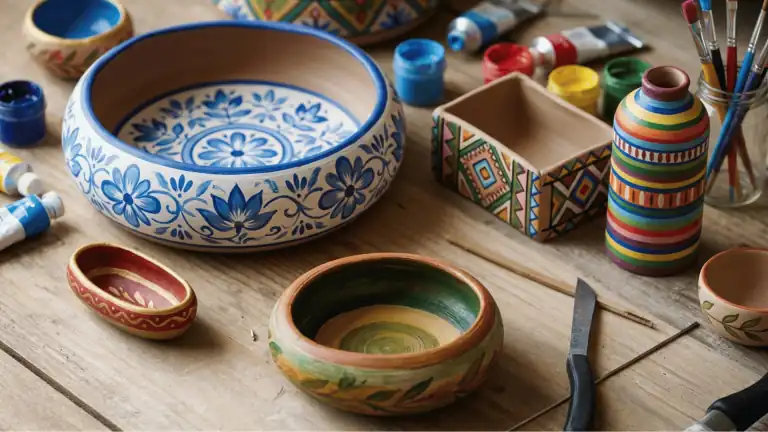
When dealing with air-dry clay, you may ask: Can you paint air-dry clay?
Absolutely! That means air-dry clay is not only a fun and easy way to create but also paintable!
If you are making ornaments, sculptures, or other home decor out of clay, color is a great way to add depth and interest! However, there is a bit of a system involved to make sure the paint adheres and looks its very best.
In this article, I will take you through everything from the appropriate paint to use to tips and tricks needed for a perfect coat.
Basics of Air Dry Clay
Air-dry clay is a type of modeling material that hardens when left to dry in the air.
No oven or kiln required. It is one of the easiest crafting materials you can find, which is largely why it is so popular for kids and beginners.
It can be shaped into all different types of shapes, dries quickly, so it is ready to paint, decorate, or display.
There are a few common types:
- White or grey craft clay: This is the most common, with the smoothest texture, best for painting
- Terracotta air-dry clay: Reddish brown, will have a more natural look
- Paper clay: Mild cohesion, less weight, mildly hairy and air-dries, giving a chalky surface
- Polymer-blend clay: Denser, frequently holds fine detail better
If you’re new to this material, it’s worth understanding how air-dry clay behaves before you paint it, because its porous surface is exactly what makes priming matter.
Best Paints to Use on Air Dry Clay
Not every paint works equally well on clay. Some adhere beautifully, while others peel right off or get absorbed too fast.
| Paint Type | Key Features | Best For | Durability |
|---|---|---|---|
| Acrylic paint | Dries quickly and gives smooth, even color | Most clay projects | High |
| Tempera or poster paint | Bright, washable, and easy to use | Kids’ crafts and school projects | Low to medium |
| Watercolor | Creates light, transparent washes | Soft effects and artistic details | Low |
| Chalk paint | Gives a flat, matte, slightly textured finish | Rustic and vintage designs | Medium |
| Spray paint | Covers large or detailed shapes evenly | Bigger pieces and complex forms | High |
| Oil paint | Offers rich color and smooth blending but dries slowly | Detailed decorative pieces | High |
Tools and Materials Needed for Painting Air-Dry Clay
The right supplies make painting easier and help create a smoother, cleaner, and longer-lasting finish on air-dry clay projects.
- Acrylic paints: Use these as the main color medium for most clay projects.
- Different brush sizes: Keep flat, round, and fine-detail brushes for varied strokes and small designs. If you’re building a kit, choosing the right brushes makes clean lines far easier on curved clay surfaces.
- Palette or old plate: Use it to mix colors and prepare custom shades.
- Water and paper towels: Clean brushes and control the paint consistency while working.
- Gesso or white acrylic paint: Apply it as a primer to prepare the clay surface.
- Sealer or Mod Podge: Protect the finished paint from scratches, dust, and light damage.
Step-by-Step Guide to Painting Air-Dry Clay
Now for the part you’ve been waiting for. Once your clay is dry and prepped, the actual painting process is straightforward; just take it one layer at a time.
Step 1: Prepare Your Clay
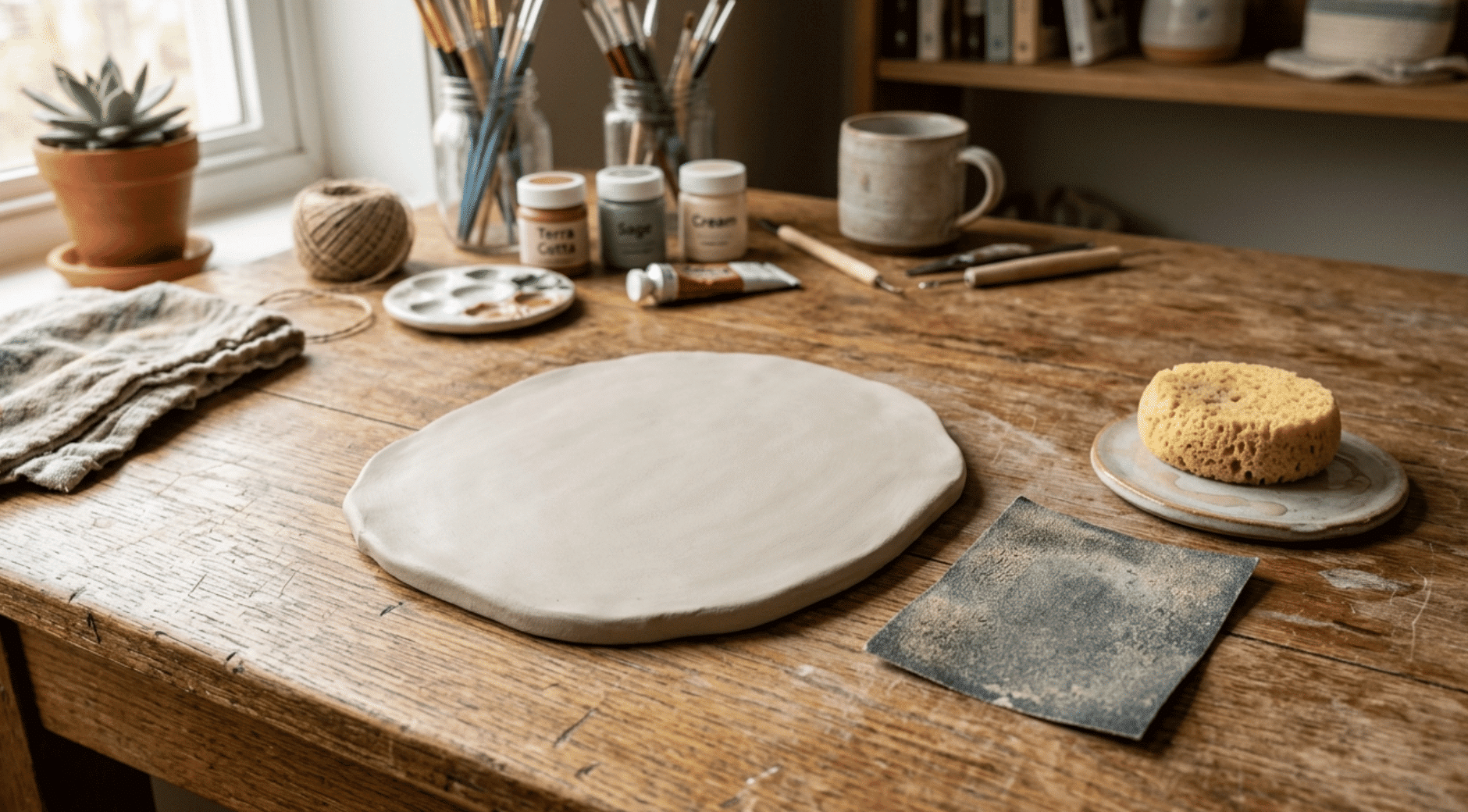
Before painting, make sure your air-dry clay is completely dry and hardened. If the clay is still soft, it could ruin your paint application.
Once dry, use sandpaper to gently smooth any rough edges or uneven surfaces. After sanding, wipe off the dust using a damp sponge or paper towel to ensure a clean surface for painting.
Step 2: Prime with Gesso or White Acrylic Paint
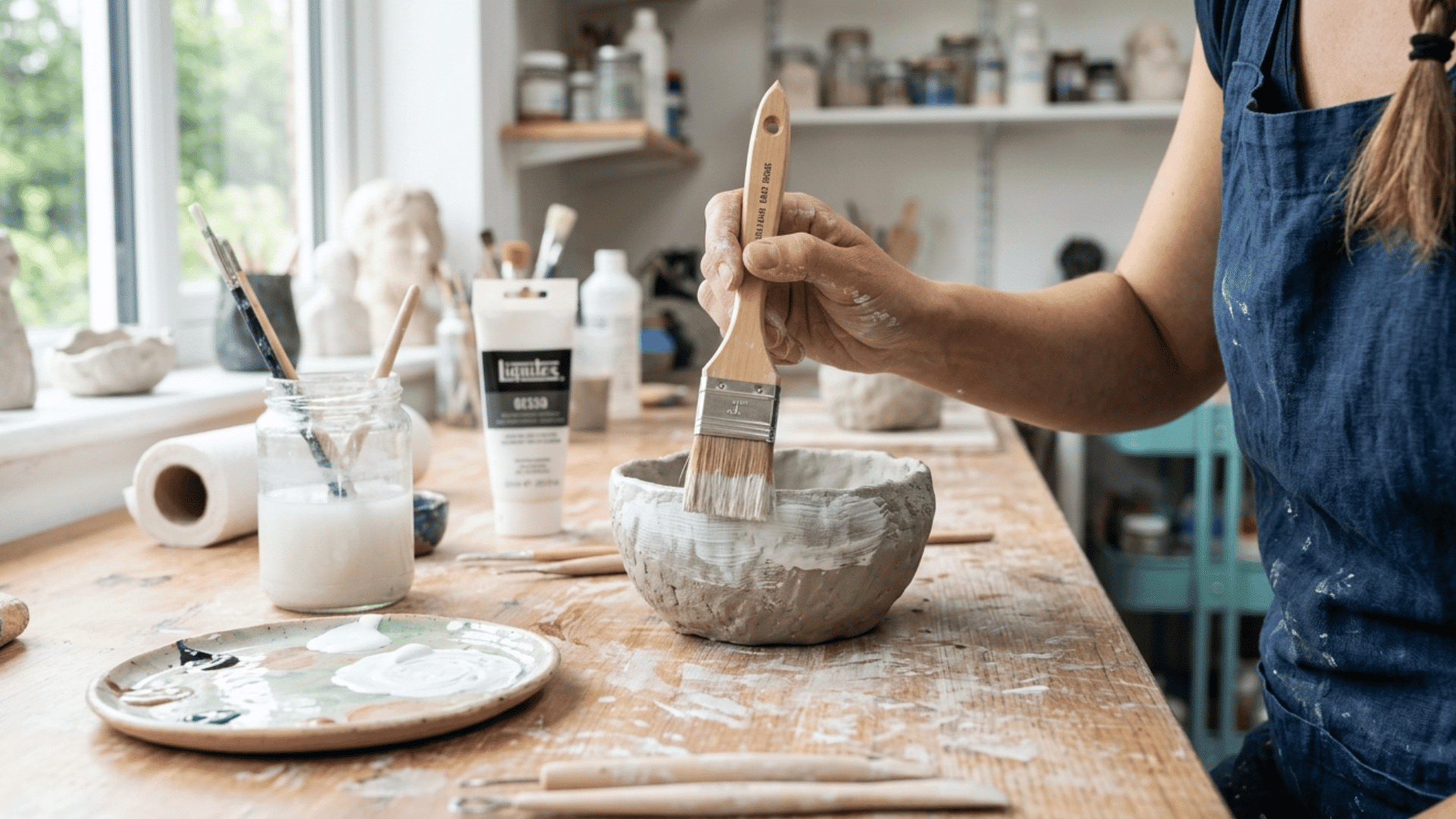
To create a better surface for the paint to adhere to, apply a coat of gesso or white acrylic paint. Gesso helps to seal the clay and provides a smoother surface for painting.
Use a flat brush to apply a thin layer of gesso or white paint over the entire surface. Let it dry completely before continuing to the next step.
Step 3: Select and Apply Base Coat
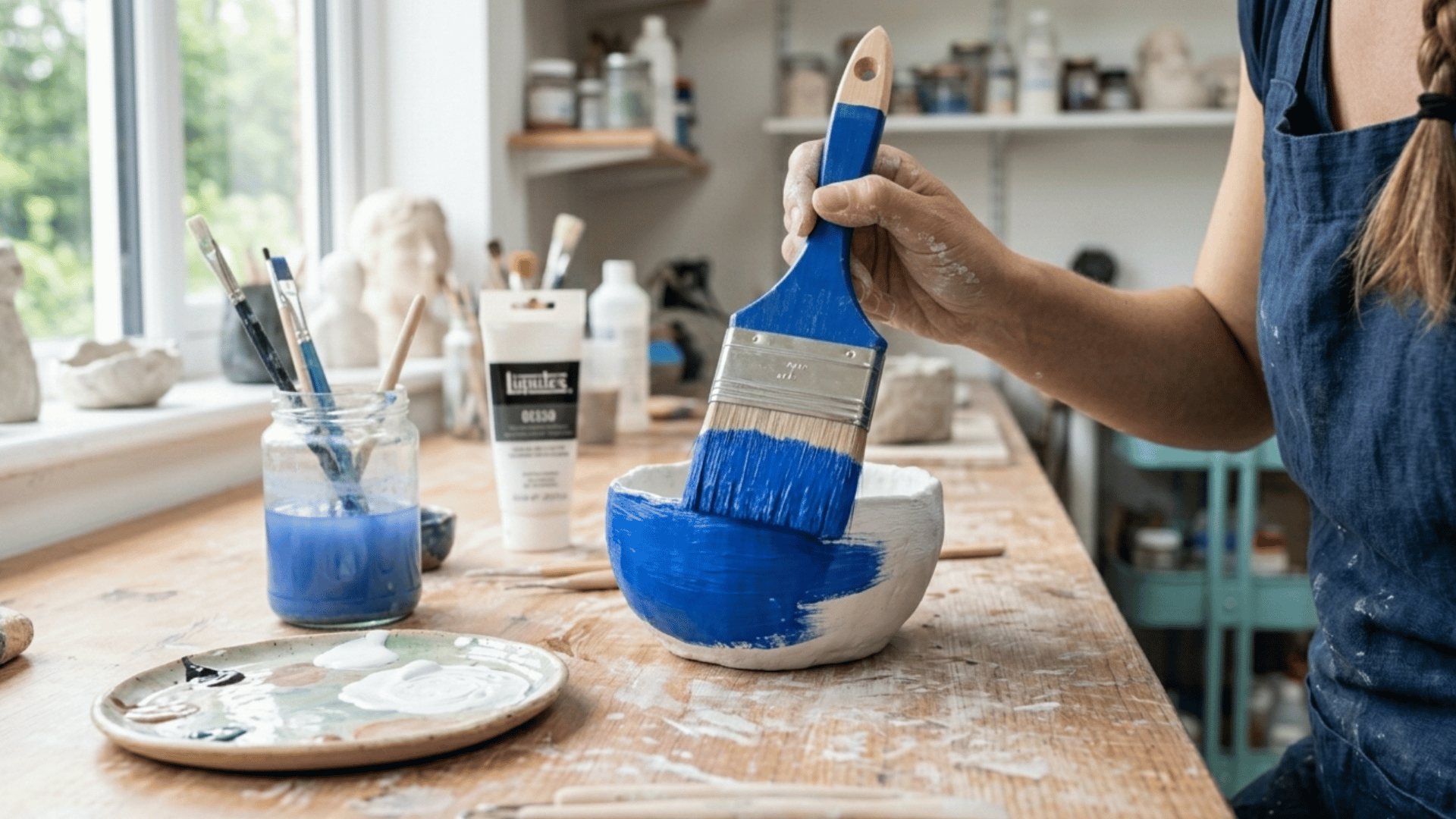
Choose your base color and apply the first layer of paint to the clay. Acrylic paints are the best option, but any paint suitable for porous surfaces works.
Use a flat brush for larger areas, ensuring a smooth, even application. Let this first layer dry completely before moving on to the next coat for even better color coverage.
Step 4: Layering Paint for Depth and Detail
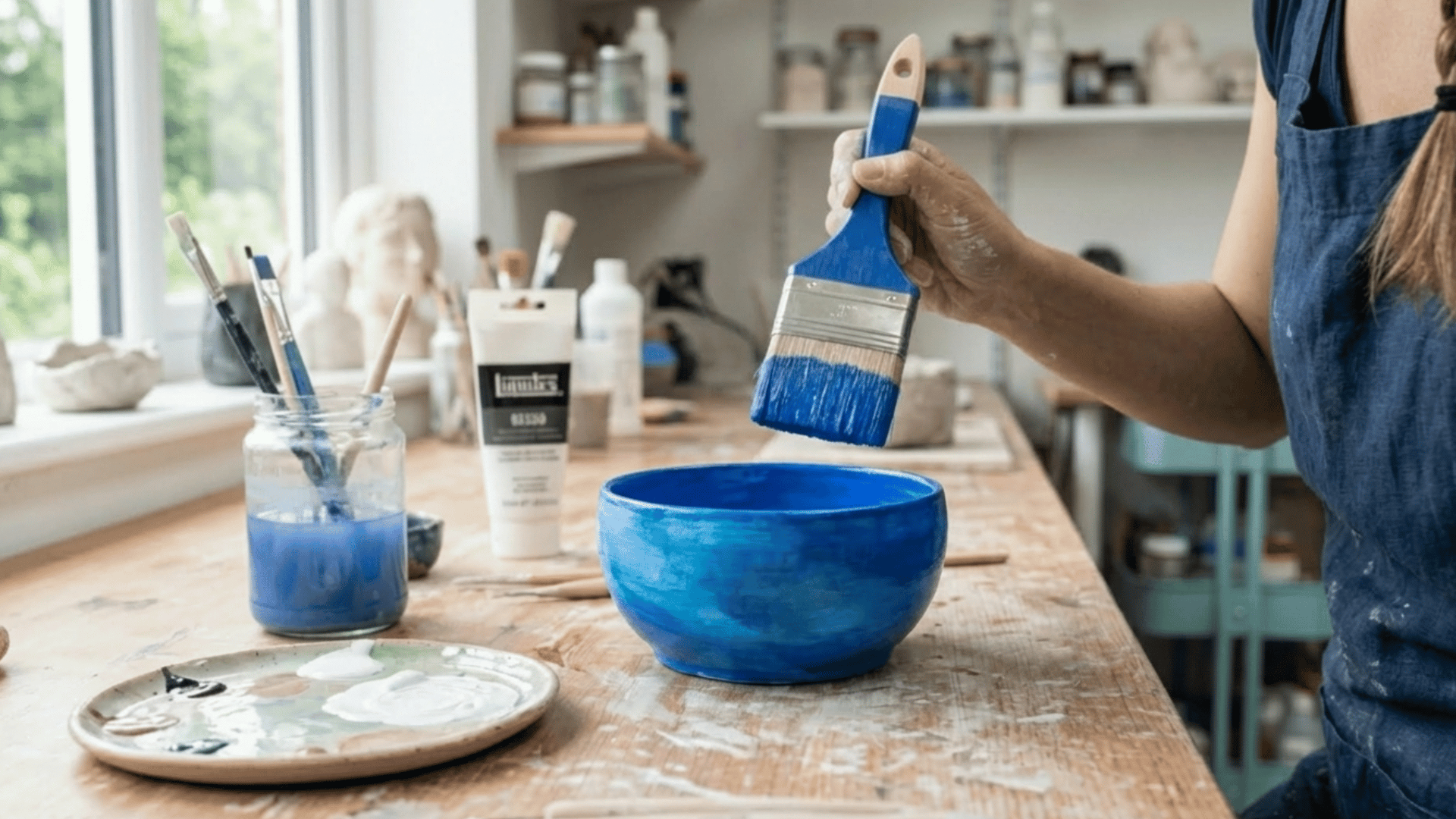
After the base coat is dry, add more layers of paint to build up depth and vibrancy.
Use round brushes for larger areas or fine detail brushes to create intricate designs.
Be sure to let each layer dry thoroughly before adding the next to prevent the paint from smudging or mixing. Thin layers are key to avoiding cracks.
Many of the same layered acrylic painting techniques used on canvas translate directly to clay, so it’s worth borrowing from them here.
Step 5: Add Detailed Designs
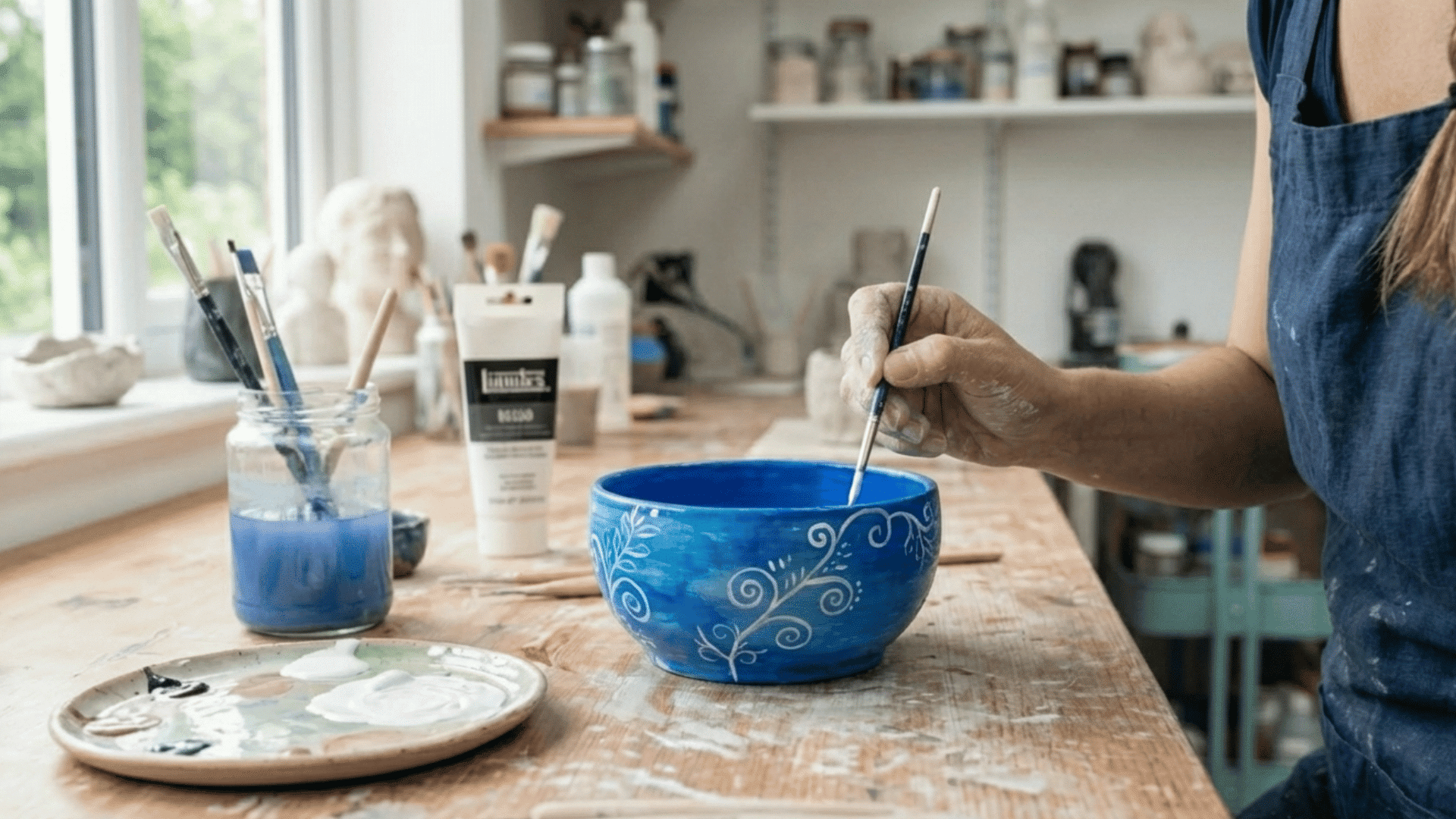
Once the paint is fully dry, it’s time to add fine details. Using a fine detail brush, paint your designs, whether they’re patterns, dots, lines, or any other creative touches.
If you want to add more texture or depth, feel free to mix different shades or colors. Take your time, and let each design dry fully before adding additional layers or details.
Step 6: Seal Your Work
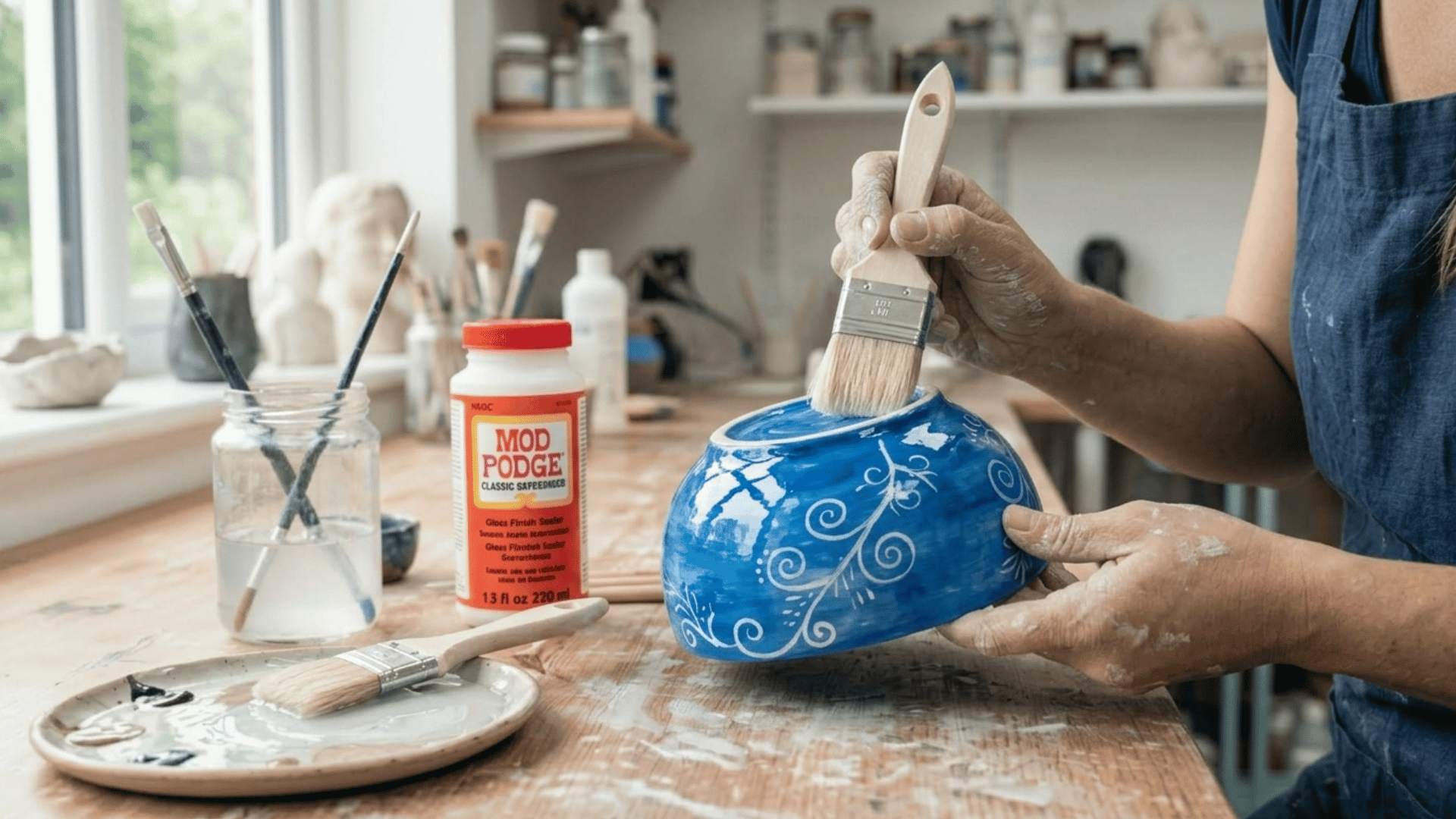
To protect your painted design and give it a long-lasting finish, apply a clear sealer like Mod Podge, Resin, Wax, or Acrylic Varnish Spray. Choose the type of finish you want (matte, glossy, or satin).
Apply a thin, even layer of sealer with a soft brush and let it dry completely. This will ensure that your painted air-dry clay remains vibrant and protected for a long time.
If you’re a beginner, I recommend trying Mod Podge as your sealer. It’s easy to work with, dries quickly, and provides a reliable protective finish.
Troubleshooting Common Air-Dry Clay Painting Problems
Even with the right steps, a few issues come up again and again. Here’s how I fix the ones I run into most:
| Problem | Why It Happens | Fix |
|---|---|---|
| Paint soaks in and looks patchy | The clay surface is porous or has not been primed. | Apply gesso first, then build the color with thin, even layers. |
| Hairline cracks appear after painting | The paint coats are too thick, or the clay is not fully dry. | Let the clay dry for 24 to 72 hours and apply thinner coats. |
| Paint beads up on the surface | The clay surface is too smooth or slightly slick. | Lightly sand the surface and mix a tiny drop of dish soap into the paint. |
| Sealer turns cloudy | The paint has not dried fully before sealing. | Let the paint dry overnight before applying the sealer. |
Useful Painting Techniques to Try
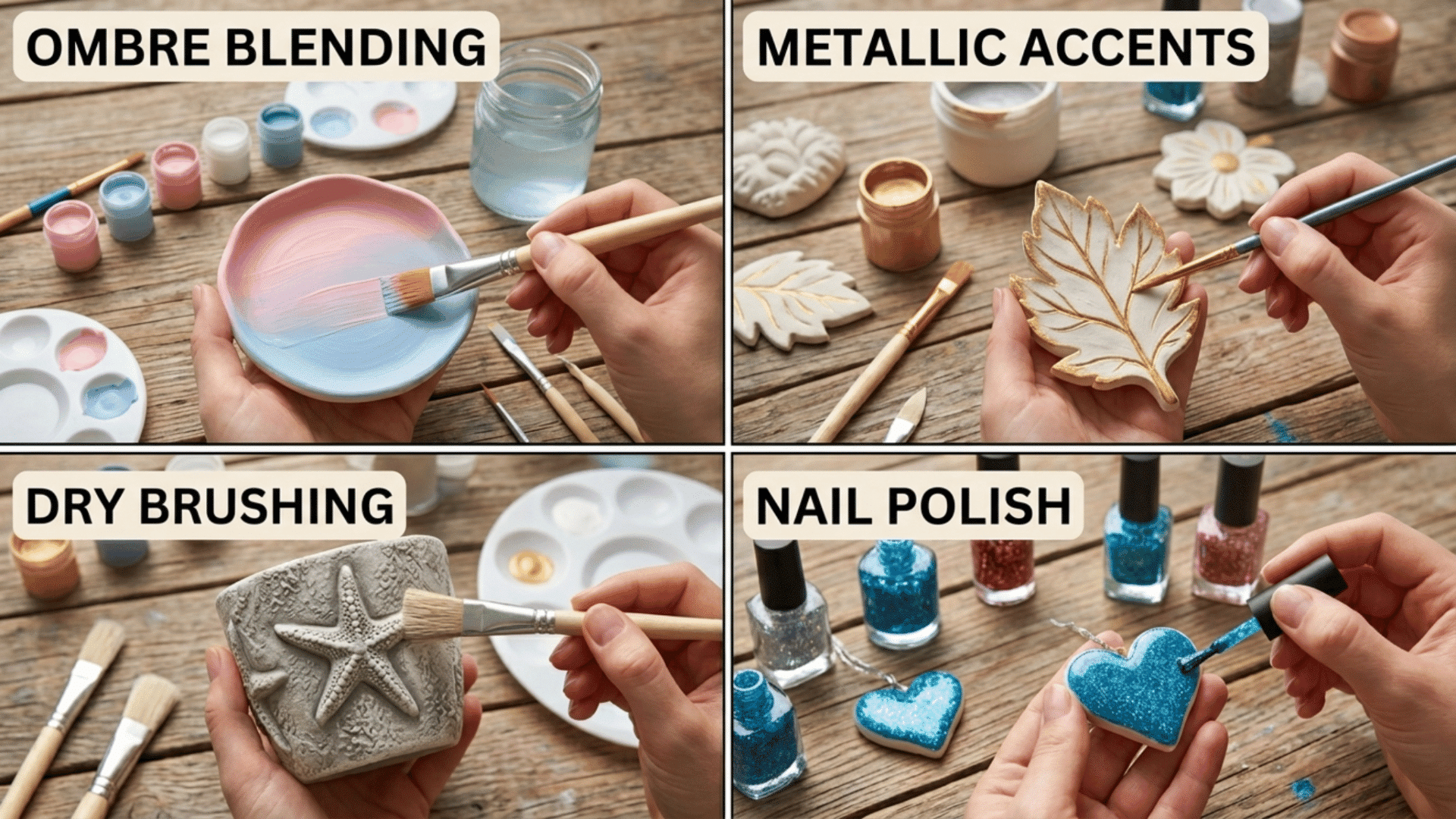
When you’ve got a handle on it, there are ways to make your writing even more polished:
1. Ombre Blending
Blending two or more colors together to create a gradient effect. To get an ombre effect, place both colors wet on a piece of canvas or paper and blend them together using a paintbrush or sponge.
This painting method will give the image a subtle fading look. Acrylic paint will give the best results since it is more flexible and quickly dries.
2. Dry Brushing
Using this technique, you can give your work a worn look. Dip a dry brush into paint (preferably a bit of paint left on your palette) and lightly apply it to the surface.
It is important to let the detail of the object shine through, letting it be painted very lightly. This works great for clay sculptures or textures, giving them an aged rustic look.
3. Gold Leaf or Metallic Accents
Gold leaf or metallic accents add luxury and drama to your painting. After your base coat has dried, sprinkle metallic gold leaf or paint where you want it to stand out.
Using a fine brush or sponge, apply the metallics gently, focusing on the edges or points of interest to create contrast. This method is a classic way to give a piece an elegant and sophisticated look.
4. Nail Polish
Nail polish is a strange but very effective tool for fine details. It is perfect for highlighting or painting small lines, or even just small details you would like to create.
Nail polish is a fast-drying product, so apply it quickly to prevent smudging. Use it to add soft designs to your artwork or as a base layer for other decorative effects.
Pro Tips for Better Results
In this step, there are several ways to give your painted air-dry clay pieces more time to dry and better looks.
- Don’t Forget the Underside: Have a brush or roller by your side and paint under your cardboard for a professionally finished look.
- Lazy Susan: A turntable that allows you to spin and paint without touching the art!
- Paint Adhesion: Add a small drop of dish soap to acrylic paint to increase adhesion on very smooth clay.
- Wait Between Layers: Let each layer completely dry before applying the next. This will help avoid smudging and blending issues.
- Use Thin Layers of Paint: Apply the paint in thin layers instead of thick layers to prevent cracking and ensure a uniform coat.
Conclusion
Painting air-dry clay is a fun way to improve your projects.
If done correctly, you can have a beautiful, professional-looking finish with the right steps and materials to bring out the beauty of your designs in clay.
Whether you are adding details or just adding a bit of color to your clay pieces, patience and detail will keep them coming.
Are you ready to get started? Then grab your materials, unleash some creativity, and create something amazing today!
Frequently Asked Questions
Can You Paint Air-Dry Clay without Primer?
Yes, but the finish won’t be as clean. Without a primer, the porous clay soaks up paint unevenly, so you’ll need more coats, and colors may look dull or patchy. A primer isn’t required, but skipping it usually means more work for a weaker result.
Can You Paint Air-Dry Clay Before It Dries?
It’s best not to. Painting damp clay traps moisture, which can cause the paint to bubble, crack, or lift as the piece finishes drying. Wait until the clay is fully hardened, usually 24 to 72 hours, before adding any color.
How Do You Paint Air-Dry Clay to Look Like Ceramic?
Sand the surface smooth, then use a few thin coats of paint in a solid color for an even, glazed look. Finish with a glossy sealer, which gives that shiny, fired-ceramic appearance without needing a kiln.