

Picking the best shows for preschoolers can feel oddly overwhelming, right?
There are hundreds of options, and half of them promise to be “educational” without really teaching much. I get it, you just want something your child will love and actually learn from.
So how do you separate the shows that help little minds grow from the ones that are just noise and color? It doesn’t have to be complicated.
A few simple things can make all the difference between screen time that helps and screen time that just fills space. Ready to find a show your little one will adore? Here’s a list worth checking out.
What Should Parents Look for in a Preschool Show?
A good preschool show should fit your child’s age, interests, and stage of development. It should offer stories that are easy to follow while encouraging curiosity, communication, or positive behavior.
Look for shows with simple language, helpful lessons, and characters children can connect with. The pacing matters too. Calmer storytelling is often easier for young viewers to process than fast, overwhelming content.
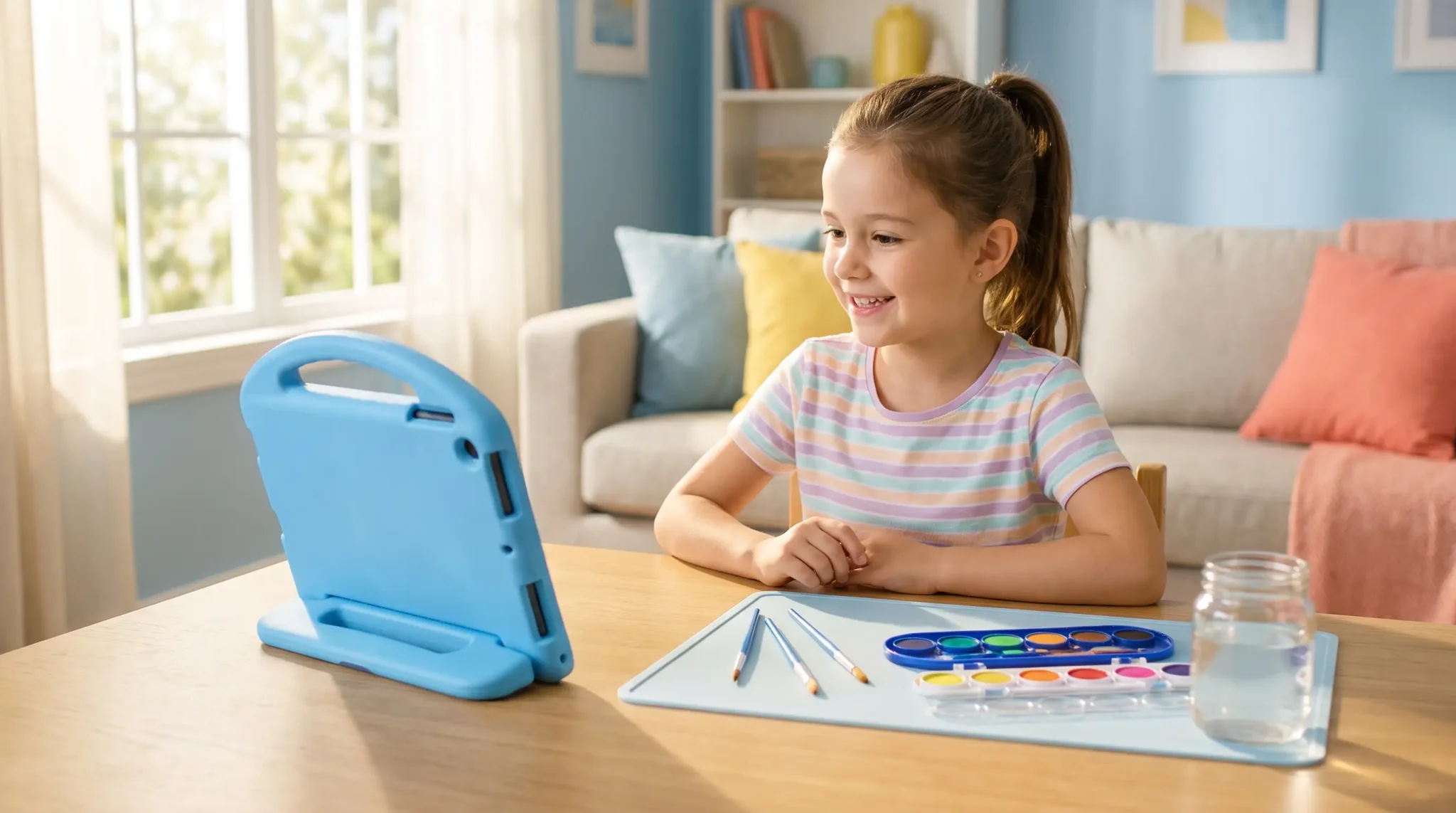
Educational value is important, but enjoyment and activities matter just as much. Watching together when possible gives parents a chance to discuss the story and make screen time more interactive.
Best Shows for Preschoolers to Watch for Kids
I believe not every preschool show is built the same. Some focus on letters and math, while others are made for children who need slower, calmer content. The list below covers both, organized by type so you can quickly find the right fit for your child:
Educational Shows for Preschoolers
These shows are built around clear learning goals: from reading and math to science and emotions. They are a strong starting point if you want screen time to feel productive.
1. Sesame Street
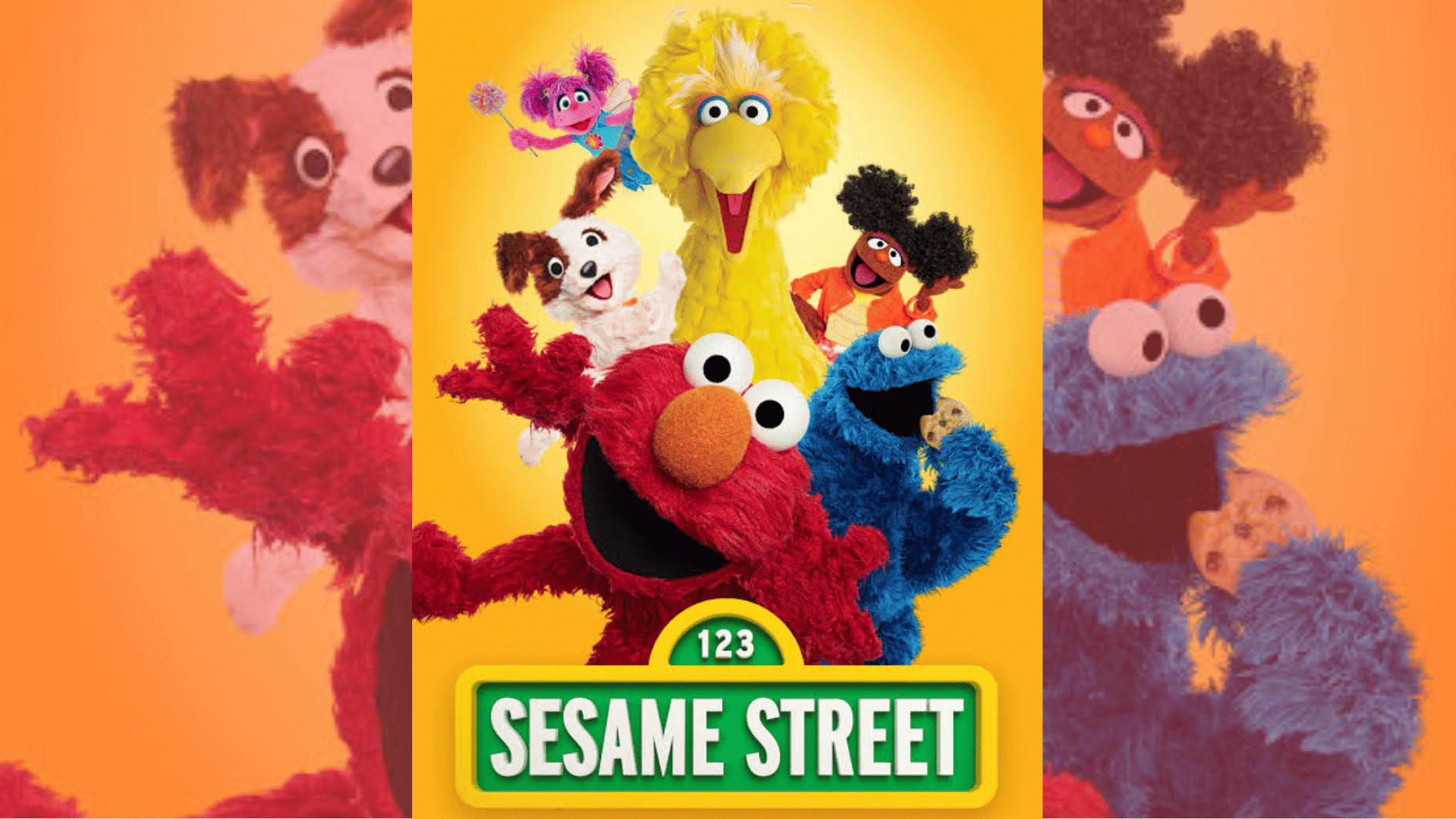
Sesame Street is a long-running educational show that uses Muppet characters, music, and humor to teach young children letters, numbers, and social skills.
- What it teaches: Early literacy, counting, kindness, and emotions
- Best for: Ages 2 to 5 who respond well to music and colorful characters
- Episode length: Around 60 minutes, but works well in short segments
- Where to watch: Netflix, Apple TV
2. Daniel Tiger’s Neighborhood
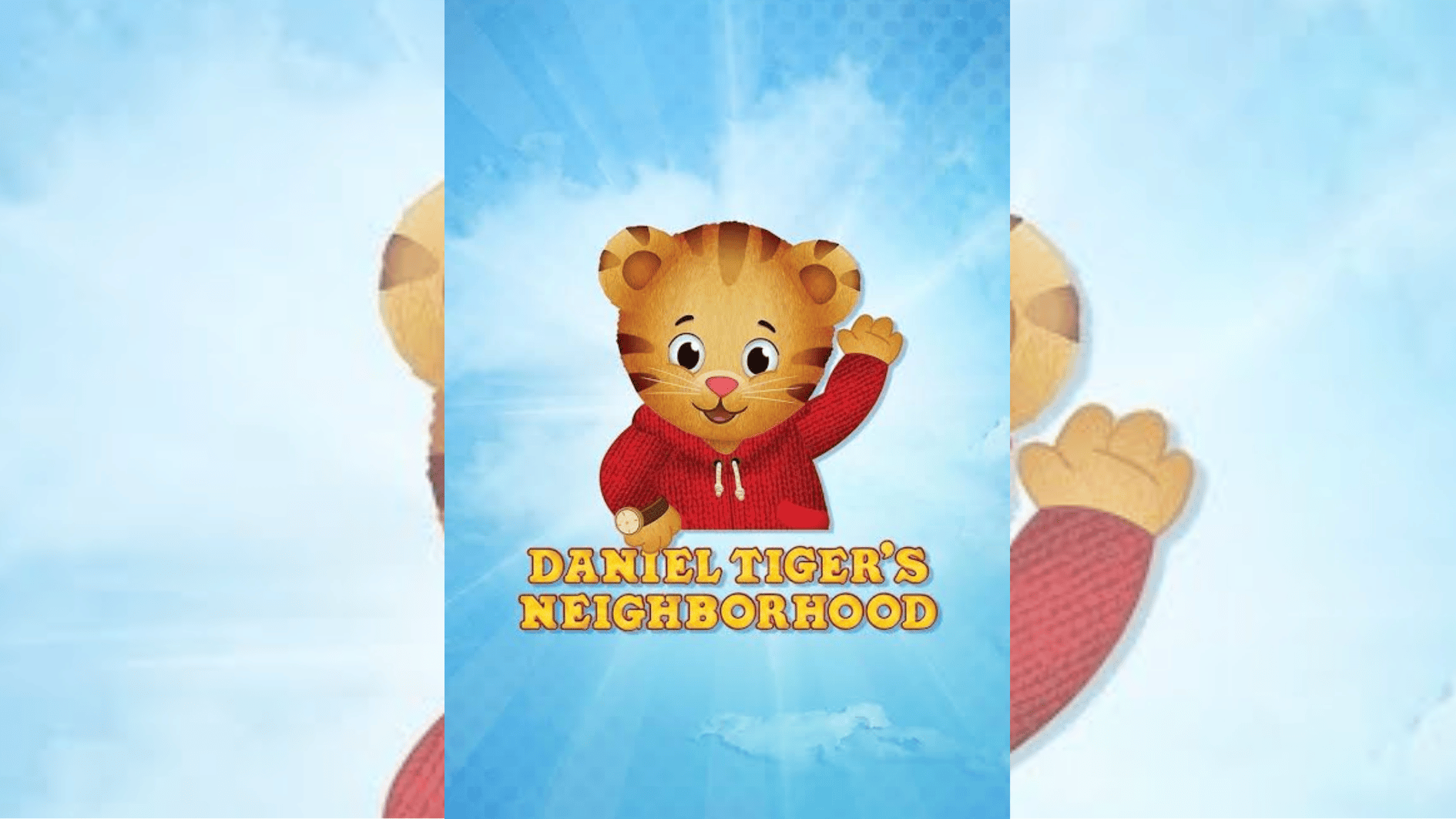
Daniel Tiger is a gentle animated show built around feelings and daily routines, using simple songs to help children handle big emotions.
- What it teaches: Emotional regulation, kindness, and everyday social skills
- Best for: Children ages 2 to 4 who struggle with transitions or big feelings
- Episode length: Around 28 minutes with two short stories per episode
- Where to watch: Amazon Prime
3. Bluey
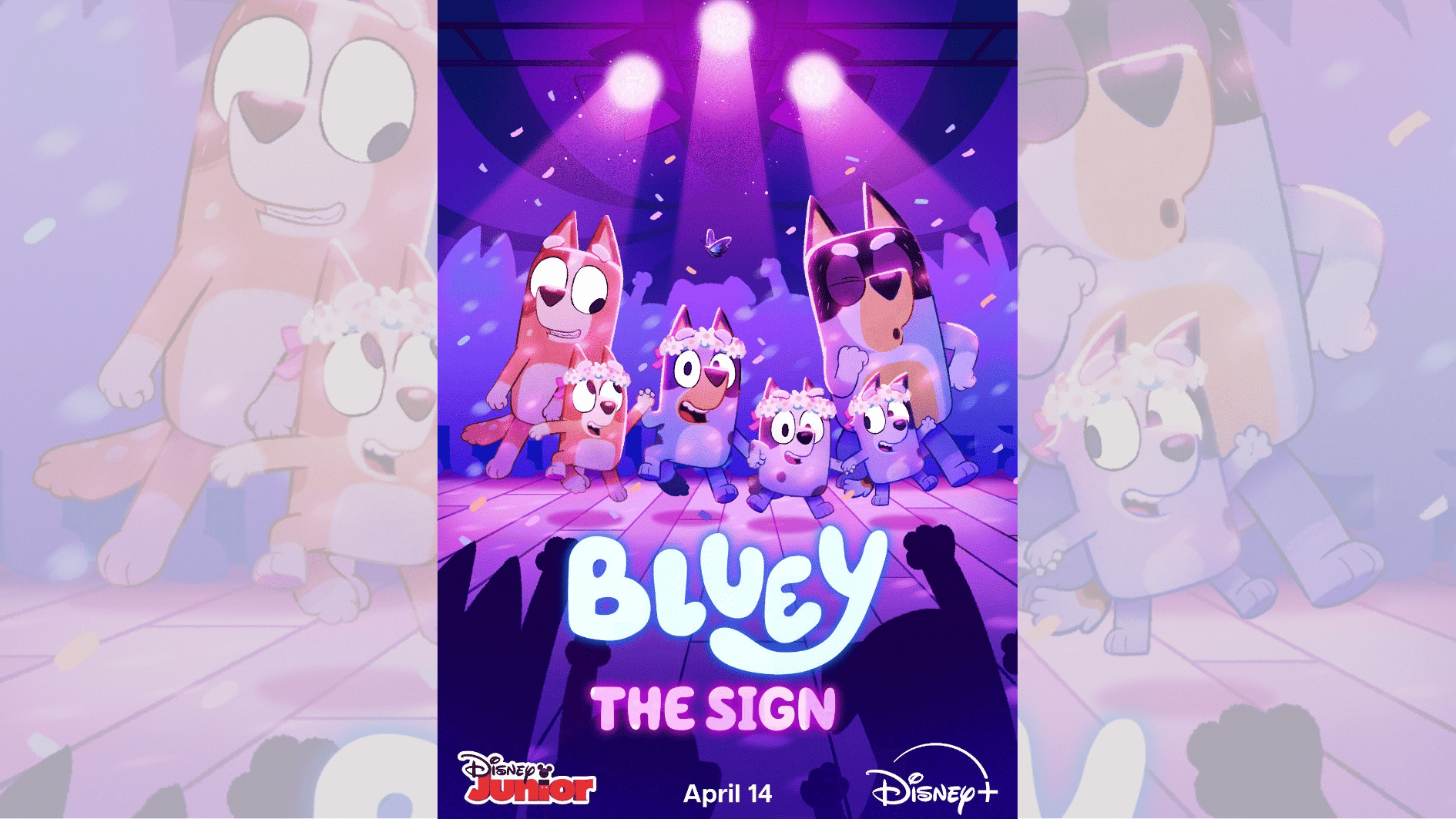
is an Australian animated show about a six-year-old puppy and her family, built around imaginative play and real family dynamics.
- What it teaches: Creativity, family relationships, and emotional awareness
- Best for: Ages 3 to 5; parents often enjoy watching alongside their kids
- Episode length: Around 7 minutes, making it easy to manage screen time
- Where to watch: Disney+
4. Numberblocks
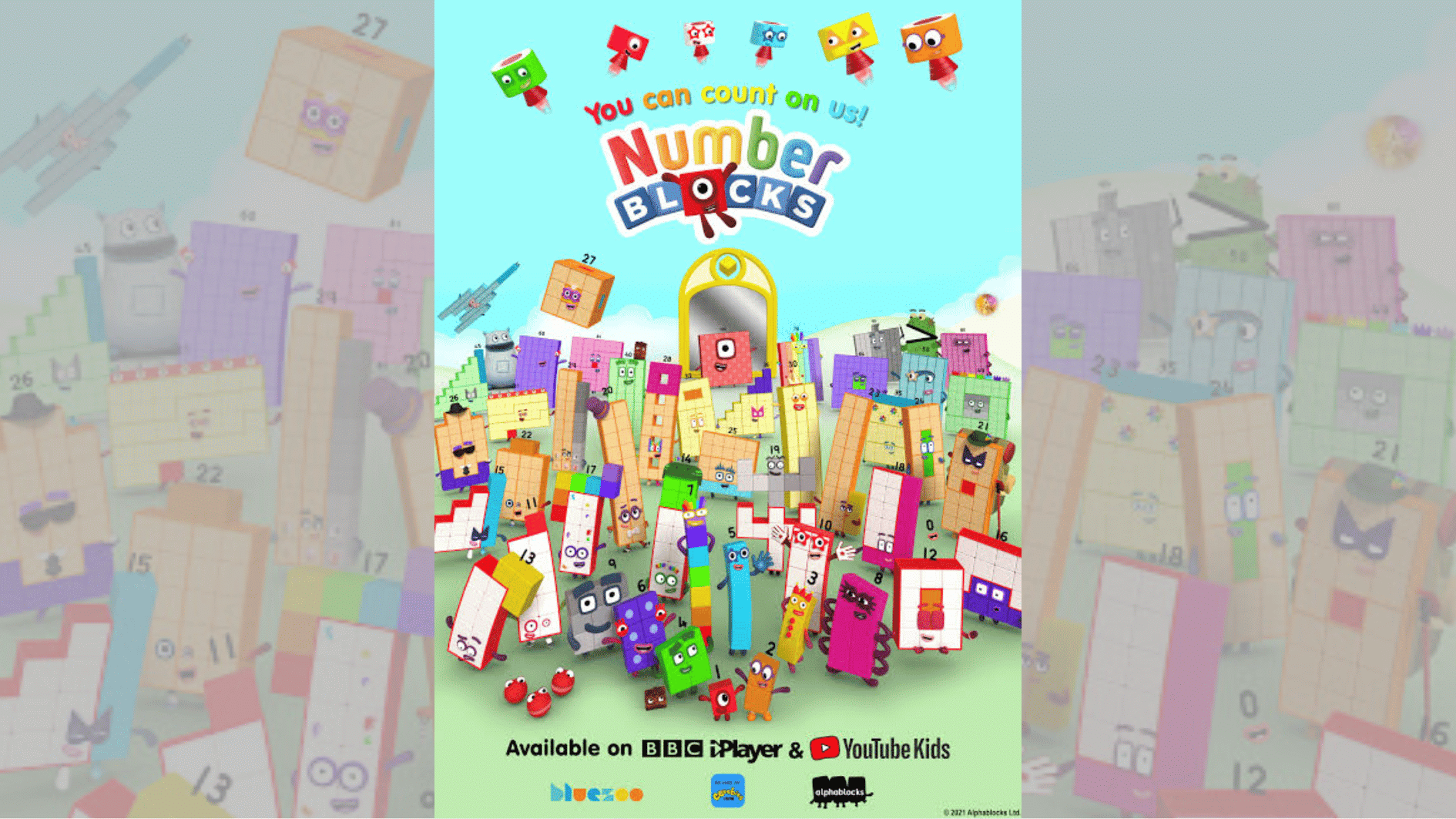
Numberblocks is a math-focused animated show where each number is a character, making early number concepts visual and easy for young children to grasp.
- What it teaches: Counting, number recognition, and basic addition
- Best for: Ages 3 to 5 who are beginning to count or show interest in numbers
- Episode length: Around 5 minutes per episode
- Where to watch: Netflix
5. Wild Kratts
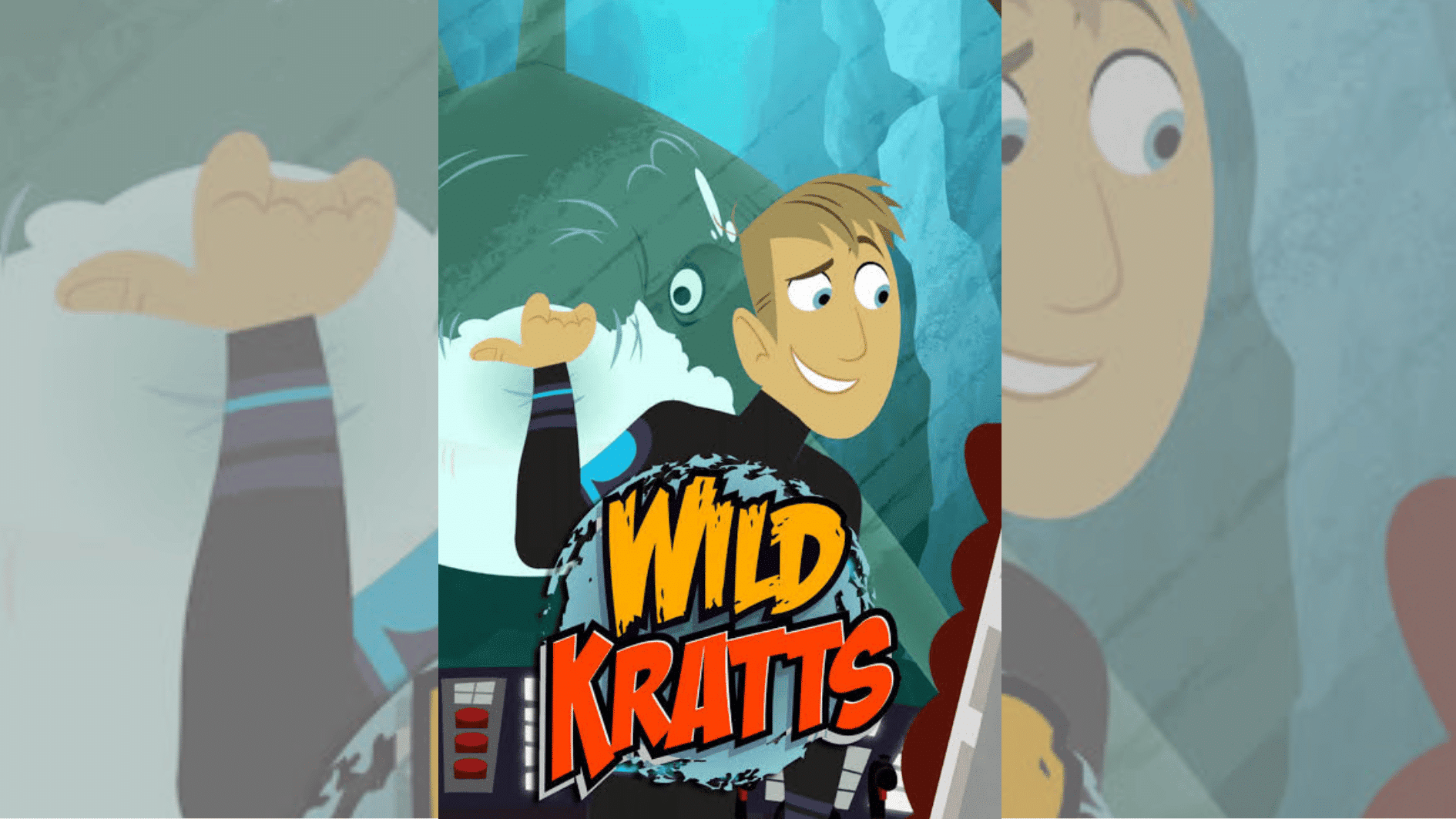
Wild Kratts follows two brothers who use creature powers to go on animal-based adventures, teaching real science facts through exciting storytelling.
- What it teaches: Animal biology, nature, and basic science concepts
- Best for: Ages 3 to 5 who love animals and active, adventure-style content
- Episode length: Around 24 minutes per episode
- Where to watch: PBS Kids
6. Super Why!
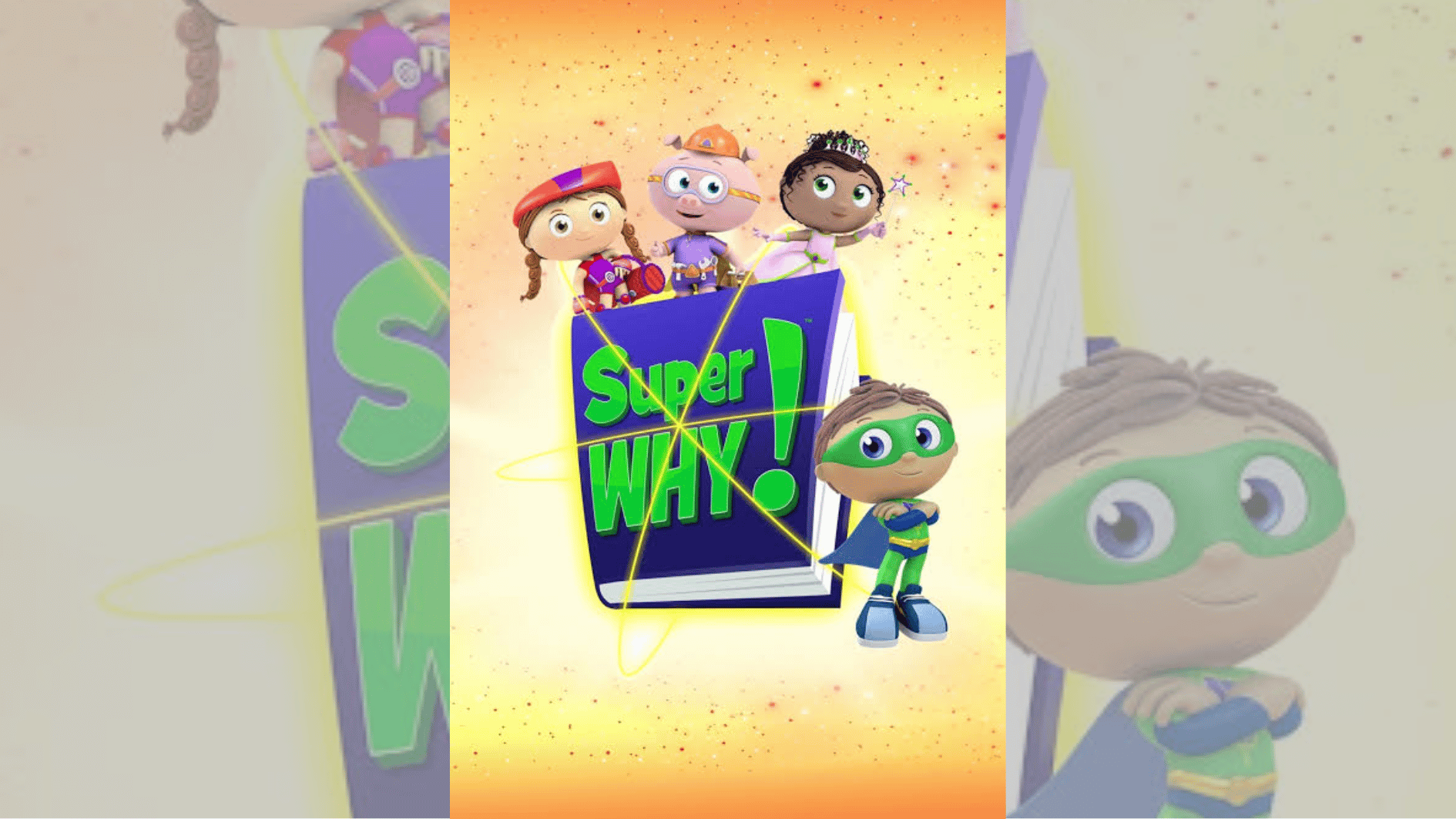
Super Why! is a reading-focused show where characters use letters and words to solve problems inside fairy tales, making literacy feel like an adventure.
- What it teaches: Letter recognition, phonics, spelling, and reading readiness
- Best for: Ages 3 to 5 who are just starting to connect letters with sounds
- Episode length: Around 24 minutes per episode
- Where to watch: PBS Kids
7. Octonauts

Octonauts follows a team of animal findrs on underwater rescue missions, combining ocean science with teamwork and problem-solving.
- What it teaches: Ocean life, animal facts, teamwork, and science vocabulary
- Best for: Ages 3 to 5 who love sea creatures and mission-style storytelling
- Episode length: Around 11 minutes per episode
- Where to watch: Netflix
8. Peg + Cat
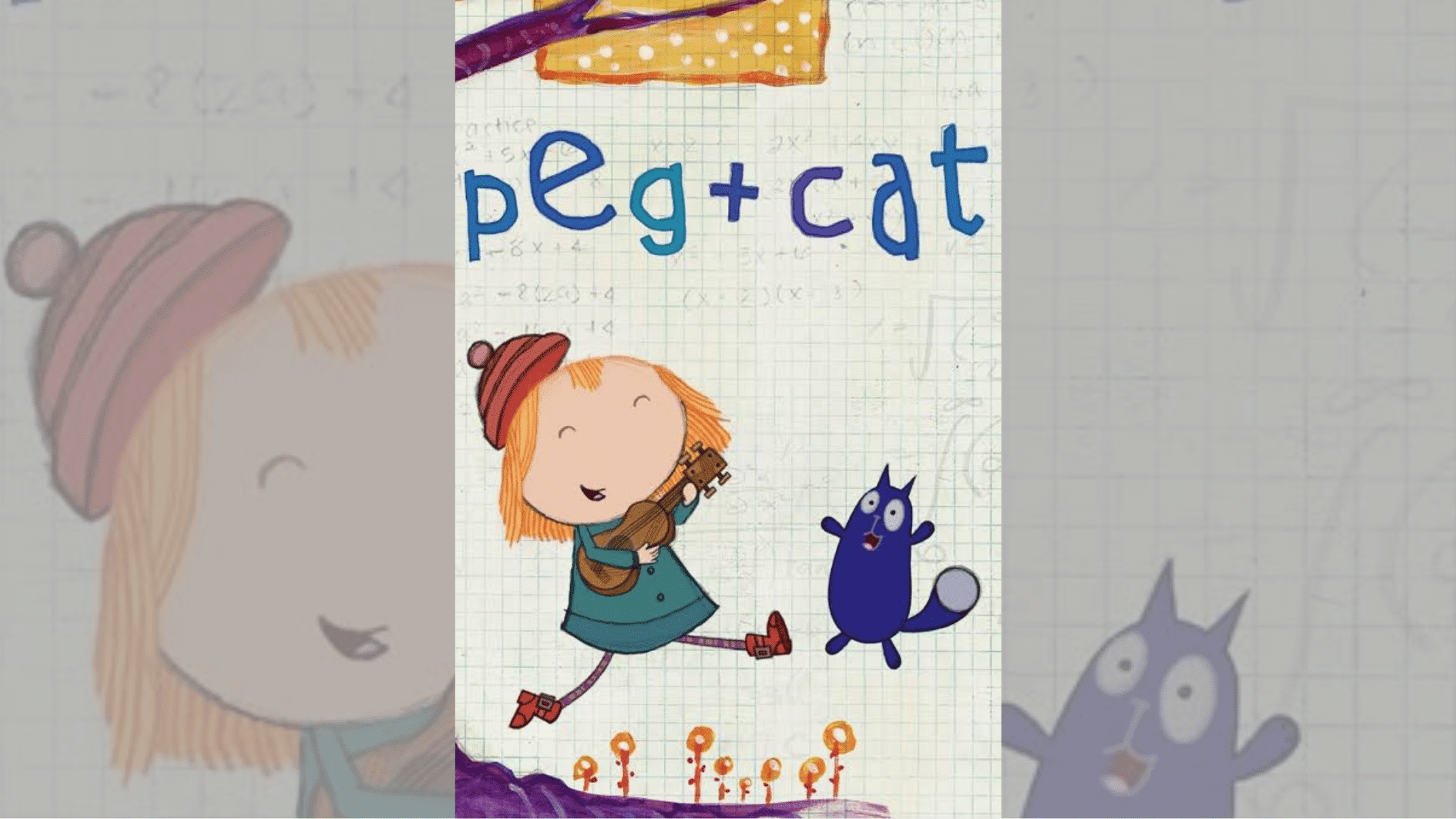
Peg + Cat is a math show where a girl and her cat use counting, shapes, and patterns to solve a new problem in each episode.
- What it teaches: Math concepts, logical thinking, and problem-solving strategies
- Best for: Ages 3 to 5 who enjoy hands-on and playful learning approaches
- Episode length: Around 24 minutes with two stories per episode
- Where to watch: PBS Kids
9. Ask the StoryBots

Ask the StoryBots answers everyday questions children actually ask, like why the sky is blue, through funny animated adventures packed with real information.
- What it teaches: Basic science, how the world works, and curious thinking
- Best for: Ages 3 to 5 who ask a lot of questions and enjoy humor-driven content
- Episode length: Around 22 minutes per episode
- Where to watch: Netflix
10. Curious George
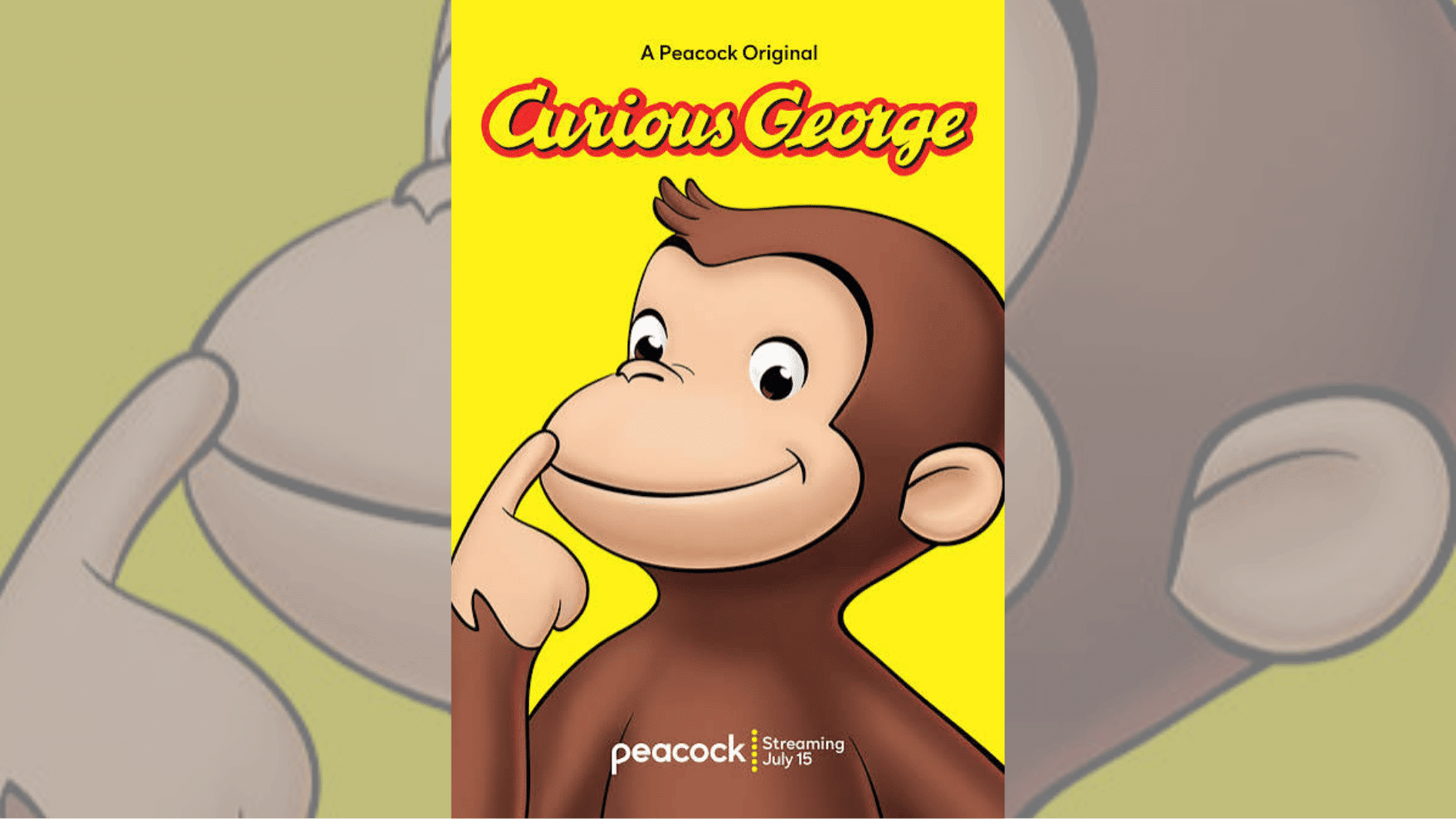
Curious George follows a curious monkey and his adventures with the Man with the Yellow Hat, teaching children to learn through exploration and trial and error.
- What it teaches: Curiosity, cause and effect, measurement, and problem-solving
- Best for: Ages 2 to 5 who enjoy gentle adventures and simple storytelling
- Episode length: Around 24 minutes with two stories per episode
- Where to watch: Amazon Prime
Best Low Stimulation Shows for Toddlers and Preschoolers
Some children do better with shows that move slowly, use soft sounds, and tell simple stories. These are the best low stimulation shows for toddlers who need calmer screen time options:
11. Puffin Rock
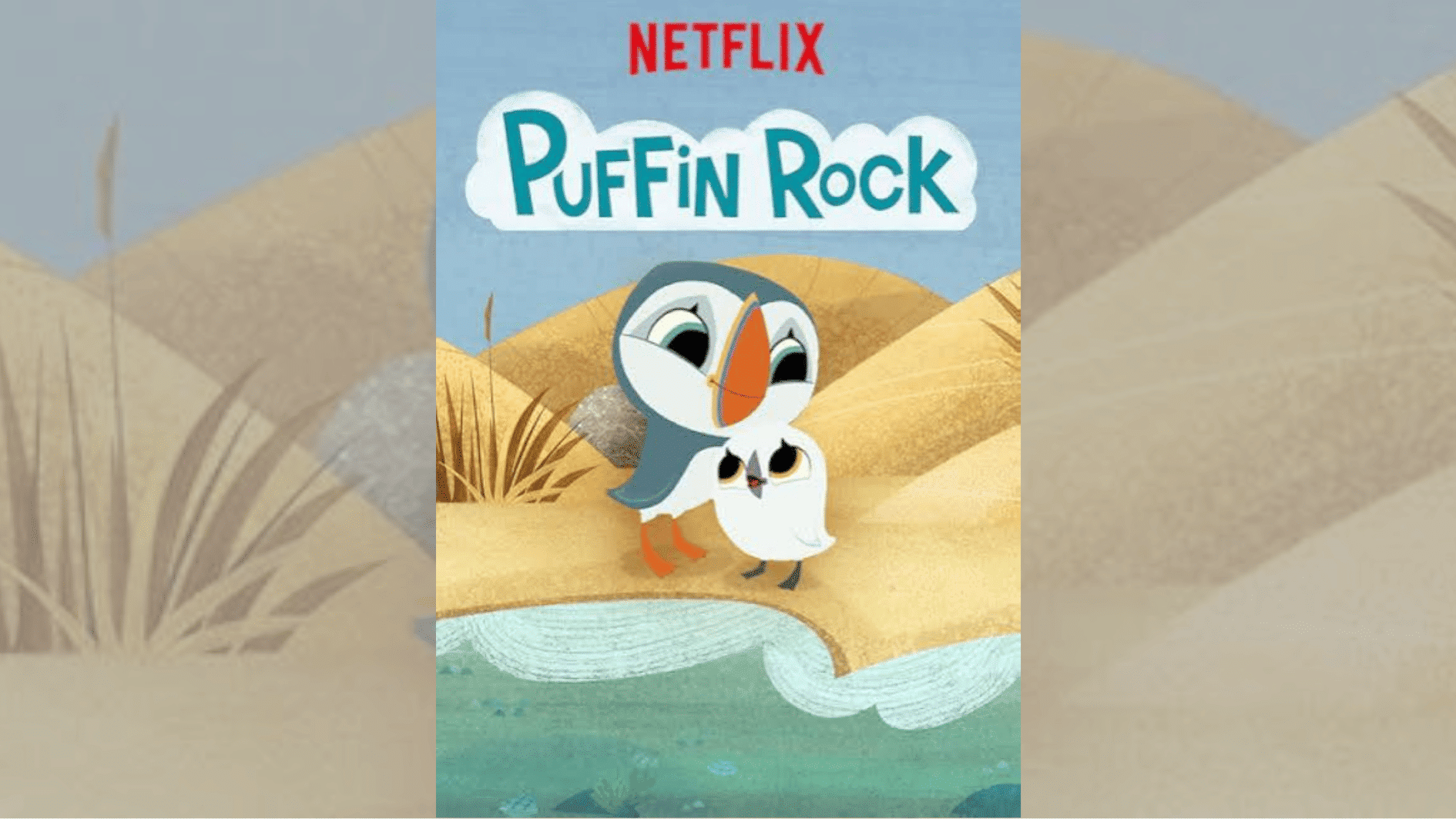
Puffin Rock is a nature documentary-style animated show that follows a baby puffin named Oona and her little brother exploring their quiet island home.
- What it teaches: Nature appreciation, curiosity, and gentle emotional awareness
- Best for: Toddlers and sensitive preschoolers who need very calm, quiet content
- Episode length: Around 7 minutes per episode
- Where to watch: Netflix
12. Tumble Leaf
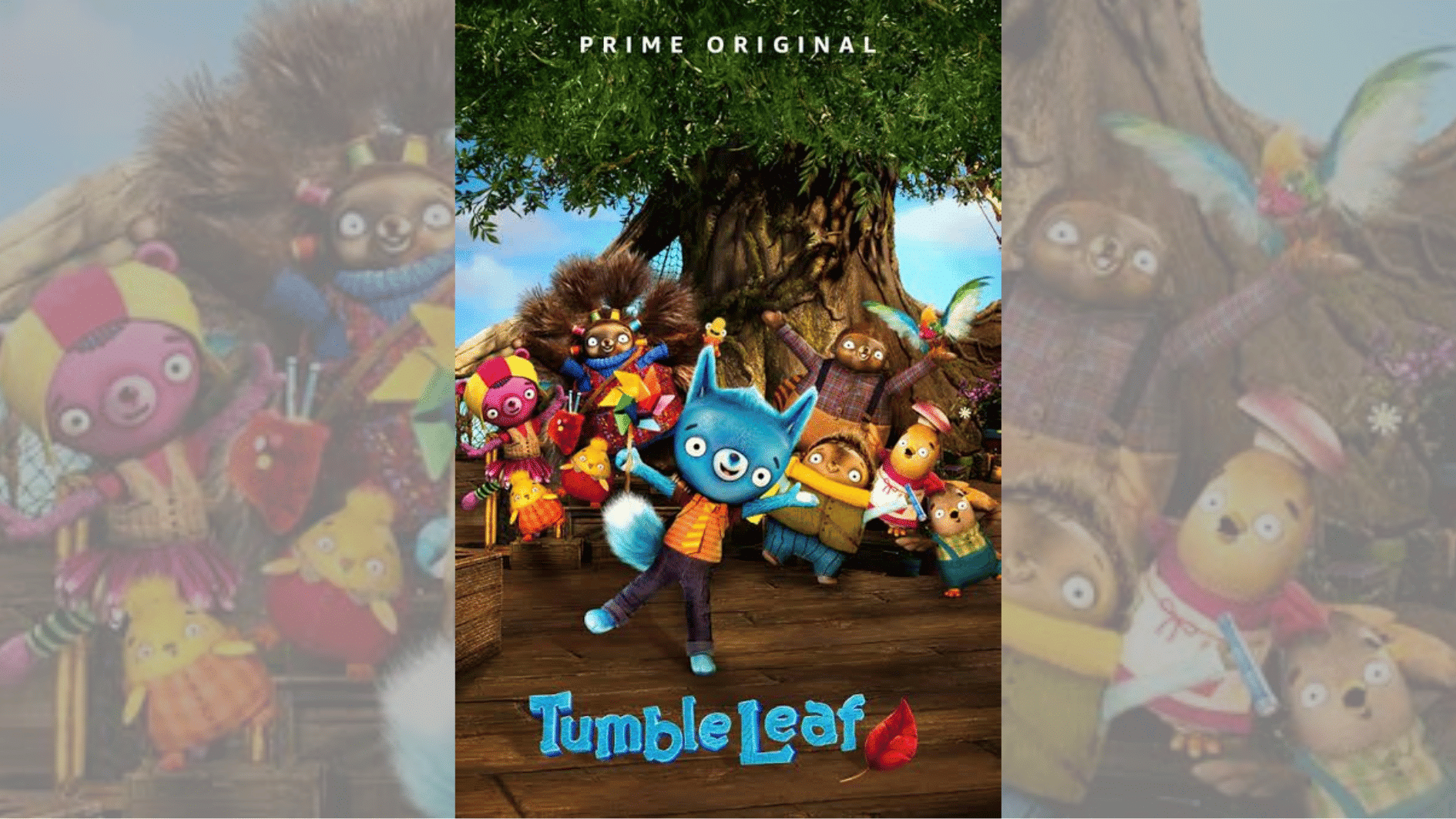
Tumble Leaf is a stop-motion animated show about a small blue bear named Fig who goes on slow, thoughtful adventures near his home by the sea.
- What it teaches: Creative thinking, friendship, and simple problem-solving
- Best for: Ages 2 to 4 who get overwhelmed by fast-paced or loud cartoons
- Episode length: Around 22 minutes per episode
- Where to watch: Amazon Prime Video
13. Trash Truck
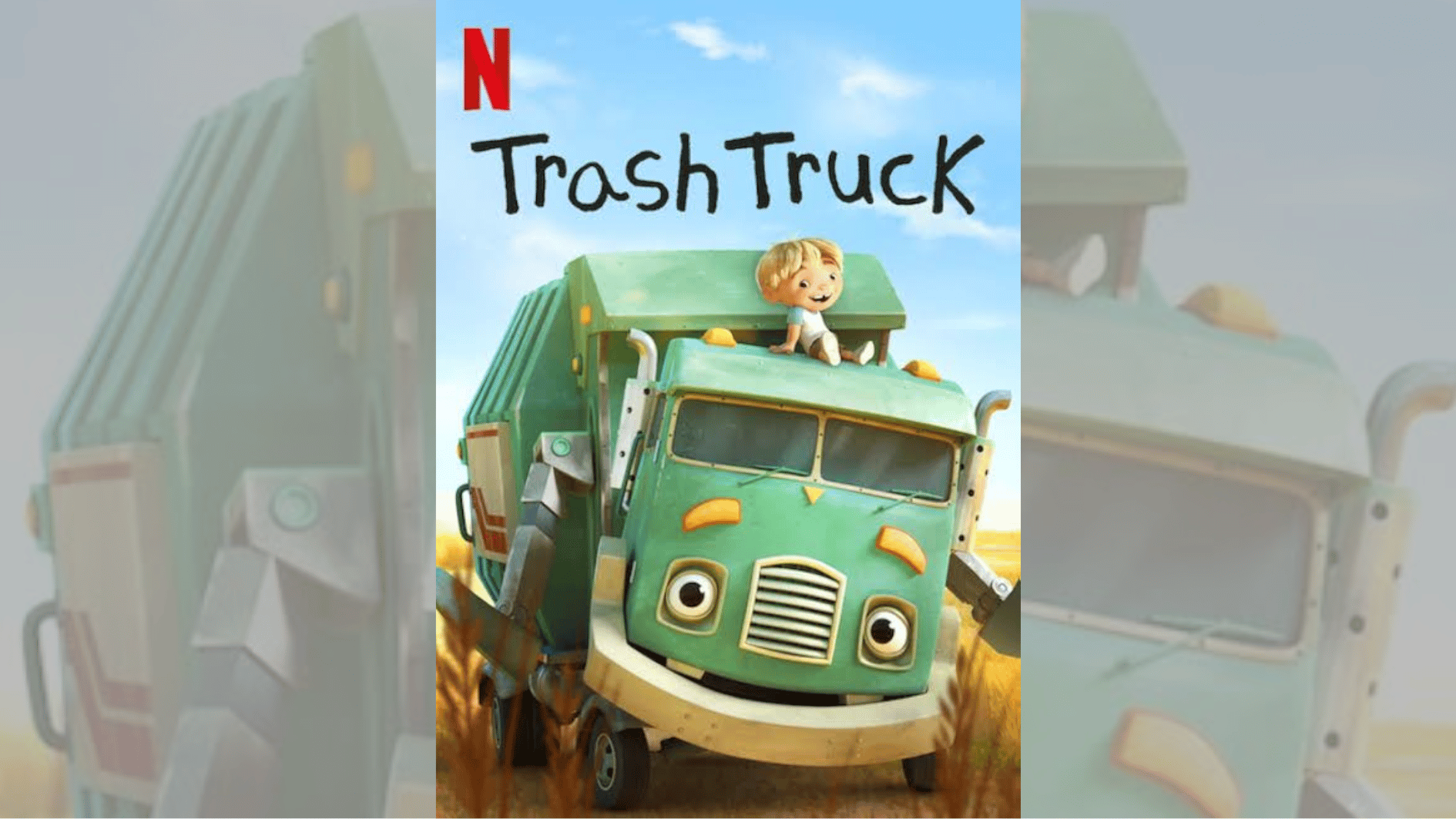
Trash Truck is a Netflix original about a little boy named Hank and his best friend, a giant trash truck, going on everyday adventures together.
- What it teaches: Friendship, curiosity, and appreciating everyday moments
- Best for: Ages 2 to 4 who enjoy simple, warm storytelling with no conflicts
- Episode length: Around 24 minutes per episode
- Where to watch: Netflix
14. Sarah and Duck
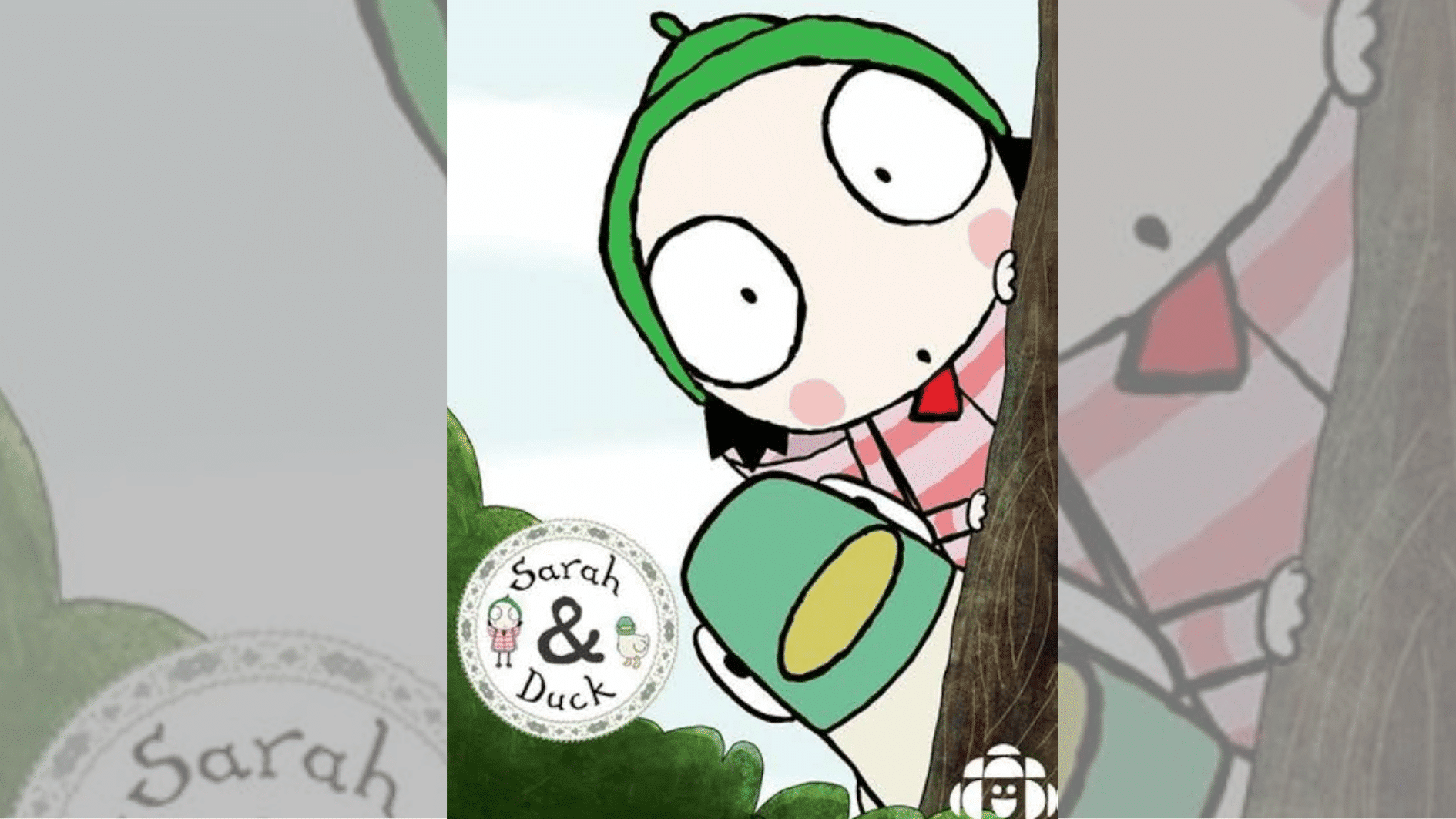
Sarah and Duck is a British animated show about a quiet, imaginative girl and her best friend, a duck, going on gentle everyday adventures.
- What it teaches: Imagination, simple problem-solving, and quiet social interactions
- Best for: Ages 2 to 4 who prefer slow, soft content over action-driven shows
- Episode length: Around 7 minutes per episode
- Where to watch: Amazon Prime Video
15. Franklin
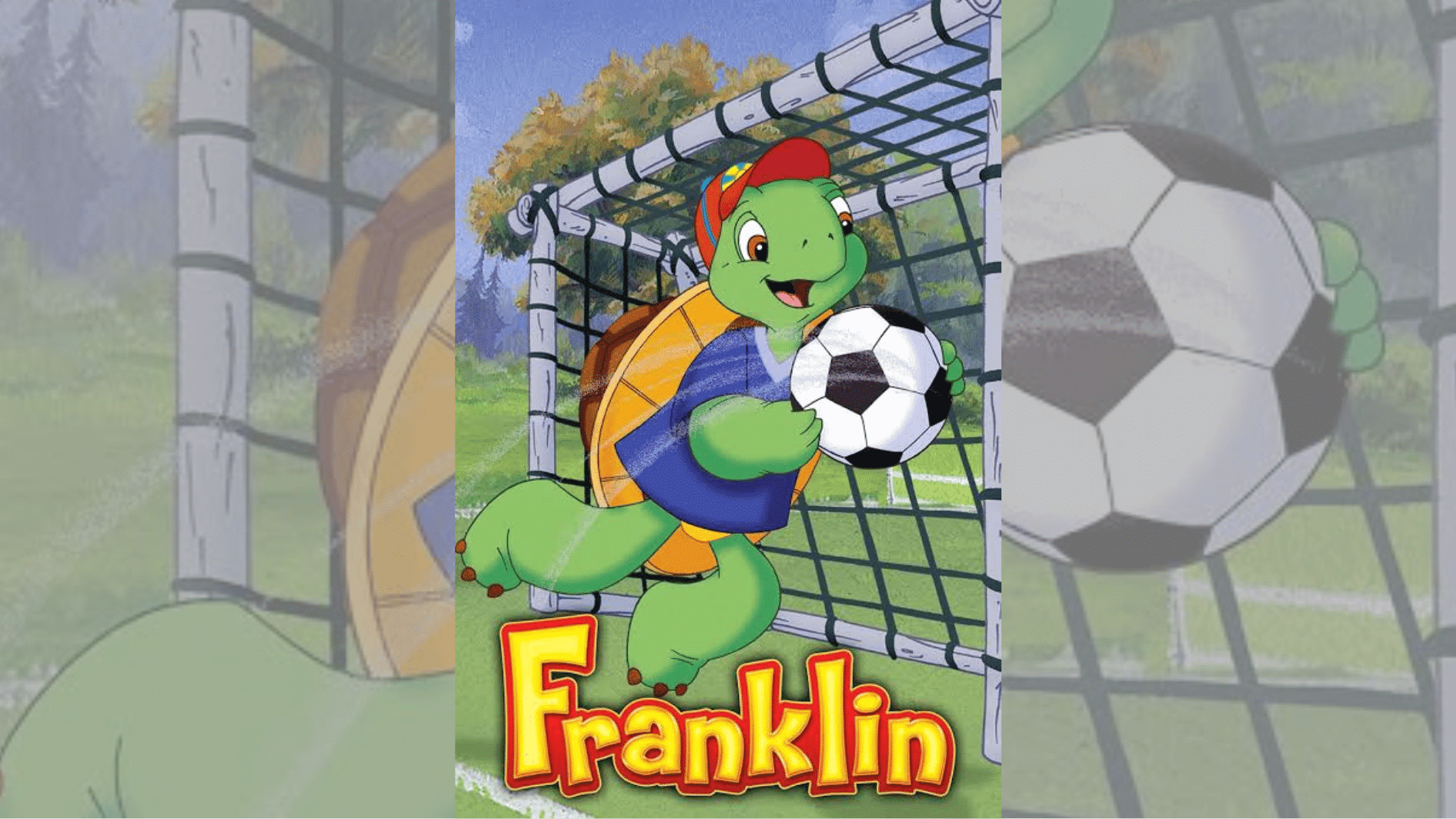
Franklin is a classic animated show about a young turtle who navigates friendships, school, and everyday childhood situations with calm, steady storytelling.
- What it teaches: Friendship, honesty, and handling everyday emotions
- Best for: Ages 3 to 5 who respond well to relatable characters and slow pacing
- Episode length: Around 24 minutes with two stories per episode
- Where to watch: Amazon Prime Video
16. Little Bear
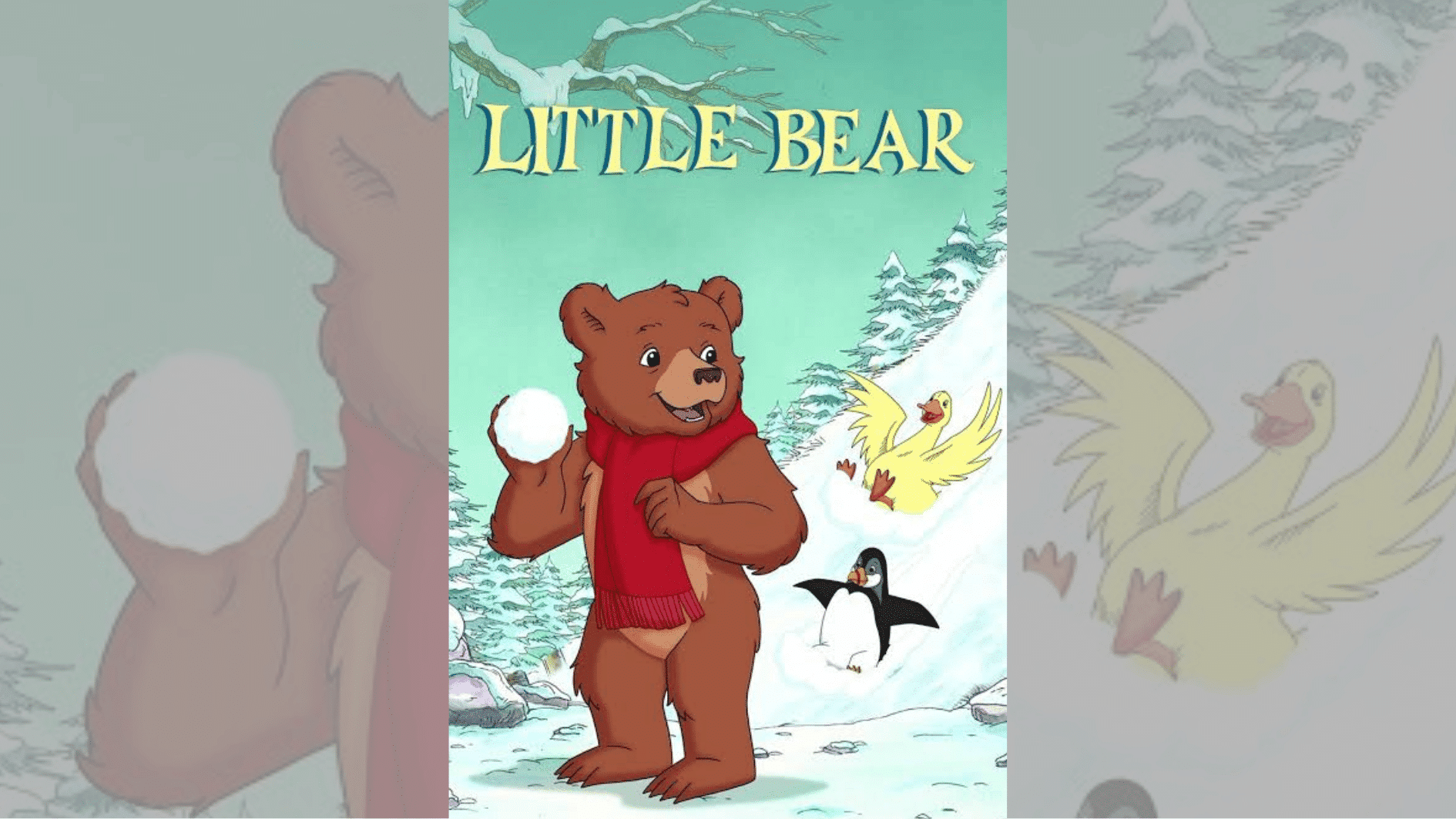
Little Bear is based on the beloved picture book series and follows a small bear through quiet, imaginative adventures with family and friends.
- What it teaches: Kindness, imagination, and the value of family relationships
- Best for: Ages 2 to 4 who enjoy a slow, storybook-style viewing experience
- Episode length: Around 24 minutes per episode
- Where to watch: Paramount+ and some episodes on YouTube
17. Kipper
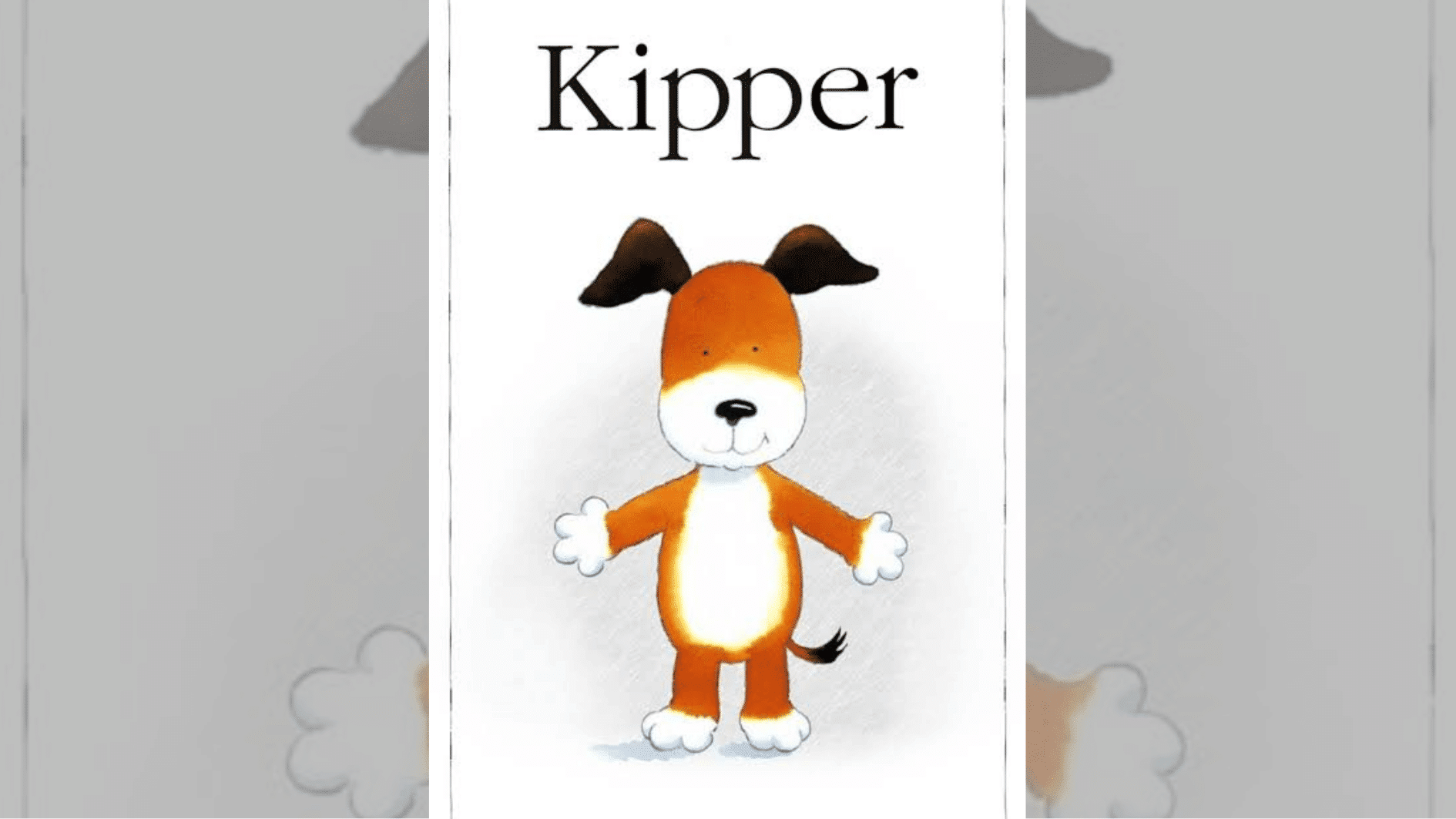
Kipper is a British animated show about a friendly dog named Kipper and his simple, quiet adventures with friends in everyday settings.
- What it teaches: Friendship, patience, and finding joy in ordinary moments
- Best for: Toddlers and sensitive preschoolers who need very predictable content
- Episode length: Around 10 minutes per episode
- Where to watch: Netflix
18. Guess How Much I Love You
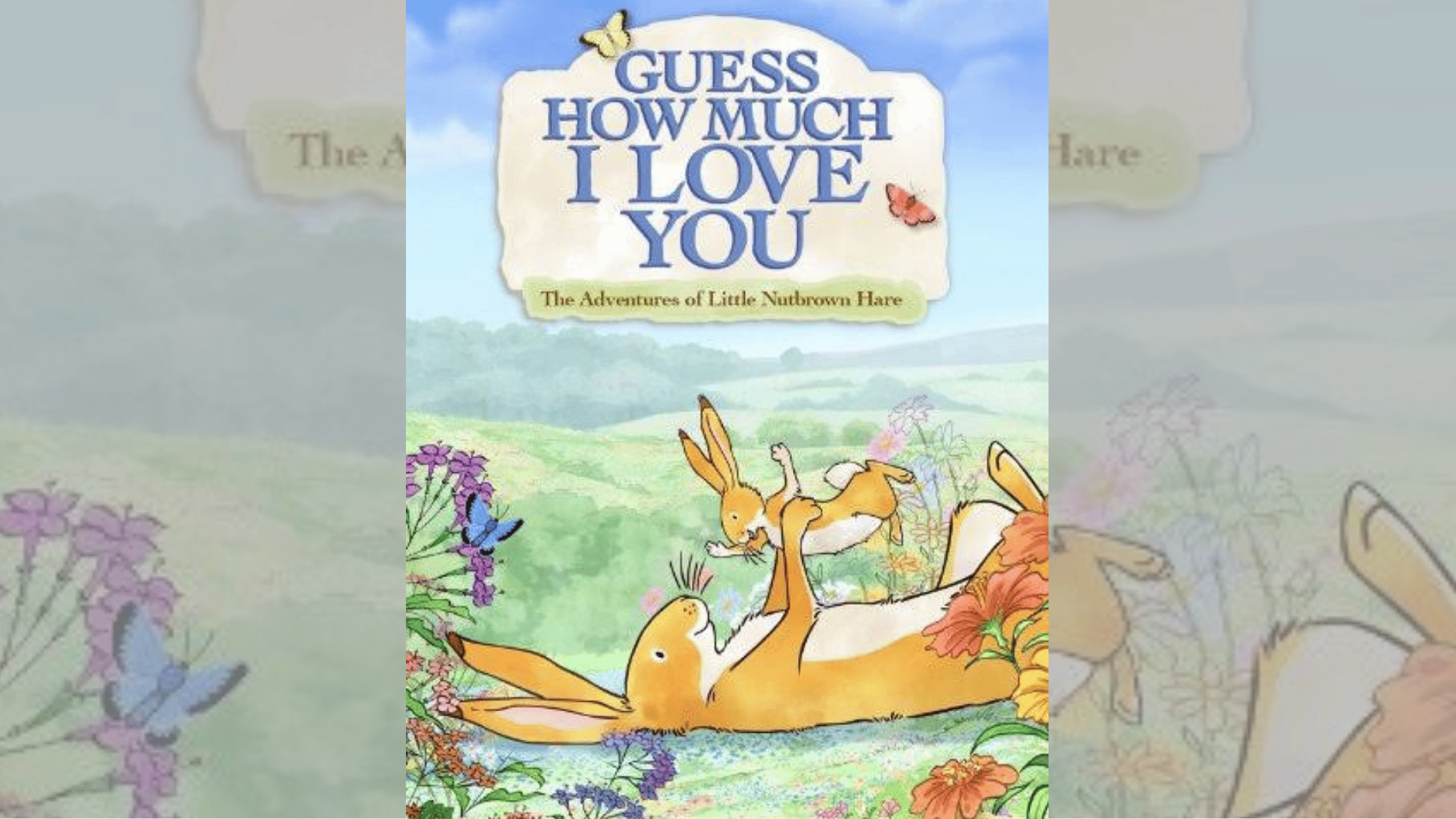
Guess How Much I Love You is an animated series based on the popular picture book, following Little Nutbrown Hare on gentle nature walks with his father.
- What it teaches: Parent-child bonds, emotional connection, and nature appreciation
- Best for: Ages 2 to 4 who enjoy soft, sweet storytelling before nap or bedtime
- Episode length: Around 10 minutes per episode
- Where to watch: Netflix
19. If You Give a Mouse a Cookie
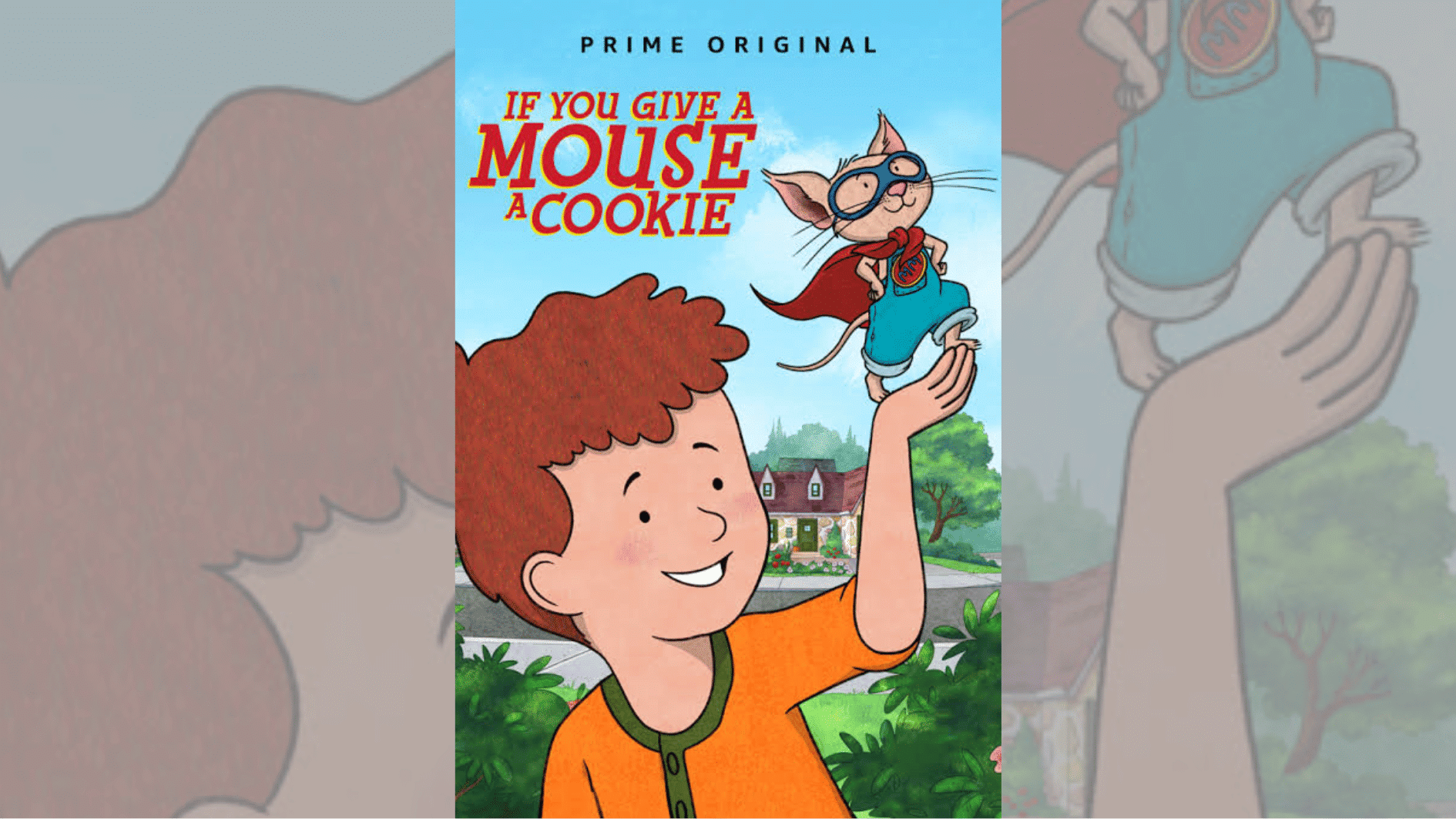
If You Give a Mouse a Cookie is based on Laura Numeroff’s book series, with each episode following a chain of cause-and-effect events from one small starting moment.
- What it teaches: Sequencing, cause and effect, and simple logical reasoning
- Best for: Ages 3 to 5 who know the books and enjoy familiar, story-based content
- Episode length: Around 22 minutes per episode
- Where to watch: Amazon Prime Video
20. Caillou

Caillou is an animated show about a four-year-old boy navigating everyday situations like starting school, making friends, and handling new experiences.
- What it teaches: Emotional expression, patience, and adjusting to everyday change
- Best for: Ages 2 to 4 who benefit from slow, relatable, child-centered storytelling
- Episode length: Around 22 minutes with two stories per episode
- Where to watch: Amazon Prime Video
21. Franklin and Friends
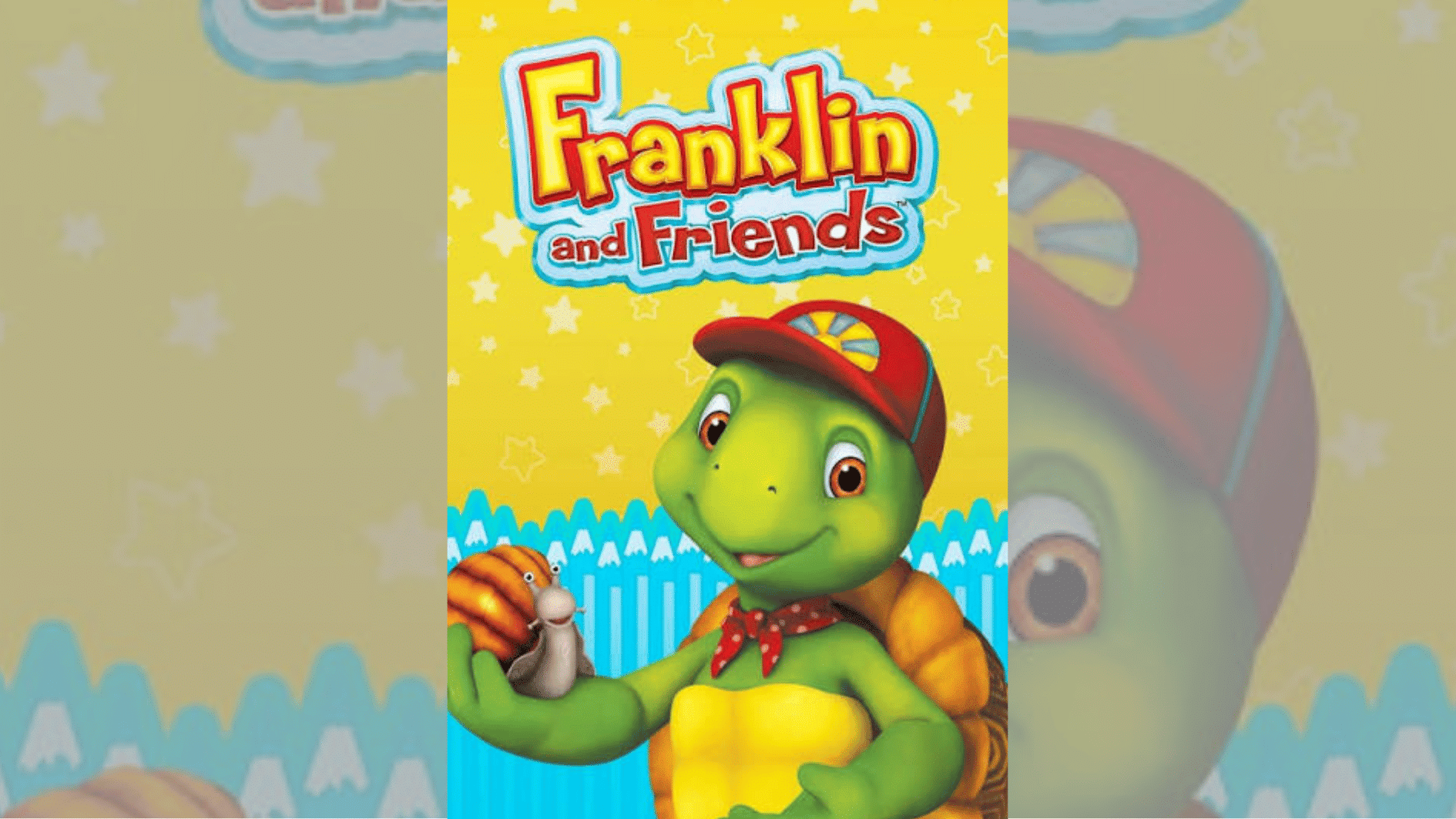
Franklin and Friends is the updated version of the original Franklin series, keeping the same warm tone while adding new characters and cooperative storylines.
- What it teaches: Cooperation, honesty, and resolving disagreements kindly
- Best for: Ages 3 to 5 who enjoyed the original Franklin or prefer calm group dynamics
- Episode length: Around 22 minutes per episode
- Where to watch: Amazon Prime Video
How These Shows Support Child Development
The right programs can do more than entertain young viewers. Thoughtfully created shows can introduce ideas that connect with everyday learning and experiences.
| Skill Area | Shows That Support It | What Children Practice |
|---|---|---|
| Language Skills | Sesame Street, Daniel Tiger | New words, sentences, and communication |
| Math Skills | Numberblocks, Peg + Cat | Counting, patterns, and problem-solving |
| Social and Emotional Skills | Daniel Tiger, Bluey | Feelings, sharing, and relationships |
| Science Skills | Wild Kratts, Octonauts | Animals, nature, and basic science ideas |
| Creativity | Tumble Leaf, Little Bear | Imagination and pretend play |
| Calm Focus | Puffin Rock, Kipper | Attention and emotional control |
How Much Screen Time Is Recommended for Preschoolers?
Screen use can be part of a preschooler’s routine when it is handled with care and purpose. A balanced approach helps children enjoy media while still making time for other important parts of their day.
American Academy of Pediatrics (AAP) recommends that children ages 2 to 5 have no more than one hour per day of high-quality programming.
- Set a daily limit: Keep screen use to a limited number of hours of quality content for children ages 2 to 5.
- Pick age-appropriate shows: Choose programs with simple stories, learning, and positive messages.
- Watch together: Talk about characters, events, and ideas during or after viewing.
- Create screen-free times: Keep parts of the day reserved for other activities and family time.
- Avoid bedtime viewing: Turn off screens before sleep routines to support better sleep habits.
- Keep meals device-free: Use mealtimes for conversations instead of watching videos.
- Check content first: Preview shows to make sure they match your child’s age and needs.
- Use screens with purpose: Choose media that supports learning rather than random entertainment.
- Encourage active play: Balance screen use with movement, creative play, and exploration.
- Avoid background screens: Turn off unused devices that may distract children during daily activities.
- Be a role model: Show healthy screen habits by limiting your own device use around children.
- Follow your child’s response: Reduce or change content if it affects mood, behavior, or routines.
Wrapping It Up
Choosing a preschool show does not have to feel complicated. With so many options available, finding one that fits your child’s personality and interests can make screen time feel easier.
I always think the best choices are the ones that bring a little joy to your child’s day while also leaving them with something positive to carry with them afterward.
Try a few from the list, notice what your child enjoys most, and create a screen routine that feels right for your family. And most of all, enjoy those small, cozy moments of watching together. They go by faster than you think.
Frequently Asked Questions
Are There Preschool Shows Without Scary Scenes?
Many preschool programs avoid frightening moments and focus on calm stories, familiar characters, and everyday experiences.
Can Preschool Shows Help With Speech Development?
Shows with clear conversations and repeated phrases can support language exposure when combined with regular talking and interaction.
What Are Good Preschool Shows for Siblings of Different Ages?
Shows with simple stories and layered lessons can help siblings of different ages enjoy watching together.
Can Preschool Shows Help Children Prepare for School?
Some shows introduce routines, communication, and early concepts that may support children before starting school.
{
“@context”: “https://schema.org”,
“@type”: “FAQPage”,
“mainEntity”: [
{
“@type”: “Question”,
“name”: “Are There Preschool Shows Without Scary Scenes?”,
“acceptedAnswer”: {
“@type”: “Answer”,
“text”: “Many preschool programs avoid frightening moments and focus on calm stories, familiar characters, and everyday experiences.”
}
},
{
“@type”: “Question”,
“name”: “Can Preschool Shows Help With Speech Development?”,
“acceptedAnswer”: {
“@type”: “Answer”,
“text”: “Shows with clear conversations and repeated phrases can support language exposure when combined with regular talking and interaction.”
}
},
{
“@type”: “Question”,
“name”: “What Are Good Preschool Shows for Siblings of Different Ages?”,
“acceptedAnswer”: {
“@type”: “Answer”,
“text”: “Shows with simple stories and layered lessons can help siblings of different ages enjoy watching together.”
}
},
{
“@type”: “Question”,
“name”: “Can Preschool Shows Help Children Prepare for School?”,
“acceptedAnswer”: {
“@type”: “Answer”,
“text”: “Some shows introduce routines, communication, and early concepts that may support children before starting school.”
}
}
]
}