

You’ve probably heard of smart lights and voice assistants, but home automation goes far beyond that.
The right setup saves you time, cuts your energy bill, and makes daily life noticeably easier.
I’ve spent years writing about home and design, and most people I talk to don’t realize how affordable smart home ideas have become.
In this blog post, I’m walking you through the most useful and honestly underrated home automation ideas you can try today, no matter your budget or living situation.
Is Home Automation Worth Installing?
Home automation has moved well past “cool gadget” territory.
The US smart home market was valued at over $35 billion in 2023, per Statista, and the real reason people stick with it isn’t the tech; it’s the time.
Think about the small, repetitive tasks your home demands every day. Adjusting the thermostat. Turning off lights.
Checking if the door’s locked before bed. None take more than 30 seconds, but they stack up fast.
Here’s what home automation realistically does for most people:
- Saves Time: Lights, locks, and temperature run on schedules without you touching anything
- Cuts Energy Costs: A smart thermostat alone reduces heating and cooling bills by 10–15% annually, per the EPA ENERGY STAR
- Adds Security: Real-time alerts tell you what’s happening at home when you’re not there
- Fits Any Budget: Smart plugs start at $10–$15; no expensive hub required
- Scales Gradually: Add one device at a time, no full system commitment needed
Smart Home Ideas for Every Room
Here’s where it gets practical: these ideas are broken down by room so you can start small and build from there.
Pick the room where you spend the most time, or the one that causes you the most daily friction. That’s your starting point.
1. Smart Home Ideas for the Kitchen
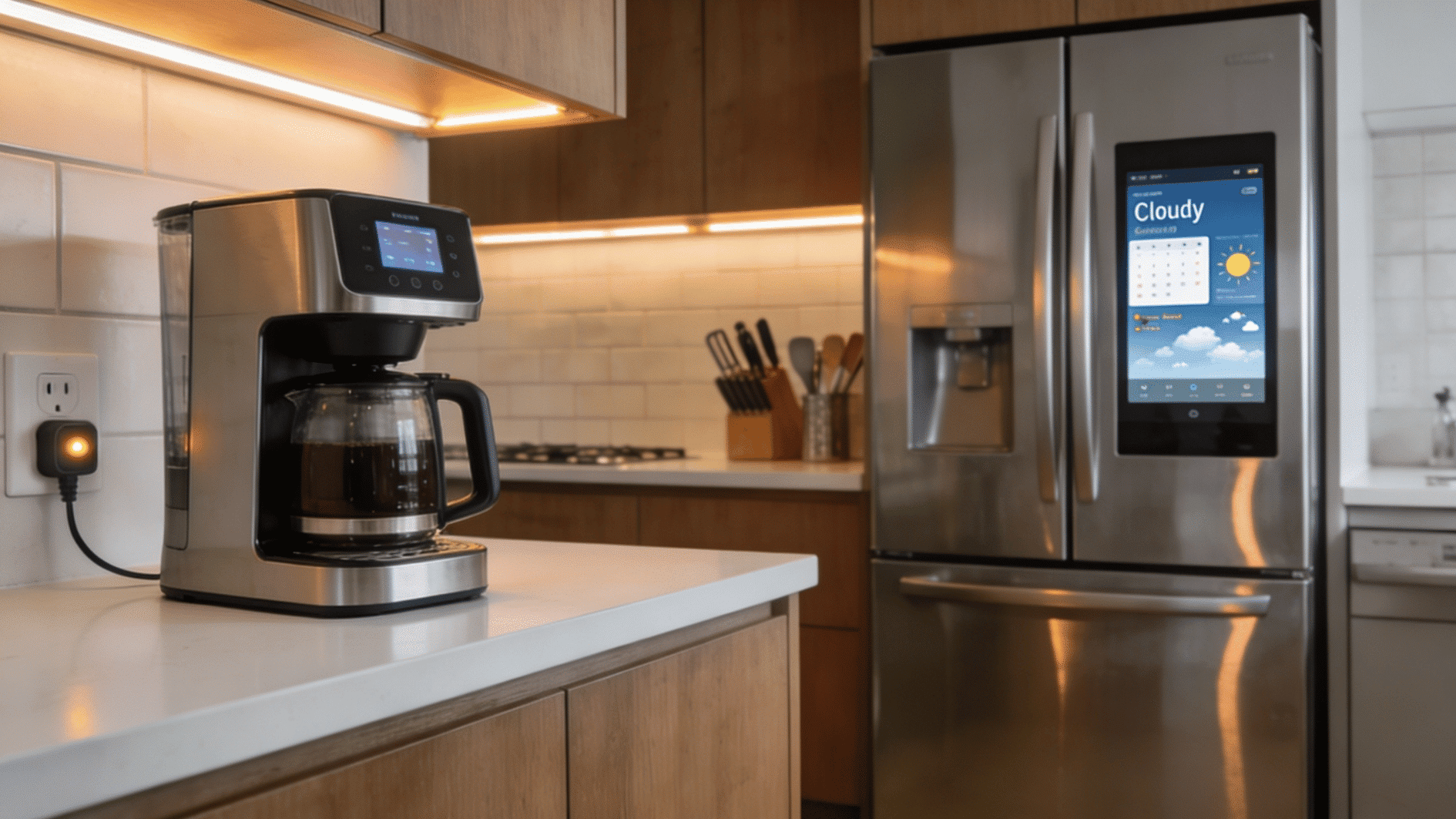
The kitchen is one of the highest-traffic areas in any home, and a few simple automations here can make your mornings noticeably smoother.
- Smart Plugs on Your Coffee Maker – Plug your coffee maker into a smart plug, set a daily schedule, and wake up to fresh coffee. Most smart plugs cost under $15 and work with Alexa or Google Home.
- Voice-Controlled Kitchen Timers – When your hands are full, just say “Hey Google, set a 20-minute timer.” Works with any Google Nest or Amazon Echo.
- Under-Cabinet Motion-Triggered Lighting – Battery-powered LED strips light up when you step into the kitchen at night and automatically shut off. No wiring required.
- Smart Refrigerator Door Alerts – LG ThinQ and Samsung Family Hub send a phone alert if the smart fridge door stays open too long – especially useful with kids in the house.
- Water Leak Sensors Under the Sink – A $20 sensor sends an immediate alert at the first sign of moisture. Most kitchen water damage starts with a slow drip, and catching it early can save thousands.
2. Smart Home Ideas for the Bedroom
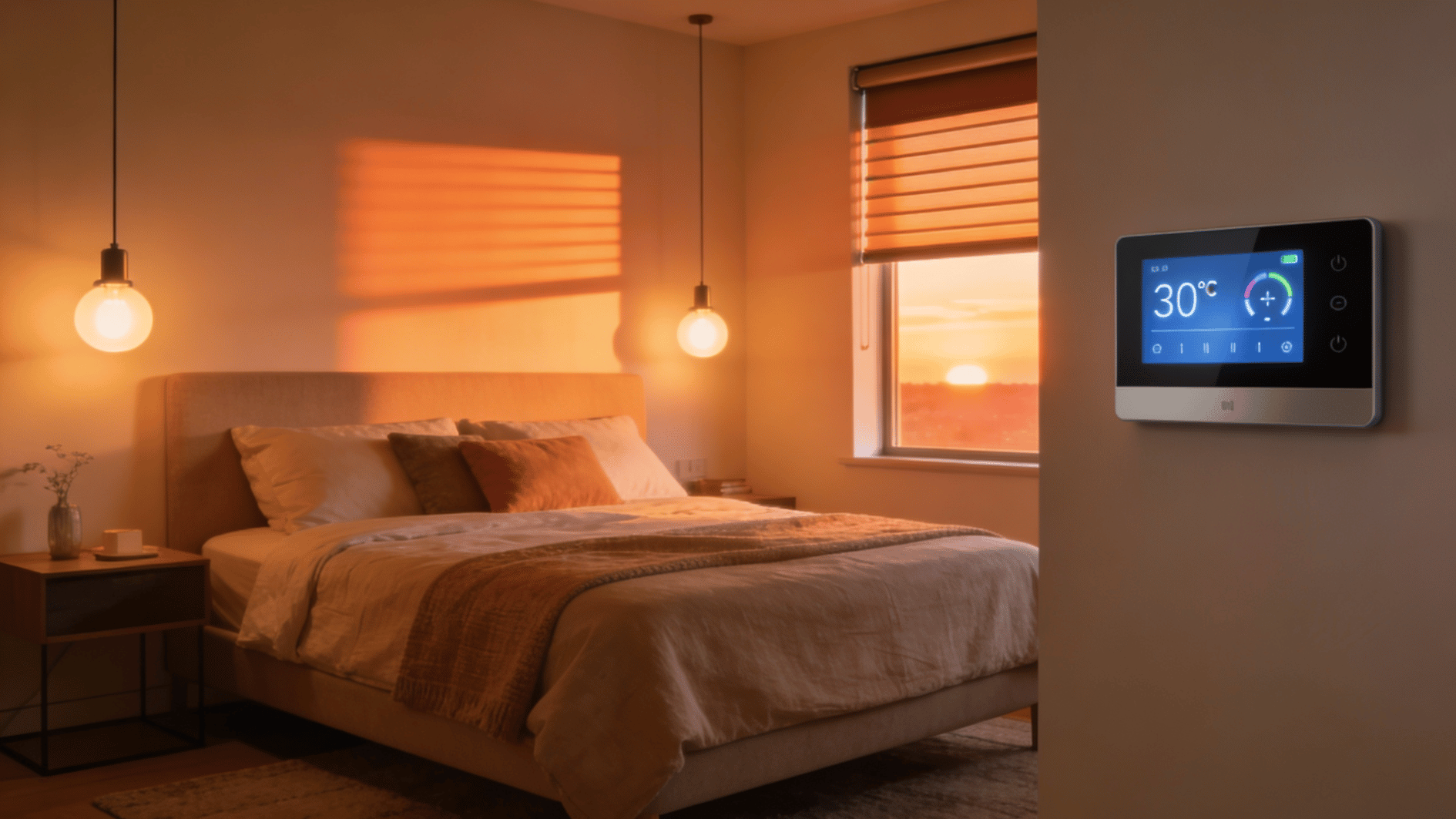
Your bedroom should be the easiest room to wind down in, and the right automation supports your body’s natural sleep cues.
- Smart Bulbs on a Sunset Schedule – Philips Hue and LIFX gradually shift from cool white to warm amber around 7–8 PM, signaling your brain to wind down.
- Automated Thermostat Drop at Bedtime – The National Sleep Foundation recommends 60–67°F for deeper sleep. Set your thermostat to automatically hit that range 30 minutes before bed.
- Morning Light Alarm Routine – Lights slowly brighten over 20–30 minutes before your alarm. A noticeably gentler wake-up than a blaring alarm.
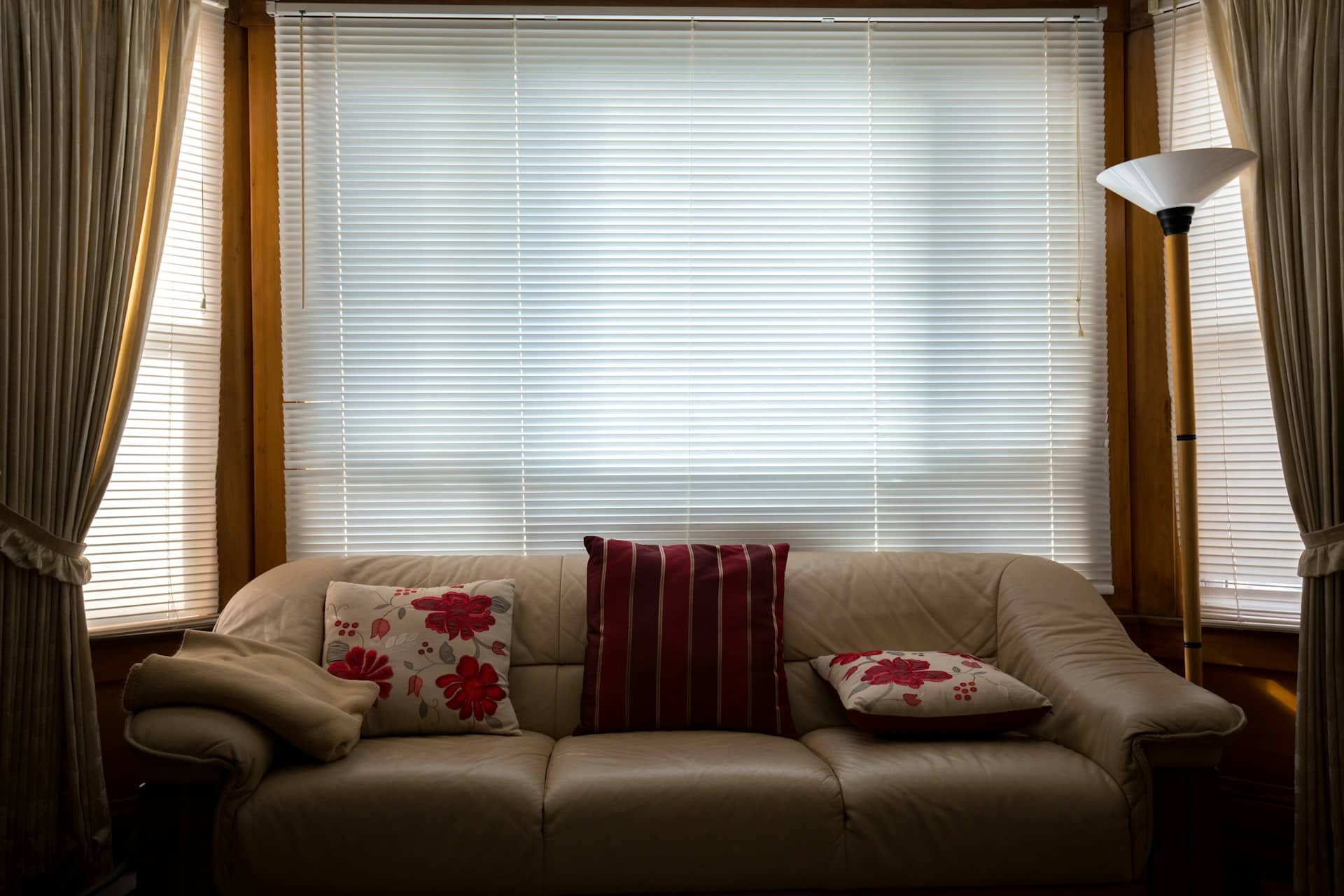
- Smart Blinds – Set to close at sunset and open at sunrise. IKEA’s FYRTUR blinds are a solid, affordable starting point for blackout coverage.
3. Smart Home Ideas for the Living Room
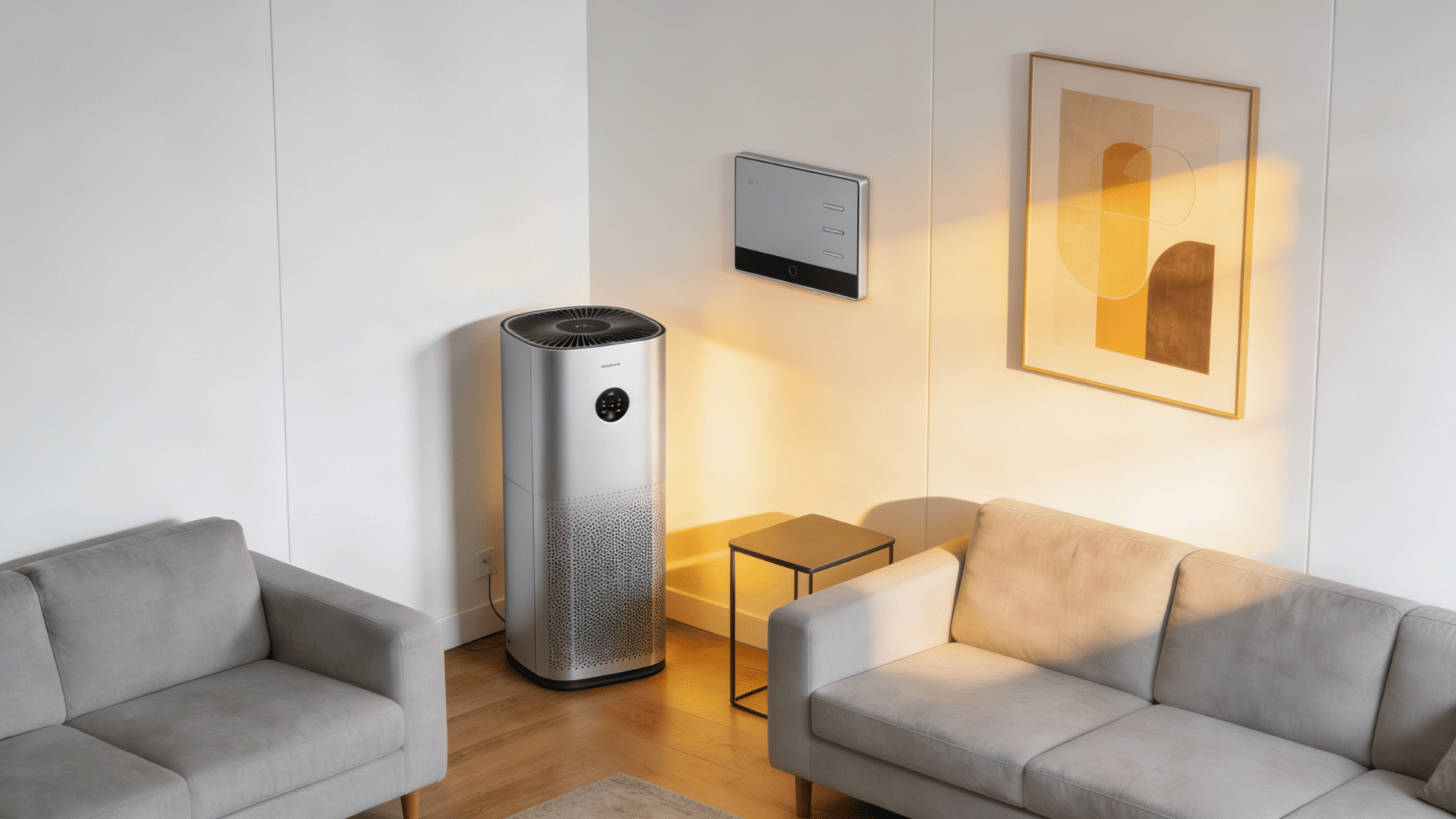
The living room is where most people spend their evenings, so getting the automation right here has a real impact on daily comfort.
- Scene-Based Lighting: One tap (or voice command) shifts your room from bright task lighting to a dim, warm movie mode. Most smart lighting apps let you save and switch between multiple scenes instantly.
- Smart Power Strips to Cut Standby Drain: Your TV, console, and soundbar all draw power even when off. A smart power strip cuts everything with one command. The US Department of Energy estimates that standby power accounts for up to 10% of a home’s electricity use.
- Automated Air Purifier Scheduling: Set it to run at full speed in the evenings and switch to quiet mode overnight. Coway and Winix both make models compatible with Alexa and Google Home.
- Smart Ceiling Fans With Humidity Sensors: The Haiku by Big Ass Fans adjusts speed automatically based on real-time room temperature and humidity: no manual changes needed as seasons shift.
4. Home Automation Ideas for Safety and Security
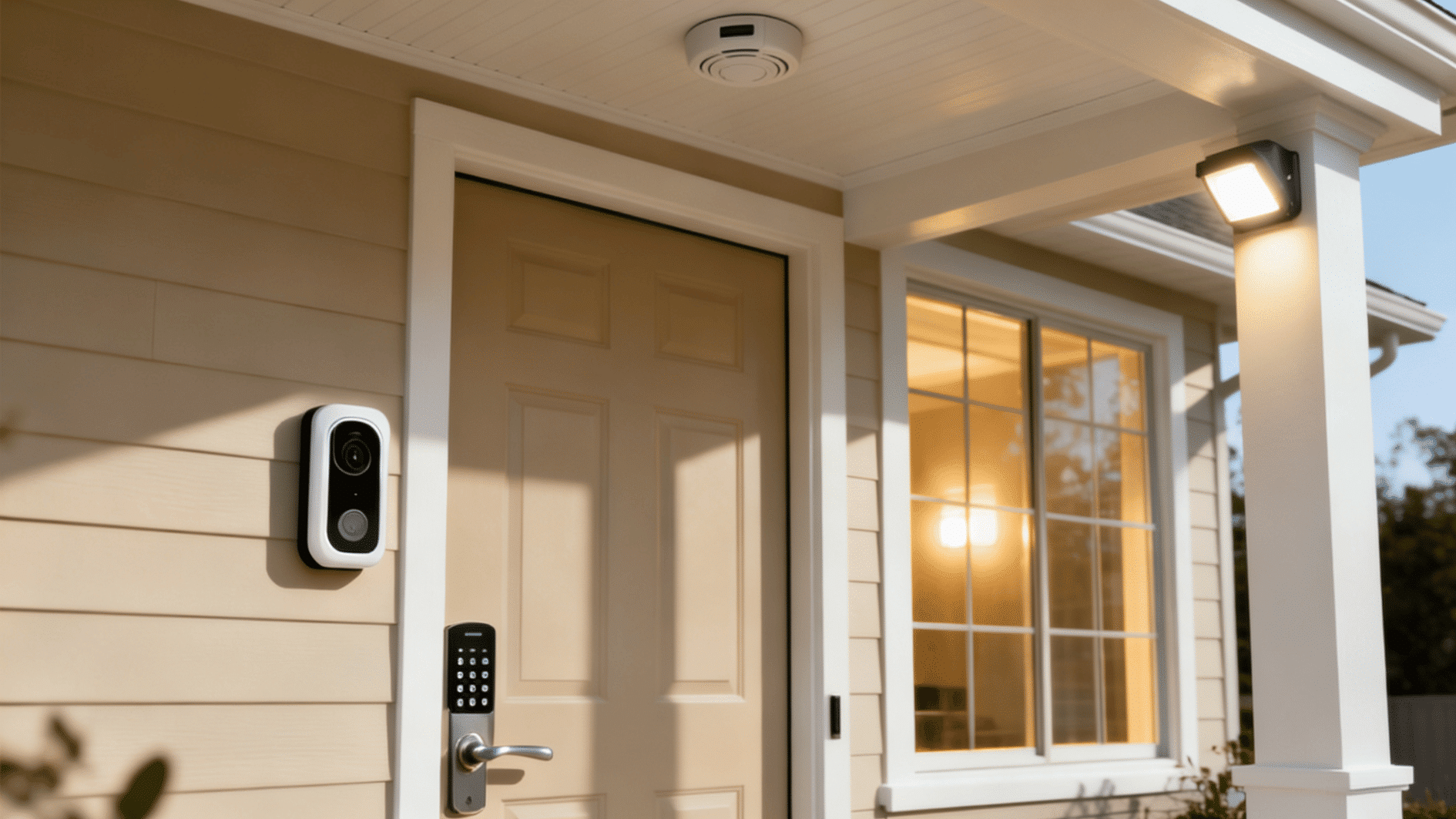
Safety is one of the biggest reasons people start exploring home automation ideas, and it’s an area where even a basic setup can make a real difference.
- Video Doorbells – Ring, Arlo, and Google Nest send motion-triggered alerts to your phone, with local storage or short free cloud history included on most current models.
- Smart Door Locks – Schlage Encode and Yale Assure let you create unique access codes for family or housekeepers, with a timestamped log of every entry.
- Window and Door Sensors – Battery-powered sensors send an instant alert if a window or door opens while you’re away. A set of four typically costs under $30.
- Smart Smoke and CO Detectors – Nest Protect sends a phone alert and tells you exactly which room triggered it, not just a beep in one room.
- Outdoor Motion-Activated Lighting – Smart outdoor lights log activity in an app and turn on when motion is detected. Improved exterior lighting is one of the most effective deterrents for opportunistic break-ins.
5. Energy-Saving Home Automation Ideas
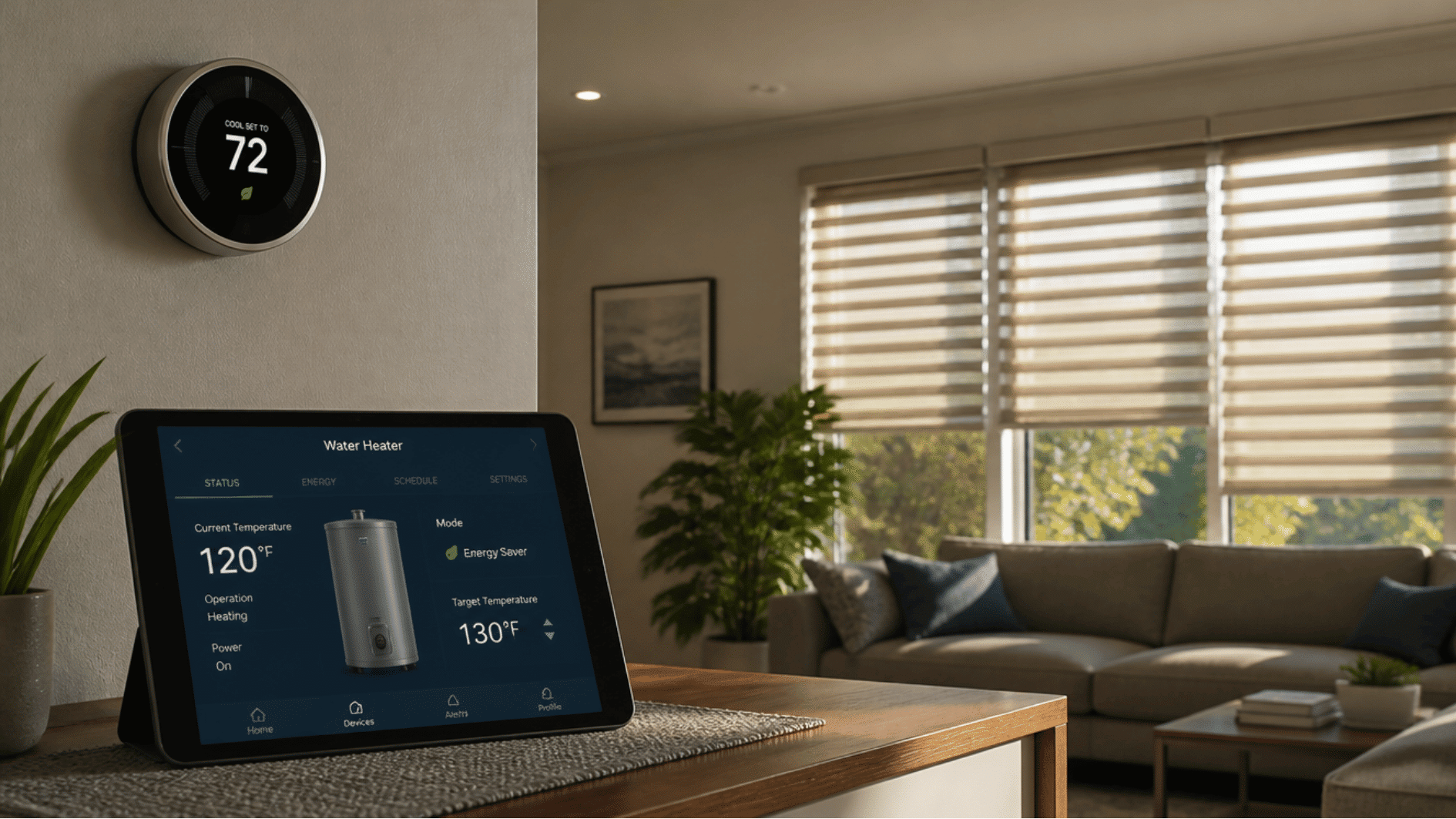
If lowering your utility bills sounds good, pay close attention here: these smart home ideas pay for themselves over time. Most have payback periods of under two years based on average US energy costs.
- Smart Thermostats – Ecobee and Google Nest learn your schedule and stop heating or cooling an empty house. Ecobee reports average savings of around $226 per year.
- Smart Water Heater Scheduling – Controllers like Rheem’s EcoNet heat water only when needed, cutting energy use by 10–20% in most households.
- Smart Irrigation Controllers – Rachio and RainBird pull local weather data and skip watering when rain is forecast. The EPA estimates up to a 50% reduction in outdoor water use.
- Energy Monitoring Smart Plugs – Kasa EP25 and Emporia Vue show exactly what each device costs per month. Most people are surprised by what they find.
- Automated Blinds – Set motorized blinds to close between 1–4 PM in summer. Direct afternoon sun on south- and west-facing windows can raise room temperature by 5–10°F.
Lesser-Known Home Automation Ideas Worth Trying
Most lists stop at lights and thermostats. These automation ideas are the ones that genuinely surprise people and the ones clients and readers bring up most often after they’ve actually tried them.
| Smart Home Idea | What It Does |
|---|---|
|
Automated Pet Feeder |
Feeds pets automatically |
| Smart Garage Door Controller | Control the garage from your phone |
|
Laundry Cycle Alerts |
Notifies when laundry is done |
|
Water Heater Leak Sensor |
Detects water leaks |
|
Smart Scent Diffuser |
Schedules home fragrances |
| Voice-Controlled Bathroom Lighting | Turns lights on by voice |
|
Automatic Stove Shut-Off |
Turns off unattended stoves |
|
Bathroom Fan Automation |
Runs fan when humidity rises |
| Automated Window Openers | Opens/closes windows automatically |
How to Start With Home Automation Without Getting Overwhelmed?
The most common reason people hold back on smart home ideas is simply not knowing where to begin.
Start with one problem, not a room, not a system. One frustration, like “I always forget to turn off the lights.” That single fix will teach you more than any amount of research.
Next, pick one ecosystem, Amazon Alexa, Google Home, or Apple HomeKit, and stick with it.
Choose whichever matches the devices you already own. Then start with plug-in devices like smart plugs and bulbs. No wiring, no electrician, costs under $20.
Skip the hub for now. Most devices connect directly over Wi-Fi. Add one device at a time, test it, then move to the next.
It’s a Wrap
The smart home ideas in this blog range from plug-in fixes to more involved setups, and all of them solve real, everyday problems.
Start with one room. Pick the idea that fixes something that actually bothers you right now. That’s the one that’ll stick.
I’ve spent a lot of time in people’s homes thinking about how space functions and how home automation ideas work best when they match how you already live, not how you think a smart home is supposed to look.
Start small, build gradually, and the rest figures itself out.
Frequently Asked Questions
What is the Best Home Automation Setup?
The best home automation setup depends on your needs, but popular options for security and smart home control include ADT, Vivint, SimpliSafe, Frontpoint, and Abode.
What are the Disadvantages of Home Automation?
Home automation can be expensive to set up and may face privacy, security, compatibility, internet, or power-related issues.
Which Home Automation System Is Easiest to Install?
Amazon Alexa and Google Home are considered the easiest home automation systems thanks to their simple setup and wide device compatibility.