

Picking the right paint can make or break a project. Acrylic vs oil paint is one of the most common debates in the art world, and for good reason.
Each has clear strengths. Each has some limits. And choosing the wrong one for the job can slow down the whole process. Many beginners also ask: Is acrylic paint oil-based? It is a fair question, and the answer might surprise some people.
This blog breaks down the differences between acrylic and oil paint and presents real artists’ opinions, so the right choice becomes much clearer.
What is Acrylic Paint?
Acrylic paint is a water-based medium made from pigment suspended in an acrylic polymer emulsion. It dries quickly, sometimes within minutes, and forms a flexible, durable layer once set.
So, is acrylic paint oil-based? No. It is entirely water-based, which makes cleanup simple with just soap and water.
Acrylics are highly adaptable. Thin them down, and they behave like watercolor. Apply them thick, and the result starts to resemble oil paint. They work on canvas, wood, paper, fabric, and more.
For artists who want quick results and flexibility without dealing with solvents, acrylic paint is a practical and reliable starting point.
What is Oil Paint?
Oil paint is made from pigment mixed with a drying oil, most commonly linseed oil. In the acrylic vs oil paint debate, this is what sets it apart completely.
It takes time to dry, sometimes days or even weeks. That extra time allows for better color mixing, smooth color transitions, and easy corrections without rushing.
Oil paint also carries a naturally rich, buttery texture that holds brushstrokes well and builds depth over time. Mistakes can be wiped away or refined across multiple sessions.
For artists focused on detail and control, oil paint remains a top choice for traditional and fine art.
Difference Between Acrylic and Oil Paint: Quick Overview
Understanding this difference helps artists choose based on workflow and results. The comparison below covers various features:
| Feature | Acrylic Paint | Oil Paint |
|---|---|---|
| Composition | Water-based (acrylic polymer) | Oil-based (linseed or similar oils) |
| Drying Time | Fast (minutes to hours) | Slow (days to weeks) |
| Texture | Can be thick or thin, dries flat | Naturally thick, buttery texture |
| Blending | Limited due to quick drying | Smooth and extended blending |
| Ease of Use | Beginner-friendly, low-maintenance | Requires more control and materials |
| Cleanup | Water | Solvents like turpentine |
Where to Use Acrylic Paint
Acrylic paint is widely used because of its speed and flexibility. It suits projects that require quick layering and minimal setup. If you want to improve your results, this acrylic painting techniques guide covers practical methods to get better control and finish.
1. Quick Projects and Practice Work
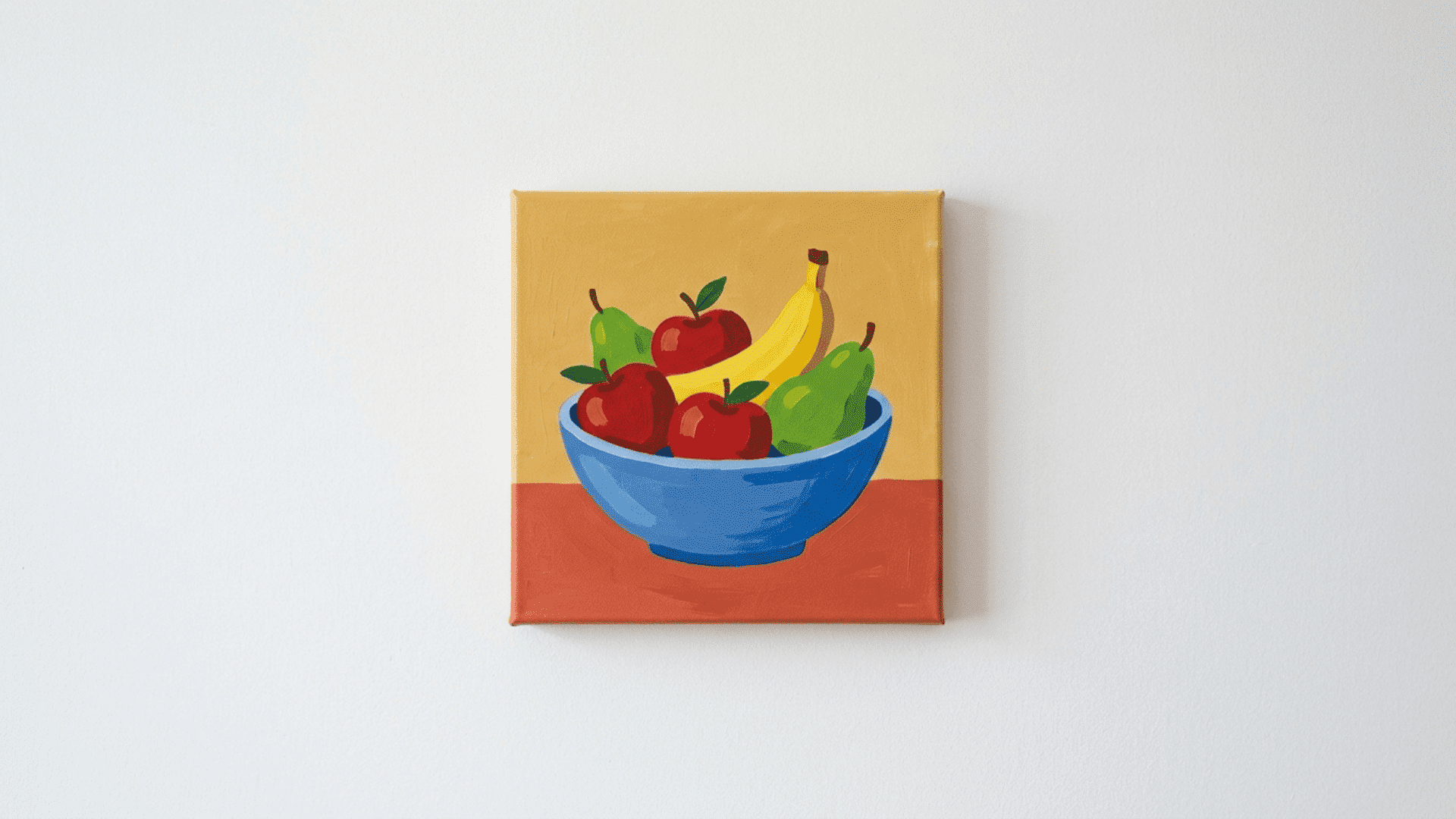
Acrylic paint is the most practical choice for artists who work on tight schedules or short creative sessions. It dries fast, cleanup is simple, and there is no need for solvents or special setup.
For beginners, starting with quick acrylic studies is a low-pressure way to build confidence. The paint is forgiving, easy to correct, and does not require a large investment in materials or time.
2. Mixed Media and Craft Work
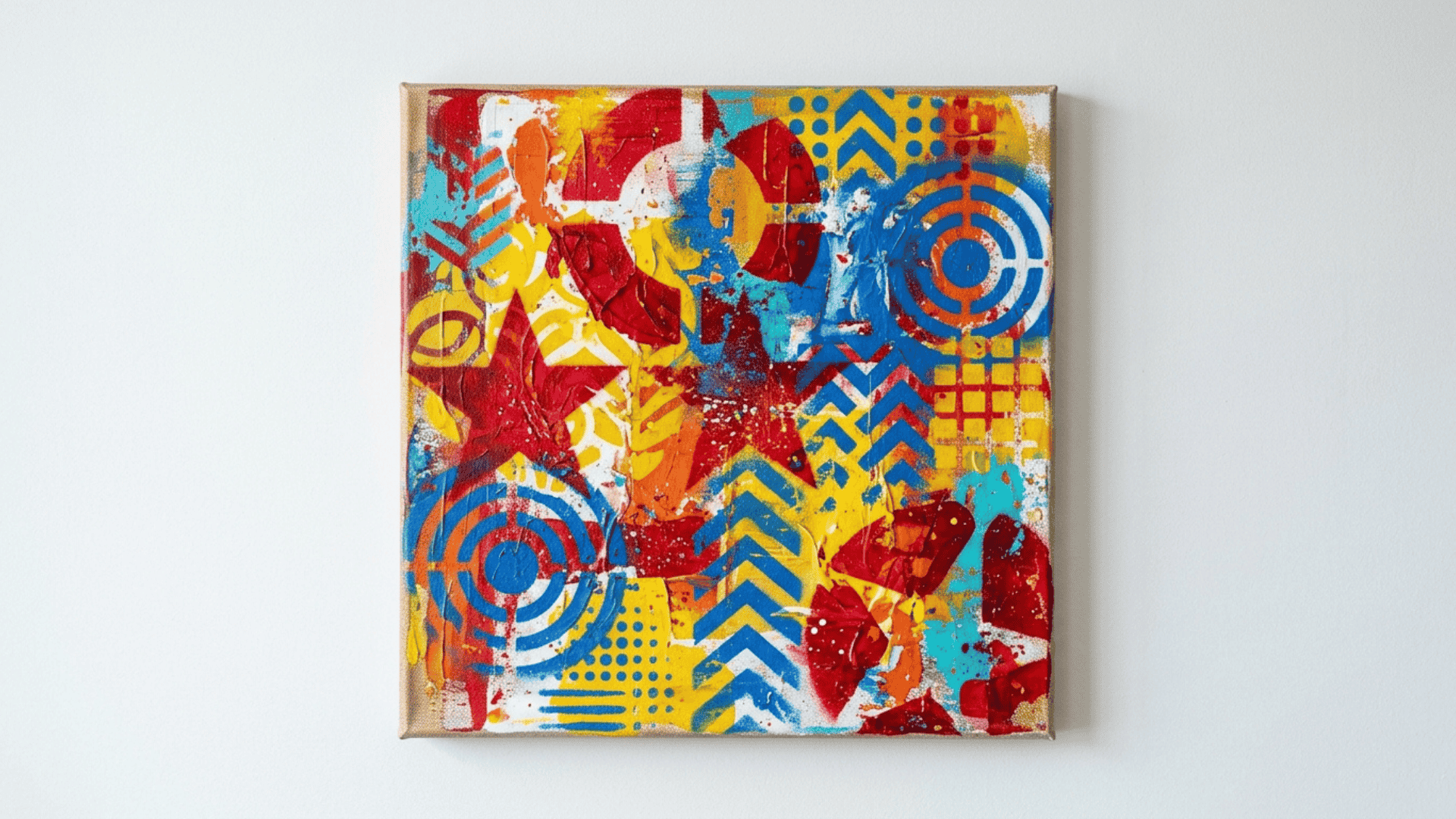
Acrylic paint is a popular choice for mixed-media and craft projects because it performs well on canvas.
It bonds easily to the surface, dries fast, and holds other craft materials like stencils, textures, and layered paint effects without any issues.
This makes it a go-to medium for craft artists who want to experiment with different techniques and styles on a single canvas without needing special preparation or extra materials.
3. Layer-Based Techniques
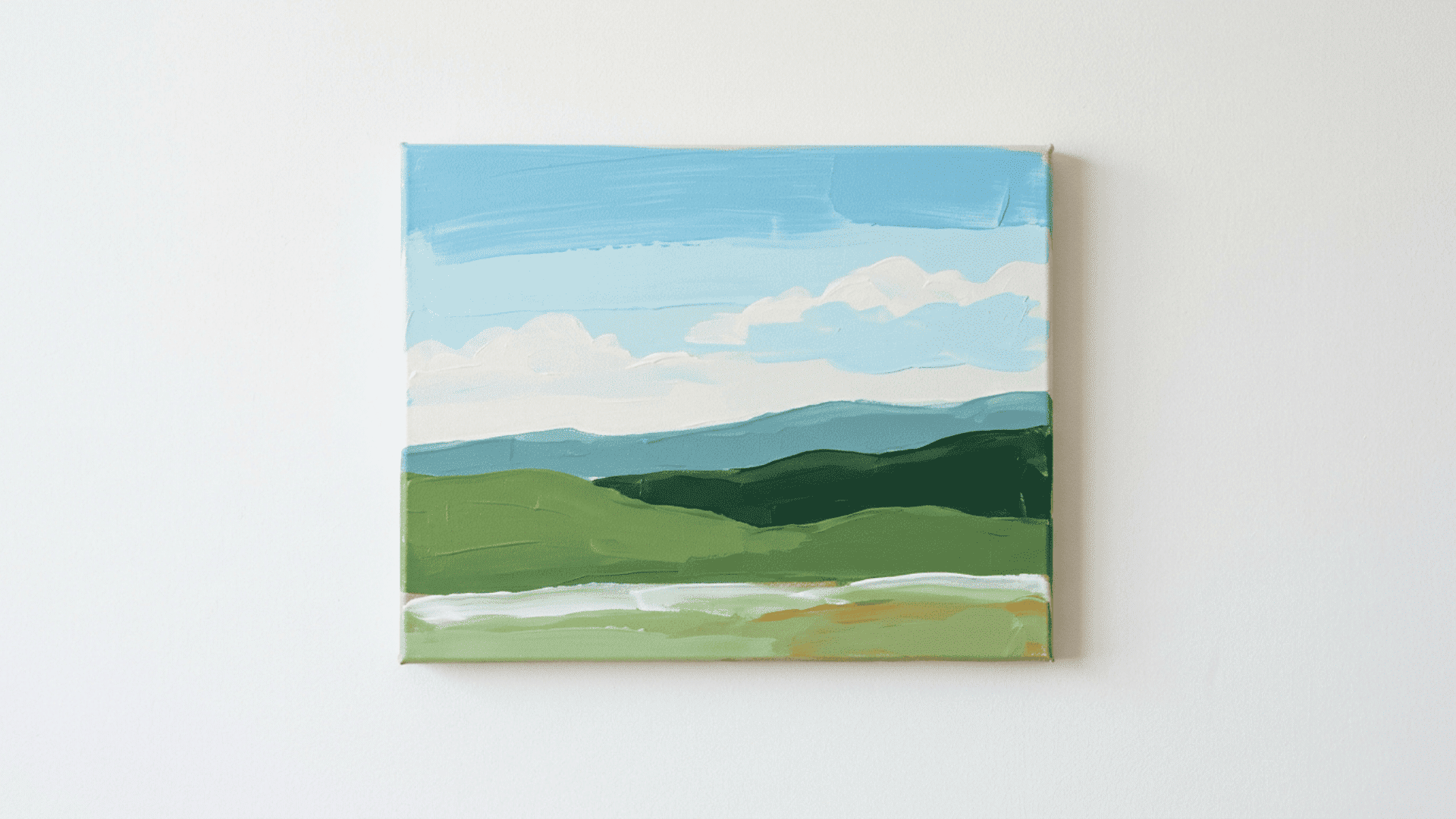
One of the strongest advantages of acrylic paint in the acrylic vs oil paint comparison is how quickly each layer dries on the canvas. Artists can apply multiple coats in a single session without waiting long between coats.
This makes acrylics ideal for techniques like dry brushing and color blocking, where each layer sits cleanly on top of the previous one. The result is a painting with visible depth and dimension built up through controlled layering.
Where to Use Oil Paint
Oil paint is preferred when time and blending control matter more than speed. It supports detailed work and gradual transitions.
1. Realistic and Detailed Paintings
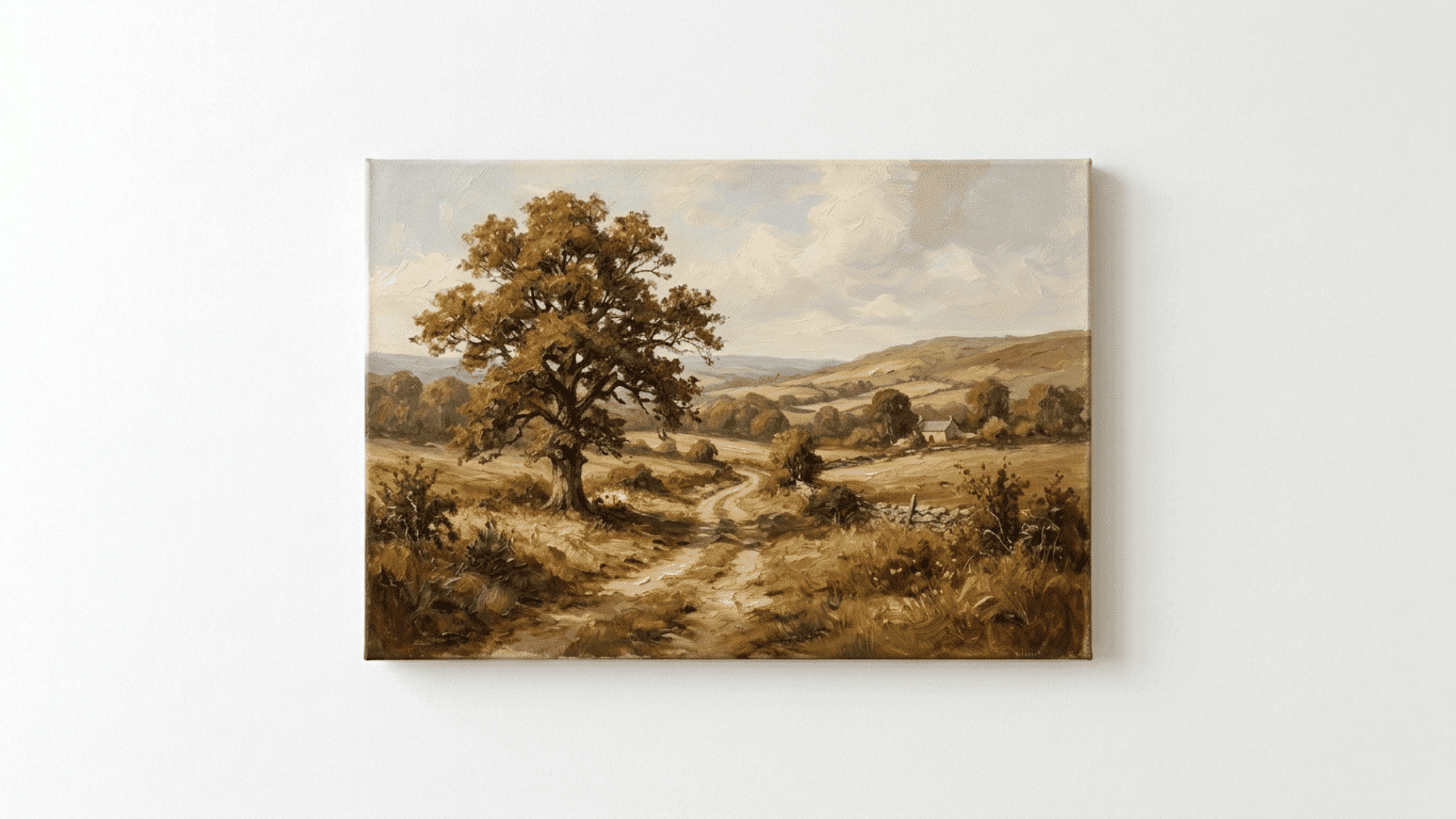
Oil paint gives artists the time and control needed for highly realistic work. The slow drying process allows for fine adjustments and careful refinement across multiple sessions.
For those focused on capturing lifelike textures and subtle tonal shifts, the difference between acrylic and oil paint becomes very clear here. Oil offers more room to correct and perfect every detail.
2. Blending and Soft Transitions
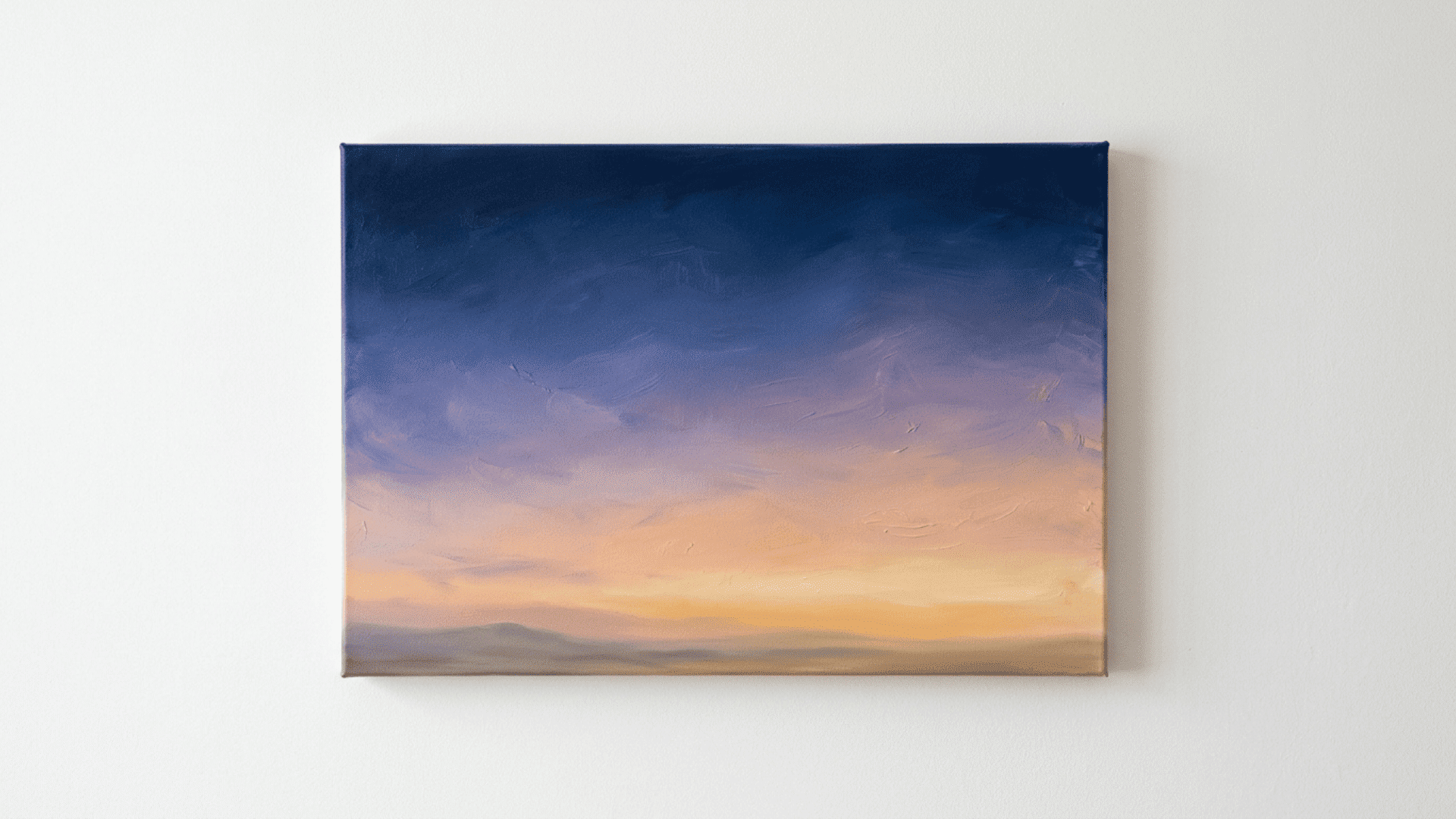
Smooth gradients and soft color shifts are where oil paint truly stands out. Because it stays wet for extended periods, colors can be blended directly on the canvas without drying mid-stroke.
This quality makes oil paint ideal for skies and backgrounds that require a seamless transition between shades. Acrylics cannot replicate this level of blending naturally.
3. Traditional Canvas Artwork
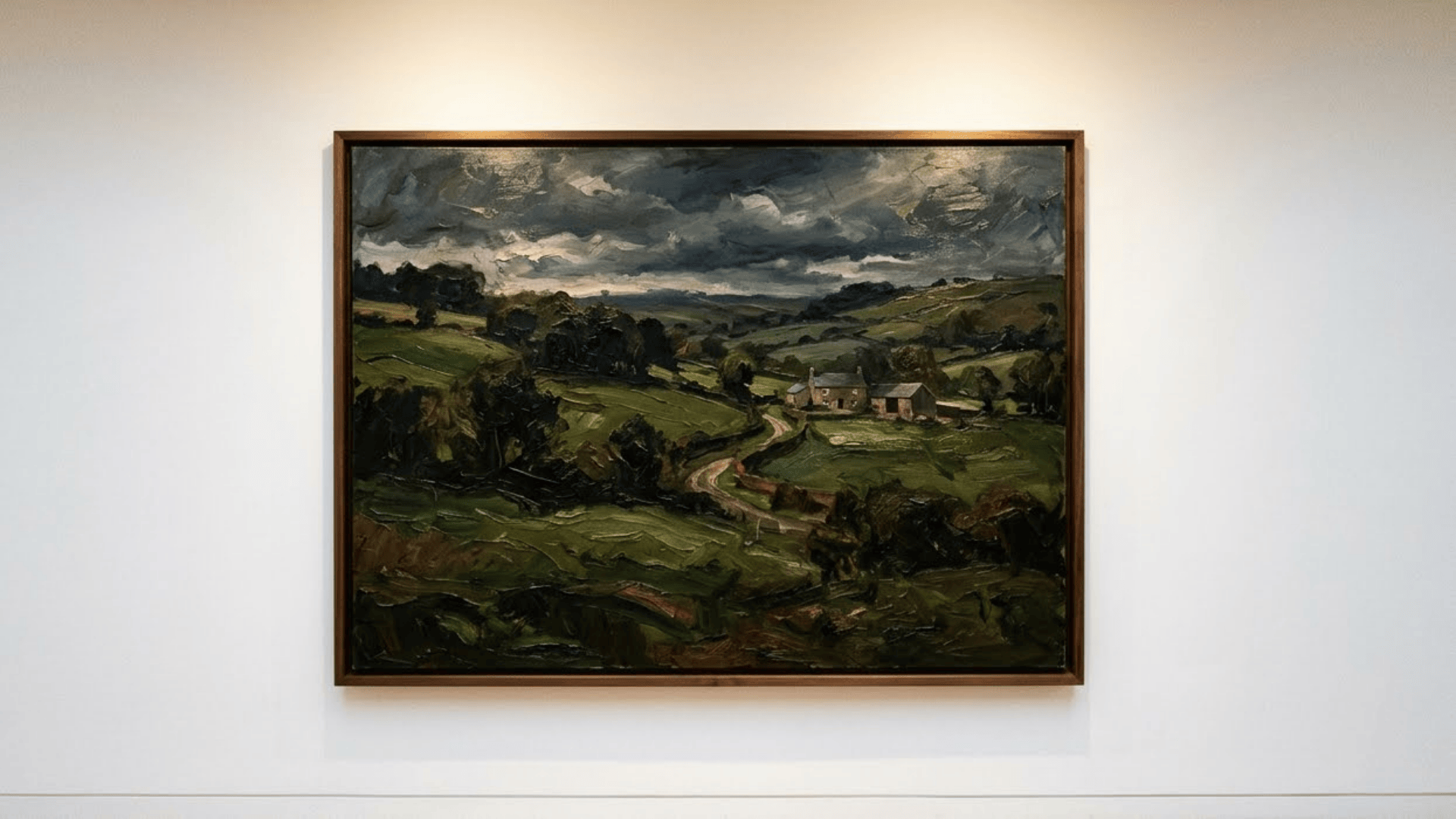
Oil paint has been the standard for gallery-style and long-term canvas work for centuries. Its rich texture and depth give finished pieces a visual weight that holds up well over time.
Artists working on formal or exhibition pieces often prefer oil paint for its durability and the professional finish it brings to traditional canvas artwork.
Opinions and Advice from Artist Communities
Artists across online communities have shared their personal experiences with both mediums. Their insights give a practical look at how these paints perform in real creative settings.
“Acrylics are great for beginners because they dry fast and are easy to work with.” – (r/painting) Reddit
“Oil paint gives you so much more time to blend and fix mistakes, which acrylics just don’t allow.” – (r/oilpainting) Reddit
“The difference between acrylic and oil paint really shows when you try to do smooth gradients.” – Reddit
“Start with acrylics to learn color theory and brush control, then move to oils when ready.” – (r/ArtistLounge) Reddit
“For miniature painting, oils work better for shading and blending small details cleanly.” – (r/Warhammer) Reddit
Common Mistakes to Avoid
Many beginners struggle due to incorrect expectations about how each paint behaves. Knowing these common mistakes can quickly improve results.
- Not understanding drying time: Oil paint takes days to dry fully. Layering too soon can muddy colors and damage the surface beneath.
- Expecting acrylics to blend like oils: Acrylics dry quickly, limiting the time for blending. Expecting smooth transitions like oil paint often leads to frustration.
- Skipping proper surface preparation: Both mediums need a primed surface to perform well. Painting on an unprepared canvas affects adhesion and the final finish.
- Adding too much water to acrylics: Over-thinning weakens the binder and reduces color strength. Too much water completely breaks down the paint film.
- Ignoring ventilation when using oils: Solvents like turpentine release fumes in closed spaces. Working without proper airflow can cause serious health issues over time.
Conclusion
At the end of the day, both paints have their place in an artist’s toolkit. Acrylics work best for those who want speed, easy cleanup, and a forgiving learning curve.
Oil paint suits those who value blending control, rich texture, and extended working time. The acrylic vs oil paint debate is not about which one is better.
It comes down to knowing how these two paints behave and matching the right medium to the work at hand.
Start with acrylics to build confidence, then experiment with oils when ready. Try both, see how each one feels, and let the work itself guide the decision.
Frequently Asked Questions
What is the Golden Rule of Oil Painting?
Oil painting follows the “fat over lean” principle, meaning each layer should have more oil than the one below it. This helps prevent cracking over time.
Why Does Oil Paint Look Better for Blending?
Oil paint dries slowly, giving more time to mix colors directly on the surface. This helps create smoother transitions and softer gradients.
Do Artists Use Both Acrylic and Oil Paint?
Yes, many artists use both depending on the project. Acrylics are used for quick work, while oils are preferred for detailed and layered paintings.