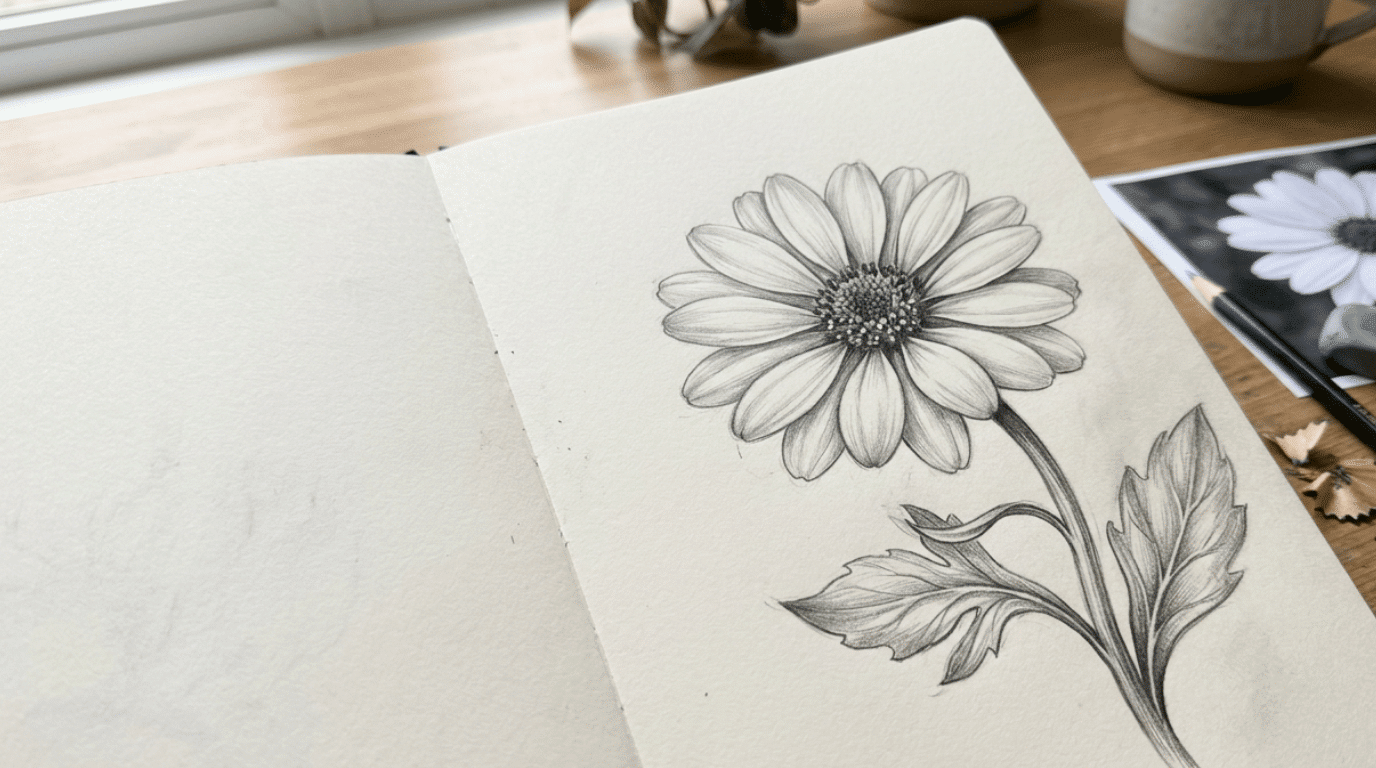




From the luminous realism of the Renaissance to the bold, shattered perspectives of Cubism, every painting style captures the spirit of its era in a unique way.
Styles reveal how artists interpreted the world around them, expressed emotion, and pushed the boundaries of creativity, and they’re worth understanding on their own terms, not just as labels.
Art movements function as visual languages shaped by cultural shifts, new ideas, and evolving artistic ambitions.
In this blog, you’ll find some of the most influential painting styles, diving into where they came from, what makes them special, and the unforgettable artworks that defined them.
What Is the Difference Between Painting Style and Type?
It is worth clearing up a common confusion: painting style and painting type are related but not the same thing.
Painting Type refers to the subject matter or genre of a painting, what is being depicted. Examples include portrait, landscape, still life, and genre painting.
Painting Style refers to the visual approach, technique, and aesthetic philosophy the artist uses to represent the subject. Examples include Impressionism, Realism, Cubism, and Abstract art.
Think of it this way: two artists can both paint a portrait (same type), but one might work in a Realistic style while the other leans Expressionist. Same subject, completely different visual language.
The subject is the same, but the visual language is completely different.
Different Types of Painting Styles with Examples
From the raw energy of Expressionism to the quiet precision of Realism, painting styles span a wide spectrum, each with its own rules, techniques, and visual identity.
1. Renaissance & High Renaissance Art (1400 – 1600)
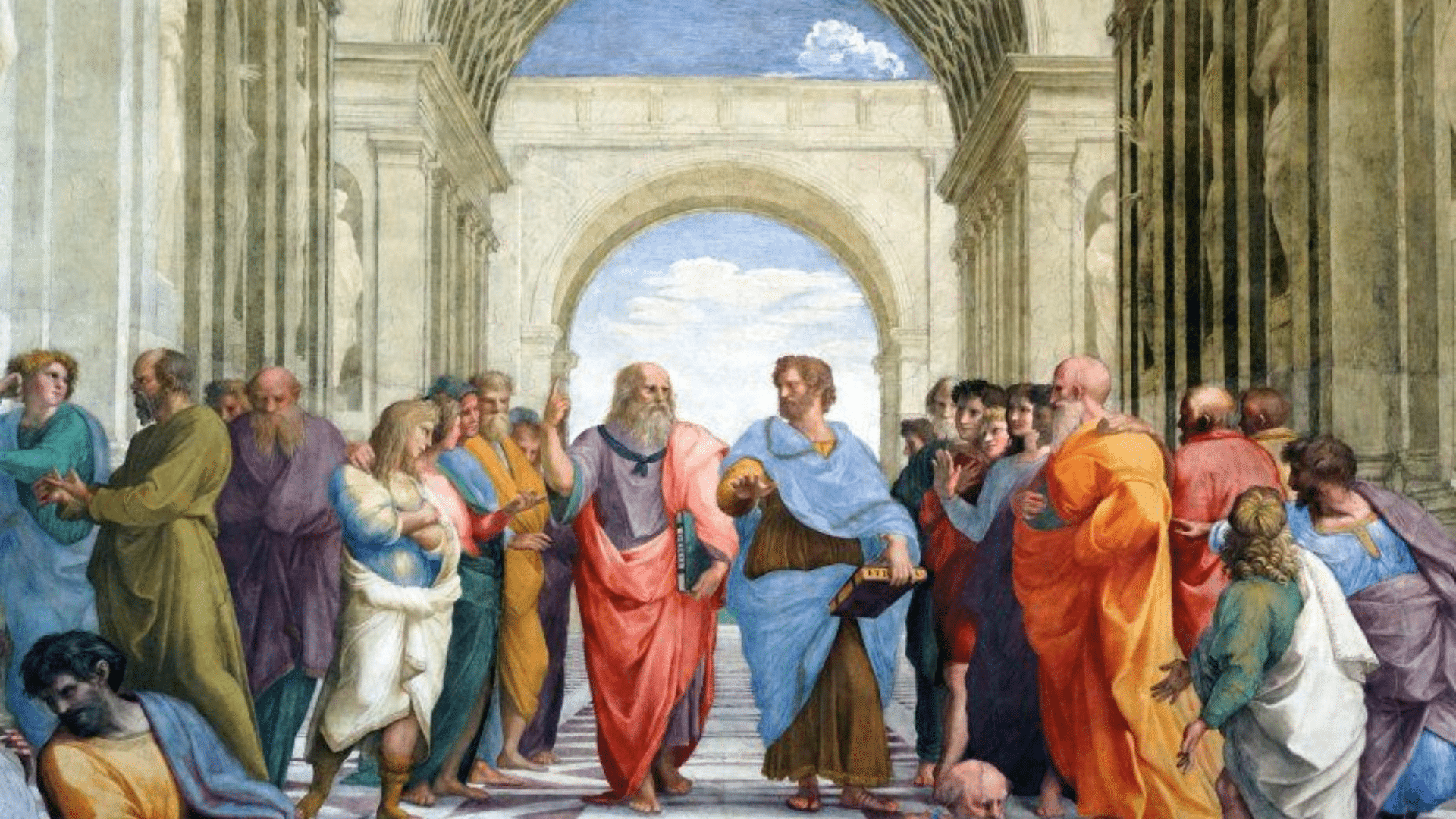
The Renaissance, meaning “rebirth” in French, was one of the most transformative periods in Western art. It emerged in Italy around 1400 and peaked during the High Renaissance (1490-1527).
What set it apart was the combination of scientific observation and artistic ambition. Artists studied human anatomy, worked out the mathematics of perspective, and applied both in ways that hadn’t been tried before.
Key Characteristics:
- Scientific perspective and accurate proportions
- Soft, realistic light and shadow (chiaroscuro)
- Religious and mythological themes
- Idealized human figures with natural beauty
Notable Artists & Examples:
- Leonardo da Vinci: Mona Lisa (c. 1503–1519)
- Michelangelo: The Creation of Adam (Sistine Chapel, 1508–1512)
- Raphael: The School of Athens (1509–1511)
2. Mannerism (1520 – 1600)
Source: smarthistory.org
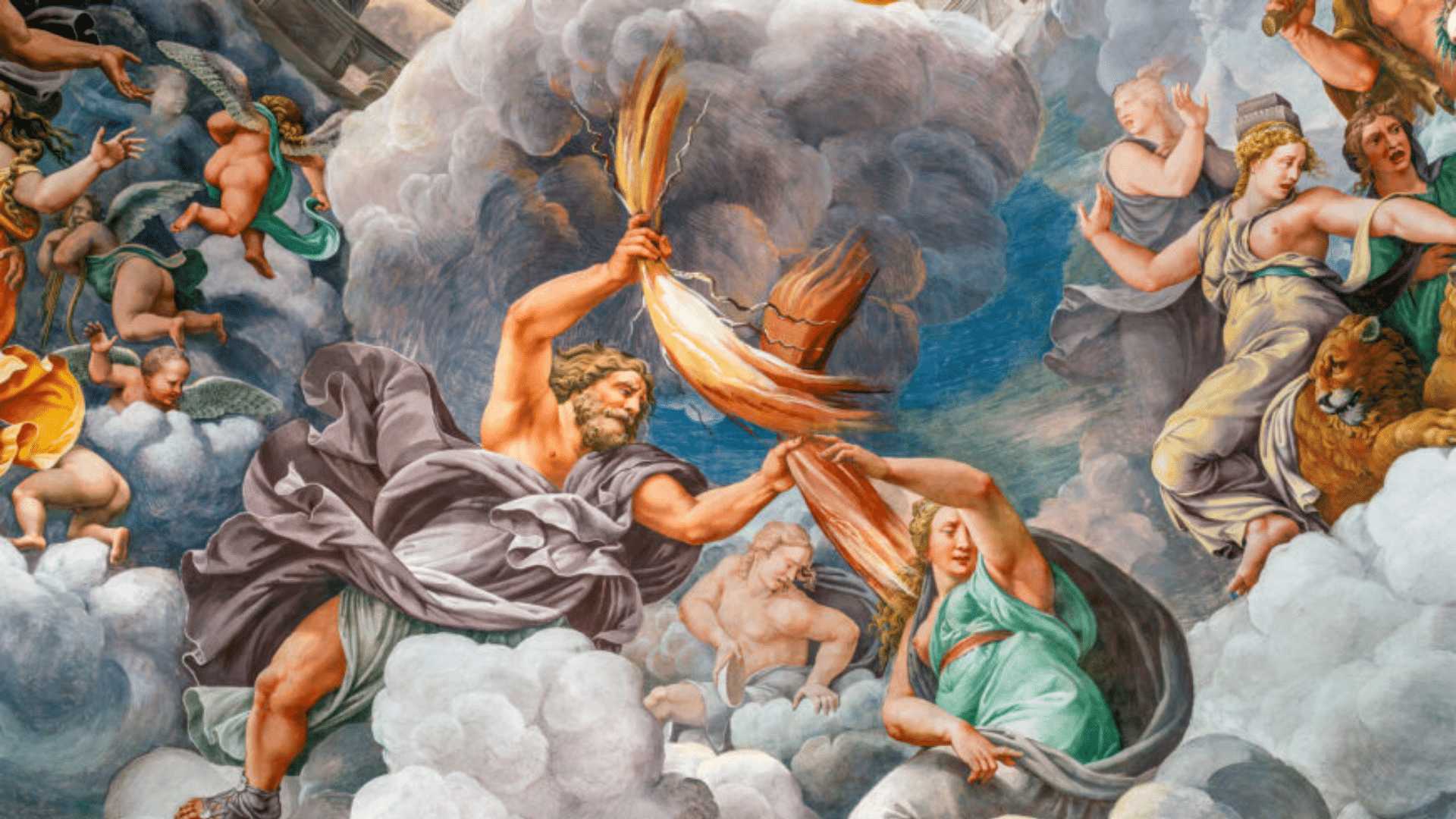
Mannerism emerged in Italy around 1520 as a deliberate reaction against the harmony and idealism of the High Renaissance.
The word comes from the Italian maniera, meaning “style” or “stylishness.” Rather than striving for natural beauty, Mannerist artists deliberately distorted it.
Key Characteristics:
- Elongated, twisted, or exaggerated human figures
- Unusual or artificial color choices
- Complex, crowded compositions
- A sense of elegance, tension, and sophistication
Notable Artists & Examples:
- El Greco: The Burial of the Count of Orgaz (1586)
- Pontormo: Deposition from the Cross (c. 1525–1528)
- Parmigianino: Madonna with the Long Neck (c. 1534–1540)
3. Baroque (1600 – 1750)
Source: plumrosepublishing.com
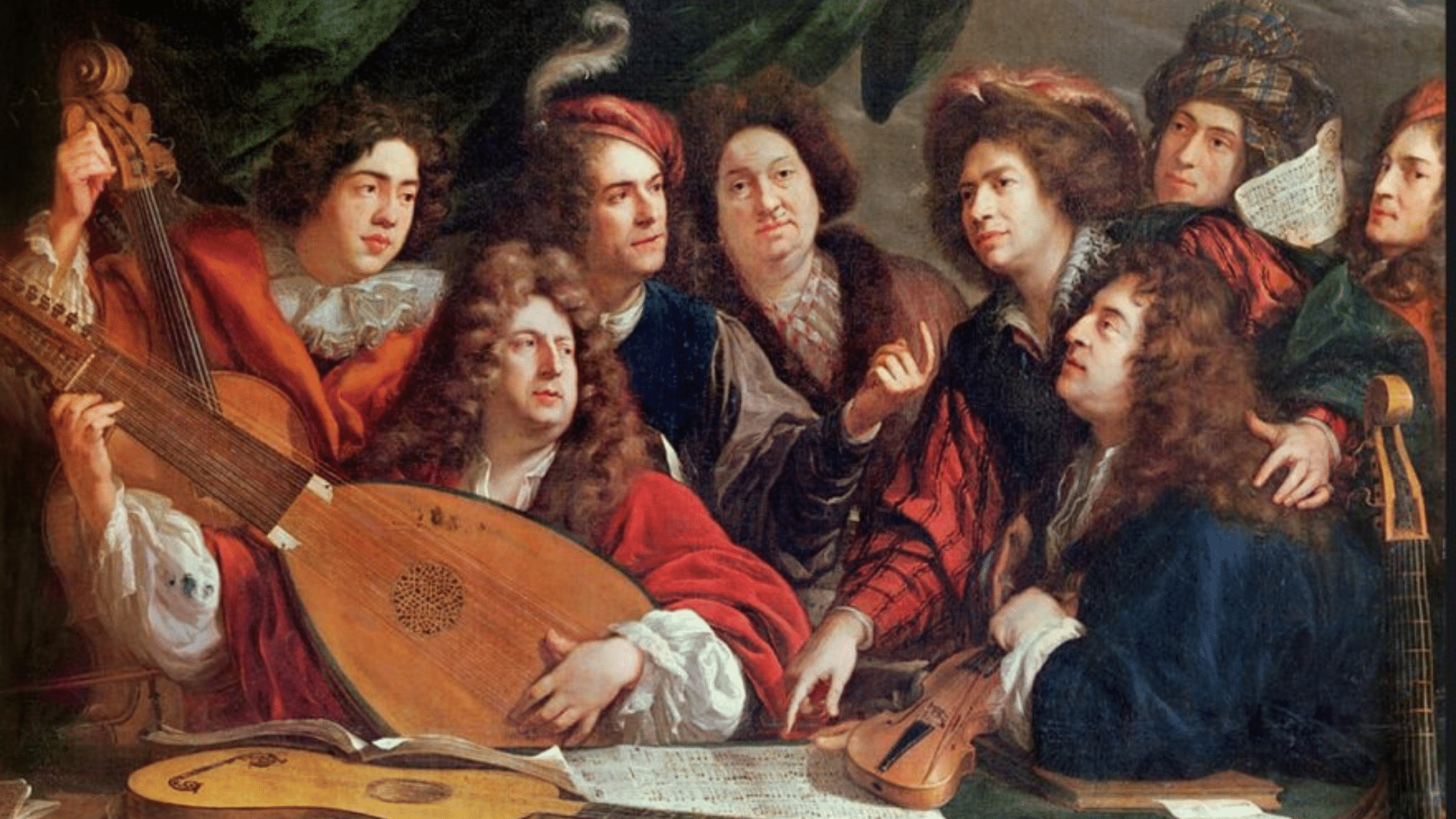
The Baroque style originated in Rome around 1600 and quickly spread across Europe, becoming the dominant visual language of the Catholic Church’s Counter-Reformation.
Baroque paintings are theatrical. Light and dark don’t just coexist; they fight for space. Figures lunge forward from dark backgrounds, emotions run high, and compositions feel like they’re mid-motion.
Key Characteristics:
- Dramatic use of light and dark (tenebrism)
- Intense emotional expression
- Dynamic, swirling compositions
- Rich, deep colors and ornate detail
Notable Artists & Examples:
- Caravaggio: The Calling of Saint Matthew (1599–1600)
- Rembrandt van Rijn: The Night Watch (1642)
- Johannes Vermeer: Girl with a Pearl Earring (c. 1665)
Baroque art manages to be theatrical and intimate at the same time a combination that still holds up centuries later.
4. Symbolism (1886 – 1910)
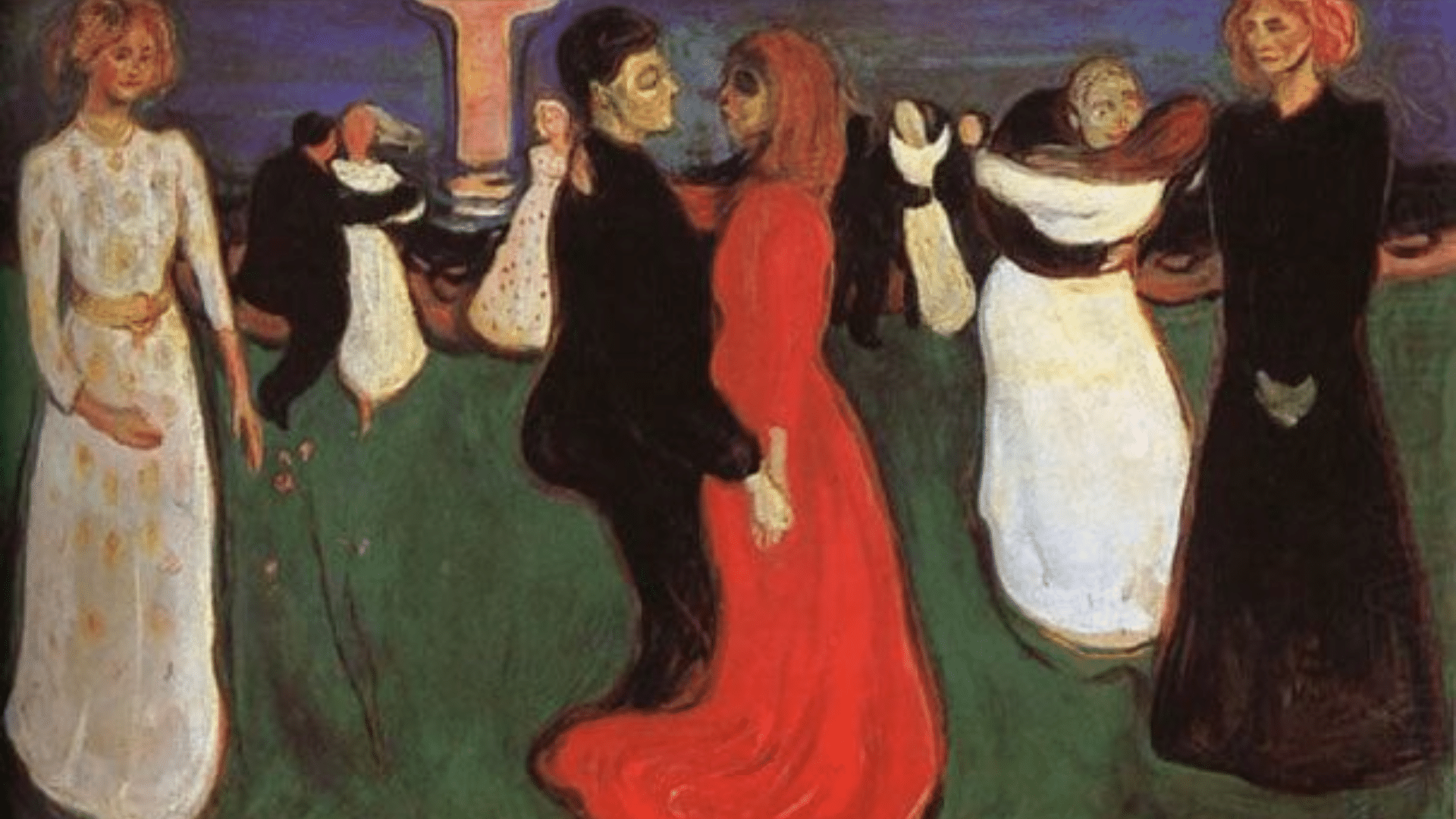
Source: theartstory.org
Symbolism emerged in France and Belgium around 1886, rejecting the materialist focus of Realism and Impressionism.
Symbolist painters used allegory, myth, and symbol to express things that couldn’t be said directly: dreams, emotions, spirituality, the mysteries of existence.
Key Characteristics:
- Use of symbolic imagery to convey deeper emotional or spiritual meaning
- Dreamlike, mysterious atmospheres
- Themes of death, the occult, love, and transformation
- Richly decorative and often melancholic tone
Notable Artists & Examples:
- Gustave Moreau: Jupiter and Semele (1895)
- Odilon Redon: The Cyclops (c. 1898–1900)
- Fernand Khnopff: I Lock My Door Upon Myself (1891)
5. Romanticism (1800 – 1850)
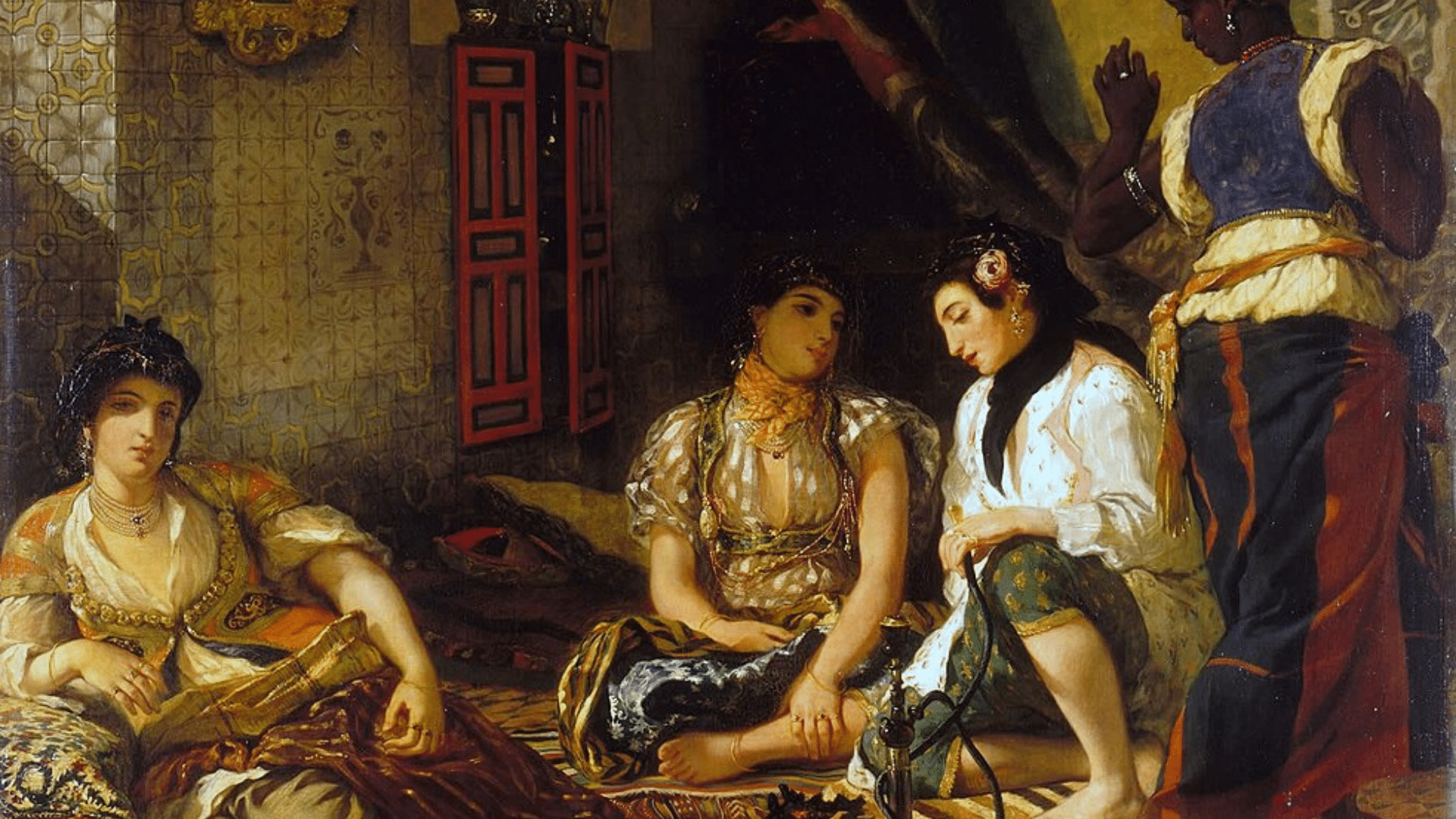
Source: boisestate.pressbooks.pub
Romanticism flourished in Europe from roughly 1800 to 1850, arising as a reaction against the rational, ordered thinking of the Enlightenment and the Industrial Revolution.
Romantic painters weren’t interested in order. They wanted nature raw and untamed, emotions turned up high, and history painted at its most dramatic. The goal was to make the viewer feel something: awe, fear, longing.
Key Characteristics:
- Glorification of nature, especially wild or untamed landscapes
- Intense emotional expression
- Heroic or tragic historical and mythological scenes
- A sense of the sublime awe mixed with fear
Notable Artists & Examples:
- Eugène Delacroix: Liberty Leading the People (1830)
- Caspar David Friedrich: Wanderer Above the Sea of Fog (c. 1818)
- J.M.W. Turner: The Fighting Temeraire (1839)
6. Realism (1848 – 1900)
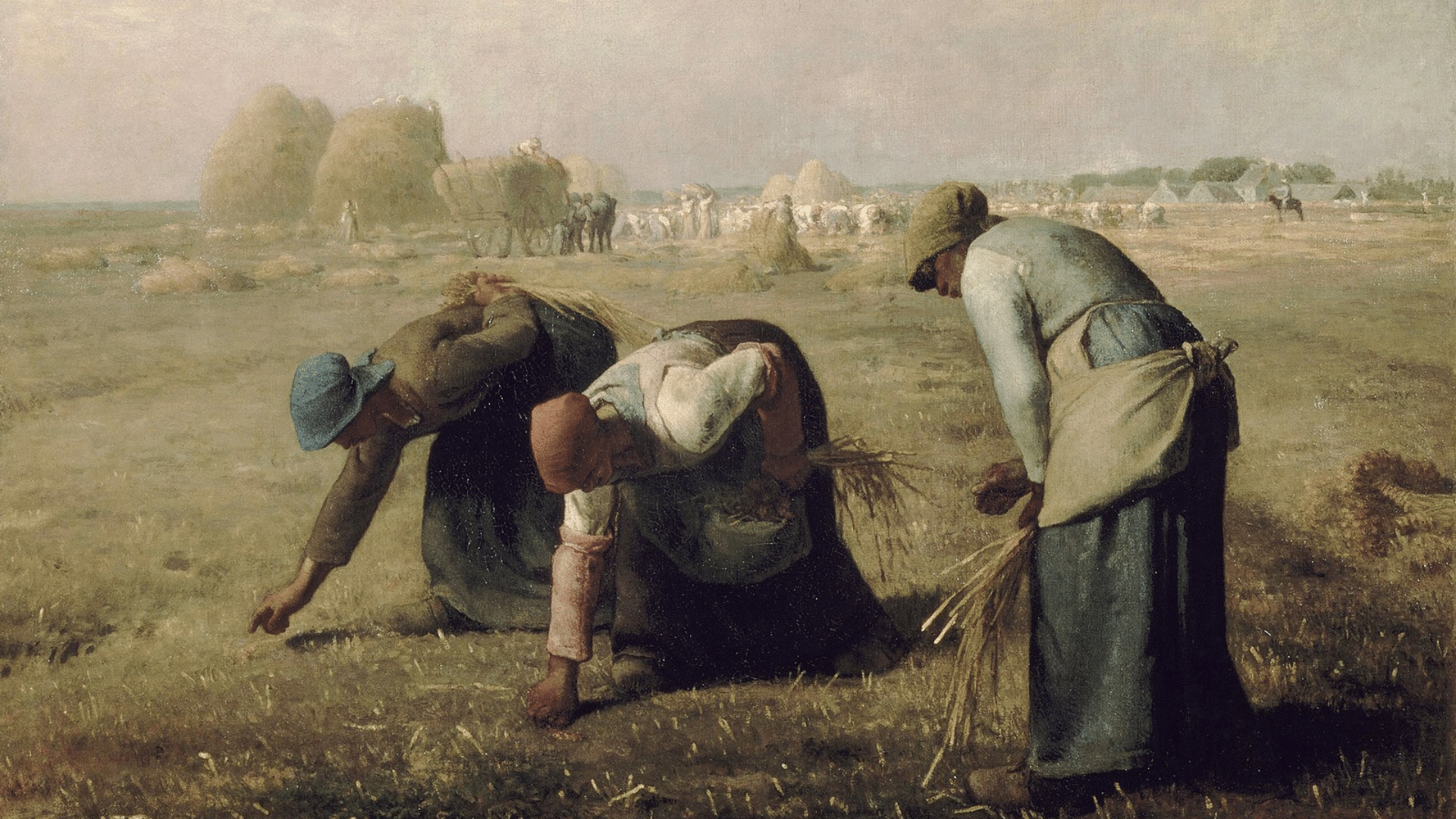
Source: human.libretexts.org
Realism emerged in France around 1848, largely as a response to the idealized subjects of Romanticism and the grandeur of classical painting.
Realist artists insisted on depicting the world exactly as it was, no flattery, no heroic distortion. Ordinary people, everyday life, and social hardships became worthy subjects for serious art.
Key Characteristics:
- Accurate, detailed representation of everyday subjects
- Focus on working-class and rural life
- Rejection of idealization and sentimentality
- Natural lighting and true-to-life color palettes
Notable Artists & Examples:
- Gustave Courbet: The Stone Breakers (1849)
- Jean-François Millet: The Gleaners (1857)
- Honoré Daumier: The Third-Class Carriage (c. 1862–1864)
7. Impressionism (1860s – 1880s)
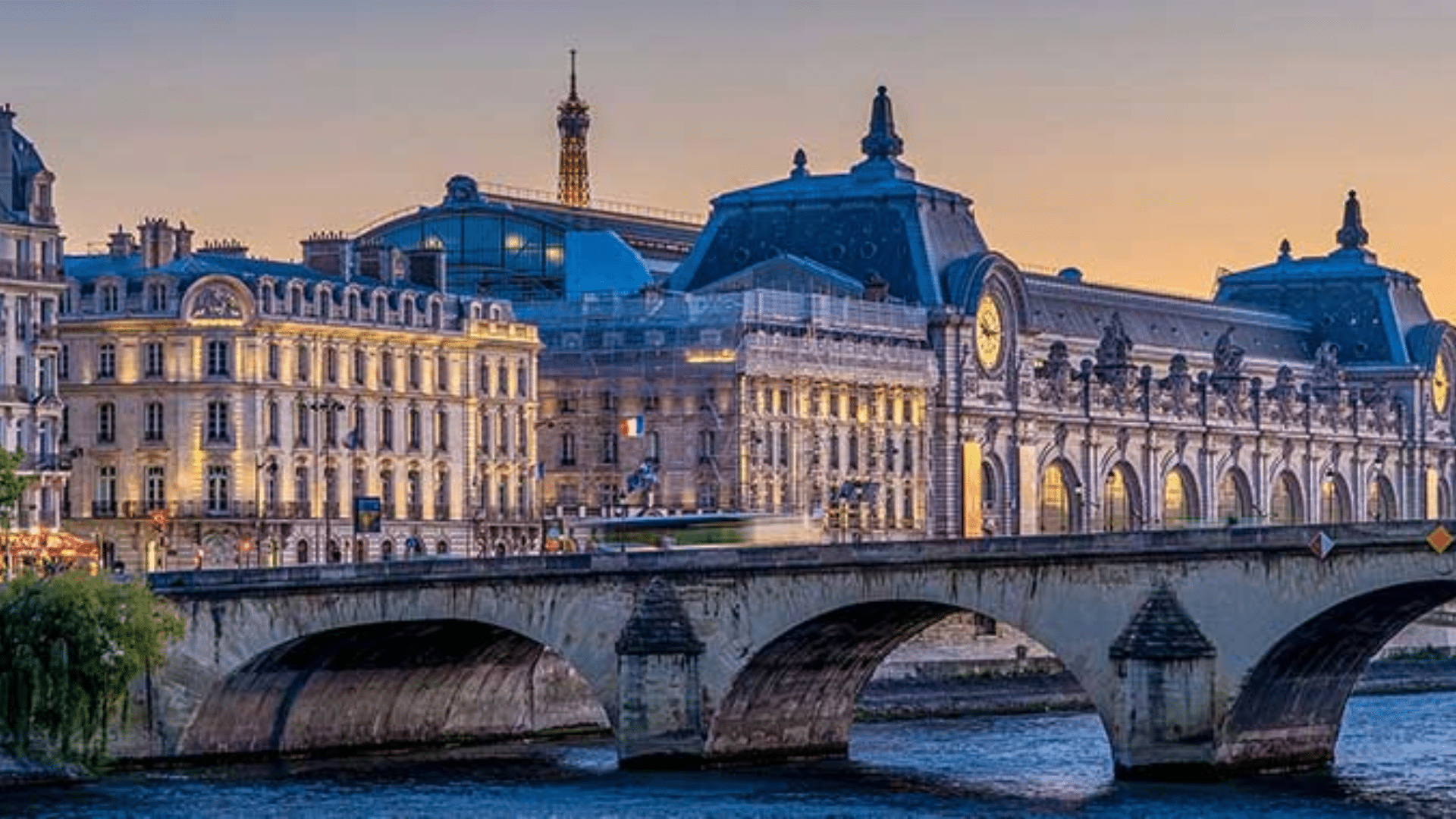
Source: impressionistarts.com
Impressionism is arguably the most beloved painting style. Born in France in the 1860s and officially named after Claude Monet’s painting Impression, Sunrise (1872), the movement broke every rule of academic painting.
Instead of working in studios from sketches, Impressionist painters took their easels outdoors (en plein air) and painted the fleeting effects of light and atmosphere in real time.
Impressionist painters took their easels outdoors (en plein air) and painted the fleeting effects of light and atmosphere in real time.
Key Characteristics:
- Loose, visible brushstrokes
- Emphasis on natural light and its changing qualities
- Everyday scenes, landscapes, and leisure activities
- Vibrant, unmixed color applied directly to the canvas
Notable Artists & Examples:
- Claude Monet: Water Lilies series (1896–1926)
- Pierre-Auguste Renoir: Luncheon of the Boating Party (1880–1881)
- Edgar Degas: The Dance Class (1874)
8. Post-Impressionism (1886 – 1910)
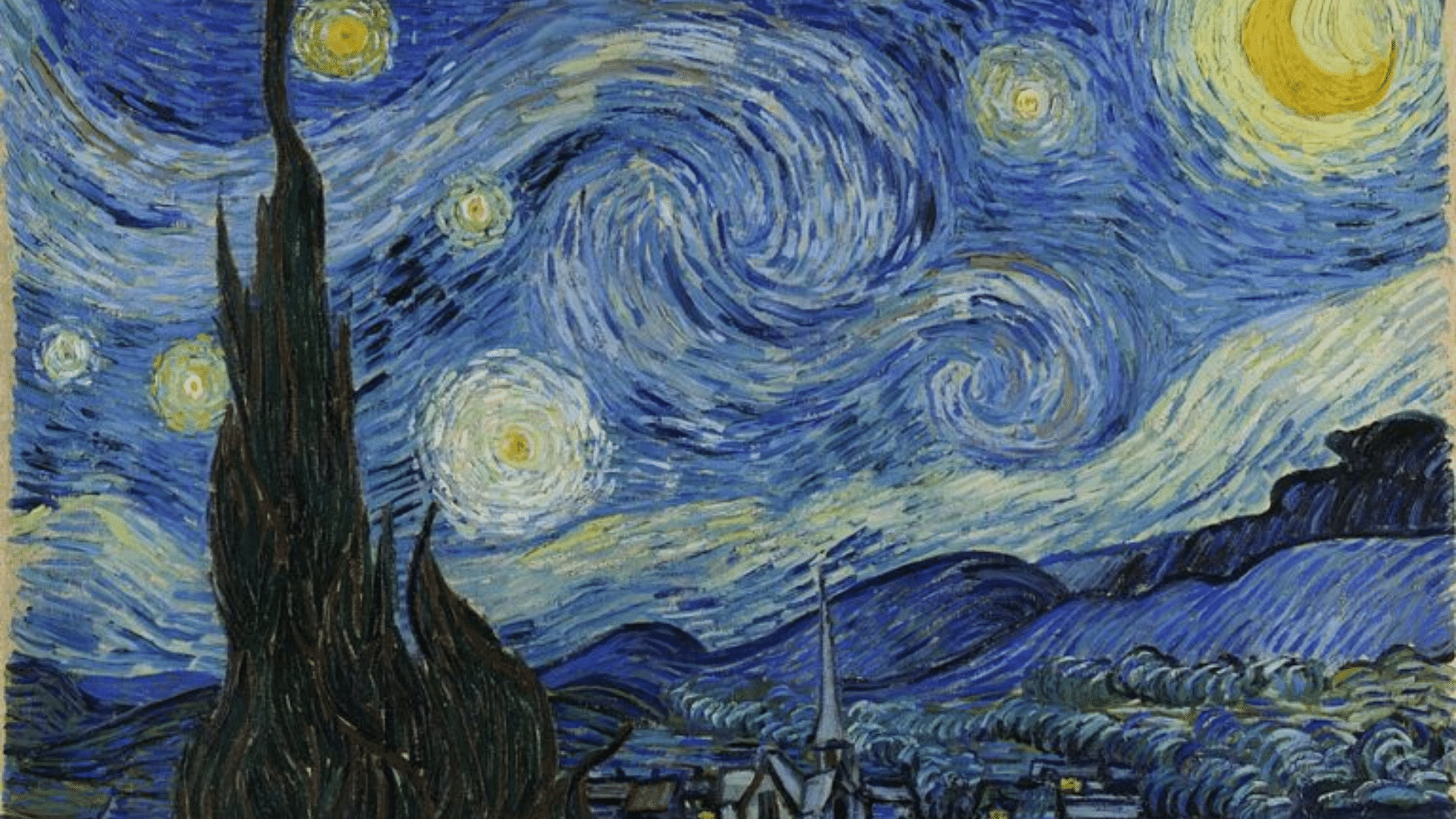
Source: thespace.ink
Post-Impressionism is not a single, unified style, but rather an umbrella term for the diverse movements that evolved from Impressionism after 1886.
While Post-Impressionist artists appreciated Impressionism’s freedom from academic convention, they pushed further, exploring structure, emotion, symbolism, and what color could do on its own.
Key Characteristics:
- More structured compositions than Impressionism
- Bold, expressive use of color beyond naturalistic representation
- Greater emphasis on symbolic content and emotional depth
Notable Artists & Examples:
- Paul Cézanne: The Large Bathers (1898–1906)
- Vincent van Gogh: The Starry Night (1889)
- Paul Gauguin: Where Do We Come From? (1897–1898)
9. Pointillism / Divisionism (1886 – 1910)
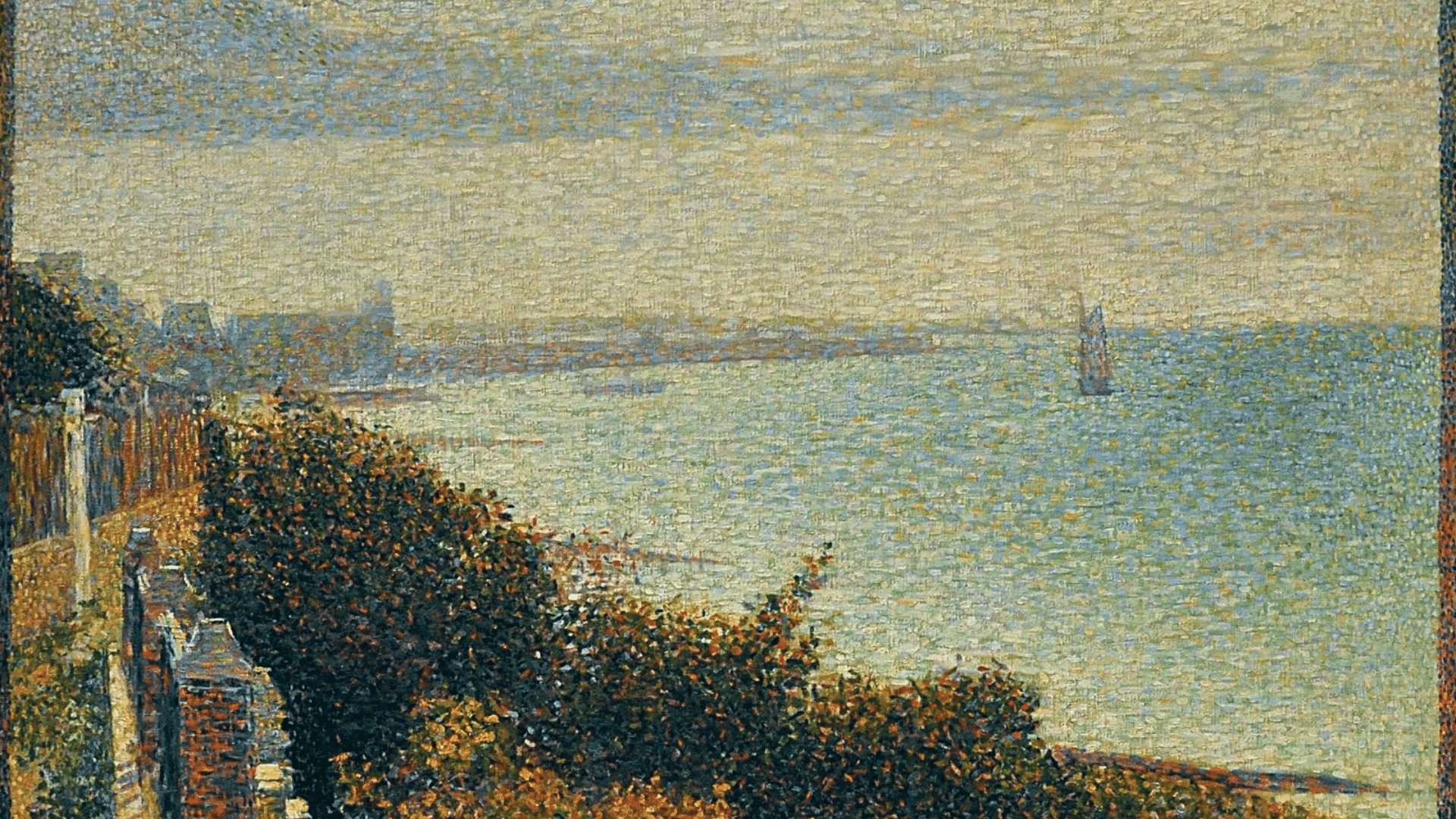
Source: britannica.com
Pointillism (also called Divisionism) was developed by French painter Georges Seurat around 1886.
Based on scientific color theory, it involved applying tiny, uniform dots of pure color side by side on the canvas, which blend into coherent images when viewed from a distance.
Key Characteristics:
- Painting composed entirely of small, distinct dots of color
- Based on the science of optical color mixing
- Highly systematic and methodical technique
Notable Artists & Examples:
- Georges Seurat: A Sunday on La Grande Jatte (1884–1886)
- Paul Signac: Portrait of Félix Fénéon (1890)
- Camille Pissarro: The Harvest (1882)
Pointillism married science and art in an unusual way, and it fed directly into Fauvism and later Abstract painting.
10. Art Nouveau (1890 – 1910)
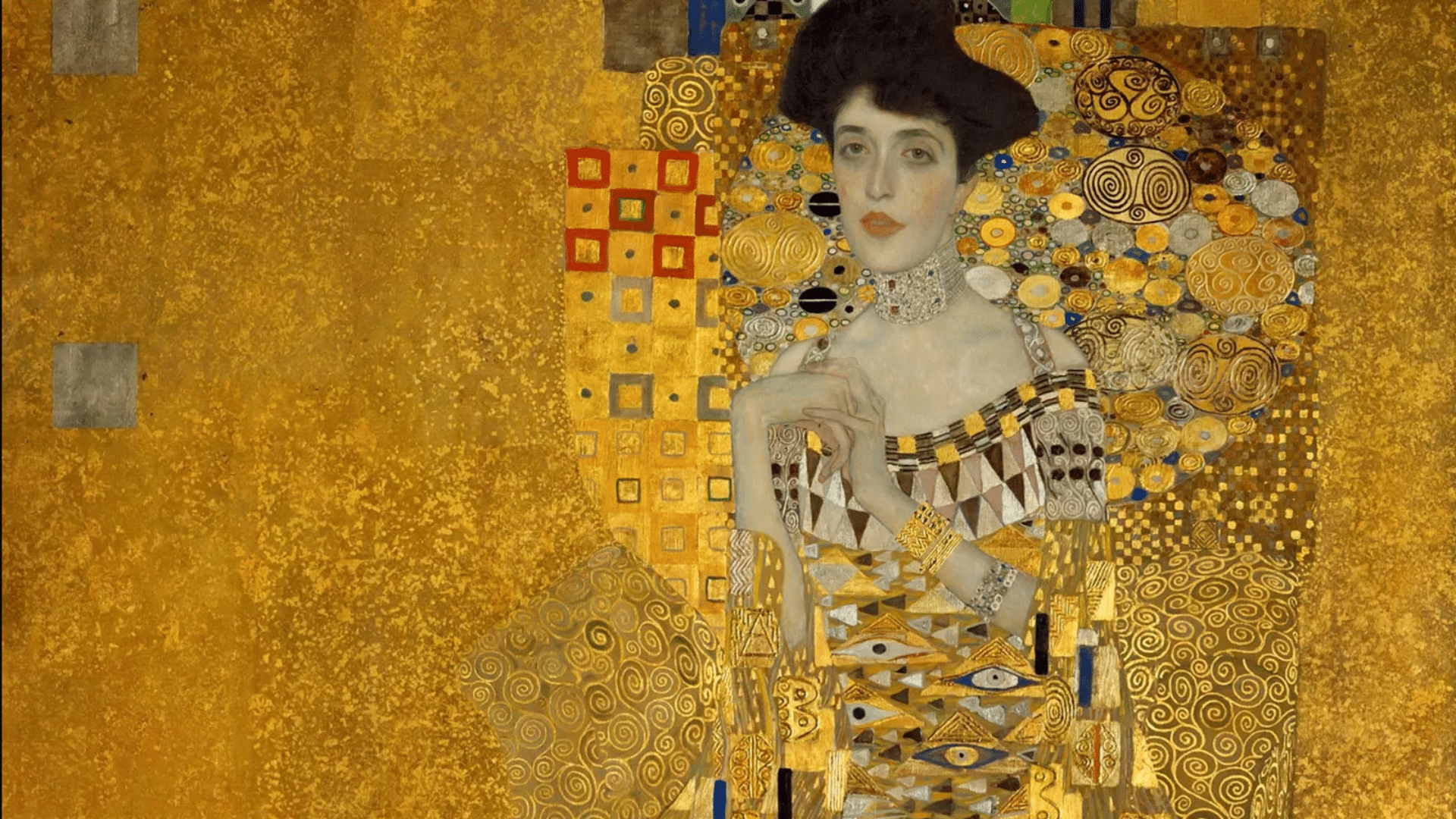
Source: britannica.com
Art Nouveau (“New Art” in French) flourished between 1890 and 1910 as a comprehensive design philosophy encompassing architecture, decorative arts, graphic design, and painting.
It was built around flowing organic lines drawn from natural forms: flowers, vines, insects, and the female figure.
Key Characteristics:
- Sinuous, flowing lines inspired by nature
- Flat, decorative surfaces with ornamental patterns
- Elegant female figures and botanical imagery
- Rich colors and gold leaf decoration
Notable Artists & Examples:
- Gustav Klimt: The Kiss (1907–1908)
- Alphonse Mucha: The Seasons decorative poster series (1896)
- Jan Toorop: The Three Brides (1893)
11. Fauvism (1905 – 1910)
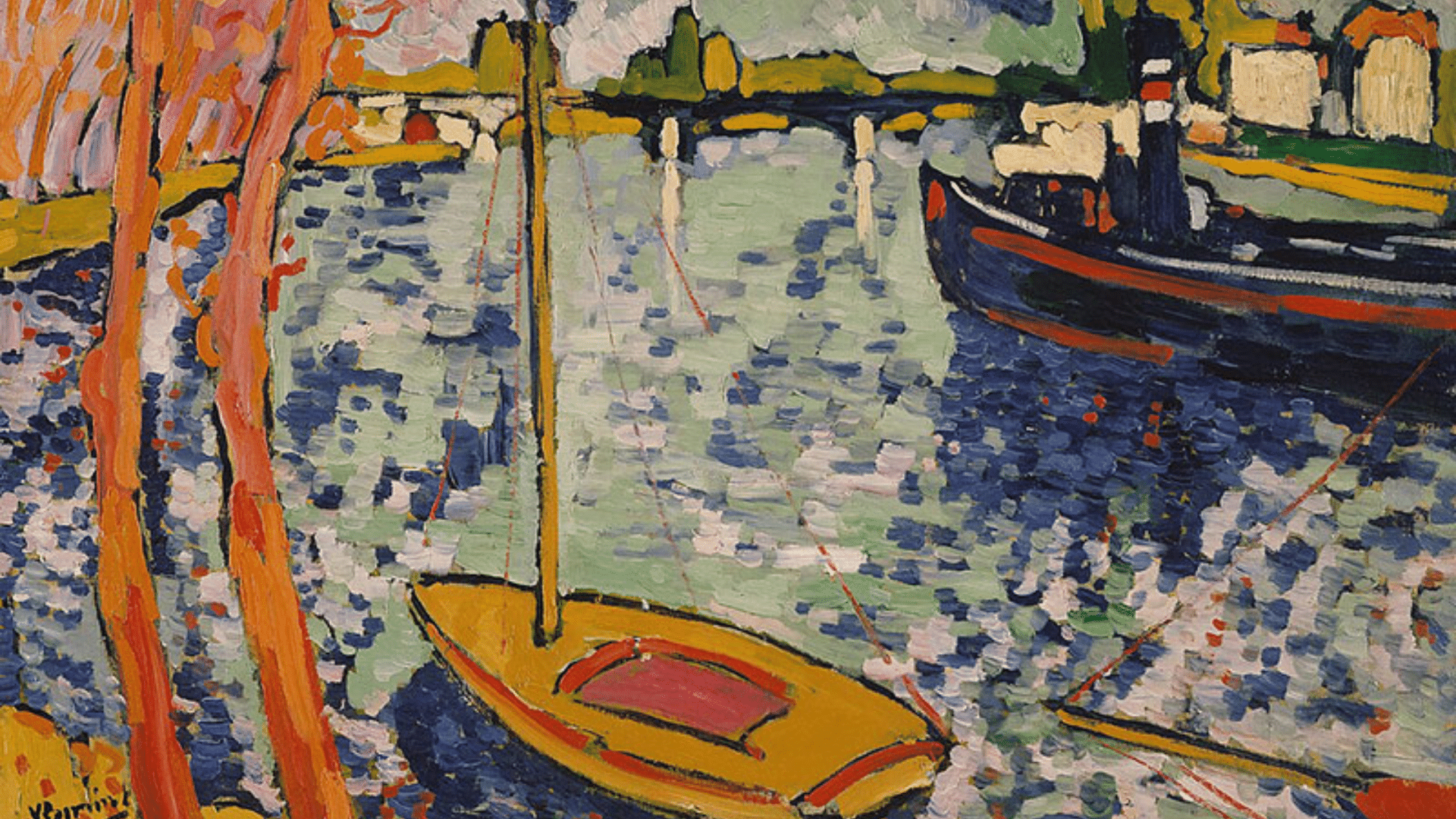
Source: russell-collection.com
Fauvism arrived at the Paris art scene in 1905 at the Salon d’Automne, where a critic mockingly called the artists les fauves (“the wild beasts”) for their shockingly bold use of non-naturalistic color. The name stuck, and so did the style.
Key Characteristics:
- Wildly exaggerated, non-naturalistic color
- Bold, flat brushwork and simplified forms
- Rejection of realistic representation
- Emotionally charged, joyful energy
Notable Artists & Examples:
- Henri Matisse: Woman with a Hat (1905)
- André Derain: Charing Cross Bridge, London (1906)
- Maurice de Vlaminck: The River Seine at Chatou (1906)
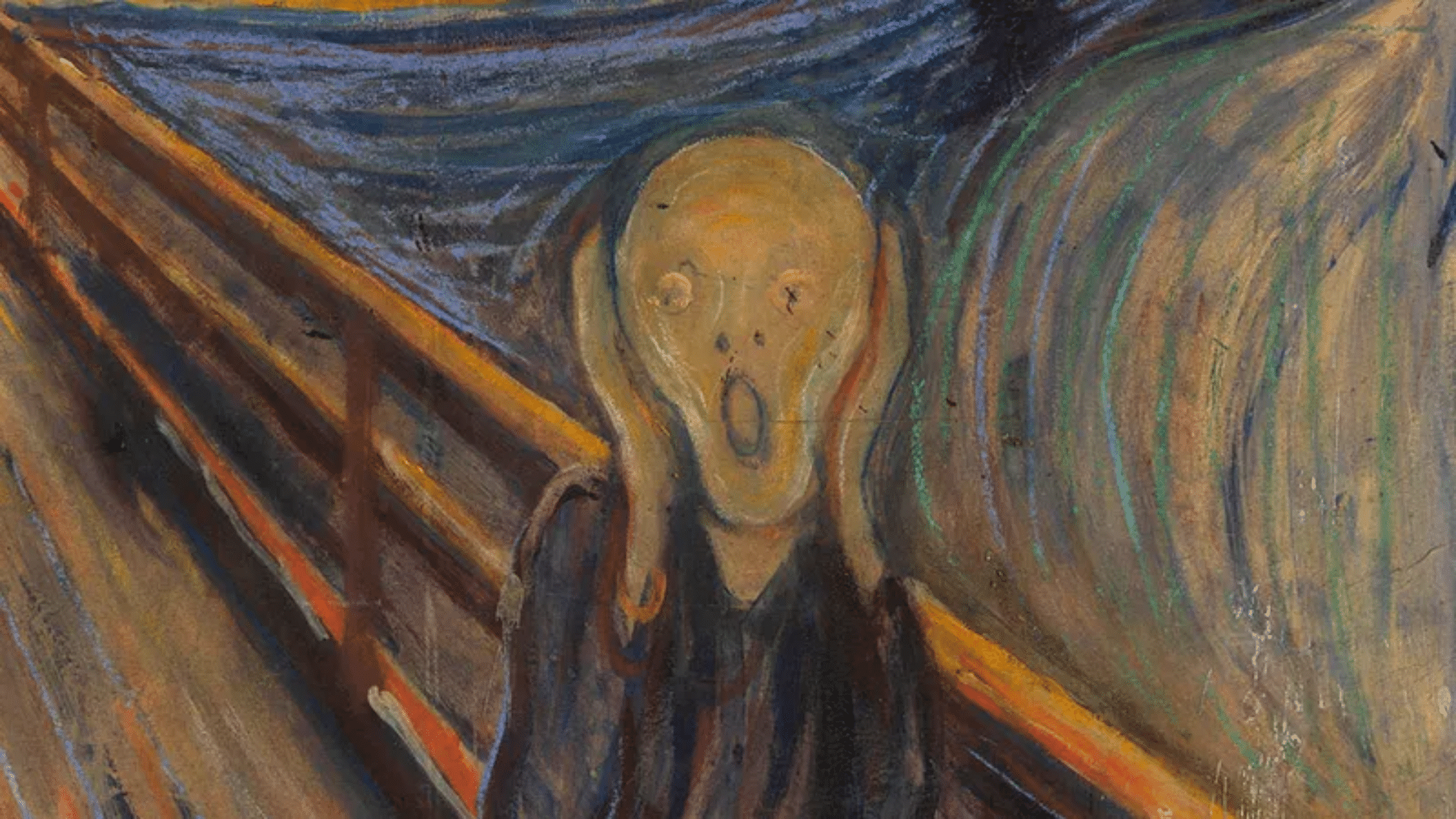
12. Expressionism (1905 – 1930s)
Source: britannica.com
Expressionism originated in Germany around 1905 and was driven by a desire to represent not the outward appearance of the world but the raw, inner emotional reality of human experience.
Where Impressionists captured what the eye sees, Expressionists captured what the soul feels.
Key Characteristics:
- Distorted, exaggerated forms and colors
- Intense emotional content often includes anxiety, alienation, or anguish
- Bold, gestural brushwork
- Dark, unsettling, or provocative imagery
Notable Artists & Examples:
- Edvard Munch: The Scream (1893)
- Ernst Ludwig Kirchner: Street, Berlin (1913)
- Egon Schiele: Self-Portrait with Physalis (1912)
Expressionism was the visual language of an era defined by war and social upheaval, and its influence still shows up in art and cinema today.
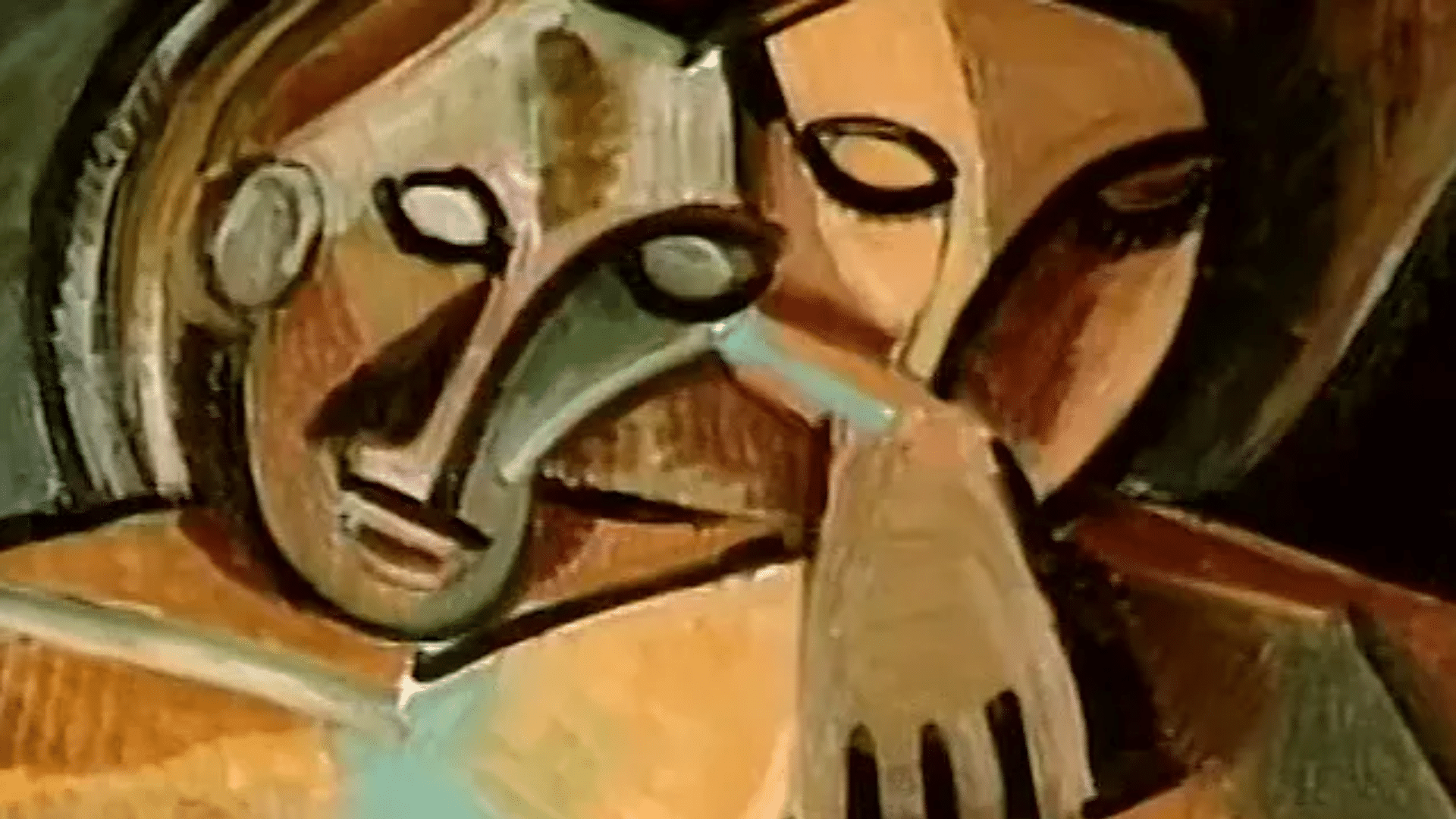
13. Cubism (1907 – 1920s)
Source: britannica.com
Cubism was co-founded by Pablo Picasso and Georges Braque in Paris around 1907–1908, and it is widely regarded as the most radical and influential art movement of the 20th century.
Cubism shattered the single-viewpoint tradition of Western painting and reassembled it into a revolutionary new visual language.
Key Characteristics:
- Subjects depicted from multiple viewpoints simultaneously
- Fragmented, geometric forms
- Compressed, shallow picture space
- Muted color palette (especially in Analytic Cubism)
Two Phases:
- Analytic Cubism (1908–1912): Monochromatic, highly fragmented
- Synthetic Cubism (1912–1920s): Brighter colors, collage elements
Notable Artists & Examples:
- Pablo Picasso: Les Demoiselles d’Avignon (1907)
- Georges Braque: Violin and Candlestick (1910)
- Juan Gris: Portrait of Pablo Picasso (1912)
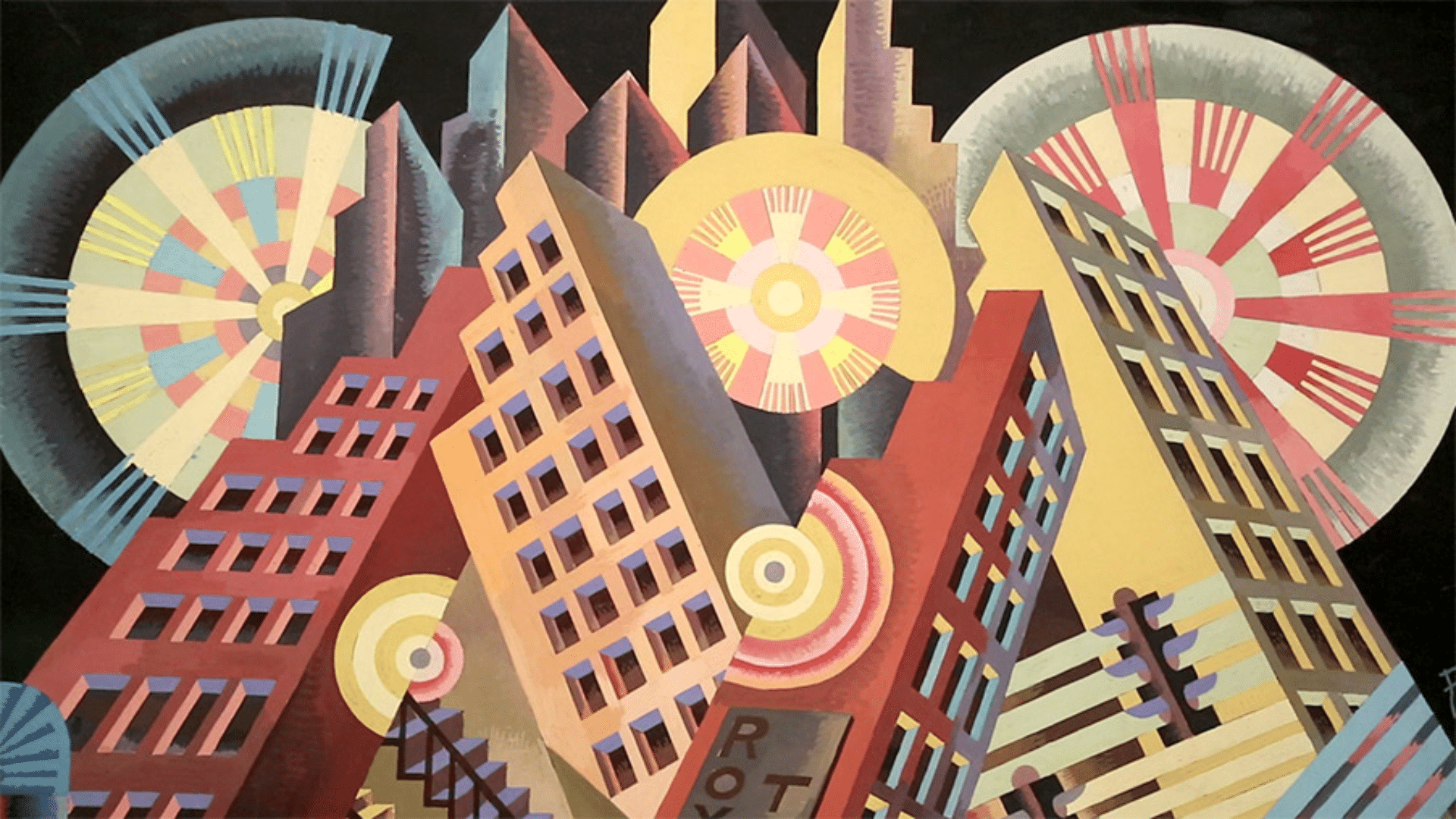
14. Futurism (1909 – 1944)
Source: guggenheim.org
Futurism was launched in Italy in 1909 when poet Filippo Tommaso Marinetti published his provocative Futurist Manifesto.
Futurist painters were obsessed with speed, technology, and machines of modern industrial life. They wanted to destroy the past and celebrate the future.
Key Characteristics:
- Representation of movement and speed through multiple overlapping images
- Fragmented forms and dynamic diagonal compositions
- Glorification of machines, technology, and urban energy
- Bold, vibrant colors
Notable Artists & Examples:
- Umberto Boccioni: The City Rises (1910)
- Giacomo Balla: Dynamism of a Dog on a Leash (1912)
- Carlo Carrà: Funeral of the Anarchist Galli (1910–1911)
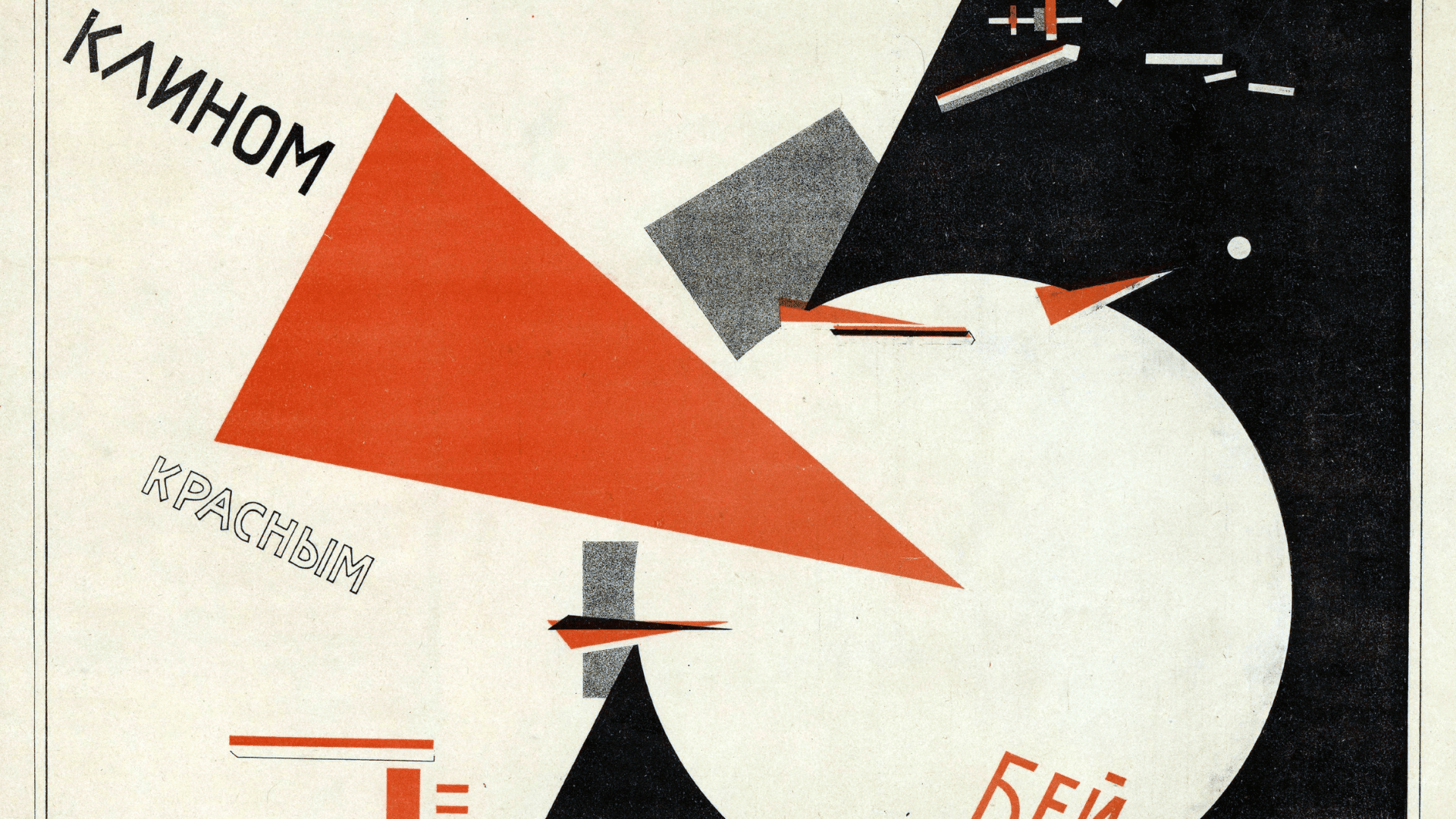
15. Constructivism (1913 – 1940)
Source: en.wikipedia.org
Constructivism was born in Russia around 1913 and became the dominant art movement following the Russian Revolution of 1917.
Constructivist artists rejected purely aesthetic art in favor of art that served a social and political purpose, and saw art as a tool for building a new society.
Key Characteristics:
- Geometric, abstract compositions
- Bold, flat areas of primary colors
- Industrial materials and techniques
- Strong emphasis on graphic design and typography
Notable Artists & Examples:
- Alexander Rodchenko: Black on Black (1918)
- El Lissitzky: Beat the Whites with the Red Wedge (1919)
- Lyubov Popova: Painterly Architectonics series (1916–1917)
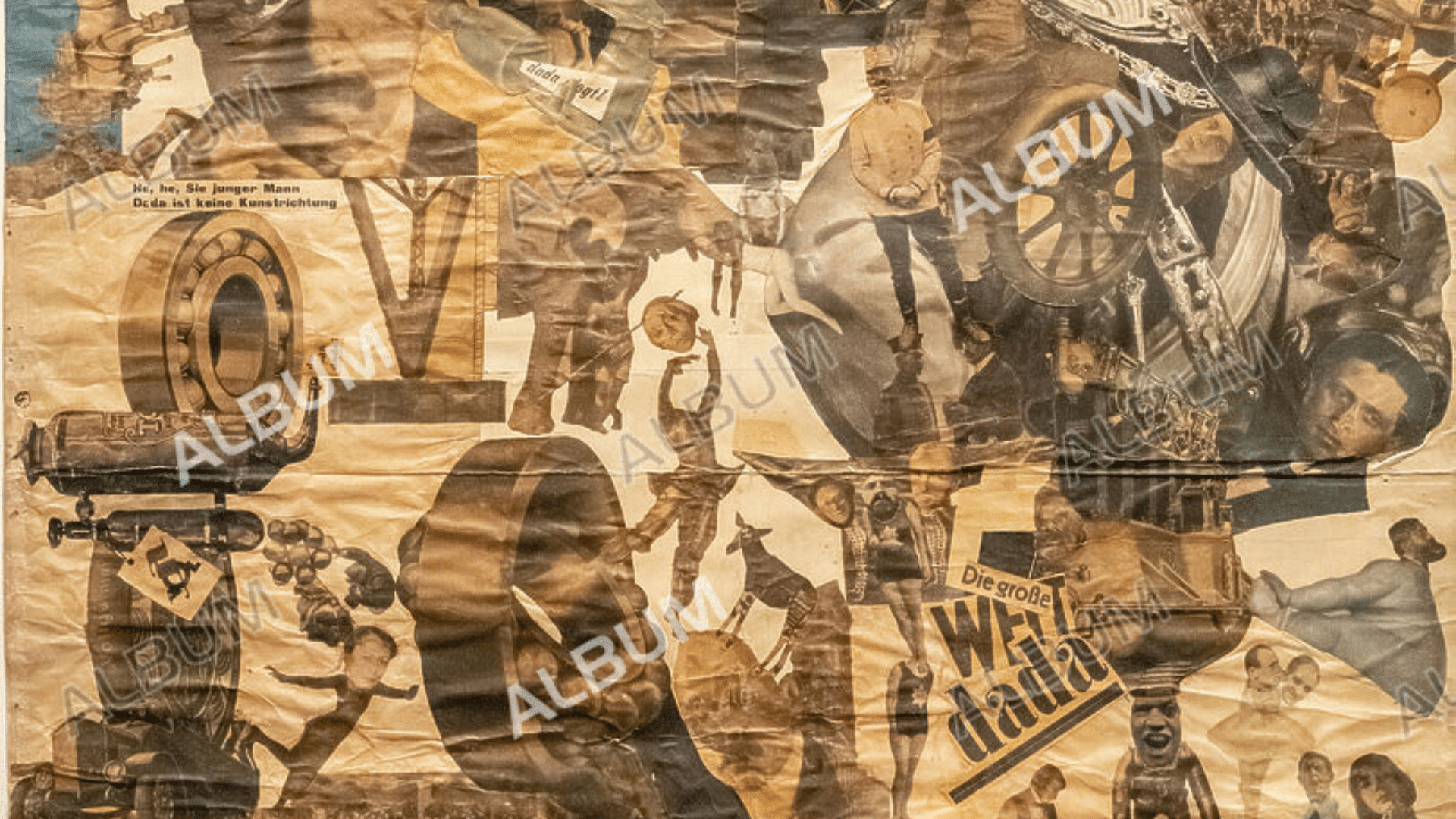
16. Dadaism (1916 – 1924)
Source: human.libretexts.org
Dadaism was born in Zurich in 1916 at the Cabaret Voltaire, conceived by a group of artists and writers who were horrified by the senseless violence of World War I.
Dada was deliberately anti-art, irrational, provocative, absurd, and anarchic. Its practitioners tried to dismantlethe conventions of bourgeois culture by making nonsense into art.
Key Characteristics:
- Deliberate irrationality and absurdity
- Collage, photomontage, and found objects (“readymades”)
- Anti-war, anti-establishment political stance
- Humor, satire, and provocation as artistic tools
Notable Artists & Examples:
- Marcel Duchamp: Fountain (1917)
- Hannah Höch: Cut with the Kitchen Knife Dada (1919)
- Max Ernst: The Elephant Celebes (1921)
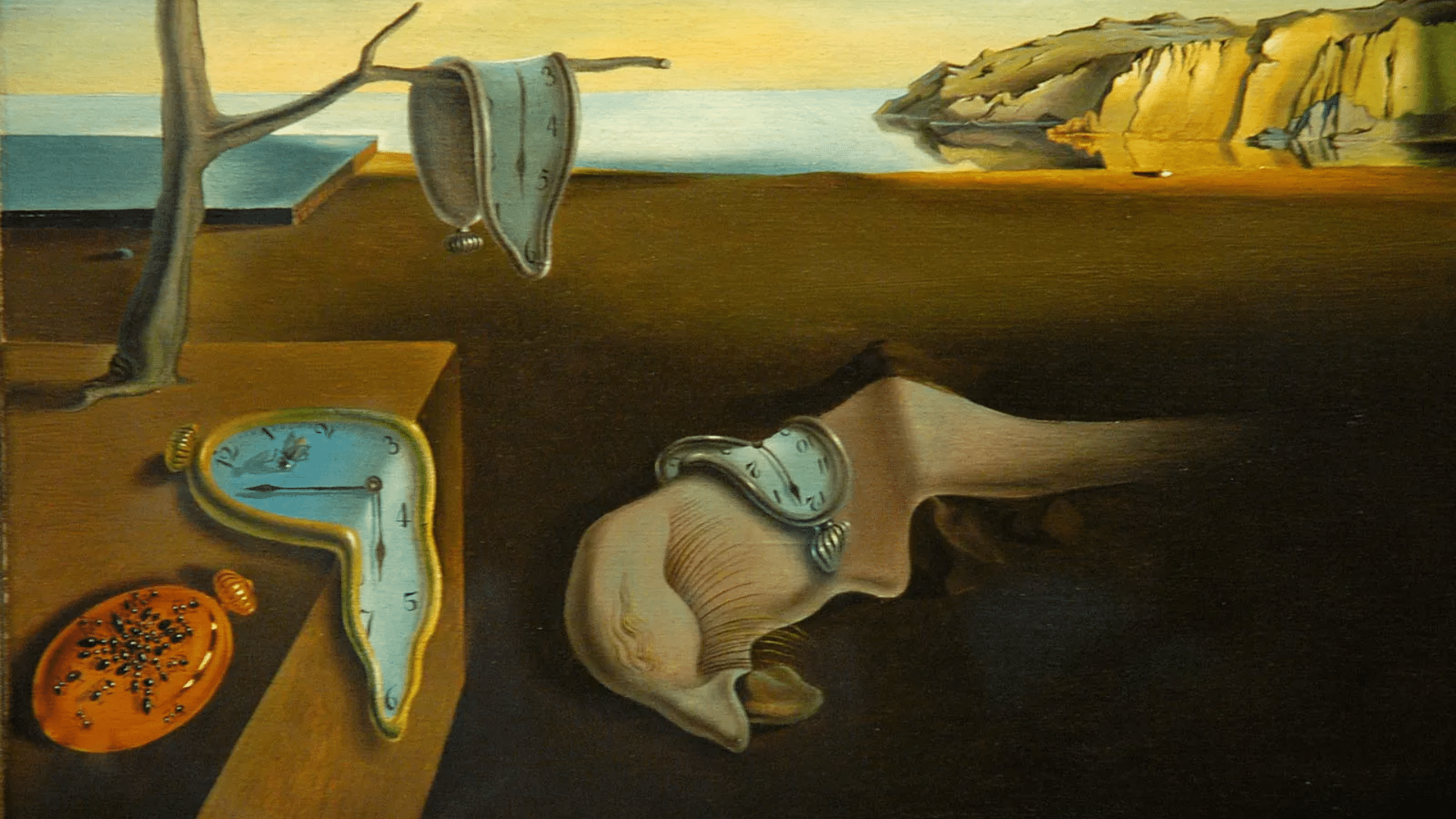
17. Surrealism (1924 – 1950s)
Source: britannica.com
Surrealism began in Paris in 1924 when writer André Breton published the Surrealist Manifesto. The movement focused on dreams, the unconscious mind, and irrational imagery.
It became one of the most visually striking and psychologically disorienting art movements of the 20th century.
Key Characteristics:
- Dreamlike, irrational imagery
- Unexpected juxtapositions of ordinary objects in bizarre contexts
- Exploration of the unconscious mind
- Often hyper-realistic in technique but fantastical in content
Notable Artists & Examples:
- Salvador Dalí: The Persistence of Memory (1931)
- René Magritte: The Treachery of Images (1929)
- Frida Kahlo: The Two Fridas (1939)
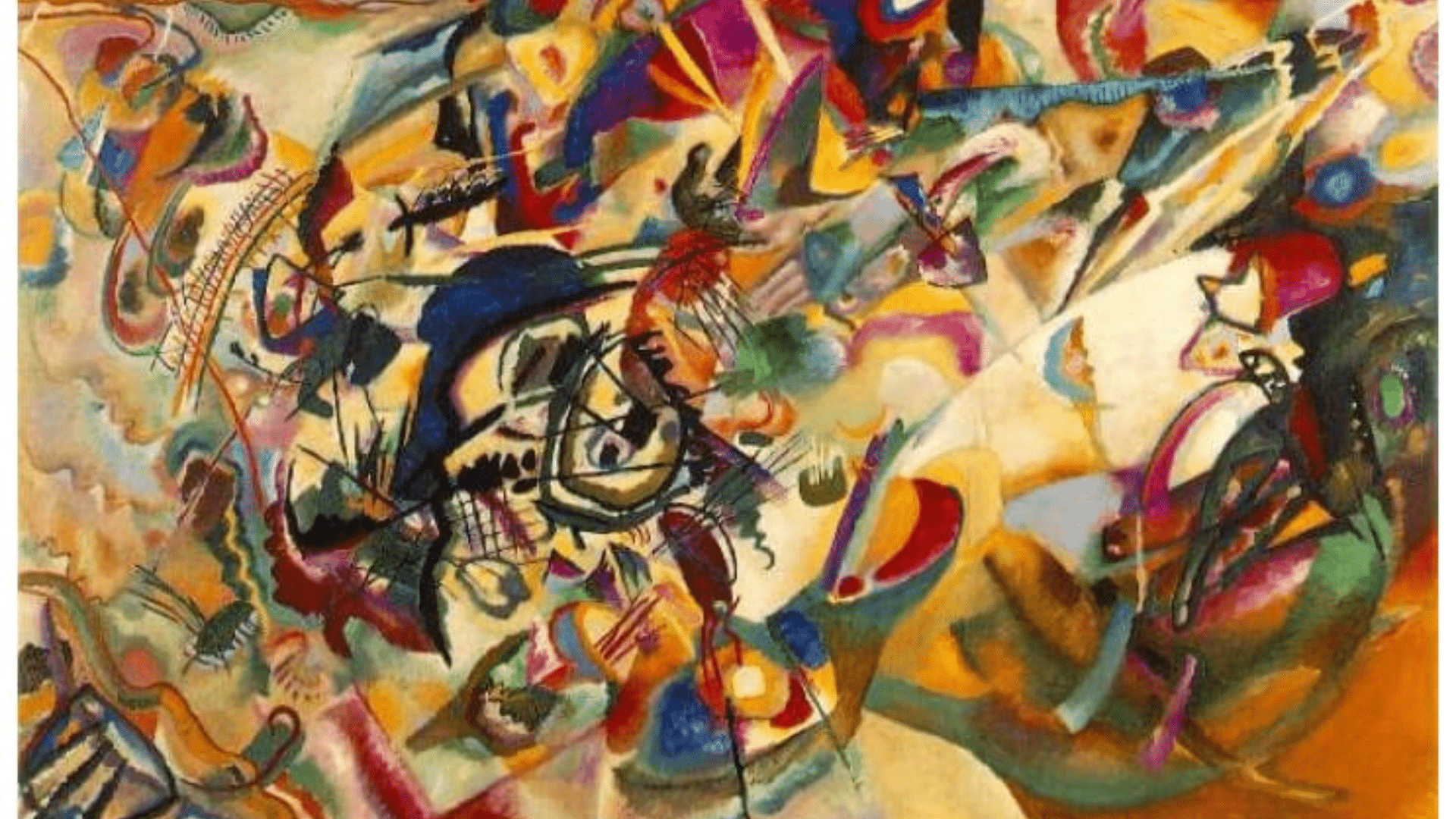
18. Abstract Art (1910s – Present)
Source: ideelart.com
Abstract art broke free from representation entirely. Emerging in the early 1910s, abstract painting does not attempt to depict recognizable reality.
Instead, it uses color, shape, line, and form as the sole subjects and expressive tools of the work.
Key Characteristics:
- No recognizable objects or figures (in pure abstraction)
- Emphasis on color, shape, line, texture, and composition
- Emotional or intellectual expression through form alone
- Ranges from geometric precision to fluid organic forms
Notable Artists & Examples:
- Wassily Kandinsky: Composition VII (1913)
- Piet Mondrian: Broadway Boogie-Woogie (1942–1943)
- Kazimir Malevich: Black Square (1915)
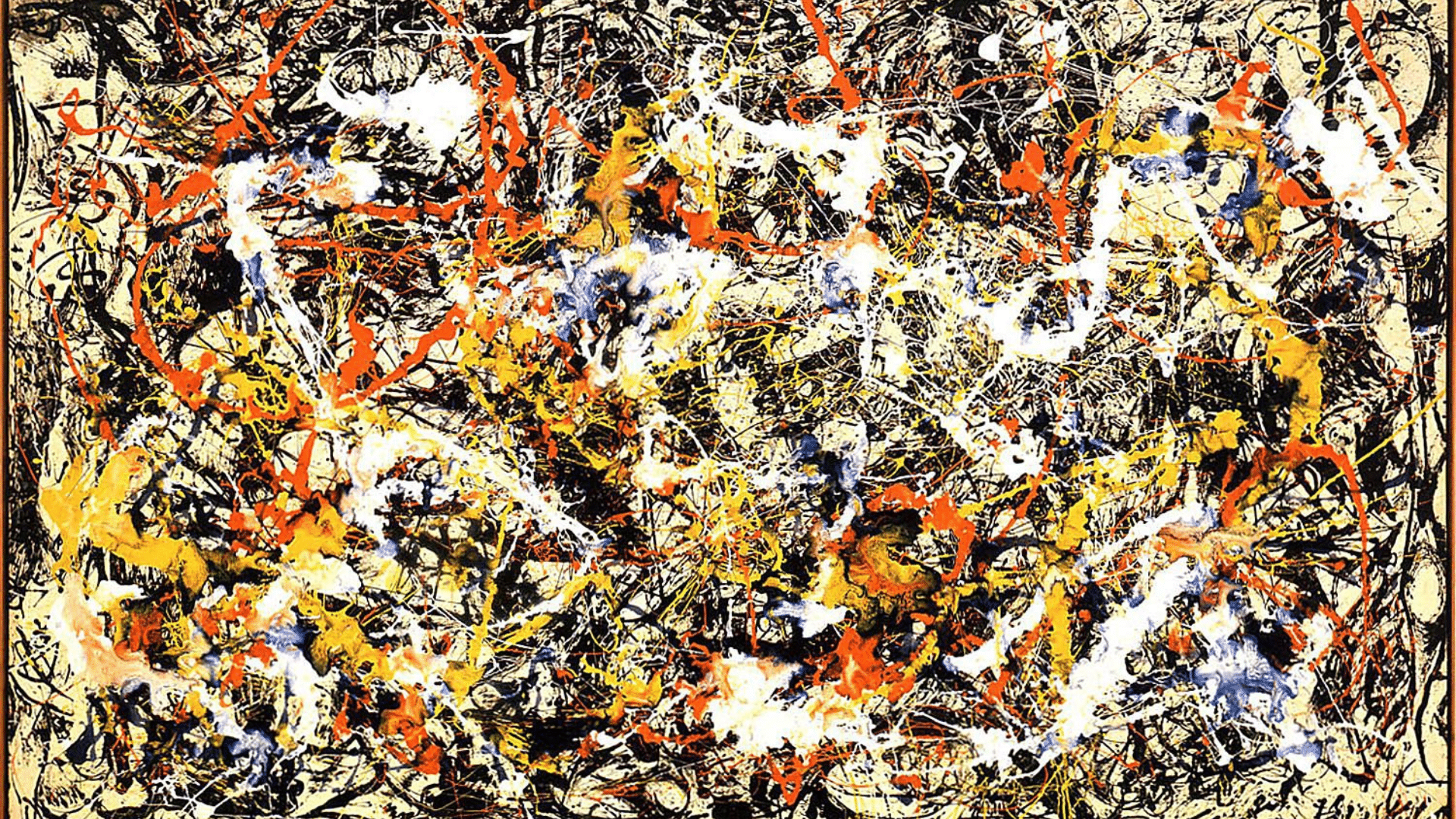
19. Abstract Expressionism (1940s – 1950s)
Source: thoughtco.com
Abstract Expressionism emerged in New York in the 1940s and was the first major American art movement to achieve worldwide influence. The result was an art of pure feeling, raw, large-scale, and physically gestural.
Two Major Approaches:
- Action Painting: emphasizing the physical act of applying paint (dripping, splashing, smearing)
- Color Field Painting: large areas of flat, luminous color designed to create meditative, emotional experiences
Notable Artists & Examples:
- Jackson Pollock: Number 31 (1950)
- Mark Rothko: No. 61 (Rust and Blue) (1953)
- Willem de Kooning: Woman I (1950–1952)
20. Pop Art (1950s – 1970s)

Source: nationalgalleries.org
Pop Art emerged simultaneously in Britain and America in the mid-1950s and exploded into mainstream consciousness in the 1960s.
Pop artists treated mass culture, commercial imagery, advertising, and consumer products as legitimate subjects for fine art.
Key Characteristics:
- Imagery drawn from advertising, comics, and mass media
- Bold, flat colors and strong outlines
- Irony, humor, and cultural commentary
- Repetition and commercial printing techniques
Notable Artists & Examples:
- Andy Warhol: Campbell’s Soup Cans (1962)
- Roy Lichtenstein: Whaam! (1963)
- Richard Hamilton: Just What Is It That Makes Today’s Homes So Different, So Appealing? (1956)
21. Minimalism (1960s – 1970s)

Source: tuttartpitturasculturapoesiamusica.com
Minimalism emerged in New York in the early 1960s as a reaction against the emotional excess of Abstract Expressionism.
Minimalist painters reduced art to its bare essentials: pure geometry, clean lines, and simplicity, so a painting existed only as the physical object itself.
Key Characteristics
- Extreme simplicity of form and color
- Geometric, non-representational shapes
- Flat, even surfaces with no visible brushwork
- Industrial materials and impersonal execution
Notable Artists & Examples:
- Frank Stella: Black Paintings series (1958–1960)
- Ad Reinhardt: Abstract Painting Black series (1960–1966)
- Ellsworth Kelly: Red, Blue, Green (1963)
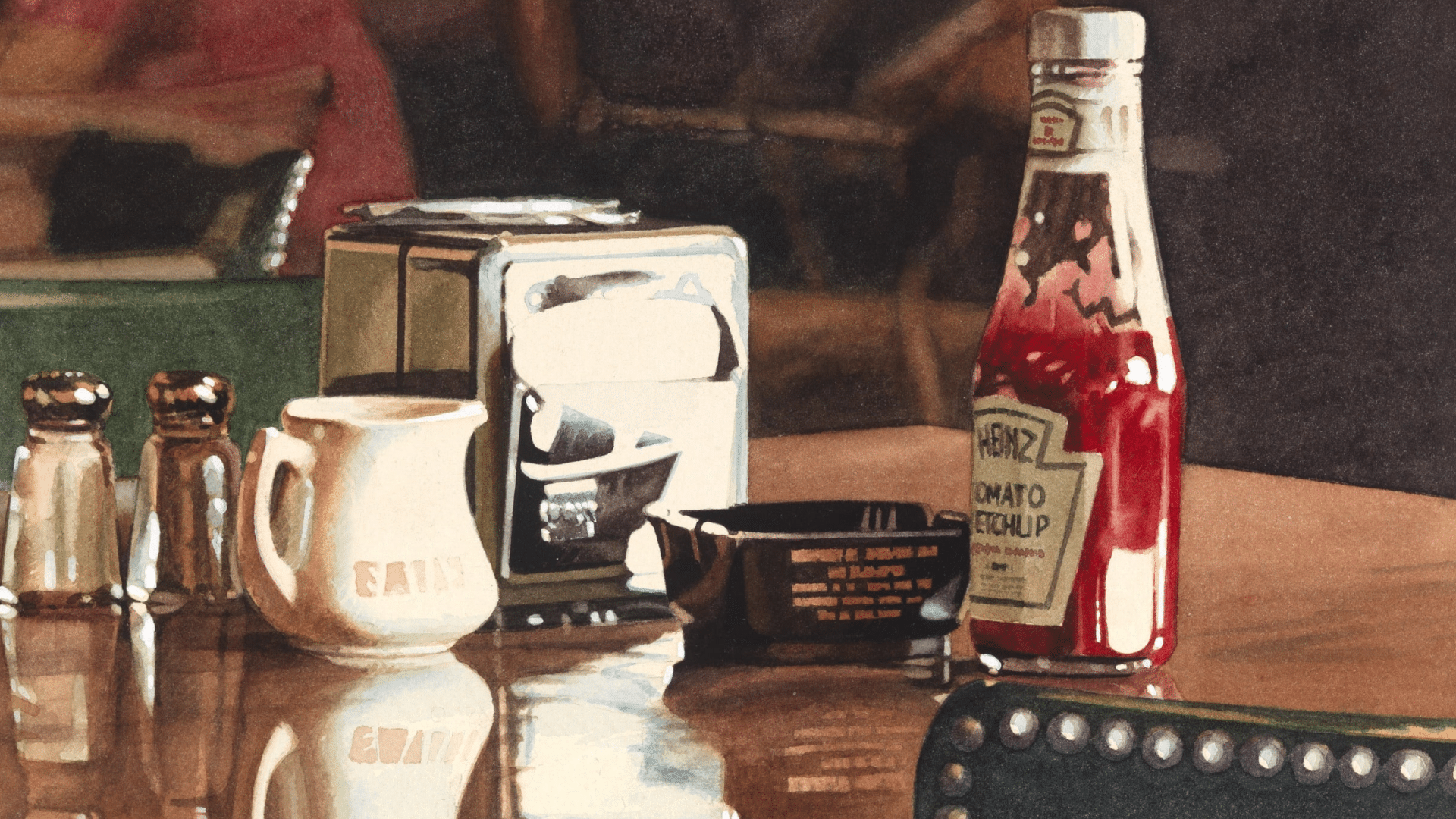
22. Photorealism / Hyperrealism (1960s – Present)
Source: plusonegallery.com
Photorealism emerged in the United States in the late 1960s as a movement in which painters created works so detailed and precise that they were virtually indistinguishable from photographs.
Hyperrealism, which evolved from Photorealism in the 1970s and beyond, pushed the precision even further, often surpassing what the human eye or camera can actually see.
Key Characteristics:
- Extreme precision and detail
- Painted from photographs as a reference
- Smooth, brushstroke-free surfaces
- Everyday subjects rendered with extraordinary fidelity
Notable Artists & Examples:
- Chuck Close: monumental portrait paintings (1960s–present)
- Richard Estes: urban reflections and storefronts series
- Audrey Flack: Marilyn Monroe (Vanitas) (1977)
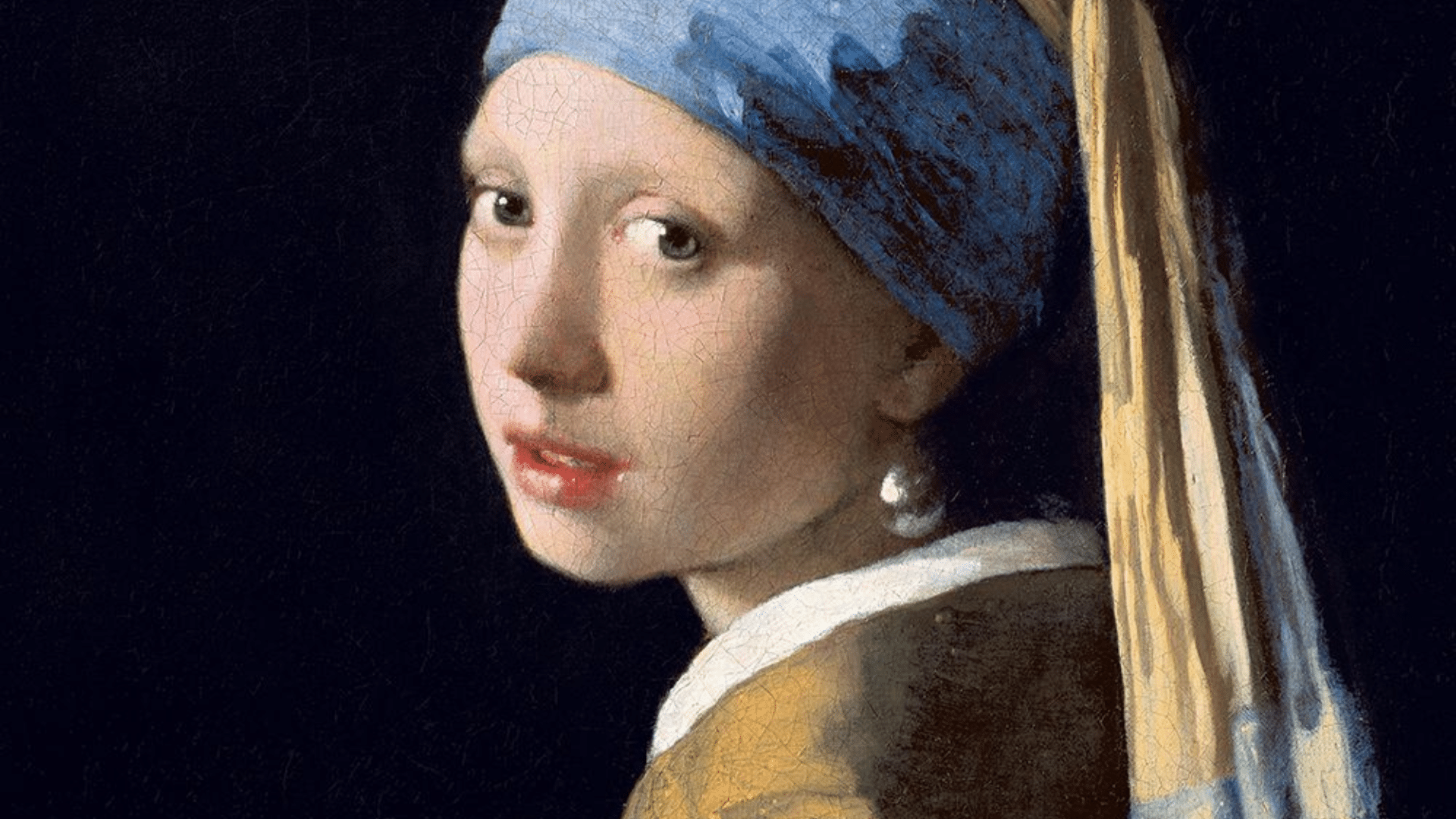
23. Portraiture
Source: artdictionmagazine.com
Portraiture is one of the oldest painting traditions, with roots dating back to ancient Egypt and Rome.
A portrait painting is fundamentally concerned with capturing the likeness, personality, and status of a specific individual or group.
Key Characteristics:
- The subject is a specific, identifiable individual
- Emphasis on facial likeness and expression
- Can range from formal and official to intimate and psychological
- Often incorporates symbolic objects indicating status, profession, or character
Notable Examples Across Styles:
- Jan van Eyck: Portrait of Giovanni Arnolfini and His Wife (1434)
- Rembrandt: Self-Portraits series (1620s–1660s)
- John Singer Sargent: Madame X (1884)
Portraiture evolved from a symbol of wealth and power into one of the most psychologically nuanced forms of painting.
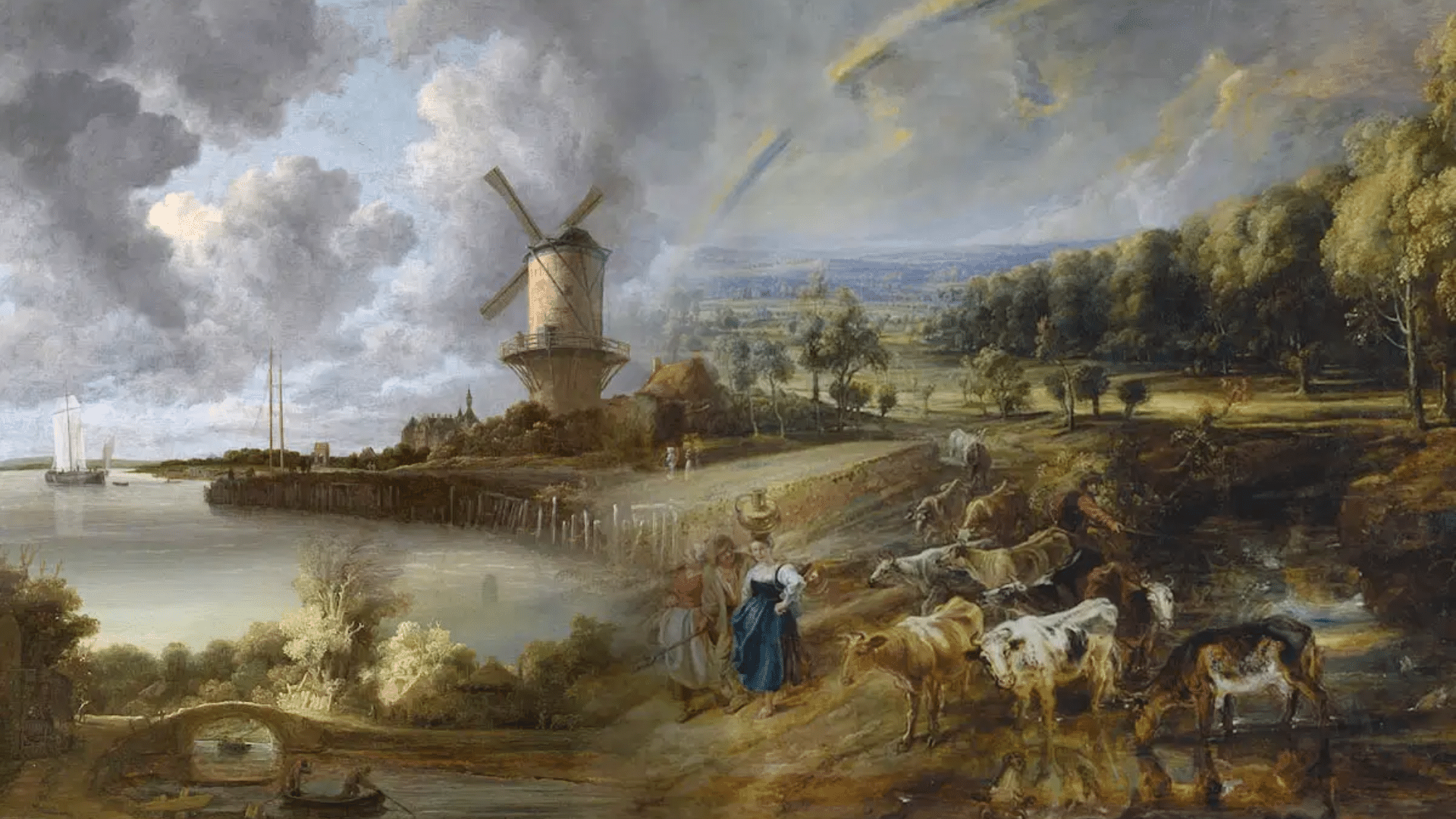
24. Landscape Painting
Source: thecollector.com
Landscape painting has existed in various forms since ancient times. Chinese landscape painting has a continuous history of over 1,500 years.
In Western art, landscape emerged as an independent genre in the Netherlands in the 17th century and became a dominant painting genre in the 18th and 19th centuries.
Key Characteristics:
- Natural scenery as the primary subject
- Capture of light, atmosphere, and the passage of time
- Can be realistic, Romantic, Impressionistic, or Abstract in approach
- Often carries emotional, spiritual, or philosophical meaning
Notable Examples:
- Claude Lorrain: Landscape with the Marriage of Isaac and Rebekah (1648)
- Caspar David Friedrich: Wanderer Above the Sea of Fog (c. 1818)
- Claude Monet: The Haystacks series (1890–1891)
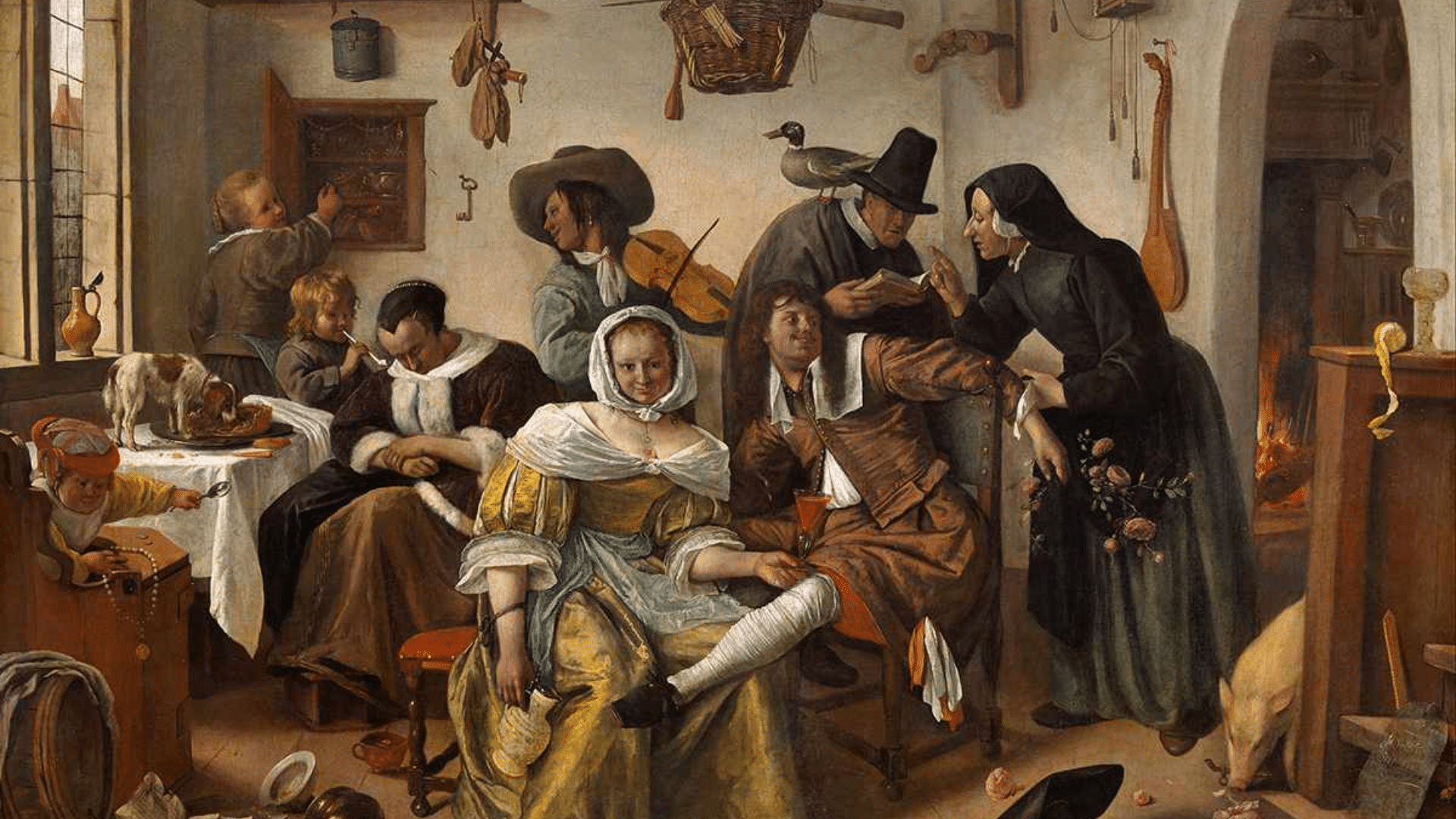
25. Genre Painting
Source: blog.artsper.com
Genre painting depicts scenes of everyday life, not gods, saints, heroes, but of regular people going about their daily activities.
It flourished particularly in 17th-century Holland alongside the rise of a prosperous middle class who wanted to see their own lives reflected in art.
Key Characteristics:
- Depiction of everyday scenes: taverns, kitchens, markets, street life
- Domestic interiors and ordinary social interactions
- Narrative quality stories implied within the scene
- Attention to realistic detail and natural light
Notable Examples:
- Johannes Vermeer: The Milkmaid (c. 1657–1658)
- Jan Steen: The Merry Family (1668)
- Pieter de Hooch: Courtyard of a House in Delft (1658)
26. Painterly Style
Source: drawpaintacademy.com
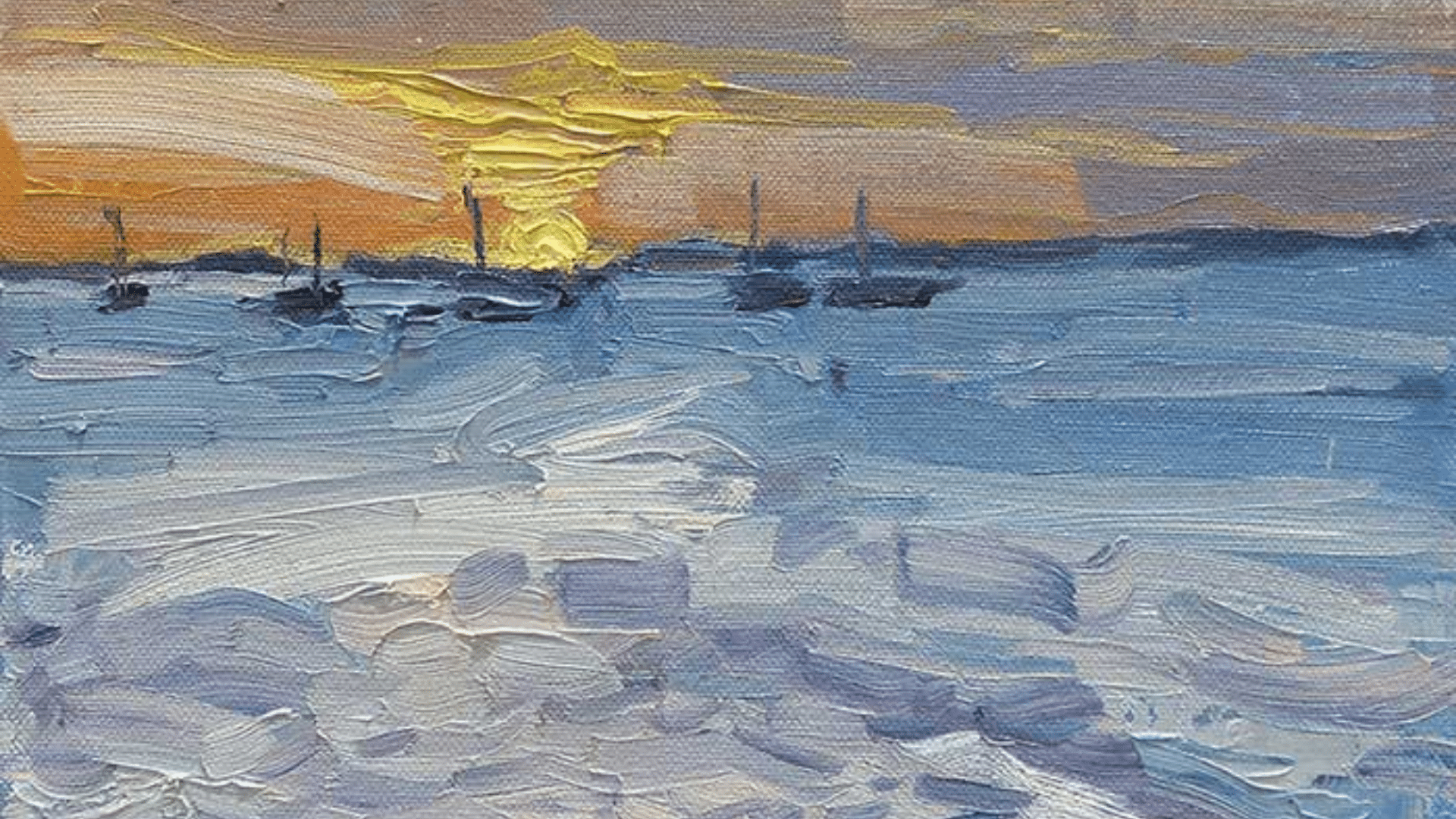
The term painterly (from the German malerisch, coined by art historian Heinrich Wölfflin) refers to a quality of painting that supports visible, expressive brushwork, in which the physical texture of paint and the process of its application are openly celebrated rather than hidden.
Key Characteristics:
- Visible, energetic brushstrokes
- Paint applied with texture and impasto (thick paint)
- A sense of spontaneity and process
- The medium itself becomes part of the artistic statement
Notable Examples Across Styles:
- Rembrandt: rich, textured portraiture (1630s–1660s)
- Vincent van Gogh: The Starry Night (1889)
- John Singer Sargent: loose portrait series (1880s–1900s)
27. Traditional Indian Painting Styles
Source: muselot.in
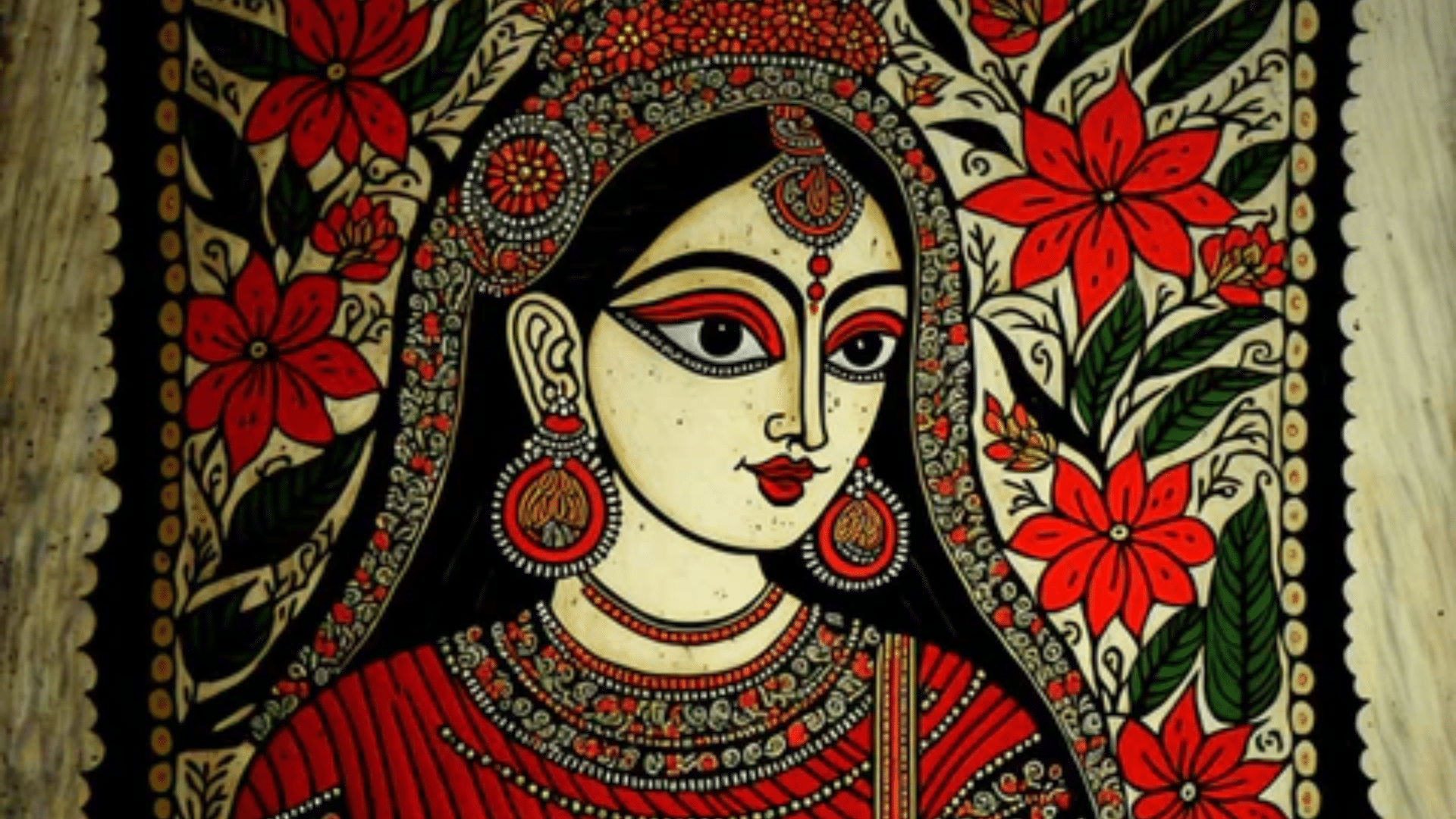
India has one of the richest painting traditions in the world, spanning over 2,000 years across dozens of regional schools and styles.
Key Characteristics:
- Deeply rooted in Hindu mythology, folk traditions, and royal court culture
- Distinct regional identities with unique materials, techniques, and color palettes
- Combines spiritual devotion with everyday storytelling
- Ranges from intricate miniature detail to bold geometric simplicity
Notable Styles & Examples:
- Madhubani Painting (Bihar, c. 2,500 years ago): geometric patterns and mythological themes on paper and walls
- Warli Painting (Maharashtra, c. 3,000 years ago): simple white tribal figures on earthy red-brown backgrounds
- Mughal Miniature Painting (16th–19th centuries): detailed court scenes and portraits such as the Hamzanama illustrations (c. 1562–1577)
The Bottom Line
The story of painting is really the story of us: our endless search for beauty, meaning, identity, and truth across time and cultures. Each style offers a different answer to the same fundamental question: what is art, and what can it do?
Getting to know these movements has completely changed how I look at paintings. Suddenly, every brushstroke and color choice feels more alive and intentional.
Art is so much more than decoration. It’s a powerful record of the human spirit, and every style we’ve explored here is a fascinating chapter in that bigger story.
Frequently Asked Questions
What Painting Style is Easiest for Beginners to Try?
Realism, Impressionism, and abstract painting are beginner-friendly because they allow practice with basic techniques.
How Do Artists Choose a Painting Style?
Artists choose styles based on their emotions, subjects, techniques, influences, and the message they want to express.
Can a Painting Combine Multiple Styles?
Yes, artists often mix techniques from different styles to create unique visual expressions.
Which Painting Style is Most Popular Today?
Contemporary artists commonly use abstract, realism, pop art, and mixed-style approaches in modern artwork.