




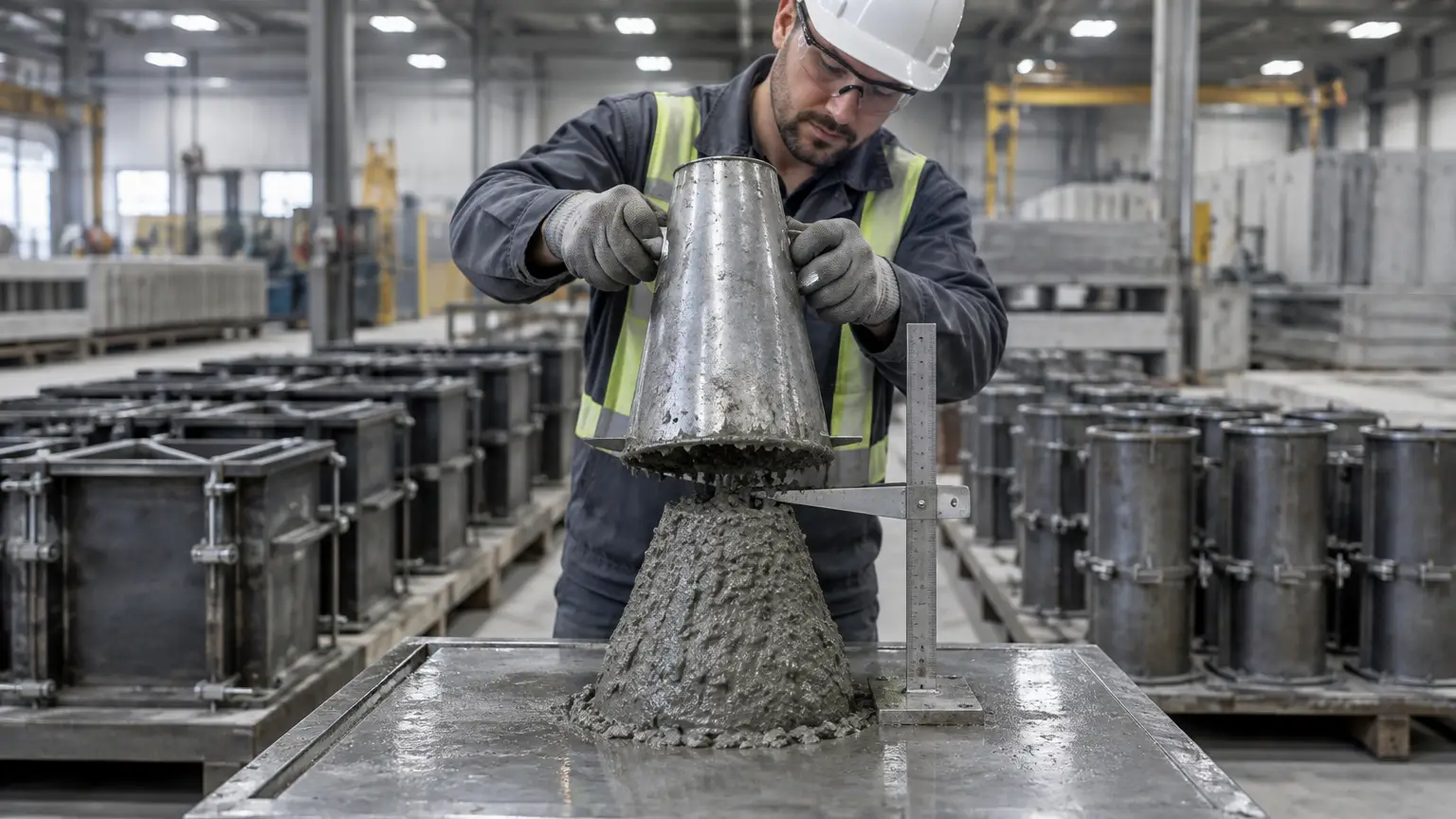
Delivering high-performance precast concrete elements requires strict quality control across every single batch mixed. Before pouring fresh concrete into steel moulds, you must evaluate its consistency and workability in real time. The slump test provides an immediate, reliable physical measurement of how the wet mixture flows and settles under gravity.
Understanding these fluid properties ensures structural integrity and clean surface finishes across all units. Read on to examine what slump testing reveals to commercial precast suppliers during production.
Measuring Workability and Flow Properties
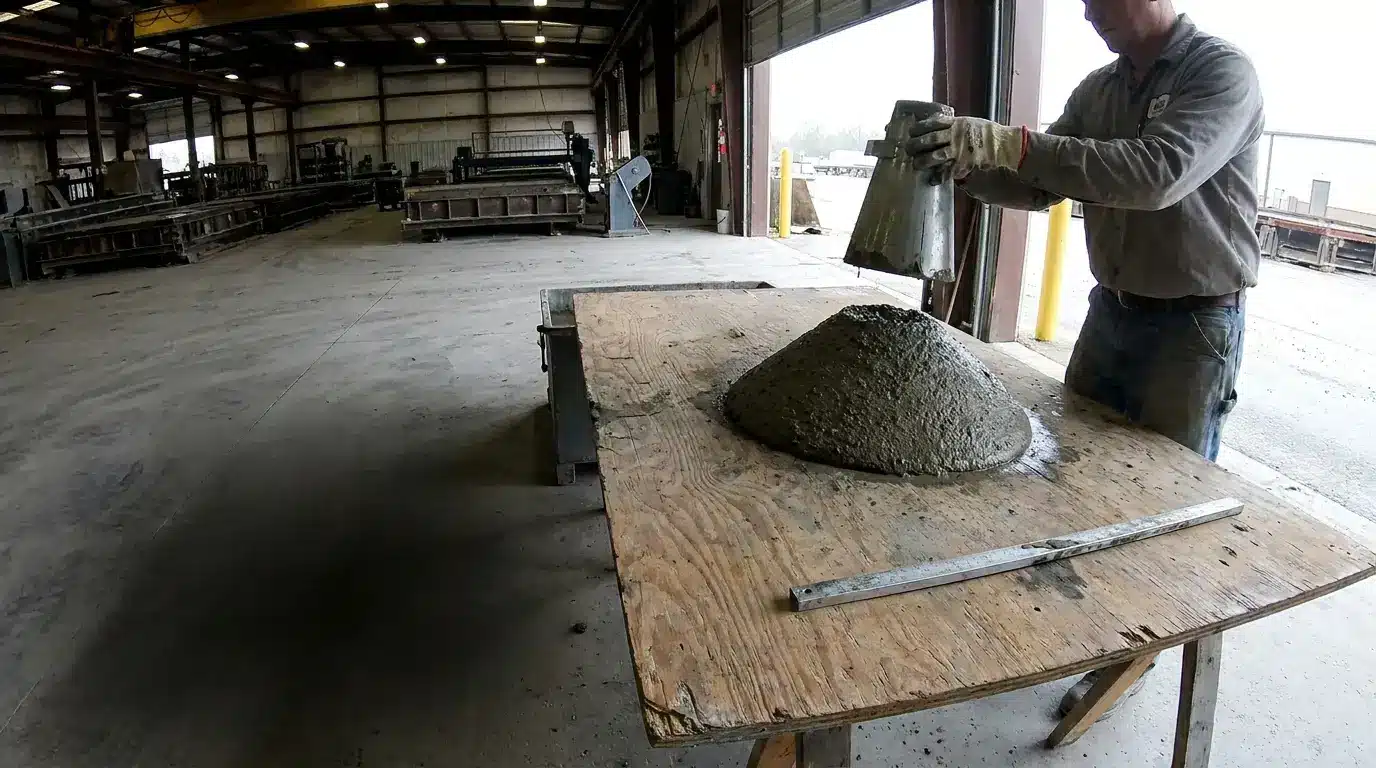
Technical staff fill a standard conical mould with fresh concrete, level the top, and then carefully lift the cone. The concrete’s internal fluid resistance is measured instantly by its slump. Partnering with an experienced concrete supplier ensures every batch achieves the precise slump rating required for complex structural pours.
Different precast products demand vastly different slump characteristics depending on how they are cast and consolidated. Measuring this fluid behaviour prevents honeycombing, void formation, and structural weaknesses in finished elements.
Verifying Water-Cement Ratios
The compressive strength and durability of cured concrete structures depend on water content. Adding excess water creates an easier pour, but it increases capillary pores as the element dries out over time. Slump testing acts as a frontline defence, alerting plant operators to unapproved water additions on the mixing floor.
Here are the key structural insights gained by monitoring water consistency during fresh batch testing:
- Strength Consistency Verification: Ensures the water-cement ratio remains strictly within target engineering design tolerances
- Capillary Porosity Reduction: Prevents excess water voids that allow moisture and harmful chemicals to penetrate cured concrete
- Early Segregation Detection: Identifies overly wet mixes where heavy aggregates settle to the bottom, weakening the element
- Predictable Curing Schedules: Guarantees uniform hydration rates across all cast units, ensuring consistent demoulding times
Recognising and Mixing Variances
Concrete is a complex composite material, and subtle changes in sand moisture or aggregate grading can alter batch performance. A sudden, unexpected shift in slump values indicates an underlying variance in raw material moisture or mixing duration. Plant technicians use these physical readings to adjust batching computer parameters before pouring entire casting beds.
Catching raw material discrepancies at the testing stage prevents costly product rejections and project delays on site. It allows technicians to maintain total control over batch uniformity throughout continuous manufacturing runs.
Preventing Surface Defects
Precast civil products are celebrated for their dense, smooth surface finishes that resist harsh environmental exposure for decades. Achieving a clean visual finish requires wet concrete to flow effortlessly against steel mould walls during mechanical vibration.
Check out how proper slump monitoring eliminates common visual and structural defects during casting:
- Void and Bug-Hole Minimisation: Optimal flow allows trapped air bubbles to escape freely during external consolidation
- Complete Rebar Encapsulation: Ensures fluid concrete completely covers internal steel reinforcement without leaving air gaps
- Crisp Mould Detail Capture: Guarantees wet concrete fills sharp corners and architectural edges perfectly inside forms
- Consistent Colour Uniformity: Prevents localised water bleeding that creates unsightly colour variations across cured concrete faces.
Guaranteeing Compliance
Infrastructure projects operate under strict civil engineering specifications that mandate material compliance and continuous quality testing. Slump testing results are recorded alongside cube compression tests for every production batch manufactured. This paper trail provides asset owners and principal contractors with complete confidence in structural performance.
Maintaining quality control records protects suppliers and contractors from structural liability issues in the future. It proves that every precast element was manufactured using compliant, perfectly proportioned concrete mixtures.
Build Quality Foundations for Your Precast Operations
Strict quality checks ensure precast components meet compressive strength standards before reaching the job site. Monitoring concrete slump allows suppliers to maintain batch consistency, avoid internal voids, and deliver smooth surface finishes. Taking control of fresh mix workability guarantees long-term durability across all commercial civil applications.
Trust precision slump testing protocols to deliver durable, engineer-approved concrete elements for your next project. Explore certified precast concrete supply solutions today to guarantee exceptional material performance.