

A bathroom remodel looks simple until you start pricing tile, comparing fixtures, and realizing one plumbing change can ripple through the whole layout.
If you want a space that feels cleaner, works better, and adds value to your home, planning matters more than impulse. The smartest remodels usually come from clear priorities, realistic budgeting, and a sharp eye for details that affect comfort every single day.
Lighting and Ventilation Deserve More Respect
A bathroom can have beautiful finishes and still feel disappointing if the lighting is harsh or the ventilation is weak. Good lighting helps with shaving, makeup, skincare, and general sanity. Good ventilation helps prevent mold, peeling paint, and stale air.
Try to layer your lighting. Overhead fixtures alone rarely do the job well. Vanity lighting placed at the sides or evenly around the mirror usually works better than a single fixture above it.
Ventilation matters just as much. A properly sized exhaust fan can protect your investment by reducing moisture buildup. If your current bathroom stays foggy long after showers, that’s not charm. That’s a warning sign.
If you’re comparing professionals for the job, a qualified bathroom remodeling company should be able to explain how lighting, airflow, waterproofing, and layout all work together instead of treating them like separate checklist items.
Start with The Problems You Actually Want to Solve
Before you pick paint colors or scroll through endless tile photos, get brutally honest about what bothers you now. Maybe your shower feels cramped, the storage is awful, or the lighting makes every morning look like a bad security camera feed.
Write down your top frustrations and rank them. A bathroom that looks stylish but still has poor ventilation or awkward storage can get annoying fast. Focus first on function, then style.
Useful questions to ask yourself:
– Do you need more storage or more floor space?
– Is the current layout wasting room?
– Are moisture issues causing peeling paint or mildew?
– Does the bathroom need to work for kids, guests, or aging adults?
When you define the real problems early, every later choice gets easier and a lot less random.
Build a Budget that Includes the Boring Stuff
Bathroom budgets often get wrecked by the least glamorous parts of the job. Demolition, waterproofing, plumbing updates, and subfloor repairs are not exciting, but they matter more than the fancy mirror with built-in lighting you saw at midnight.
Split your budget into categories so you can see where the money is going. Set aside a contingency fund too, ideally around 10 to 20 percent. Bathrooms hide surprises well, especially in older homes.
Your budget should cover:
– Labor
– Fixtures and finishes
– Plumbing and electrical work
– Tile and installation materials
– Permits if required
– Unexpected repairs behind walls or under floors
A realistic budget protects you from panic decisions. It also helps you decide where to save and where spending more will actually improve durability and daily use.
Think Carefully Before Changing the Layout
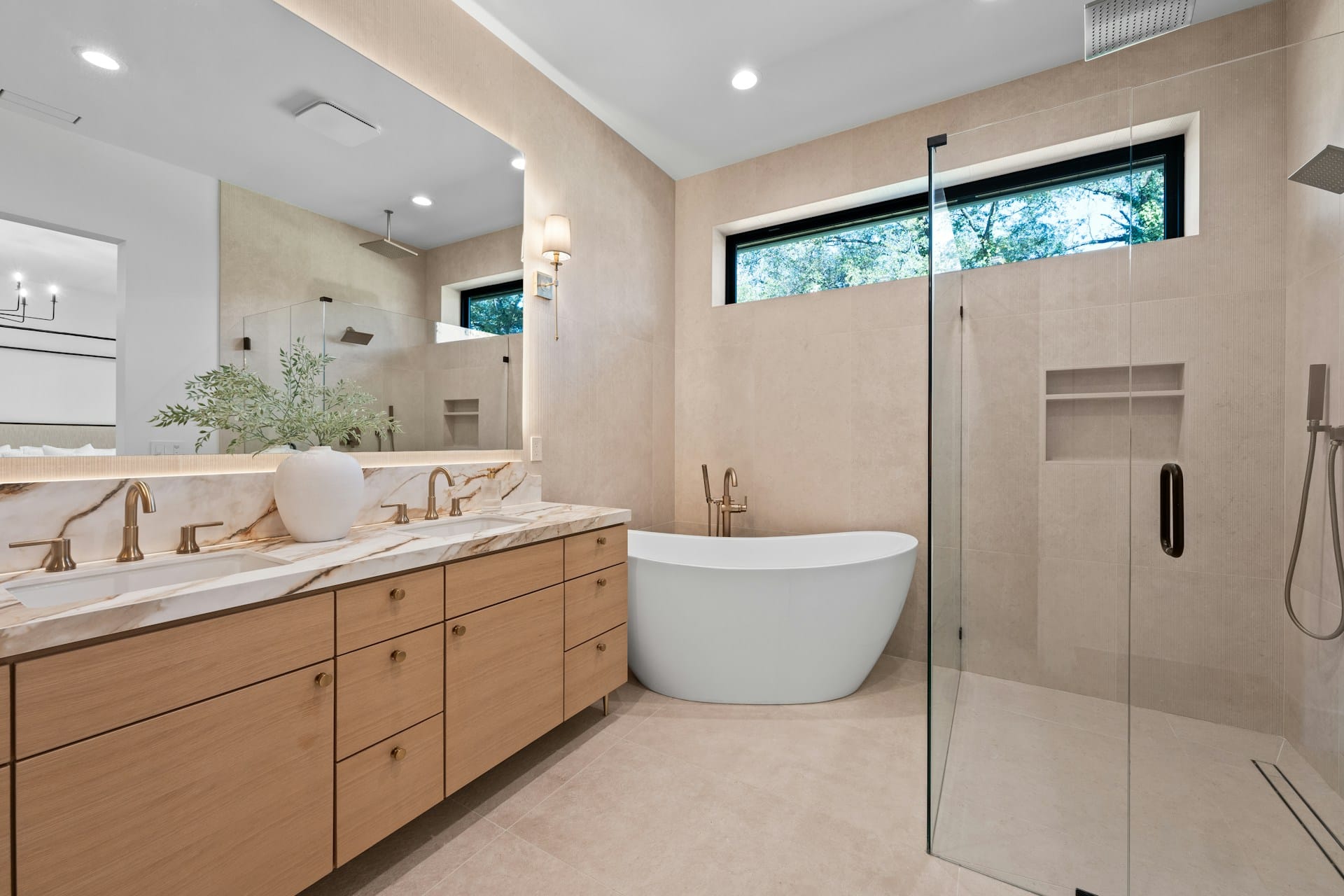
Moving a toilet, shower, or vanity can completely change how your bathroom works, but it can also raise costs fast. Plumbing relocations usually mean more labor, more materials, and more chances for hidden issues to show up once the walls are open.
Sometimes the smartest move is keeping the existing footprint and improving what’s inside it. A larger vanity, better shower enclosure, or smarter storage can make the room feel dramatically better without rearranging everything.
If the current setup truly fails, layout changes may be worth it. Just weigh the return carefully. Ask whether the new plan improves traffic flow, accessibility, and storage, or if it simply looks trendier on paper.
A good remodel is not a puzzle you solve with the most pieces moved. It’s a space that works better when you’re half awake and late for school or work.
Pick Materials that can Handle Real Life
Bathrooms deal with steam, water, cleaning products, and constant use. That makes material selection less about showroom charm and more about survival. The prettiest option is not always the one you want after six months of splashes, streaks, and grout drama.
Porcelain tile is popular for a reason. It’s durable, water-resistant, and available in styles that mimic stone or wood. Quartz counters also earn their reputation because they resist staining and need less maintenance than some natural materials.
Keep an eye on practical details:
– Slip resistance for flooring
– Ease of cleaning on shower walls
– Water resistance around vanities
– Hardware finishes that hide fingerprints
– Grout colors that won’t look dirty instantly
You want materials that hold up without turning your weekend into a part-time maintenance job.
Storage Should be Built Into the Design, Not Added Later
Bathroom clutter appears fast. Towels, toiletries, hair tools, cleaning supplies, backup toilet paper, and random products you forgot you bought all need a home. If storage is an afterthought, your remodel can end up looking polished for exactly two days.
Think beyond the standard vanity cabinet. Consider drawers instead of deep shelves, recessed niches in showers, medicine cabinets with real capacity, and tall storage where floor space allows.
Smart storage ideas include:
– Drawer organizers for smaller items
– Pull-out trays for under-sink access
– Built-in shower niches
– Linen towers for shared bathrooms
– Open shelving used sparingly for items you actually want visible
The goal is not maximum storage at any cost. It’s storage that fits your routine, so daily essentials stay easy to reach and visual clutter stays under control.
Style Matters, but Longevity Matters More
Trends can be fun, and some are genuinely useful. Still, bathrooms are expensive to redo, so it’s wise to separate short-term excitement from long-term satisfaction. That ultra-specific trend you love today might feel dated before your grout has fully settled.
A balanced approach usually works best. Use classic elements for the larger, costly parts of the room, such as tile, cabinetry, and fixtures. Then bring in personality through mirrors, hardware, paint, and accessories that are easier to swap later.
Look for a style that fits your home rather than fighting it. A sleek modern bathroom can look great, but if the rest of your house leans traditional, the transition may feel awkward. Cohesion has value. It makes the remodel feel intentional instead of copied from five unrelated inspiration boards.
A great bathroom should still look good to you after the novelty wears off.