



Dog care has a funny way of becoming part of the background of family life. You refill the water bowl, grab the leash, buy another bag of food and somehow discover that the dog has carried half the backyard onto the living room rug again.
The bigger jobs are easier to forget.
When was the last time you checked the information attached to your dog’s microchip? Is it time to replace that worn leash? When did you last look closely at those back teeth?
Instead of trying to remember everything at once, I like the idea of spreading those little pet-care jobs throughout the year. Give yourself one useful task each month, add it to the family calendar and suddenly staying organized feels much more manageable.
Here’s a simple January-to-December plan you can repeat every year.
January: Start with a pet information check
January is already the month when we organize calendars and make plans, so add your dog’s information to the reset.
Check the contact details associated with your dog’s microchip and ID tag. Make sure your current phone number is easy to read and replace damaged tags.
Gather veterinary records, vaccination information, medication details and insurance documents, if applicable, into one folder. A digital copy can also be useful when traveling.
This is also a good opportunity to save the contact details for your regular veterinarian and the nearest appropriate emergency hospital.
If you’re already in organization mode, our home organization hacks have plenty of ideas for giving everyday household essentials a permanent place too.
February: Give teeth and gums some attention
February gives us Valentine’s Day, so why not make it the month for a little dental attention too?
Look at your dog’s teeth and gums regularly and talk with your veterinarian about an appropriate dental-care routine. Depending on the dog, that may include brushing at home and professional dental assessments.
If you are introducing tooth brushing, go gradually. Use products designed specifically for dogs and ask your veterinarian for advice if you are unsure where to begin.
Changes such as difficulty eating, excessive drooling, swelling or a sudden change in breath are reasons to contact your veterinarian rather than simply waiting for your next monthly task.
March: Refresh the dog zone
Spring cleaning should include the family member who leaves fur everywhere.
Wash your dog’s bedding according to its care instructions, clean food and water bowls, and give the toy basket a proper sort. Throw away toys that have broken into pieces or become unsafe.
Look at collars, harnesses and leashes for wear while you’re there.
Our spring cleaning checklist works room by room, and the same idea works surprisingly well for pet supplies: empty, inspect, clean and put back only what you still use.
April: Review parasite prevention
Warmer weather often means more time outside, longer walks and weekends in the yard.
Use April as your reminder to discuss fleas, ticks, heartworms and other parasite risks with your veterinarian. Appropriate prevention depends on factors including where you live, where you travel and your dog’s individual health needs.
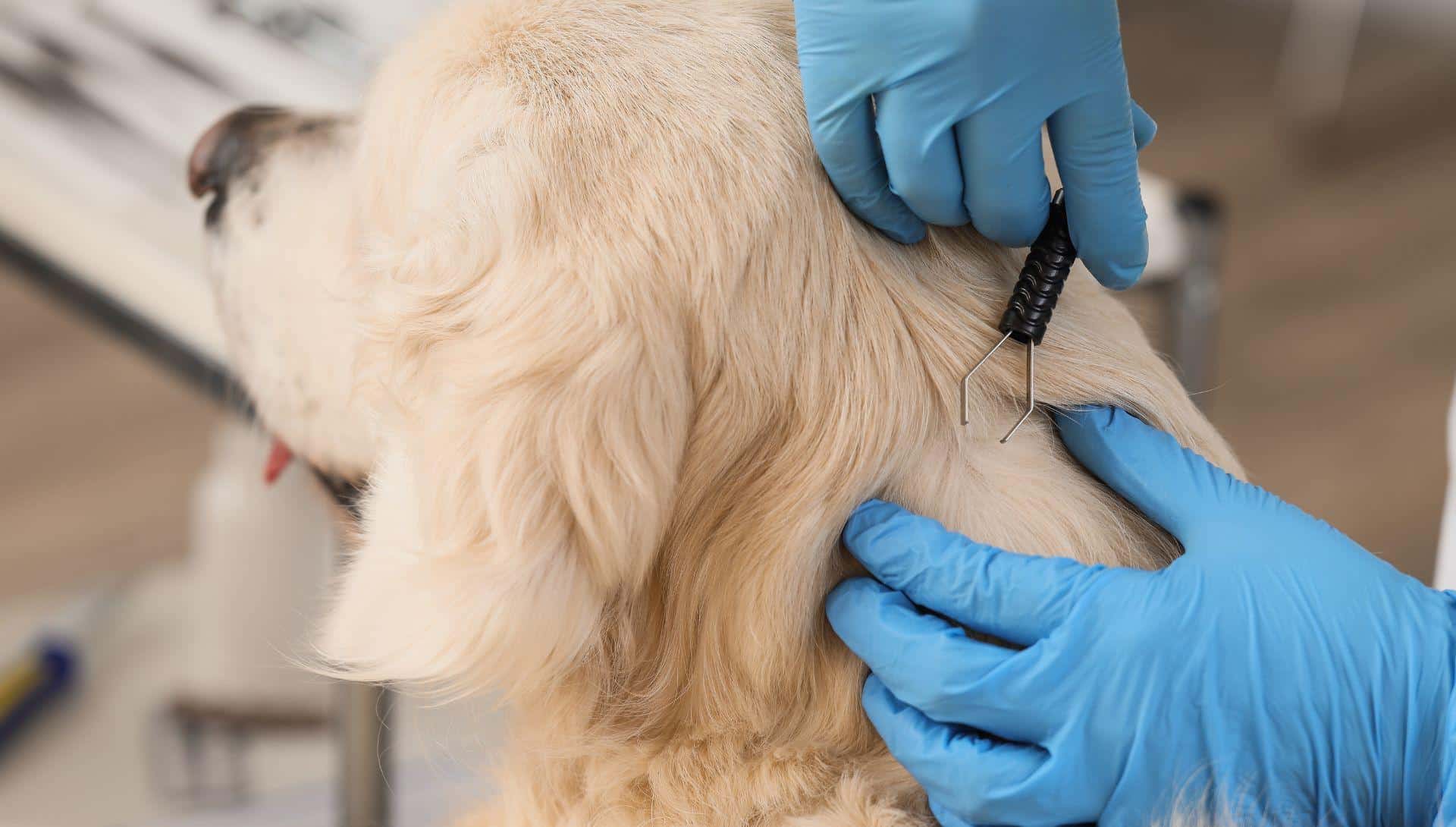
This isn’t an area where one schedule works for every dog, so follow veterinary guidance rather than choosing or stopping preventive products on your own.
May: Check your veterinary care plan
May is a good month to make sure you actually know where you would go if your dog became sick on a weekend.
Save your regular clinic’s number and learn its hours and same-day appointment policy. Also identify where you would go for a true overnight emergency.
Denver pet parents, for example, can identify a local pet care clinic in Denver before they need one. Sploot provides after-hours and weekend veterinary care 365 days a year, with same-day and urgent drop-off appointments available.
Year-round availability should not be confused with 24-hour critical care. Sploot’s Denver clinics state that they are open daily from 8 a.m. to 8 p.m. and refer overnight critical cases to an appropriate specialty or emergency hospital.
Knowing both options gives you a much clearer plan.
June: Get summer-ready
Summer changes the daily routine quickly.
Make sure your dog has reliable access to fresh water and shade. Plan walks around temperatures and conditions rather than automatically heading out at the same time every day.
Cars deserve particular caution. Never leave a dog unattended in a parked vehicle in warm conditions.
June is also a good time to inspect portable water bowls, travel gear and anything else you use for summer outings.
July: Make a travel kit
Whether you’re driving across town or leaving for vacation, having one pet bag ready saves the frantic search for supplies.
Pack the basics your dog normally needs, such as food, water, bowls, leash, waste bags and necessary medications. Bring appropriate identification and copies of useful health records for longer trips.
Check your destination before leaving too. Find out where veterinary care is available and keep the information on your phone.
August: Take a closer look at weight and activity
By late summer, routines can drift.
Take stock of your dog’s activity level and body condition. Weight can change gradually enough that it is difficult to notice when you see your dog every day.
Your veterinarian can help assess whether your dog is at an appropriate weight and recommend changes when necessary. Avoid making major diet adjustments simply because a number on the scale looks different.
September: Reset the daily routine
Back-to-school season has a way of changing everyone’s schedule, including the dog’s.
Look at feeding, walks, play and bathroom breaks and make sure the new household routine still works for your pet.
This is also the perfect time to create a simple dog station near the door. A hook for the leash, a basket for waste bags and a towel for muddy paws can prevent those everyday supplies from wandering through the house.
It’s the same principle behind a good decluttering system: frequently used things are much easier to manage when they have a designated home.
October: Prepare for seasonal hazards
Fall brings decorations, gatherings and eventually Halloween treats.
Look at your home from dog height before the festivities begin. Keep potentially harmful foods, medications and other unsafe items out of reach, and think about whether decorations could be chewed, swallowed or knocked over.
If your dog dislikes doorbells or unfamiliar visitors, decide ahead of time where they can settle comfortably during busy evenings.
November: Plan before holiday travel
Holiday plans get complicated quickly, so November is the month to sort out your dog’s schedule.
If you’re traveling together, check accommodations, transportation requirements and veterinary options at the destination. If your dog is staying home, arrange boarding or pet sitting early and leave clear feeding, medication and contact instructions.

Make sure whoever is caring for your dog knows how to reach your regular veterinarian and where to seek urgent or emergency care.
December: Do a five-minute year-end check
December does not need another complicated project.
Take five minutes and look back over the basics. Are your dog’s identification details current? Are medications and routine veterinary visits organized? Is the leash still in good condition? Does the travel kit need restocking?
Then put a reminder on next year’s January calendar and call it done.
Small monthly jobs make year-round care easier
Caring for a dog does not have to mean keeping an enormous mental checklist running all year.
Break the basics into monthly reminders instead. January can be for records, March for the dog bed, July for the travel bag and September for getting the daily routine organized again.
The calendar will not replace veterinary advice, and dogs with medical conditions may need a very different schedule. What it can do is help keep the ordinary jobs from disappearing into a busy household routine.
Twelve small reminders are a lot easier to manage than realizing in December that everything on the dog-care list was supposed to happen “sometime this year.”