

There’s something incredibly satisfying about finishing a project with your own hands. You start with a pile of yarn and end up with a scarf. A blank canvas becomes something worth hanging on the wall. Even reorganizing a tired corner of the house can leave you standing back afterward thinking, “Okay, that actually looks pretty good.”
But somewhere along the way, hobbies have started to feel a little like another item on the to-do list. We want to finish the blanket, perfect the recipe, photograph the project, organize the supplies and maybe even post the finished result.
What if some of our free time didn’t have to produce anything at all? Not every hobby needs a finished project. Sometimes, having fun is enough.
Some Hobbies Are Just for the Moment
Think about all the things we do simply because they’re enjoyable. We work on a puzzle knowing we’ll eventually take it apart. We play a board game even though nothing tangible remains once everything goes back into the box. We watch a funny movie without expecting to learn a new skill before the credits roll.
Digital hobbies work the same way. Someone might spend an hour playing a cozy video game, solving online puzzles or exploring other forms of gaming. In Canada, that range also includes casino-style entertainment, although availability and regulations can vary by province. For people interested in that particular hobby, the casinos available on Casino.com CA are compared using factors such as game selection, payment options and platform features.
The point isn’t that every hobby needs to move online—or that everyone enjoys the same activities. It’s that leisure doesn’t always need to leave us with something we can hold in our hands.
Crafting Can Be About the Process, Too
Even creative hobbies don’t necessarily need a perfect finished result.
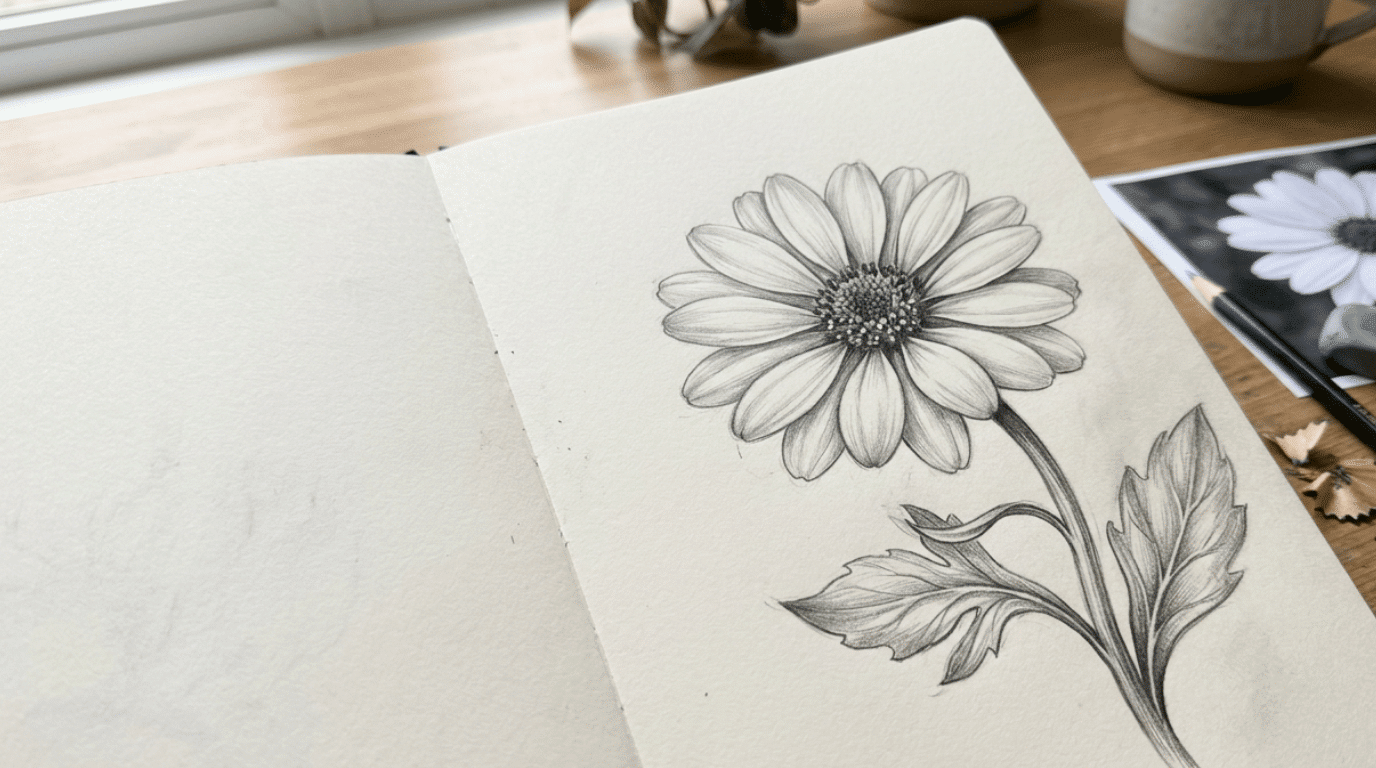
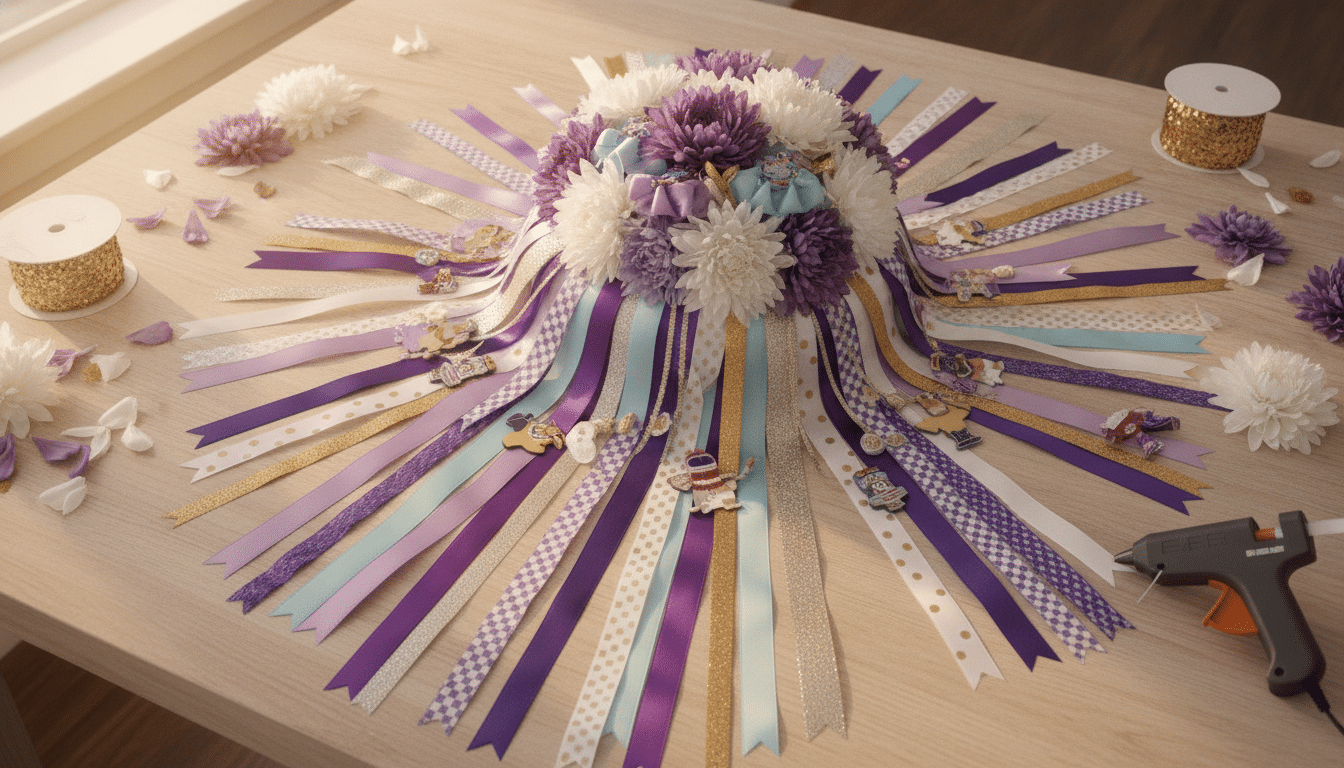
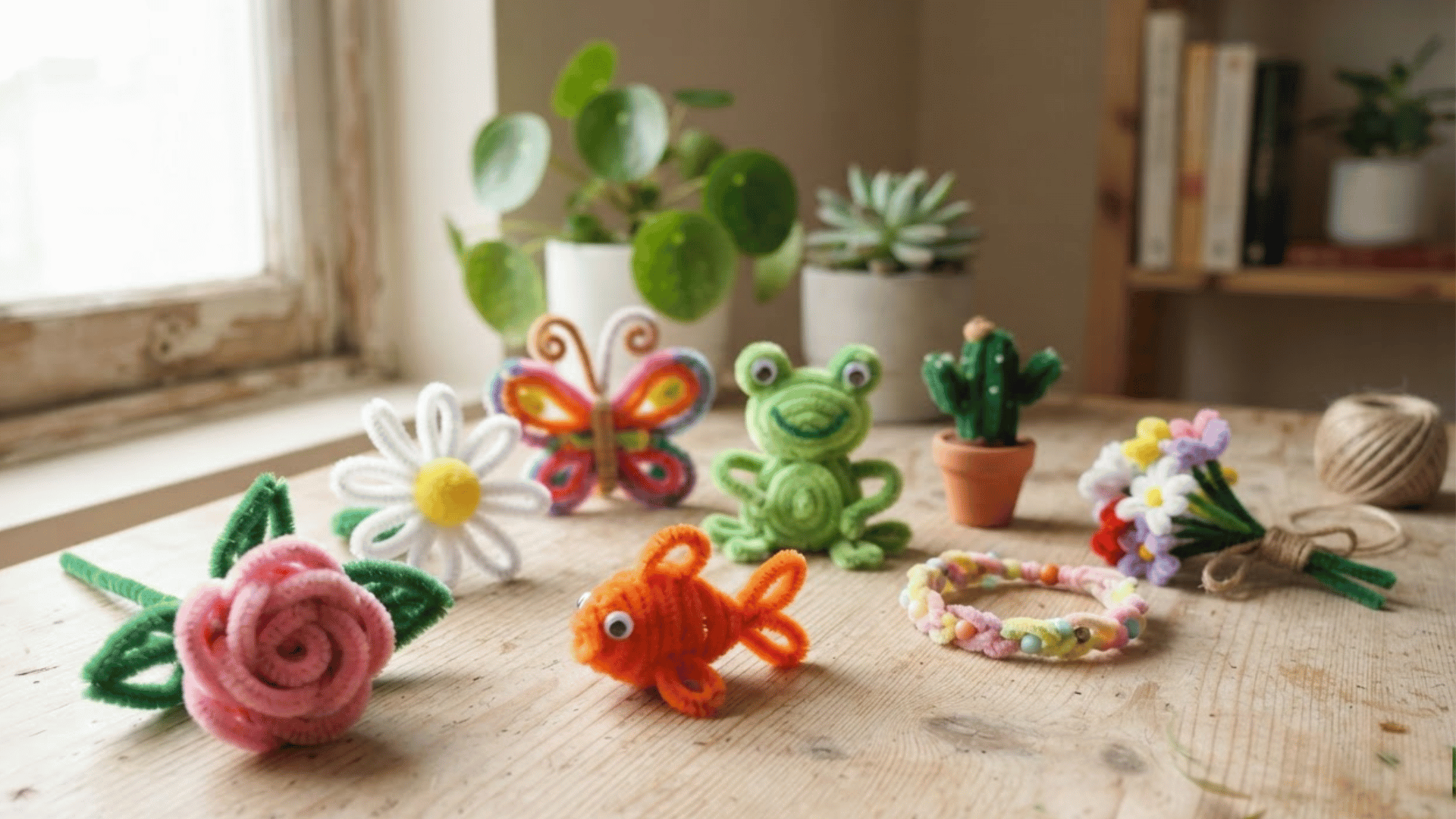
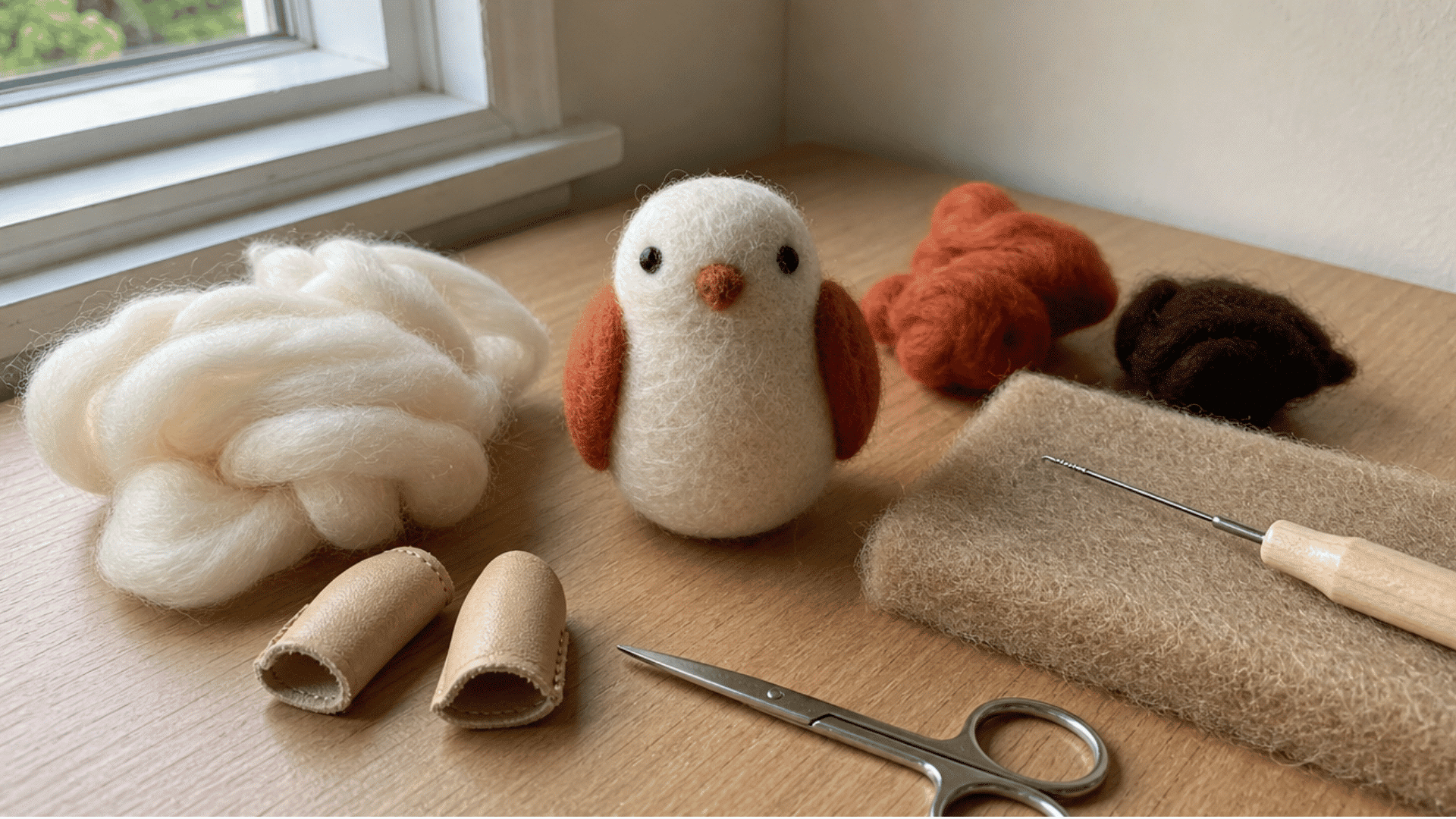
Maybe you love painting but have absolutely no intention of framing what you make. Perhaps you crochet because repeating the stitches is relaxing, not because your house desperately needs another blanket.
That shift in thinking can take a lot of pressure out of crafting.
Instead of asking, “Is this good enough?” you can ask, “Am I enjoying doing this?”
Research has increasingly looked at the relationship between creative activities and well-being. The National Endowment for the Arts has explored participation in arts activities alongside measures of social and emotional well-being, adding some useful context to something many crafters already understand instinctively: the experience of creating can matter independently of the finished object.
You Don’t Have to Turn a Hobby Into a Side Hustle
This one can be surprisingly difficult.
Make cute earrings and someone will suggest opening an Etsy shop. Bake amazing cookies and suddenly you’re hearing that you could sell them. Get good at photography and someone wants to know whether you’ve considered taking clients.
There’s nothing wrong with turning a hobby into a business if that sounds exciting.
But you don’t have to.
Once money enters the picture, a hobby can acquire deadlines, customer expectations, pricing decisions and other responsibilities. The activity you used to reach for when you wanted to relax may start feeling suspiciously like work.
It’s perfectly reasonable to keep something you love entirely for yourself.
Match the Hobby to the Energy You Have
Not every evening is a “pull out the sewing machine” evening.
Sometimes you have the energy for a complicated DIY project. Other days, finding the scissors feels ambitious.
Instead of abandoning hobbies altogether when you’re tired, it helps to have options for different energy levels.
A high-energy afternoon might be perfect for painting furniture or starting a new craft project. A quieter evening might call for coloring, knitting something familiar, playing a game, reading or watching a favorite show.
This makes leisure easier to fit into real life instead of waiting for the mythical weekend when you have six uninterrupted hours and absolutely nothing else to do.
Let Yourself Be Bad at Something
Kids understand this better than most adults.
Give a child some clay and they rarely stop to wonder whether the finished dinosaur is technically impressive. They make the dinosaur. Maybe it has seven legs. Nobody cares.
Adults tend to be harder on themselves.
We compare our first attempt with someone else’s hundredth project. We buy supplies and then hesitate to use them because we might “waste” them. Sometimes we quit before we’ve had enough time to discover whether we actually enjoy the activity.
Being a beginner is part of having hobbies. Your first embroidery might be wonky. Your pottery bowl might lean slightly to the left. That doesn’t make the afternoon you spent making it less worthwhile.
Your Free Time Doesn’t Need a Performance Review
There are plenty of parts of life where results matter. Work has targets. Houses need maintenance. Families have schedules, appointments and never-ending lists of things that somehow need doing.
Free time doesn’t always need another measurement attached to it.
Some hobbies produce beautiful things. Some teach useful skills. Some give us something fun to share with family and friends.
And some simply make an ordinary Tuesday evening a little more enjoyable.
That’s a perfectly good result, too.