





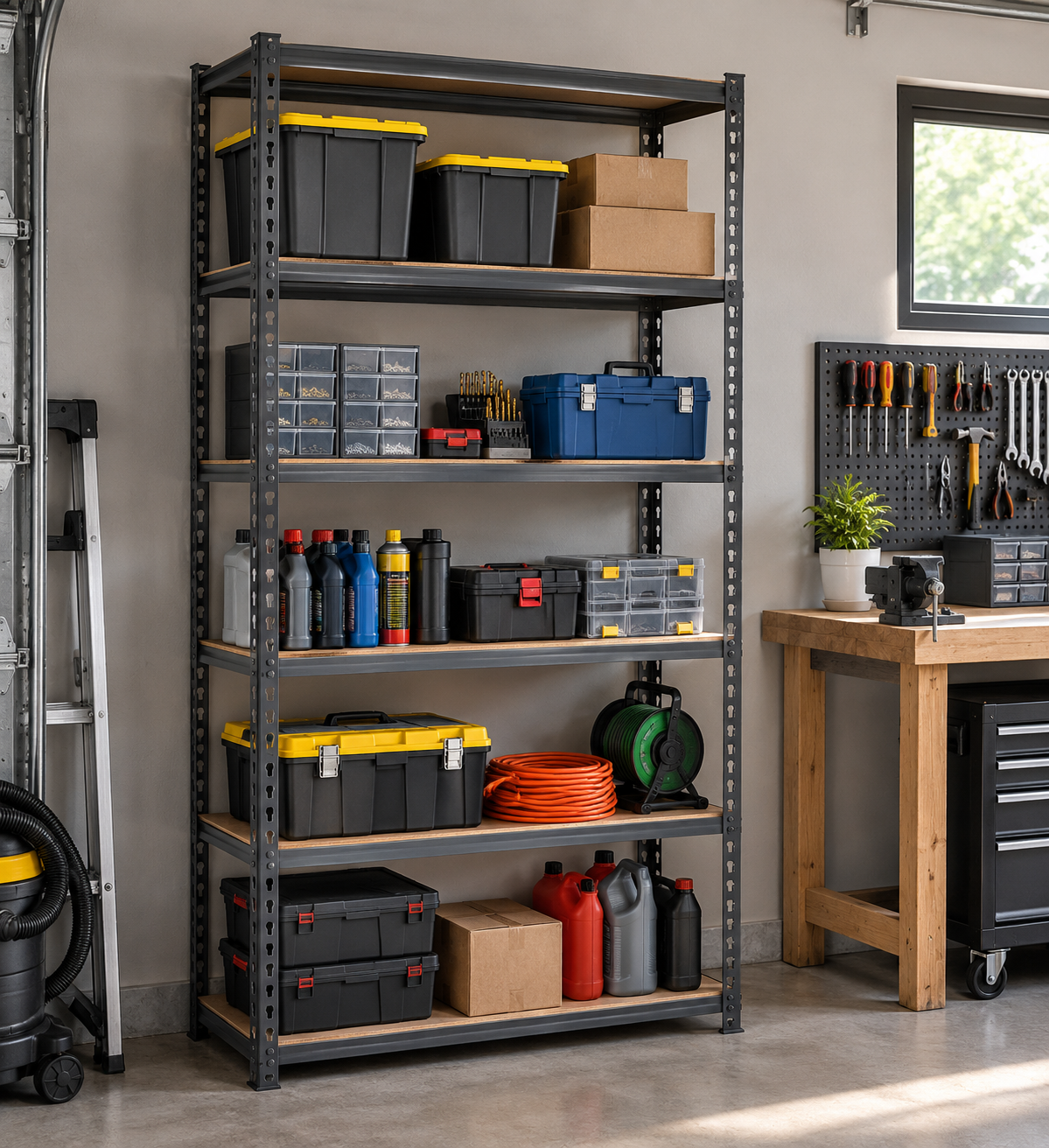
A garage can quickly become crowded when tools, boxes, sports equipment, car supplies, and seasonal items have nowhere to go. Instead of leaving everything on the floor, installing garage storage shelves can make the space much easier to organize. The right shelving system gives frequently used items a dedicated place while keeping the floor open for vehicles, workbenches, and other activities.
However, choosing shelving is not simply a matter of picking the largest unit available. The available wall space, ceiling height, weight of your belongings, and how often you need to access them all play a role. Taking a little time to assess these factors can help you choose a storage solution that actually works for your garage.
Start by Measuring Your Garage
Before buying shelving, take measurements of the area where you plan to install it. Measure the available width, depth, and height, and don’t forget to account for doors, windows, electrical outlets, and other fixed features.
It is tempting to fill every available section of wall, but leaving enough room to move around the garage is important. If you park a vehicle inside, consider how much space you need to open car doors and walk around comfortably.
Also check the height of the ceiling. Taller shelving can make good use of vertical space, but it may not be practical if you cannot safely reach the upper shelves.
A simple sketch of your garage can help you visualize where shelving could go before making a purchase.
Consider What You Need to Store
The items you plan to store should influence the type of shelving you choose. A garage containing lightweight plastic containers has different requirements from one used to store power tools, automotive parts, paint cans, or heavy equipment.
Make a rough list of the things you want to put on the shelves. Group similar items together and estimate how much space each group requires.
For example, you might have:
- Hand and power tools
- Gardening equipment
- Automotive supplies
- Cleaning products
- Storage boxes
- Camping equipment
- Sports gear
- Seasonal decorations
- Hardware and spare parts
This process helps prevent a common mistake: buying shelves first and then discovering that they don’t have the right capacity or configuration for your belongings.
Pay Attention to Weight Capacity
Weight capacity is one of the most important specifications to check. Shelves may look similar, but their load ratings can vary considerably.
Heavy-duty shelving is generally more suitable for garages because it can handle items such as toolboxes, machinery, automotive equipment, and boxes filled with hardware.
Don’t calculate capacity based only on the heaviest single item. Consider the combined weight of everything that will sit on one shelf. It is also sensible to avoid loading shelves right up to their maximum stated capacity.
Distributing heavy items across several shelves can make the storage system easier to manage. Place heavier objects on lower levels whenever possible, while lighter boxes and less frequently used items can go higher.
Choose the Right Material
Garage shelving is commonly made from steel, plastic, wood, or combinations of different materials. Each option has its own advantages.
Steel shelving is a popular choice for heavy-duty storage because of its strength and durability. It can be particularly useful in workshops or garages where heavy tools and equipment are stored.
Plastic shelving is lightweight and can work well for smaller items or areas where moisture may be a concern. Wooden shelves can offer a sturdy storage surface and may suit garages that are also used as workshops.
Think about the environment as well as the appearance. If your garage is exposed to humidity, temperature changes, or occasional moisture, choose materials and finishes designed to cope with those conditions.
Think About Shelf Size and Depth
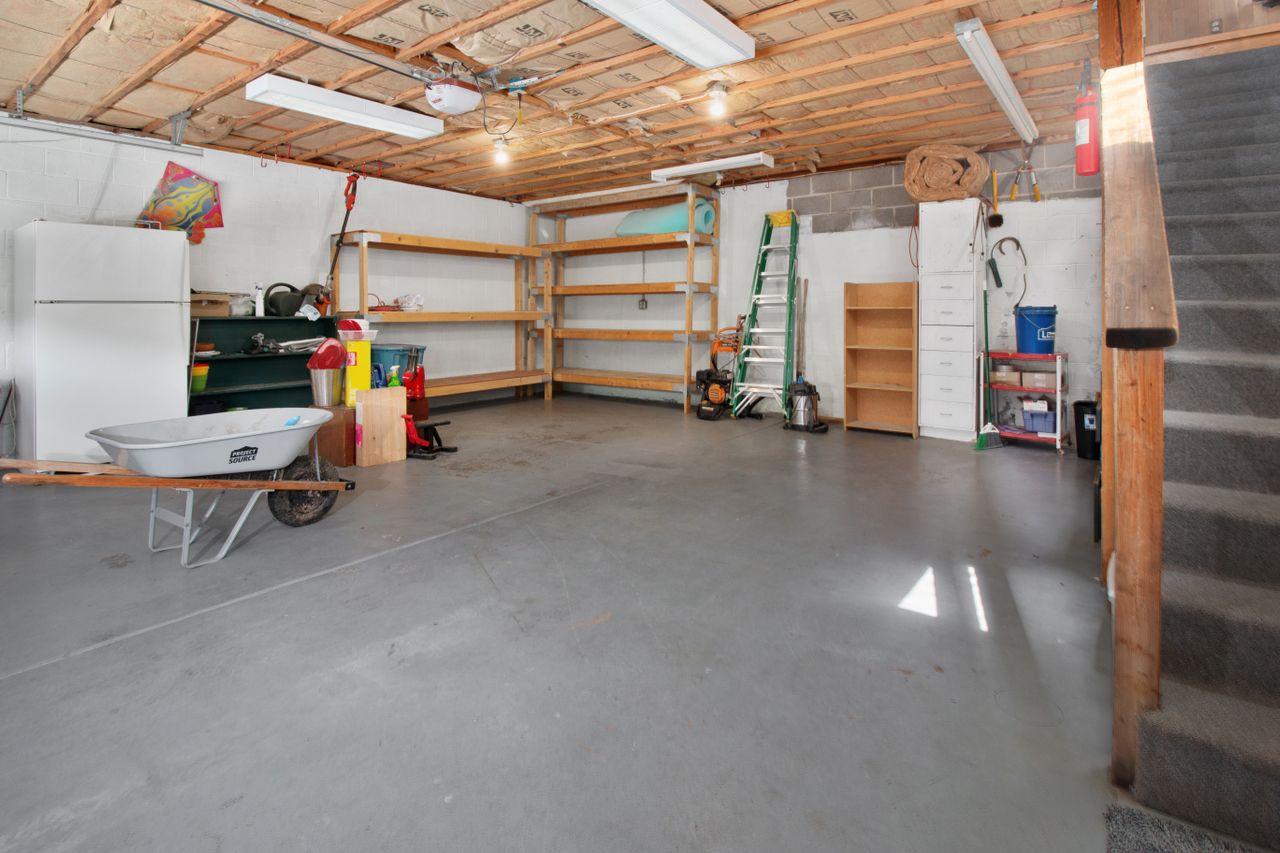
Bigger shelves aren’t automatically better. A shelf that is too deep can make items at the back difficult to reach, while a shelf that is too narrow may not accommodate larger storage bins.
Consider the dimensions of the containers and equipment you already own. If you use standardized storage boxes, measure them before choosing your shelving.
Shelf spacing matters too. Tall shelves may provide plenty of total storage capacity, but fixed shelf positions can leave awkward gaps between levels. If the items you store vary significantly in size, a flexible shelving design can be more practical.
Garage Shelving Units for Different Storage Needs
Different types of garage shelving units can suit different layouts and purposes. Freestanding shelves are convenient because they can often be moved or repositioned when your storage needs change.
Wall-mounted shelving can be useful when you want to keep the floor clear. It can also work well in smaller garages where floor space is limited.
Corner shelving is another option for making use of areas that might otherwise remain empty. If you have a particularly large garage, combining different shelving styles can create separate storage zones.
For example, you could use heavy-duty floor shelving for toolboxes and equipment, wall shelves for smaller supplies, and overhead storage for items that are only needed occasionally.
Make Use of Vertical Space
One of the easiest ways to increase storage capacity without making your garage feel smaller is to use vertical space.
Many garages have plenty of unused wall area above the height of a typical workbench. Installing shelving higher up can provide additional storage without taking up more floor space.
However, think carefully about what goes on the upper shelves. Items that you use every week should ideally be stored at a comfortable height. Seasonal decorations, camping equipment, and other infrequently used belongings can be placed higher.
If reaching the upper shelves requires a ladder, make sure there is enough clear floor space to use one safely.
Look for Adjustable Shelves
Storage needs rarely stay exactly the same. You may buy new tools, change hobbies, or replace several small boxes with larger containers. Fixed shelving can become inconvenient when your storage requirements change.
This is where adjustable garage storage shelves can be especially useful. Shelves that can be moved to different heights allow you to create more space for tall equipment or add additional levels for smaller items.
Adjustability can also help reduce wasted space. Instead of having a large empty gap above a small storage box, you can reposition the shelf and use that vertical area more efficiently.
Check How Easy the Shelves Are to Assemble
Assembly is another practical consideration that is sometimes overlooked. Some shelving systems require bolts and tools, while others use a boltless or slot-based design.
If you expect to reorganize your garage regularly, a system that is straightforward to assemble and adjust can save considerable time.
Before purchasing, check what tools are required and whether the shelving needs to be anchored to a wall. Taller units may benefit from additional stabilization, particularly when they are heavily loaded.
Always follow the manufacturer’s assembly and safety instructions.
Organize Shelves by Frequency of Use
Once the shelving is installed, organization becomes much easier if you arrange items according to how often you use them.
Keep frequently used tools and supplies between waist and shoulder height. Less frequently used items can occupy the upper shelves, while heavier objects are generally better positioned lower down.
You can also create specific zones. For example, keep automotive products together, gardening supplies in another section, and household storage boxes in a separate area.
Labels on boxes can make a significant difference too. When several containers look identical, a simple label can save you from opening each one to find a particular item.
Leave Some Room for Future Storage
Avoid filling every shelf immediately. Leaving some spare capacity gives you room to add new items without having to reorganize the entire garage.
A shelving system that is completely full from day one may look efficient, but it can quickly become difficult to maintain. A little extra space makes it easier to return items to their proper places after use.
It is also worth considering whether you may eventually add a workbench, tool cabinet, freezer, or other garage equipment. Planning ahead can prevent your storage system from limiting future changes.
Safety Should Come First
No matter which shelving style you choose, safety should be a priority. Follow the manufacturer’s weight limits and assembly instructions, and make sure the shelving is stable before loading it.
Tall shelving should be secured appropriately if the manufacturer’s instructions recommend anchoring. Avoid placing extremely heavy objects overhead, especially if they are difficult to handle safely.
Keep aisles and access points clear. Storage should make your garage easier to use, not create new obstacles.
Final Thoughts
Choosing the right shelving system starts with understanding your garage and the things you actually need to store. Measure the available space, consider the weight and size of your belongings, choose suitable materials, and think about how frequently each item is used.
The best setup doesn’t necessarily involve the biggest shelves. It is about creating a practical arrangement that uses available space efficiently while keeping important items accessible. For garages where storage needs may change over time, flexible shelving can provide an additional advantage by allowing the layout to adapt as your collection of tools and equipment grows.