
Art can feel confusing at first. So many colors, shapes, and ideas, yet some pieces just work. They pull the viewer in and leave them feeling complete.
That quiet harmony often comes from one key idea: unity. But what does that really mean?
When artists bring every part together, the work starts to make sense. It feels connected, not scattered. That’s where the question arises: What Does Unity Mean in Art?
Understanding this idea helps people see art in a new way. It also helps creators make stronger work. This blog explores how unity shapes art and why it matters more than most people think.
What Is Unity in Art?
Unity in art means that all elements in an artwork feel connected and work well together.
When unity is present, shapes, colors, lines, and textures relate to each other in a way that makes the composition feel complete and organized.
It also helps the viewer’s eye move smoothly across the artwork without feeling distracted or confused.
Unity does not mean every element must look the same. Instead, different elements are arranged so they support each other and form a clear visual connection.
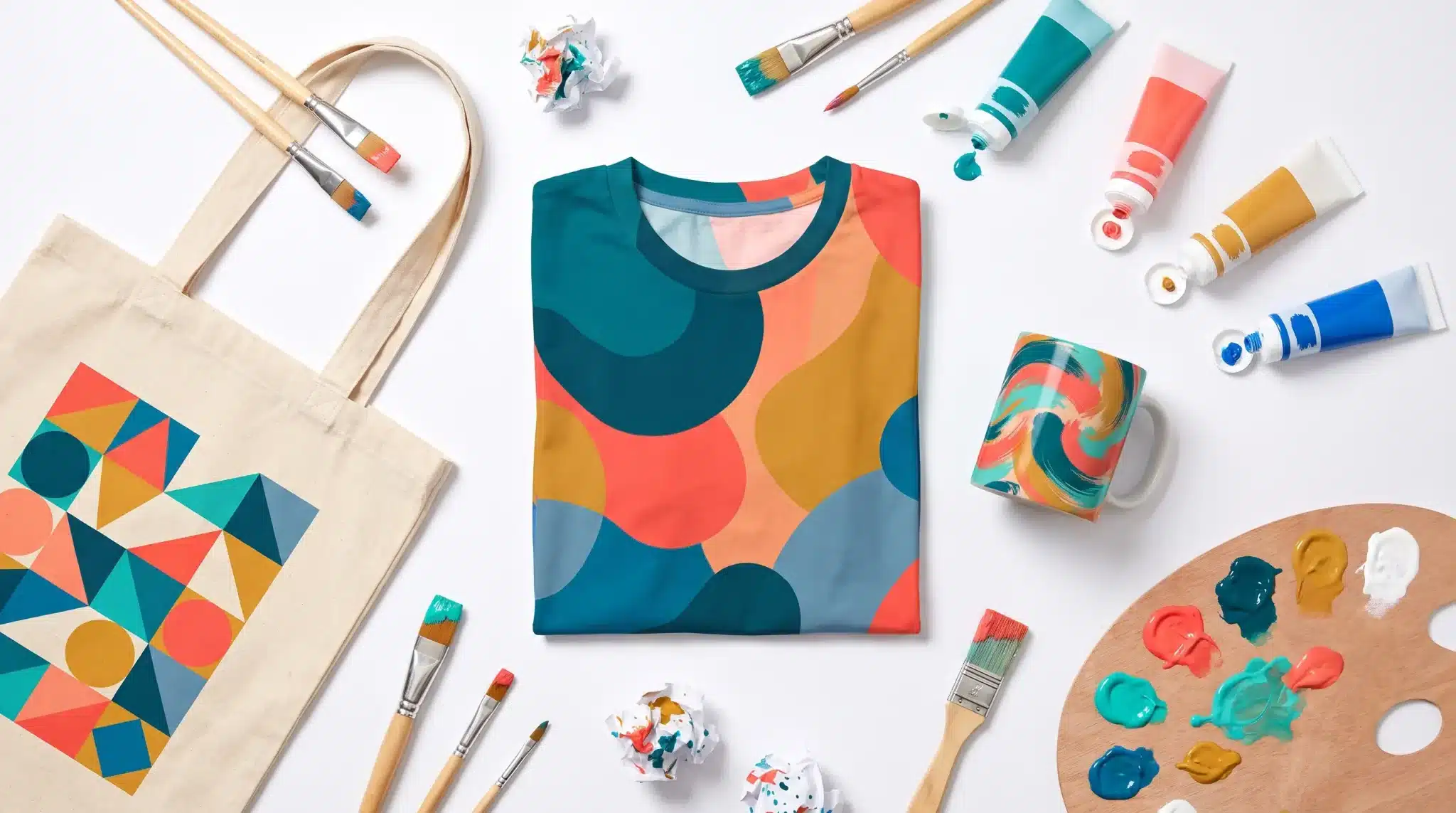
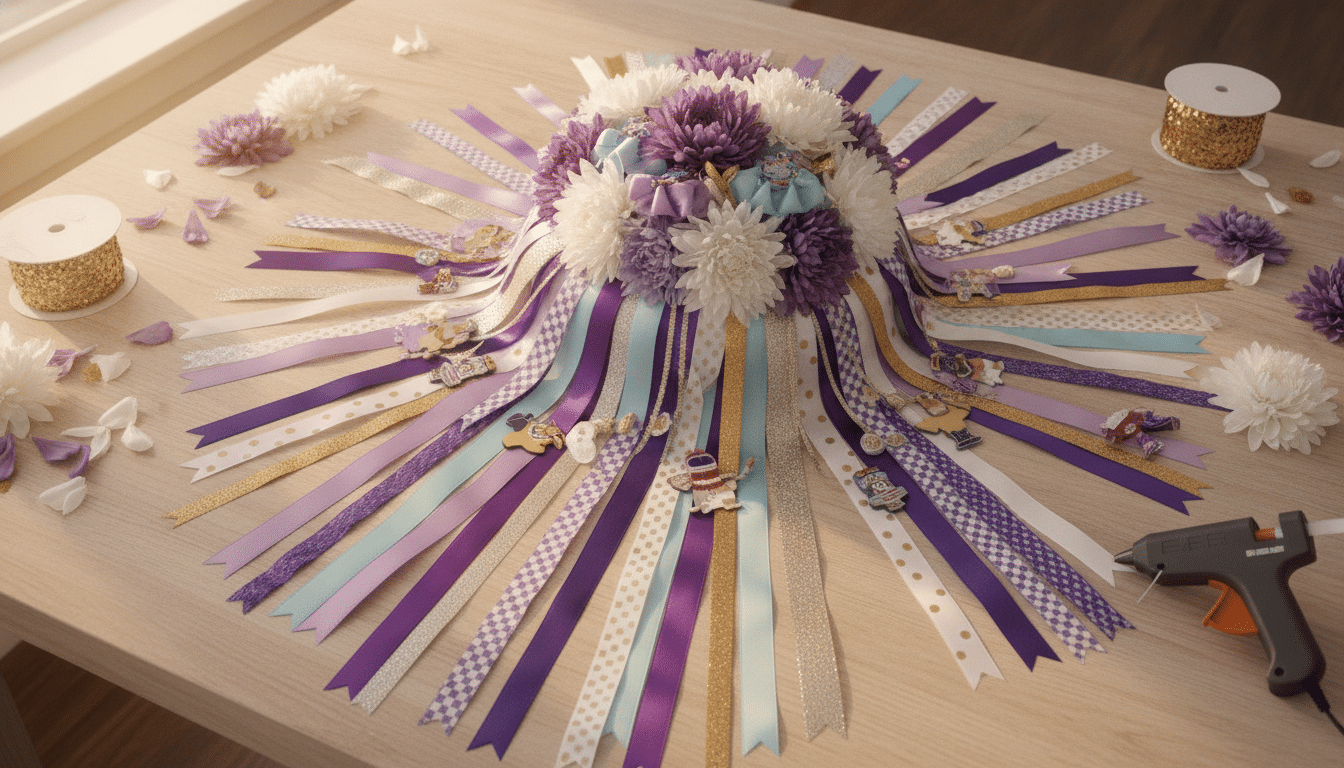
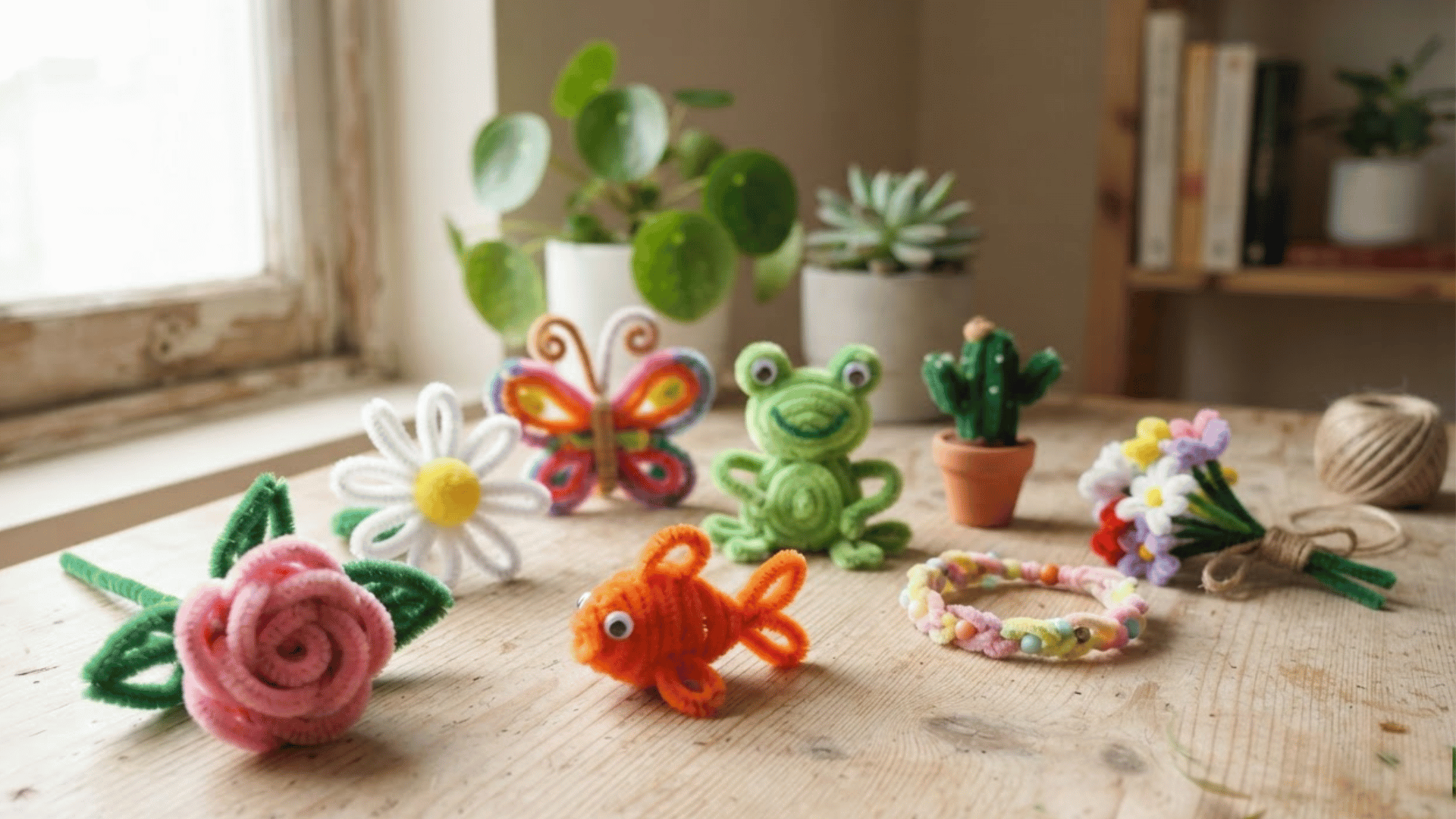
Artists often create unity by repeating colors across a painting, using similar shapes in a design, or keeping a consistent style throughout an illustration.
These techniques help tie the artwork together and give the composition a balanced, cohesive look.
Why Unity Is Important in Artwork?
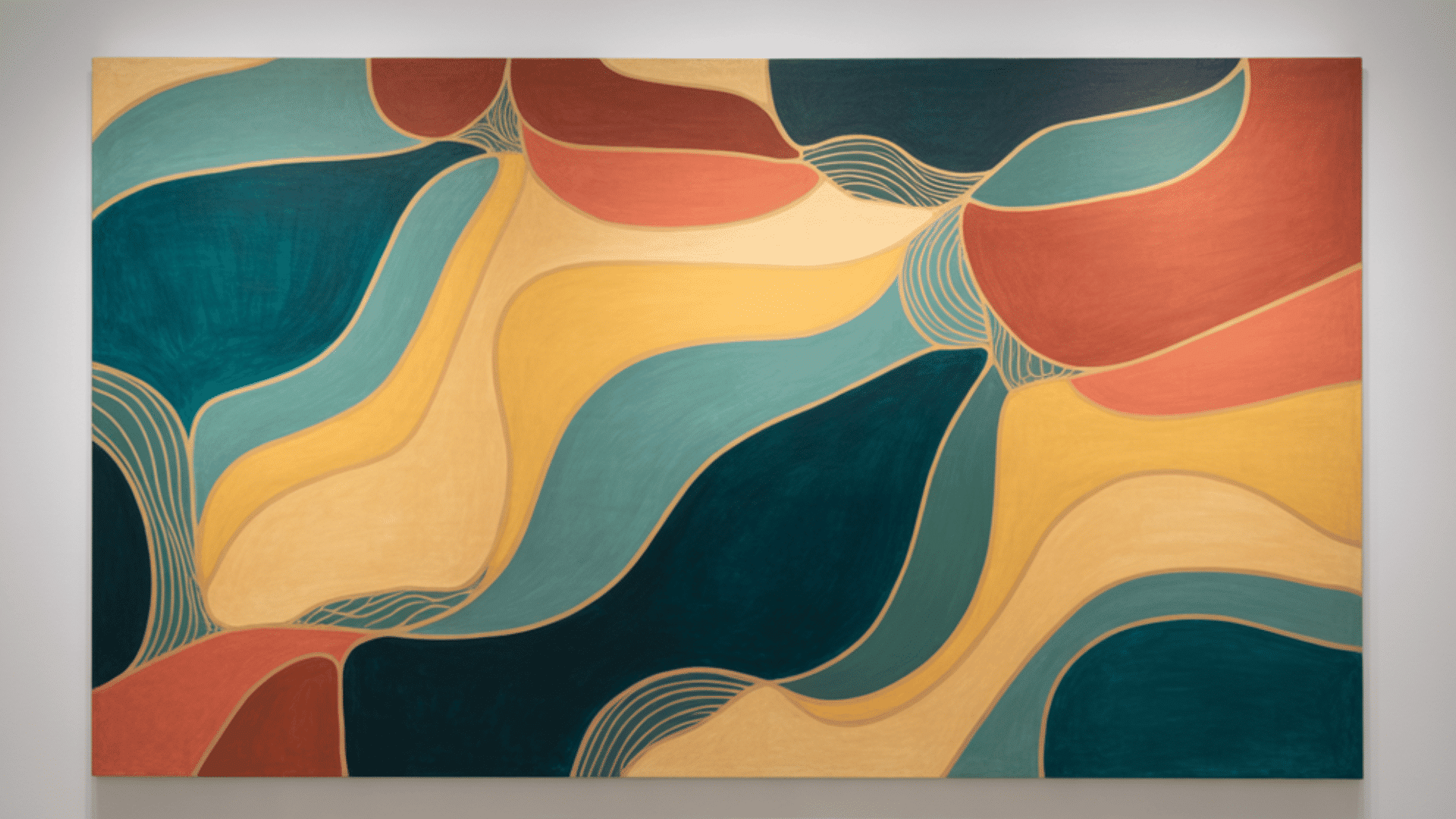
Unity helps artwork feel intentional and well-designed. Here are some key reasons artists focus on unity.
- Creates Visual Order: Unity organizes the artwork. When elements relate to each other, the composition feels structured instead of random.
- Guides the Viewer’s Eye: Unity helps viewers move smoothly through the piece. The eye naturally follows repeating colors, shapes, or patterns.
- Makes Artwork Feel Complete: Without unity, artwork may look unfinished. Unity brings everything together so the composition feels whole.
- Improves Overall Impact: Artwork with unity often feels stronger and more memorable because the composition functions as a single piece.
Ways Artists Create Unity in Art
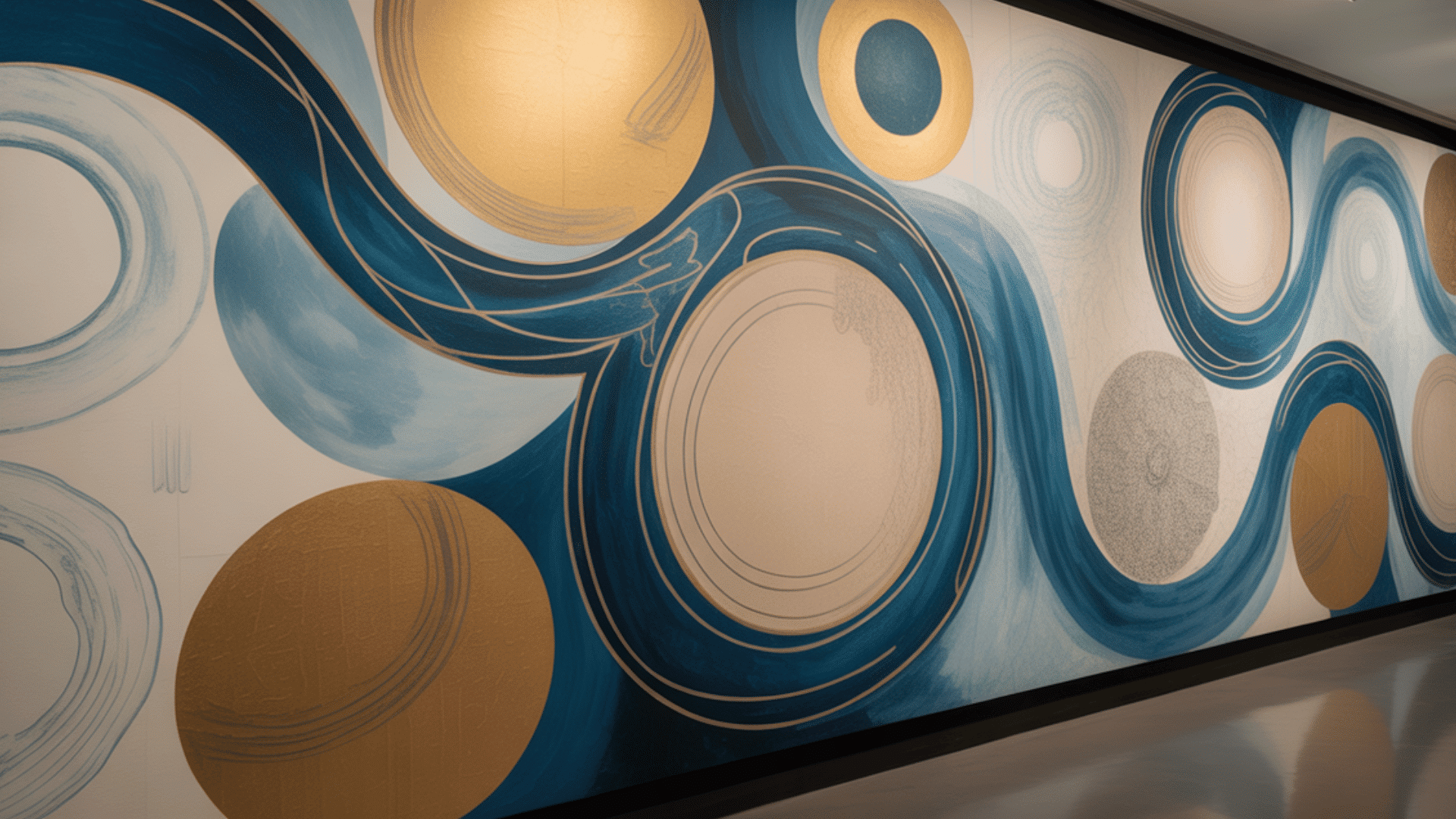
Artists use several techniques to build unity in art. These techniques help connect different parts of a composition.
1. Repetition
Repetition builds unity by repeating visual elements like colors, shapes, lines, and patterns throughout the artwork.
When the same elements appear across a composition, they guide the viewer’s eye and make the piece feel organized.
For example, repeating a color in different areas links separate sections and prevents the design from feeling scattered.
2. Consistent Style
Keeping a consistent style throughout an artwork helps all elements feel naturally connected. This can appear through similar brush strokes, line thickness, or textures applied across the piece.
These choices keep the composition balanced and prevent it from looking mixed or disconnected.
3. Limited Color Palette
Using a limited color palette keeps a composition organized and visually balanced. Too many colors can make an artwork feel chaotic.
Most artists stick to three to five colors, repeating them throughout the piece to maintain harmony and guide the viewer’s eye.
4. Proximity of Elements
Proximity involves placing related elements close together so they appear connected. Grouped objects, shapes, or text signal to viewers that they belong to the same idea.
This simple arrangement organizes the composition and is widely used in graphic design for layouts, posters, and advertisements.
5. Continuation
Continuation guides the viewer’s eye through the artwork using lines, edges, or shapes that flow naturally from one area to another.
This creates a smooth visual path that connects different parts of the composition, making the artwork feel organized and easy to follow rather than disjointed.
Unity Vs Harmony in Art
Unity and harmony work together to create balance in artwork. Unity connects all elements into a complete composition, while harmony ensures those elements blend smoothly and feel visually pleasing.
| Aspect | Unity | Harmony |
|---|---|---|
| Definition | The sense that all elements belong together as one whole | The pleasing relationship between elements that creates visual balance |
| Focus | Overall cohesion of the composition | How well individual elements work together |
| Goal | Makes the artwork feel complete | Makes the artwork feel visually pleasing |
| Achieved By | Repetition, consistency, proximity | Compatible colors, shapes, and textures |
| Visual Effect | Prevents the artwork from feeling scattered | Creates a sense of order and calm |
| Scope | Broader, applies to the entire composition | Narrower, applies to specific element relationships |
| Example | All elements in a painting feel like one connected piece | Colors in a painting complement each other naturally |
| Role in Art | Structural, holds the composition together | Aesthetic makes the composition feel balanced |
Some Examples of Unity inArt
Looking at real artworks makes the concept of unity far easier to understand. These famous examples show exactly how artists applied unity to create compositions that feel complete and intentional.
1. Vincent van Gogh – Starry Night
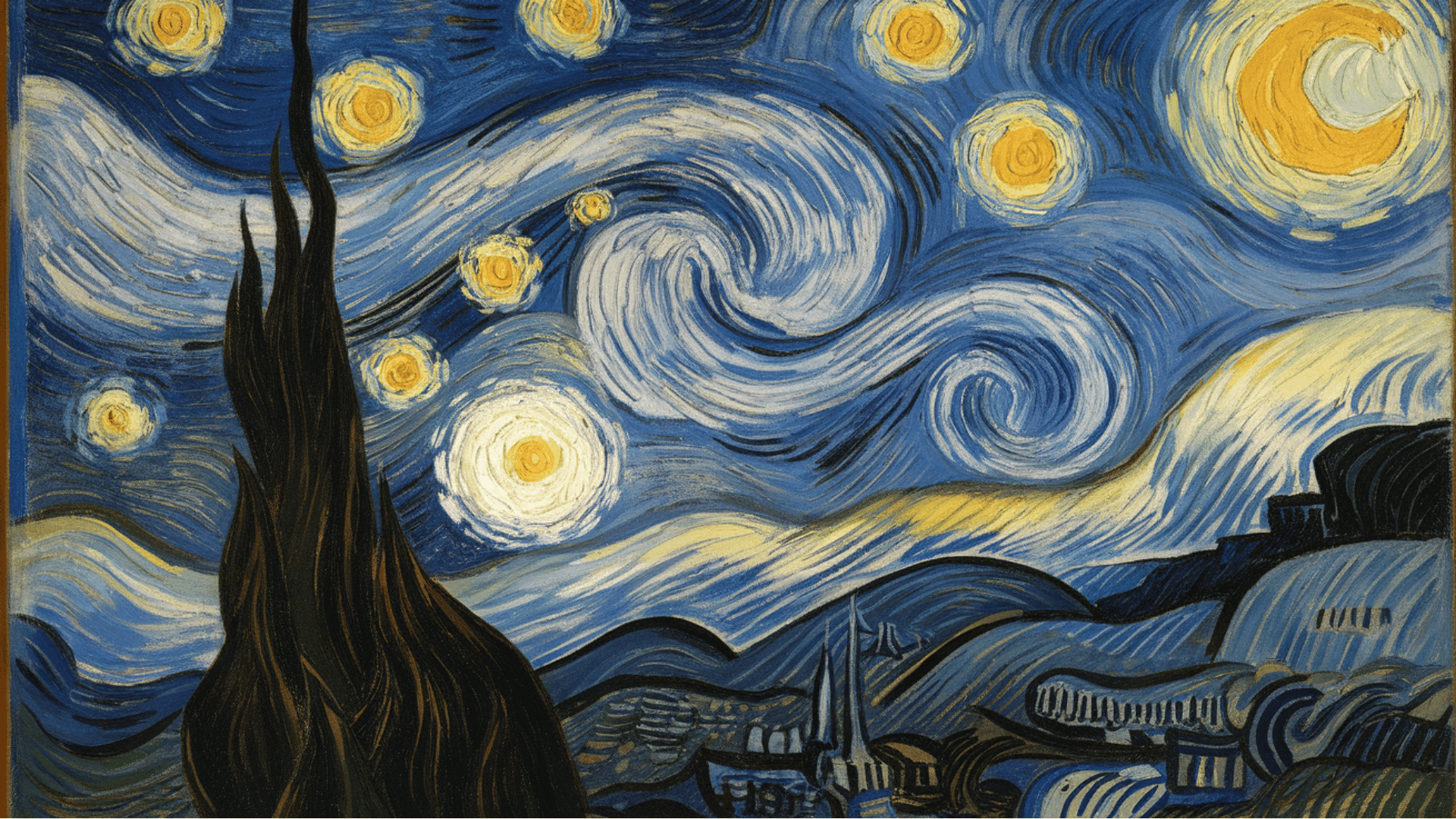
Source:wikipedia
- Repeated swirling lines across the sky create a visual rhythm and connect different areas of the painting.
- A limited color palette, mainly blues and yellows, keeps the composition visually connected.
- Consistent brush strokes give the painting a unified texture and style.
- Together, these elements create a strong sense of unity throughout the artwork, making the composition feel cohesive and balanced.
2. Piet Mondrian – Geometric Paintings
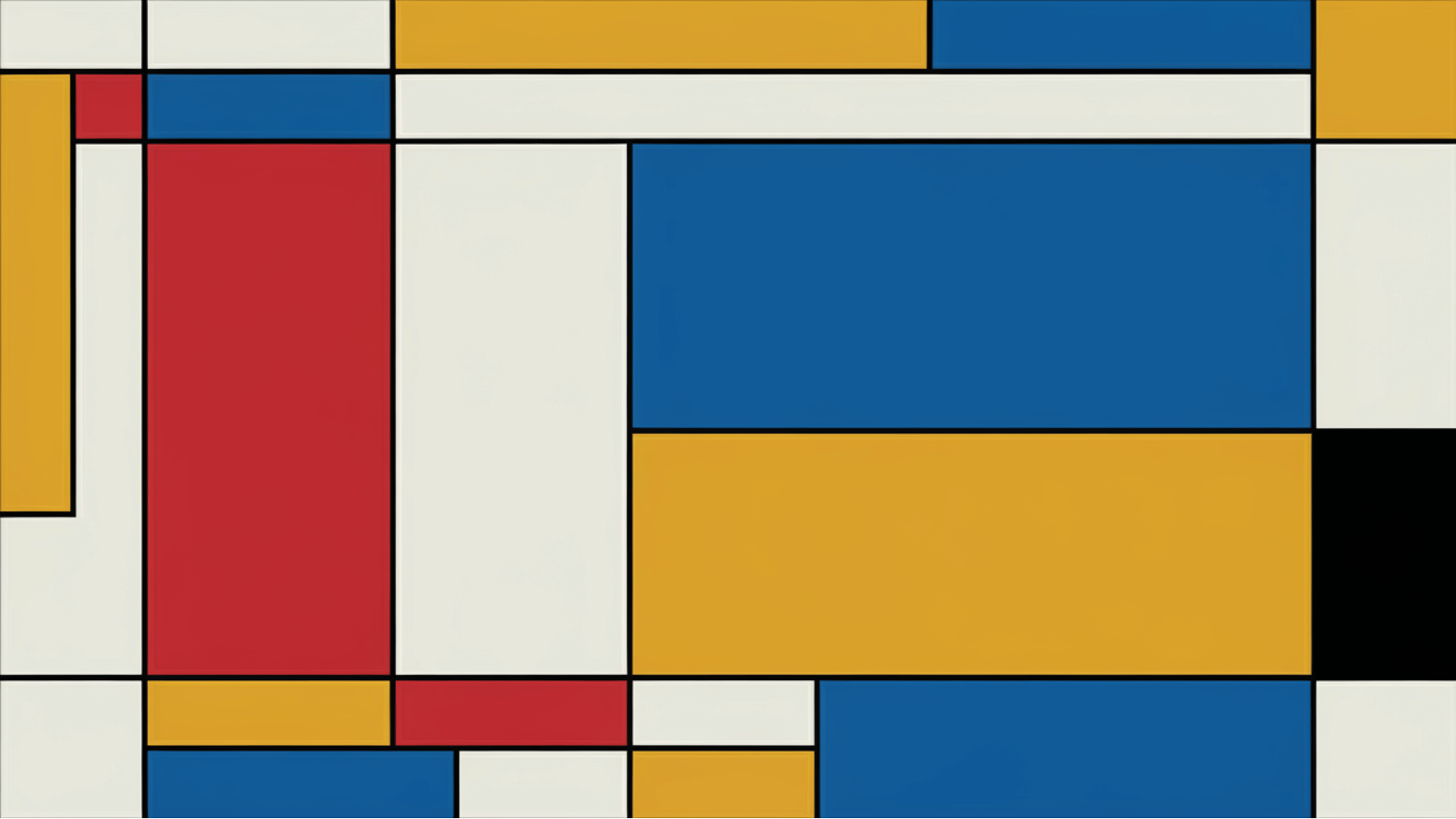
Source: theartlifegallery
- Repeated rectangles appear throughout the composition, creating a clear visual pattern.
- Simple primary colors like red, blue, and yellow keep the color scheme consistent.
- A structured grid layout organizes the shapes and spaces across the artwork.
- These elements work together to create a strong and structured sense of unity in the painting.
3. Georges Seurat – A Sunday on La Grande Jatte
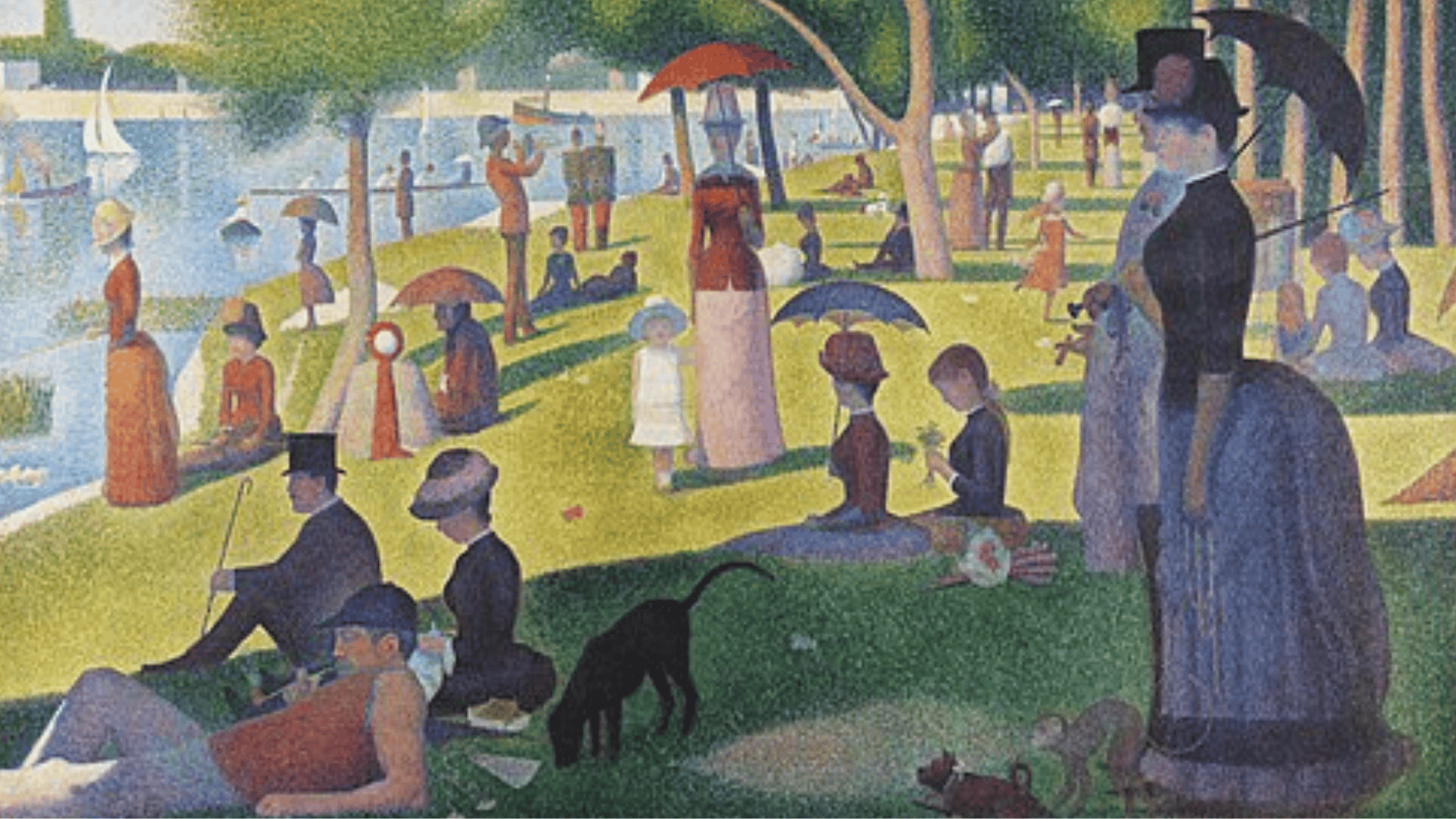
Source: Wikipedia
- Tiny, uniform dots of color are applied consistently across the entire canvas, creating a unified texture throughout.
- A carefully balanced arrangement of figures and landscape elements keeps the composition feeling stable and intentional.
- A limited, harmonious color palette ties every section of the painting together seamlessly.
- These repeated techniques give the artwork a distinct visual cohesion, making it feel like one complete, unified whole.
4. Wassily Kandinsky – Composition VIII
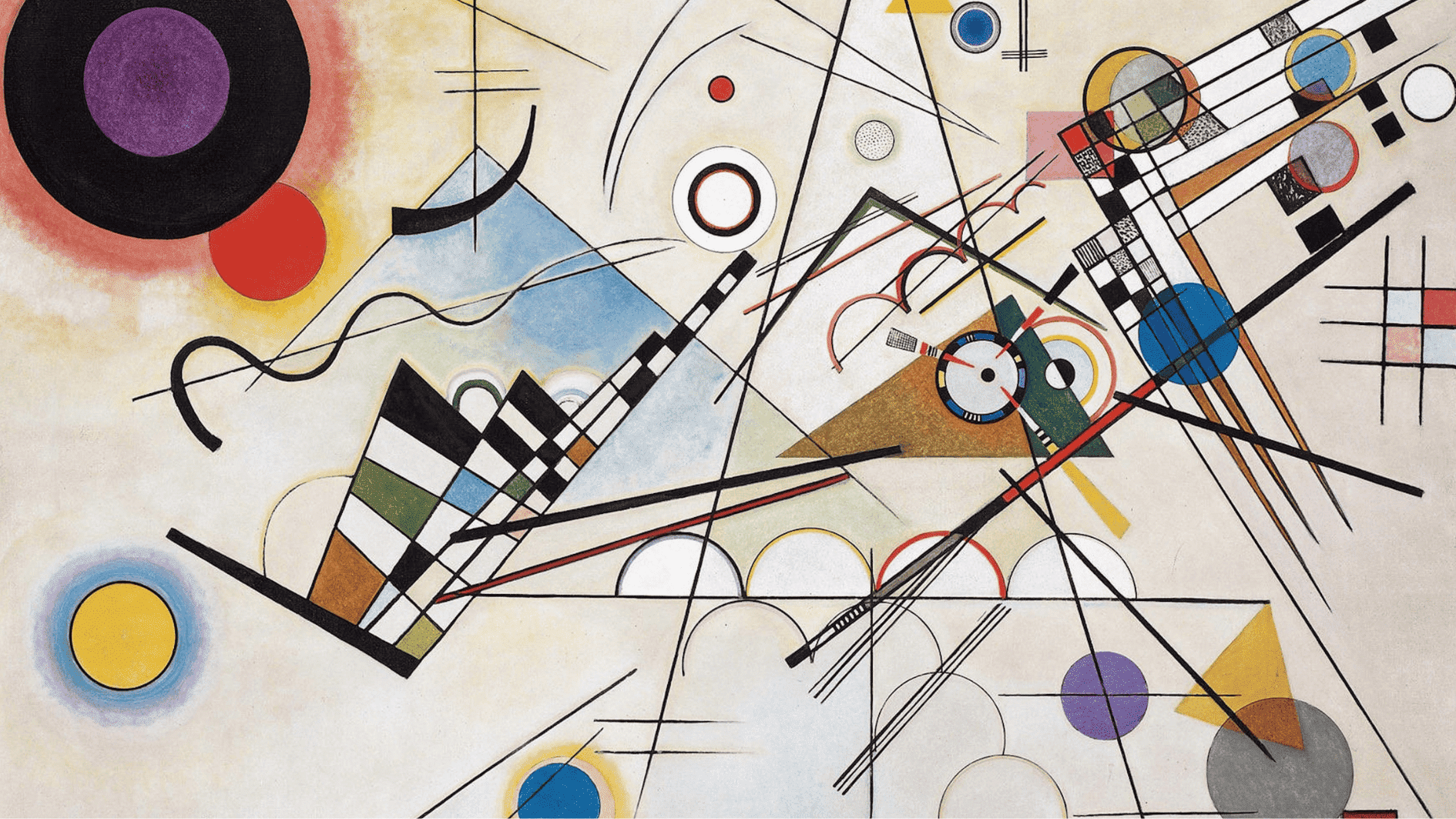
Source: Wikipedia Cummons
- Repeated geometric shapes like circles, triangles, and lines appear throughout the canvas, creating visual rhythm.
- A consistent abstract style across all elements prevents any single element from feeling out of place.
- A carefully selected color palette connects contrasting shapes without creating visual chaos.
- The result is a dynamic yet unified composition where every element feels like part of the same visual language.
5. Claude Monet – Water Lilies Series
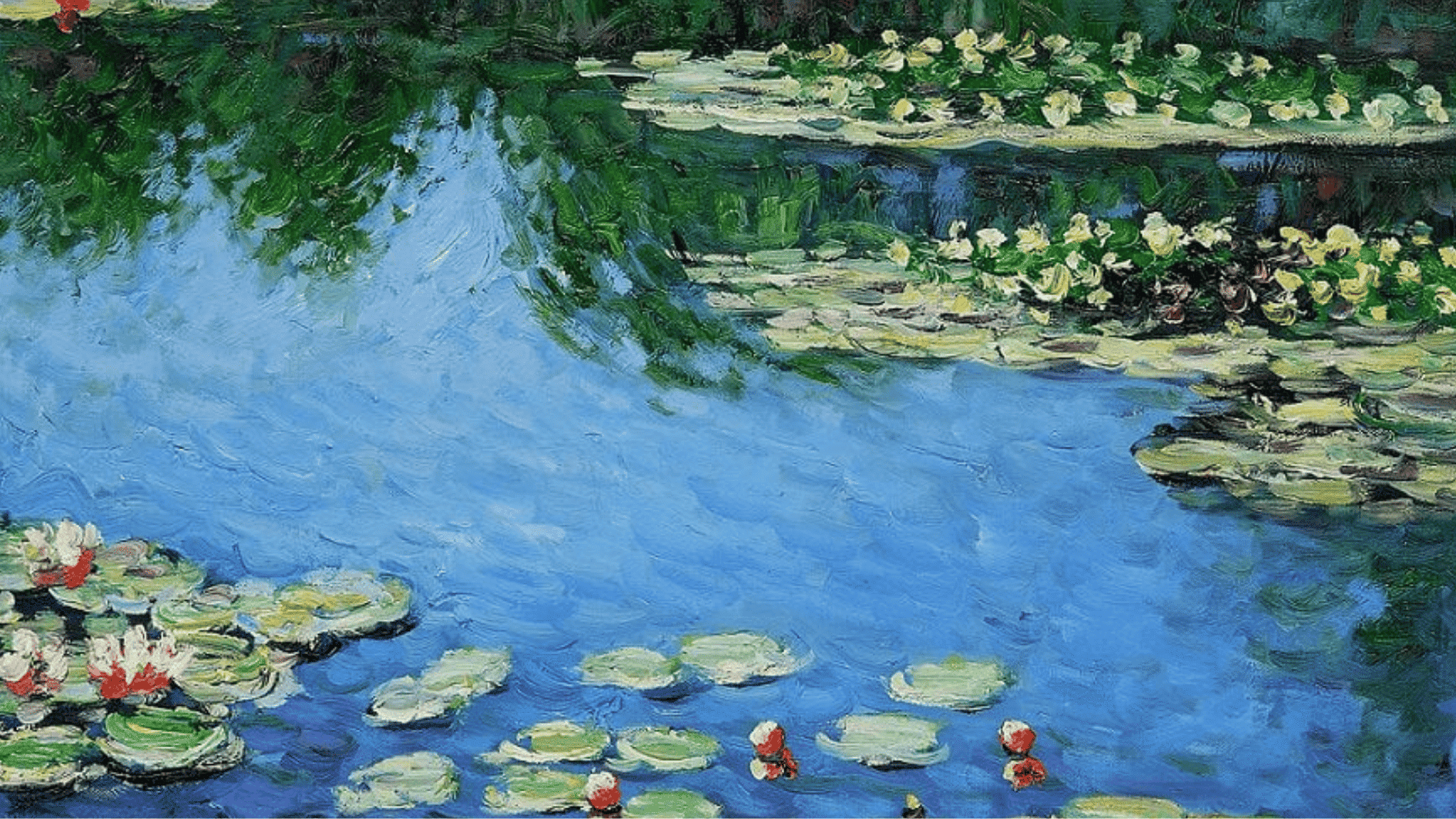
Source: Claude Monet
- Soft, consistent brushstrokes applied across the entire canvas create a unified surface texture throughout.
- A recurring motif of floating lilies and reflected light runs throughout the composition, creating visual continuity.
- A harmonious palette of blues, greens, and purples connects every area of the canvas without sharp contrast.
- The repetition of these elements across the series makes each painting feel like part of one continuous, unified vision.
Simple Tips To Create Unity In Your Artwork
Artists and designers can create unity by using a few simple techniques. These tips help connect different parts of the artwork and make the composition feel organized.
- Repeat Visual Elements: Use colors, shapes, or patterns to connect different areas of the artwork.
- Limit Your Color Palette: Using fewer colors keeps the composition cohesive and prevents the design from looking chaotic.
- Keep A Consistent Style: Maintain similar drawing techniques, brush strokes, or line styles throughout the artwork.
- Group Related Elements: Place related objects close together so viewers understand they belong to the same idea.
- Use Similar Shapes or Textures: Repeating similar forms, textures, or design elements strengthens unity.
- Focus on Small Design Decisions: Simple choices like repetition and organization can greatly improve the overall unity of the artwork.
It’s a Wrap
Unity in art plays a key role in creating compositions that feel clear, organized, and visually satisfying. When artists carefully connect elements like colors, shapes, lines, and textures, the artwork begins to feel complete and intentional.
Techniques such as repetition, consistent style, limited color palettes, proximity, and continuation all help strengthen this connection.
At the same time, principles like harmony and balance support unity by ensuring the composition looks pleasing and stable.
Together, these principles guide the viewer’s eye and improve the overall impact of the piece.