

Summer break is a great time to do some science experiments for kids that are not just fun to watch but also teach kids a lot.
It helps little ones learn about reactions, colors, and how things work in chemistry or physics. Kids’ science experiments at home are easy and fun and need nothing more than a few basic kitchen supplies.
These activities focus on curiosity rather than getting everything right, making the process just as exciting as the result.
So here are some great ideas to get started!
What Kids Actually Learn From These Experiments?
Here’s the thing about a fizzing cup or a balloon that blows itself up: your kid isn’t thinking I’m learning chemistry right now, they’re just having fun.
And that’s exactly why it sticks. When a kid pours vinegar and sees foam climb out of a cup, they’re watching cause and effect in real time.
These activities teach kids to guess what might happen, test it out, and then figure out why things turned out the way they did.
That’s the same process real scientists use, just with snack-sized ingredients. They also build patience, such as waiting overnight for salt crystals or for a few days for seeds to sprout.
Pair that kind of slow, careful observation with a fall scavenger hunt, and you have a full day of curiosity-driven learning without a screen in sight.
Fun Science Experiments For Kids
Here are simple, fun, and quick science experiments for kids to try at home with everyday items. Each one is easy, safe, and gives a small surprise to enjoy
1. Rainbow Milk Swirls
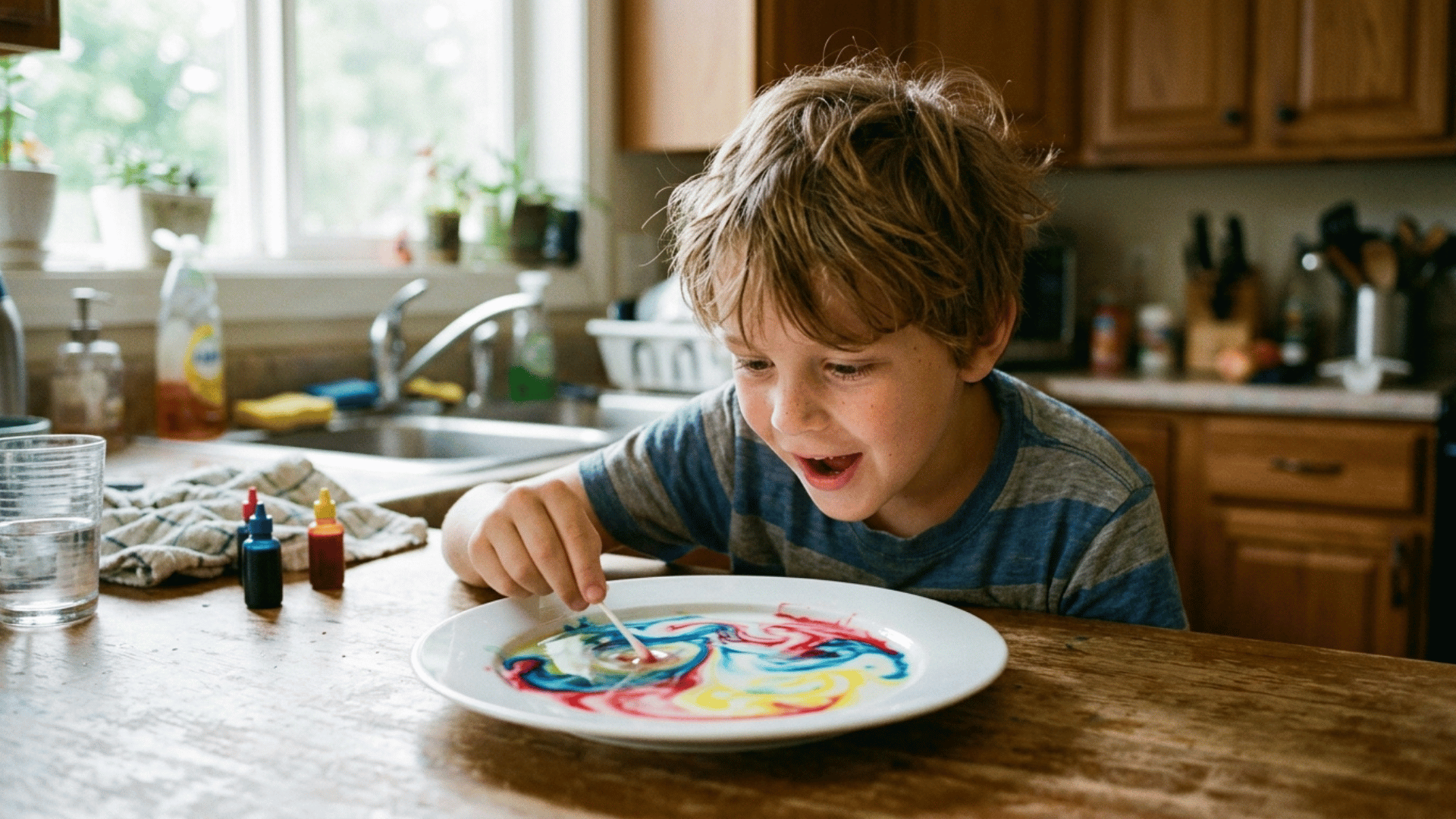
Kids learn how soap breaks the surface tension of milk, causing colors to move and swirl.
Materials Needed: Milk, food colors, dish soap, cotton bud
How to Make it:
- Pour milk into a shallow plate until the bottom is covered.
- Add a few drops of different food coloring to the milk.
- Dip a cotton bud in dish soap, then touch the center to watch the colors swirl.
- Try touching different spots to see new patterns form.
Time Needed: 5–10 minutes
2. Lemon Fizz Cup Reaction
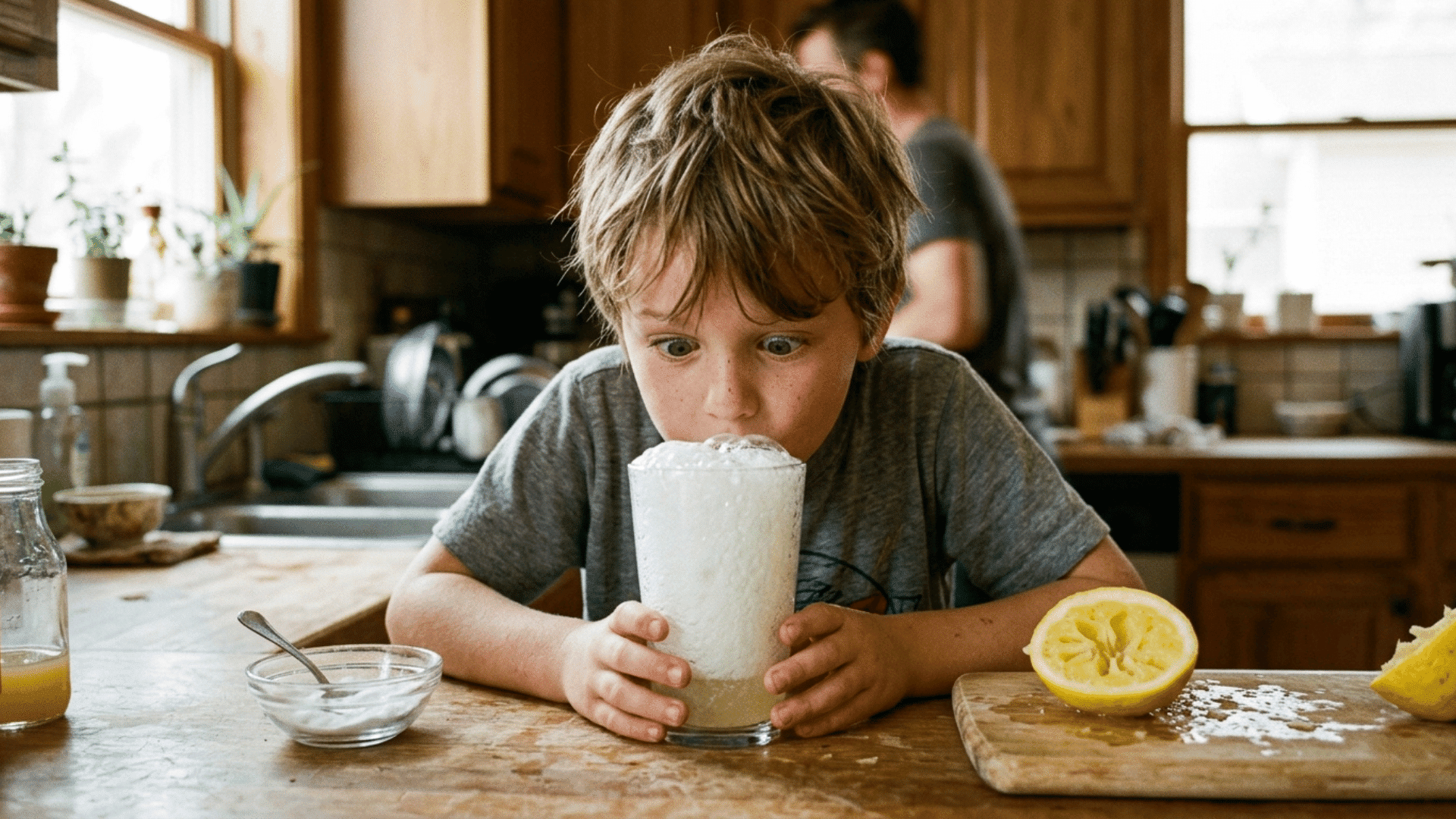
A fun kitchen reaction in which lemon juice and baking soda create instant bubbles. Kids see what an acid-base reaction looks like.
Materials Needed: Lemon, baking soda, a cup
How to Make it:
- Squeeze the juice from half a lemon into a clear cup so you get a good splash of liquid at the bottom.
- Add a small spoonful of baking soda to the cup, pouring it in slowly.
- Watch and listen as the mix bubbles up and crackles, which is the carbon dioxide gas escaping into the air.
Time Needed: 5 minutes
3. Baking Soda Balloon Puff
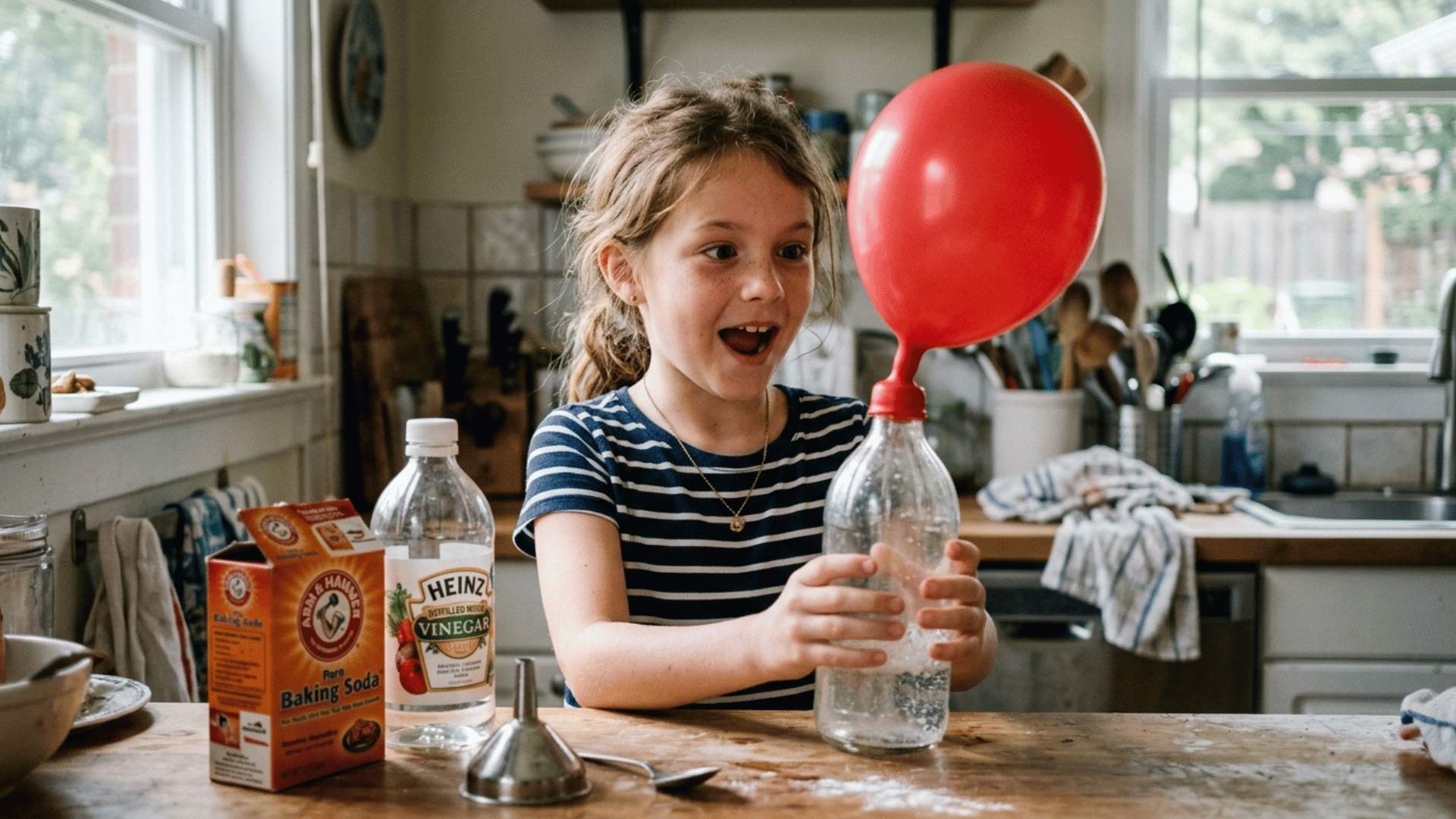
A balloon blows itself up with no air from your mouth. It shows how a gas takes up space. It feels like magic for kids, but it is real science.
Materials Needed: Vinegar, baking soda, balloon, bottle
How to Make it:
- Pour vinegar into an empty bottle until it’s about a third full.
- Fill a balloon about halfway with baking soda.
- Stretch the balloon over the bottle, lift it, and watch it puff up.
- Lift the balloon upright so the baking soda drops into the vinegar.
- Watch the balloon puff up on its own.
Time Needed: 10 minutes
4. Sugar Water Layer Magic
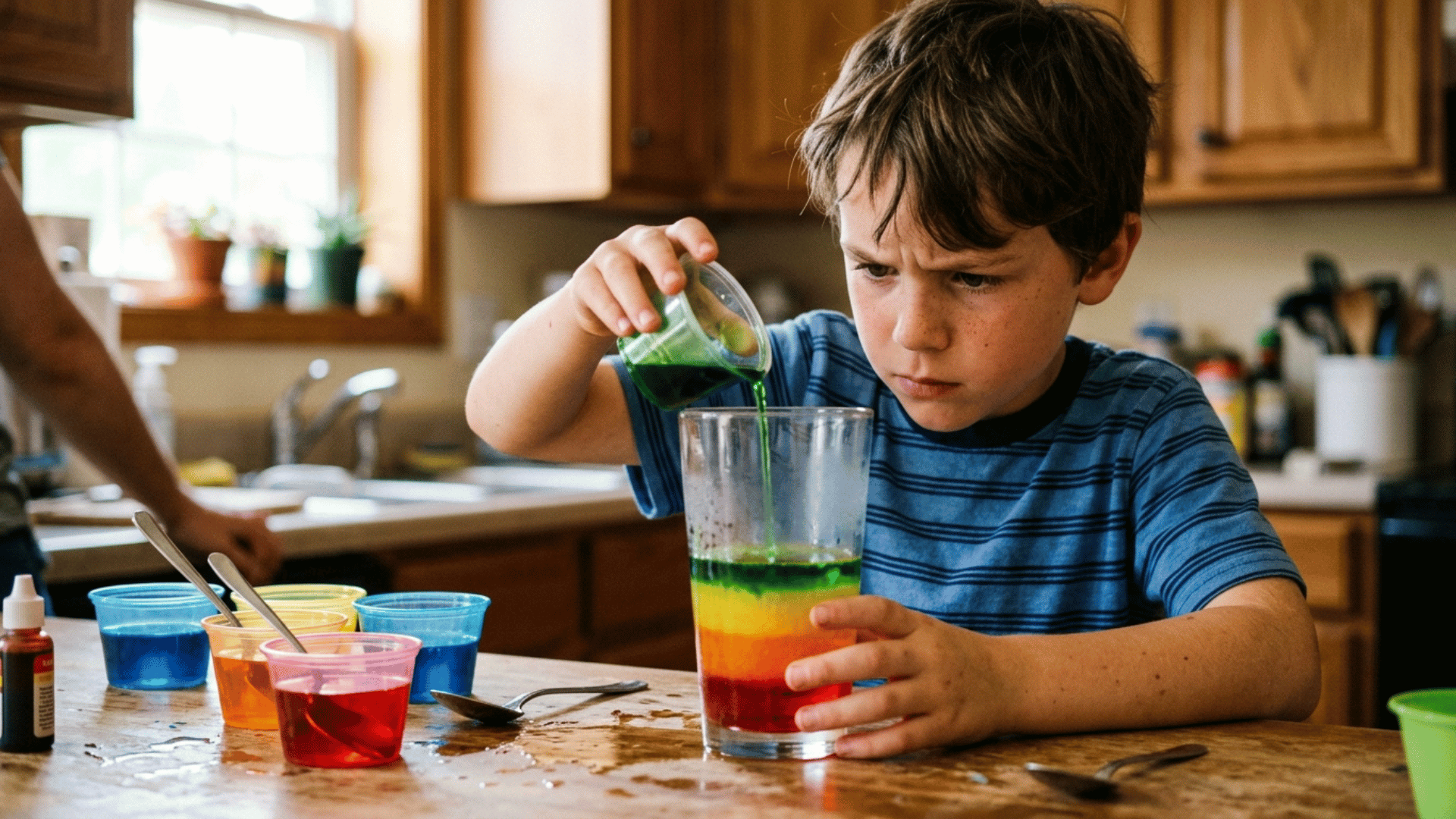
This experiment teaches how different sugar levels affect the density of water, causing it to form distinct layers instead of mixing.
Materials Needed: Sugar, water, food colors, glass
How to Make it:
- Stir a different amount of sugar into each cup of water.
- Add a different food color to each cup and stir.
- Slowly pour the cups into one glass, starting with the sweetest.
- Tilt the glass and pour gently so the layers don’t mix.
Time Needed: 10–15 minutes
5. Salt Crystal Growing Bowl
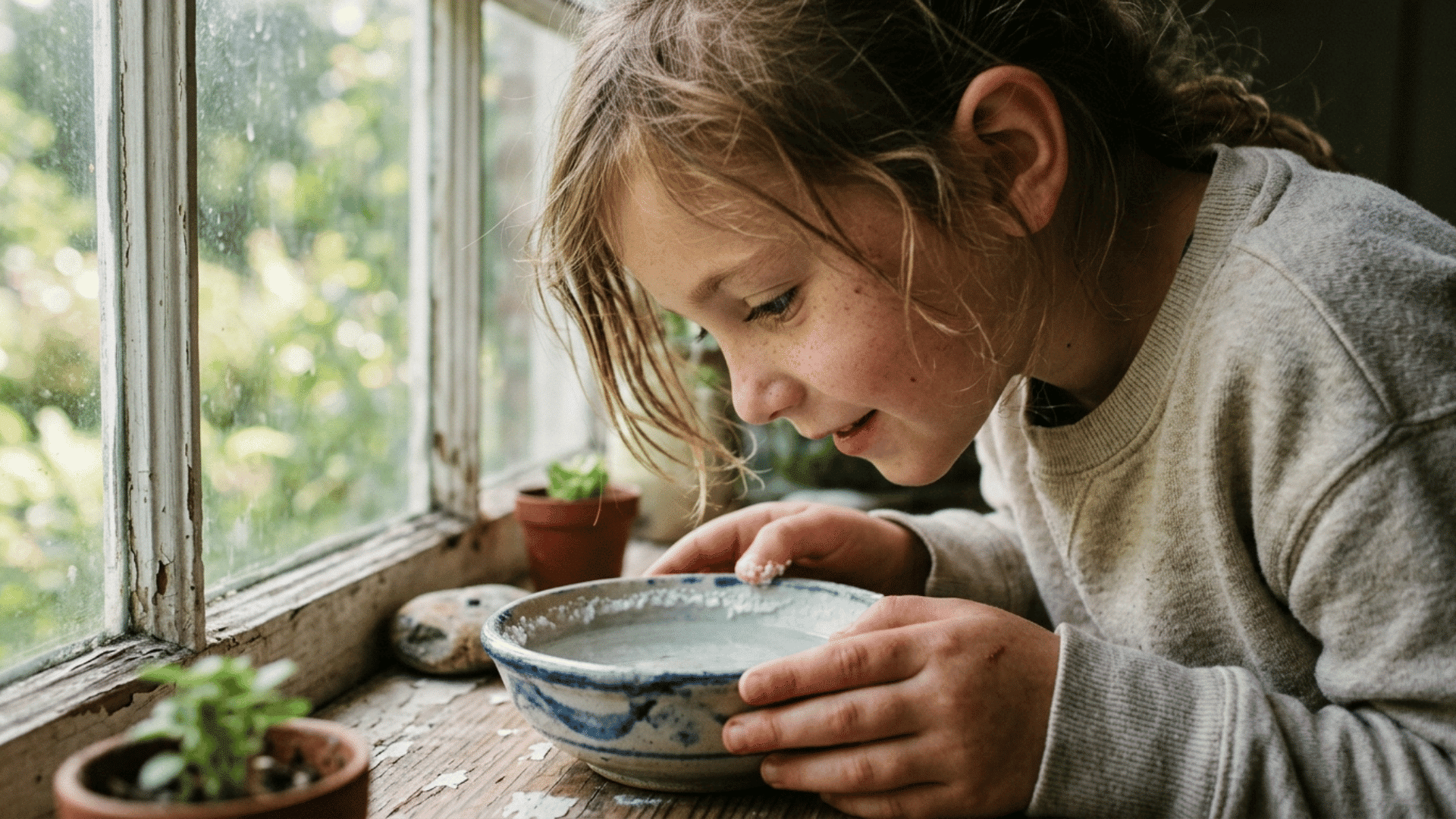
Leave salty water out overnight, and crystals form. It teaches kids what’s left behind when water evaporates.
Materials Needed: Salt, hot water, bowl
How to Make it:
- Stir salt into hot water until no more will dissolve.
- Pour the saltwater into a clean, shallow bowl.
- Leave it undisturbed overnight and check for crystals in the morning.
Time Needed: Overnight
6. Walking Water Rainbow
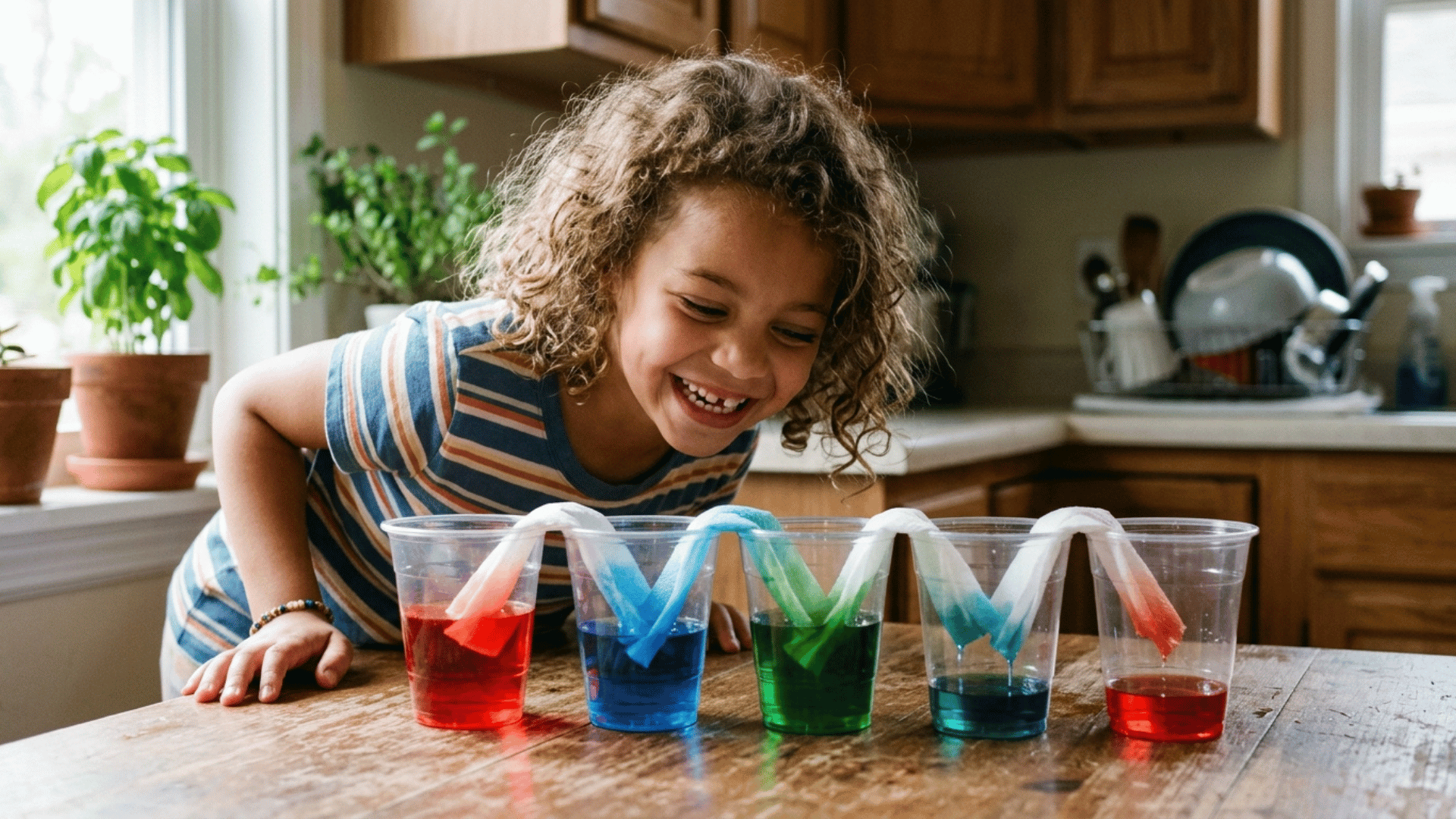
This experiment shows how water can slowly move from one cup to another on its own. As it travels, it carries color and slowly forms a rainbow effect. A clear example of capillary action.
Materials Needed: Water, food colors, paper towels, cups
How to Make it:
- Place colored water in separate cups
- Connect cups using folded paper towels
- Wait and observe the movement
Time Needed: 30–60 minutes
7. Paper Towel Color Climb
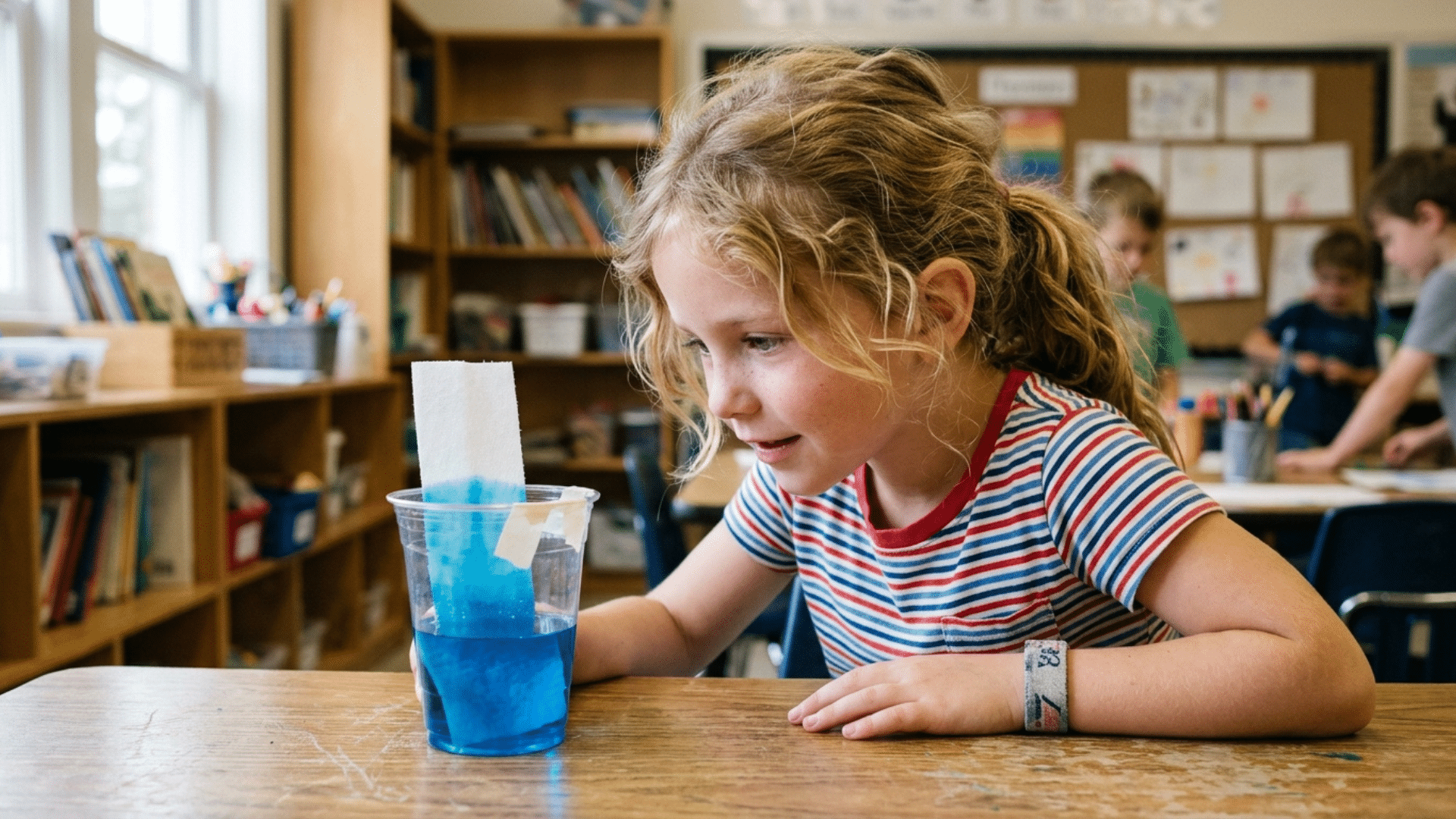
Kids can see colored water slowly climbing up paper towels without being poured. It looks like the water is moving upward on its own. It shows how liquid moves through tiny fibers.
Materials Needed: Paper towel, colored water
How to Make it:
- Mix up some brightly colored water in a cup.
- Dip just the bottom edge of a paper towel strip into the water.
- Leave it standing upright and watch the color creep upward.
Time Needed: 10–20 minutes
8. Dancing Raisins in Soda
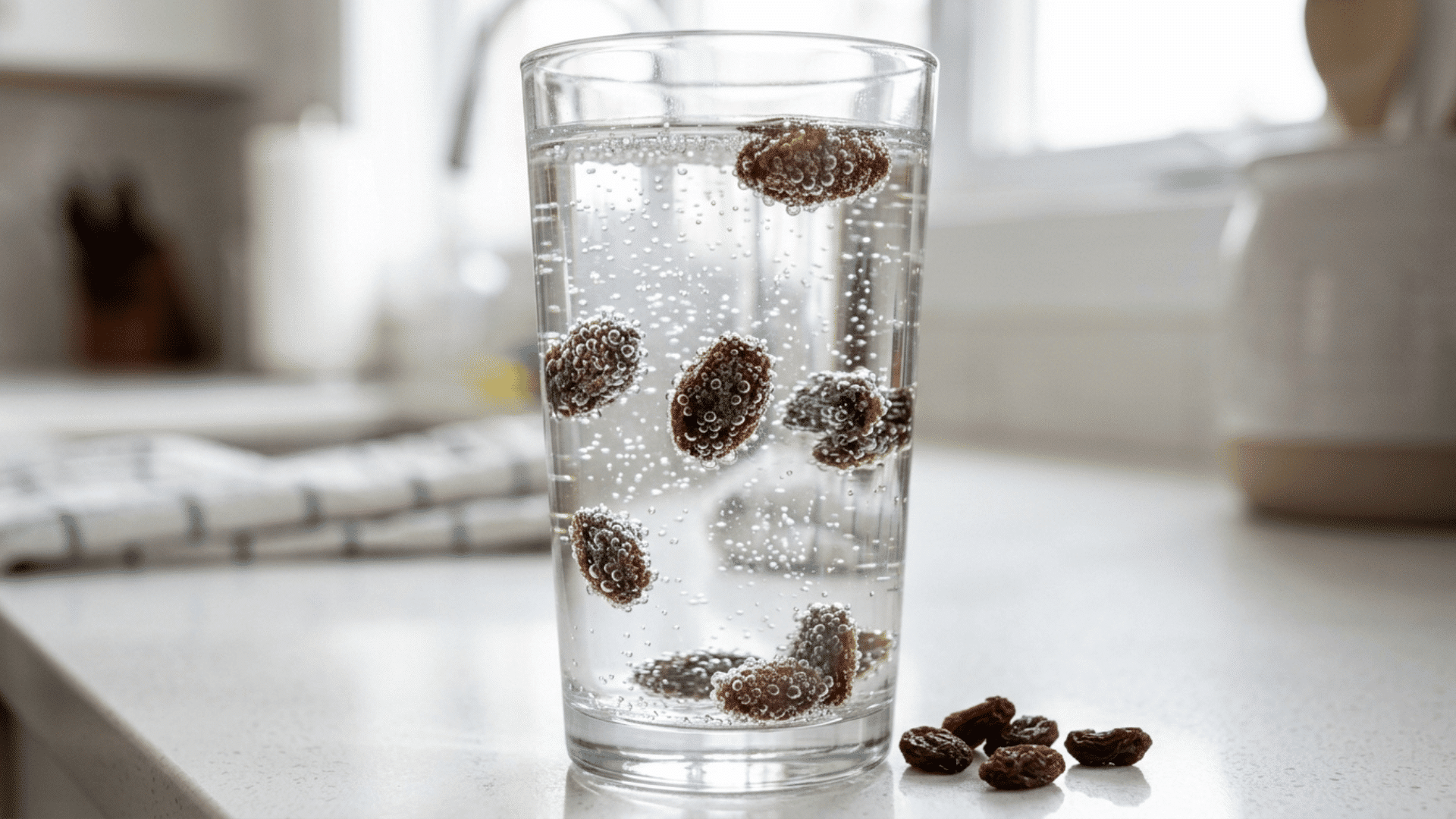
This experiment makes raisins bob up and down in a glass of fizzy soda like they’re dancing. The bubbles do all the work, and kids love watching the raisins ride them up and sink back down.
Materials Needed: Clear soda, raisins, a tall glass
How to Make it:
- Pour milk into a flat plate in a thin, even layer.
- Add a few drops of food coloring in different spots.
- Touch the colors with a soap-dipped cotton bud and watch them swirl.
- Add more soap to keep the patterns moving.
Time Needed: 10 minutes
9. Color Mixing Spinner Plate
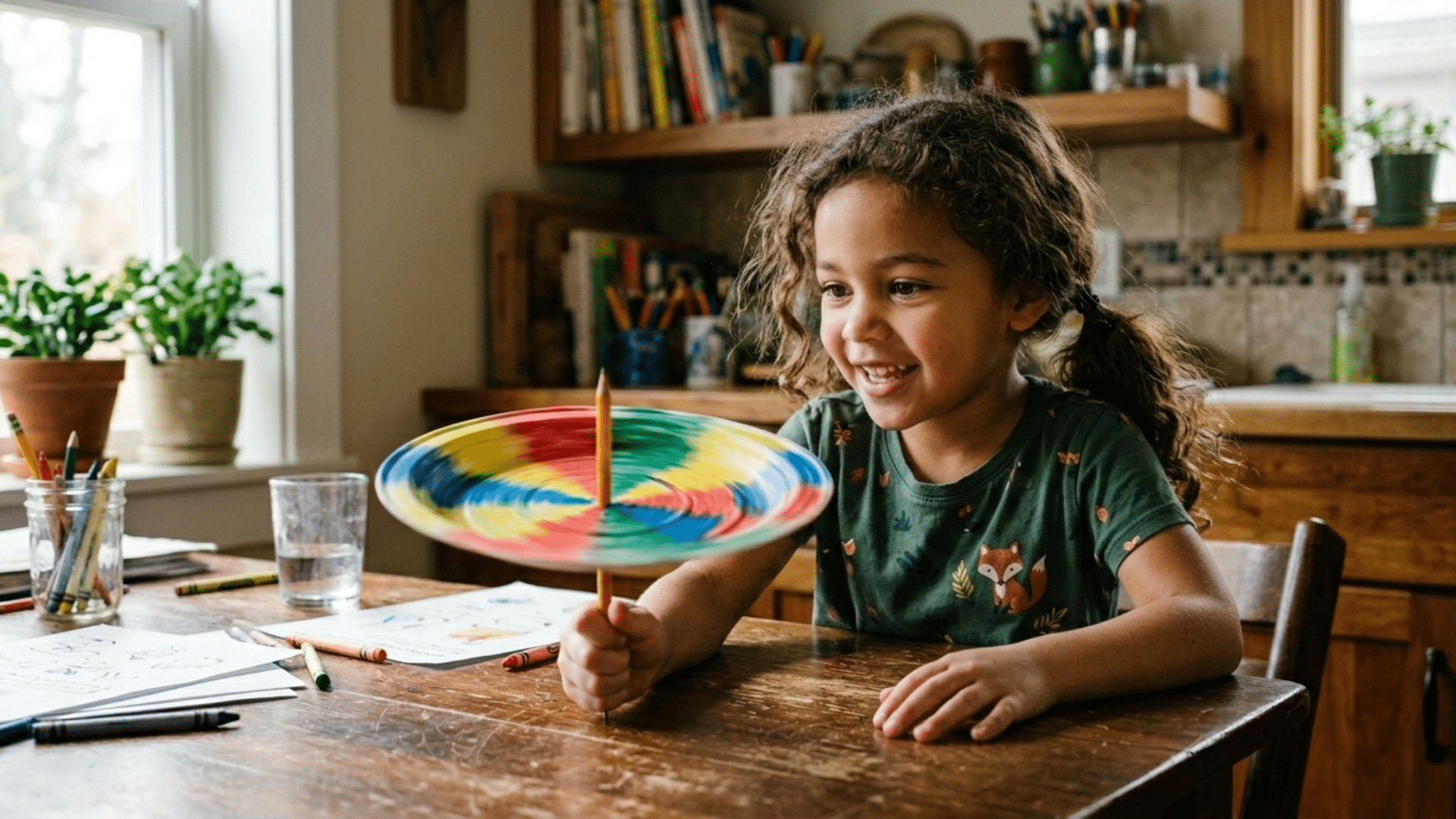
When a colored plate is spun quickly, the colors blend and form new shades. It shows how fast motion mixes color.
Little ones who love art will especially enjoy this one; it’s a natural bridge to creative chalk-art activities they can take outdoors.
Materials Needed: Paper plate, colors, pencil
How to Make it:
- Color sections of a paper plate with different bright shades.
- Poke a sharpened pencil through the center like a spinning top.
- Spin it fast and watch the colors blur into new shades.
Time Needed: 10 minutes
10. Melting Ice Color Drops
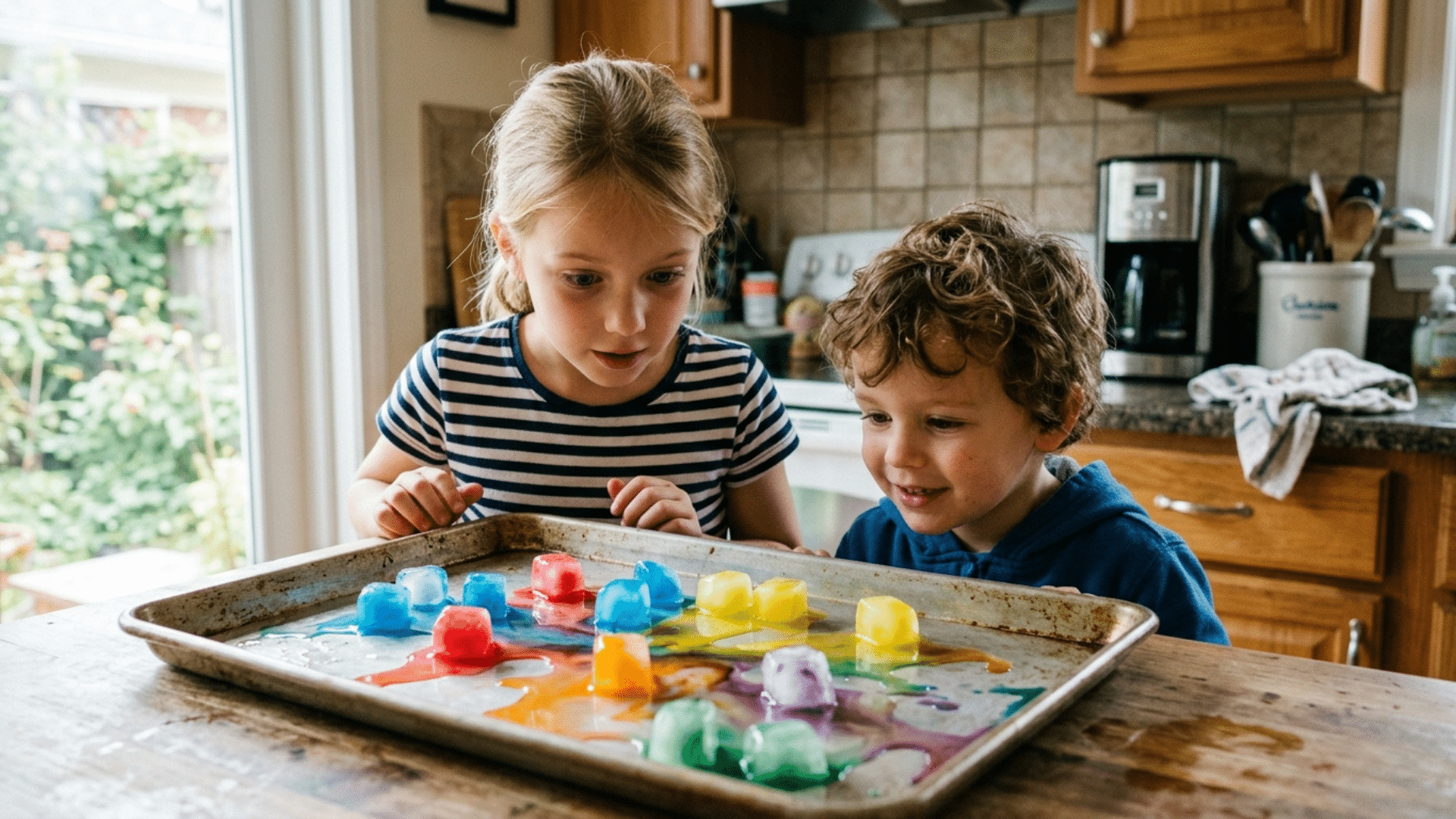
This experiment shows how ice slowly melts and releases color into water. Kids can clearly see the change from solid to liquid.
Materials Needed: Water, food colors, tray
How to Make it:
- Freeze colored water in an ice cube tray overnight.
- Place the frozen cubes onto a flat tray.
- Watch the cubes melt and spread color across the tray.
- Tilt the tray to see the colors flow into each other.
Time Needed: 10–15 minutes
11. Sink or Float Bowl Game
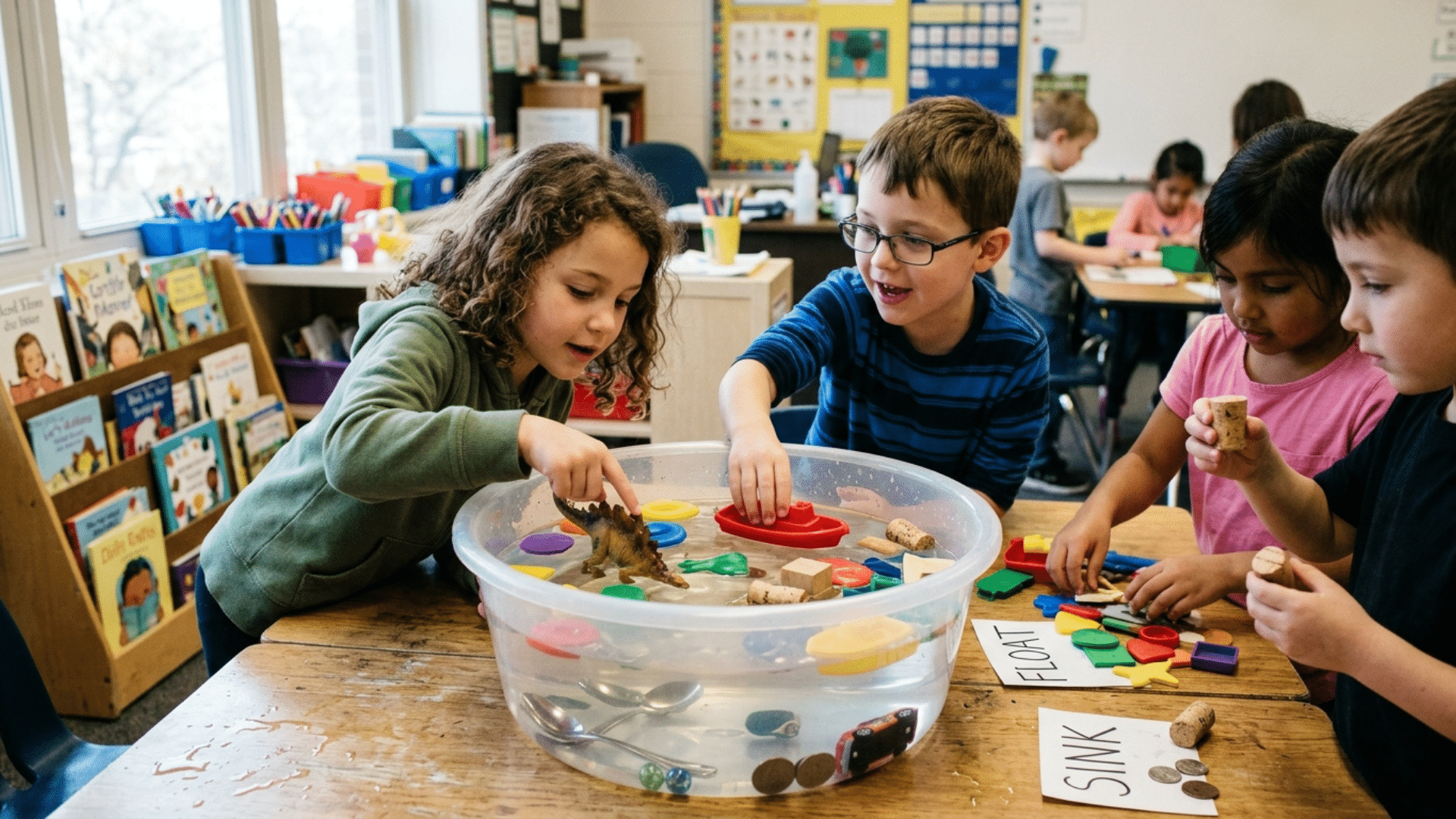
A simple guessing game where kids drop objects into water to see what floats and what sinks. It teaches the basics of buoyancy.
Materials Needed: Bowl, water, small objects
How to Make it:
- Fill a big bowl with water and gather small, safe objects.
- Guess out loud whether each item will sink or float.
- Drop them in one at a time and sort them into two piles.
Time Needed: 10 minutes
12. Sponge Water Race Challenge
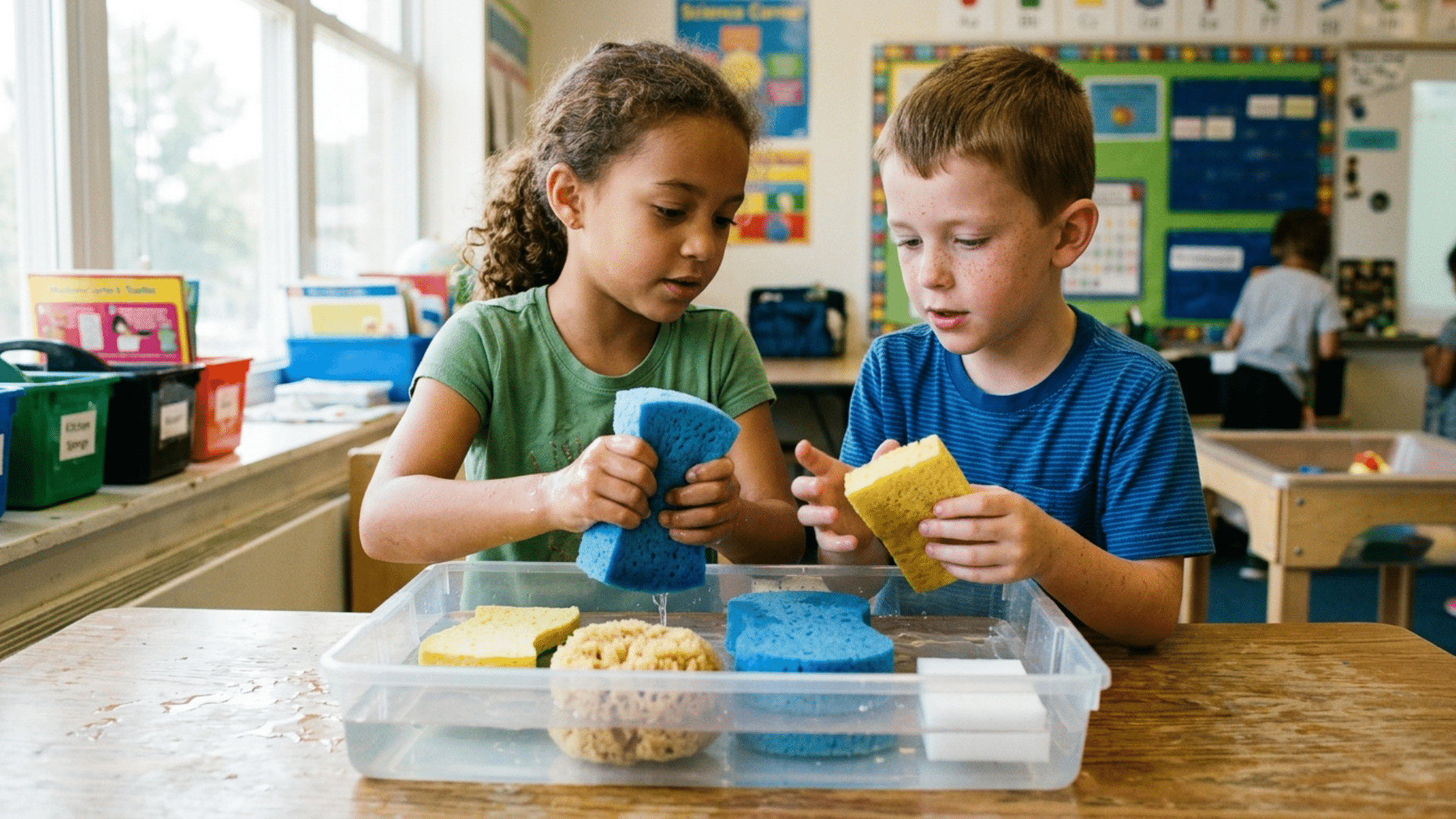
Kids can race different sponges to see which one absorbs water faster. It’s a simple way to compare materials.
Materials Needed: Sponges, water
How to Make it:
- Gather a few different sponges to compare.
- Place them all into a tray of water at the same time.
- Watch which one soaks up water fastest, then squeeze and compare.
- Squeeze each one out and compare how much it held.
Time Needed: 10 minutes
13. Floating Paper Clip Trick
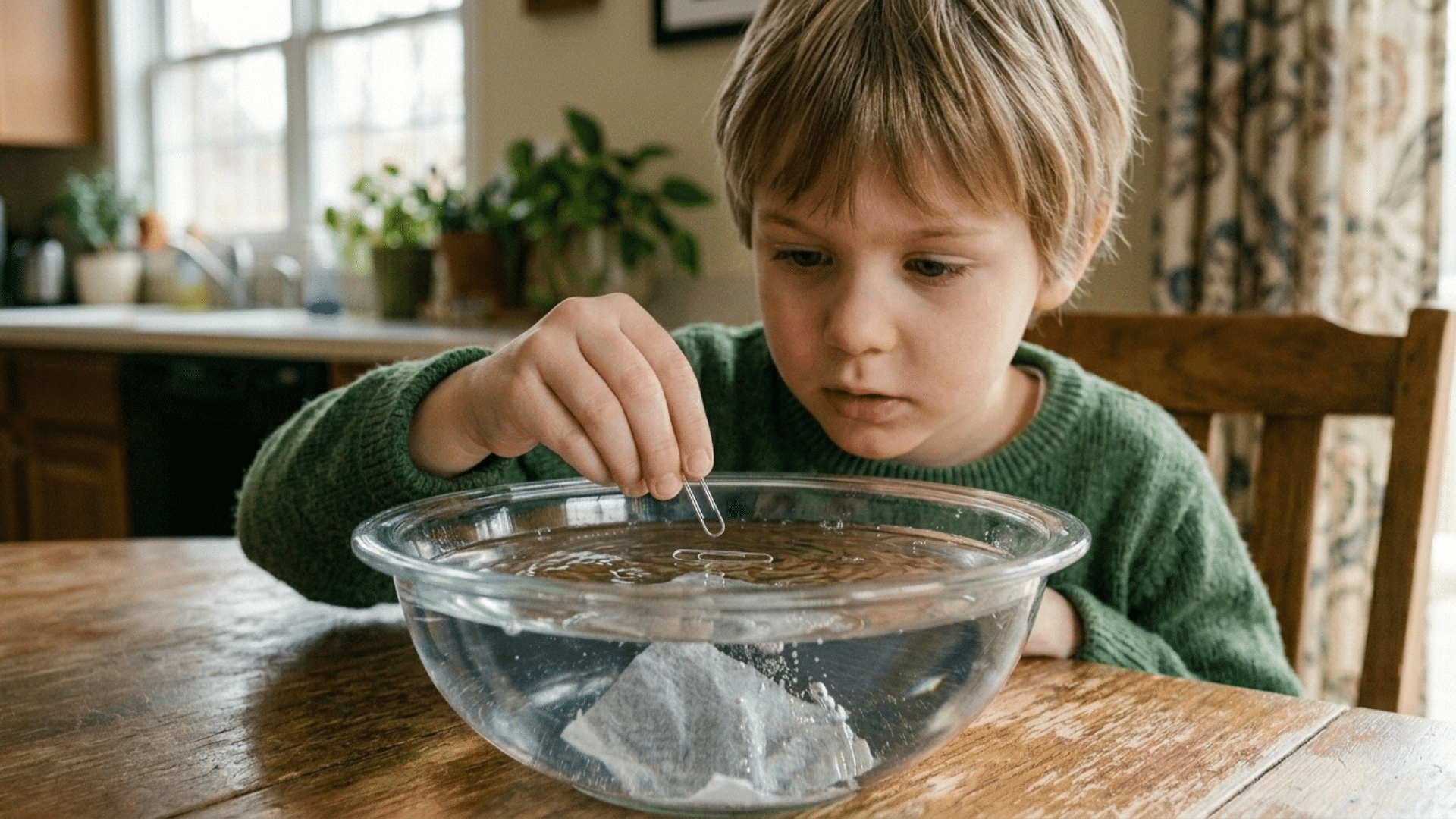
A paper clip can float on water if placed carefully. It teaches how the water surface can support light objects.
Materials Needed: Paper clip, bowl, tissue, water
How to Make it:
- Fill a bowl with water and let it sit still.
- Rest a paper clip on a small piece of tissue floating on top.
- Poke the tissue until it sinks, leaving the clip floating.
Time Needed: 5–10 minutes
14. Mini Rain Cloud in a Glass
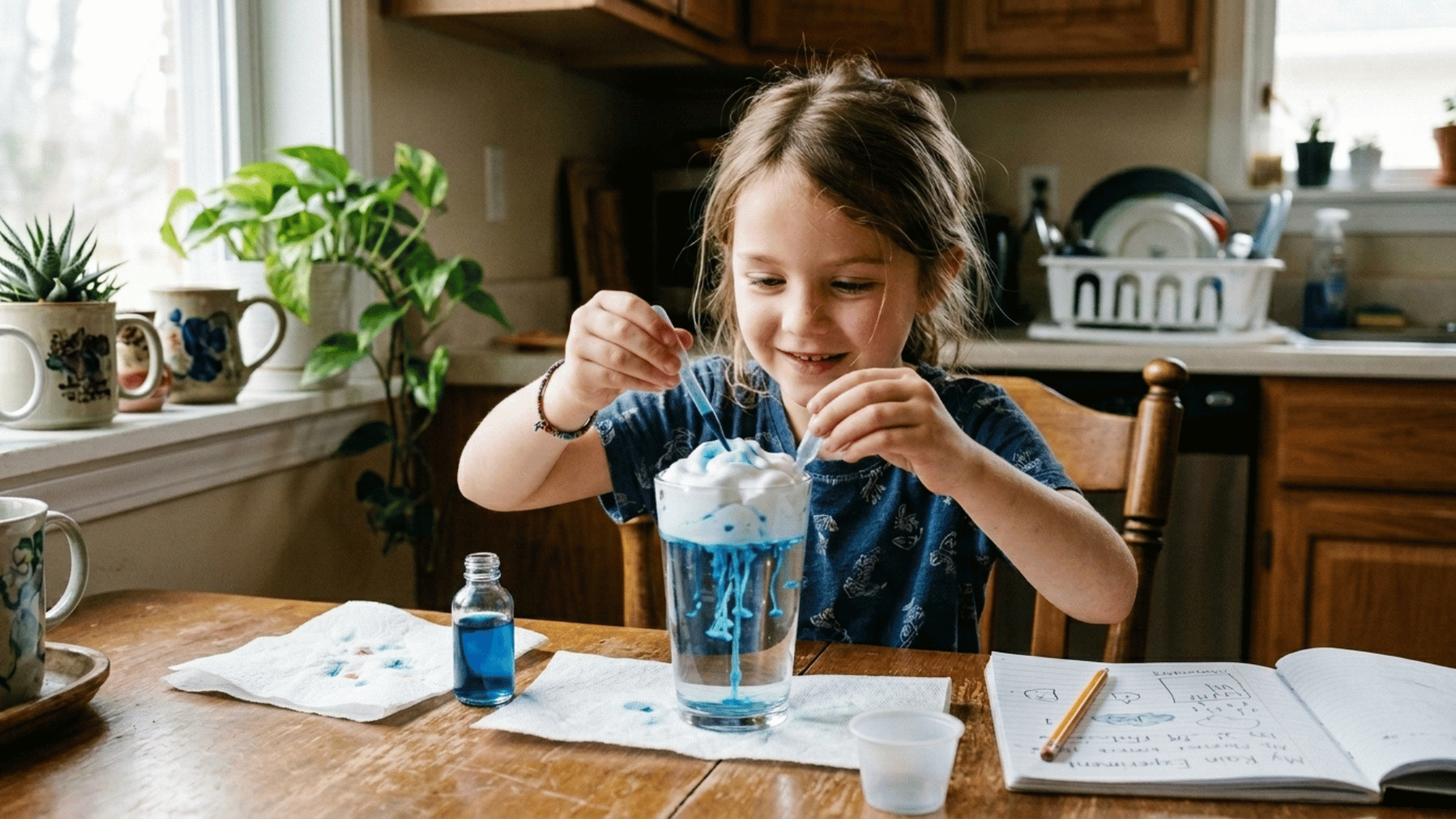
This experiment shows how clouds release rain using shaving cream and colored water. It makes a simple weather model that shows how rain falls.
Materials Needed: Glass, water, shaving cream, food coloring
How to Make it:
- Fill a clear glass most of the way with plain water.
- Spray a fluffy layer of shaving cream on top like a cloud.
- Slowly drip colored water onto the foam, drop by drop.
- Watch it build up and finally “rain” down through the foam.
Time Needed: 10 minutes
15. Balloon Rocket String Ride
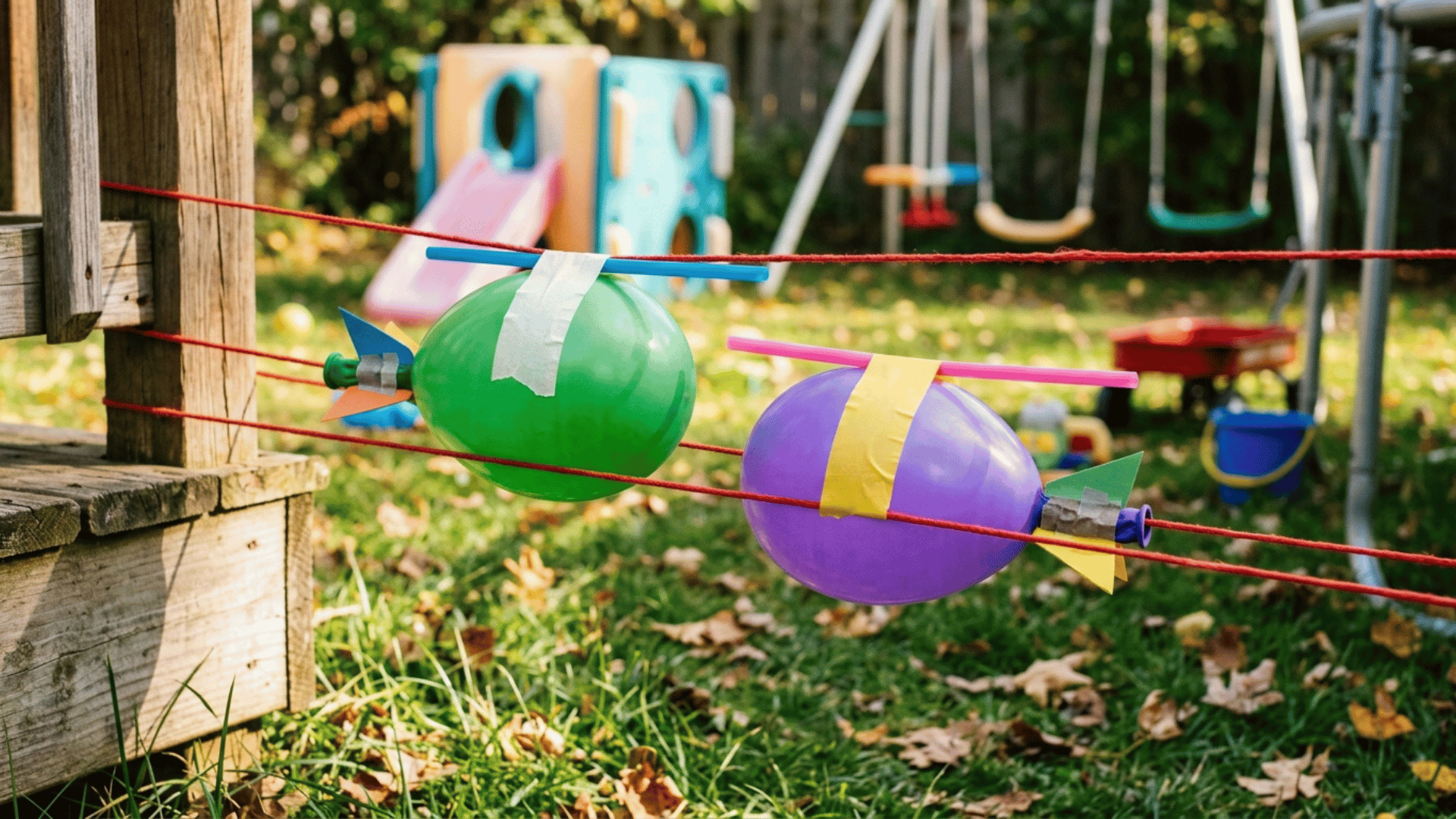
A balloon moves fast along a string when air is released. It shows how escaping air creates motion.
Materials Needed: Balloon, string, straw, tape
How to Make it:
- Thread the string through a straw and tie both ends to steady spots.
- Blow up a balloon, pinch it shut, and tape it to the straw.
- Let go and watch the balloon shoot along the string.
Time Needed: 10 minutes
16. Straw Air Push Race
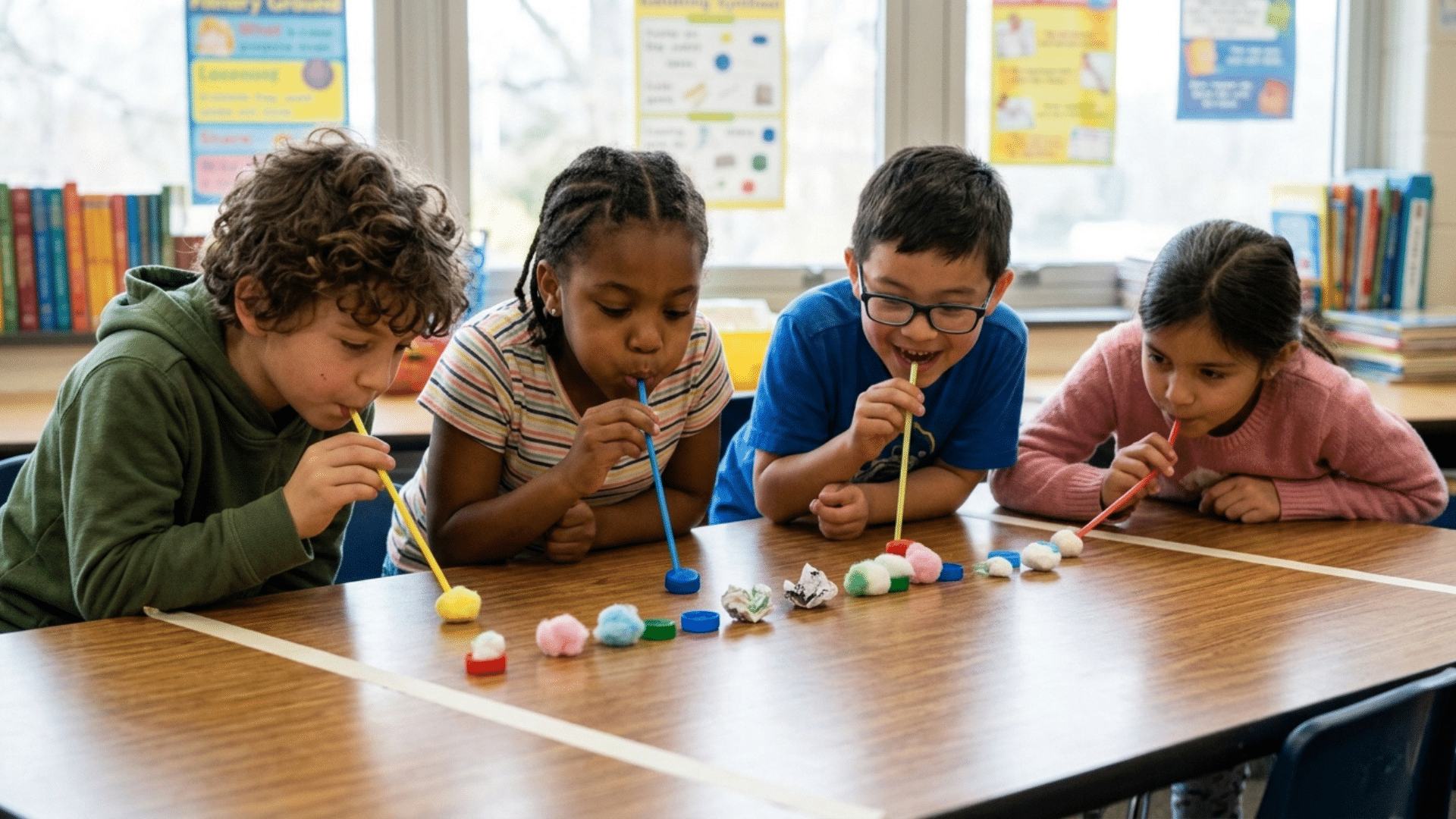
Kids use air from a straw to push objects across a surface. It’s a fun race that shows kids how air can move things.
Materials Needed: Straw, small objects
How to Make it:
- Set a few light objects on a smooth table.
- Blow short puffs of air through a straw to push one across.
- Race two objects side by side to see which moves faster.
- Try heavier objects to see how hard they are to move.
Time Needed: 5–10 minutes
17. Card and Cup Drop Challenge
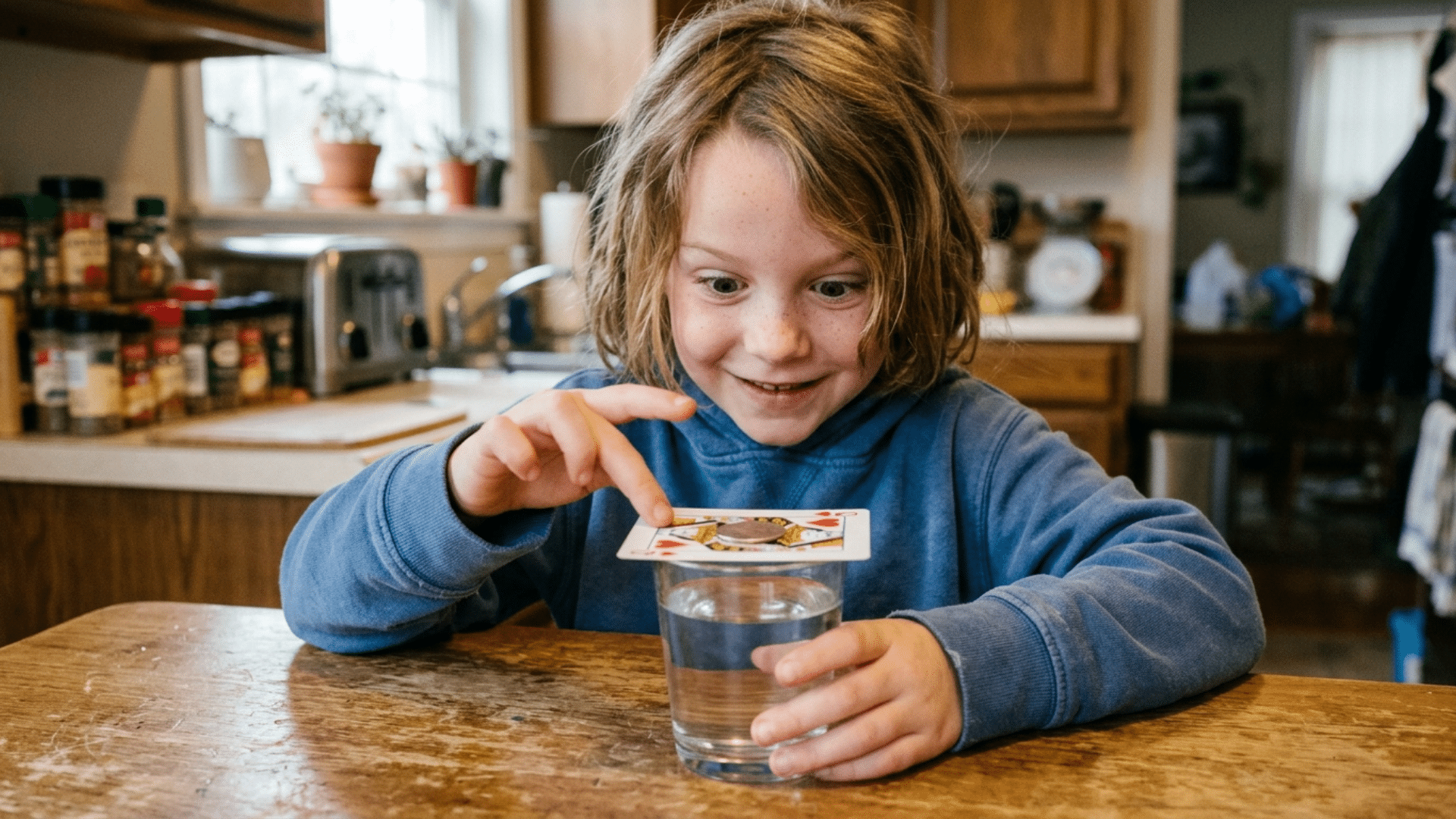
This quick trick shows how objects remain still for a moment when support is suddenly removed. It surprises kids every time. A quick way to see inertia.
Materials Needed: Card, cup, small object
How to Make it:
- Set a flat card over the top of a cup like a lid.
- Place a coin in the middle of the card, above the cup.
- Flick the card fast and watch the coin drop into the cup.
Time Needed: 5 minutes
18. Vinegar Egg Shell Bubbles
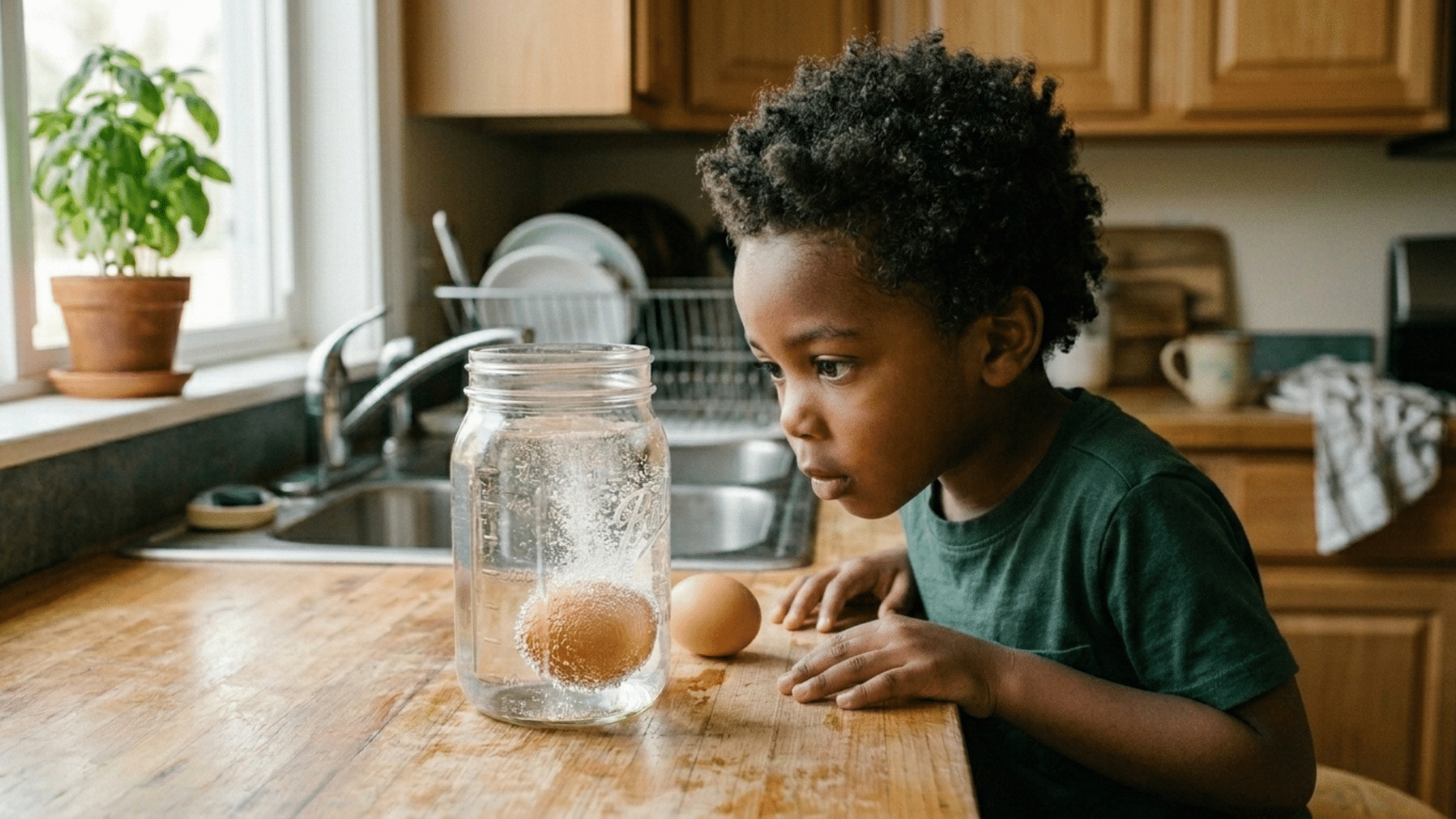
An egg placed in vinegar slowly reacts, producing bubbles as its shell begins to dissolve. It shows a chemical reaction in slow motion.
Materials Needed: Egg, vinegar, jar
How to Make it:
- Gently place a raw egg into a clear jar.
- Pour in enough vinegar to completely cover the egg.
- Leave it for one to two days, then check the soft, shell-free egg.
Time Needed: 1–2 days
19. Color Changing Cabbage Water
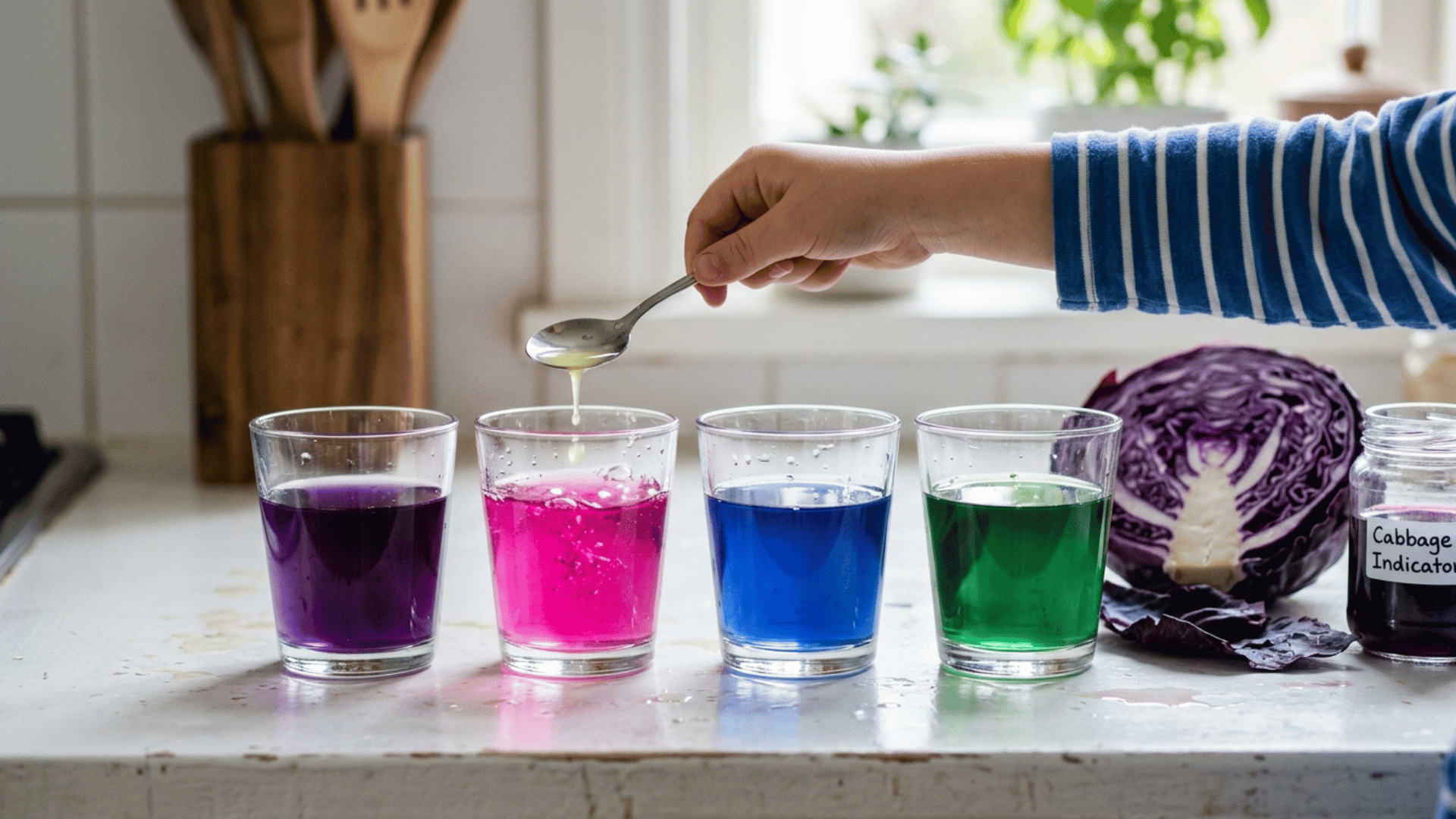
Red cabbage water changes color when mixed with different liquids. It shows how substances can react in different ways, and how a pH indicator works.
Materials Needed: Red cabbage, water, cups
How to Make it:
- Ask an adult to boil red cabbage in water, then let it cool.
- Pour the purple cabbage water into a few clear cups.
- Add a different liquid to each, like lemon juice or baking soda water.
- Watch each cup change to pink, blue, or green.
Time Needed: 15 minutes
20. Soap Pepper Escape Trick
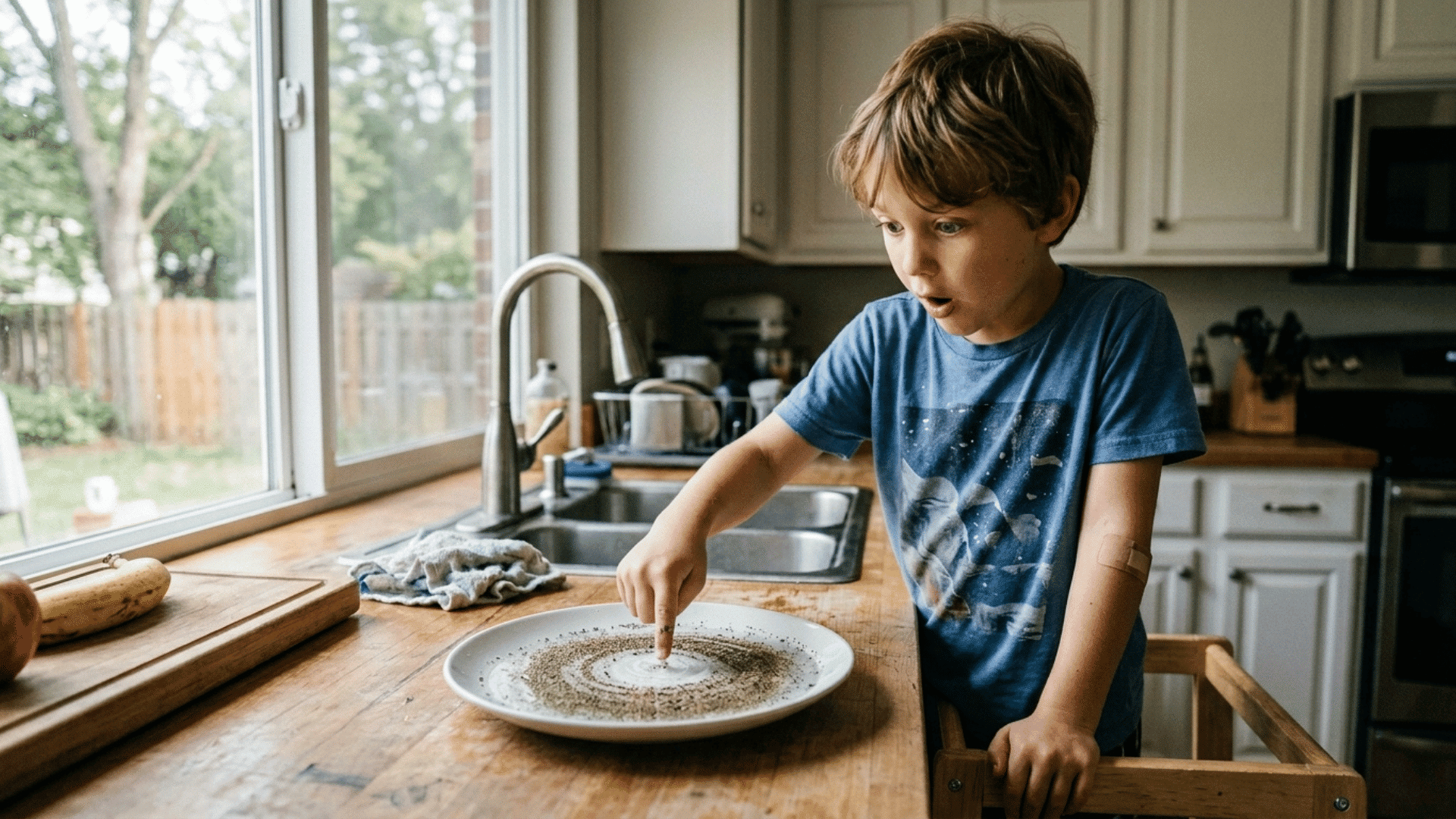
Pepper moves quickly away when the soap touches the water’s surface. It’s a simple reaction that looks almost magical. Another fun look at surface tension.
Materials Needed: Water, pepper, soap
How to Make it:
- Fill a plate with a shallow layer of clean water.
- Sprinkle pepper evenly across the top.
- Touch a soapy finger to the center and watch the pepper rush out.
Time Needed: 5 minutes
21. Baking Soda Mini Eruption
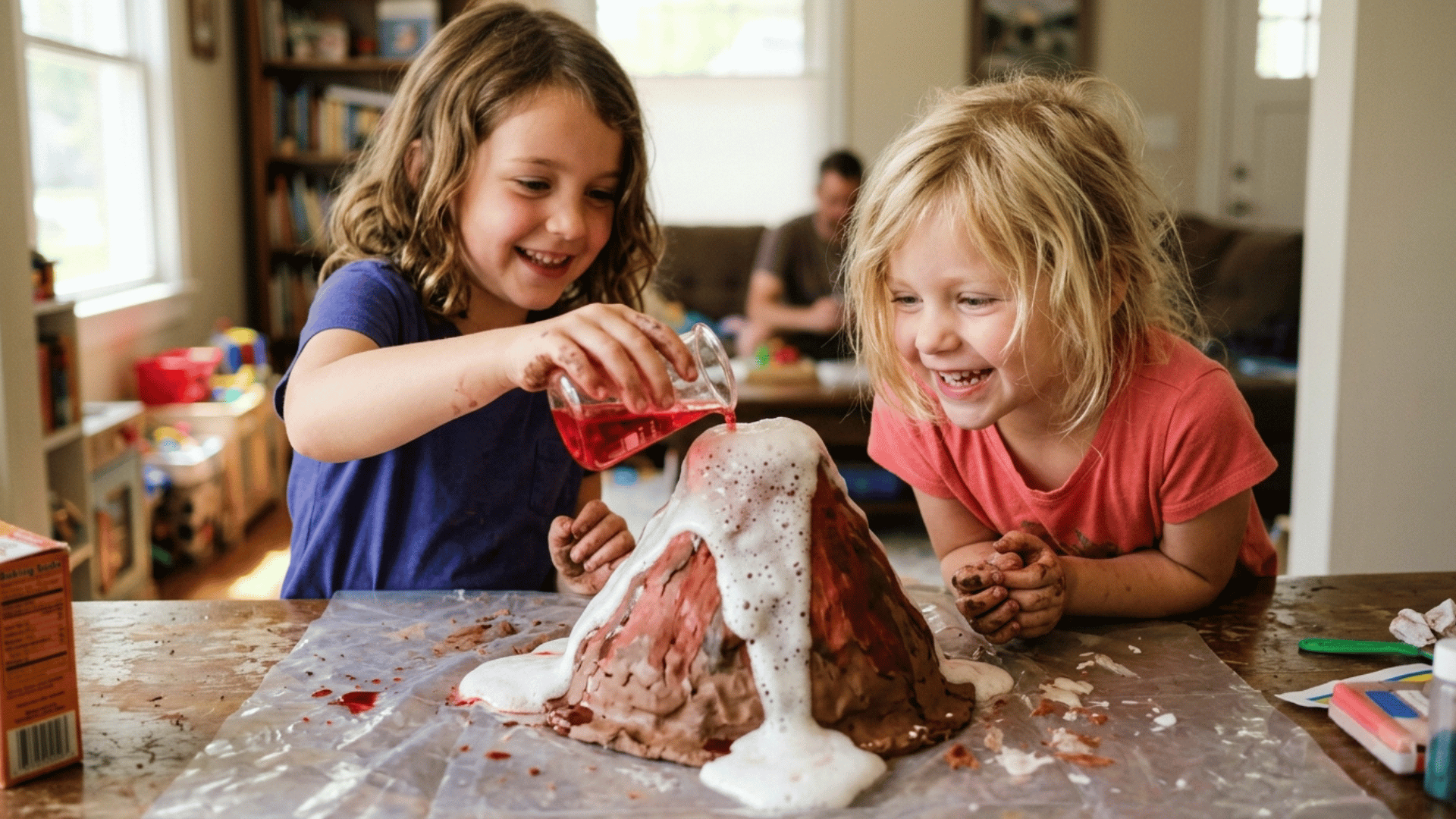
This experiment produces a small foam eruption that resembles a volcano. Kids enjoy the bubbling reaction every time. A classic acid-base reaction.
Materials Needed: Baking soda, vinegar, a cup
How to Make it:
- Add a couple of spoonfuls of baking soda to a cup on a tray.
- Mix in a drop of food coloring and dish soap for extra foam.
- Pour in vinegar slowly and watch it erupt over the top.
- Add more vinegar for a second round of bubbles.
Time Needed: 5 minutes
22. Leaf Sun Print Art
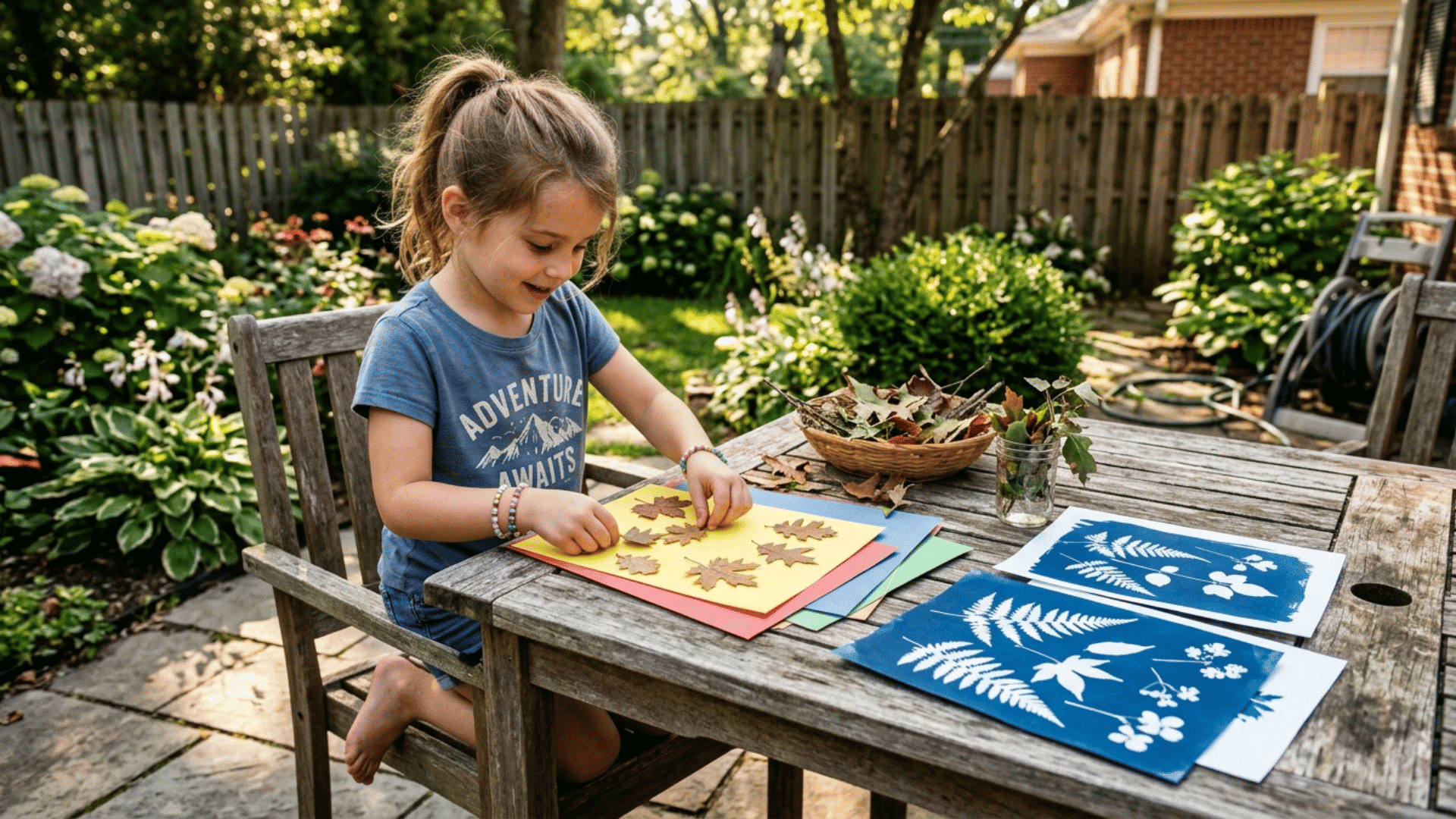
Leaves placed in sunlight slowly leave behind faded patterns on paper. It shows how sunlight can change surfaces over time.
Materials Needed: Leaves, paper, sunlight
How to Make it:
- Lay colored construction paper in a sunny spot.
- Arrange a few leaves on top in a fun pattern.
- Leave it in the sun for hours, then lift the leaves to see the prints.
Time Needed: A few hours
23. Seed Sprout Bag Experiment
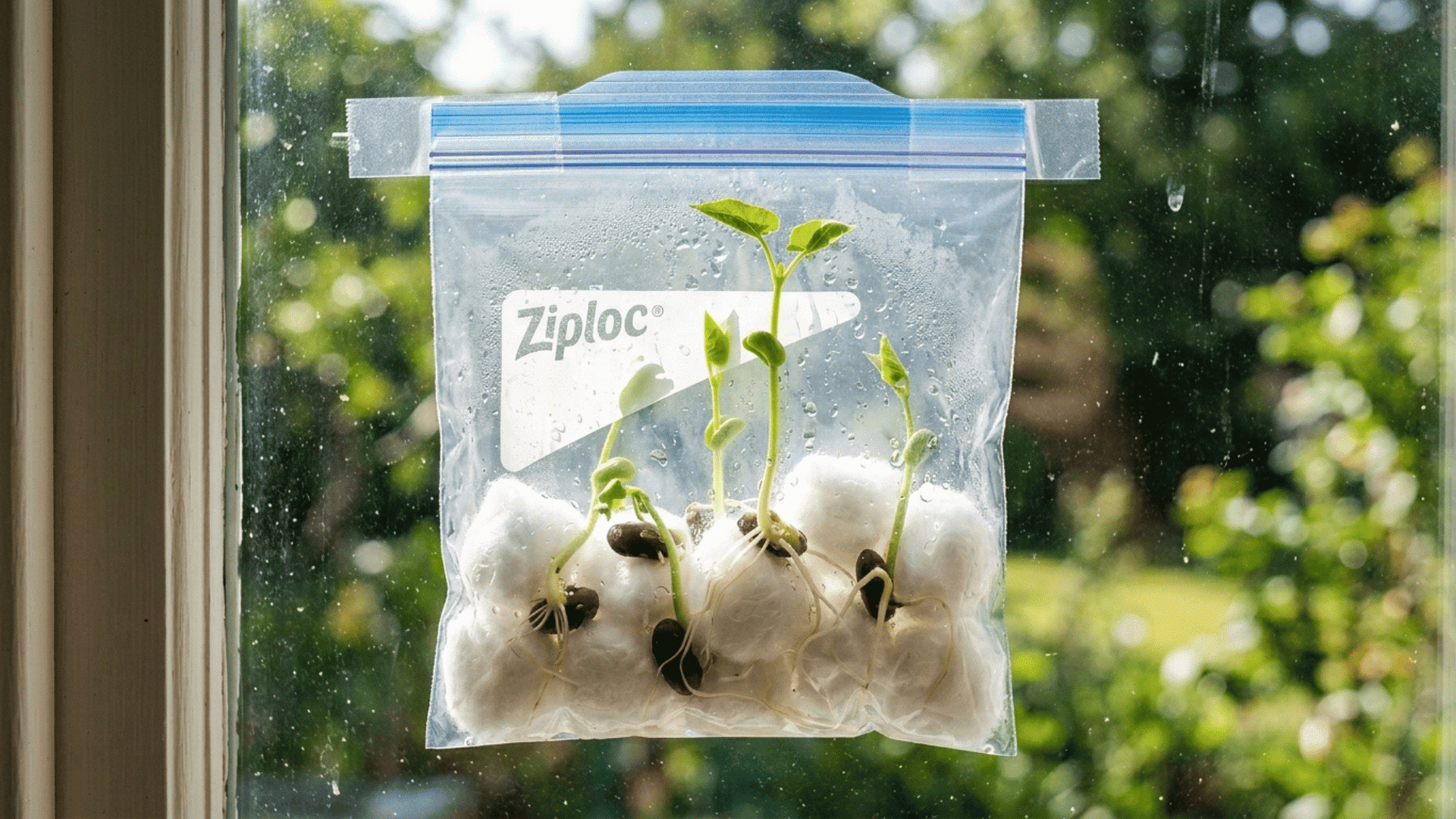
This experiment shows how seeds begin to grow inside a simple plastic bag. Kids can closely watch the start of plant life.
Materials Needed: Seeds, cotton, plastic bag
How to Make it:
- Tuck a couple of seeds into damp cotton balls.
- Slide the cotton and seeds into a sealed, clear plastic bag.
- Tape it to a sunny window and check it each day for sprouts.
- Check it each day and watch for roots and green sprouts.
Time Needed: 3–7 days
24. Shadow Shape Play Time
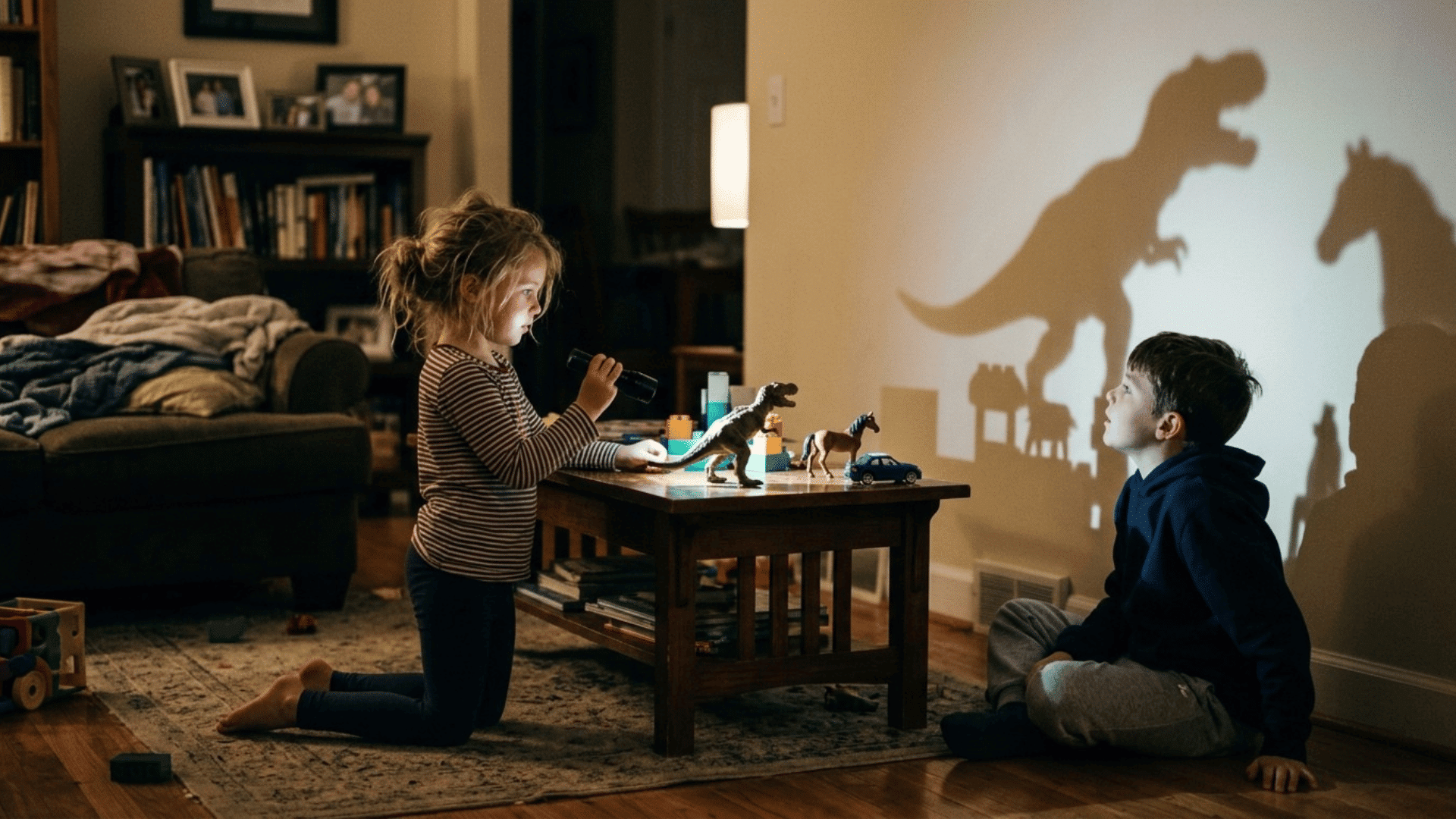
Kids can see how shadows change depending on the direction of the light. It helps them notice how light behaves in different ways.
Materials Needed: Torch, objects
How to Make it:
- Set a small object on a table in a dim room.
- Shine a flashlight at it and look at the shadow behind it.
- Move the light around and watch the shadow grow and shrink.
Time Needed: 10 minutes
25. Magnet Treasure Hunt Tray
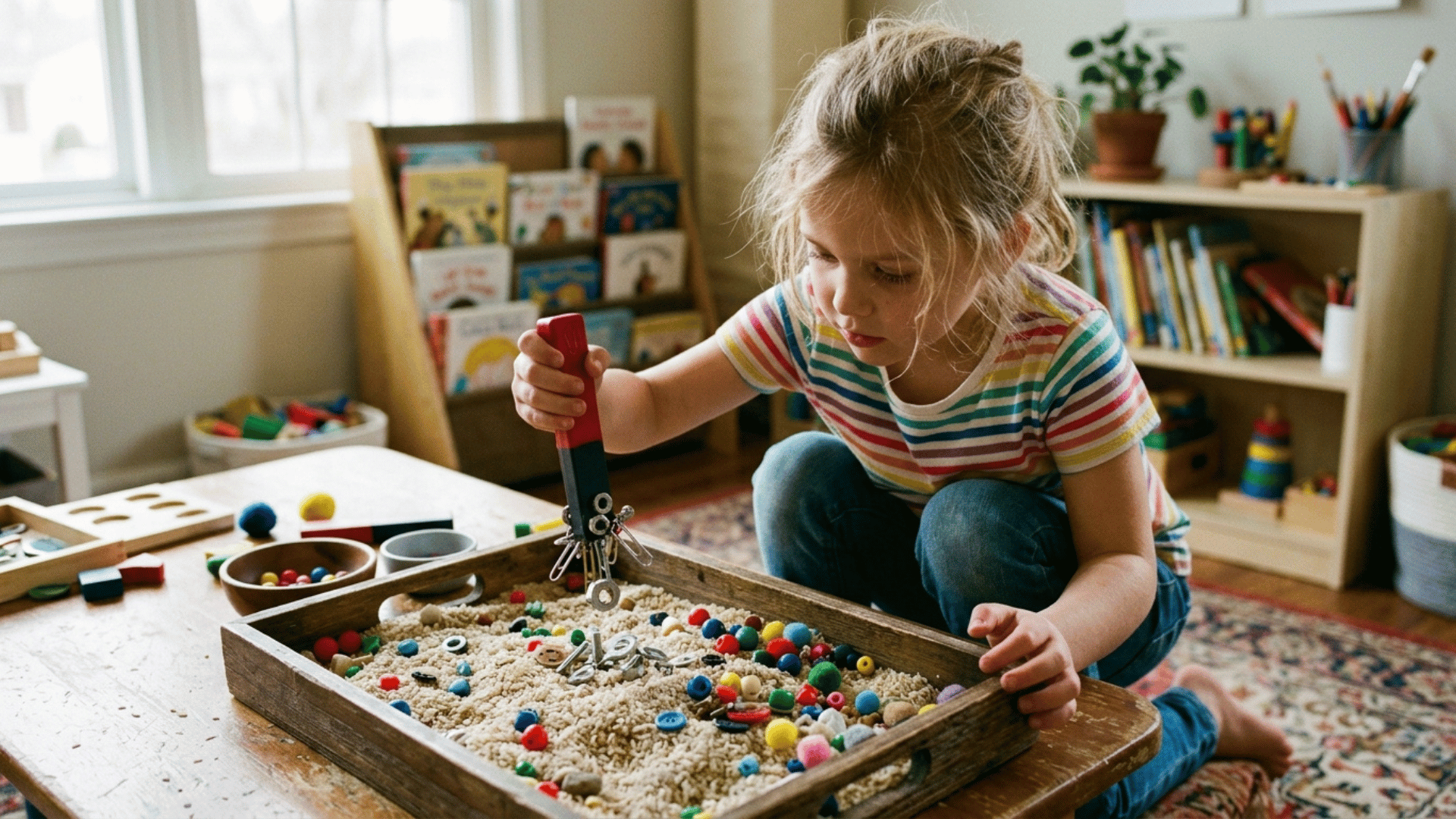
A fun treasure hunt where magnets help find hidden metal objects in sand or rice. Kids enjoy searching and collecting surprises. A hands-on intro to magnetism.
Materials Needed: Magnet, sand/rice, metal items
How to Make it:
- Hide small metal items in a tray of sand or dry rice.
- Mix in a few non-metal items too, like beads or buttons.
- Sweep a magnet over the tray to find and collect the metal treasures.
Time Needed: 10–15 minutes
Simple Tips for Safe and Fun Experiments
A few small habits can make these quick science experiments for kids extra safe, easier, and more enjoyable while keeping the fun alive.
- Always have an adult nearby when kids are doing experiments, especially with water, heat, or vinegar-based reactions.
- Keep all materials simple and safe, using only things commonly found at home.
- Do experiments on a clean surface to avoid spills and make cleanup easier later.
- Encourage kids to observe first before rushing to mix or touch anything.
- Use old clothes or an apron so kids don’t worry about getting messy.
- Explain each step simply so kids understand what they are doing.
- Let kids ask questions and guess what might happen before starting.
- Clean up together after each activity so it becomes part of the fun, too.
Wrapping it Up
Kids’ science experiments at home don’t have to be complicated to be memorable.
A little baking soda, some food coloring, or a handful of supplies from the kitchen, that’s really all it takes to spark something in a child’s mind.
Try one today, then ask your kid what they noticed and what they think made it work. That simple question is where real learning starts.
So pick one experiment from this list, clear some space on the table, and let your kid lead the way. You might be surprised at how much fun you have right alongside them.