



My youngest nephew once sat at the kitchen table with a brand-new box of markers, stared at a blank sheet of paper for a full five minutes, and then quietly slid off his chair to find his tablet.
I’ve watched that happen more times than I can count, and it’s not a creativity problem. Kids have plenty of ideas. They just freeze when there’s no starting point.
In this blog, I’m sharing some easy drawing prompts for kids, sorted into six fun categories, plus tips and ideas to make drawing a regular habit at home or in your classroom.
A pencil, some paper, and one good idea – that’s really all it takes to get started.
What are Drawing Prompts and Why Do Kids Need Them?
If your child has ever said, “I don’t know what to draw,” you already know why drawing prompts matter.
A drawing prompt is simply a short idea – a word, a sentence, or a quick scenario – that gives kids a creative starting point. It removes the blank-page freeze.
They also build more than creativity. Regular drawing strengthens fine motor skills, improves pencil control, and builds focus all skills kids carry into reading and writing.
A child who draws often is quietly practicing the same hand movements they’ll use for handwriting, without it feeling like practice at all.
In my Early Childhood Education studies, I learned that kids thrive with structured freedom: a frame to work inside, with room to make it their own. Drawing prompts do exactly that.
Drawing Prompts for Kids Organized by Category
I’ve grouped these into six categories so you can pick what suits your child’s mood, age, or current obsession.
Each one works as a standalone activity – but you can also pull a few from different categories and make a little art “menu” for your child to choose from.
Animals and Nature
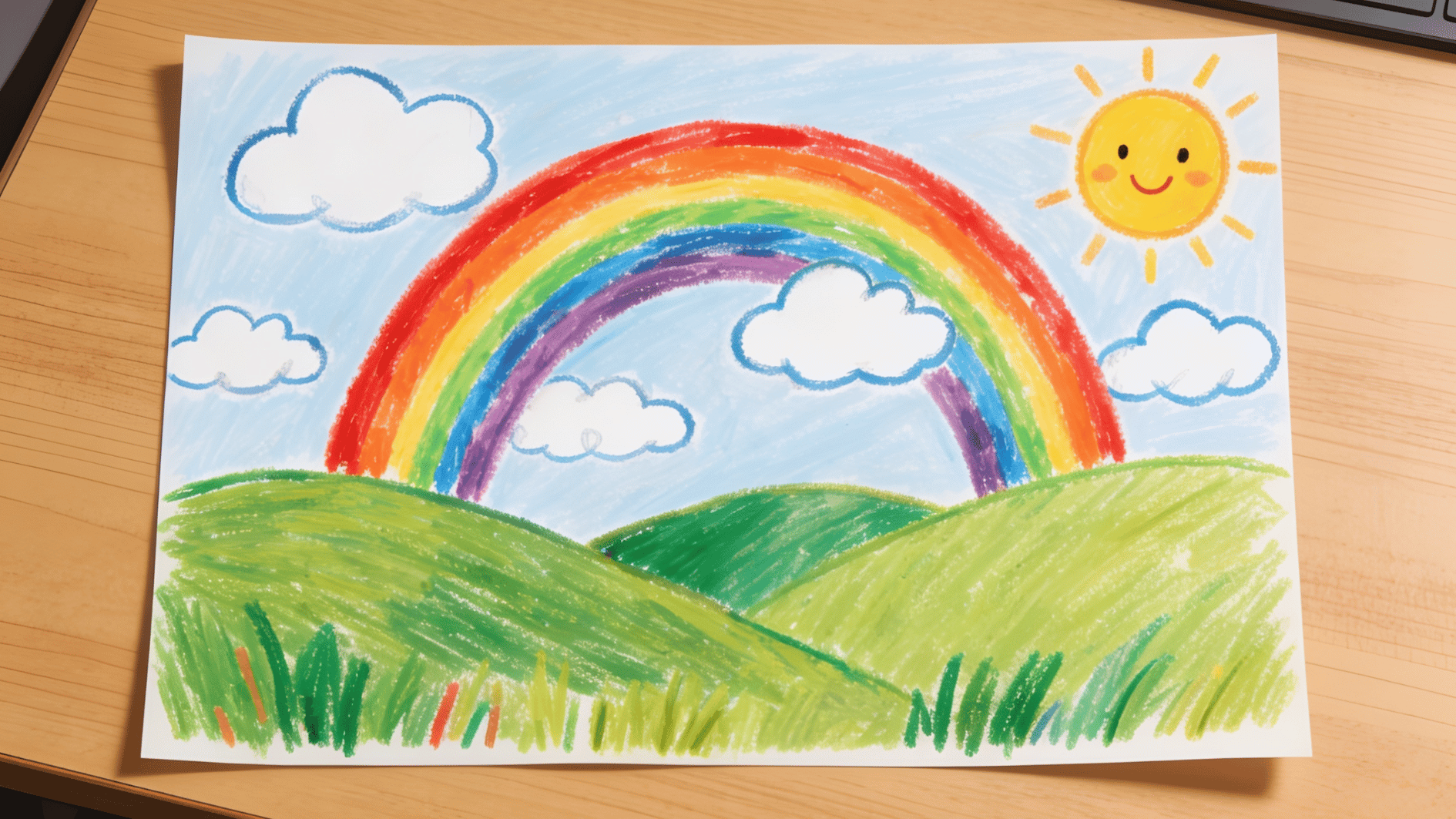
Nature-themed drawing prompts are a great entry point for younger kids because they’re drawing things they’ve actually seen. There’s less pressure when the subject is familiar.
- Draw your favorite animal doing something humans do – like cooking, reading, or brushing their teeth.
- Draw a butterfly with wings that look like something totally different (a pizza, a map, a sunset).
- Draw a bird building a nest out of unusual things.
- Draw what a dog dreams about.
- Draw a snail’s house from the inside.
- Draw a bear family at a campfire.
- Draw the view from a squirrel’s perspective, up in a tree.
- Draw an underwater scene with creatures you’ve made up.
- Draw a caterpillar on its way to becoming a butterfly – but make the butterfly surprising.
- Draw a leaf you picked up outside, but make it look like a piece of art.
- Draw a garden where every flower has a face.
- Draw your pet (or your dream pet) as a superhero.
Tip: For prompts like #7 and #5, ask your child to describe what they’re drawing before they start. That verbal warm-up helps them picture the scene more clearly.
Imagination and Fantasy
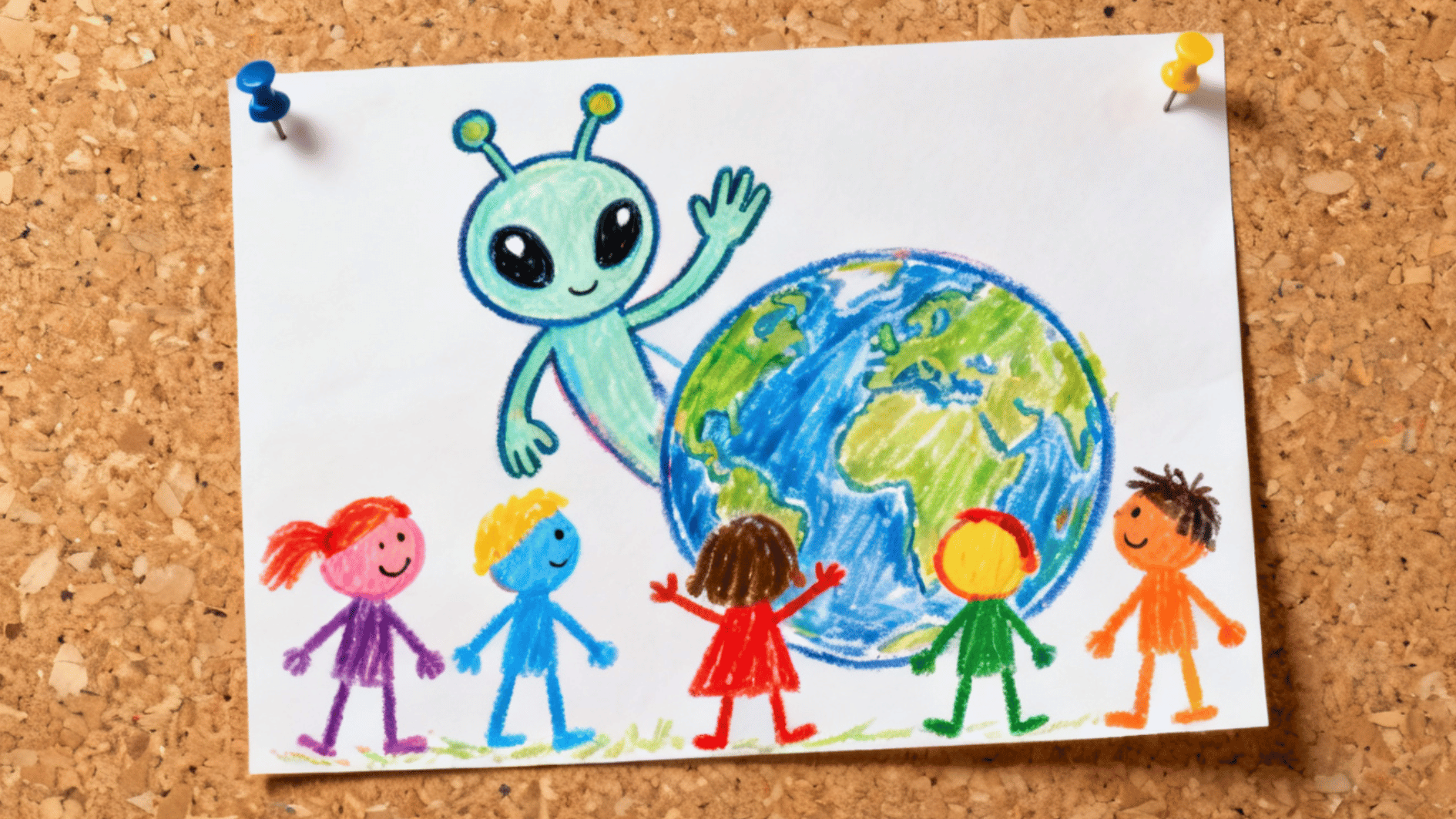
These are the prompts that help kids think beyond real life, much like cartoon drawing ideas for kids that turn simple characters, funny scenes, and made-up worlds into easy art starters.
- Draw a castle that floats in the sky. Who lives there?
- Draw a dragon who is scared of something unexpected.
- Draw a fairy village built inside a tree trunk.
- Draw a mermaid who lives in a swimming pool instead of the ocean.
- Draw a wizard’s messy bedroom.
- Draw a map of an imaginary island. Name it and label three places on it.
- Draw a door that leads to somewhere magical. What’s on the other side?
- Draw a giant who is actually very gentle and shy.
- Draw a cloud that is secretly a living creature.
- Draw a unicorn working a regular job – like a dentist or a librarian.
- Draw a potion bottle and label what it does.
- Draw yourself with a superpower. What does it look like when you use it?
Tip: Prompt #18 pairs beautifully with geography or social studies lessons. Kids can label landforms, climate zones, or invented cultures on their imaginary island.
Everyday Life and People
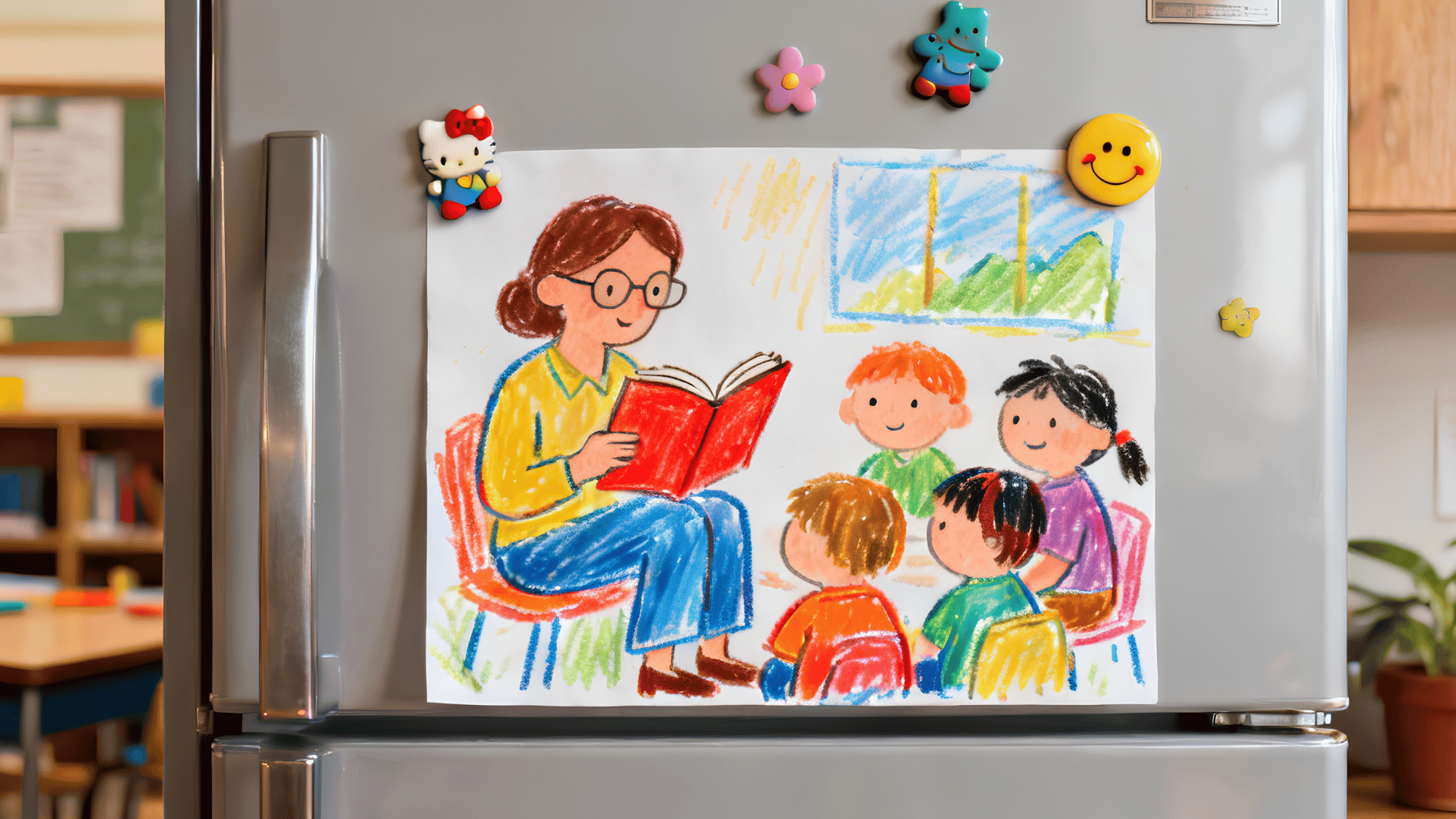
These drawing prompts for kids are grounded in the real world, making them perfect for children who prefer drawing things they know rather than imagining them. They also build strong observational skills.
- Draw your bedroom exactly as it looks right now.
- Draw your family as cartoon characters.
- Draw your favorite meal, with every ingredient floating in the air around the plate.
- Draw what you did this morning in three panels like a comic strip.
- Draw your school from the outside, including your favorite detail.
- Draw someone in your family doing their job or hobby.
- Draw a birthday party scene – whose birthday is it?
- Draw the inside of a grocery store, but every item is something strange.
- Draw your dream bedroom. No budget limits.
- Draw a day in the life of your shoe.
Tip: Prompt #28 is one I especially love for classrooms. It functions as a mini morning journal – visual instead of written – and helps kids practice sequencing.
Science and Space

Science-themed prompts are fantastic for curious kids who love facts and questions. These work especially well for ages 8–12 and can connect naturally to what kids are learning in school.
- Draw the solar system, but give each planet a personality.
- Draw an alien species you’ve invented. What do they eat? Where do they live?
- Draw a space station from the outside, then from the inside.
- Draw what you think the bottom of the ocean looks like in a place nobody has ever been.
- Draw a robot that helps with one specific job around the house.
- Draw what a volcano looks like right before it erupts.
- Draw a scientist in their lab – what are they working on?
- Draw a future city 100 years from now.
- Draw the lifecycle of a frog in four steps, but make it look like a storybook page.
- Draw what you think cells look like under a microscope, but make them colorful and fun.
Note: If your child is curious about the science behind any of these – like what the ocean floor actually looks like – NASA’s website for kids and National Geographic Kids are great places to look together before drawing.
Seasons and Holidays
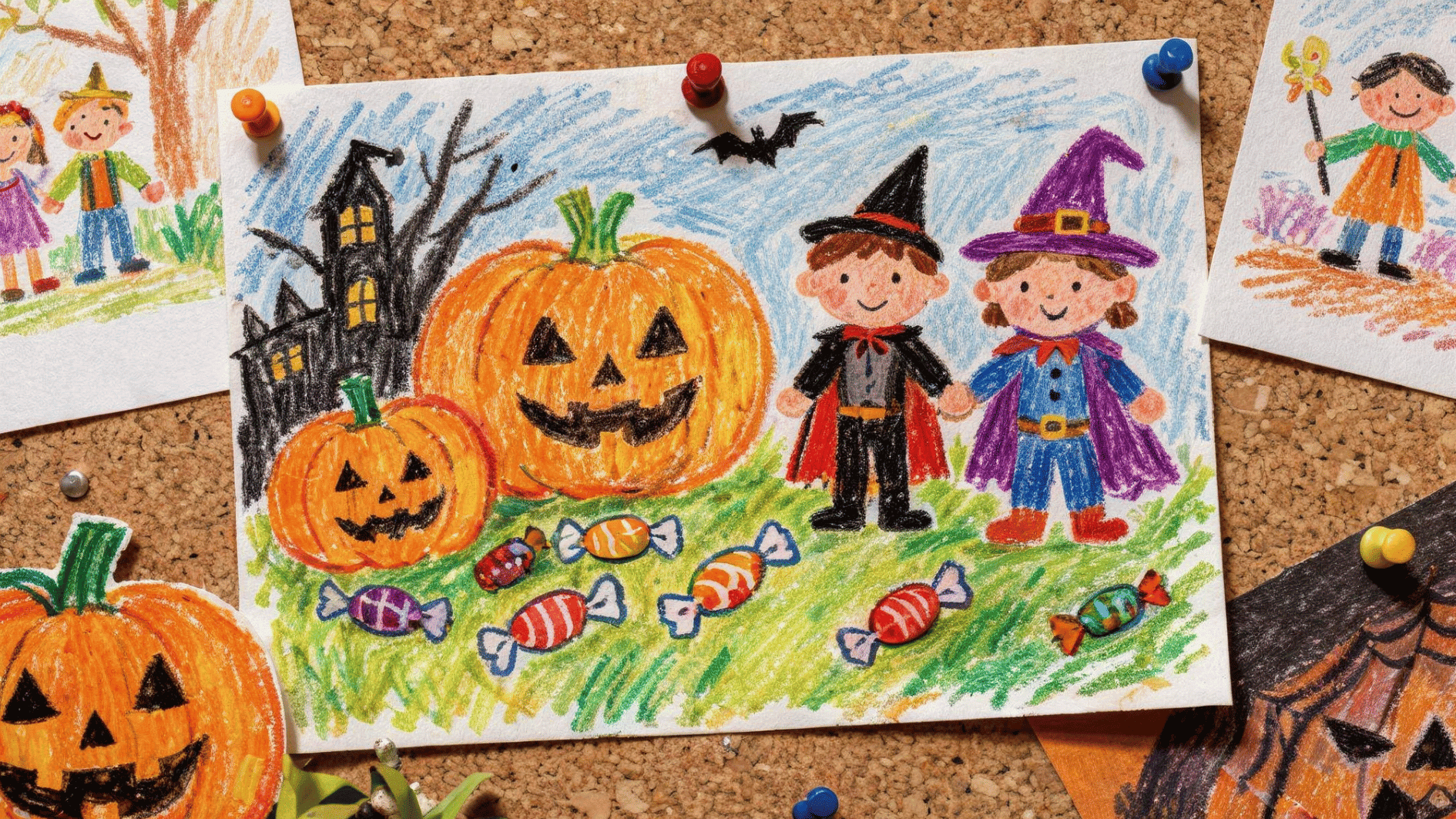
Rotating drawing prompts by time of year keeps things feeling fresh. These prompts tie into what’s happening in kids’ lives, which makes drawing feel more connected and relevant.
- Draw a snowman doing something completely unexpected.
- Draw what summer smells like (abstract, no rules).
- Draw your Thanksgiving table – but the guests are animals.
- Draw a Halloween costume you wish you had.
- Draw a spring scene with the first flowers coming up – but make one flower different from all the others.
- Draw a valentine for someone you appreciate, but instead of hearts, use their favorite things as the design.
- Draw what your neighborhood looks like during your favorite season.
- Draw a winter animal getting cozy for the season.
- Draw a summer road trip from the car window’s point of view.
- Draw a New Year’s celebration in a city on another planet.
Tip: Keep a seasonal drawing prompt jar on your kitchen counter. Write each prompt on a slip of paper and let your child pull one out at random. The element of surprise makes it more exciting.
Silly and Unexpected
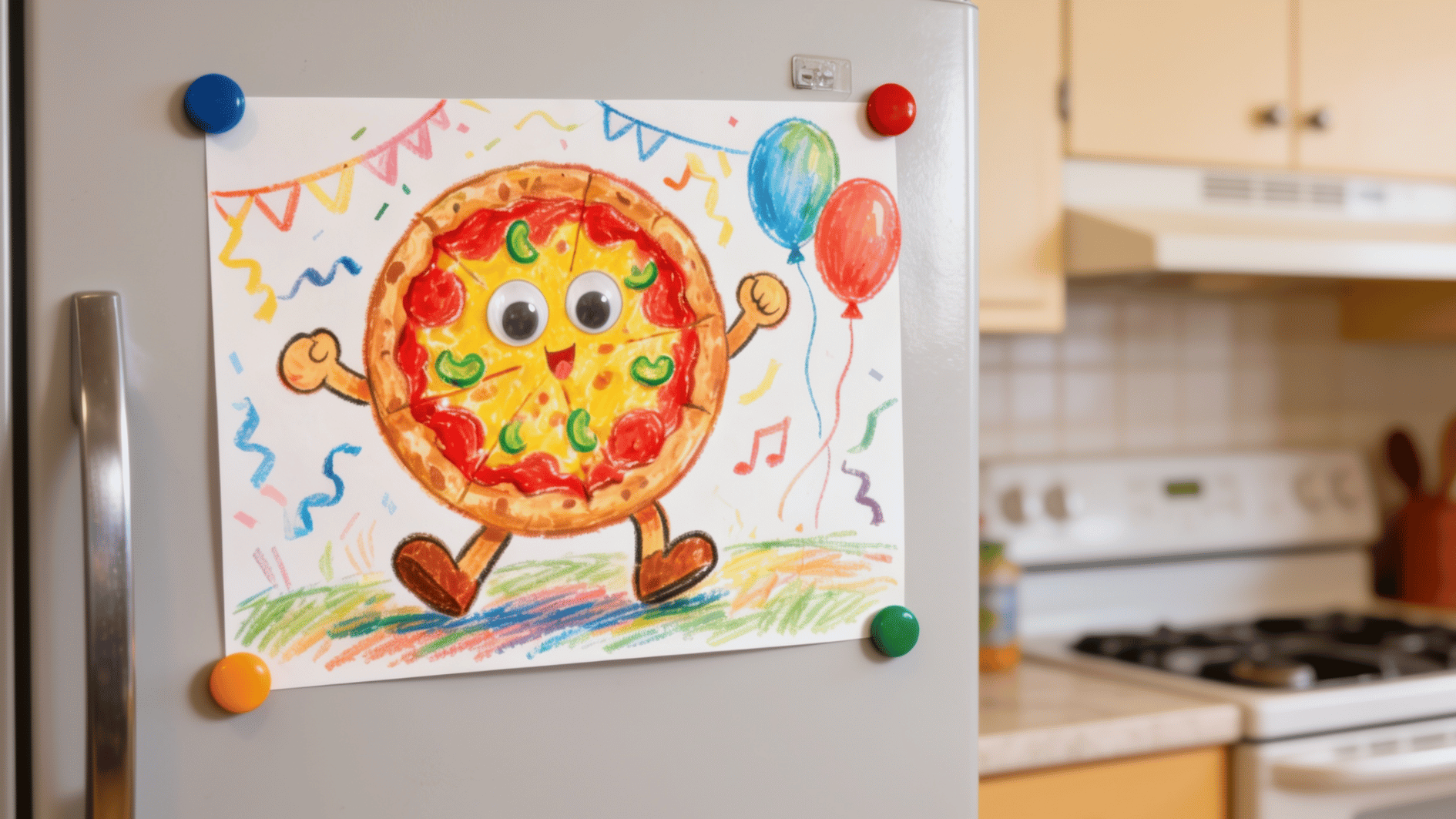
These are the prompts that make kids laugh – and laughter is underrated in creative work. Silly prompts lower the stakes and make drawing feel like a game. I always keep a few of these in my back pocket for the days when a child is resistant or frustrated.
- Draw a pizza with feelings.
- Draw a cat who runs a restaurant. What’s on the menu?
- Draw two vegetables arguing about who is more delicious.
- Draw a sandwich so big it needs its own zip code.
- Draw your shoe as if it were also a boat.
- Draw a school bus that can also fly.
- Draw an elephant trying to fit into a very small car.
- Draw a monster who is actually terrified of children.
- Draw a giraffe trying to eat a tiny cupcake.
- Draw what would happen if gravity stopped working for one hour.
- Draw a superhero whose only power is making perfect grilled cheese.
Note: These prompts work for literally every age. I’ve watched a five-year-old and a twelve-year-old both crack up over prompt #57 and produce completely different, completely wonderful drawings.
What to Do When Your Child Says “I Can’t Draw”
Almost every child says “I can’t draw” – usually around age 7 or 8, when comparing their work to others kicks in. That shift in thinking is normal, but it can stop a creative habit before it starts.
My go-to response is simple: there is no wrong way to do this. Drawing is about expression, not accuracy.If that doesn’t unstick them, I try blind drawing – pencil on paper without looking, just 30 seconds.
It always gets a laugh and takes the pressure off. Tracing a shape or using areference image works too. And I remind them that real artists erase, restart, and change direction all the time.
That’s not failure – that’s just how drawing works.
Tips to Get the Most Out of Drawing Prompts for Kids
You don’t need an art background to support a child’s drawing practice. A few habits make a real difference.
- Don’t critique the drawing. Focus on effort and imagination, not how it looks. “I love how you used so many colors” beats “What is that supposed to be?” every time.
- Ask questions instead of giving compliments. “Tell me about your drawing” or “What happens next in this scene?” opens up more than a simple “That’s great!” It also shows the child you’re genuinely interested.
- Let them pick their materials. Crayons, markers, colored pencils, watercolors, chalk on the driveway – let kids choose. Ownership of the process increases engagement.
- Don’t set a time limit. Some kids finish a drawing in 3 minutes. Others spend 45 minutes on one scene. Both are fine. Rushing a child is one of the fastest ways to make them lose the desire to draw.
- Offer two or three prompts when one doesn’t land. If a child rejects a prompt, that’s okay. Give them a small menu. A little choice goes a long way.
- Try drawing alongside them. Kids draw more willingly when an adult picks up a pencil too. It doesn’t matter how well you draw; what matters is that you’re in it together.
- Keep sessions short for younger kids. For ages 3-6, 10-15 minutes is a full session. For older kids, 20-30 minutes tends to be the sweet spot before focus drifts. Short, regular sessions beat one long session a week.
Conclusion
Drawing prompts for kids are one of those rare activities that need almost nothing – a pencil, paper, and a starting idea – but give back quite a lot.
Creativity, focus, fine motor skills, and confidence all grow through regular drawing practice. I’ve seen it work for children who insisted they couldn’t draw and for children who drew constantly but ran out of ideas.
The prompt is the nudge; everything after that is theirs. You don’t have to make it a big event. A prompt jar on the counter, a quiet afternoon, five minutes before dinner any of it counts.
Pick one prompt from this list, hand it to your child, and see what happens. You might be surprised what they come up with when they have just a little place to start.
Frequently Asked Questions
How Do I Choose the Right Drawing Prompt for My Child?
Match the prompt to your child’s interests, current mood, and whether they prefer real or imaginary subjects.
Can Drawing Prompts Improve a Child’s Imagination?
Yes, they encourage children to create ideas, build stories, and think beyond everyday experiences.
What if My Child Loses Interest While Drawing?
Try a shorter prompt, switch materials, or simply let them stop. Not every session has to be a finished piece. Sometimes starting is enough; kids often come back to an unfinished drawing later, on their own terms.
Are Drawing Prompts Useful for Classroom Activities?
Yes, teachers can use them for art lessons, writing warm-ups, group activities, and creative breaks. The comic strip prompt and the imaginary island prompt work especially well for cross-subject use: art plus writing, or art plus geography.